
Used 2020 Volvo Rolloff Trucks For Sale
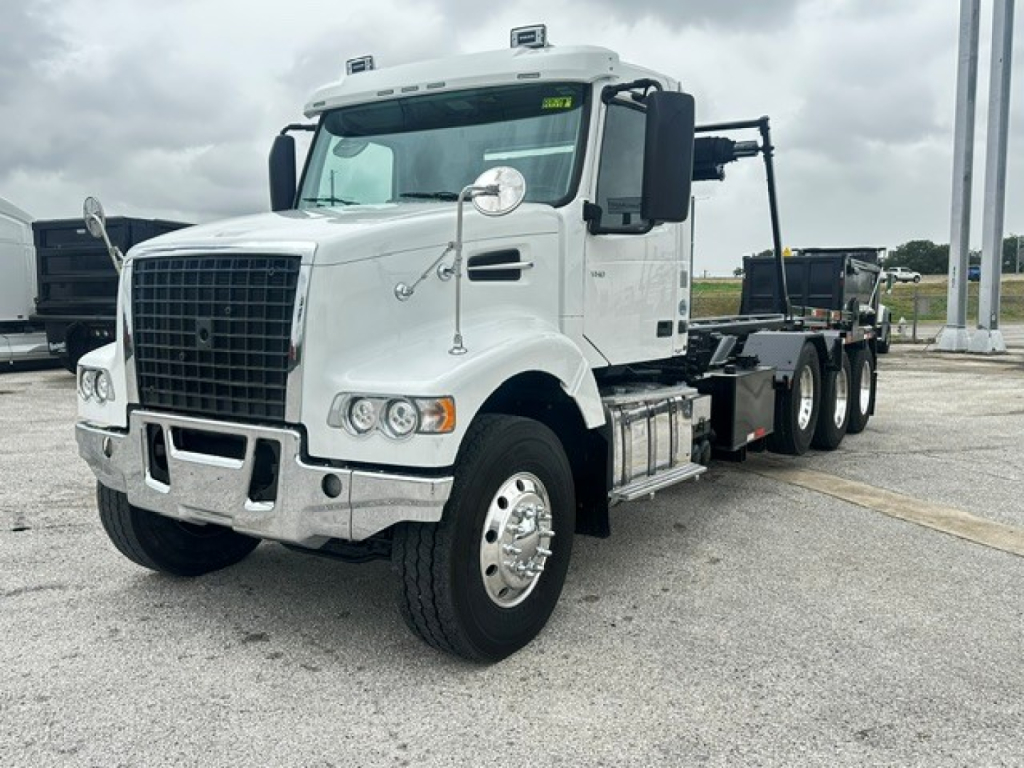
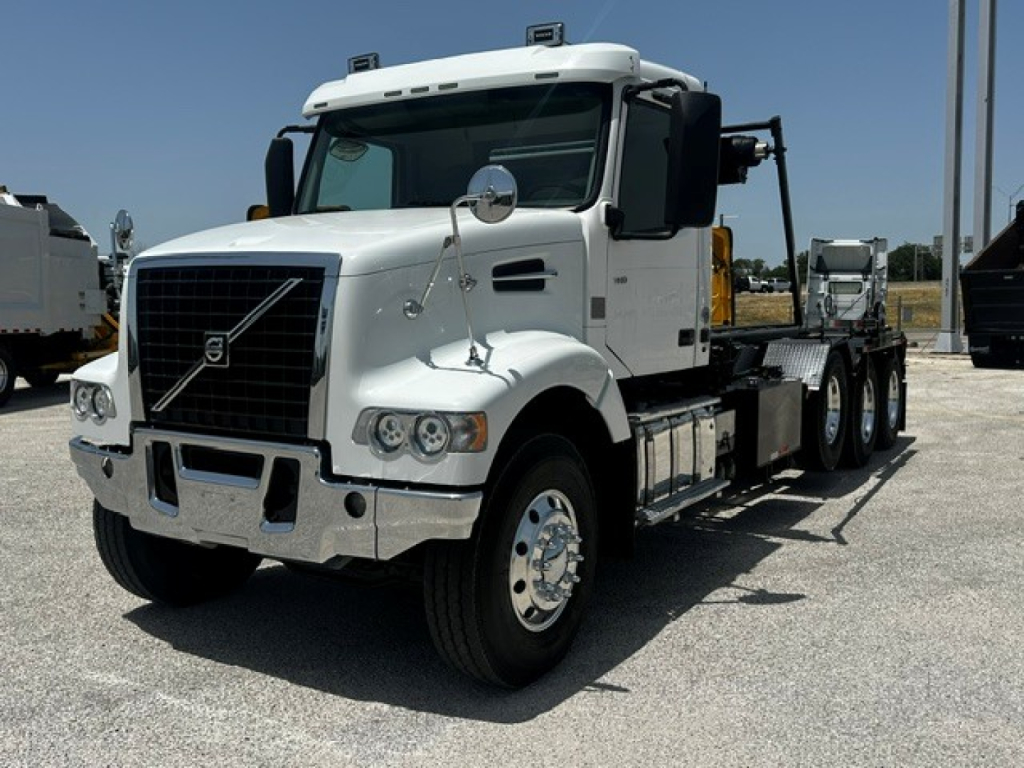
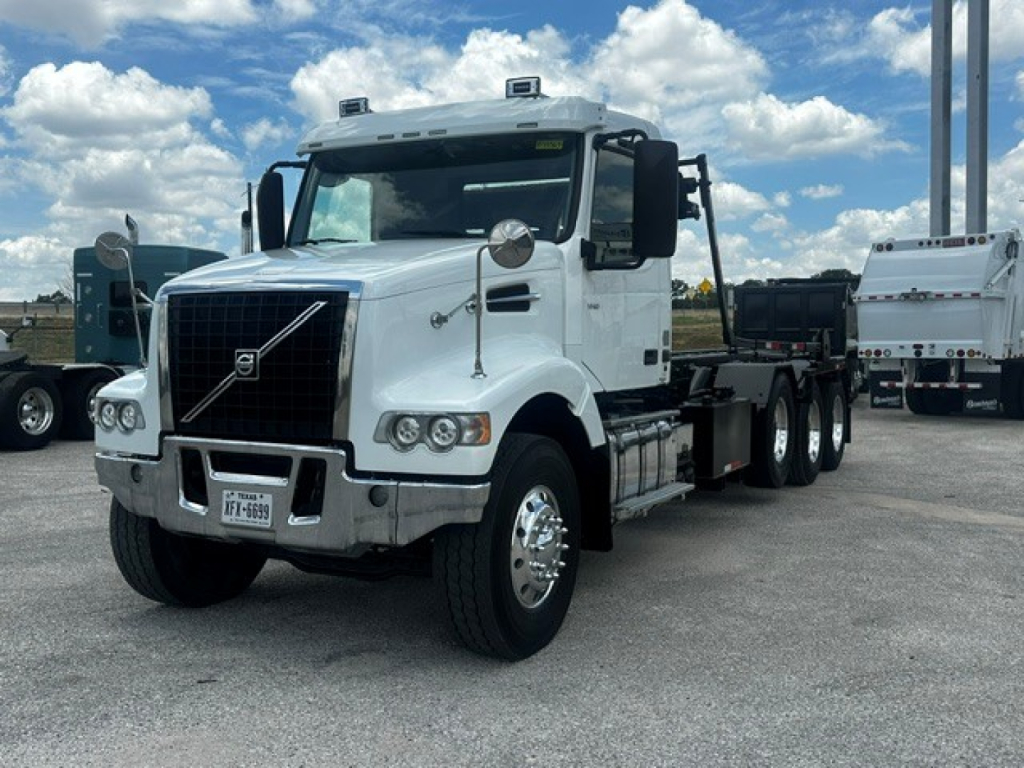
Have used 2020 volvo rolloff truck to sell? List it here to reach thousands of buyers.
Used 2020 Volvo Rolloff Trucks
A typical 2020 Volvo rolloff setup may include tandem or tri-axle configurations, diesel power in the 400 to 500 horsepower range, and automated manual or manual transmissions depending on the original vocational spec. Common rolloff hoist ratings often fall around 50,000 to 75,000 pounds, but capacity depends on the hoist and frame build, not just the cab and chassis. Important spec points include outside rail width, cable or hook system design, tarp system condition, pusher or tag axle operation, suspension rating, and PTO performance. Buyers should also inspect body saddle wear, hoist pivot points, hydraulic leaks, cylinder condition, and signs of frame stress around the hoist mounts.
For container work, the right wheelbase and axle spread can matter as much as engine or transmission choice. A shorter wheelbase can help in tight urban routes and transfer station access, while a longer chassis may provide better balance with heavier debris boxes. Front axle rating, rear suspension capacity, and bridge law compliance are worth checking if the truck will run across multiple states or haul dense loads like concrete, roofing tear-off, or scrap metal. On used 2020 trucks, emissions system service history is also important. Review DPF, DEF, and aftertreatment records along with idle hours, PTO hours, and any documentation on clutch, driveline, or hydraulic repairs.
Volvo rolloff trucks from this period are often selected by fleets that want a vocational truck with a more refined cab layout and solid road manners without giving up work-site capability. The best value usually comes from matching the hoist, axle package, and frame spec to the containers you run every day. A truck that is ideal for municipal waste boxes may not be the right choice for demolition debris or high-cycle scrap routes. Careful attention to hoist wear, chassis ratings, hydraulic condition, and service records will tell you more than odometer miles alone when evaluating a used 2020 Volvo rolloff truck.
Frequently Asked Questions about Used 2020 Volvo Rolloff Trucks
What should I check first on a used 2020 Volvo rolloff truck?
Start with the hoist system and frame. Confirm the hoist manufacturer, rated capacity, hook or cable configuration, PTO operation, hydraulic condition, and any visible wear at pivot points, mounts, rollers, and saddles. After that, verify axle ratings, wheelbase, suspension capacity, and the truck’s maintenance history. On a 2020 model, emissions service records and PTO or idle hours can be just as important as mileage.
Is a Volvo VHD a good platform for rolloff work?
Yes. The Volvo VHD is a common vocational chassis for rolloff service because it is built for severe-duty applications while still offering a comfortable cab, good visibility, and a stable road feel. The platform works well for waste, recycling, scrap, and demolition operations, but the truck’s usefulness depends on the exact hoist installation, axle configuration, and frame specifications rather than the model name alone.
What hoist capacity is common on a rolloff truck?
Many rolloff trucks are equipped with hoists rated in the 50,000 to 75,000 pound range, but the actual usable capacity depends on the complete build. The hoist rating, frame reinforcement, axle ratings, suspension, and legal weight limits all affect what the truck can handle in real operation. Buyers should confirm the hoist tag and compare it to the intended container sizes and material density.
What is more important on a used rolloff truck, mileage or hours?
Both matter, but vocational buyers should pay close attention to engine hours, idle time, and PTO hours. Rolloff trucks often spend significant time loading, unloading, and waiting on site, so wear does not always show up in mileage alone. A truck with moderate road miles can still have heavy hydraulic and PTO use, which makes maintenance records and an operational inspection especially important.