
Used Volvo Rolloff Trucks For Sale
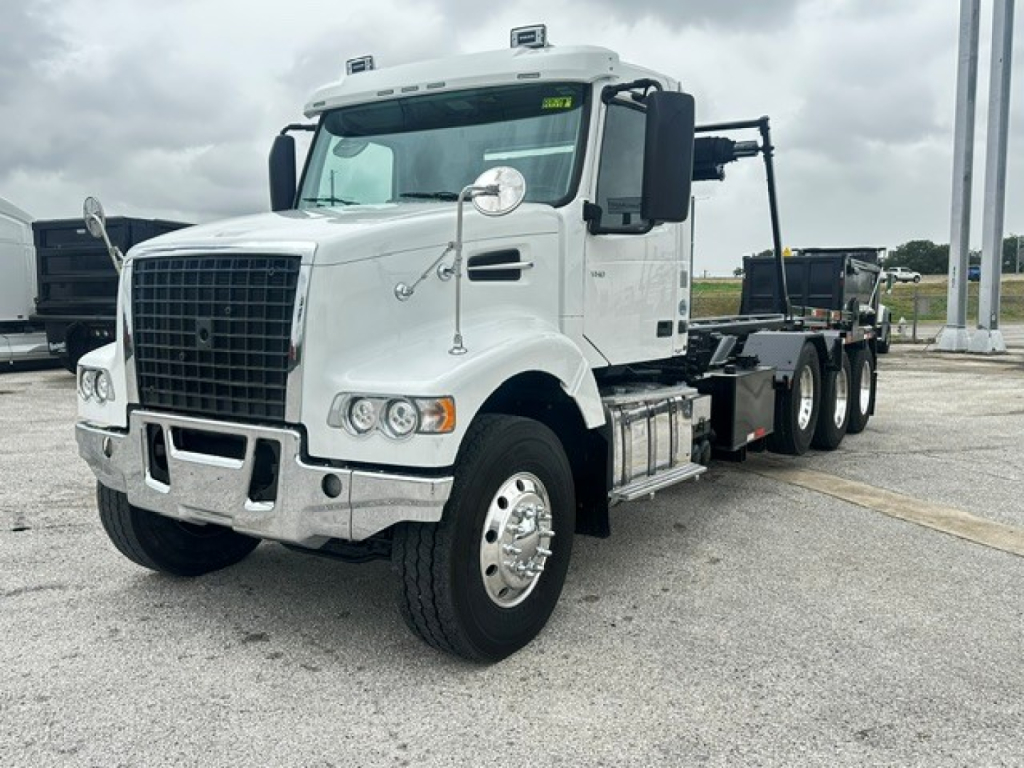
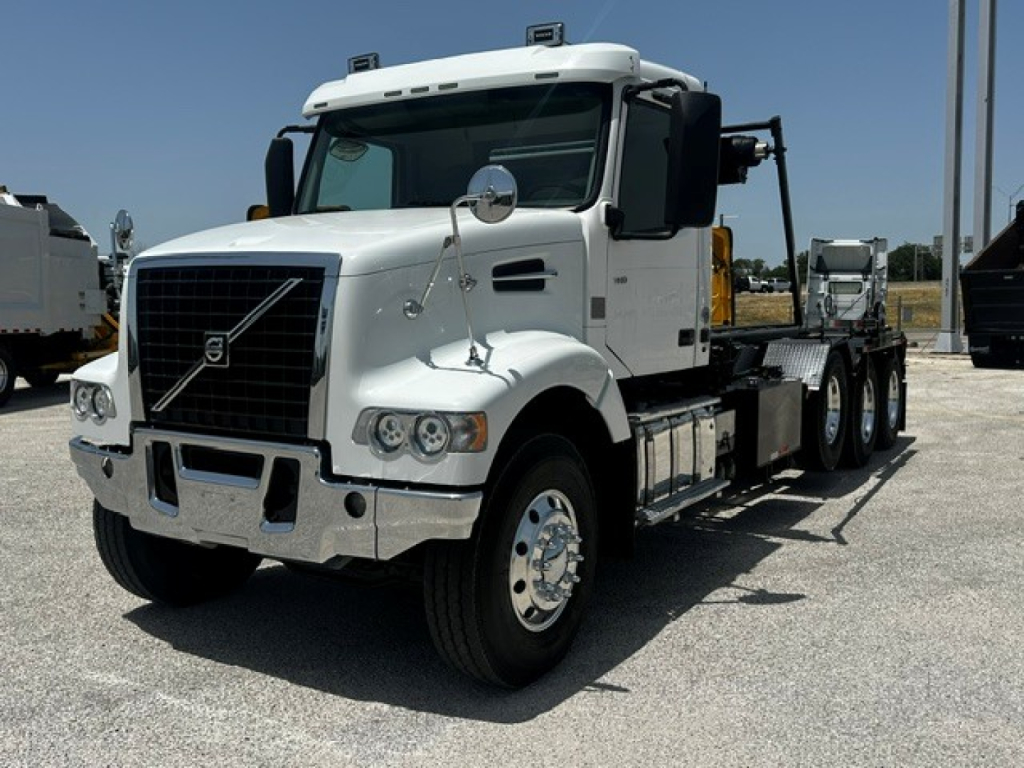
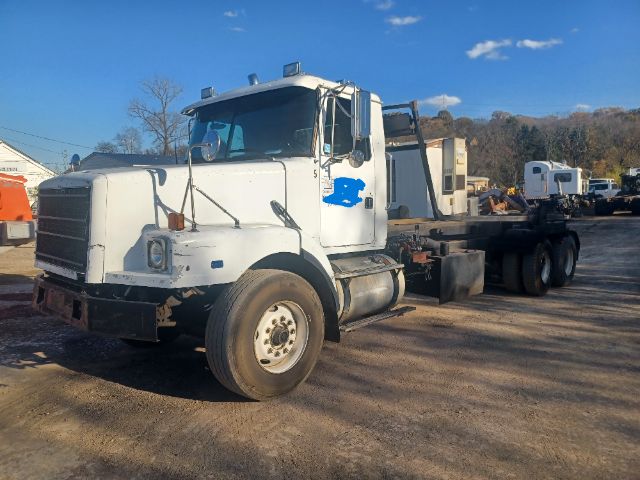
Have used volvo rolloff truck to sell? List it here to reach thousands of buyers.
Used Volvo Rolloff Trucks
The first thing to verify is the hoist system and rated capacity. Many rolloff trucks in this class are set up for 40,000 lb to 60,000 lb applications, but the real buying decision comes down to hoist brand, rail length, container compatibility, and frame condition. Check whether the truck uses an outside rail or inside rail setup, and confirm cable condition, sheave wear, winch operation, hook height, and hydraulic response under load. PTO engagement, pump performance, and signs of frame reinforcement or past repairs deserve close attention on any used rolloff, especially if the truck has spent years in scrap or C&D service.
Volvo vocational chassis are commonly spec'd with diesel engines from Volvo or Cummins, paired with manual, automated manual, or automatic transmissions depending on age and application. Older used units may have 8-speed, 9-speed, 10-speed, or fuller vocational gearboxes, while newer trucks may be equipped with I-Shift or Allison automatics for stop-and-go routes. Tandem rear axles are common for heavier containers and legal payload, and suspension choice matters if the truck sees rough transfer stations, uneven job sites, or frequent backing. Front axle capacity, wheelbase, and cab-to-axle dimensions all affect body fitment and how well the truck balances loaded cans.
A good used Volvo rolloff truck should be evaluated as a complete working system, not just a chassis with a hoist on it. Look at rail wear, tail roller condition, tarp system operation, outside controls, in-cab PTO controls, hydraulic tank placement, and any signs of twist or cracking at the hoist mounts. If the truck will cross state lines or run at maximum legal weight, pay close attention to bridge law implications, axle spacing, and brake condition. For local container work, maneuverability and visibility may matter more than peak horsepower. The best choice is the one that matches your container lengths, route density, dump environment, and maintenance capability.
Frequently Asked Questions about Used Volvo Rolloff Trucks
What should I inspect first on a used Volvo rolloff truck?
Start with the hoist system, frame, and hydraulics. Confirm the hoist rating, inspect cables or hook components for wear, and check rail alignment, tail rollers, sheaves, cylinders, and PTO operation. Then inspect the truck frame for cracks, plating, corrosion, or signs of hard use around the hoist mounts and suspension hangers. A rolloff truck can have a solid engine and transmission but still become expensive if the body system has been neglected.
Are Volvo rolloff trucks good for waste and demolition work?
Volvo rolloff trucks are well suited for waste, scrap, demolition, and container hauling when the chassis is properly spec'd for the job. Their vocational configurations are commonly used with tandem axles, heavy frame rails, and diesel powertrains that can handle repeated loading cycles and urban stop-and-go work. The key is matching axle ratings, wheelbase, and hoist capacity to the size of containers and the material being hauled.
What hoist capacity is common on a used rolloff truck?
Used rolloff trucks commonly fall in the 40,000 lb to 60,000 lb hoist range, although exact capacity varies by body manufacturer and application. Capacity alone is not enough to judge suitability. Buyers should also verify container length compatibility, hoist geometry, hydraulic performance, and the truck's legal GVWR and axle configuration, because those factors determine how the truck performs in real service.
Is a tandem-axle Volvo rolloff better than a single-axle model?
A tandem-axle Volvo rolloff is generally the better choice for heavier containers, higher legal payload, and demanding demolition or transfer work. A single-axle truck can still make sense for smaller cans, tighter urban routes, and lighter-duty service where lower operating cost and better maneuverability are priorities. The better configuration depends on route conditions, disposal site access, and the weight profile of the material being hauled.