
Used 2020 Rolloff Trucks For Sale in Texas
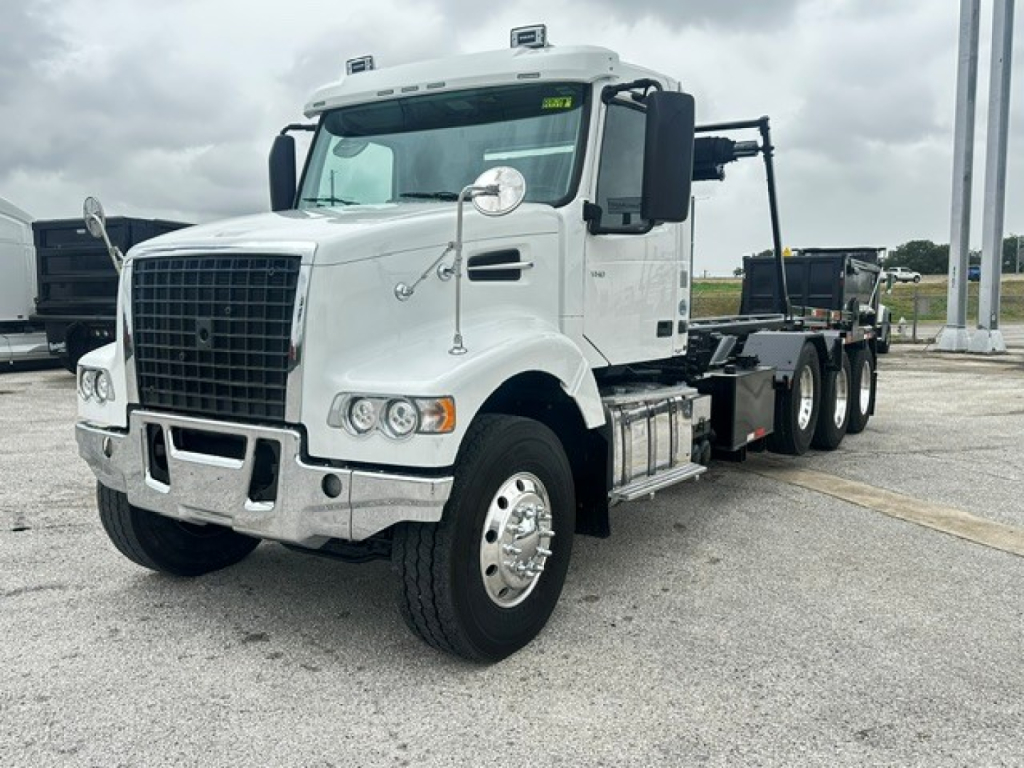
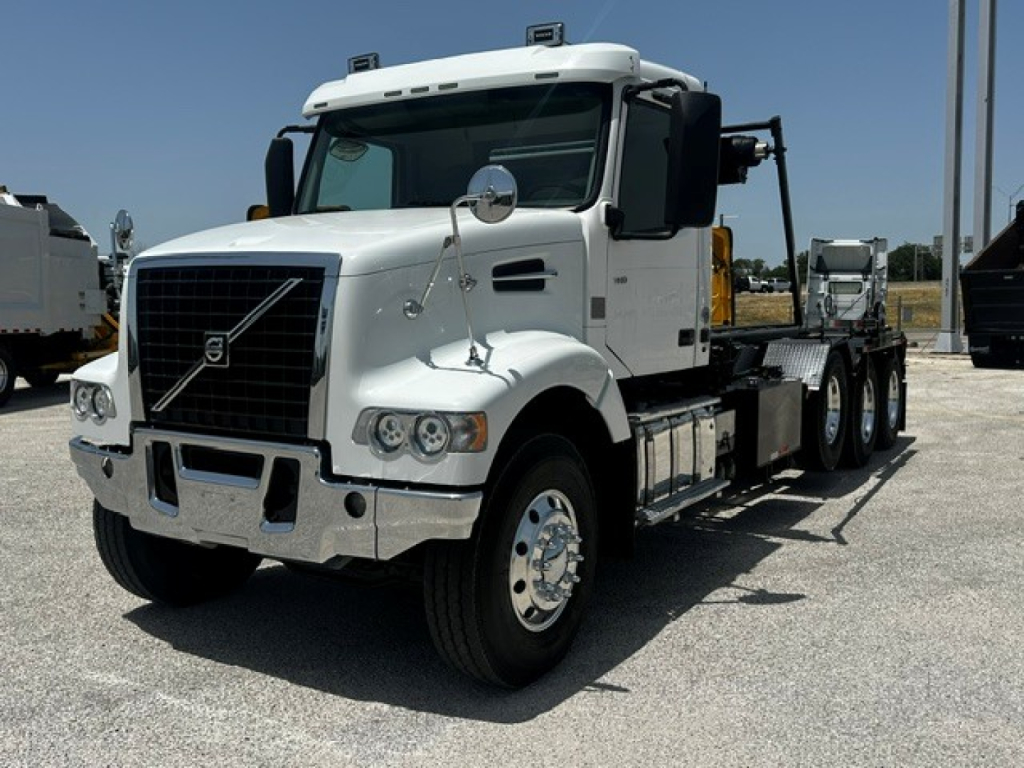
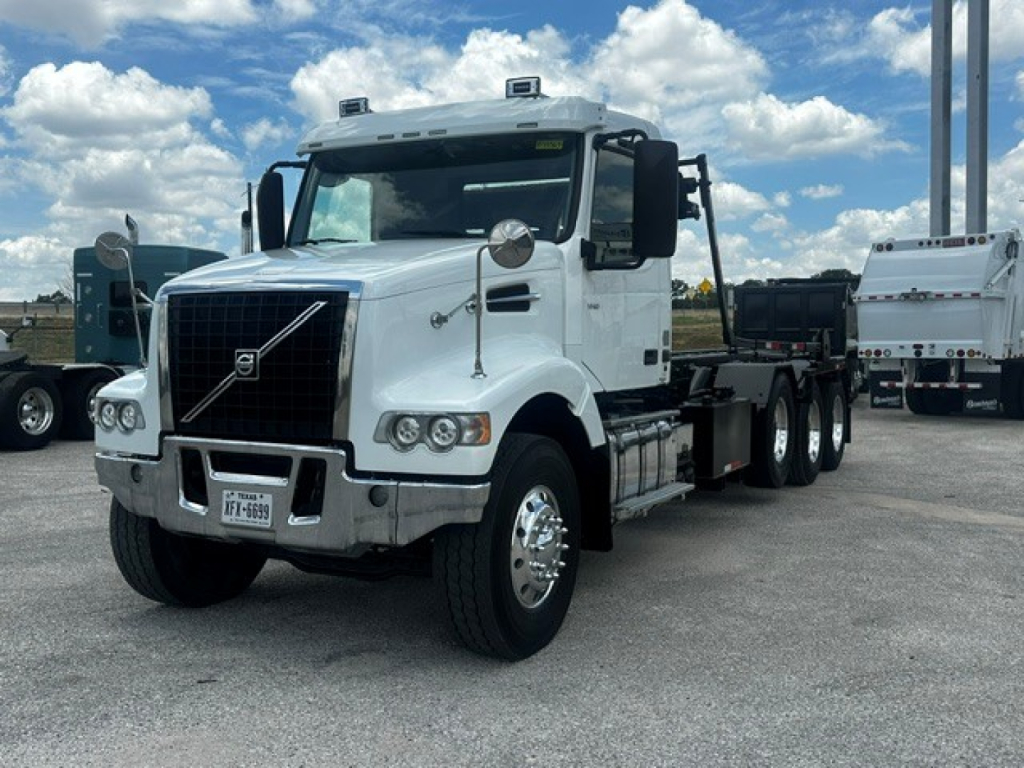
Have used 2020 rolloff truck to sell? List it here to reach thousands of buyers.
Used 2020 Rolloff Trucks in Texas
Most buyers in this class are looking at tandem-axle configurations with front axles around 20,000 pounds and rear ratings in the 44,000 to 46,000 pound range, although exact GVWR depends on suspension, bridge law targets, and body builder specs. Hoist capacities commonly fall in the 60,000 to 75,000 pound range, with Galbreath, SwapLoader, American, Pioneer, and Roll Offs USA among the names seen in the market. A 2020 model may include an outside rail or cable hoist system, but hooklift-style setups are a different category and should not be confused with a traditional rolloff truck. Tarp systems are a major buying point because automatic tarps improve cycle time and help with compliance on debris, C&D, and municipal loads.
On a used 2020 rolloff truck, the drivetrain matters as much as the hoist. Engines in this segment commonly land in the 400 to 455 horsepower range with heavy-duty automatics such as the Allison 4500 RDS, though some units use automated manual or manual transmissions depending on the fleet spec. Look closely at axle ratio, suspension type, PTO operation, hoist wear points, cable condition if equipped, and the condition of the rollers, rails, saddles, and rear hinge area. In Texas service, frame condition, hydraulic leaks, body mount integrity, and evidence of off-road or landfill use deserve extra attention. Buyers should also verify container compatibility, inside rail width, hook or cable geometry, and legal weight expectations based on the routes they run.
A 2020 model year often hits a useful middle ground for fleet buyers because it is new enough to offer modern emissions systems, updated cab ergonomics, and current safety equipment, but old enough to be priced below late-model replacement cost. The best choice depends on the container lengths you run, the density of your material stream, and how much of the route is highway versus tight urban service. For buyers comparing listings, the key is not just chassis brand. It is how the truck was spec'd as a rolloff from the start, including hoist manufacturer, suspension, transmission, tarp setup, and axle package.
Frequently Asked Questions about Used 2020 Rolloff Trucks in Texas
What should I look for first on a used 2020 rolloff truck?
Start with hoist capacity, axle ratings, wheelbase, and the actual container sizes the truck is designed to handle. Those specs determine whether the truck fits your route and payload requirements. After that, inspect the hydraulic system, PTO engagement, rollers, rails, cable or hook components, tarp system, and frame condition. A rolloff truck can have a strong chassis and still become an expensive unit if the hoist and hydraulic components show heavy wear.
What hoist capacity is common on 2020 rolloff trucks?
Many 2020 rolloff trucks in the used market are equipped with hoists rated around 60,000 to 75,000 pounds. The right rating depends on container length, material density, and how aggressively the truck is worked. Higher-capacity hoists are common in demolition, scrap, and heavy debris applications, while lighter municipal or commercial trash routes may not need the top end of that range.
Are automatic transmissions common in rolloff trucks?
Yes. Automatic transmissions, especially heavy-duty Allison models, are very common in rolloff service because they perform well in stop-and-go routes, frequent backing, and tight site work. They also reduce driver fatigue and can help with consistency across multi-driver fleets. Some units are equipped with manuals or automated manuals, but automatic-equipped trucks are often preferred in waste and container operations.
Is a rolloff truck the same as a hooklift truck?
No. A traditional rolloff truck usually uses a cable hoist or outside rail system to load and unload rolloff containers, while a hooklift truck uses a hydraulic hook arm to pick up compatible bodies. The two are similar in purpose but different in loading method, body compatibility, and sometimes operating speed. Buyers should confirm the body style before comparing listings because containers and applications are not always interchangeable.
Why is Texas important when shopping for a used rolloff truck?
Texas buyers often balance highway travel, urban collection, landfill access, and construction or energy-related cleanup work in the same operating region. That makes axle spec, cooling performance, suspension durability, and legal weight strategy especially important. A truck that works well in Dallas-Fort Worth or Houston may need different gearing, wheelbase, or suspension priorities than one running smaller municipal routes or rougher jobsite access in West Texas.