
Used Volvo Trucks For Sale in Florida
Browse used Volvo trucks for sale in Florida, including VNL daycabs and sleepers with D13 power, I-Shift transmissions, and fleet-ready specs.
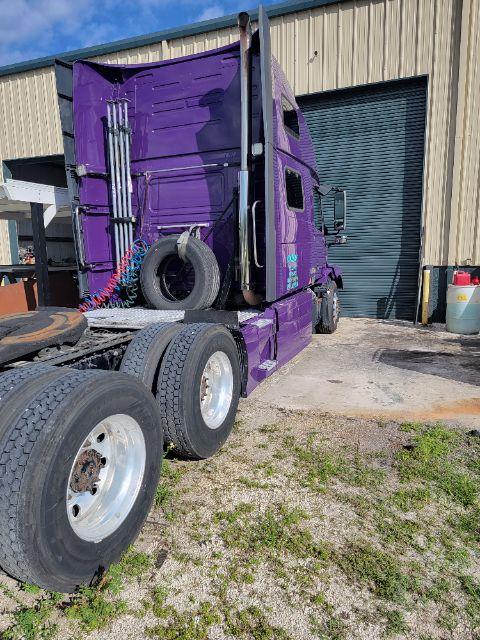
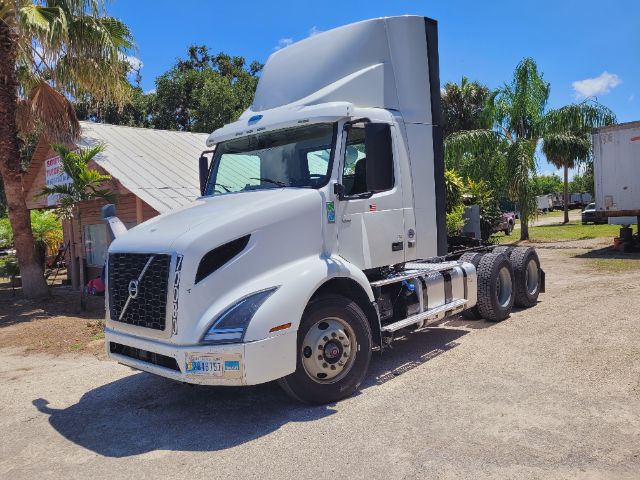

Selling a used volvo truck? List your used volvo truck for sale and reach thousands of commercial buyers.
Used Volvo Trucks in Florida
For most late-model used Volvo highway trucks, the core spec discussion starts with the Volvo D13 engine and Volvo I-Shift automated manual transmission. That combination is popular for good reason. The D13 is well known for strong torque, efficient cruise performance, and compatibility with downsped drivetrains. I-Shift transmissions are widely accepted in fleet service because they reduce driver fatigue, help protect the driveline, and can improve consistency across mixed driver experience levels. Buyers should pay close attention to horsepower, rear axle ratio, and axle configuration because these specs directly affect startability, fuel economy, and how well the truck matches its intended trailer and route profile. Ratios such as 2.64 are common on fuel-economy oriented highway tractors, especially when paired with 12-speed automated transmissions.
Used Volvo tractors in Florida are often spec'd with aerodynamic packages, air ride suspension, aluminum fuel tanks, disc or drum brake setups, sliding fifth wheels, and 22.5 low-profile tires. For a buyer, wheelbase and rear axle layout are just as important as engine rating. A tandem axle daycab with a 40,000 lb rear end suits heavier gross weights and broader trailer compatibility, while a single drive axle with tag or pusher configuration may make sense for specialized regional applications and weight-sensitive operations. Sleeper buyers should evaluate fairings, idle strategy, bunk HVAC condition, and cab interior wear, while daycab buyers should focus more on turning radius, frame space, and PTO or vocational adaptability if the truck may be reassigned later.
Condition matters more than badge loyalty in the used market, so service records, emissions system history, brake wear, tire condition, and software fault data should be part of any serious evaluation. On Volvo trucks, it is smart to verify maintenance on the DPF and DEF systems, inspect the condition of the aftertreatment components, and confirm that transmission calibration and clutch data are current where applicable. Florida buyers should also look closely for corrosion from coastal exposure, sun-related interior wear, and A/C performance, since climate and operating environment can be hard on cab components. A well-maintained used Volvo truck can deliver a very efficient cost-per-mile, especially when the spec matches the freight, terrain, and duty cycle.
Frequently Asked Questions about Used Volvo Trucks in Florida
What are the most common used Volvo truck models for highway freight?
The most common used Volvo highway trucks are usually from the VNL series, including daycab models like the VNL 300 and sleeper models such as the VNL 760. Daycabs are generally selected for local, regional, drayage, and dedicated route work, while sleeper configurations are better suited for over-the-road operations. The right choice depends on haul length, trailer type, wheelbase needs, and whether the truck will spend nights away from the terminal.
Is the Volvo D13 with I-Shift a good used truck combination?
Yes, the Volvo D13 engine paired with the Volvo I-Shift transmission is one of the most common and proven specifications in the used Volvo market. It is popular because it delivers strong highway efficiency, smooth shifting, and lower driver fatigue than a manual transmission. The key is verifying maintenance history, fault codes, clutch and calibration data, and emissions system service, because condition and prior upkeep matter more than the drivetrain name alone.
What should I check first on a used Volvo truck in Florida?
Start with the service history, engine hours, mileage, and any records tied to the DPF, DEF, and aftertreatment system. In Florida, cab air conditioning performance is especially important, and buyers should also inspect for sun damage, coastal corrosion, and general wear on seals, wiring, and interior trim. Tire condition, brake life, suspension wear, and fifth wheel condition should be checked alongside electronic diagnostics and a road test.
How do I choose between a Volvo daycab and a Volvo sleeper?
A Volvo daycab is usually the better fit for short-haul or regional operations where a lighter, shorter truck improves maneuverability and reduces unnecessary cab space. A Volvo sleeper is the better option for over-the-road work, team driving, and runs that require overnight accommodations. Buyers should compare wheelbase, fuel capacity, storage, fairing setup, and axle ratings against the actual route and trailer combination the truck will handle.
Are low rear axle ratios like 2.64 good for a used Volvo tractor?
A 2.64 rear axle ratio can be an excellent choice for linehaul and fuel-economy focused operations, especially when paired with a Volvo D13 and I-Shift transmission. This type of downsped setup keeps engine rpm lower at highway speed, which can reduce fuel consumption and noise. It is less ideal for operations that demand frequent heavy starts, steep grades, or off-road work, so the ratio should always be matched to gross weight, terrain, and duty cycle.