
Used Conventional Daycab Trucks For Sale in Florida
Browse used conventional daycab trucks in Florida. Compare specs, axle setups, engines, transmissions, and applications for regional hauling.
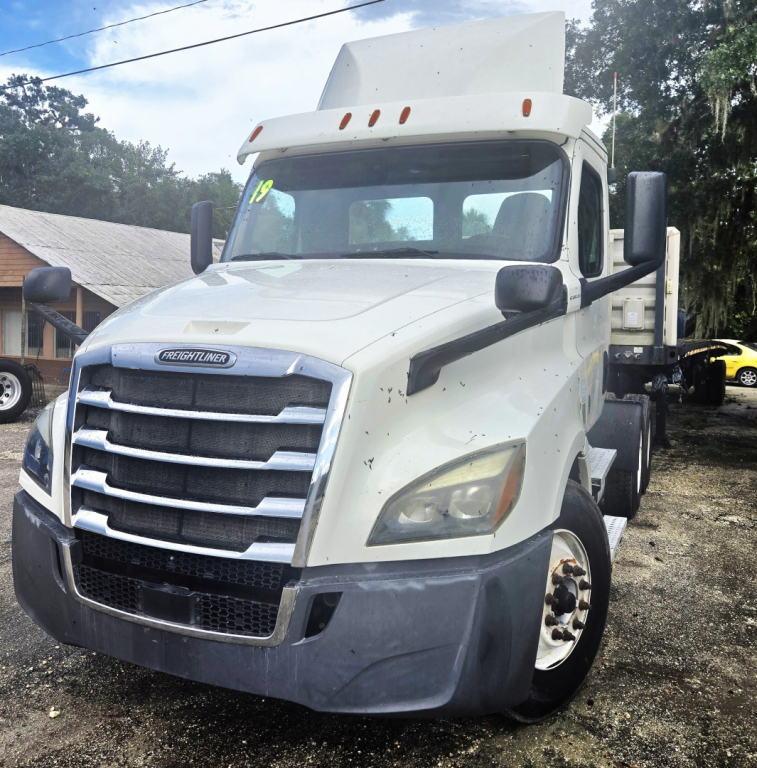
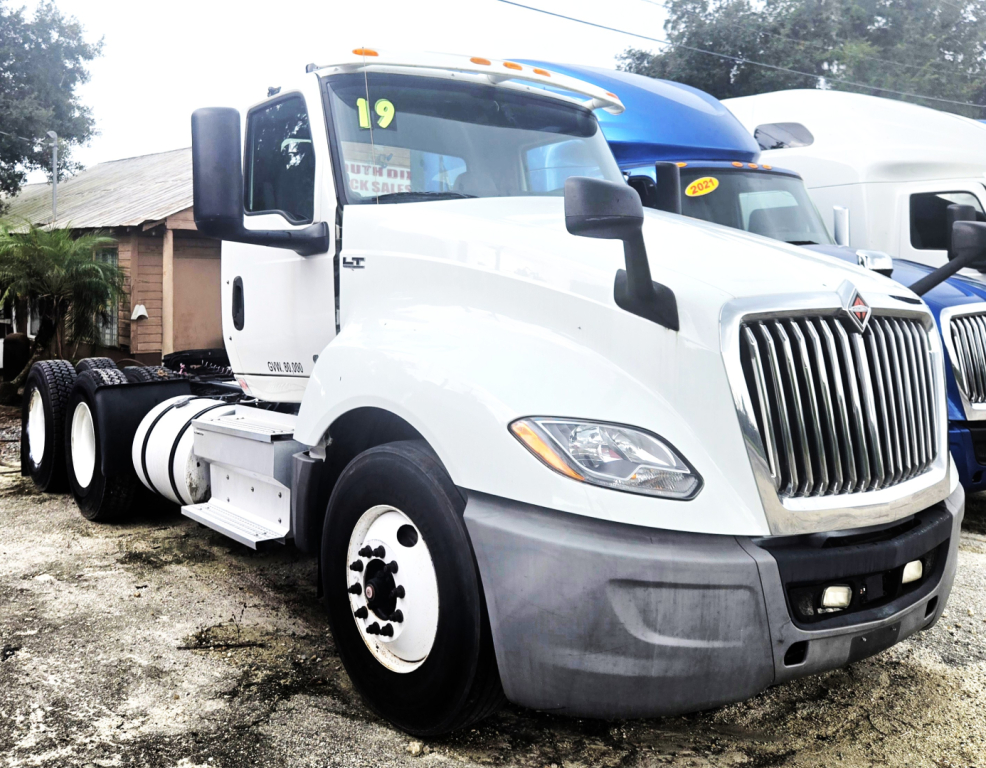
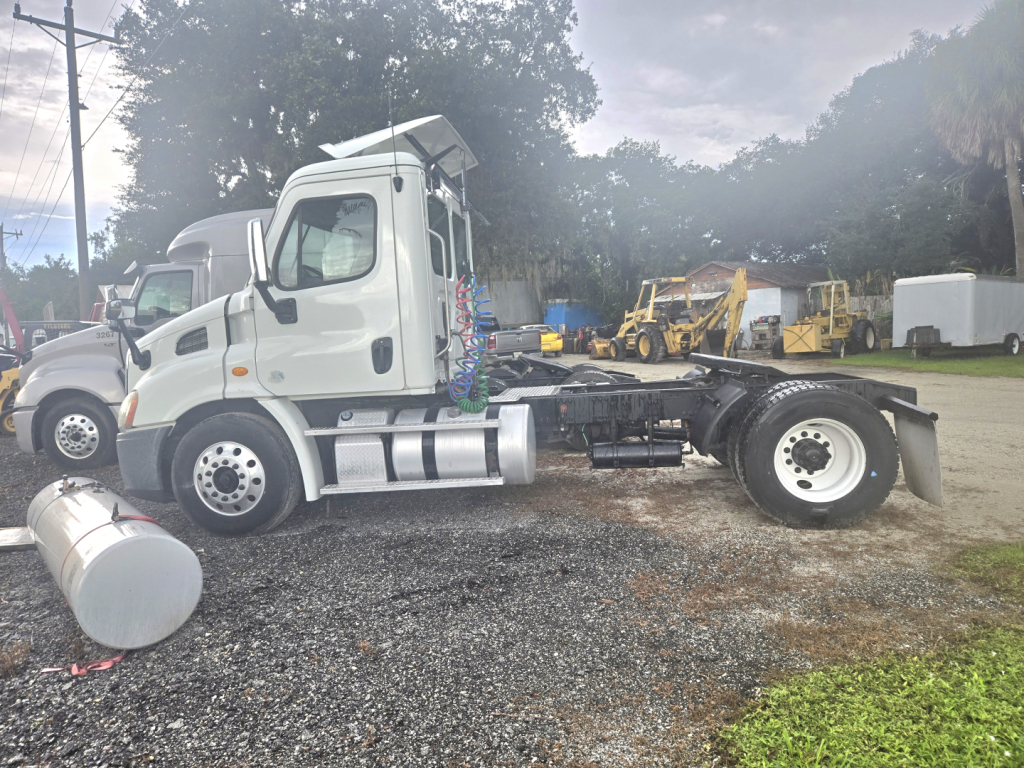
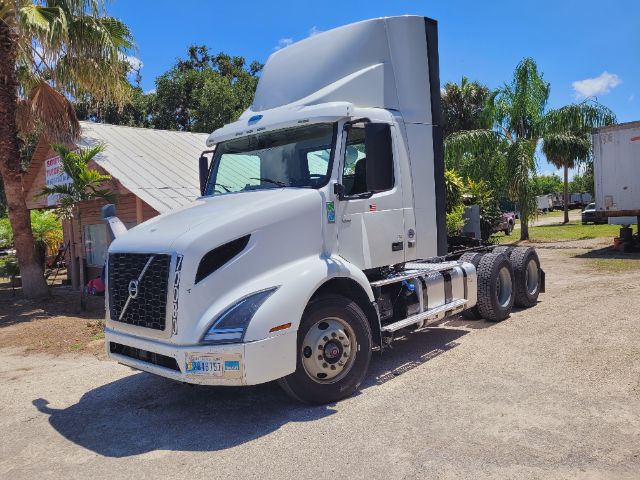
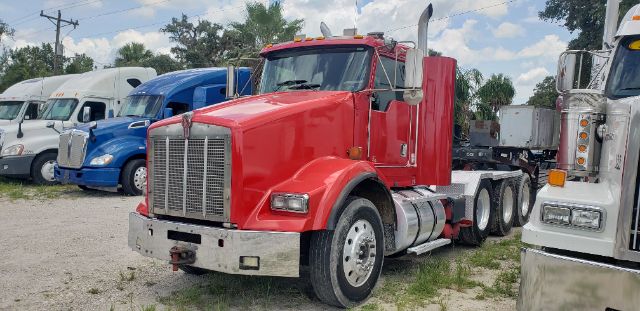
Selling a used conventional daycab truck? List your used conventional daycab truck for sale and reach thousands of commercial buyers.
Used Conventional Daycab Trucks in Florida
The biggest buying decisions usually start with axle setup, engine, and transmission. Tandem axle daycabs cover most regional and vocational tractor work, while tri-axle configurations are often chosen for heavier payloads and specialized hauling where bridge laws and weight distribution are critical. Common engines in this class include Cummins X15 and N14, Volvo D13, and similar heavy-duty platforms in the roughly 350 to 525 horsepower range. Transmission choice should match the route and driver pool. Automated manuals are popular for fleet consistency and urban stop-and-go traffic, while 10, 13, and 18-speed manuals still make sense in heavy haul, off-road, and PTO-driven applications. Rear axle ratios also matter. A deeper ratio can improve startability and heavy-load performance, while a faster ratio may better suit paved regional lanes.
For a used truck in Florida, application and environment should drive the inspection. Cooling system condition, A/C performance, and aftertreatment health are especially important in hot, humid service. Buyers looking at older pre-emissions or early-emissions trucks often focus on simplicity and lower diagnostic complexity, but condition and maintenance history still outweigh model year alone. Check for frame modifications, fifth wheel wear, suspension bushing condition, steer axle and drive tire wear patterns, brake life, and signs of corrosion around battery boxes, crossmembers, and air system components. If the truck has a PTO, wet kit, head rack, lift axle, or wet-line plumbing, confirm the setup matches the intended trailer and hydraulic demand.
Cab layout and daily usability also deserve attention because daycabs spend their lives in and out of tight job sites, terminals, and city streets. Look at door opening clearance, seat condition, visibility, turning radius, and the quality of the interior controls drivers use every shift. A well-spec'd conventional daycab can lower operating cost by matching the chassis to the exact job instead of carrying sleeper weight and wheelbase that are not needed. The best used conventional daycab trucks balance engine life, axle rating, wheelbase, and vocational equipment so the truck fits the work from day one.
Frequently Asked Questions about Used Conventional Daycab Trucks in Florida
What is a conventional daycab truck used for?
A conventional daycab truck is a hooded tractor without a sleeper, designed for local, regional, and vocational hauling. Common uses include port drayage, construction hauling, dump and lowboy work, tanker service, municipal operations, and dedicated freight routes where the driver returns home daily. The shorter cab and lighter overall configuration can improve maneuverability and payload efficiency compared with a sleeper tractor.
How do I choose between a tandem axle and tri-axle daycab?
A tandem axle daycab is the standard choice for most general freight and regional tractor work because it balances payload, maintenance cost, and maneuverability. A tri-axle daycab is better suited for heavy haul, lowboy, and certain vocational applications where added axle capacity, load distribution, or bridge compliance is required. The right choice depends on the trailers being pulled, gross weight targets, and the legal weight rules in the lanes where the truck will operate.
Are automatic transmissions good in used daycab trucks?
Automated manual transmissions are a strong fit for many used daycab trucks, especially in urban and regional service with frequent stops, tight traffic, and multiple drivers. They can reduce driver fatigue and support more consistent operation across a fleet. Manual transmissions still have advantages in severe-duty, PTO, and heavy-haul work where precise gear control matters. The decision should be based on duty cycle, driver preference, service support, and the truck's axle ratio and horsepower rating.
What should I inspect first on a used conventional daycab in Florida?
Start with engine condition, transmission operation, fault codes, aftertreatment status, cooling system performance, and A/C output. Florida heat and humidity put extra stress on cooling components and cab climate systems. After that, inspect the frame, suspension, brakes, tires, fifth wheel, air system, and any PTO or hydraulic equipment. Tire wear, oil seepage, loose steering, and uneven ride height often reveal underlying maintenance issues quickly.
Is a pre-emissions daycab better than a newer emissions-equipped truck?
A pre-emissions daycab can be attractive for buyers who want mechanical simplicity and fewer aftertreatment components, particularly in vocational use. A newer emissions-equipped truck usually offers better fuel economy, quieter operation, improved safety systems, and easier compliance with customer or regulatory requirements. Neither is automatically better. The better truck is the one with the right spec, documented maintenance, and a condition level that matches the intended workload.