
Used Hooklift Trucks For Sale in Florida
Browse used hooklift trucks for sale in Florida. Compare GVWR, hoist capacity, body lengths, hydraulics, and chassis options for roll-off work.
Selling a used hooklift truck? List your used hooklift truck for sale and reach thousands of commercial buyers.
Used Hooklift Trucks in Florida
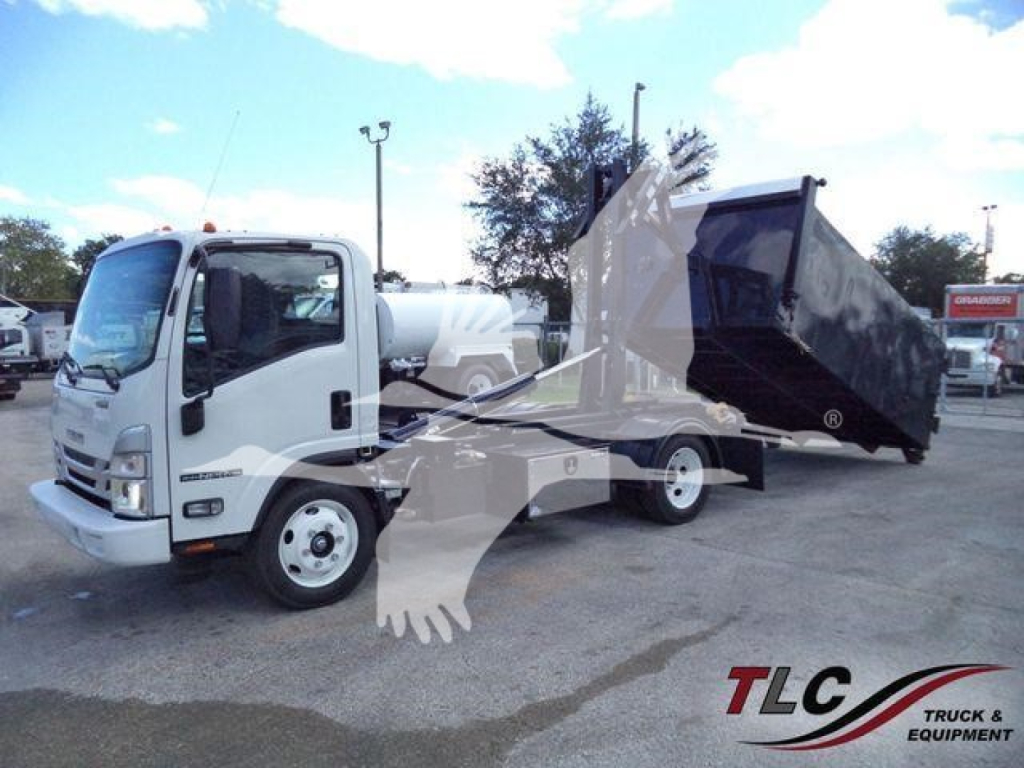
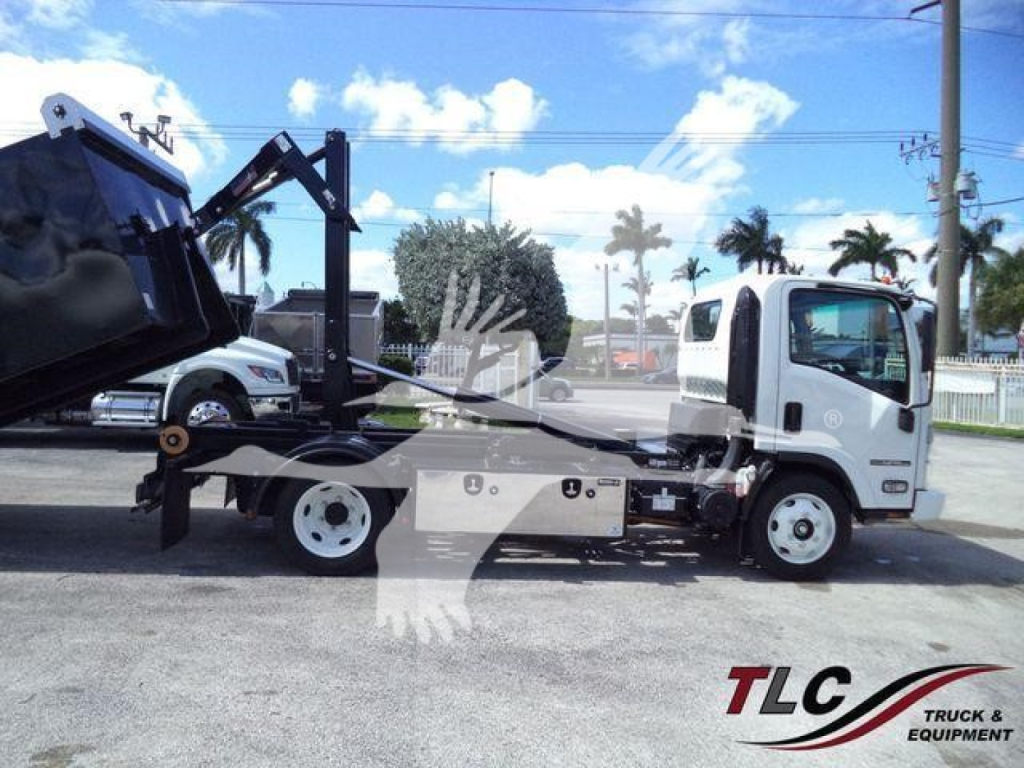
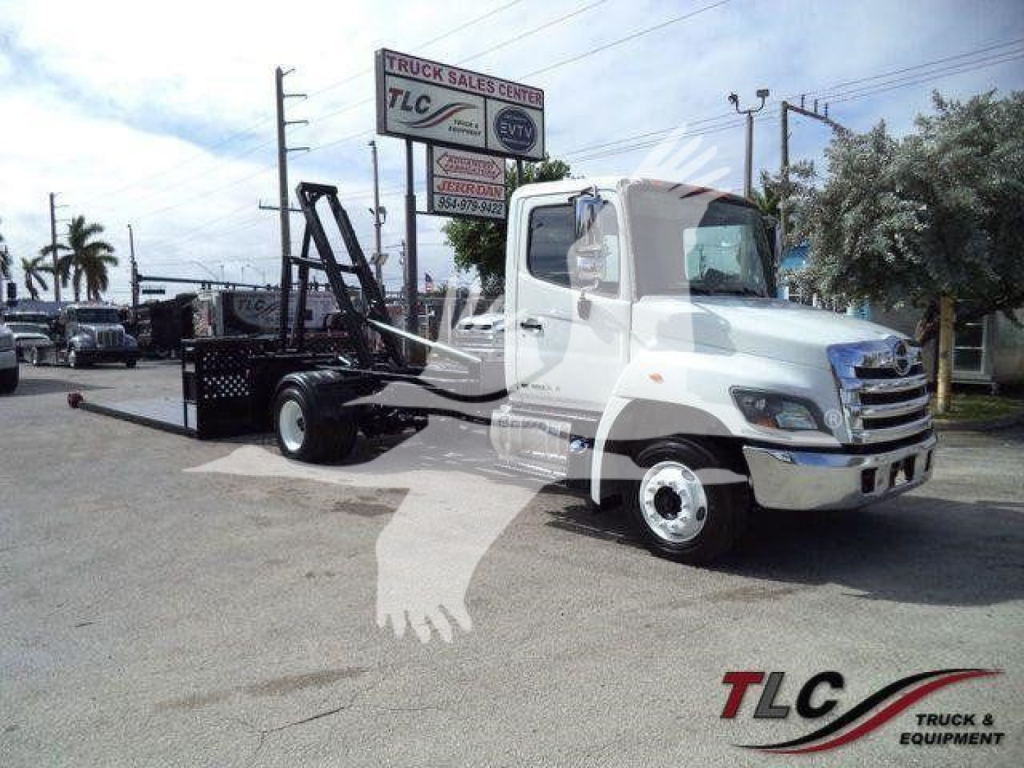
Common setups in this category range from lighter Class 4 and 5 units on Isuzu NPR-HD, Hino 258, and similar cabover chassis up to heavier medium-duty configurations for larger containers and tougher routes. Typical capacities in this market run from about 12,000 to 16,000 pounds on compact hooklift systems, with body compatibility often spanning roughly 8-foot to 16-foot containers or beds depending on rail and hook height. PTO-driven hydraulics are standard on many commercial upfits, and in-cab controls, body locks, tarping systems, hitch packages, toolboxes, and backup cameras are common features worth checking. On used trucks, pay close attention to hydraulic cylinder condition, pin and bushing wear, hoist pivot points, frame integrity, body lock operation, and any signs of container misalignment or hard loading.
Florida buyers should also think about corrosion exposure, cooling performance, and duty cycle. Trucks working near the coast can show rust at crossmembers, electrical connections, underbody hardware, and hydraulic components even when the cab presents well. Gas-powered cabovers are common in lighter hooklift applications because they are simple to operate on shorter routes and stop-and-go service, while diesel medium-duty chassis may make more sense for higher mileage or heavier container work. Cabover designs are popular for urban service because they offer tight turning radius, good forward visibility, and easier access in alleys, transfer areas, and crowded job sites.
The right used hooklift truck depends on the bodies you already own or plan to standardize around. Hook height, rail width, overall body length, and loaded container weight all need to match the hoist system. A truck that looks strong on paper can still be the wrong fit if the container geometry is off or the payload pushes the rear axle beyond its practical limit. Buyers comparing listings should look beyond engine and mileage and verify the installed hooklift brand, model, rated lifting capacity, dump angle, hitch arrangement, brake setup, and the exact body sizes the system accepts. A properly matched hooklift truck can replace several single-purpose units and improve fleet utilization, but only if the chassis, hoist, and containers are all working to the same standard.
Frequently Asked Questions about Used Hooklift Trucks in Florida
What is a hooklift truck used for?
A hooklift truck is used to haul interchangeable bodies such as dump containers, debris boxes, flatbeds, equipment platforms, and specialty work bodies on one chassis. The hydraulic hook and rail system lets the operator load and unload the body without separate lifting equipment in many applications. This makes hooklift trucks popular for waste hauling, landscape service, construction cleanup, municipal work, scrap, and equipment transport.
What should I check first on a used hooklift truck?
Start with the hoist rating, container length compatibility, and chassis GVWR, then inspect the hydraulic system and structural components. Look closely at cylinders, hoses, control valves, pivot pins, grease points, body locks, and the subframe for wear or repairs. On the chassis side, confirm axle ratings, brake condition, suspension type, PTO operation, and any corrosion around the frame, crossmembers, and electrical connections.
Are cabover hooklift trucks a good fit for Florida routes?
Cabover hooklift trucks are often a strong fit for Florida because they maneuver well in dense urban areas, tight service lanes, and smaller job sites. Their shorter overall length can make container placement easier, especially for landscape, trash, and contractor work. Buyers should still evaluate heat management, corrosion exposure, and route length, because a truck that performs well on local stop-and-go work may not be ideal for heavier long-distance hauling.
How do I know if my containers will fit a hooklift truck?
Container fit depends on more than overall length. The key measurements include hook height, rail width, body length range, body sill design, and total loaded weight. The truck's hooklift model must be compatible with the geometry of the container, or loading and locking problems can occur even if the container is technically within the advertised length range.
What is the difference between a hooklift truck and a cable roll-off truck?
A hooklift truck uses a hydraulic hook arm to pick up and pull a body onto rails, while a cable roll-off uses a winch cable and tail system to load containers. Hooklift systems are generally faster for interchangeable bodies and are well suited for operators using flatbeds, dump bodies, and other specialty platforms. Cable roll-off trucks are common in larger waste applications, especially where container standardization and heavier boxes are part of the operation.