
Used Hooklift Trucks For Sale
Used hooklift trucks for sale, including medium and heavy-duty roll-off systems for dumpsters, flatbeds, dumpsters, and municipal body swaps.
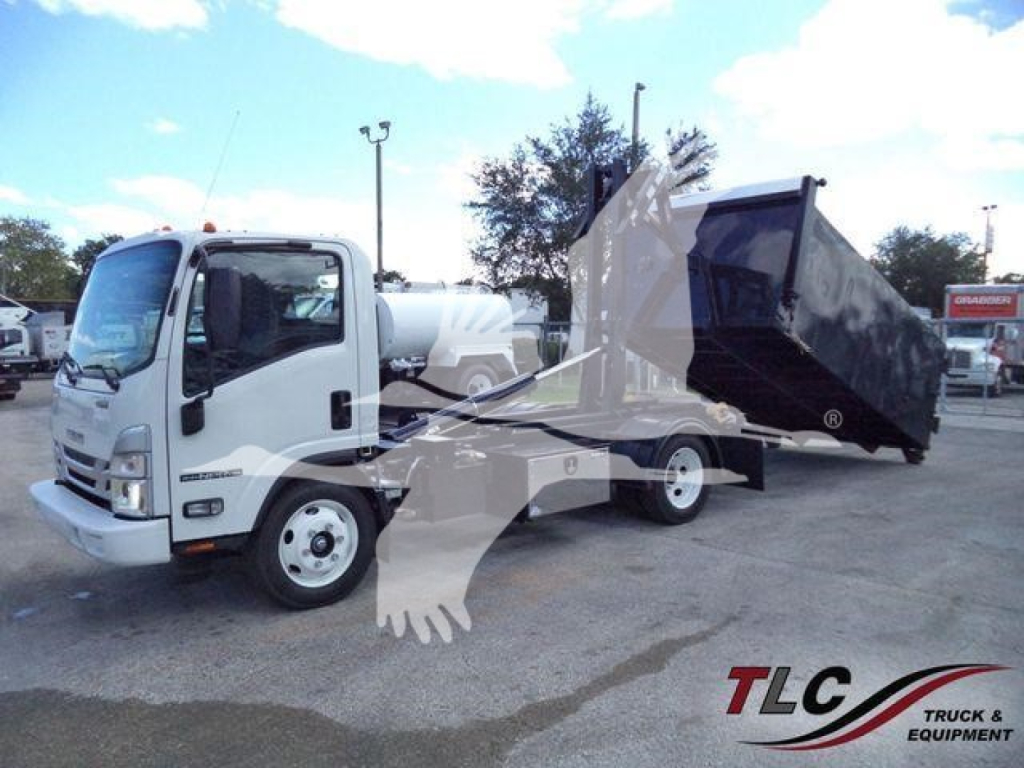
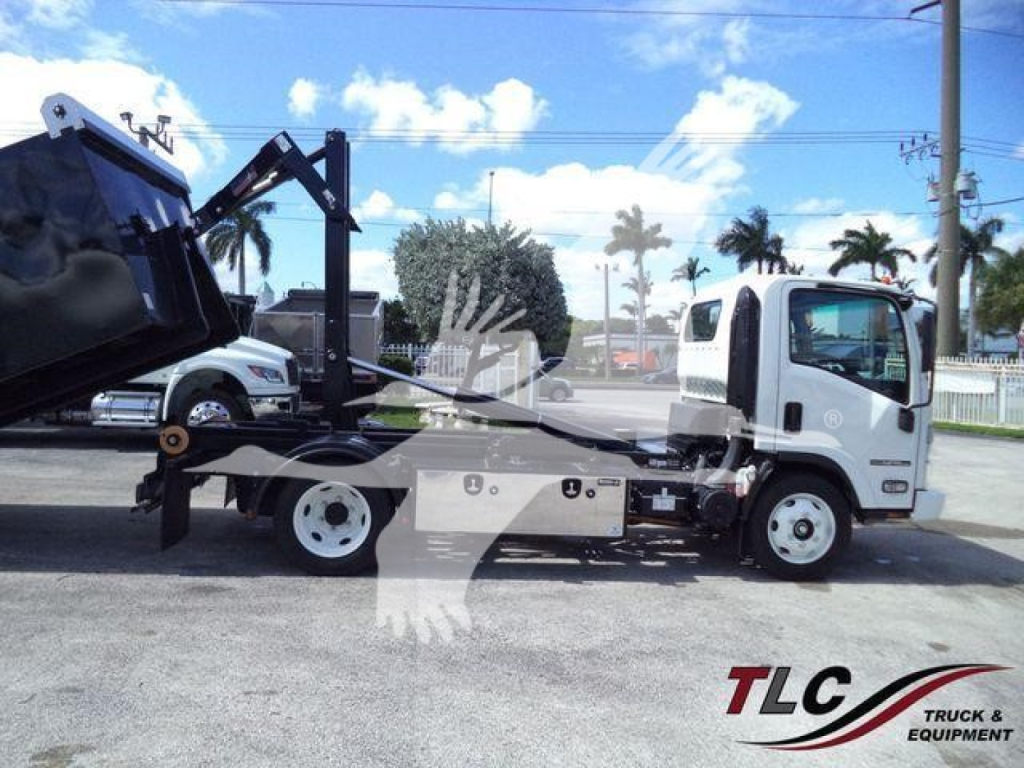
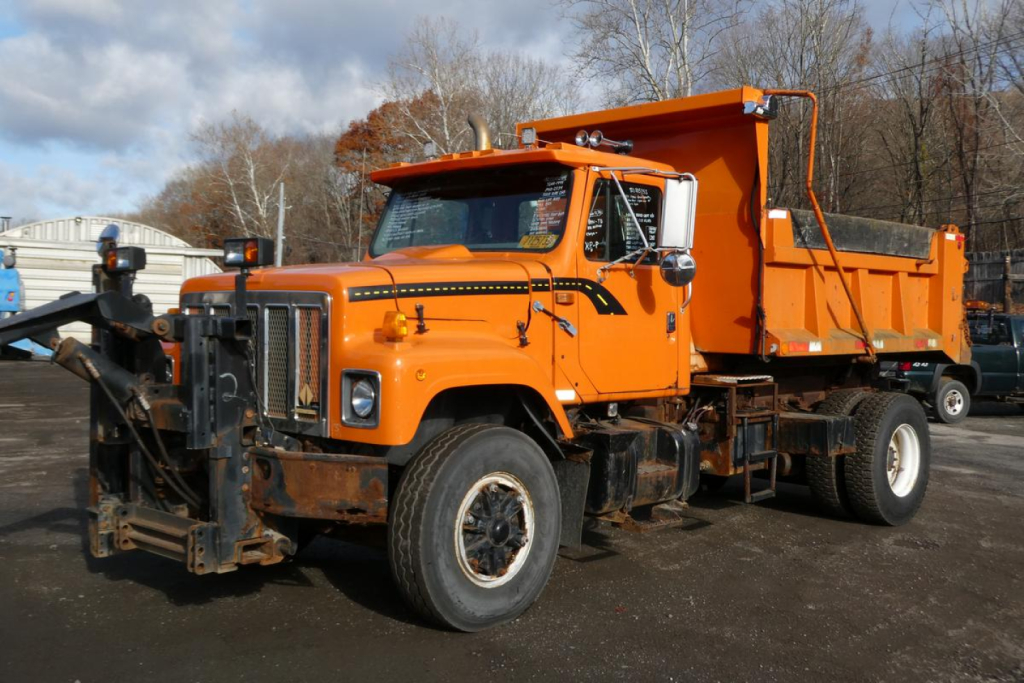
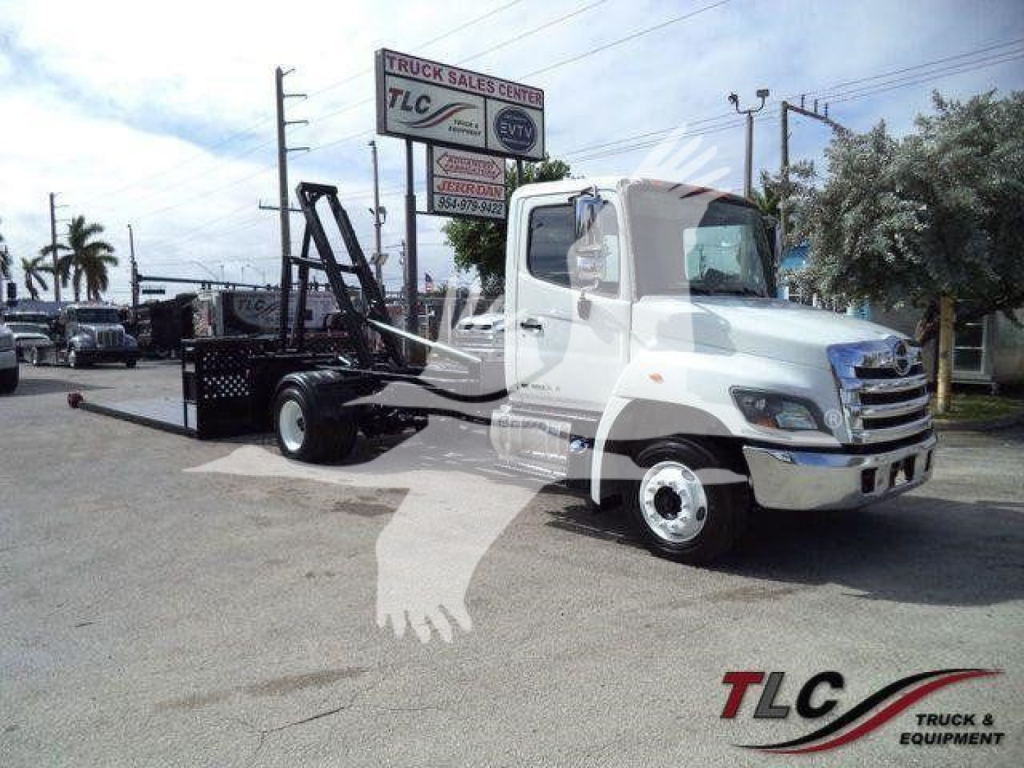

Selling a used hooklift truck? List your used hooklift truck for sale and reach thousands of commercial buyers.
Used Hooklift Trucks
The first specs to verify are hoist capacity, hook height, and usable body length. Common used hooklift trucks range from medium-duty single-axle units for 10 to 16 foot bodies up to heavier vocational chassis handling larger containers and denser payloads. Wheelbase, cab-to-axle, and rear overhang all affect what body sizes the truck can safely pick and carry. Buyers should also confirm PTO and hydraulic setup, dump angle, rear roller condition, jib or slide mechanism wear, and whether the truck has tarping equipment, in-cab controls, or auxiliary hydraulics for attachments like plows and spreaders. On used units, frame condition and signs of stress around the hoist mounts matter as much as engine and transmission specs.
Chassis choice depends heavily on the work. Medium-duty hooklift trucks such as International 4300, Hino 258, Freightliner M2, and similar models are common in landscaping, construction support, waste, scrap, and municipal service. Heavier spec trucks with double frames, higher rear axle ratings, and air brakes are better suited for dense debris, demolition, aggregate, and snow equipment packages. Transmission choice is often automatic, especially on stop-and-go routes, and many buyers prefer diesel engines with proven vocational durability and easy parts support. Suspension, tire size, and axle ratio also affect how well the truck handles container weight versus road speed.
A used hooklift truck should be evaluated as a complete working system, not just a cab and chassis with a hoist bolted on. Check the compatibility of any included bodies, confirm hook height and body rail dimensions, inspect hydraulic cylinders for leaks or scoring, and look at wear points on rollers, saddles, locks, and pivots. If the truck will serve municipal or seasonal work, added equipment such as plows, sanders, wet kits, and backup cameras can add value, but only if the hydraulic and electrical systems are cleanly integrated. The best used hooklift trucks are the ones with specs that fit your body inventory, payload profile, and route conditions without forcing compromises on legal axle weights or loading efficiency.
Frequently Asked Questions about Used Hooklift Trucks
What is the most important spec on a used hooklift truck?
The most important specs are hoist capacity, hook height, and the body length range the system is designed to handle. Those three details determine whether the truck can safely pick up and carry the containers or bodies you already own or plan to buy. Wheelbase, cab-to-axle, and rear axle rating also matter because a truck may have enough hoist power but still be a poor match for body placement, axle distribution, or legal payload.
What bodies can a hooklift truck typically handle?
A hooklift truck can be set up to handle dump bodies, debris containers, flatbeds, equipment bodies, salt spreaders, chipper bodies, and other interchangeable platforms built to the correct rail and hook specifications. The exact options depend on the hoist design, hook height, and chassis dimensions. Buyers should confirm that any body they plan to use matches the truck's lift geometry and locking system rather than assuming all hooklift bodies are interchangeable.
Are medium-duty hooklift trucks enough for construction or waste work?
They can be, if payloads are controlled and body size is appropriate for the chassis. Medium-duty models are common for lighter construction debris, landscaping materials, municipal service, and container rotation in tighter urban areas. For dense scrap, demolition debris, or heavier off-road vocational work, a heavier chassis with stronger axle ratings, air brakes, and often a double frame is usually the better long-term choice.
What should I inspect on a used hooklift system?
Focus on the hoist structure, hydraulic cylinders, pins, rollers, hook assembly, body locks, and frame mounting points. Look for weld repairs, elongated pin holes, cracks around crossmembers, hydraulic leaks, and uneven loading wear. It is also smart to test a full load and unload cycle, verify PTO engagement, and inspect any included tarping system or auxiliary hydraulics because hooklift performance depends on the entire hydraulic and structural package working correctly.
Is an automatic transmission common on used hooklift trucks?
Yes. Automatic transmissions are very common on used hooklift trucks, especially in municipal, waste, towing, and stop-and-go vocational service. They reduce driver fatigue and simplify operation when the truck makes frequent stops or body changes. The tradeoff is that buyers should pay close attention to transmission service history, PTO compatibility, and how the transmission performs under load during hydraulic operation and road testing.