
Used 2006 Commercial Trucks For Sale in Florida
Browse used 2006 trucks for sale in Florida, including semi trucks, medium-duty work trucks, and vocational chassis across major brands.
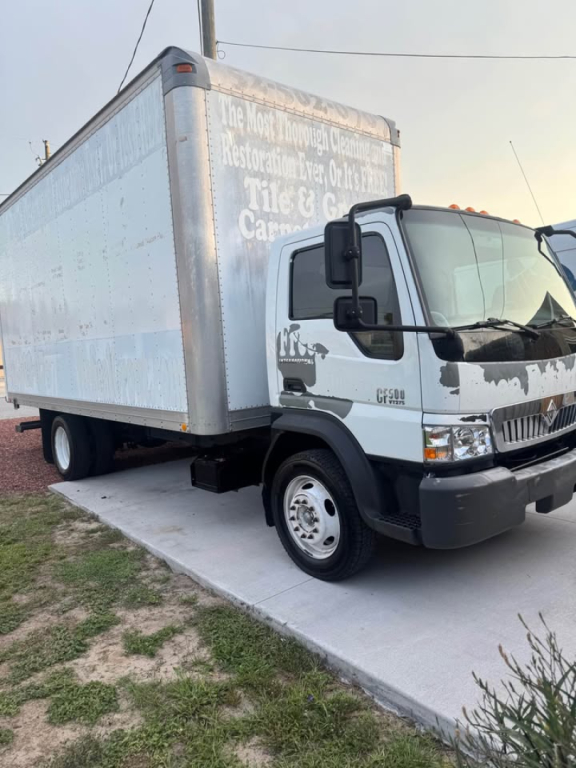
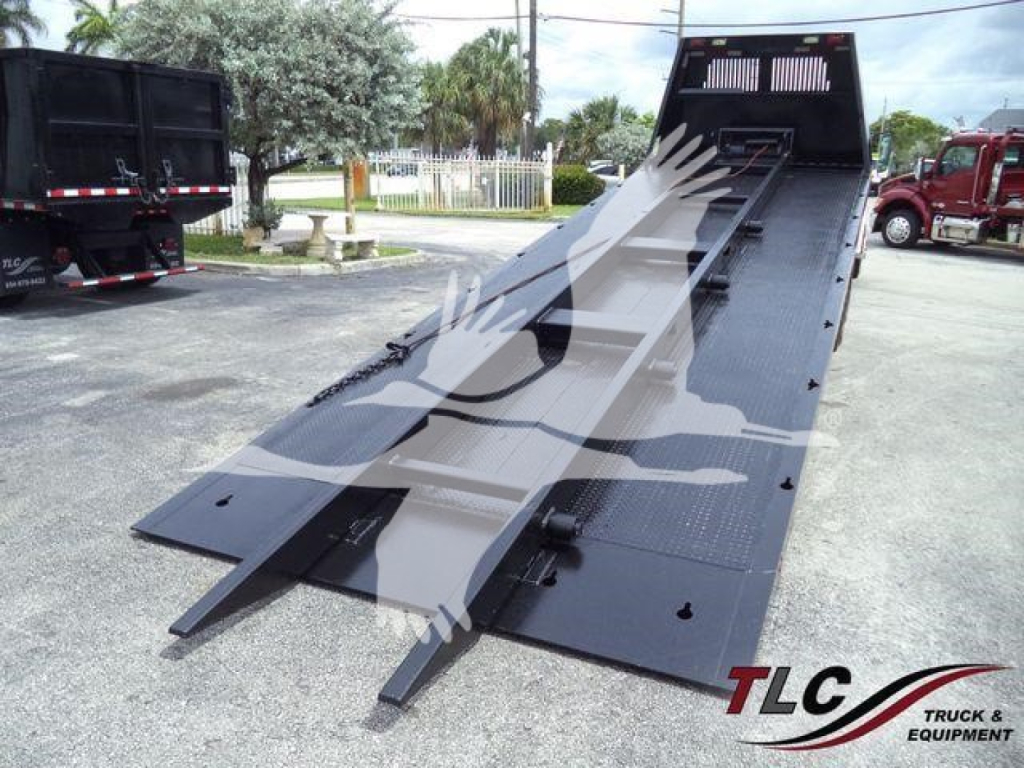
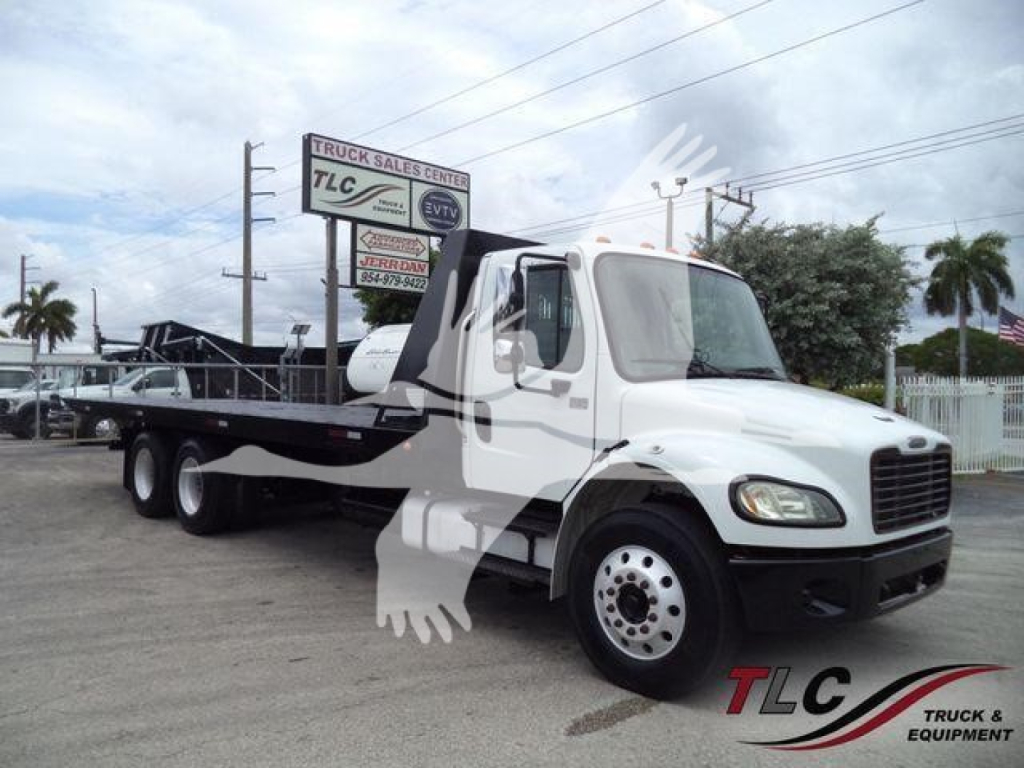
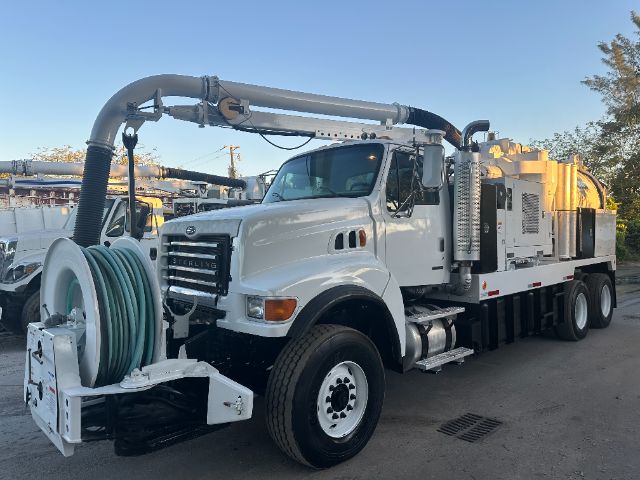
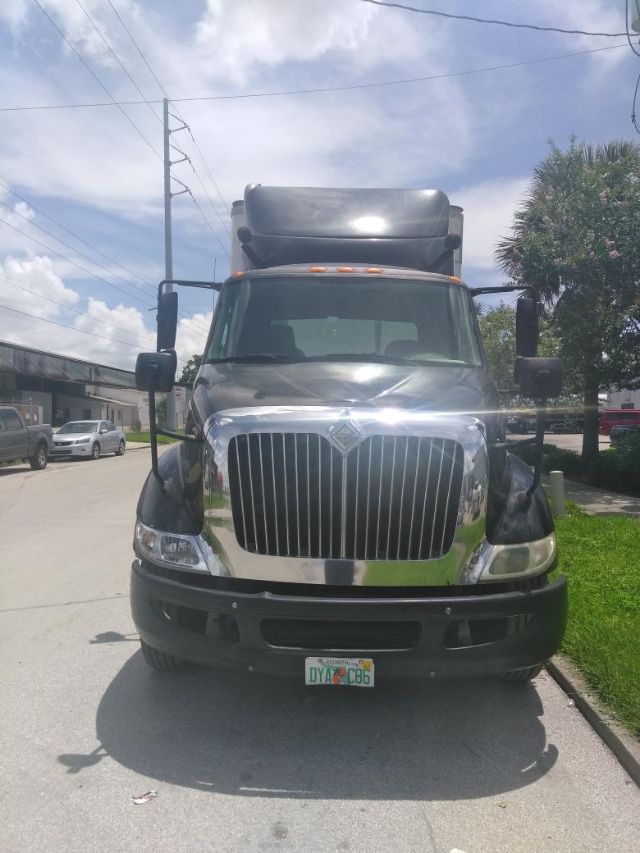
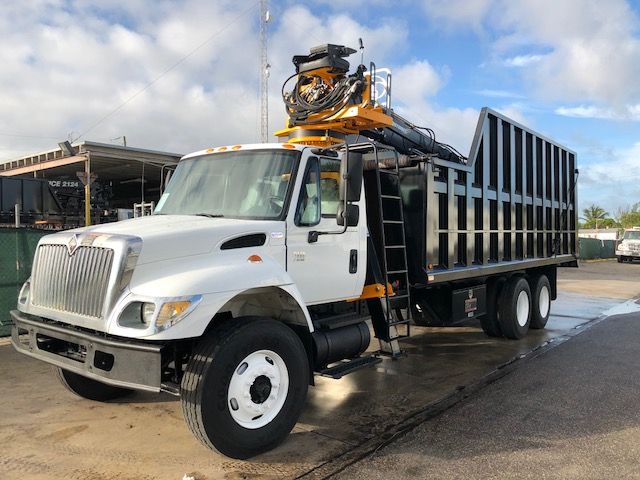
Selling a used 2006 commercial truck? List your used 2006 commercial truck for sale and reach thousands of commercial buyers.
Used 2006 Commercial Trucks in Florida
For a 2006 truck, the big decisions are engine platform, transmission type, axle ratings, and wheelbase. On road tractors, common priorities include horsepower range, rear axle ratio, sleeper versus day cab layout, and 5th wheel setup. On medium-duty and vocational trucks, buyers should pay close attention to GVWR, front and rear axle capacities, brake type, PTO capability, hoist or body compatibility, and frame condition. Florida trucks can be attractive because they often avoid the road salt corrosion seen in northern fleets, but coastal exposure still makes it smart to inspect crossmembers, wiring, air tanks, brake lines, suspension mounts, and any aluminum-steel contact points for oxidation or galvanic corrosion.
Application matters more than age alone. A 2006 box truck may still fit local delivery, furniture moving, or contractor work if the box, liftgate, and door hardware are sound. A 2006 conventional truck or semi tractor may suit short-haul, farm, or regional operations if the engine has good service history and the rear ratio matches the load profile. Cab and chassis trucks from this era are also commonly chosen for body swaps, rollback conversions, dump bodies, service bodies, and refuse applications because many buyers value mechanical simplicity and lower acquisition cost. In vocational use, hydraulic condition, PTO operation, body mount integrity, and electrical function can be just as important as engine hours or odometer miles.
Inspection on a used 2006 truck should be disciplined. Look for blow-by, coolant contamination, injector or turbo issues, transmission performance under load, differential noise, and signs of neglected preventive maintenance. Verify tire date codes, kingpin and bushing wear, suspension condition, brake measurements, and any evidence of frame modifications or accident repair. If the truck carries a body, inspect the subframe, floor, hinges, cylinders, winches, rails, and control systems. A well-kept 2006 truck can still deliver solid value, especially for buyers who need a specific chassis type, prefer pre-emissions equipment, or want an affordable work truck for Florida routes and jobsite use.
Frequently Asked Questions about Used 2006 Commercial Trucks in Florida
Why do some buyers specifically look for a used 2006 truck?
Many buyers target 2006 trucks because they are generally considered pre-2007 emissions trucks. That usually means no diesel particulate filter and fewer emissions-related components than later models. For some operators, that translates to simpler maintenance, less downtime tied to aftertreatment systems, and easier diagnosis. The tradeoff is that age-related wear becomes a bigger factor, so maintenance records and mechanical inspection are critical.
What should I inspect first on a used 2006 truck in Florida?
Start with frame condition, engine health, transmission operation, brakes, suspension, and electrical systems. Florida trucks may show less rust than northern units, but coastal humidity and salt air can still affect wiring, air system components, body hardware, and exposed metal. On vocational units, inspect the body, PTO, hydraulics, and mounting points as closely as the chassis. Service history and signs of consistent preventive maintenance are often more important than appearance.
Is a 2006 truck better for highway use or vocational work?
That depends on the truck's original configuration and current condition. Many 2006 trucks remain useful in vocational roles such as towing, box delivery, landscaping, construction support, or municipal work because lower annual mileage and simpler systems can fit those applications well. Highway use is still possible, especially for regional or short-haul work, but buyers should be realistic about cab comfort, gearing, fuel economy, and component age compared with newer tractors.
What specs matter most when comparing used 2006 trucks?
The most important specs depend on the application, but key items usually include GVWR or GCWR, engine make and horsepower, transmission type, axle ratios, wheelbase, suspension, brake system, and body compatibility. For tractors, look closely at rear axle ratio, sleeper or day cab setup, and 5th wheel position. For straight trucks and cab and chassis units, focus on frame rail dimensions, PTO provision, axle capacity, and whether the truck is already matched to the body or equipment you need.
Are miles the best way to judge a 2006 used truck?
Miles are only one part of the picture on a 2006 truck. Engine hours, idle time, maintenance history, prior application, and overall component condition often tell you more than odometer reading alone. A higher-mile truck with documented service, recent major repairs, and clean inspections can be a better buy than a lower-mile truck with poor upkeep or long periods of inactivity. For vocational trucks, body condition and hydraulic performance can be just as important as chassis mileage.