
Used Vacuum Trucks For Sale in Florida
Used vacuum trucks for sewer cleaning, hydro excavation, and industrial cleanup. Compare debris capacity, water volume, pump specs, and chassis.
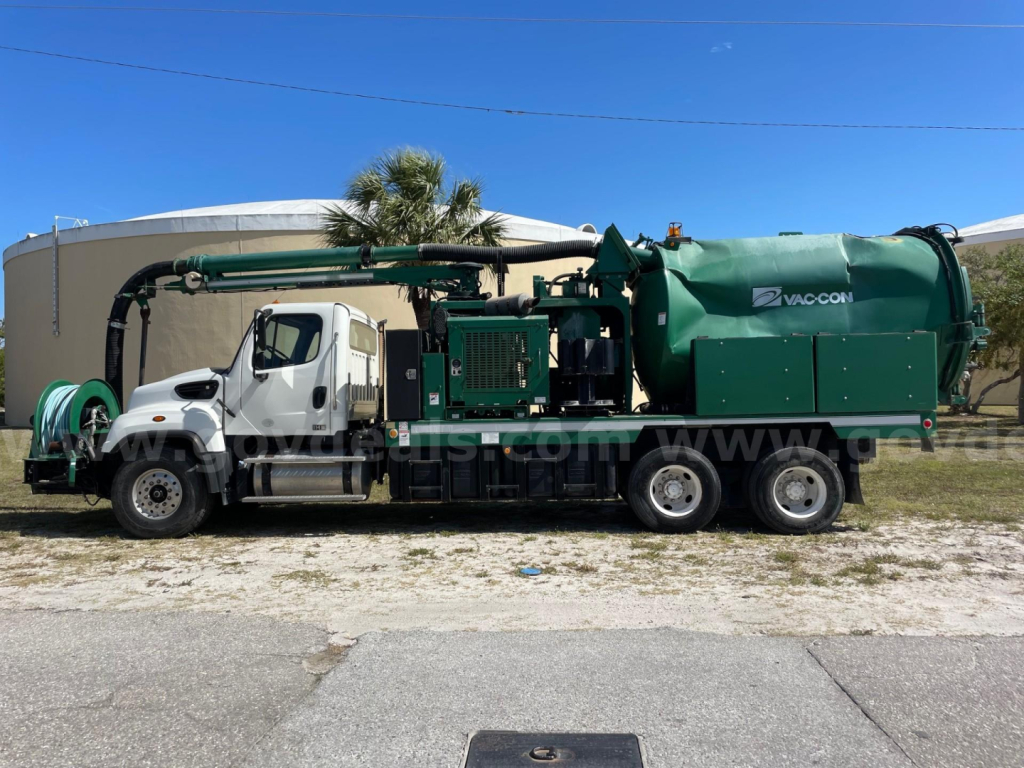
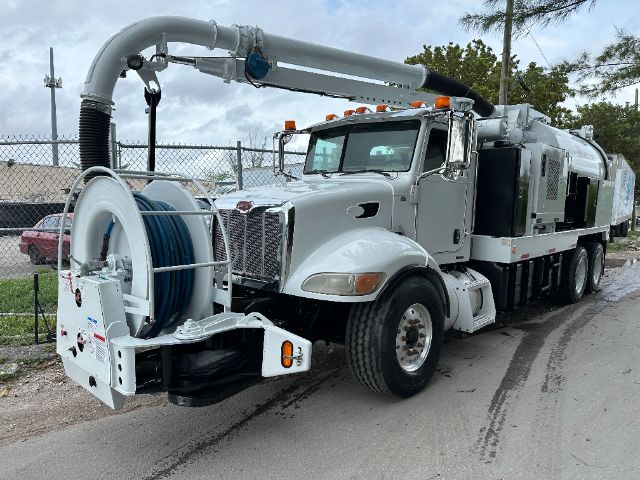
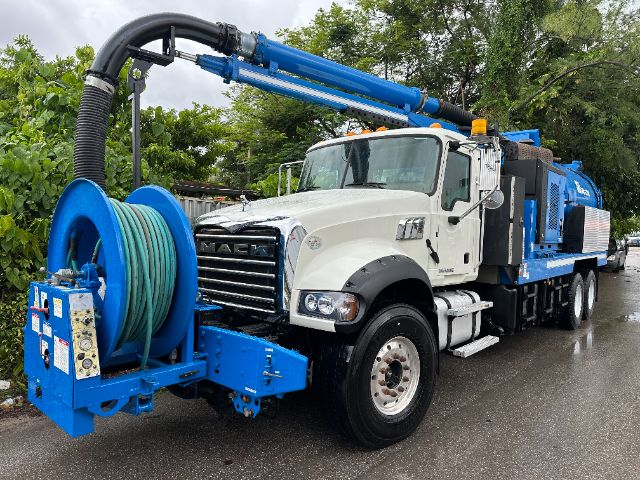
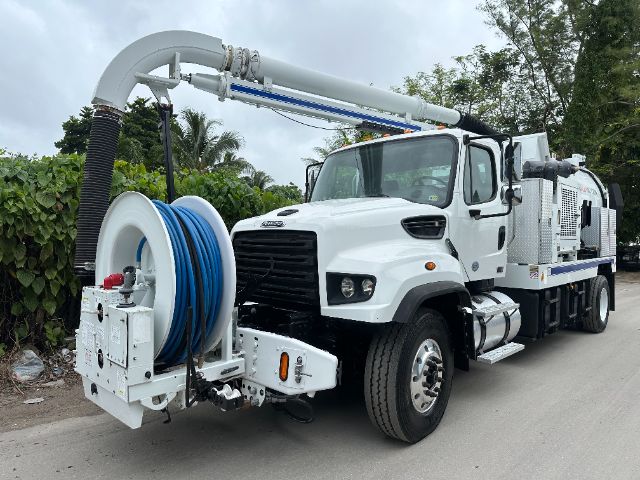
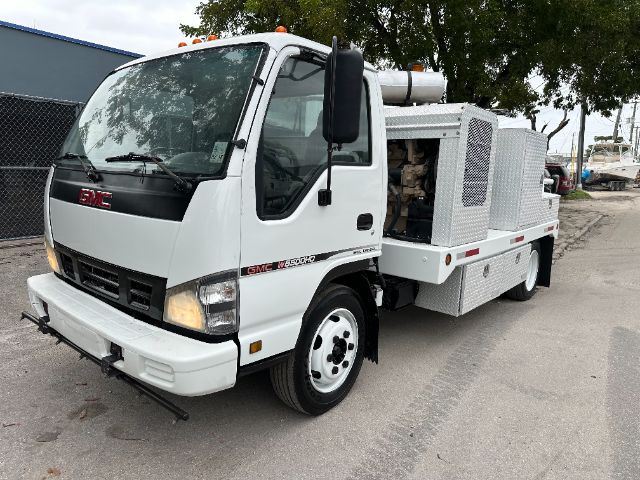
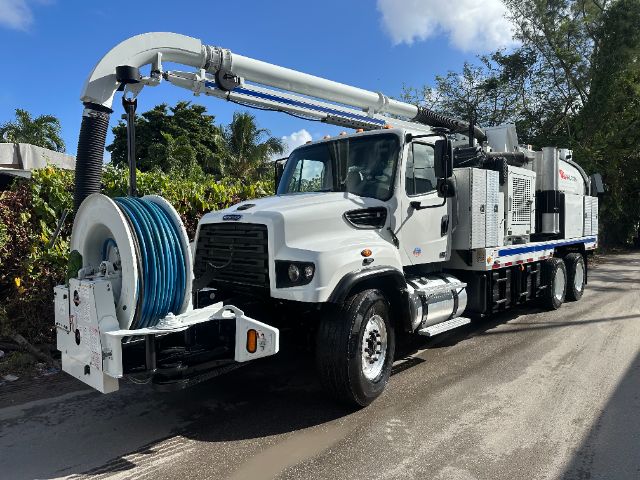
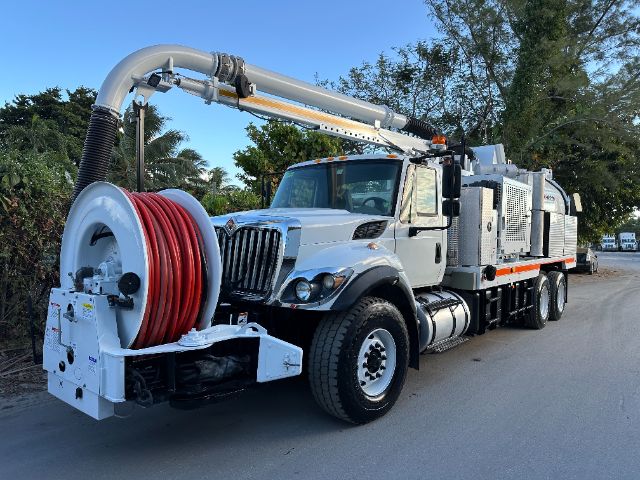
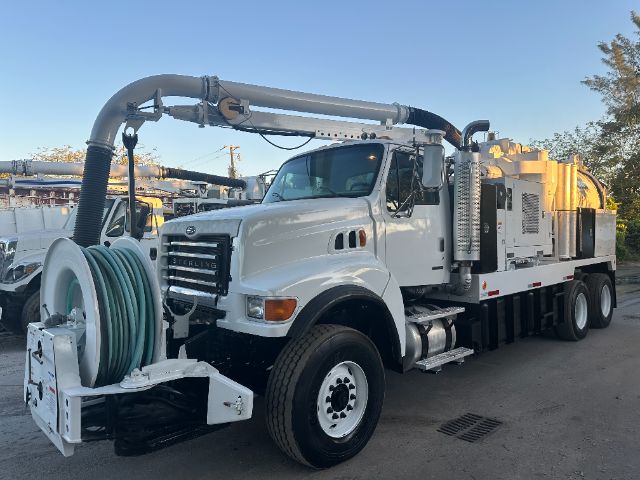
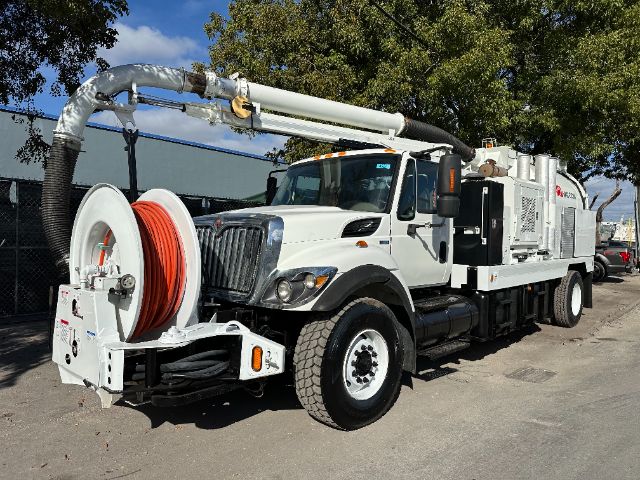
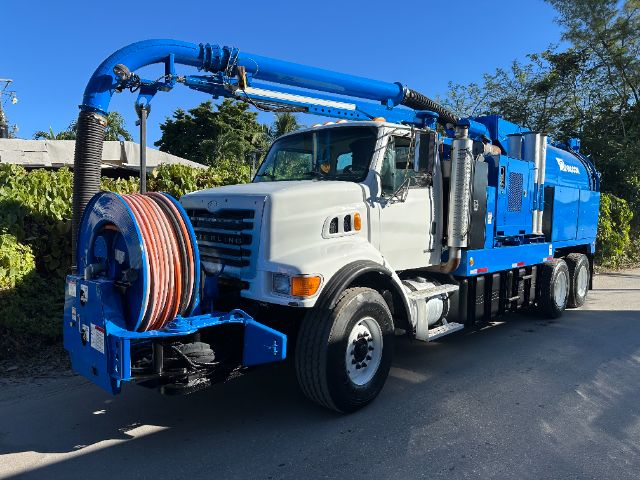
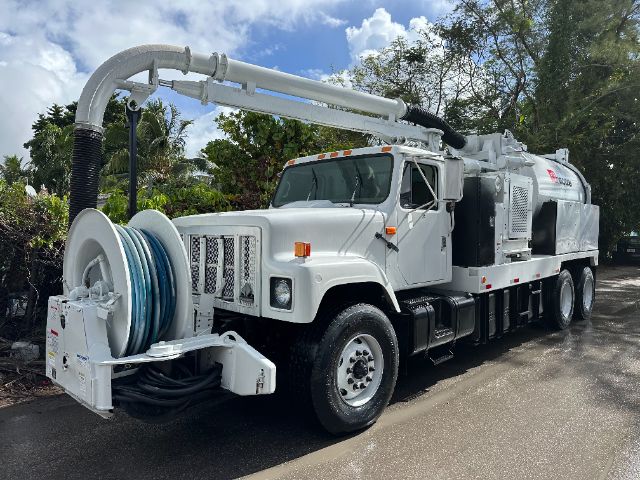
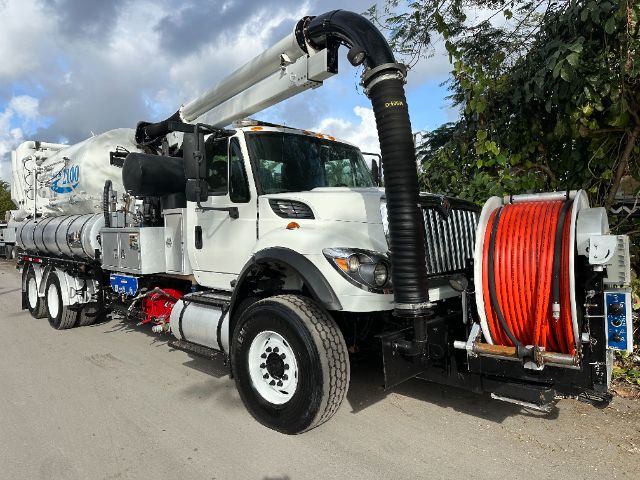
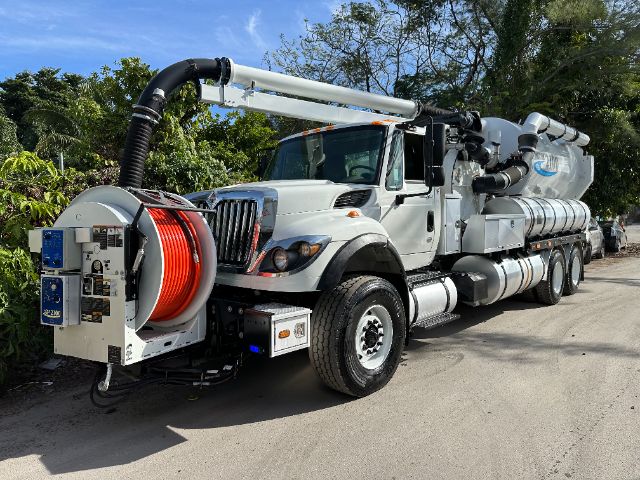
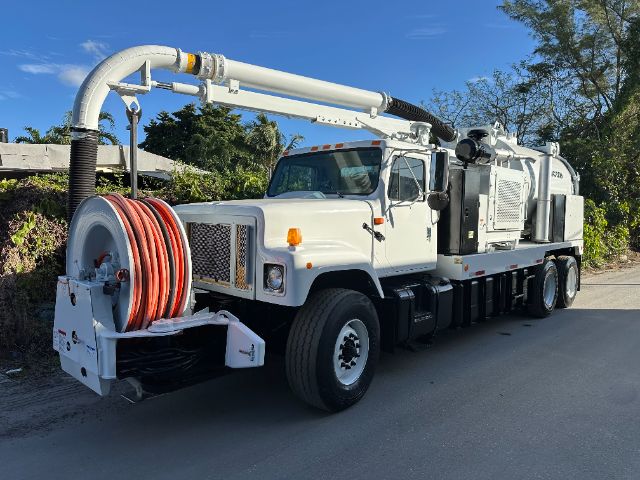
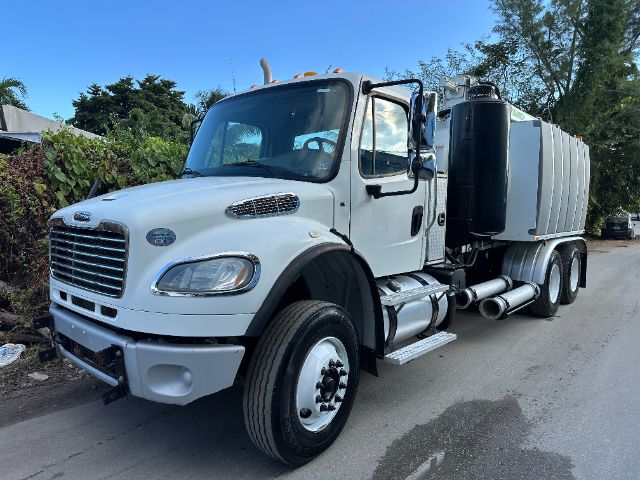
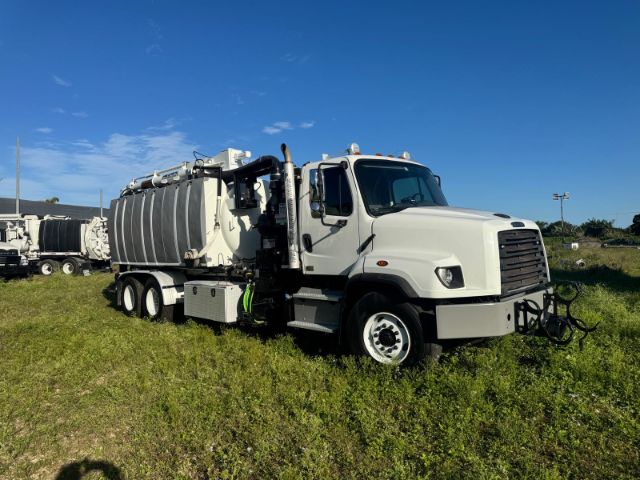
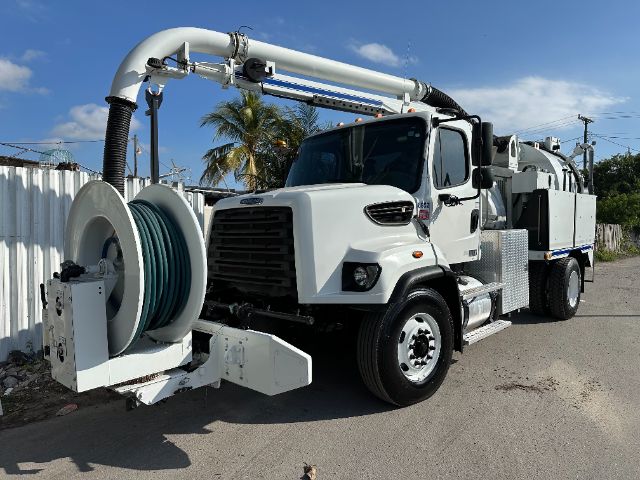
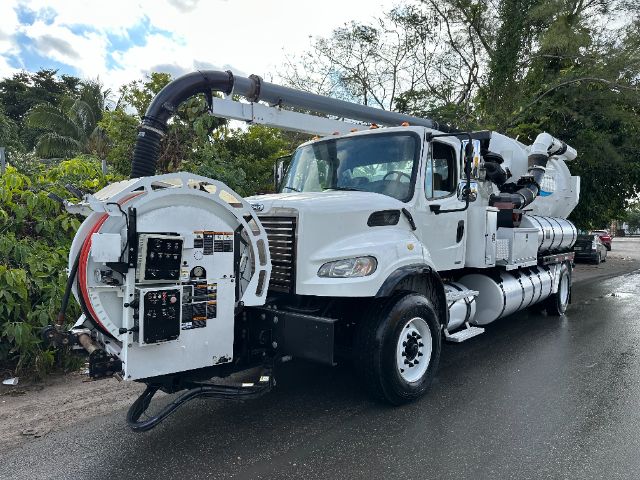

Selling a used vacuum truck? List your used vacuum truck for sale and reach thousands of commercial buyers.
Used Vacuum Trucks in Florida
The biggest buying decision is matching the vacuum system and water system to the work. A combo truck used for sanitary sewer and storm line cleaning often carries a water pump in the 40 to 80 GPM range with pressures around 2,000 to 4,000 PSI, plus a hydraulic hose reel and rear door lock system. Fan units are common because they move high air volume and perform well for general municipal cleaning, while PD blower setups are often chosen when stronger vacuum over distance is more important. Pony motors are also common on used vacuum trucks and can be a major value point because they let the vacuum and jetting package run independently of the chassis engine. When comparing trucks, hours on the vacuum package can matter as much as miles on the chassis.
Chassis choice matters more than many first-time buyers expect. Freightliner 108SD and 114SD, Peterbilt 340, Sterling L7500, and medium-duty GMC or Isuzu-based units are all common in this category. Buyers should look closely at GVWR, axle ratings, transmission type, tire size, and overall weight distribution once the tank is loaded with water and debris. In Florida, corrosion tends to be less about road salt and more about moisture, standing water, and maintenance history, so it is smart to inspect the subframe, tank mounts, hose reels, door seals, hydraulic cylinders, and vacuum plumbing for leaks, rust, or repairs. Ex-municipal and fleet units can be attractive because they are often on documented service schedules, but the condition of the fan, blower, pump, and debris body is still the real story.
A good used vacuum truck should be evaluated as two machines in one: the truck and the vacuum package. Service records for the chassis, pump, fan or blower, pony motor, hydraulics, and hose reel are worth more than cosmetic cleanup. Check for smooth dump body operation, proper rear door sealing, stable vacuum performance, consistent jetting pressure, and signs of body wear around the intake, boom, and dumping points. For contractors and municipalities comparing listings, the right unit usually comes down to route density, disposal access, crew size, and the type of debris being handled most often. Buying to the actual job mix is the best way to avoid paying for more truck than needed or ending up with a unit that is undersized for daily production.
Frequently Asked Questions about Used Vacuum Trucks in Florida
What is the difference between a vacuum truck and a vacuum jetter combo truck?
A vacuum truck is designed primarily to collect liquids, sludge, slurry, and debris through suction. A vacuum jetter combo truck adds a high-pressure water system so it can clean sewer and storm lines before vacuuming out the loosened material. For municipal sewer departments and drainage contractors, a combo truck is often more versatile because one unit can jet, flush, and recover debris on the same job.
What should I check first on a used vacuum truck?
Start with the vacuum package hours, pump performance, fan or blower condition, and the integrity of the debris body and rear door seals. Miles matter on the chassis, but vacuum trucks often spend long periods operating stationary at job sites, so engine hours and auxiliary equipment hours tell a better story. It is also important to inspect hydraulics, hose reels, tank mounts, dump operation, and service records for the pony motor and water pump.
How do I choose the right debris body and water capacity?
Smaller 3 to 5 yard bodies with 500 to 850 gallons of water are usually a better fit for lighter municipal maintenance, tighter urban access, and contractor work where maneuverability matters. Larger 10 to 12 yard units with 1,000 gallons or more of fresh water support heavier debris loads and reduce trips for dumping and refilling. The right size depends on haul distance, disposal access, crew schedule, and whether the truck will spend more time cleaning lines or transporting material.
Are ex-municipal vacuum trucks a good buy?
Ex-municipal vacuum trucks can be a strong value because many were maintained on scheduled service intervals and operated by trained crews. The advantage is often better documentation and predictable maintenance practices. The tradeoff is that municipal duty cycles can include long idle times, frequent PTO use, and repeated stop-and-go operation, so buyers still need to evaluate wear on the vacuum system, hydraulics, and body structure carefully.
Which is better for this category, a fan system or a PD blower?
A fan system is typically preferred for high airflow and fast recovery in general sewer cleaning and municipal applications. A PD blower usually provides stronger vacuum performance over longer hose runs or when pulling heavier material from greater depth. The better choice depends on the material being handled, the working distance, and whether the truck will be used more for line cleaning, hydro excavation support, or industrial recovery work.