
Used 2009 Vacuum Trucks For Sale in Florida

Have used 2009 vacuum truck to sell? List it here to reach thousands of buyers.
Used 2009 Vacuum Trucks in Florida
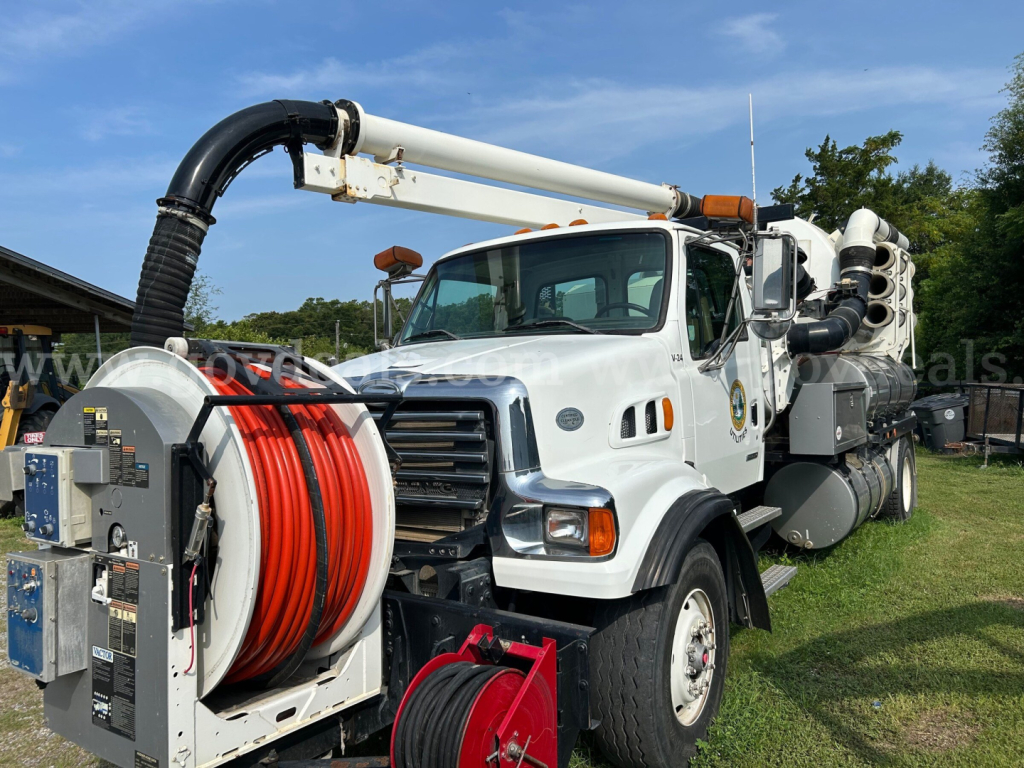
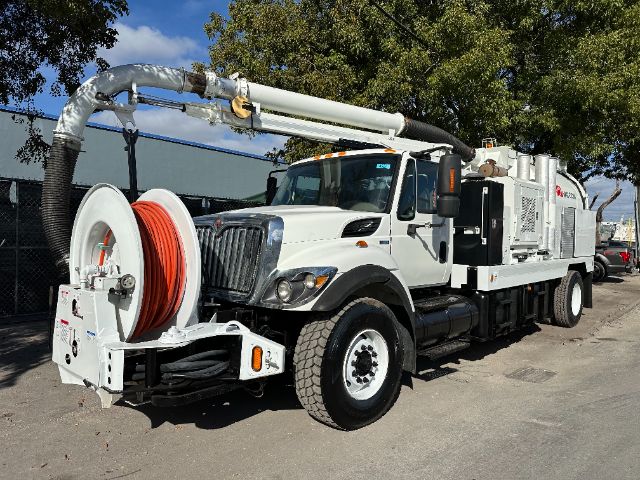
The most important buying points are the truck chassis and the vacuum system as a package. Common 2009-era builds are mounted on medium-duty or severe-duty chassis from Peterbilt, Freightliner, International, Sterling, and similar platforms, often with automatic transmissions and diesel engines in the 8 to 9 liter range. On the vacuum side, look closely at blower or fan design, debris body capacity, freshwater capacity, hose reel setup, boom configuration, and door sealing condition. Many used units in this age range carry roughly 10 to 12 yard debris bodies, around 900 to 1,000 gallons of freshwater, and jetting performance in the neighborhood of 50 to 80 GPM at up to 2,500 to 3,000 PSI. Those numbers tell you a lot about how the truck will perform on municipal line cleaning, culvert work, and heavier sludge recovery.
A 2009 vacuum truck should be evaluated by hours as much as miles. PTO engagement, pony motor condition, blower health, pump output, hydraulic dump operation, rear door locks and releases, and tank integrity are usually more important than odometer reading alone. Ex-municipal trucks are common in this category, and that can be a plus if the service records are strong and the truck followed a fleet maintenance schedule. It is still smart to inspect the boom pivots, hose reels, nozzle inventory, suction tubes, frame condition, and any corrosion inside the debris tank or around water compartments. In Florida, buyers should pay extra attention to rust from humidity and coastal exposure, plus the condition of seals, hydraulic lines, and electrical systems that may have seen long idle periods between service cycles.
If the truck will spend most of its time cleaning sewer mains, prioritize water pump performance, hose reel functionality, and usable freshwater capacity. If the work is more about lifting sludge, grit, grease, and solids, focus on vacuum recovery speed, body size, dump angle, and rear door sealing. A well-matched used 2009 vacuum truck can still be a productive asset when the core systems are sound, parts support is available, and the chassis spec matches the weight, road speed, and jobsite demands of your operation.
Frequently Asked Questions about Used 2009 Vacuum Trucks in Florida
What is the difference between a vacuum truck and a vacuum jetter combo truck?
A vacuum truck is designed primarily to suction liquids, sludge, slurry, and debris into a collection tank or debris body. A vacuum jetter combo truck adds a high-pressure water system that cleans sewer and drain lines while the vacuum system recovers the loosened material. For many municipal and contractor applications, a combo truck is more versatile because it can both break up blockages and remove waste in one pass.
What specs matter most on a used 2009 vacuum truck?
The key specs are debris body capacity, freshwater capacity, blower or fan type, water pump output in GPM and PSI, hose reel layout, boom placement, GVWR, and axle configuration. Buyers should also look at engine hours, PTO or pony motor hours, transmission type, and the condition of the hydraulic dump body and rear door seals. These details affect productivity, payload, and how well the truck fits sewer cleaning, storm drain work, or industrial cleanup.
Is mileage or operating hours more important on an older vacuum truck?
On a 2009 vacuum truck, operating hours are often just as important as mileage and sometimes more important. The vacuum blower, jetter pump, hydraulic systems, and pony motor can see heavy use even when road miles stay low. A truck with moderate miles but very high equipment hours may need more attention than one with higher miles and lower system wear. The best evaluation looks at both, along with maintenance records and a functional test of the vacuum and water systems.
Are ex-municipal vacuum trucks a good buy?
Ex-municipal vacuum trucks can be a strong value because they are often serviced on schedule and equipped for sewer, stormwater, and public works use. They may also have desirable features such as hydraulic hose reels, dump bodies, and heavy-duty chassis specs. The tradeoff is that municipal work can involve frequent idle time, stop-and-go use, and corrosion exposure. A careful inspection of the tank, rear door, hydraulics, blower, and pump is still essential.
What should Florida buyers watch for on a used vacuum truck?
Florida buyers should pay close attention to corrosion, especially on trucks that have worked near the coast or in wet stormwater environments. Tank condition, frame rust, electrical connections, hydraulic hose aging, and seal integrity all deserve a close look. Cooling system performance also matters in a hot climate, particularly on trucks that idle for long periods while operating the vacuum or jetting system. A truck that is mechanically sound but weak in these areas can become expensive to put back into dependable service.