
Used 2009 Vacuum Trucks For Sale

Have used 2009 vacuum truck to sell? List it here to reach thousands of buyers.
Used 2009 Vacuum Trucks
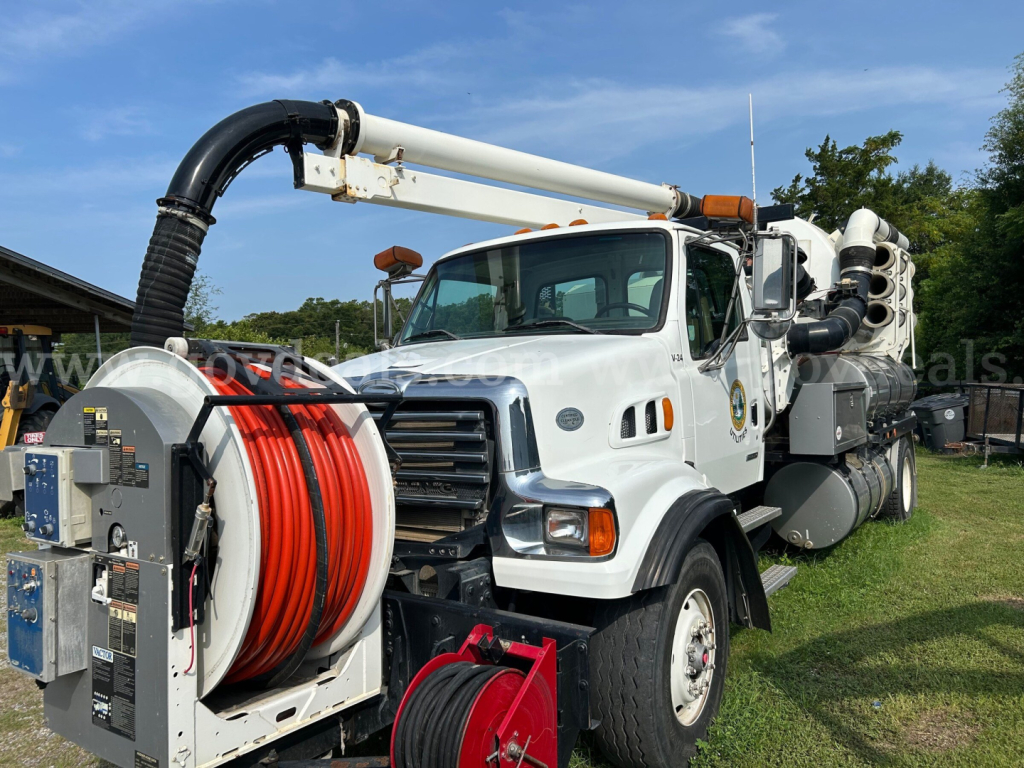
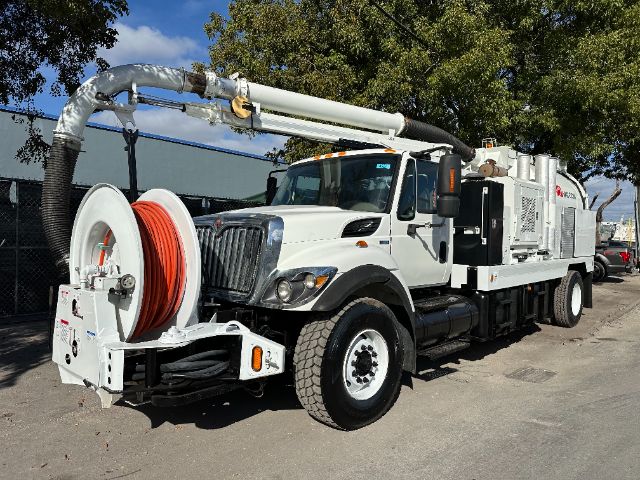
On 2009 models, the body and vacuum system matter as much as the truck itself. Buyers should compare debris body capacity, fresh water capacity, blower type, pump output, and hose reel setup before focusing on mileage alone. In the sample range for this class, combo units often run 3-yard to 12-yard debris bodies, with 500 to 1,000 gallons of fresh water and water pumps rated around 40 to 80 GPM at roughly 2,500 to 3,000 PSI. Positive displacement blowers such as Roots 824-series units are common on larger sewer cleaners, while smaller jetter-vacs may use fan systems for lighter-duty work. A pony motor versus PTO-driven package is another major difference. Auxiliary engines can reduce wear on the chassis engine during stationary operation, but they also add another powerplant to inspect and maintain.
Condition on a 2009 used vacuum truck should be judged by hours and component health, not just odometer reading. Many ex-municipal units show low miles but high idle and operating hours because they spend much of their life running the blower, jetter pump, hydraulics, and boom systems at the jobsite. Buyers should inspect the blower for oil carryover and endplay issues, confirm the water pump builds and holds pressure, and check the debris tank, hydraulic dump, rear door seal, and hydraulic locks for leaks or structural fatigue. On combo trucks, look closely at hose reel operation, jet rodder wear, water tank condition, and any signs of corrosion in the tank, plumbing, or subframe. Service records are especially valuable on this category because repair costs on vacuum components can quickly exceed what buyers expect from a used truck purchase.
Chassis specs still matter because these trucks are heavy and jobsite demands are punishing. A 2009 vacuum truck may sit in Class 7 or Class 8 trim depending on tank size and body package, with GVWRs commonly ranging from the mid-30,000-pound range up to 66,000 pounds on larger municipal units. Automatic transmissions are common and well-suited to stop-and-go work. Buyers should verify axle ratings, suspension type, brake condition, tire size, and local bridge law or municipal route limits before choosing a larger body. If the truck will work in residential streets, wheelbase, turning radius, and cab style can be just as important as tank volume. For buyers comparing listings, the best 2009 vacuum trucks are the ones with a vacuum package matched to the intended work, documented maintenance, and a chassis that can legally and reliably carry a full working load.
Frequently Asked Questions about Used 2009 Vacuum Trucks
What is the difference between a vacuum truck and a combo sewer jetter truck?
A vacuum truck uses suction to recover liquids, sludge, slurry, and debris, while a combo sewer jetter truck adds a high-pressure water system for cleaning and flushing sewer lines. Many 2009 units in this category are combo trucks with both a debris tank and a fresh water tank. If the work includes line cleaning, culvert flushing, and municipal sewer maintenance, a combo unit is usually the better fit. If the work is primarily material recovery or pumping, a straight vacuum truck may be sufficient and simpler to maintain.
Are 2009 vacuum trucks desirable because of emissions systems?
Yes. Many buyers target 2009 trucks because this year often falls into the pre-DEF era, depending on engine make and build date. That can mean a less complex emissions package than later trucks, which is attractive for fleets trying to reduce downtime and repair cost. Buyers should still confirm the exact engine family and emissions configuration on any individual truck, because 2009 production can vary by manufacturer and application.
How important are hours on a used 2009 vacuum truck?
Hours are extremely important because vacuum trucks spend a large portion of their service life operating stationary equipment. A truck with relatively low miles can still have substantial wear on the blower, water pump, PTO, pony motor, hydraulics, and hose systems. Engine hours, PTO hours, and auxiliary engine hours give a better picture of total equipment use than mileage alone. On this category, operating history often tells more than the odometer.
What body size and water capacity should a buyer look for on a 2009 combo truck?
That depends on the work cycle and the routes the truck will run. Smaller combo units in the 3-yard range with about 500 gallons of water are easier to maneuver in urban settings and lighter-duty maintenance work. Larger municipal trucks commonly carry 11-yard to 12-yard debris bodies and around 1,000 gallons of fresh water, which improves productivity on sewer cleaning jobs but increases GVW and space requirements. The right choice comes down to payload needs, legal weight limits, and how often the truck can dump and refill during a shift.
What are the most important inspection points on a used 2009 vacuum truck?
The most important inspection areas are the blower or fan system, water pump, hydraulic system, debris tank structure, rear door seals, hose reels, and any auxiliary engine or PTO components. Buyers should also inspect the subframe, tank mounts, boom or suction hardware, plumbing, and electrical controls for corrosion, leaks, or fatigue. On the chassis side, brake condition, tire load rating, suspension wear, and transmission operation are all critical because these trucks routinely work at high gross weights. A successful purchase usually starts with verifying that the vacuum package operates correctly under load, not just that the truck starts and moves.