
Used Sterling Vacuum Trucks For Sale in Florida
Browse used Sterling vacuum trucks in Florida. Compare L7500 and L8500 sewer jetter and vacuum combo truck specs, capacities, and duty fit.
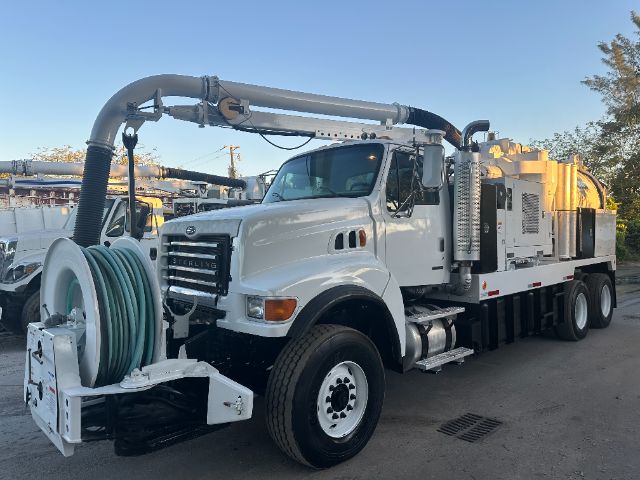
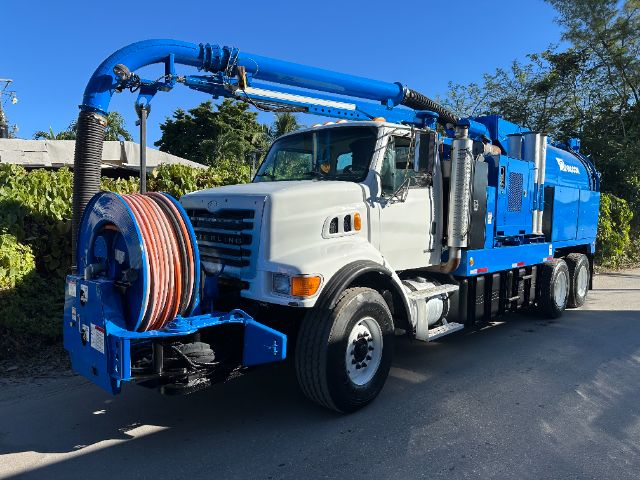

Selling a used sterling vacuum truck? List your used sterling vacuum truck for sale and reach thousands of commercial buyers.
Used Sterling Vacuum Trucks in Florida
For buyers comparing used Sterling vacuum trucks, the body and vacuum package matter as much as the chassis. Common configurations include debris bodies around 11 to 12 cubic yards, fresh water capacities near 1,000 to 1,300 gallons, hydraulic hose reels, hydraulic dump bodies, and hydraulic rear door locks. Many combo units use a positive displacement blower or a multi-stage fan, and that choice affects performance. PD blower trucks generally suit heavier recovery work and longer hose runs, while fan units are often favored for faster air movement and lighter material handling. Jetting systems in this class are frequently rated around 80 GPM, with pressure ratings from 2,000 to 3,000 PSI, which is a useful range for sewer line cleaning and municipal jetting applications.
Sterling L-Series trucks are attractive in this category because they were widely adopted in municipal and contractor fleets, so used examples often come with serviceable vocational specs and familiar components. Engines such as Caterpillar C7 and C9 are common, and many used units show both miles and engine hours because vacuum trucks spend significant time operating stationary equipment. That makes hour meter readings, blower or fan condition, pony motor service history, pump condition, and tank integrity just as important as chassis mileage. Buyers in Florida should also pay close attention to corrosion around the subframe, hose reel structure, rear door seal surfaces, and water system components, especially on trucks that worked in coastal or high-humidity environments.
A good used Sterling vacuum truck should be evaluated as a complete system. Check debris tank condition, verify the vacuum producer reaches and holds spec, inspect the jet pump output under load, and confirm the dump body and door locks cycle smoothly. Review axle ratings and GVWR to make sure payload, water capacity, and legal operating weight line up with the intended work. Parts support for the Sterling chassis is an important consideration, but on many of these trucks the vocational body manufacturer, blower brand, and pump brand will drive long-term maintenance planning just as much as the cab and chassis. For buyers who need a dedicated sewer cleaner, septic service unit, or all-around municipal combo truck, a used Sterling can still be a cost-effective platform when the vacuum system has been properly maintained.
Frequently Asked Questions about Used Sterling Vacuum Trucks in Florida
What should I check first on a used Sterling vacuum truck?
Start with the vacuum and jetting system before focusing on cosmetic chassis condition. Verify blower or fan performance, water pump output, hose reel operation, hydraulic dump function, rear door seal condition, and tank integrity. On a combo truck, miles alone do not tell the story because these units often accumulate heavy operating hours while stationary. Engine hours, pony motor hours, maintenance records, and evidence of recent pump or blower service usually matter more than odometer readings by themselves.
What is the difference between a vacuum truck and a vacuum jetter combo truck?
A basic vacuum truck is built mainly to recover liquids, sludge, and debris, while a vacuum jetter combo truck adds a high-pressure water system for cleaning sewer lines and breaking up material before recovery. Many used Sterling units in this category are combo trucks, which makes them suitable for municipal sewer departments, contractors cleaning lift stations, and crews handling storm drain maintenance. If the job requires both line cleaning and spoil removal, a combo unit is usually the more versatile choice.
Are Sterling L7500 and L8500 good chassis for vacuum truck applications?
Yes, the Sterling L7500 and L8500 were commonly used for vocational applications such as vacuum trucks, sewer cleaners, and municipal service bodies. They are typically spec'd with medium to heavy-duty frames, diesel engines, and automatic transmissions that fit stop-and-go utility work well. The key is not just whether the chassis is sound, but whether the truck was spec'd correctly for the body, axle loading, and PTO or auxiliary engine requirements of the vacuum package.
How important are hours on a used vacuum truck compared with miles?
Hours are extremely important because vacuum trucks spend much of their life running the body equipment instead of traveling down the road. A truck with moderate mileage can still have significant wear in the blower, pump, hydraulics, and pony motor if it has high operating hours. Buyers should compare miles, engine hours, and any separate auxiliary engine hours together, then match that information against service records and the actual operating condition of the vacuum system.
What capacity range is common on used Sterling vacuum jetter trucks?
Many used Sterling vacuum jetter trucks fall into a municipal-style capacity range with debris bodies around 11 to 12 cubic yards and fresh water tanks around 1,000 to 1,300 gallons. Jetting systems are often in the 80 GPM class with pressure ratings from about 2,000 to 3,000 PSI. That size works well for sewer cleaning, storm drain maintenance, and general public works service because it balances water volume, debris capacity, and chassis maneuverability.