
Used Sterling Vacuum Trucks For Sale
Browse used Sterling vacuum trucks, including combo sewer jetter units, with details on chassis, debris body size, blower type, water capacity, and PTO setup.
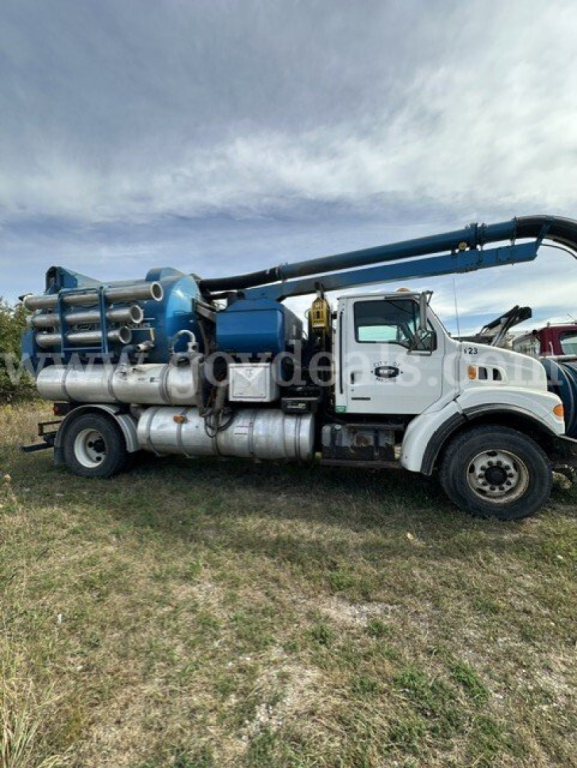
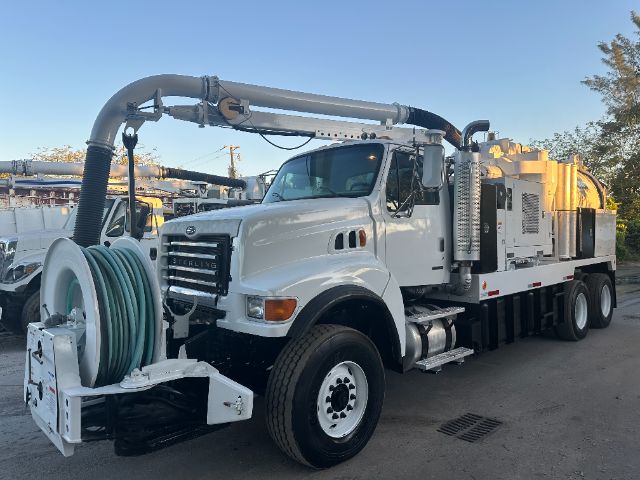
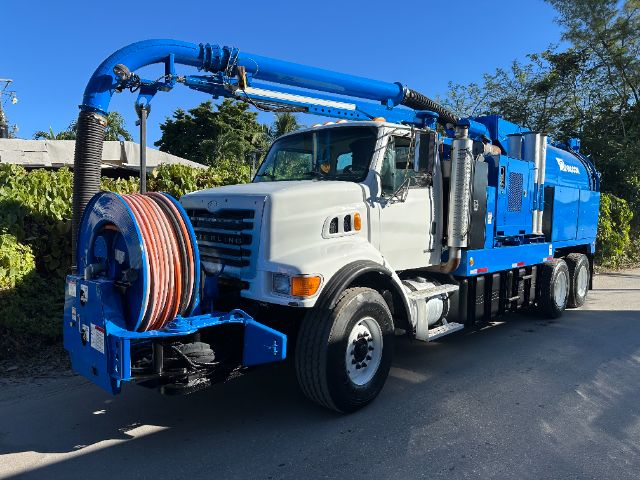

Selling a used sterling vacuum truck? List your used sterling vacuum truck for sale and reach thousands of commercial buyers.
Used Sterling Vacuum Trucks
A common decision point is fan truck versus positive displacement blower. Positive displacement systems, such as Roots-style blowers, are typically preferred when the job requires longer hose runs, deeper pulls, and more consistent vacuum performance. Fan units can be productive for lighter material and shorter-distance recovery, often with a simpler operating profile. On used Sterling vacuum trucks, debris body capacities often fall around 11 to 12 yards, while fresh water tanks on combo units may run roughly 1,000 to 1,300 gallons. Jetting performance commonly lands in the range of 80 GPM at 2,000 to 3,000 PSI, though exact output depends on the pump, plumbing, and power source. Many trucks in this class use a pony motor to run the vacuum and water systems independently of the chassis engine, while others may use PTO-driven arrangements.
Sterling chassis are well regarded in vocational applications because they were built for heavy municipal and contractor service, usually with straightforward layouts and durable components. Engines often include Caterpillar medium-duty diesels such as the C7 or C9 paired with automatic transmissions, and GVWR can reach into the 66,000-pound range depending on axle configuration and body spec. For a used unit, miles tell only part of the story. Engine hours, pony motor hours, blower condition, pump wear, hose reel function, hydraulic dump operation, and the condition of the tank interior are often better indicators of remaining service life. Ex-municipal trucks can be attractive because they may have had scheduled maintenance, but buyers should still inspect for corrosion, body repairs, water tank condition, and wear in the boom, reel, and door seals.
The best used Sterling vacuum truck is the one whose body configuration matches the work. A combo jetter truck is the stronger choice for sewer and utility departments that need one truck to clean lines and recover debris. A hi-dump body can speed disposal where elevated dumping clearance is important. Buyers working in dense urban areas may prioritize maneuverability and shorter wheelbases, while highway departments and regional contractors may favor larger debris capacity and water volume to reduce dump and refill stops. Before purchase, confirm the emission requirements in your operating area, verify service support for the engine and body manufacturer, and make sure replacement parts for the blower, jetter pump, hose reels, and hydraulic systems are still readily available.
Frequently Asked Questions about Used Sterling Vacuum Trucks
What should I look at first on a used Sterling vacuum truck?
Start with the vacuum body and support systems before focusing only on cab and chassis miles. Check the blower or fan, jetter pump output, debris tank condition, water tank integrity, hydraulic dump function, hose reels, rear door seals, and any pony motor hours. A Sterling chassis can be durable, but the expensive repairs on this type of truck usually come from the vacuum package, hydraulics, and plumbing rather than routine chassis wear alone.
Are Sterling vacuum trucks commonly used as combo sewer jetter trucks?
Yes. Many used Sterling vacuum trucks are combo units that combine vacuum recovery and high-pressure water jetting on one chassis. This setup is common for municipal sewer departments, contractors cleaning storm drains, and crews handling line jetting with debris removal. Listings often include debris bodies in the 11 to 12 yard range and freshwater capacity around 1,000 to 1,300 gallons, which is a useful benchmark when comparing truck capability.
Is a positive displacement blower better than a fan system on a vacuum truck?
It depends on the work. A positive displacement blower is generally better for deeper excavation, longer hose runs, and jobs that need stronger sustained vacuum. A fan system can be effective for lighter material and shorter pulls, and it may offer a simpler setup for some applications. For sewer cleaning and heavy recovery work, many buyers lean toward PD blower-equipped trucks because of their pulling strength and versatility.
How important are hours on a used vacuum truck compared with miles?
Hours are extremely important, and in many cases they matter more than odometer mileage. Vacuum trucks spend a lot of time stationary while the blower, jetter, hydraulics, and pony motor are working. A truck with moderate miles but very high system hours may have more wear in the body equipment than a higher-mile truck with lower operating hours. Always compare chassis miles, engine hours, and any auxiliary engine hours together.
Why are so many used Sterling vacuum trucks ex-municipal units?
Sterling trucks were widely used in municipal and utility fleets because the chassis held up well in vocational service and paired easily with sewer cleaning and vacuum body builders. Ex-municipal units can be desirable because they were often maintained on fixed service intervals and used for specialized tasks rather than over-the-road hauling. The tradeoff is that municipal stop-and-go duty, idle time, corrosion exposure, and body wear still need to be inspected carefully before purchase.