
Used Cab and Chassis Trucks For Sale in Florida
Used cab and chassis trucks for sale in Florida. Compare wheelbases, axle ratings, engine specs, and body-ready configurations.
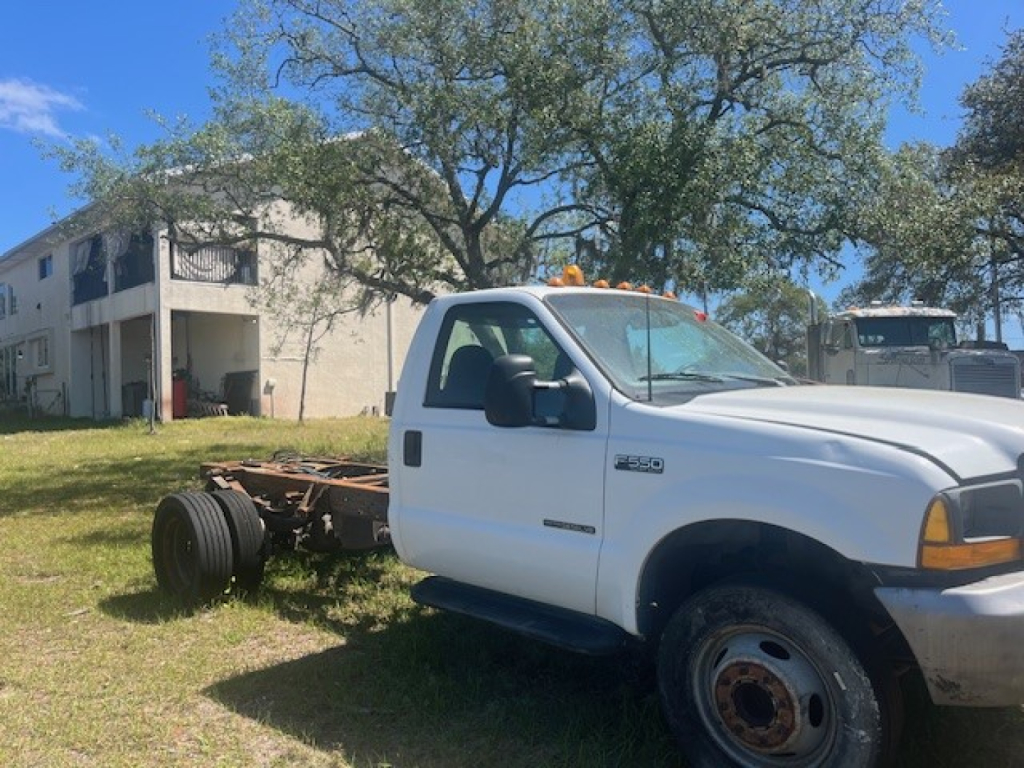
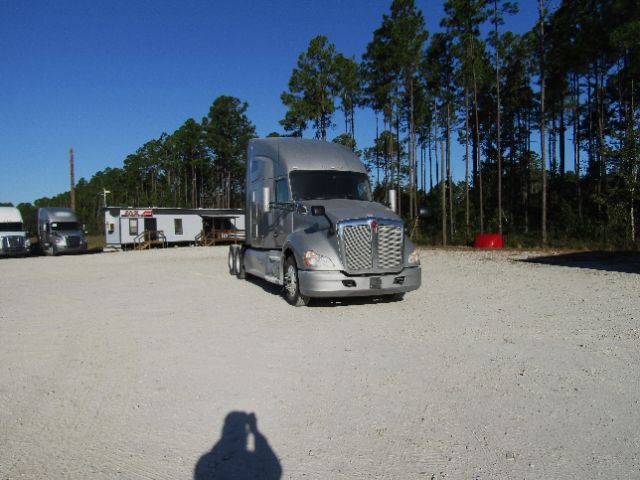
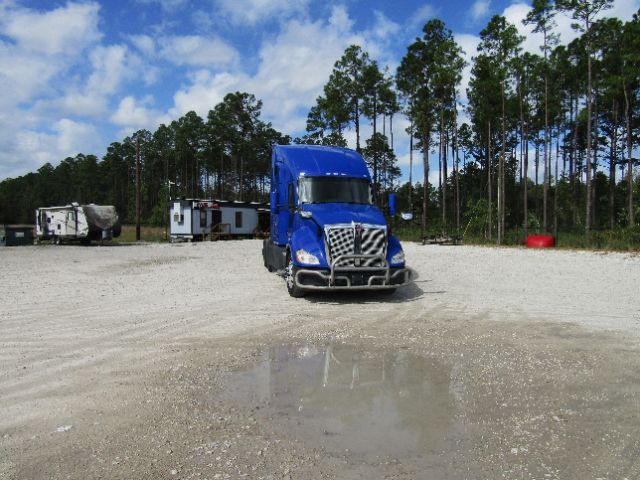
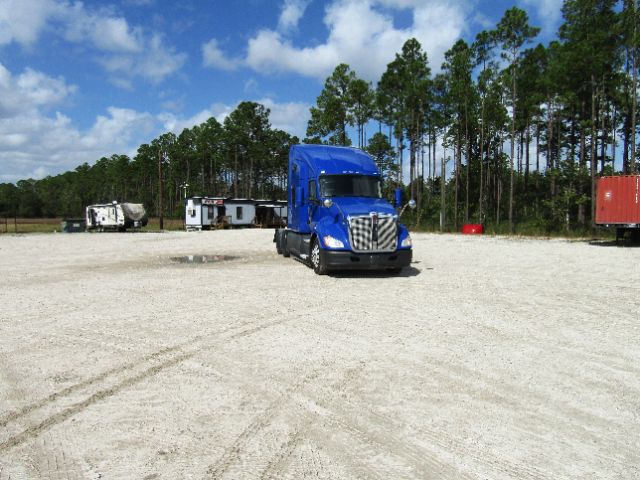
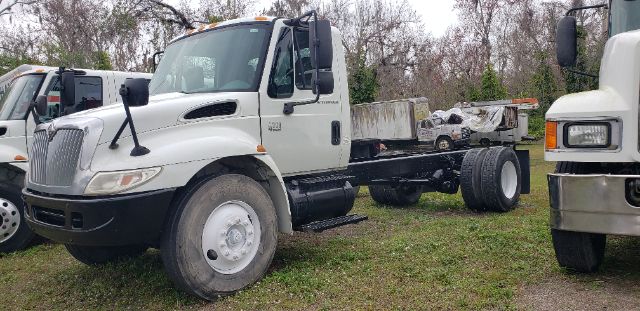
Selling a used cab and chassis truck? List your used cab and chassis truck for sale and reach thousands of commercial buyers.
Used Cab and Chassis Trucks in Florida
Start with chassis dimensions and weight ratings. A used cab and chassis truck should be evaluated around wheelbase, cab-to-axle, cab-to-end-of-frame, front axle rating, rear axle rating, and gross vehicle weight rating. Those numbers determine body length, equipment placement, bridge compliance, and turning radius. Buyers also need to confirm frame condition, hole patterns from prior upfits, suspension type, fuel tank placement, exhaust routing, and whether the truck has a transmission and engine setup that supports PTO-driven accessories. Diesel power is common, with medium-duty and heavy-duty configurations available, and used units may range from day cabs to larger sleeper-based chassis depending on the original application.
Florida buyers should pay close attention to corrosion, electrical condition, and cooling performance. Coastal environments can accelerate rust on frames, crossmembers, air tanks, battery boxes, and wiring connections even when a truck looks clean from a distance. Air conditioning performance is also more than a comfort item in this market because many vocational trucks idle, stop frequently, and operate year-round in heat and humidity. If the truck previously carried vocational equipment, inspect the frame rails for modifications, added brackets, PTO wear, hydraulic plumbing remnants, and any signs the prior body installation concentrated stress in one area.
A good used cab and chassis truck can save substantial upfit time if the platform is matched correctly from the start. Buyers comparing listings should focus on engine hours versus odometer miles, transmission type, rear axle ratio, suspension capacity, brake configuration, and remaining tire life in addition to the basic year, make, and model. Popular platforms from Kenworth, International, Mack, Freightliner, Peterbilt, Ford, and Chevrolet all appear in this category, but the best choice depends on the body builder's requirements and the job cycle the truck will run. A truck built for regional hauling may not be ideal for a crane body, and a former fleet unit may be a strong value if maintenance records, frame integrity, and body-mount dimensions line up with the next application.
Frequently Asked Questions about Used Cab and Chassis Trucks in Florida
What is a cab and chassis truck?
A cab and chassis truck is a truck sold with the cab and frame rails in place but without the final vocational body installed. It is the foundation used for adding bodies such as flatbeds, service bodies, dump beds, box vans, utility bodies, tow equipment, and tank assemblies. Buyers choose this configuration when they need a truck matched to a specific job rather than a factory-complete body style.
What specs matter most when buying a used cab and chassis truck?
The most important specs are wheelbase, cab-to-axle measurement, cab-to-end-of-frame length, GVWR, front and rear axle ratings, suspension type, and PTO compatibility. Those details determine what body can be installed and how the finished truck will carry and distribute weight. Buyers should also verify engine horsepower, torque, transmission type, rear axle ratio, brake system, and frame condition because those factors affect both performance and upfit cost.
Are used cab and chassis trucks in Florida prone to rust or corrosion?
They can be, especially in coastal areas or fleet applications exposed to salt air, standing water, and year-round humidity. Surface corrosion is common, but buyers should inspect deeper for rust around frame rails, crossmembers, brake and air system components, battery boxes, wiring, and body-mount areas. Corrosion on electrical connectors and grounds can be just as important as frame rust because vocational upfits depend heavily on reliable electrical and hydraulic integration.
Can a used sleeper truck be converted into a cab and chassis application?
In some cases, yes, but it depends on the frame layout, wheelbase, weight distribution, and the intended body. A sleeper-based chassis can work for certain applications, but it may be less practical than a day cab if overall length, maneuverability, or body placement is critical. Buyers should confirm cab-to-axle dimensions, frame rail condition, and local operating requirements before assuming a former road tractor chassis is a straightforward body-ready platform.
Why is PTO compatibility important on a cab and chassis truck?
PTO compatibility matters because many vocational bodies rely on power take-off operation for hydraulic pumps, compressors, blowers, winches, or other auxiliary systems. A truck may have the right engine and transmission on paper but still need additional PTO hardware, controls, programming, or clearance changes to support the equipment. Verifying PTO provisions early helps avoid expensive surprises during the upfit process.