
Used 2020 Cab and Chassis Trucks For Sale in Florida
Shop used 2020 cab and chassis trucks in Florida. Compare wheelbases, axle setups, engine specs, and upfit readiness for your operation.
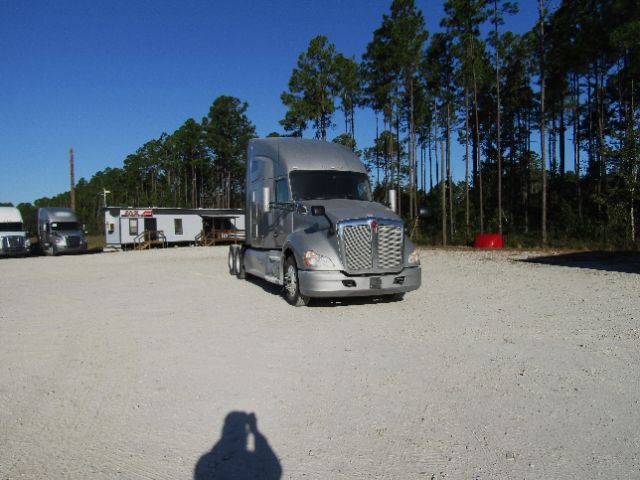
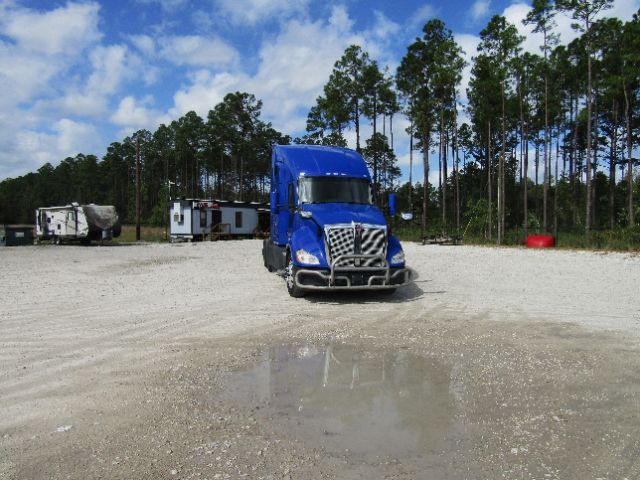
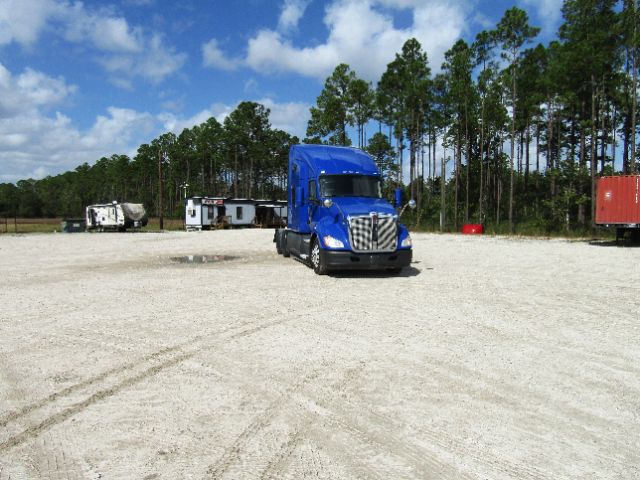
Selling a used 2020 cab and chassis truck? List your used 2020 cab and chassis truck for sale and reach thousands of commercial buyers.
Used 2020 Cab and Chassis Trucks in Florida
The first decision is usually wheelbase, axle rating, and frame layout. Cab and chassis trucks are commonly spec'd with single or tandem rear axles, set-forward or set-back front axles, and frame rail dimensions that need to match the intended body and payload. Buyers should confirm usable cab-to-axle and cab-to-end-of-frame measurements, rear suspension type, and whether the truck has the right transmission and engine calibration for PTO work. If the truck is being converted for a dump, crane, or other hydraulic application, check for PTO provisions, pump mounting clearance, vocational transmission programming, and front axle capacity before assuming the chassis is ready for the body builder.
Used 2020 models can offer a strong balance of modern emissions systems, improved driver comfort, and current safety equipment without the cost of a new chassis. Common specs in this class include diesel power, automated manual or automatic transmissions, air brakes, and medium-duty to heavy-duty GVWR ranges depending on the application. If a listing shows a sleeper-based platform such as a highway tractor converted or represented as cab and chassis, verify frame alterations, remaining frame length, and whether the truck is truly suitable for the intended upfit. Body builder guides, axle spacing, crossmember placement, and existing electrical provisions matter more than the badge on the hood when fit-up time and finished payload are on the line.
Florida buyers should also pay attention to registration class, bridge law implications, tire condition, and the truck's prior service history. A former fleet unit may have disciplined maintenance records, while an ex-municipal or utility chassis may have lower miles but more idle time and PTO hours. Look closely at aftertreatment service history, suspension wear, brake life, and any signs of frame drilling, rust scale, or prior equipment removal. The right used 2020 cab and chassis truck is the one that reduces fabrication surprises, matches your body length and weight target, and goes to work without requiring major changes to axle capacity, driveline setup, or electrical integration.
Frequently Asked Questions about Used 2020 Cab and Chassis Trucks in Florida
What is a cab and chassis truck used for?
A cab and chassis truck is built to accept a specialized body or piece of equipment behind the cab. Common uses include box trucks, flatbeds, dump trucks, utility bodies, tow bodies, landscape bodies, tank trucks, and municipal upfits. The value of this category is flexibility, because the buyer can match the chassis to the job instead of paying for a body configuration that does not fit the operation.
What measurements matter most when buying a used cab and chassis truck?
The most important measurements are cab-to-axle, cab-to-end-of-frame, overall wheelbase, rear axle spacing, and frame height. These dimensions determine what body length will fit, how weight will be distributed, and whether the completed truck will meet axle and bridge requirements. Buyers should also confirm frame rail size, crossmember placement, and any existing equipment that could interfere with the new body installation.
Is a used 2020 cab and chassis truck a good choice for an upfit?
A used 2020 model can be a strong upfit platform because it is new enough to offer modern drivability, emissions hardware, and safety features while still avoiding the price of a new chassis. The key is confirming the truck's vocational suitability. PTO provisions, axle ratings, suspension type, frame condition, and electrical compatibility should all be reviewed before committing to a body installation.
What should Florida buyers inspect on a used cab and chassis truck?
Florida buyers should inspect for heat-related wear, cooling system condition, tire and brake life, corrosion around frame rails and electrical connections, and signs of moisture exposure in wiring and air systems. Trucks used near the coast may show corrosion even when the cab presents well. It is also smart to review idle hours, aftertreatment service records, and any evidence of prior body removal or frame modification.
Can a sleeper tractor be used as a cab and chassis truck?
Some sleeper tractors are marketed in this category after frame modifications or partial conversions, but they are not automatically ideal upfit candidates. Buyers should verify the remaining frame length, driveline layout, axle placement, and whether the chassis can legally and practically carry the intended body and payload. A true factory cab and chassis spec usually simplifies body installation and reduces fabrication costs.