
Used 2020 Cab and Chassis Trucks For Sale
Shop used 2020 cab and chassis trucks with key details on wheelbase, CA, GVWR, axle setup, PTO readiness, and body upfit compatibility.
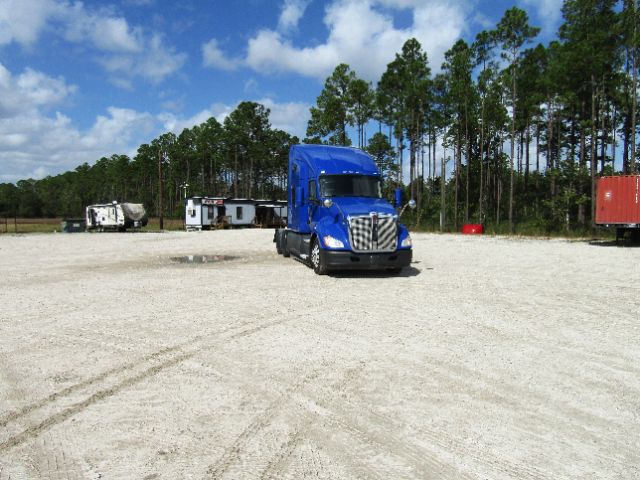
Selling a used 2020 cab and chassis truck? List your used 2020 cab and chassis truck for sale and reach thousands of commercial buyers.
Used 2020 Cab and Chassis Trucks
The 2020 model year sits in a practical spot in the used market because many trucks are modern enough to offer updated emissions systems, automatic transmission options, better driver-assist features, and cleaner interiors, while still being old enough to have a service history you can review. In this category, buyers should compare single-axle versus tandem-axle layouts, diesel engine ratings, PTO provisions, suspension type, and brake configuration. Medium-duty cab and chassis trucks are common for box, landscape, municipal, and utility work, while heavier Class 8 chassis are often chosen for dump, mixer, tanker, and severe-service applications. If the truck will run a hydraulic pump, compressor, or winch, confirm the PTO compatibility at the transmission and verify any existing plumbing, controls, and frame modifications.
Frame condition is especially important on a used cab and chassis because this truck may have already carried specialized equipment. Look for drilled or plated frame rails, corrosion around crossmembers, previous body removal, and signs of hard vocational use near the rear suspension and hitch area. Cab-to-end and axle placement should match the intended body length, and front axle capacity matters more than some buyers expect once a heavy bumper, crane, or plow package is added. On 2020 units, emissions health should be part of the inspection along with idle hours, engine fault history, DEF system service records, and any evidence of repeated regeneration issues.
A good cab and chassis truck gives you flexibility that a factory-bodied truck cannot. It lets you build around the job, the payload, and the body supplier you prefer. Buyers comparing used 2020 cab and chassis trucks should focus on upfit readiness, legal payload after the body is installed, and how easily the chassis can be serviced in their region. A clean wheelbase match, adequate GVWR, and a frame spec that supports the body without extensive alteration usually matter more than cosmetic differences. Also known simply as a chassis cab in some markets, this category rewards buyers who measure first and buy second.
Frequently Asked Questions about Used 2020 Cab and Chassis Trucks
What is the most important measurement on a cab and chassis truck?
Cab-to-axle is usually the first number to verify because it determines what body length and body style can be installed. Wheelbase, cab-to-end, and frame height also matter because they affect weight distribution, turning radius, and driveline layout. A truck with the wrong CA can turn an otherwise good deal into an expensive rework project.
How do I know if a used 2020 cab and chassis truck is ready for a PTO-driven upfit?
Start with the transmission model and confirm it supports the PTO opening and output needed for the application. Then inspect for existing PTO controls, hydraulic lines, pump mounts, and any prior vocational wiring. It is also smart to verify engine speed control settings, idle management, and whether the chassis already has switches or programming for work-truck functions.
Is a single-axle or tandem-axle cab and chassis better?
A single-axle truck is often better for lighter payloads, tighter routes, lower acquisition cost, and simpler maintenance. A tandem-axle chassis is better when the body is heavier, the payload is higher, or the application puts more stress on the rear frame and suspension. The right choice depends on GVWR, bridge laws, body length, and how the completed truck will actually be loaded.
What should I inspect on a used cab and chassis frame?
Inspect the frame rails for rust scale, cracks, weld repairs, extra holes, fish plates, and crossmember damage. Pay close attention to areas behind the cab, near suspension hangers, and around hitch or tow attachments because that is where vocational stress often shows up. If a prior body was removed, check whether wiring, air lines, and mounting surfaces were left in usable condition.
Why can a 2020 cab and chassis be a smart used buy?
The 2020 model year often gives buyers newer safety and powertrain features without paying near-new pricing. Many trucks from this year have documented maintenance records, modern automatic transmission options, and body-builder friendly chassis electronics. That makes them attractive for buyers who want current-spec capability with a lower cost of entry.