
Used 2020 Kenworth Cab and Chassis Trucks For Sale
Shop used 2020 Kenworth cab and chassis trucks. Compare T680 and similar platforms for body upfit, axle ratings, wheelbase, and PTO needs.
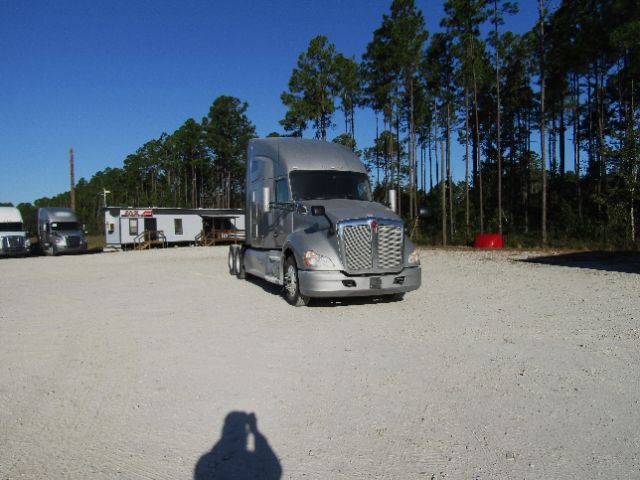
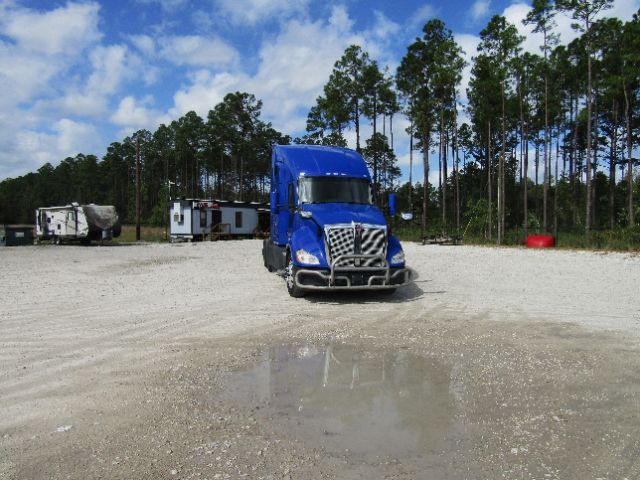
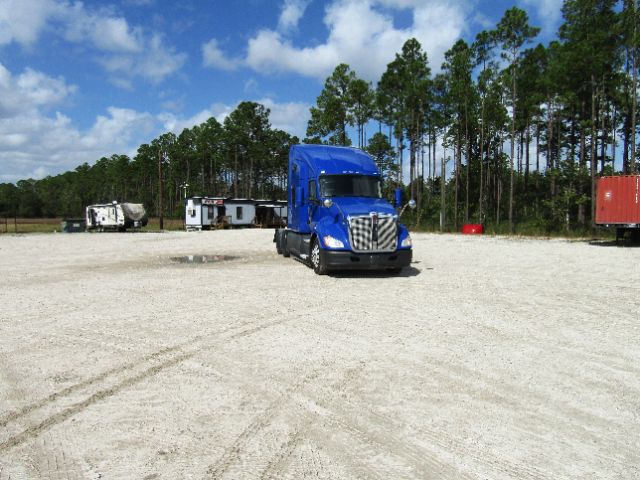
Selling a used 2020 kenworth cab and chassis truck? List your used 2020 kenworth cab and chassis truck for sale and reach thousands of commercial buyers.
Used 2020 Kenworth Cab and Chassis Trucks
For many buyers, the first decision is model family. A 2020 Kenworth T680 cab and chassis will usually appeal to fleets that want a more aerodynamic, highway-oriented platform with modern driver comfort and efficient powertrain options. If the truck began life closer to a tractor configuration and is being repurposed, verify frame modifications, wheelbase changes, rear suspension specs, and any remaining fifth-wheel or wet kit provisions. On a true cab and chassis setup, key measurements include cab-to-axle, cab-to-end-of-frame, and axle spread, since those dimensions determine what body can be installed without compromising bridge law compliance, turning radius, or load distribution.
Powertrain and chassis ratings deserve close attention on any used 2020 Kenworth cab and chassis listing. Common considerations include PACCAR engine options, automated or manual transmissions, single versus tandem rear axles, and GVWR or GCWR targets based on the intended body. Buyers should also inspect frame rail condition, crossmember design, suspension type, steering axle rating, and the presence of factory or aftermarket PTO provisions. If the truck will support hydraulic equipment, confirm transmission PTO openings, pump compatibility, and available space for tanks, battery boxes, DEF components, and tool storage. For body installers, clean frame length, hole patterns, and absence of excessive corrosion or previous welding repairs can save substantial time and cost.
Used 2020 Kenworth cab and chassis trucks also stand out for driver environment and serviceability. Depending on the original spec, you may see day cab layouts or sleeper-based units that have been adapted for specialized work. Review interior condition, electrical architecture, and dash switch provisioning if the truck will run beacons, compressors, cranes, liftgates, or auxiliary lighting. A good buyer compares emissions system history, maintenance records, tire and brake wear, and any evidence of hard vocational use before selecting a chassis for upfit. The right truck is not just the right make and year. It is the right frame, axle, and powertrain combination for the body, payload, and duty cycle you plan to run.
Frequently Asked Questions about Used 2020 Kenworth Cab and Chassis Trucks
What should I measure first on a used 2020 Kenworth cab and chassis truck?
Start with cab-to-axle, cab-to-end-of-frame, overall wheelbase, and axle ratings. Those measurements determine what body length can be installed, how the load will balance across the axles, and whether the finished truck will meet bridge and turning requirements. Buyers who skip these dimensions often end up with expensive body-fitment or weight-distribution problems later.
Is a 2020 Kenworth T680 a good choice for a cab and chassis application?
It can be, especially for buyers building a highway-oriented or regional-use vocational truck on a more aerodynamic platform. The T680 is known for driver comfort, modern cab design, and efficient powertrain options, but suitability depends on the exact frame spec, axle setup, suspension, and PTO capability. A buyer should confirm that the chassis was designed for body installation or has been professionally modified for the intended application.
What are the most important used-truck inspection points on this category?
Frame condition, previous frame alterations, suspension wear, axle ratings, brake condition, tire wear, emissions system history, and PTO readiness should all be reviewed closely. It is also important to inspect for corrosion, unused holes, weld repairs, or signs of former body removal. On a used cab and chassis truck, these details affect both upfit cost and long-term durability.
Can a used 2020 Kenworth cab and chassis support hydraulic or vocational equipment?
Many can, but the truck needs the right PTO and chassis provisions. Buyers should verify transmission PTO openings, hydraulic pump compatibility, available mounting space, electrical capacity, and clearance for tanks or toolboxes. If the truck will run a dump body, crane, rollback, compressor, or other auxiliary equipment, these factory and aftermarket provisions matter as much as engine horsepower.
Are sleeper-based Kenworth chassis practical for vocational work?
They can be practical in specialized operations, but they are not always the simplest body-upfit starting point. A sleeper cab changes back-of-cab clearance, adds weight, and can limit available body length compared with a day cab. For some applications, the added storage or operator comfort is useful, but buyers should make sure the sleeper configuration does not interfere with body placement, equipment access, or legal weight distribution.