
Used 2024 Commercial Trucks For Sale in Florida
Browse used 2024 trucks for sale in Florida, including vocational and highway models with current emissions, modern safety tech, and low-age specs.
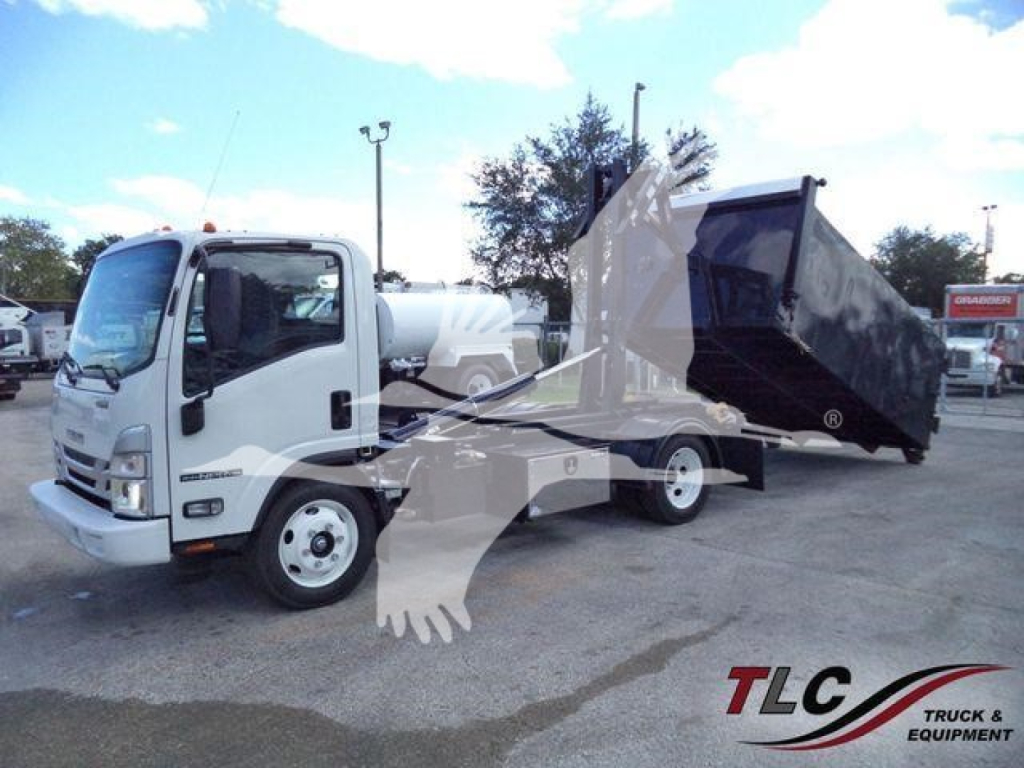
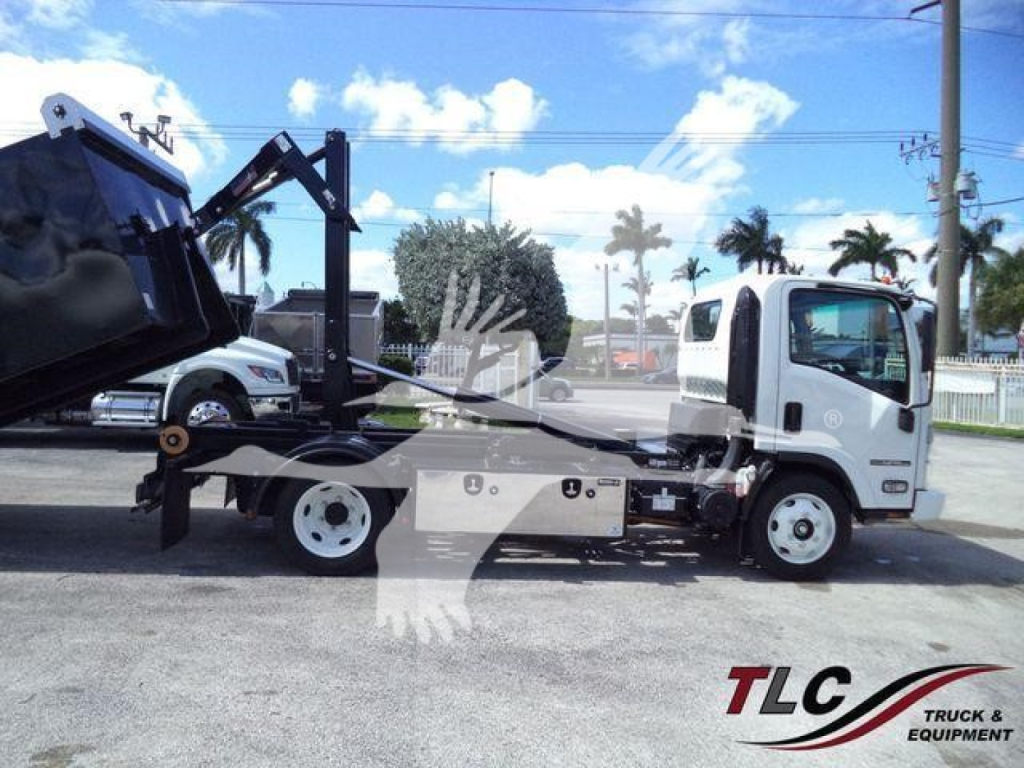
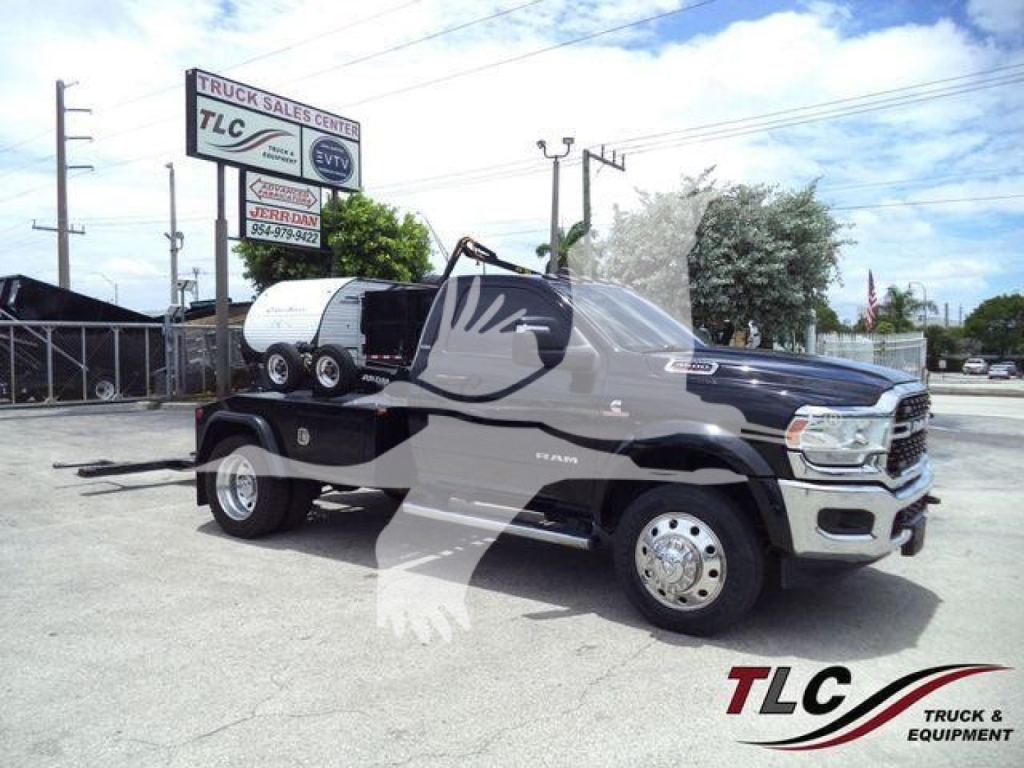
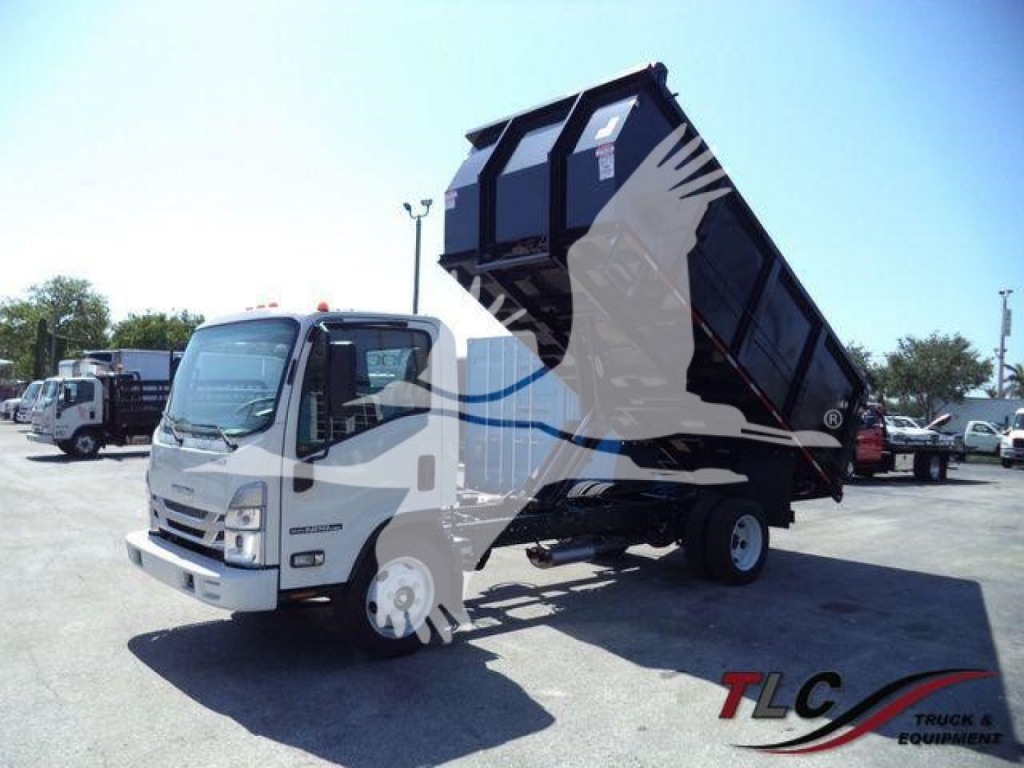
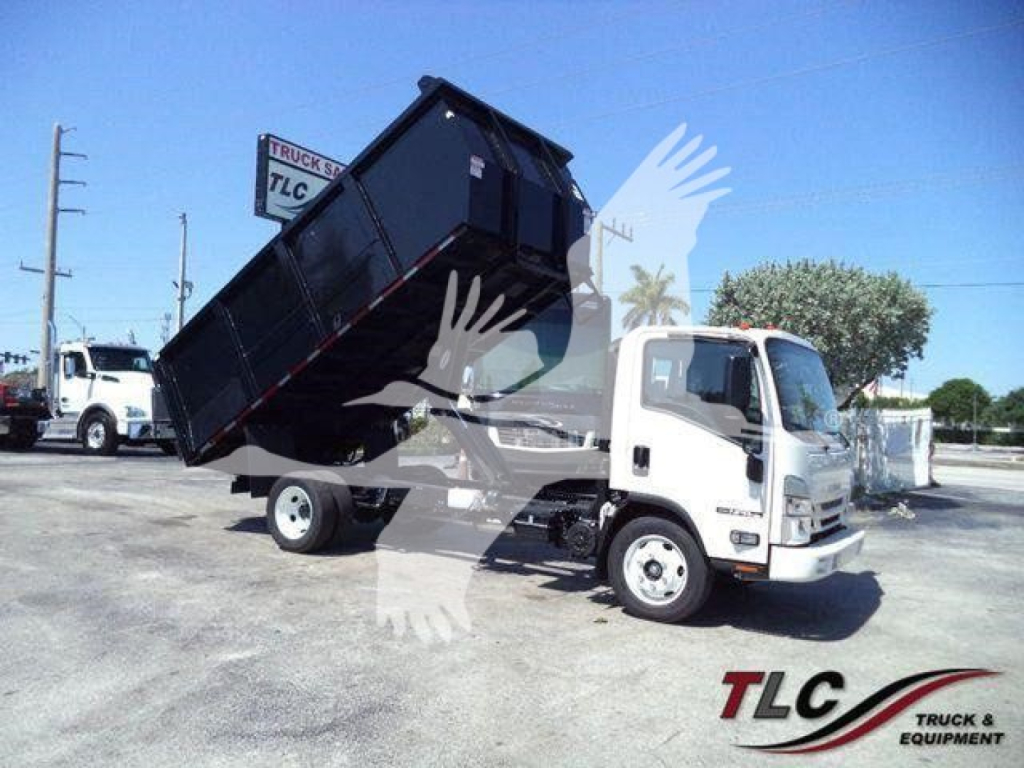
2024 Isuzu Npr Hd
Selling a used 2024 commercial truck? List your used 2024 commercial truck for sale and reach thousands of commercial buyers.
Used 2024 Commercial Trucks in Florida
The right 2024 used truck starts with application and operating environment. Florida buyers often look closely at cooling performance, A/C operation, corrosion exposure, tire condition, and whether the truck has spent its life in municipal, contractor, port, or regional delivery service. A 4x2 chassis may be ideal for paved-route freight, rollback, or urban delivery work, while vocational applications may call for higher GVWR, PTO capability, heavier front axle ratings, locking differentials, or air ride versus spring suspension depending on payload and terrain. On highway models, key decisions usually come down to engine rating, transmission type, wheelbase, rear axle ratio, fuel capacity, and whether the truck is spec'd as a day cab or sleeper.
For buyers comparing used 2024 trucks, condition matters as much as age. Review engine hours alongside miles, especially on trucks with PTO-driven equipment or extensive idle time. Confirm body manufacturer specs on any vocational truck, including hoist, boom, winch, tank, pump, reel, or bed ratings. Check for maintenance records, telematics history, brake type, tire size, suspension setup, and any upfit details that affect serviceability or payload. On diesel units, buyers should verify emissions system service history, while gas-powered medium-duty trucks are often evaluated more on simplicity, local-duty suitability, and lower entry cost.
Late-model trucks from 2024 are also attractive because they tend to support current fleet expectations for uptime, driver comfort, and compliance. Features commonly found in this segment include automatic or automated transmissions, air brakes on heavier chassis, collision mitigation systems, backup cameras, improved cab ergonomics, and cleaner interior layouts for drivers who spend full days in the truck. For Florida operations, it also makes sense to evaluate axle spread, bridge-law fit, turning radius, and body dimensions against the mix of city routes, highway miles, jobsite access, and port traffic the truck will actually see.
Frequently Asked Questions about Used 2024 Commercial Trucks in Florida
What are the main advantages of buying a used 2024 truck instead of a new one?
A used 2024 truck typically offers a newer chassis design, current safety technology, and modern emissions systems without the full cost of buying new. It can also reduce wait time compared with ordering a new unit. For many buyers, the value is in getting a late-model truck that still feels current in terms of drivability, comfort, and compliance while preserving more capital for upfit, maintenance, or fleet expansion.
What should buyers inspect first on a used 2024 truck in Florida?
Start with service history, miles versus engine hours, tire condition, brake condition, A/C performance, and any signs of corrosion from coastal or municipal use. On vocational trucks, inspect the body and auxiliary equipment as closely as the chassis. Florida buyers should also pay attention to cooling system performance, cab seals, electrical condition, and any rust or oxidation on frames, bodies, hydraulic components, and wiring connections exposed to humidity or salt air.
Are used 2024 trucks in this category mostly highway tractors or vocational trucks?
This category can include both. Used 2024 trucks may range from medium-duty delivery and contractor chassis to heavy-duty day cabs, sleepers, dump trucks, rollback wreckers, vacuum trucks, and other specialized bodies. The year does not define the application. The buyer should narrow the search by GVWR, axle configuration, body type, powertrain, and intended use before comparing individual trucks.
Why do engine hours matter on a low-mile used 2024 truck?
Engine hours help explain how the truck was used. A low-mile truck with high engine hours may have spent significant time idling, operating PTO equipment, or working in stop-and-go service. That does not automatically make it a poor choice, but it changes how a buyer should assess wear, maintenance intervals, and remaining life of engine, aftertreatment, and auxiliary systems. Hours are especially important on vacuum trucks, wreckers, dumps, and other vocational units.
What specs matter most when comparing used 2024 trucks for work applications?
The most important specs depend on the job, but buyers usually start with GVWR or GCWR, axle ratings, wheelbase, engine horsepower and torque, transmission type, rear axle ratio, suspension, brake system, and body or equipment ratings. On vocational trucks, PTO compatibility and upfit integration are critical. On delivery or highway trucks, fuel capacity, cab layout, turning radius, and service accessibility often have a bigger impact on operating cost and driver acceptance.