
Used 2019 Commercial Trucks For Sale in Florida
Browse used 2019 trucks in Florida, including medium-duty and vocational models with common specs, applications, GVWR ranges, and body options.
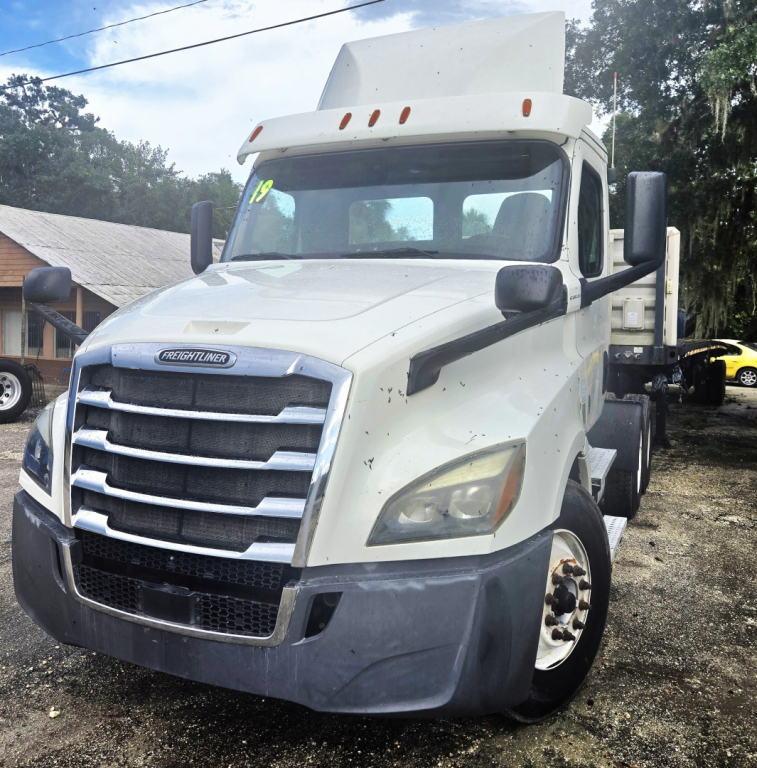
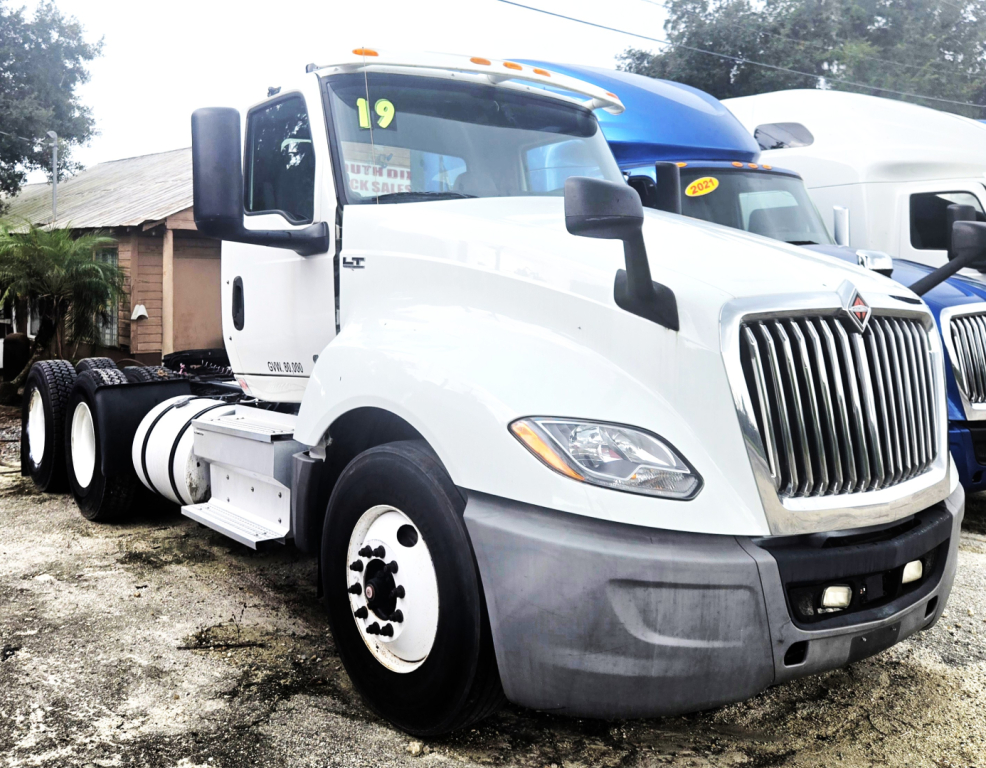
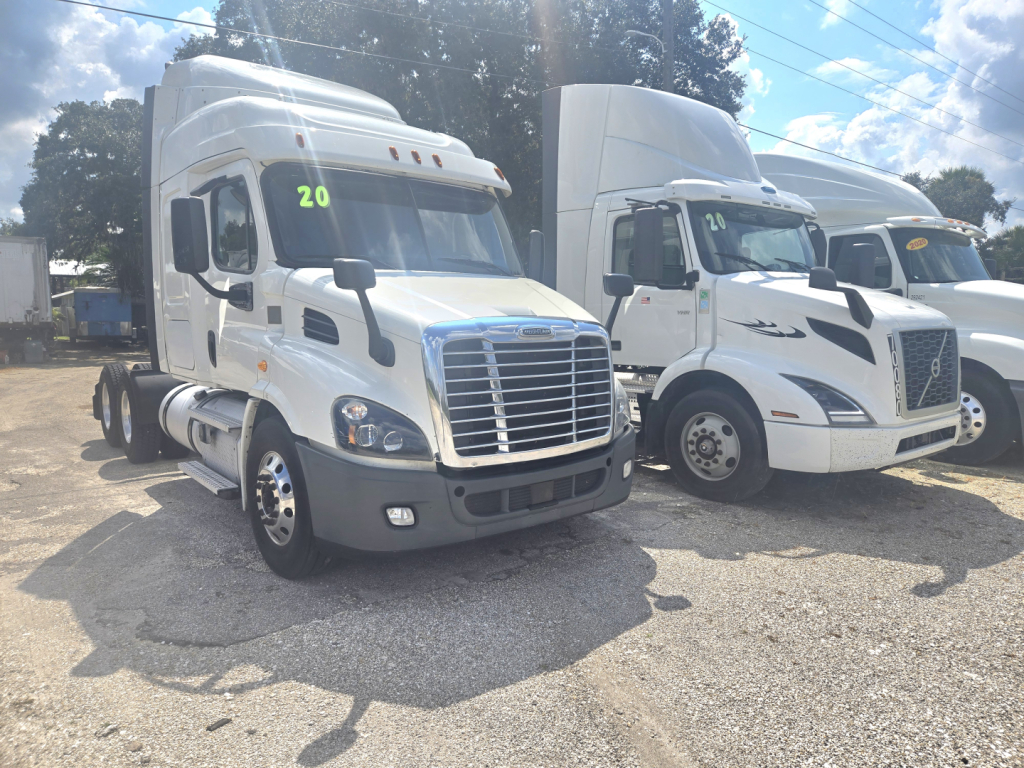
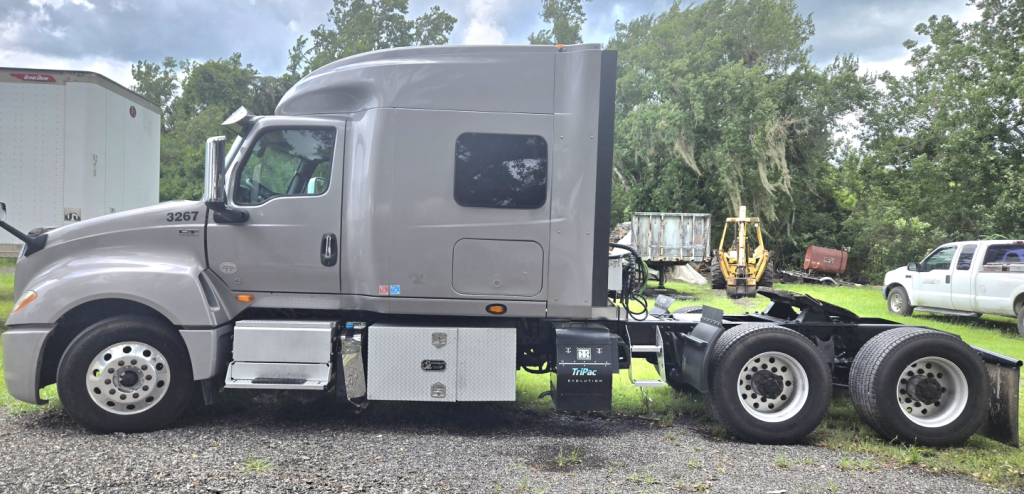
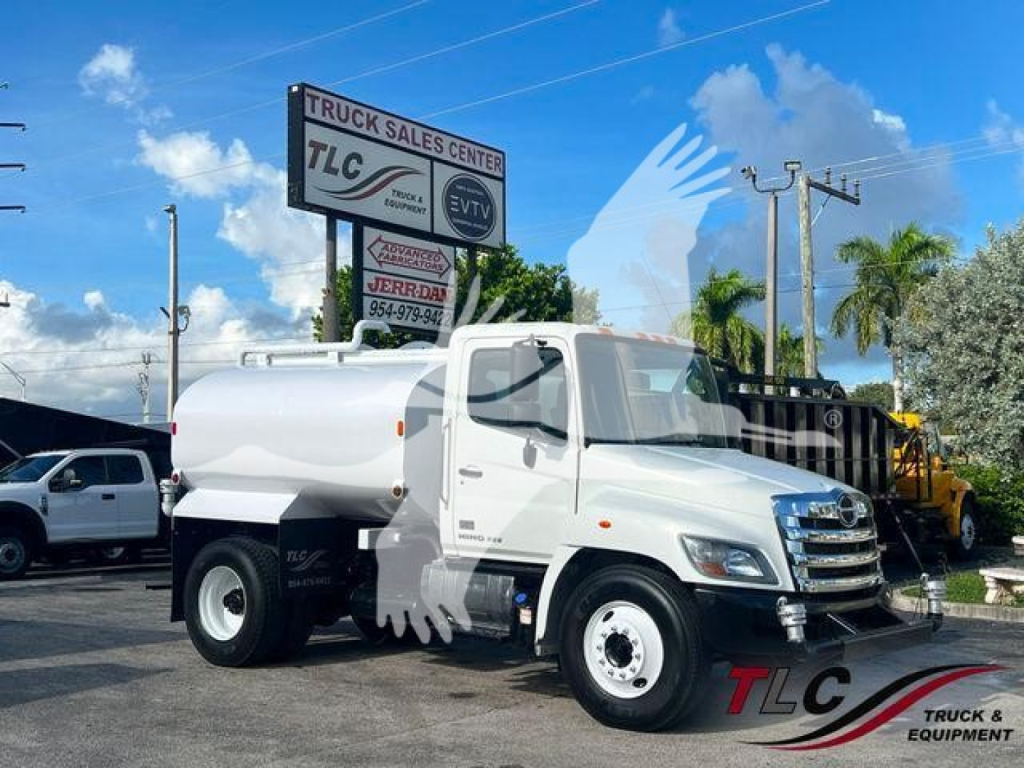
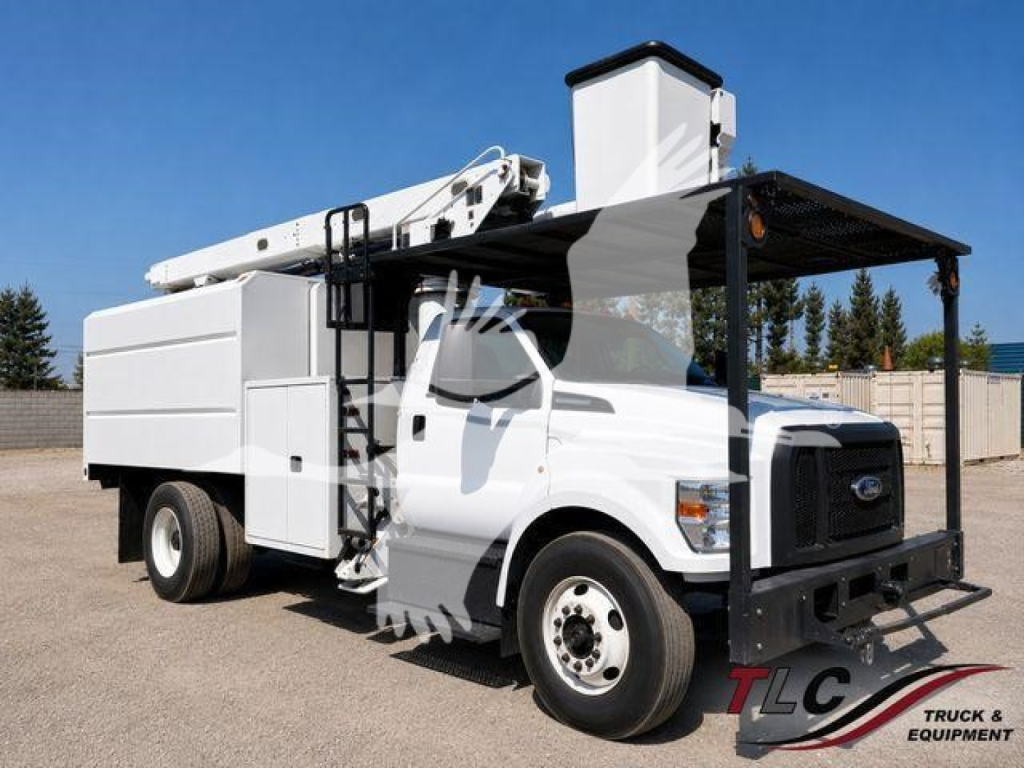
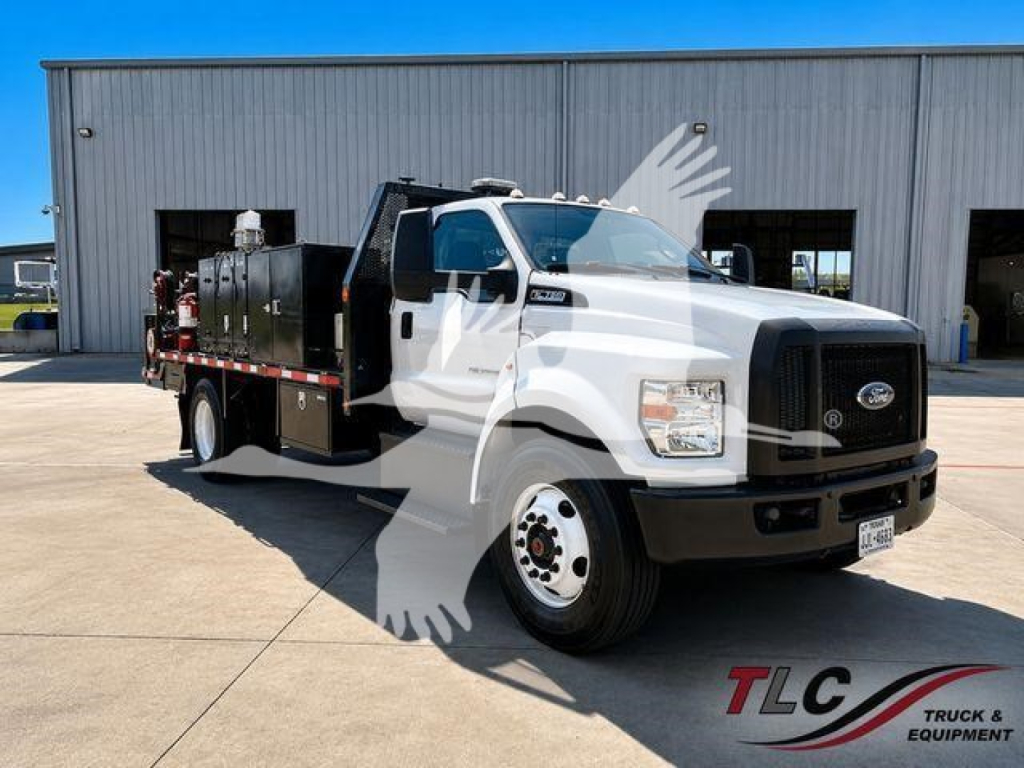
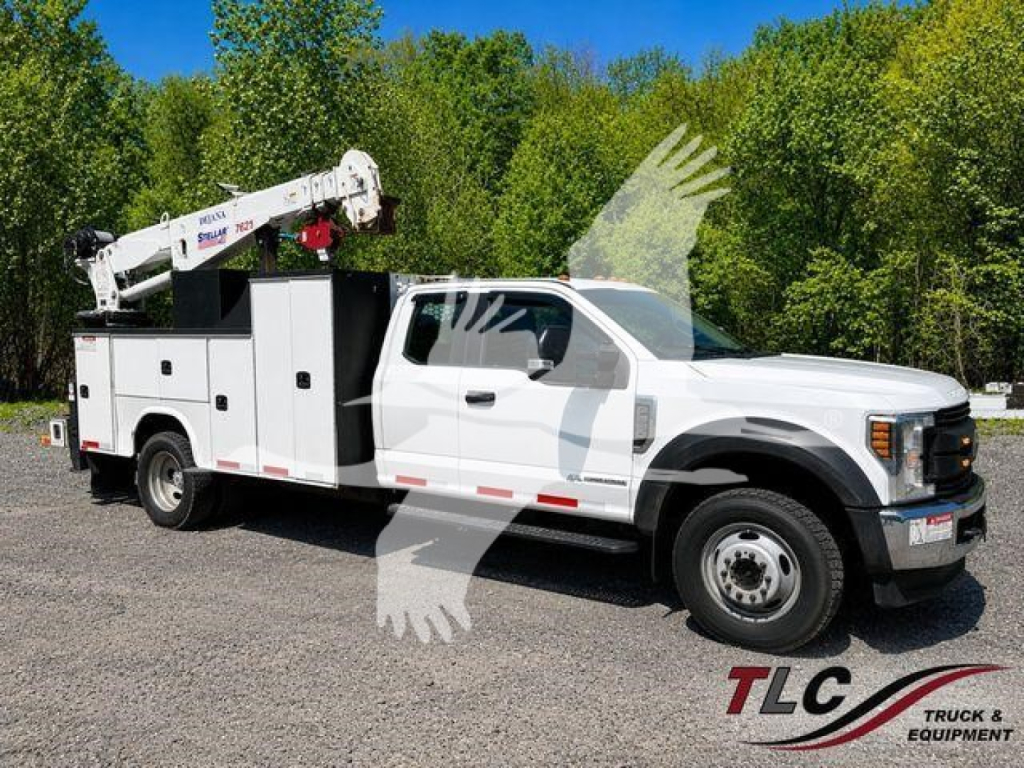
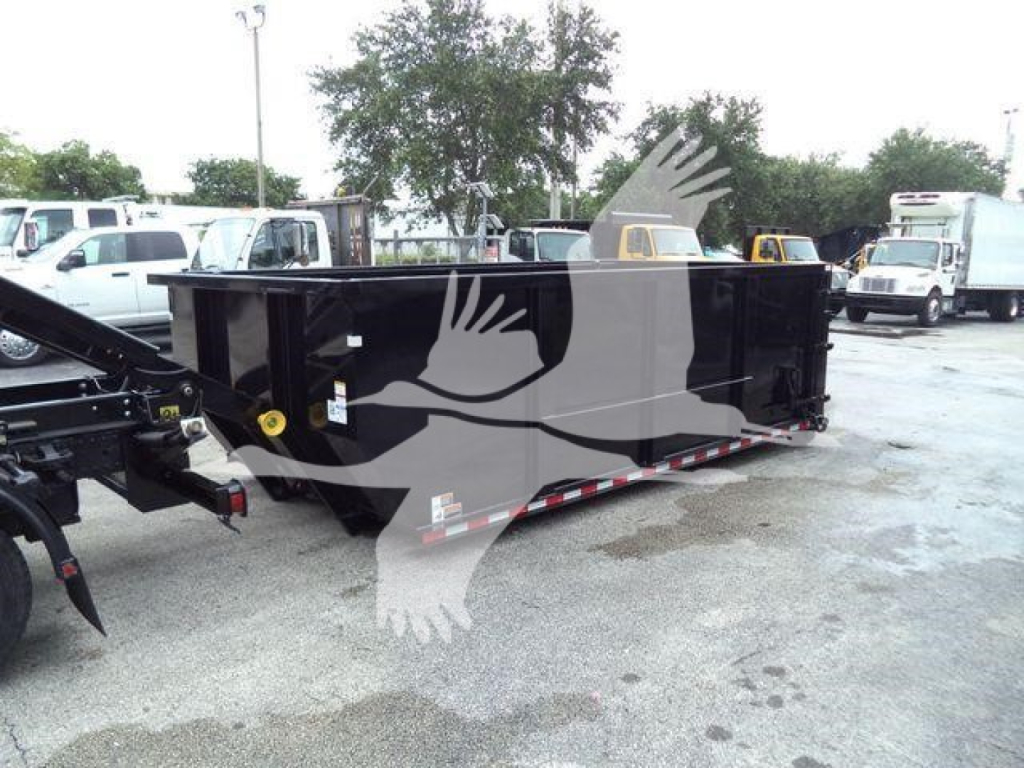
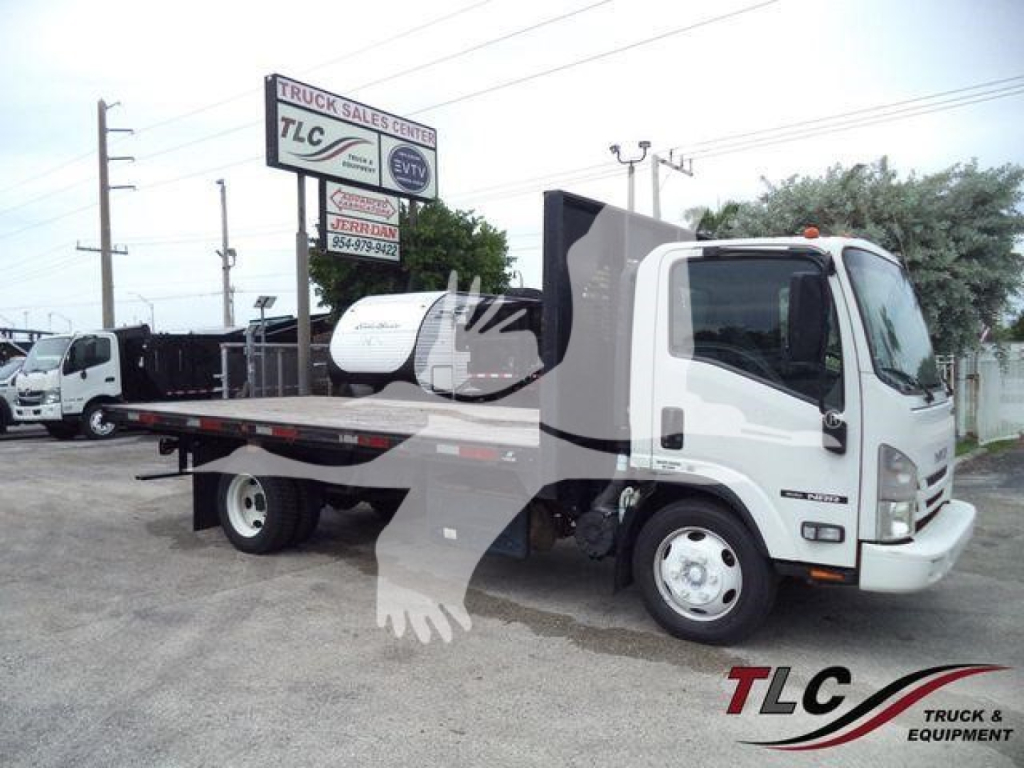
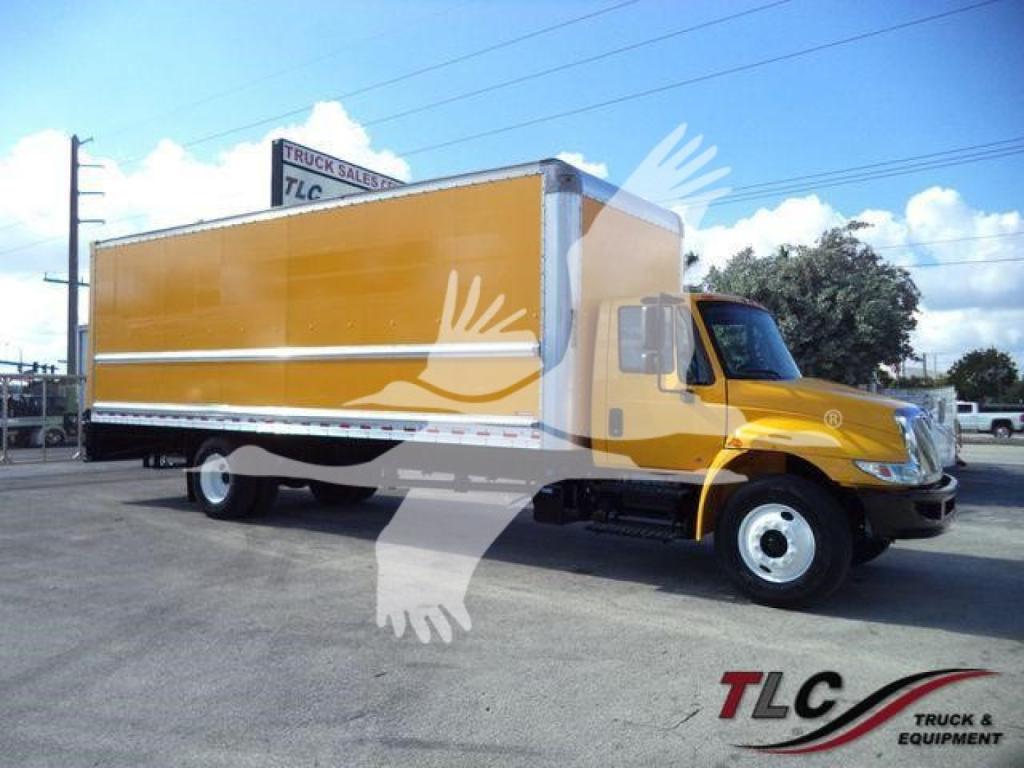
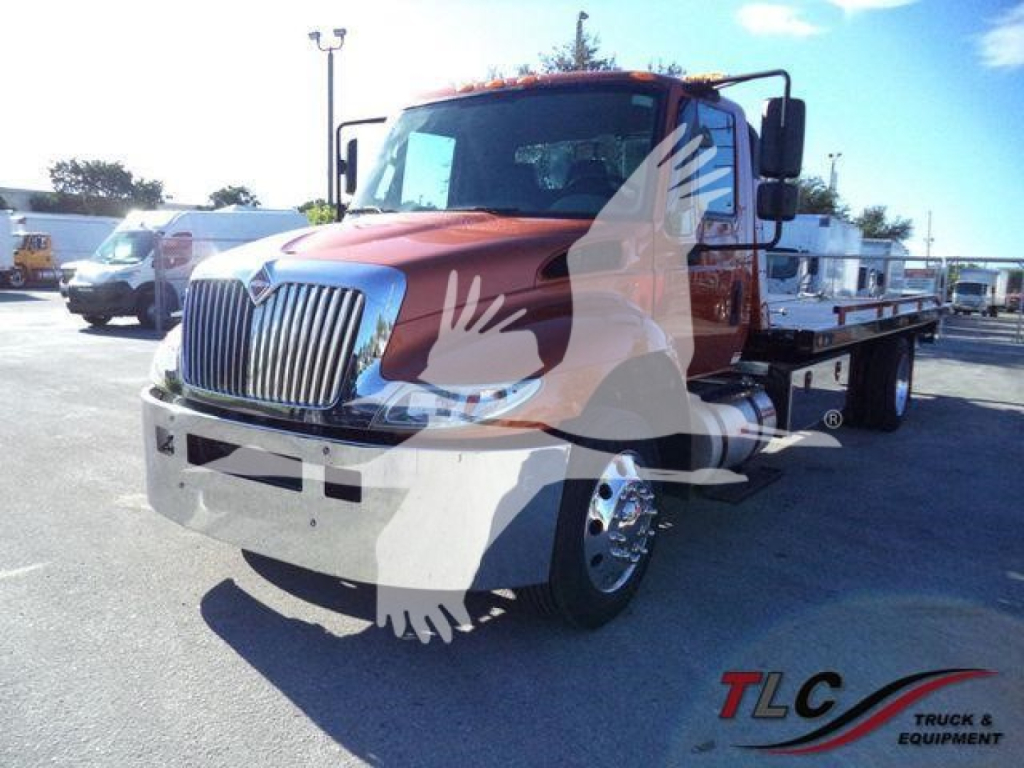
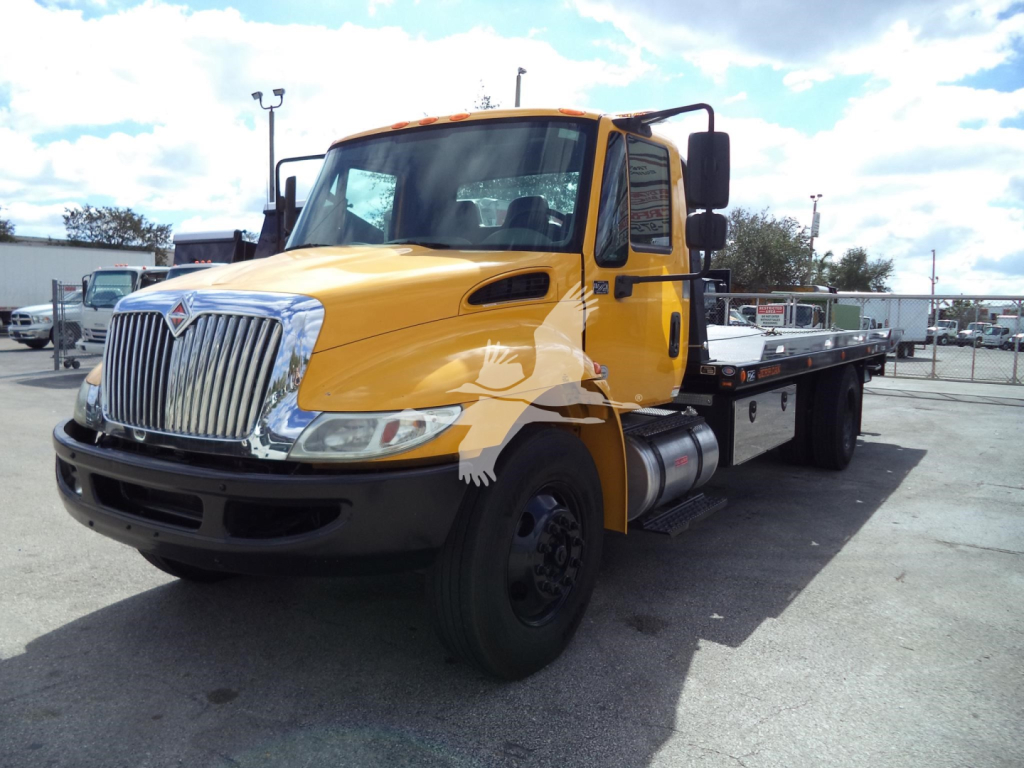
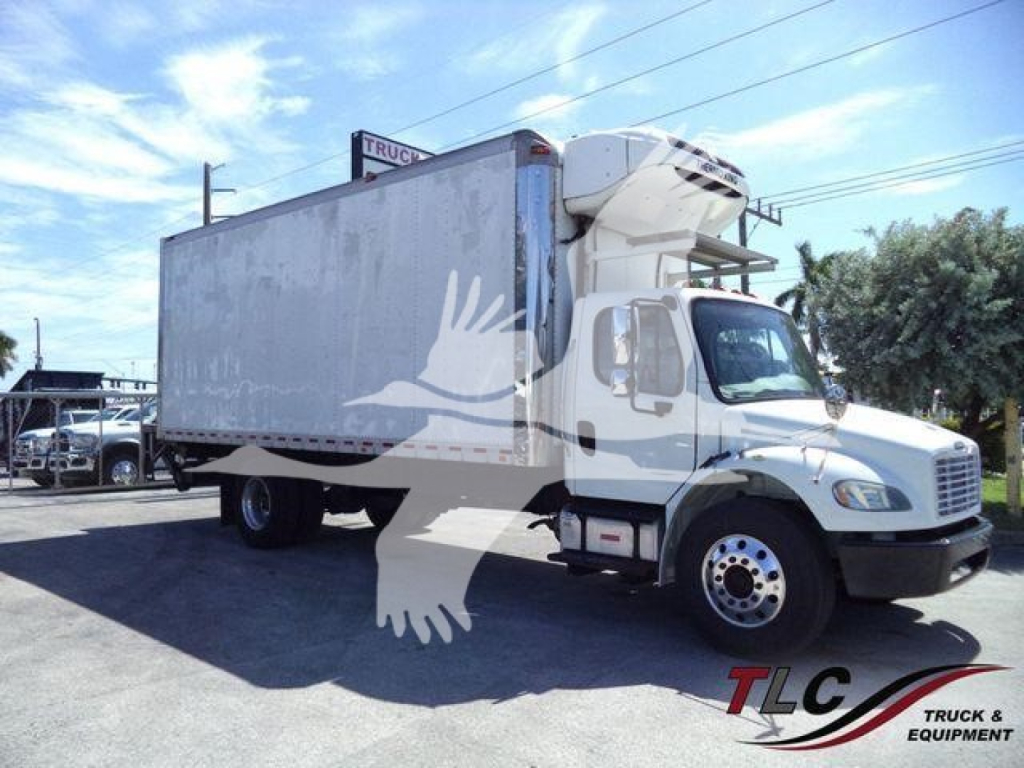
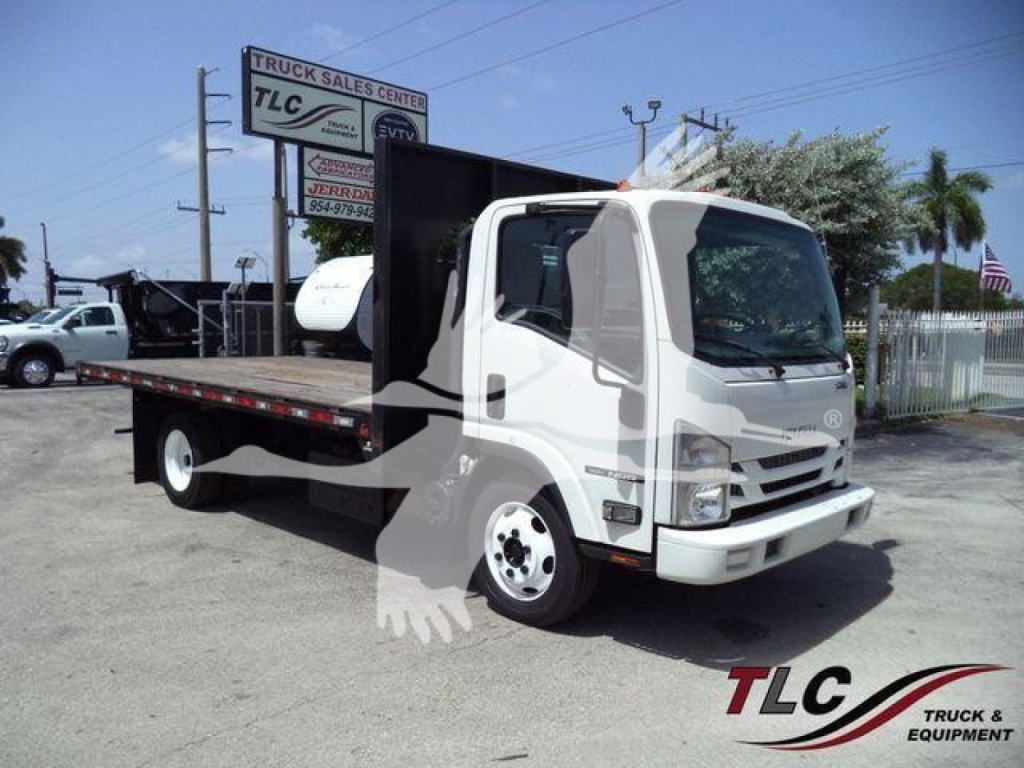
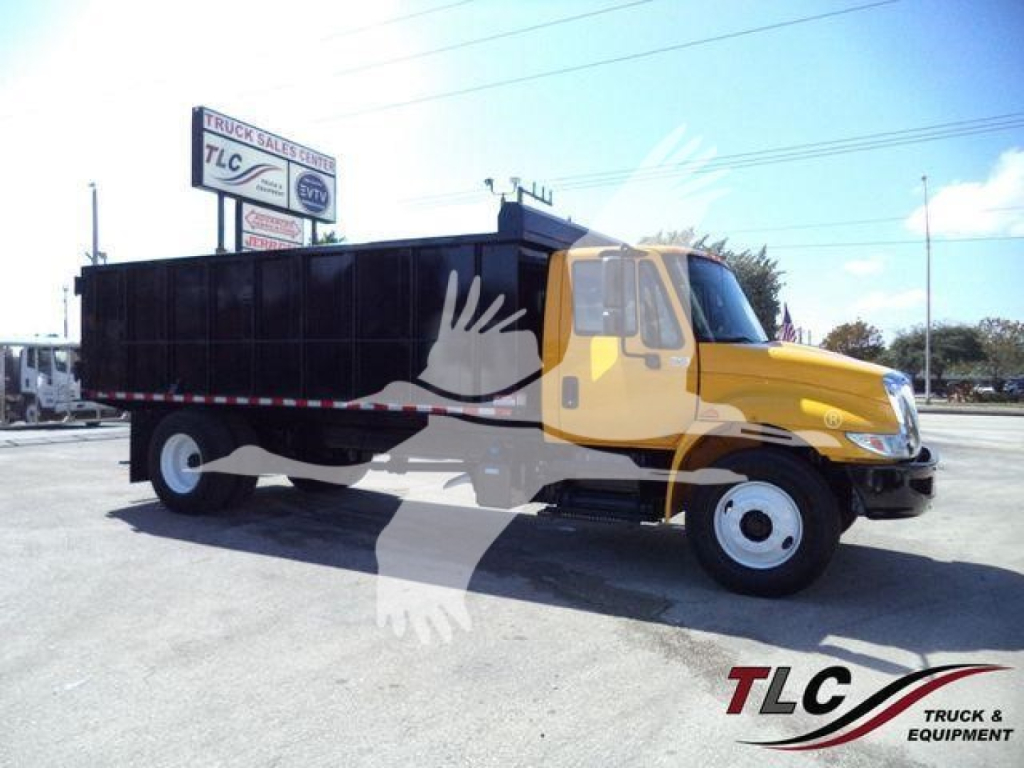
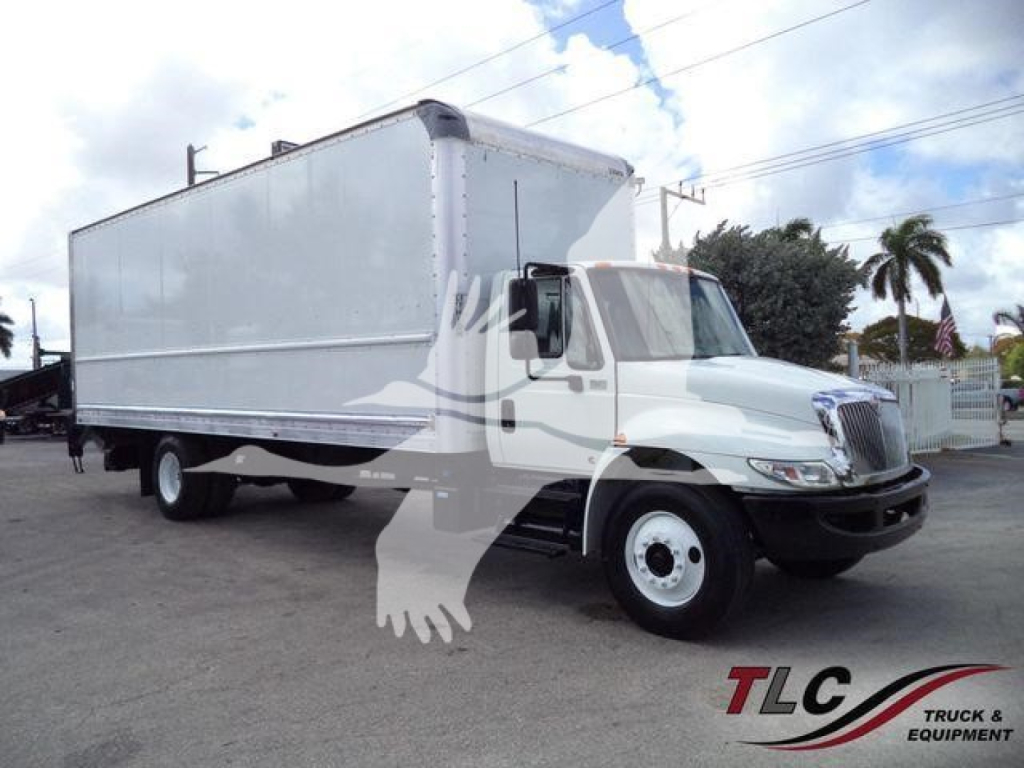
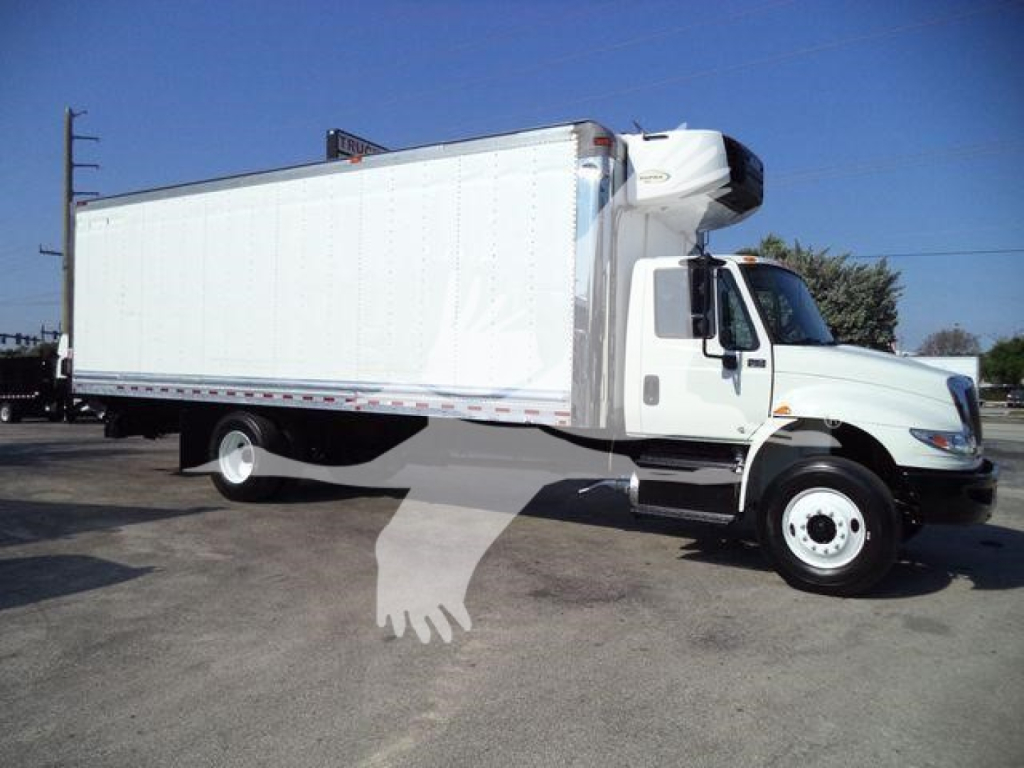
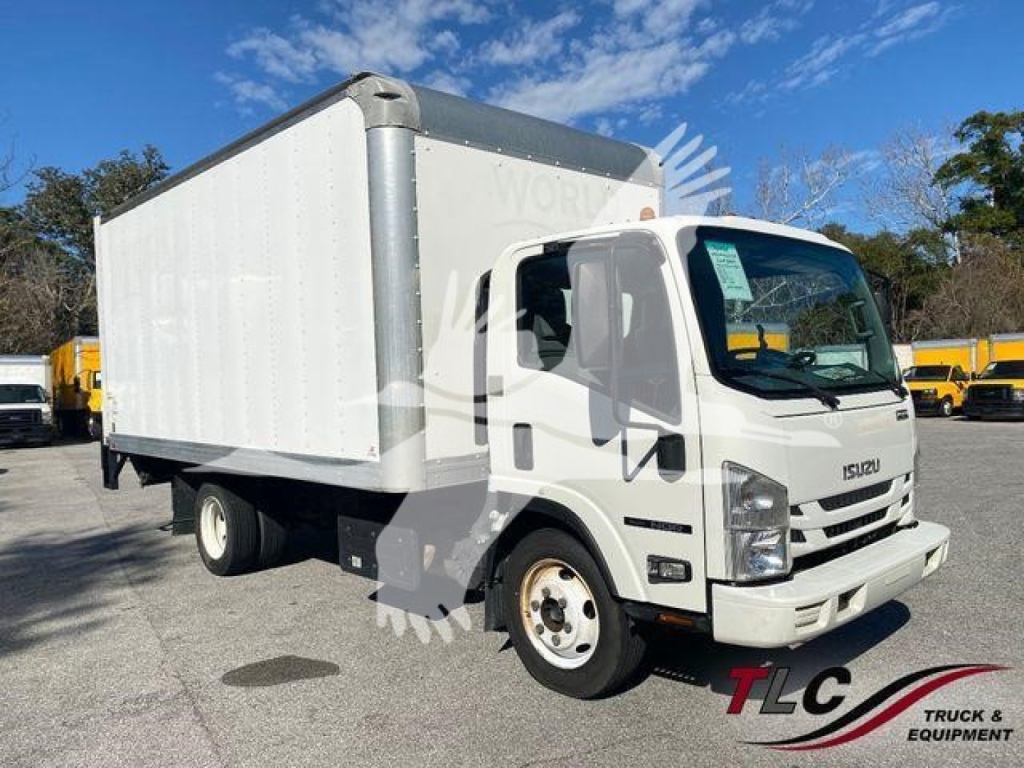
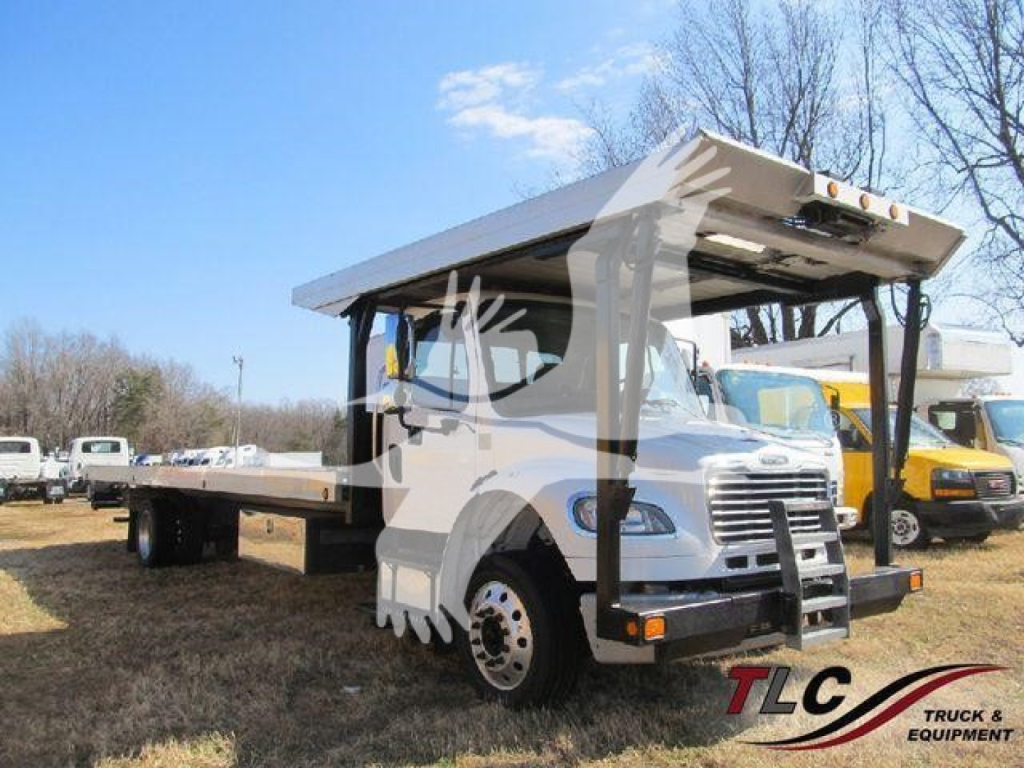
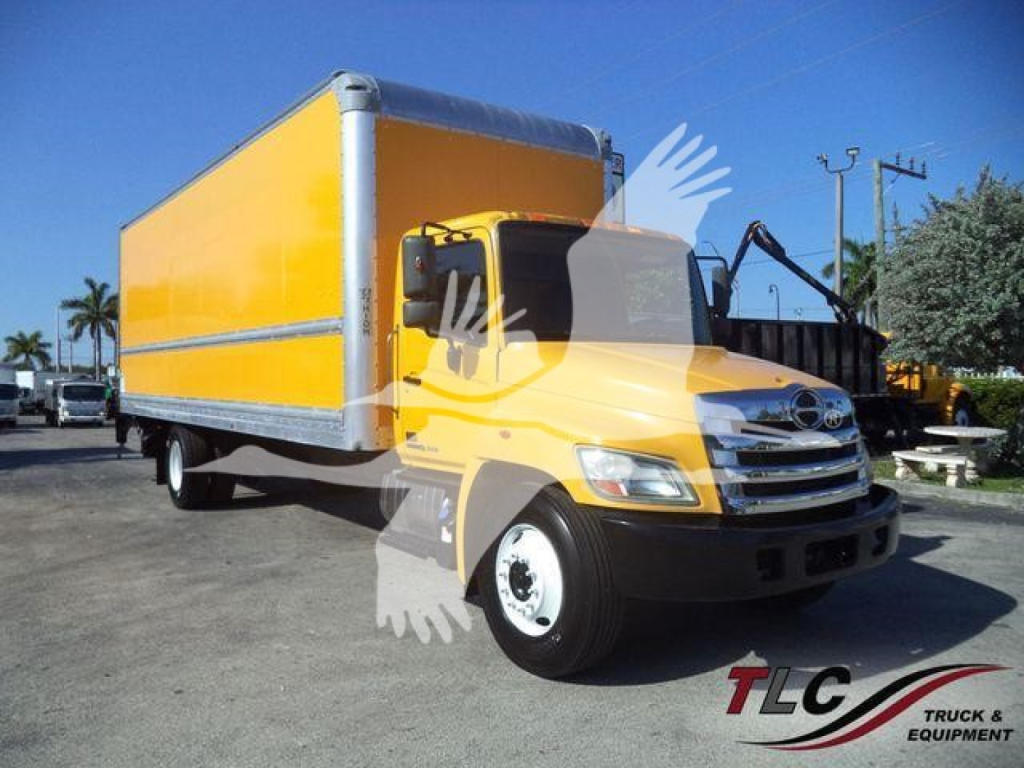
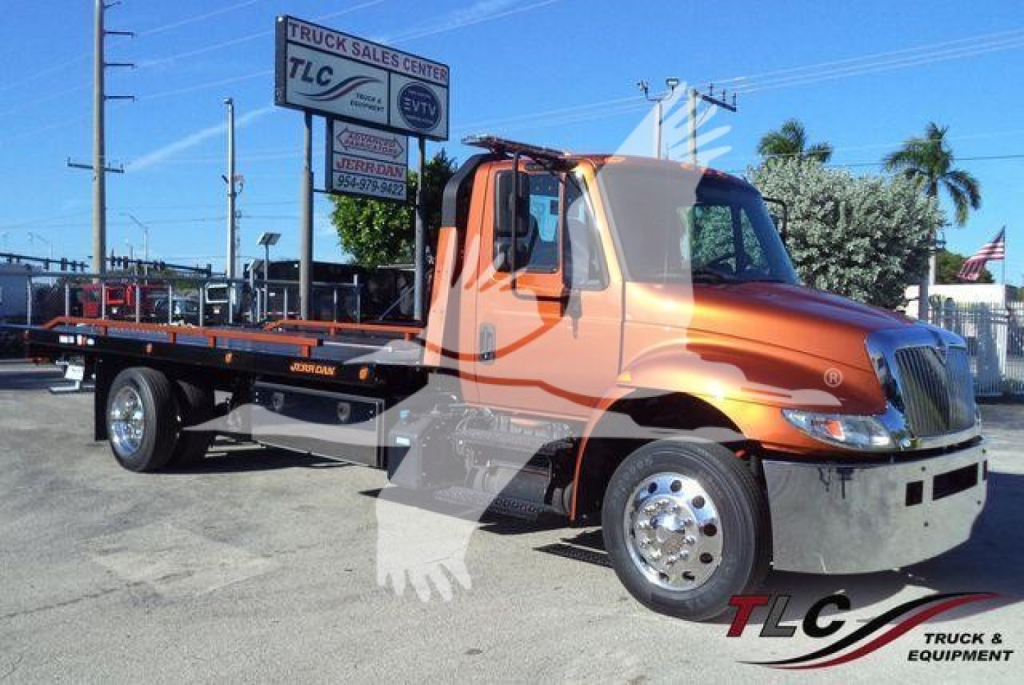
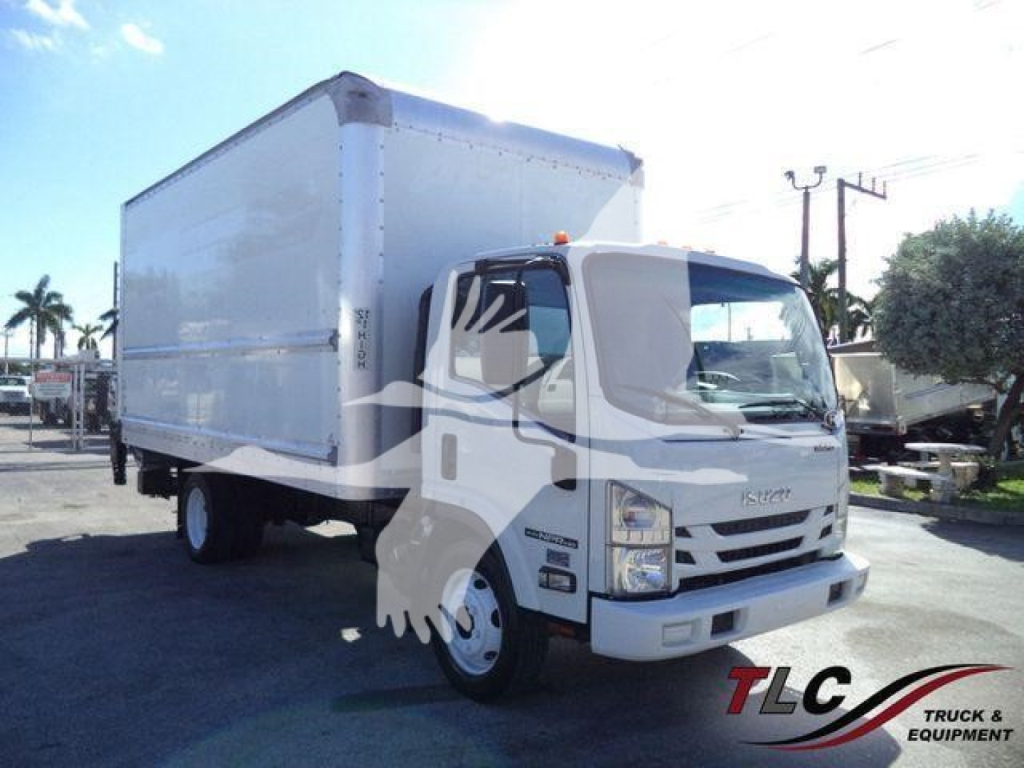
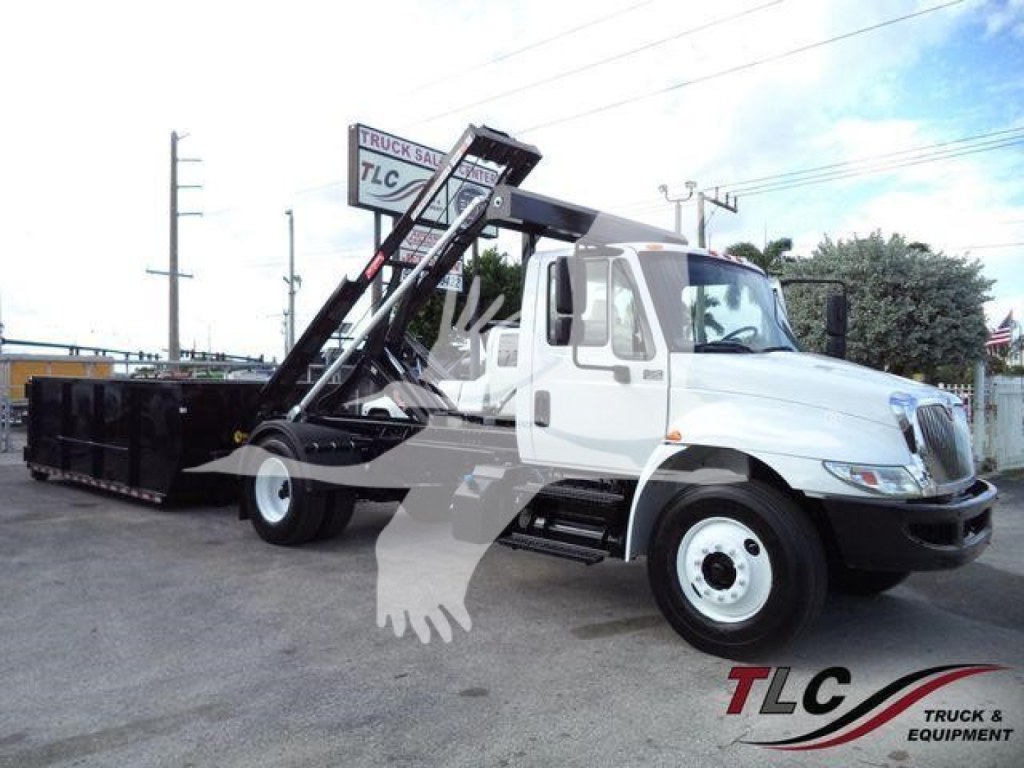
Showing 1 to 28 of 89 results
Selling a used 2019 commercial truck? List your used 2019 commercial truck for sale and reach thousands of commercial buyers.
Used 2019 Commercial Trucks in Florida
For Florida work, pay close attention to GVWR, body length, brake spec, and suspension. Many 2019 medium-duty trucks are set up at 25,950 or 26,000 GVWR to stay under CDL thresholds in many applications, especially box trucks and moving trucks. Rollbacks, landscape dumps, and equipment haulers may be built heavier depending on payload and towing requirements. Air ride suspension, aluminum fuel tanks, liftgates, wheel lifts, PTO-driven hydraulics, and underbody tool storage are all common spec points that directly affect daily usability. If the truck is a straight truck with an upfit, inspect the body age separately from the chassis age because some used 2019 trucks carry newer beds, boxes, or hoists.
Engine and drivetrain choices matter most when matching the truck to stop-and-go city work versus longer regional runs. In this year range, Cummins-powered medium-duty trucks are common, typically paired with an automatic transmission for delivery, towing, or municipal-style duty cycles. Buyers should verify horsepower and torque ratings, rear axle ratio, suspension capacity, and PTO compatibility if the truck will run a dump body, vacuum system, rollback, or other hydraulic equipment. On a box truck or dry freight truck, check interior box height, door opening, E-track, liftgate rating, and ramp configuration. On a rollback or wrecker, focus on deck length, winch capacity, wheel-lift rating, and frame reinforcement.
Condition still comes down to application history and maintenance discipline more than model year alone. Florida buyers should inspect for corrosion in electrical connections, hydraulic components, liftgate wiring, and body hardware due to heat, humidity, and coastal exposure. Fleet-maintained 2019 trucks can offer a strong balance of service records, parts availability, and familiar driveline components, but the right choice depends on how the chassis spec, body builder, and current upfit match your workload. A used 2019 truck is often most valuable when the existing configuration already fits the route, payload, loading method, and licensing requirements of the business.
Frequently Asked Questions about Used 2019 Commercial Trucks in Florida
What should I look for when buying a used 2019 truck in Florida?
Start with the truck’s actual job setup, not just the cab and engine. Verify GVWR, wheelbase, axle ratings, brake type, suspension, tire size, and body dimensions to make sure the truck matches your payload and route profile. In Florida, inspect for moisture-related electrical issues, surface corrosion on body hardware, hydraulic leaks, A/C performance, and signs of salt-air exposure if the truck operated near the coast. Service records, PTO operation, liftgate or hoist function, and any body-builder documentation are also important on vocational units.
Is a 2019 truck a good year range for a used commercial truck?
A 2019 truck is often a strong value point because it is modern enough to offer updated cab features, common drivetrain parts availability, and emissions systems that most fleets and service shops already understand. It can also be old enough to avoid the pricing premium attached to newer low-mileage units. The real value depends on miles, engine hours, maintenance history, and how hard the truck’s previous application was on the chassis and upfit.
What types of 2019 trucks are most common on the used market?
Medium-duty straight trucks are among the most common, especially box trucks, dry freight trucks, rollbacks, dump trucks, tow trucks, and other vocational builds based on Class 5 through Class 7 chassis. Buyers will also see specialty units like vacuum trucks and municipal-style bodies. Common configurations include diesel power, automatic transmissions, air brakes, and body lengths such as 22-foot rollback decks or 26-foot dry freight boxes.
Why do so many used 2019 trucks show a 25,950 or 26,000 GVWR?
That rating is common because it allows many trucks to maximize usable capacity while staying at or just under a CDL threshold in typical straight truck applications. It is especially popular on box trucks, delivery trucks, and some vocational builds where operators want payload without moving into a heavier licensing class. Buyers still need to confirm local requirements, actual registered weight, and whether the body and axle setup leave enough payload after the empty weight of the upfit is considered.
How important is the truck body or upfit on a used 2019 truck?
The body or upfit is often just as important as the chassis because it determines how efficiently the truck can do the job from day one. A newer box, rollback bed, dump body, or hydraulic system can add value if it was installed correctly and supported by the chassis spec. Check body manufacturer, floor condition, subframe installation, PTO engagement, hydraulic hoist or winch operation, liftgate rating, and any structural repairs before judging the truck by model year alone.