
Used 2019 Ford Commercial Trucks For Sale in Florida
Browse used 2019 Ford trucks in Florida, including Super Duty and chassis cab models suited for towing, service, dump, and fleet work.
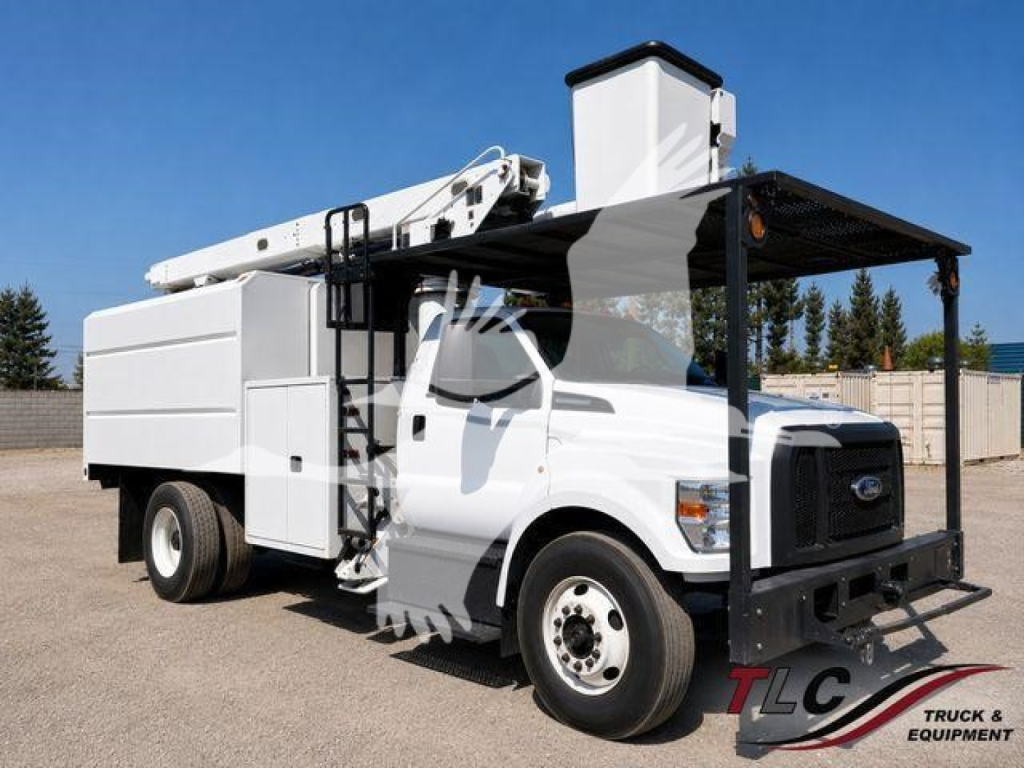
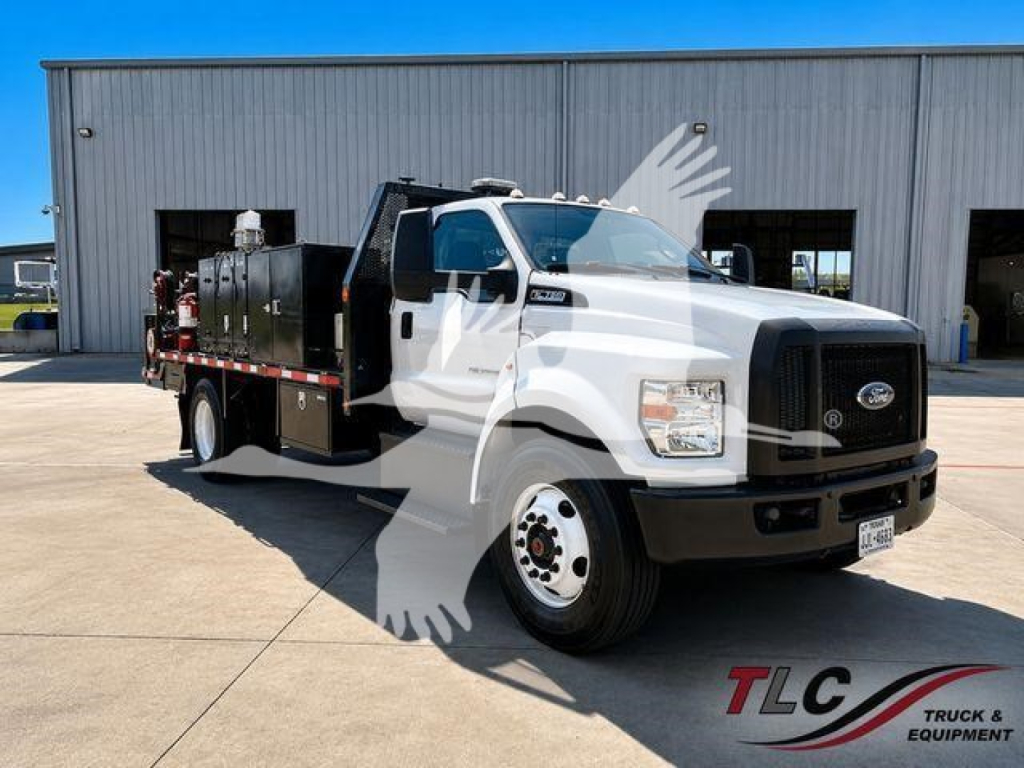
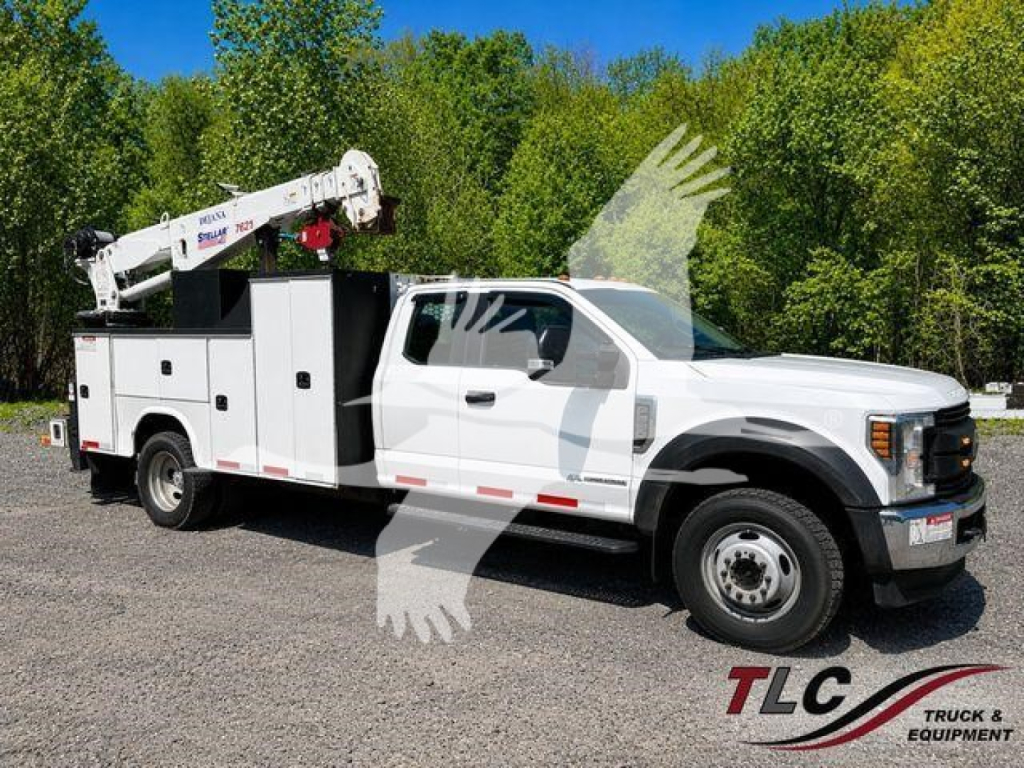
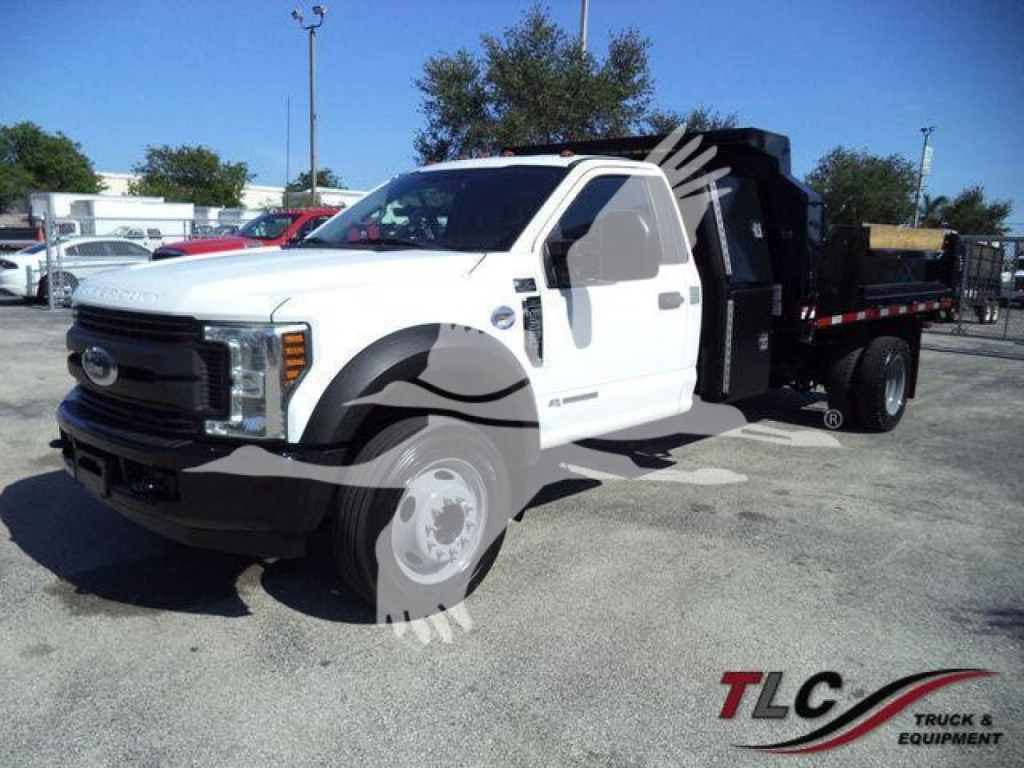
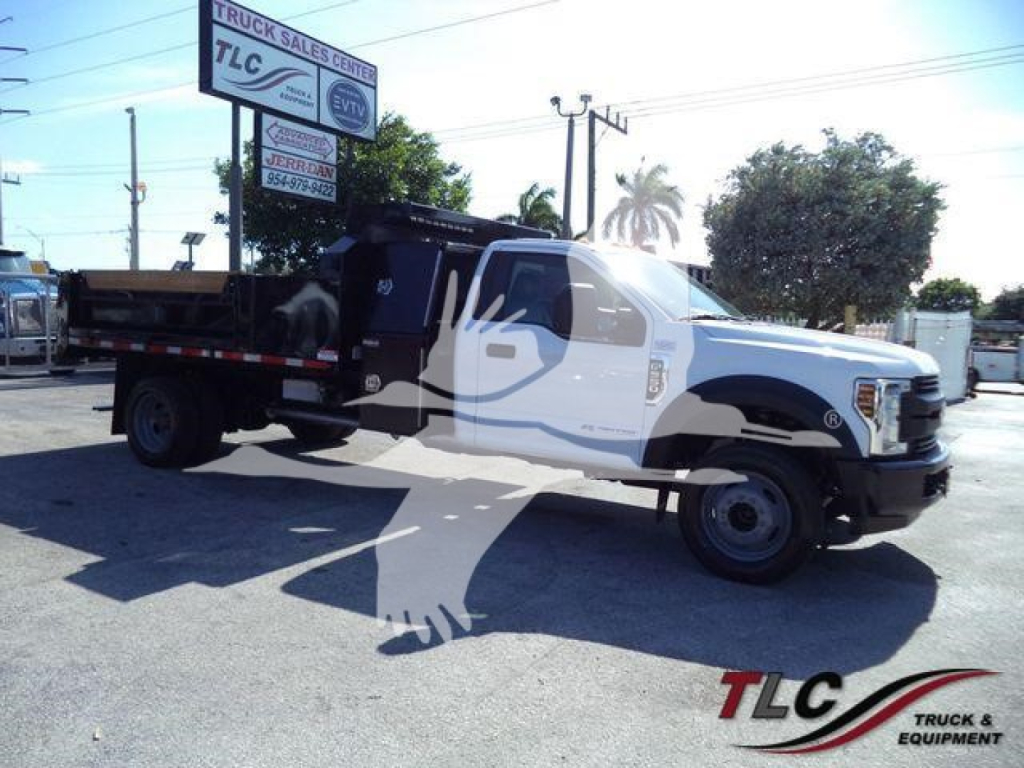
Selling a used 2019 ford commercial truck? List your used 2019 ford commercial truck for sale and reach thousands of commercial buyers.
Used 2019 Ford Commercial Trucks in Florida
The 2019 model year is well-known for the 6.7L Power Stroke diesel in heavier-duty applications, along with gas engine options on some Super Duty trucks. Diesel trucks are typically favored for higher GVWR work, steady towing, and PTO-driven or hydraulic auxiliary equipment, while gas trucks can make sense for lighter-duty municipal, landscape, or short-route service where acquisition cost and maintenance simplicity matter more than max torque. Transmission condition, service records, idle hours if equipped for vocational work, and any emissions-related repair history deserve close review on a used 2019 Ford truck. On chassis cab units, buyers should also confirm wheelbase, CA dimension, rear axle rating, spring capacity, and whether the truck was ordered with factory upfitter switches or PTO provisions.
Body and application matter as much as the truck itself. On a 2019 Ford F-450 or F-550, common Florida-market configurations include rollback and self-loader wreckers, contractor dumps, enclosed utility bodies, mechanic service bodies, and roll-off or landscape setups. If the truck already has a body installed, inspect hoists, winches, outriggers, crossmembers, subframe attachment points, and electrical integration with the chassis. Corrosion is usually less severe in Florida than in northern salt-belt states, but coastal use can still affect wiring, bed hardware, hydraulic components, and underbody metal. Tire condition, front-end wear, brake life, cooling system performance, and evidence of overloading are all important on medium-duty Ford work trucks that may have spent years in stop-and-go or jobsite service.
Cab style and operating environment also shape value. Regular cab trucks are common in tighter vocational applications where body length and maneuverability matter, while SuperCab and Crew Cab models appeal to contractors carrying crews and tools. Buyers comparing used 2019 Ford trucks should verify GVWR class, CDL implications if applicable, hitch or towing package spec, and the actual remaining legal payload once the installed body is accounted for. A clean-looking truck can still be wrong for the application if the rear suspension, axle ratio, or frame layout does not fit the work. The best used 2019 Ford truck is the one with a verified service history, the right vocational spec, and a body or chassis configuration that matches the route, load, and duty cycle.
Frequently Asked Questions about Used 2019 Ford Commercial Trucks in Florida
What are the most common 2019 Ford truck models used in commercial work?
The most common commercial 2019 Ford trucks are the Super Duty lineup, especially the F-250, F-350, F-450, and F-550. For heavier vocational work, buyers often focus on F-450 and F-550 chassis cab trucks because they are commonly upfitted with dump bodies, service bodies, tow equipment, flatbeds, and other work-specific bodies. The right model depends on GVWR, axle capacity, and the type of body or trailer the truck needs to handle.
Is the 6.7L Power Stroke a good choice in a used 2019 Ford truck?
The 6.7L Power Stroke is a strong fit for many used 2019 Ford commercial trucks because it offers the torque needed for towing, higher payload work, and vocational applications. It is especially desirable in F-450 and F-550 trucks used for towing, hydraulic equipment, or sustained loaded operation. Buyers should still review maintenance history, cooling system condition, fuel system service, and any emissions-related repairs, because diesel performance is only as good as the truck’s upkeep.
What should I inspect on a used 2019 Ford chassis cab truck?
Start with wheelbase, cab-to-axle measurement, GVWR, rear axle rating, and frame condition to make sure the truck is correctly matched to its current body or your planned upfit. Then inspect transmission operation, steering and suspension wear, brake condition, tire wear patterns, and any PTO or upfitter electrical provisions. If the truck already carries a dump, wrecker, service, or roll-off body, check the subframe mounting, hydraulic lines, hoist or winch operation, and body corrosion separately from the chassis.
Are used 2019 Ford trucks in Florida different from trucks from other regions?
Florida trucks often avoid the heavy road-salt corrosion seen in northern states, which can be a real advantage for frames, brake lines, and underbody hardware. However, coastal exposure, humidity, and year-round use can still create corrosion issues in electrical connections, body hardware, hydraulic components, and cooling systems. A Florida truck should still be inspected carefully, especially if it spent time near the coast, on landscaping routes, or in municipal or marine-related service.
How do I choose between a pickup-style Super Duty and a cab and chassis 2019 Ford truck?
A pickup-style Super Duty works well when the factory bed, towing package, and lighter commercial use fit the application. A cab and chassis truck is usually the better choice when the job requires a dedicated body such as a dump, utility body, mechanic body, rollback, or flatbed. The decision should come down to payload needs, body type, frame length, axle capacity, and whether the truck will spend more time hauling cargo in the bed or operating as a purpose-built vocational unit.