
Used 2019 Grapple Trucks For Sale in Florida
Browse used 2019 grapple trucks in Florida. Compare boom reach, body size, GVWR, controls, axle setup, and loader capacity for debris work.
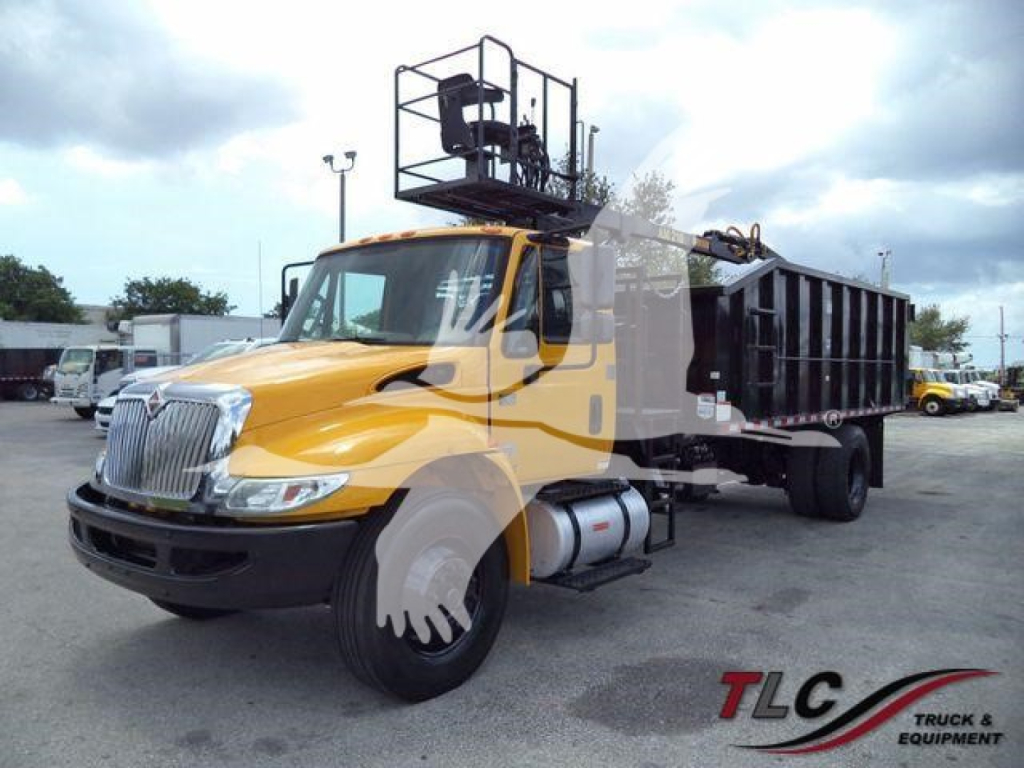
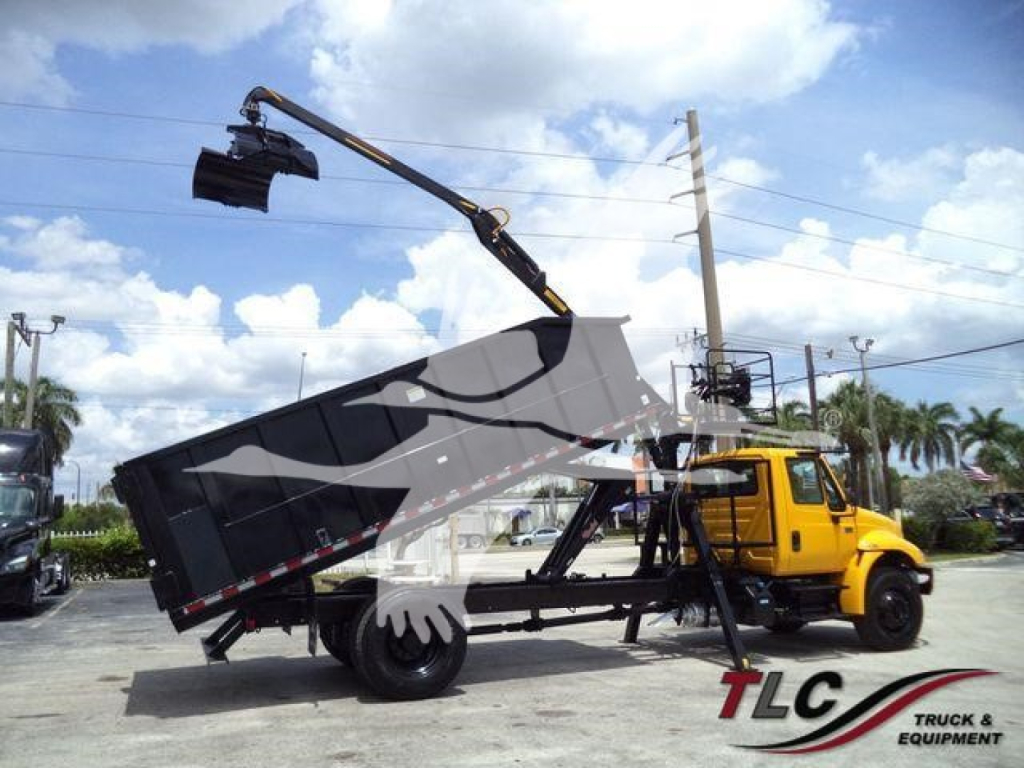
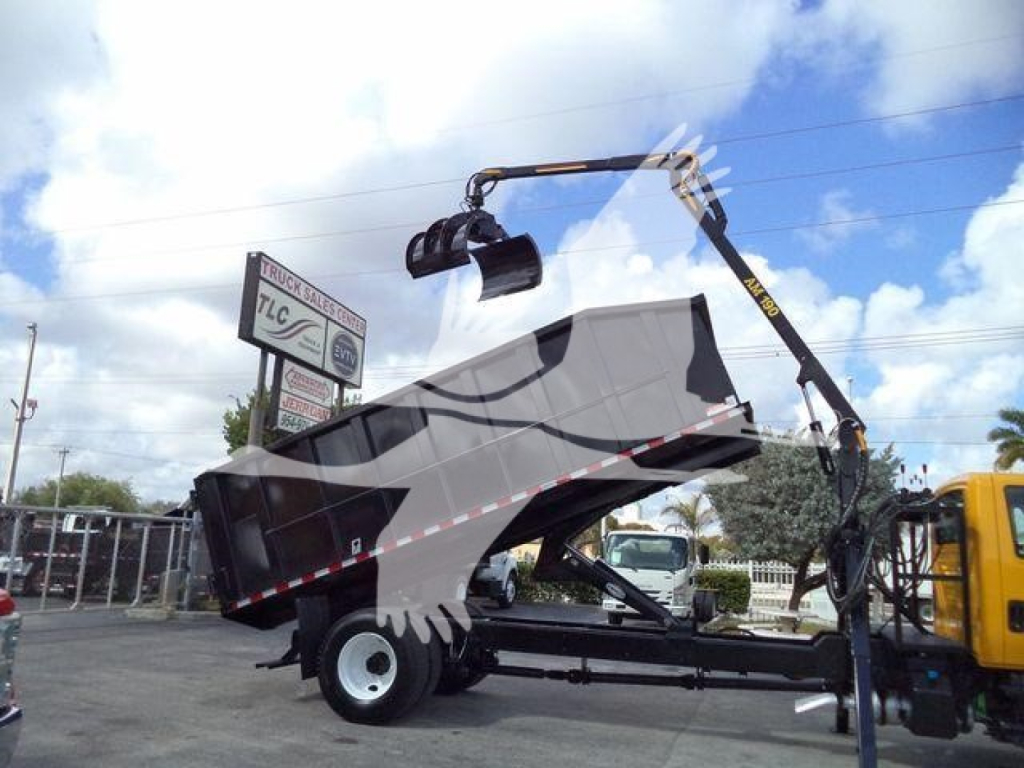
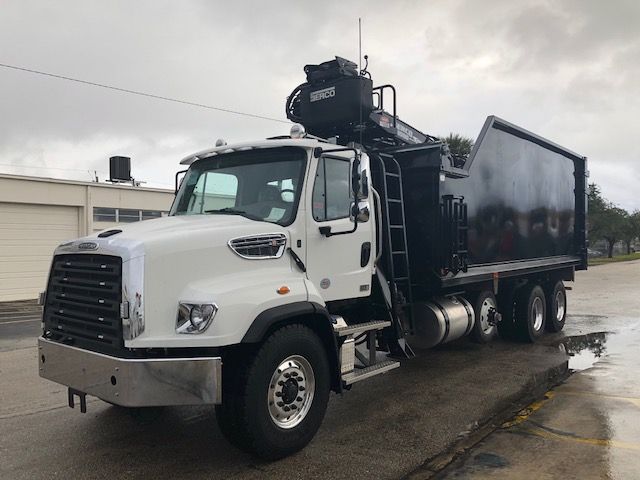
Selling a used 2019 grapple truck? List your used 2019 grapple truck for sale to reach thousands of commercial buyers.
Used 2019 Grapple Trucks in Florida
For Florida work, body construction and hydraulic condition deserve close attention. Grapple trucks operating in brush, hurricane debris, and mixed waste streams see constant cyclic loading, so buyers should inspect the hoist, body floor, hinge points, subframe, outriggers, turret base, and boom pins for wear or cracking. Corrosion is often less about road salt and more about humidity, standing water, and waste exposure, especially around the dump body seams, hydraulic fittings, and electrical connections. PTO engagement, pump response, swing smoothness, and grapple jaw operation should all be checked under load if possible. Manual controls with a turret seat remain common and are valued for visibility and simplicity, but the condition of the seat station, control valves, and guarding matters just as much as the chassis miles.
A 2019 model year often gives buyers a good balance between modern chassis features and manageable ownership cost. Medium-duty examples such as an International DuraStar 4300 may be spec'd around 26,000 GVWR with automatic transmission, air brakes, air suspension, 22.5-inch wheels, and a compact debris body, which can be attractive for municipal routes, tree service work, and tighter urban access. Heavier tandem grapple trucks are better suited for bulkier loads, higher daily cycle counts, and longer transfer runs, but they bring higher empty weight, more tire and brake expense, and more room needed on site. Engine and transmission pairing matters because grapple work involves frequent PTO use, stop-and-go operation, and idling. Service history on the hydraulic system and loader often matters more than brand name alone.
The best used 2019 grapple truck is the one matched to the debris stream and route profile. Buyers should compare loader brand, grapple opening, boom geometry, dump body size, tare weight, turning radius, and legal payload in Florida. It also helps to confirm whether the truck is set up for brush only, mixed waste, or heavier C&D handling, since grapple size and body spec can change productivity more than horsepower on paper. A well-matched unit can reduce loader cycle time, minimize hand labor, and improve uptime during storm season, municipal cleanup contracts, and private hauling work.
Frequently Asked Questions about Used 2019 Grapple Trucks in Florida
What should I check first on a used 2019 grapple truck?
Start with the loader and hydraulic system, then move to the dump body and chassis. Inspect boom pins, bushings, cylinder seals, outriggers, turret bearing area, PTO operation, pump noise, hose condition, and grapple jaw wear. On the body, look at the floor, sidewalls, hinge points, hoist, and subframe for cracking, distortion, or patchwork repairs. A grapple truck can have a sound engine and transmission but still become expensive if the loader structure or hydraulics have been neglected.
Is a 26,000 GVWR grapple truck enough for debris work in Florida?
For many tree service, municipal brush, and light storm cleanup applications, a 26,000 GVWR single-axle grapple truck can be a practical choice because it offers easier maneuverability and lower operating cost. It is especially useful in tighter neighborhoods and local collection work. For heavier debris streams, higher daily volumes, or longer haul distances, a tandem-axle truck usually provides better payload potential and durability. The right choice depends on body size, loader weight, legal axle loading, and the type of material being handled.
What boom specs matter most on a grapple truck?
Reach and lift capacity matter more than boom length alone. Buyers should compare the rated lifting capacity at mid reach and at maximum reach, because a truck may look similar on paper but perform very differently when loading from the far side of a pile or over taller body sides. Swing speed, control smoothness, grapple opening, and outrigger stability also affect productivity. For brush and storm debris, a wider grapple opening can improve cycle time, while heavier waste handling may require a stronger loader and more robust grapple design.
Are manual controls with a turret seat still a good option?
Yes. Manual controls with a turret seat are still common on used grapple trucks because they are straightforward, durable, and give the operator direct visibility into the loading area. They can be easier to troubleshoot than more complex electronic control systems. The tradeoff is operator comfort and exposure, so buyers should inspect the seat station, safety rails, valve bank, and guarding carefully. Good control response and clear sightlines are more important than control style by itself.
Why does loader condition matter more than chassis miles on a grapple truck?
Grapple trucks often spend much of their life in PTO-driven loading cycles, jobsite maneuvering, and idle time rather than steady highway miles. That means the loader, hydraulics, and body structure may accumulate heavy wear even when the odometer looks favorable. A lower-mile truck with worn pins, loose turret components, weak hydraulics, or body fatigue can cost more to put right than a higher-mile truck with documented maintenance and a tight loader assembly. On this equipment class, usage pattern is often a better indicator than miles alone.