
Used 2019 Grapple Trucks For Sale
Browse used 2019 grapple trucks with common specs, boom types, body sizes, axle setups, and buying tips for debris and waste hauling.
Selling a used 2019 grapple truck? List your used 2019 grapple truck for sale and reach thousands of commercial buyers.
Used 2019 Grapple Trucks
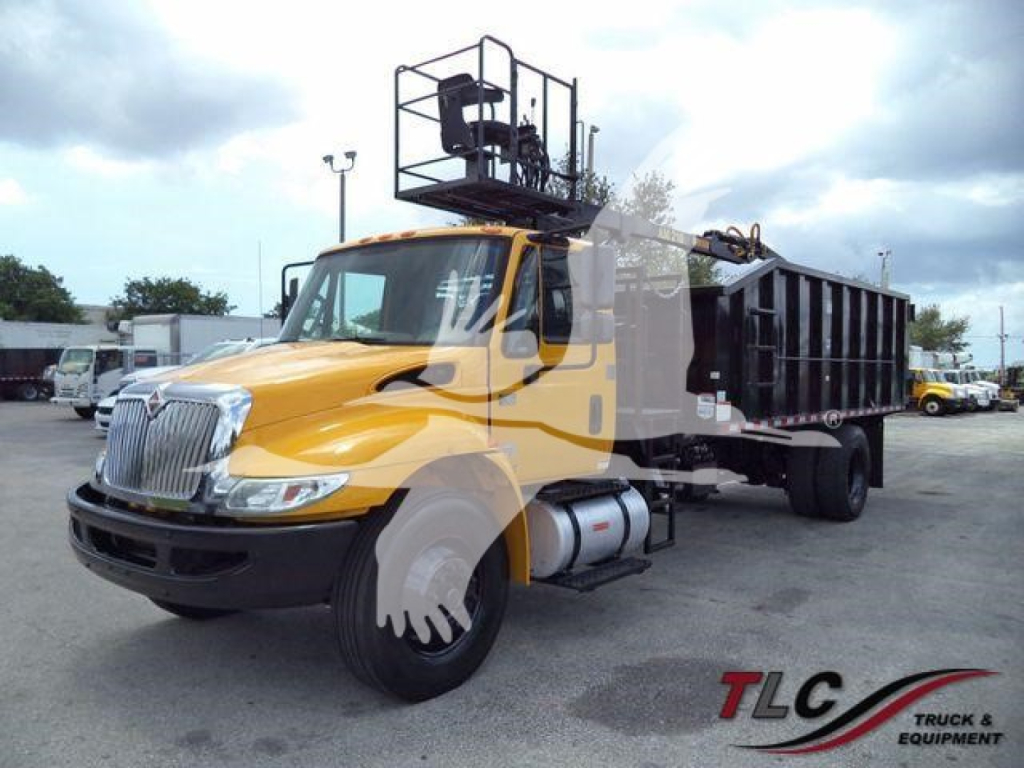
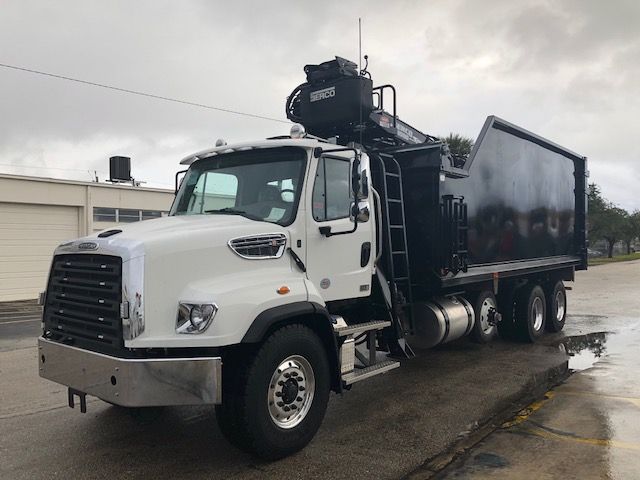
The first buying decision is usually chassis size and axle configuration. Many 2019 grapple trucks are built as tandem-axle or tri-axle units for higher legal payload and larger body capacity, while smaller Class 6 or Class 7 trucks are common in tighter urban routes and lower GVWR applications. Severe-duty platforms like the Freightliner 114SD are often paired with high-horsepower diesel engines, engine brakes, and heavy rear suspensions for demanding debris hauling. Medium-duty trucks such as the International Durastar are more common with smaller dump bodies, lower bridge weight, and easier maneuverability. Transmission choice matters too. Automatics reduce driver fatigue in stop-and-go collection work, while manual and 8LL-style setups still appeal to fleets that want more control off-road or at transfer sites.
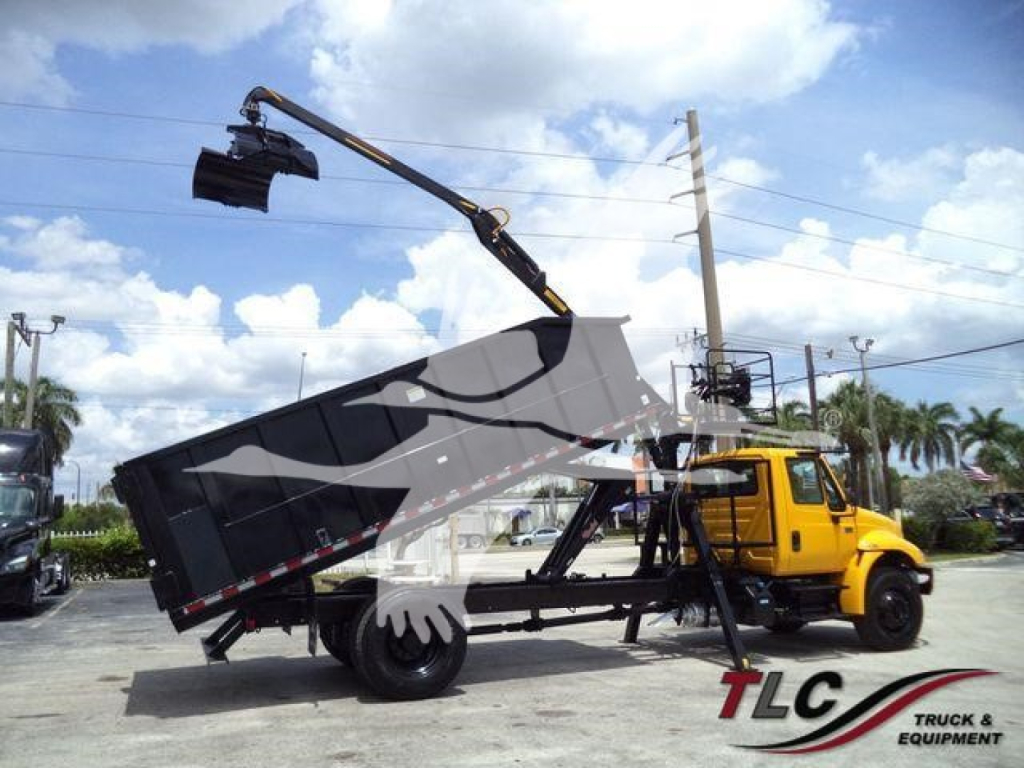
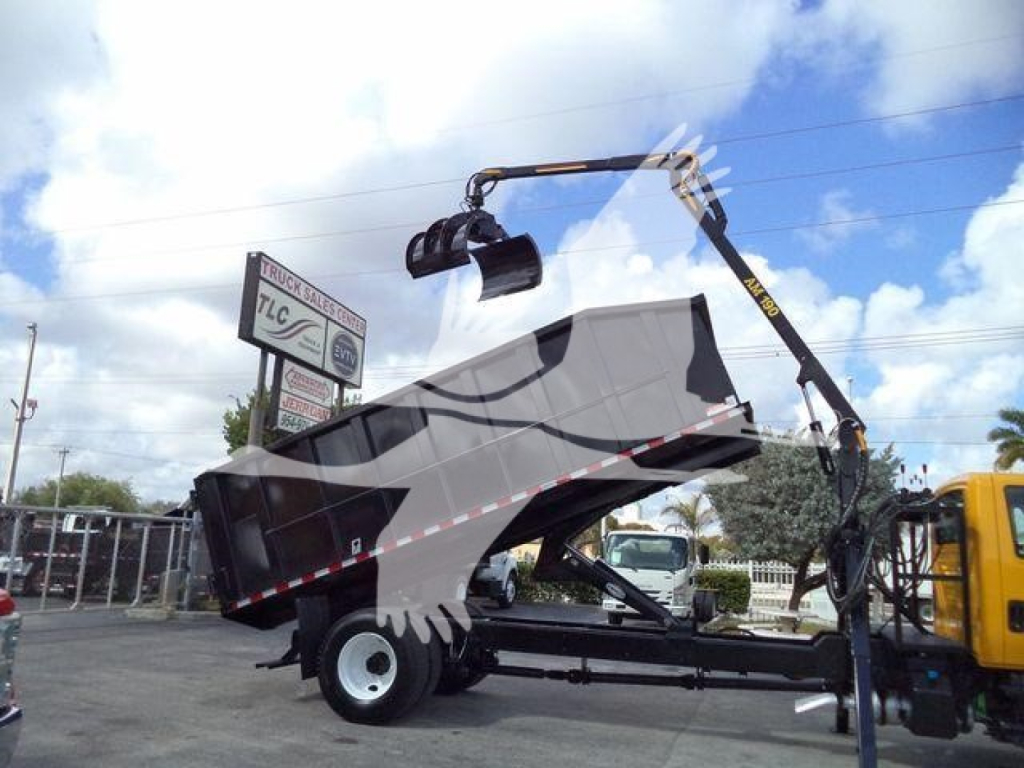
Loader and body specifications drive productivity more than almost anything else. Typical 2019 grapple trucks may have boom reaches around 20 to 26 feet, with lift capacity dropping as reach increases. Waste grapples are often sized around 36 to 48 inches, depending on the material stream. Dump bodies can range from roughly 18-foot municipal-style bodies around 21 yards to large debris bodies in the 50-yard class and beyond, often built with abrasion-resistant steel such as Hardox for brush, demolition debris, and bulky waste. Buyers should look closely at turret seat controls versus stand-up or ground controls, PTO and hydraulic system condition, boom pin and bushing wear, outrigger operation, body floor thickness, and tailgate sealing. On used units, the crane structure, hydraulic leaks, rotation bearing condition, and signs of previous body cracking are just as important as engine and transmission history.
A 2019 used grapple truck should also be evaluated around application fit, not just price or engine hours. For storm work and land-clearing, larger tri-axle trucks with extended booms and high-volume bodies can reduce cycle count and hauling cost. For city brush routes, alley access, and municipal bulk item pickup, a shorter wheelbase truck with a moderate boom and smaller body may be more efficient. Check front axle loading with the loader mounted behind the cab, confirm rear hitch needs if towing support equipment, and verify local bridge laws and permit requirements before choosing a body size. Buyers comparing used 2019 grapple trucks should focus on legal payload, loader reach, body durability, hydraulic health, and service access, because those factors usually determine daily output and long-term operating cost more than paint, trim, or odometer alone.
Frequently Asked Questions about Used 2019 Grapple Trucks
What is a 2019 grapple truck typically used for?
A 2019 grapple truck is commonly used for loading and hauling brush, storm debris, construction and demolition material, bulk waste, logs, and other loose or oversized material. Most are built for municipal sanitation work, tree service operations, site cleanup, and debris transfer. The hydraulic grapple allows one operator to pick up material without a separate loader, which improves route efficiency and reduces labor requirements.
What should I check first on a used 2019 grapple truck?
Start with the loader and hydraulic system, because that is the most application-specific and expensive part of the truck. Inspect boom pins, bushings, cylinders, hoses, rotation bearing condition, PTO engagement, outriggers, and grapple jaw wear. Then check the dump body for floor wear, sidewall damage, cracking around mounting points, and tailgate fit. After that, review chassis items such as engine service records, transmission operation, suspension condition, axle ratings, and any signs the truck has been overloaded or used in corrosive environments.
Are tri-axle grapple trucks better than tandem-axle or single-axle models?
Tri-axle grapple trucks are usually better for high-volume debris work because they can support larger bodies and higher legal payload, but they are not automatically the best choice for every operation. Tandem-axle and smaller configurations can be easier to maneuver, lighter, and more practical in residential areas or on short municipal routes. The right setup depends on bridge laws, route density, disposal distance, and the type of material being handled.
How much boom reach and grapple capacity do most 2019 grapple trucks have?
Many 2019 grapple trucks in debris and waste service have boom reaches in the low-20-foot range, with some extended-boom units reaching farther. Lift capacity varies by crane model and decreases as the boom extends, so a truck that handles several thousand pounds close in will lift less at maximum reach. Grapple sizes often fall in the 36-inch to 48-inch range for waste handling. Buyers should compare the actual load chart, not just the advertised maximum capacity.
Is a 2019 grapple truck a good balance between price and features?
For many buyers, yes. A 2019 model is often new enough to include updated cab design, more common automatic transmissions, and modern vocational chassis options, while still offering a lower acquisition cost than newer trucks. The key is condition and prior application. A well-maintained 2019 grapple truck with a solid loader, clean hydraulics, and a sound body can deliver better value than a newer unit with heavy structural wear or poor service history.