
Rollback Trucks For Sale
Rollback trucks for sale: compare steel vs aluminum beds, 19-22 ft decks, winches, wheel-lifts, GVWR classes and chassis options for your fleet.
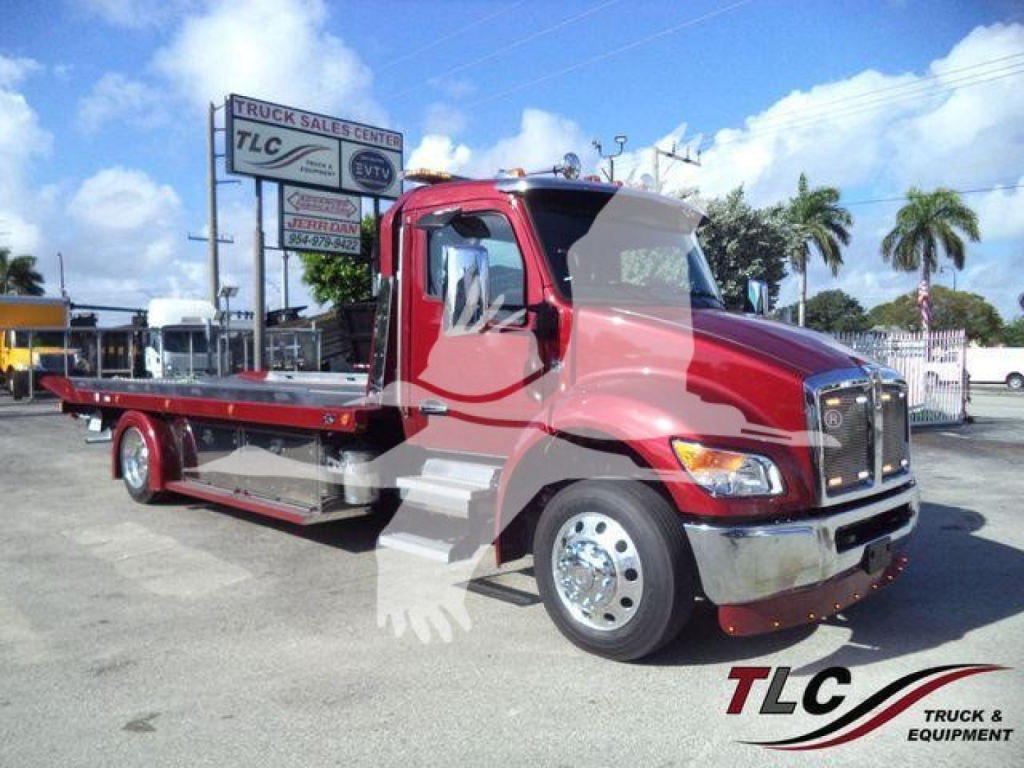
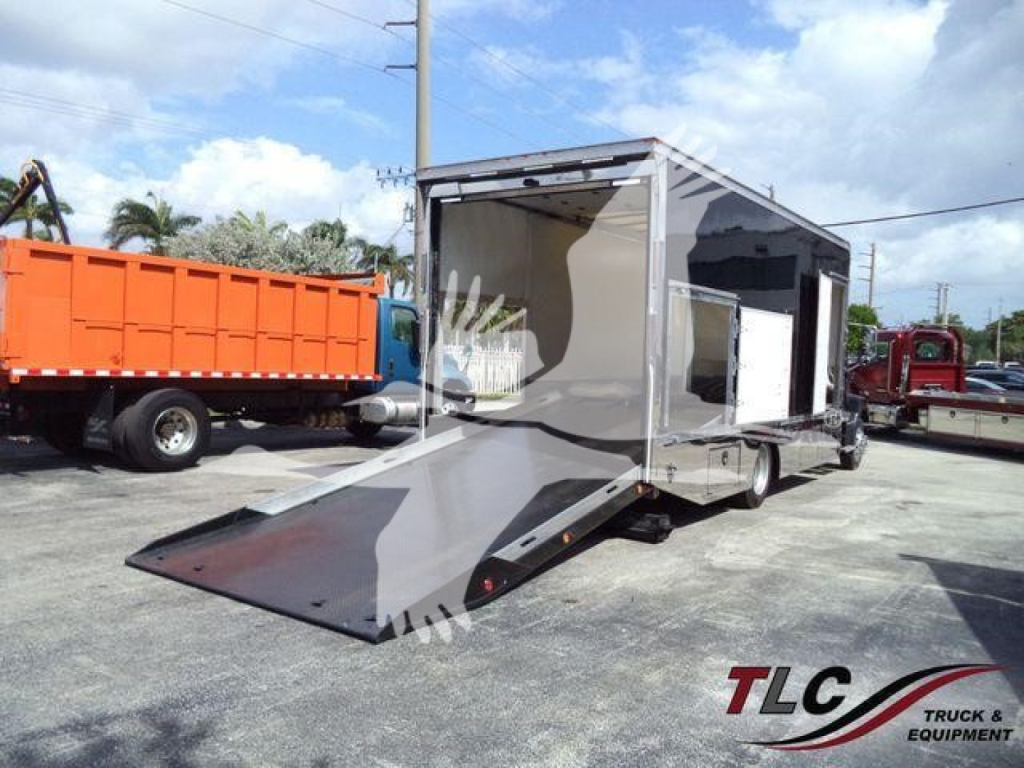
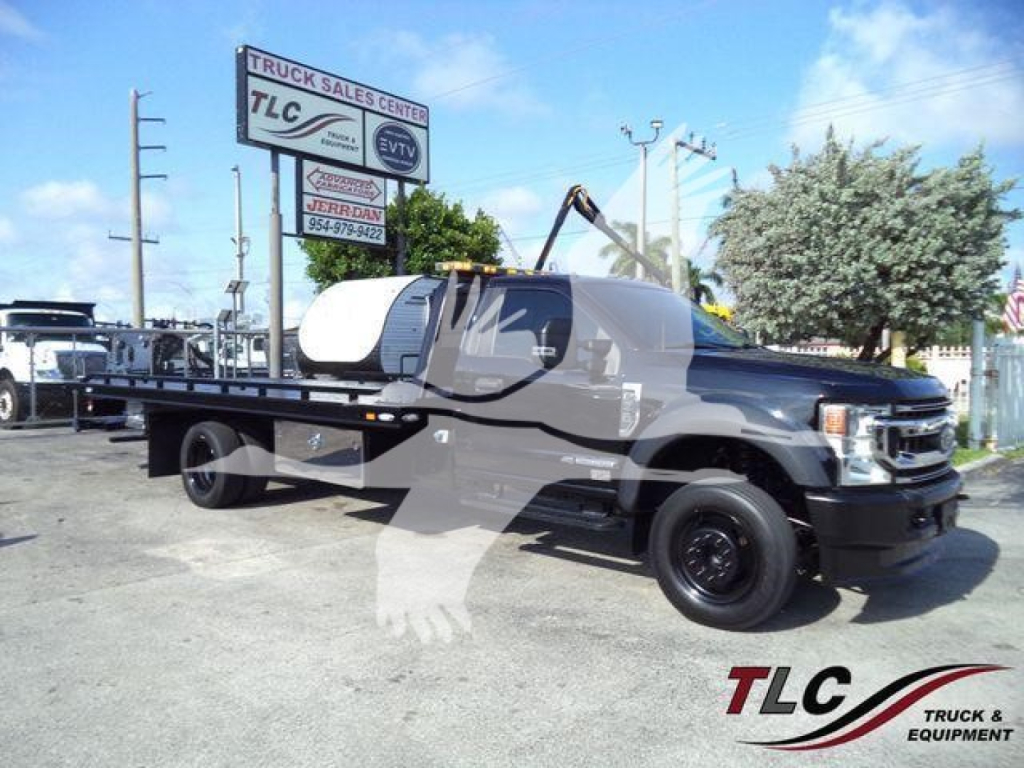
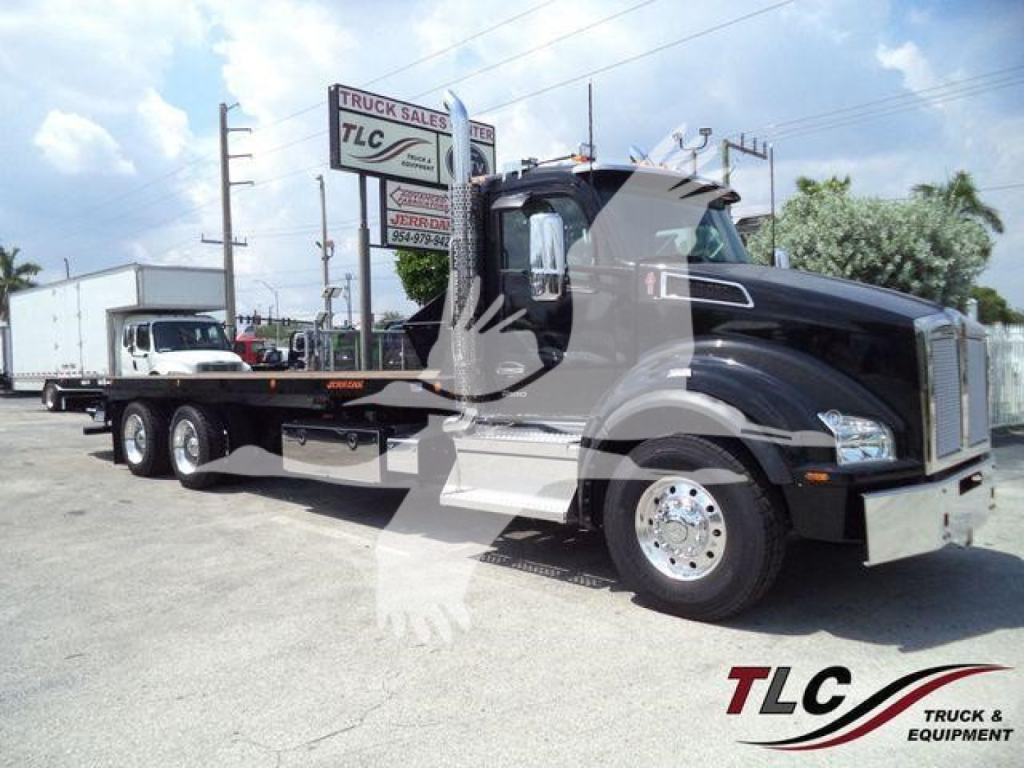
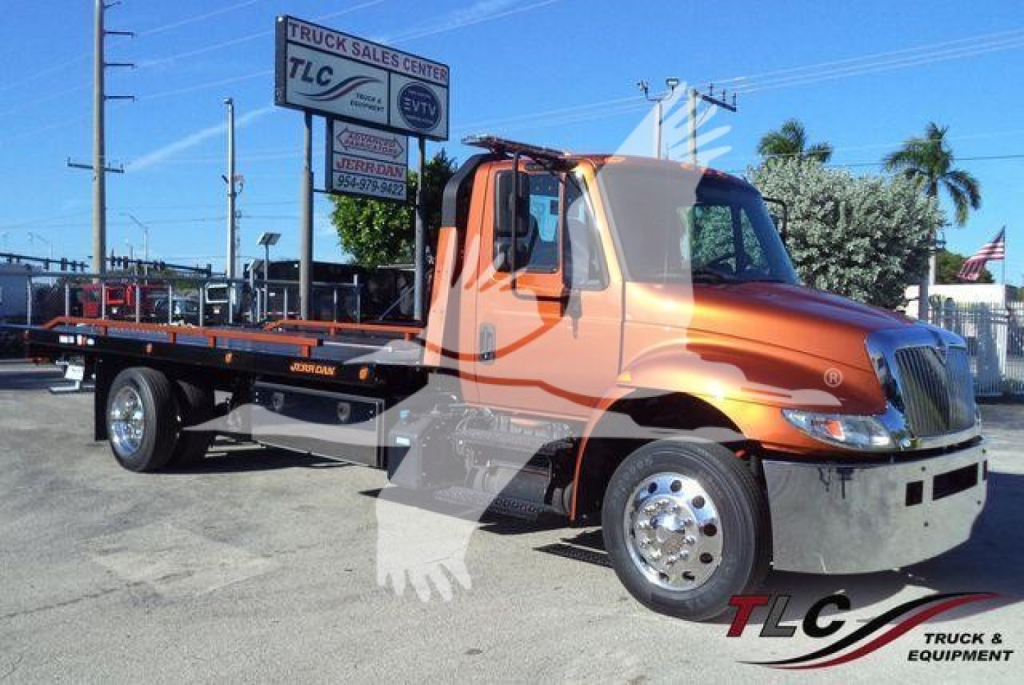
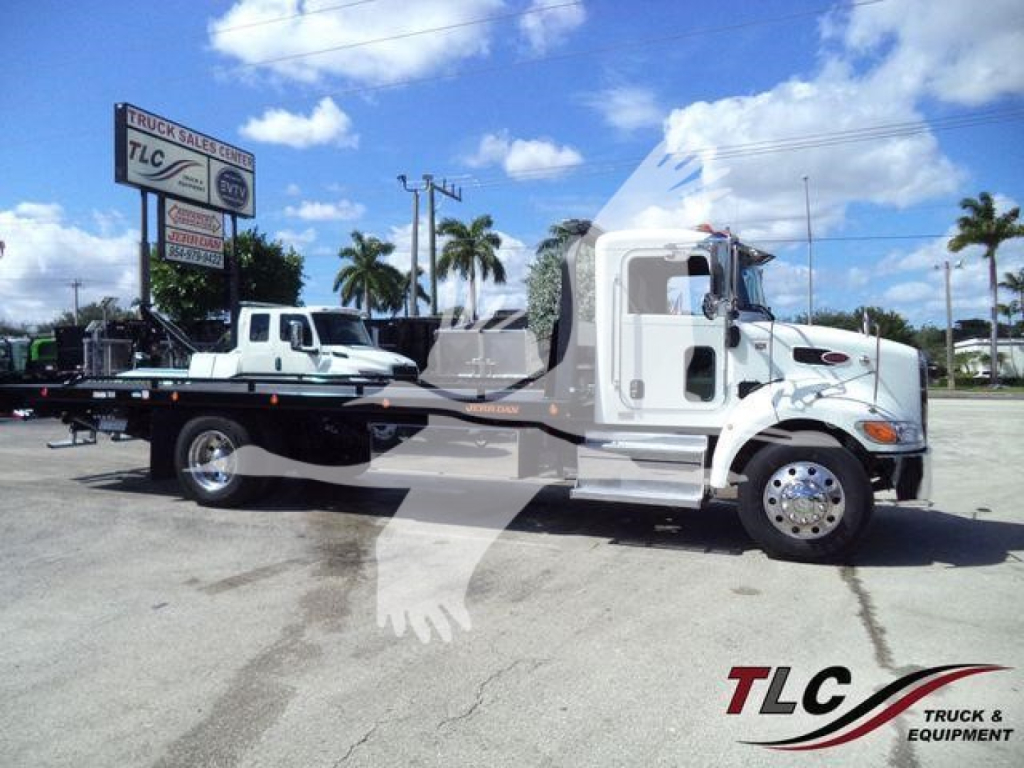
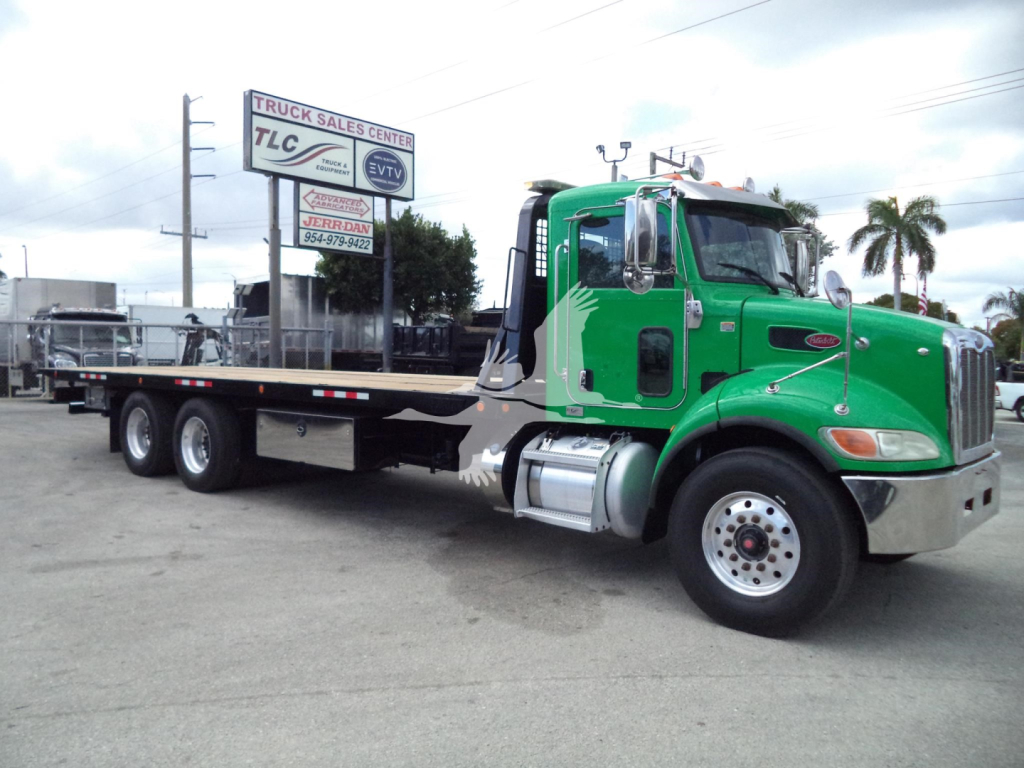
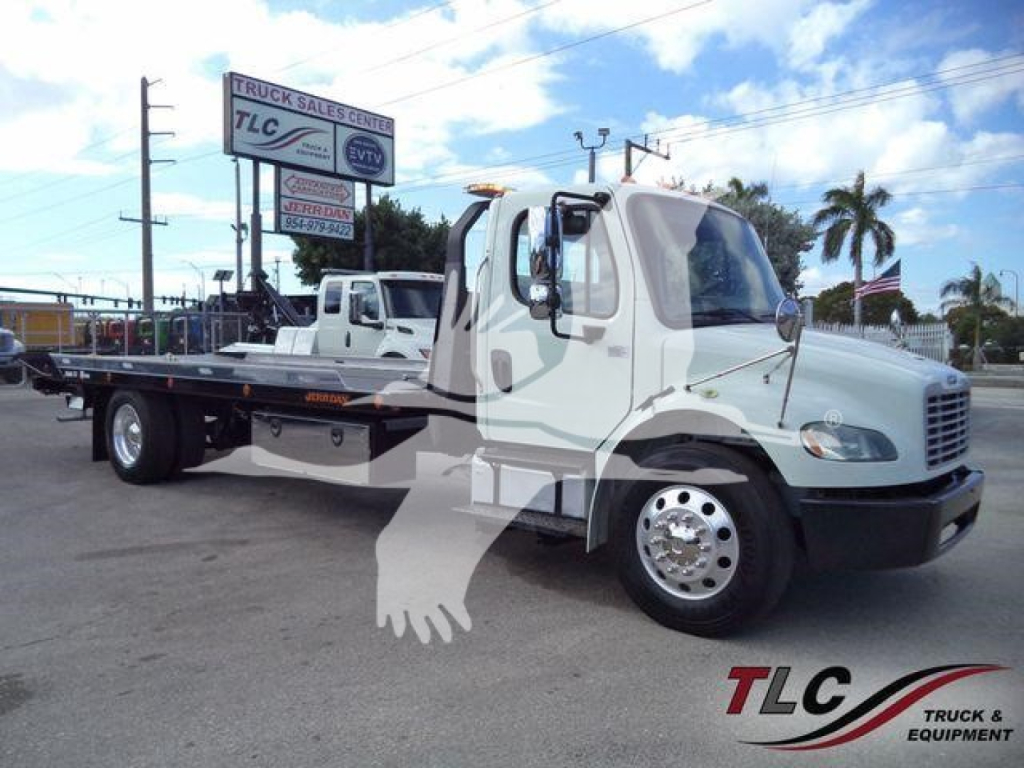
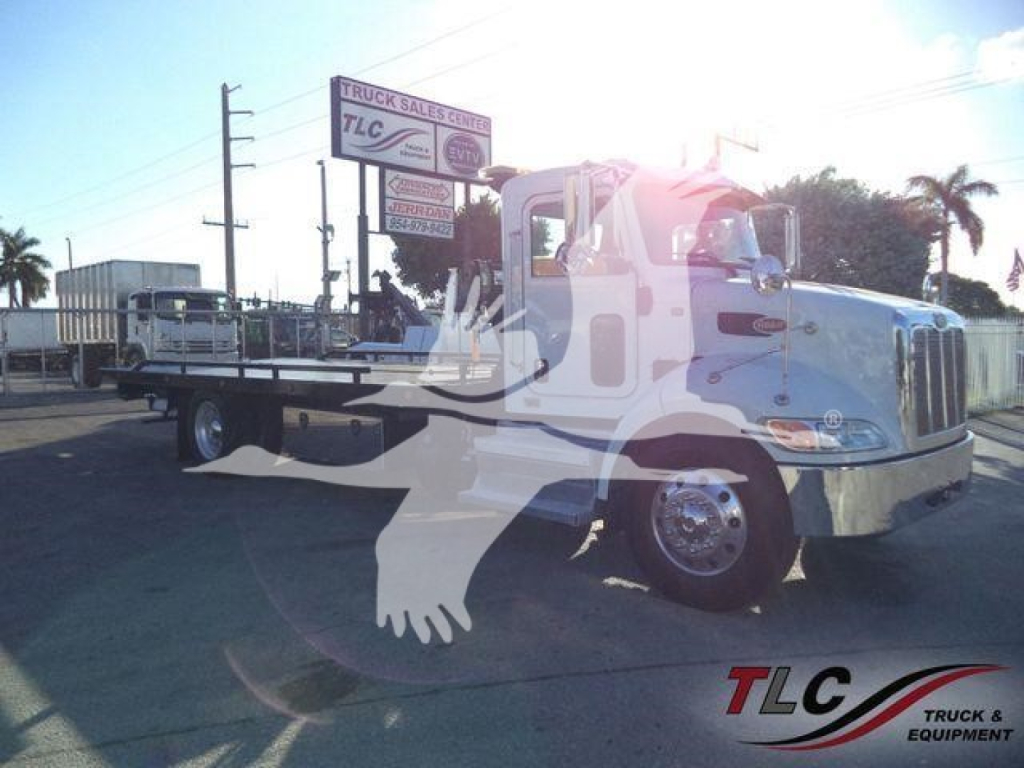
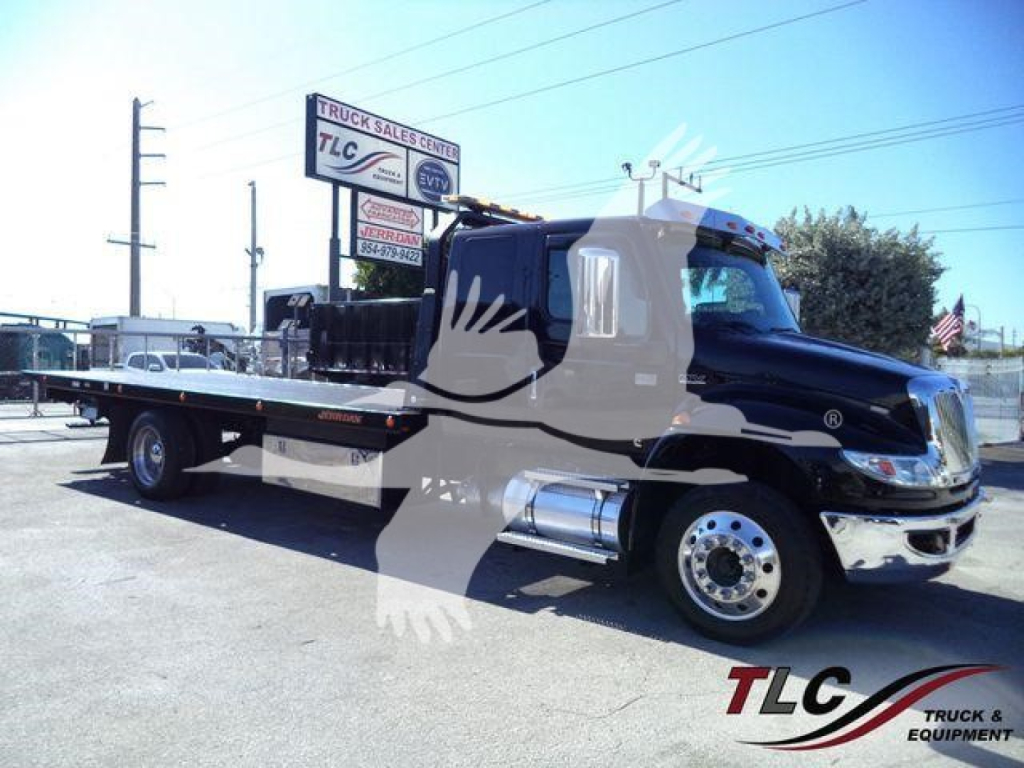
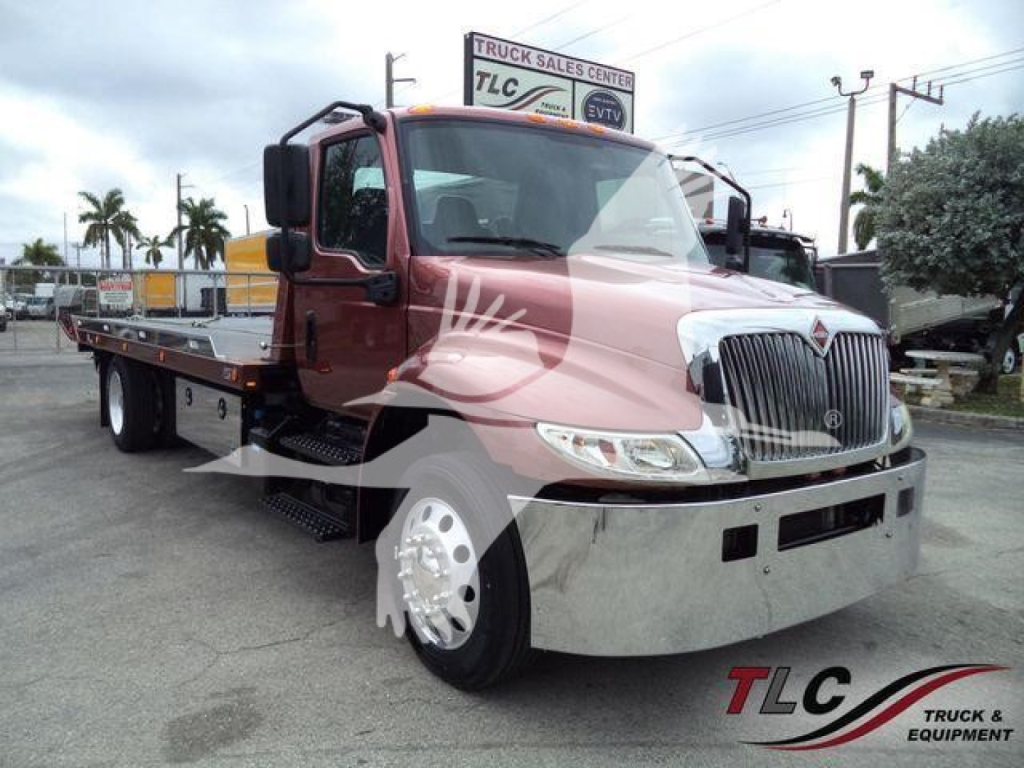
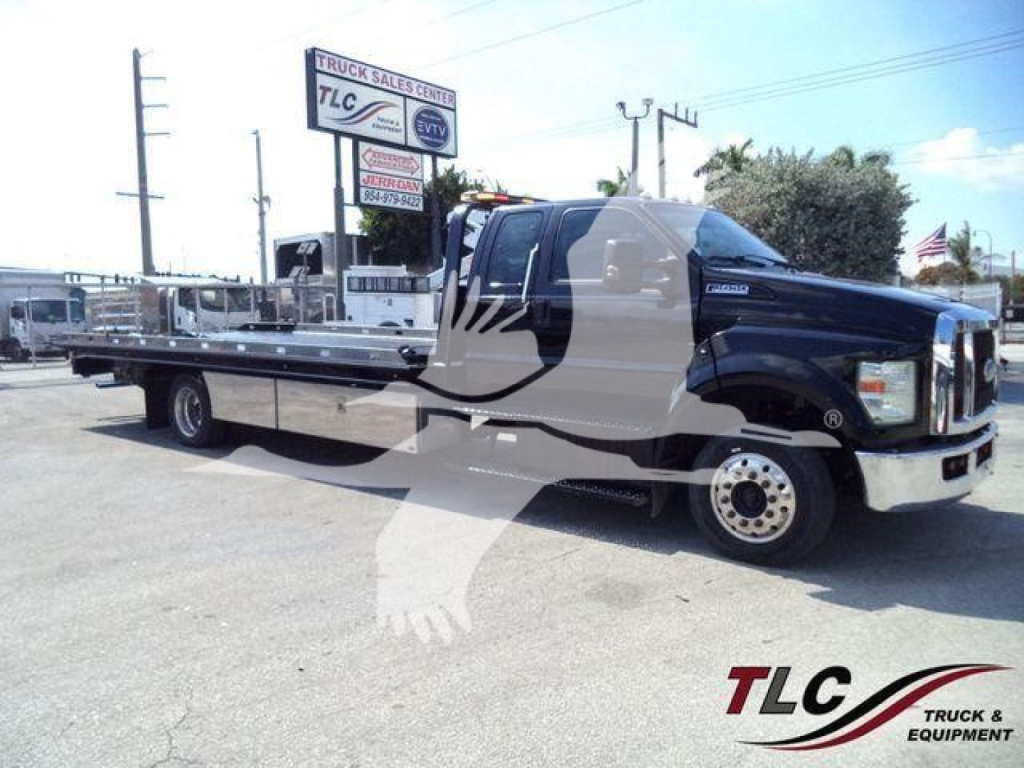
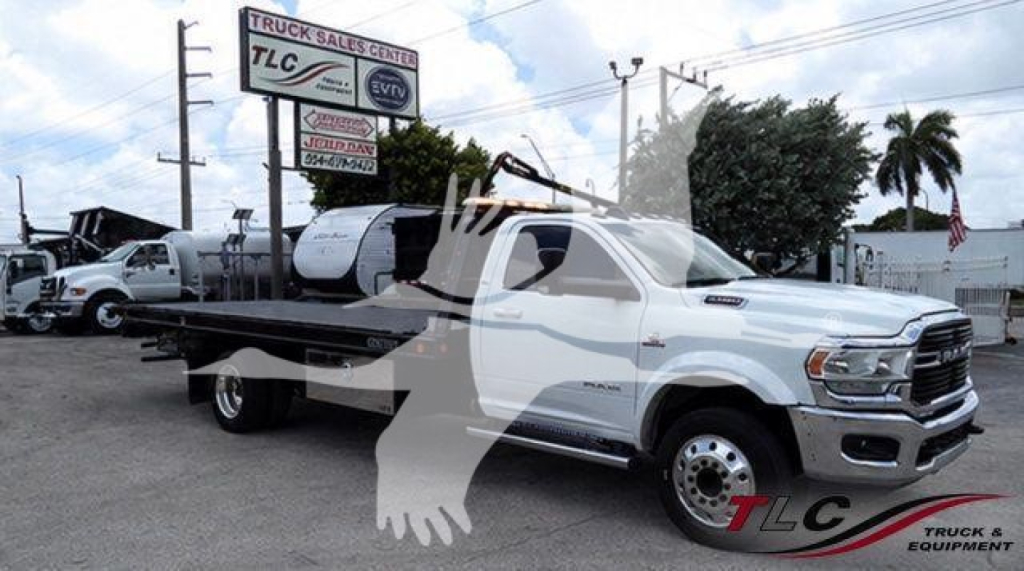
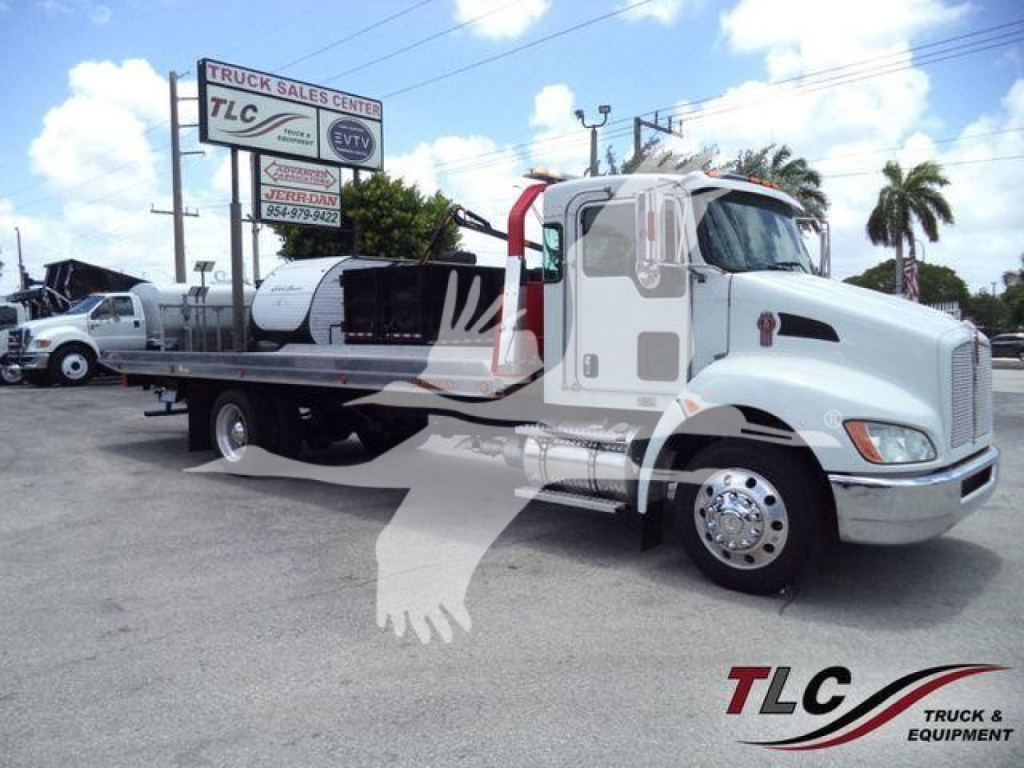
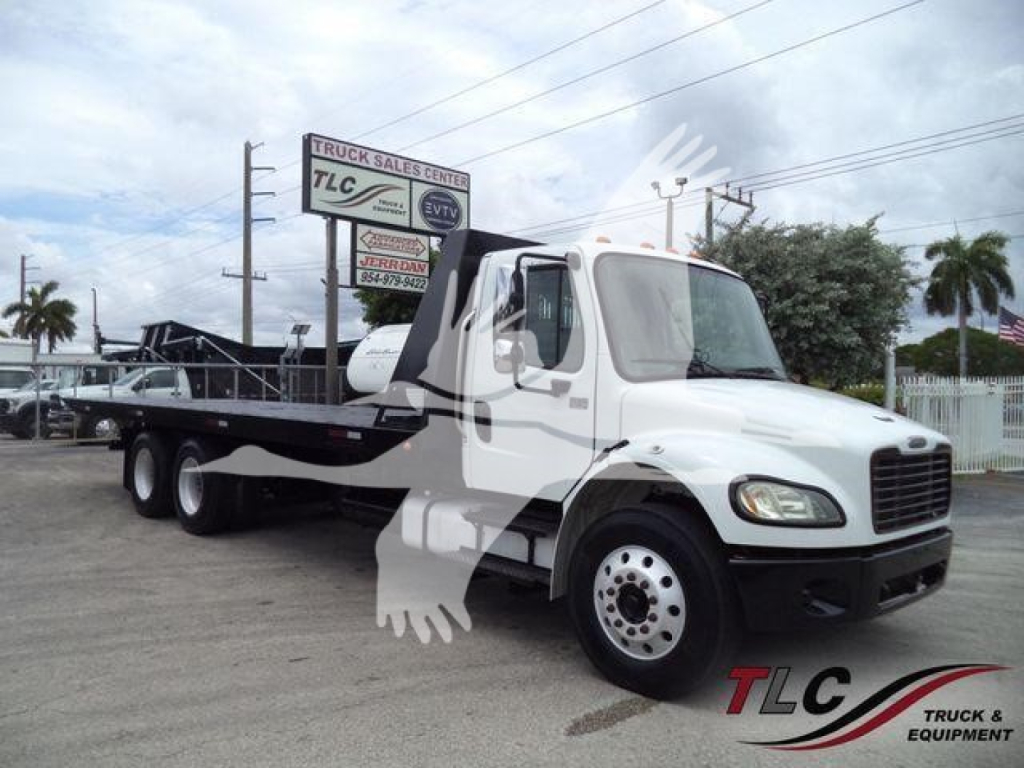
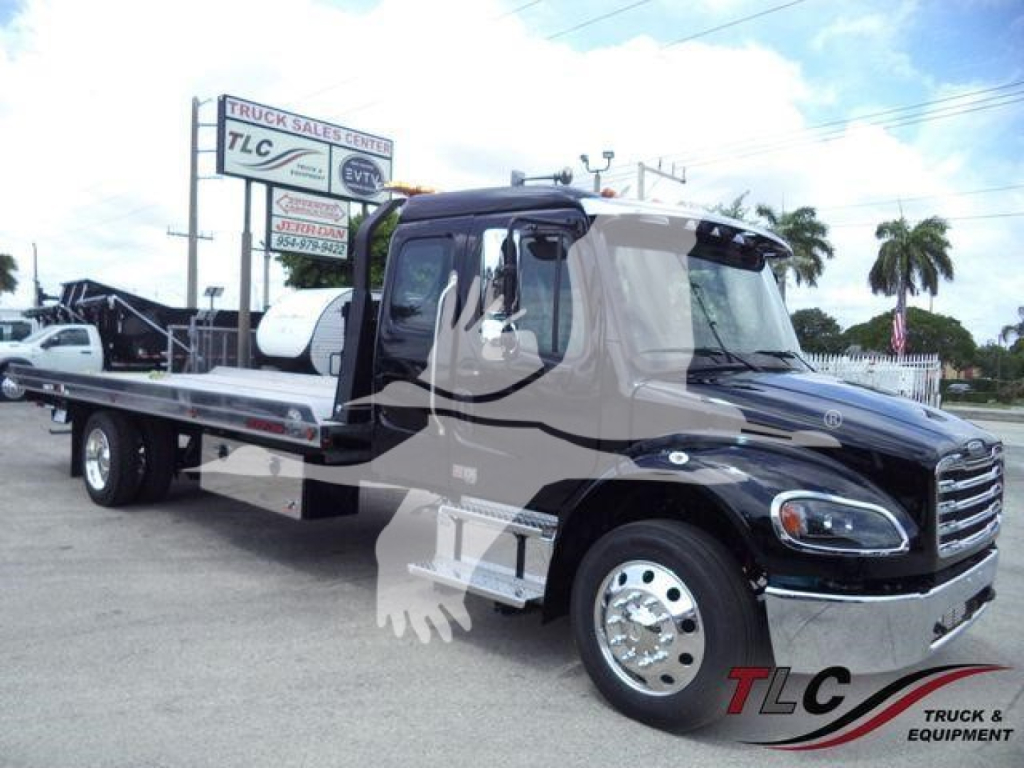
Showing 25 to 48 of 233 results
Have rollback truck to sell? List it here to reach thousands of buyers.
Rollback Trucks
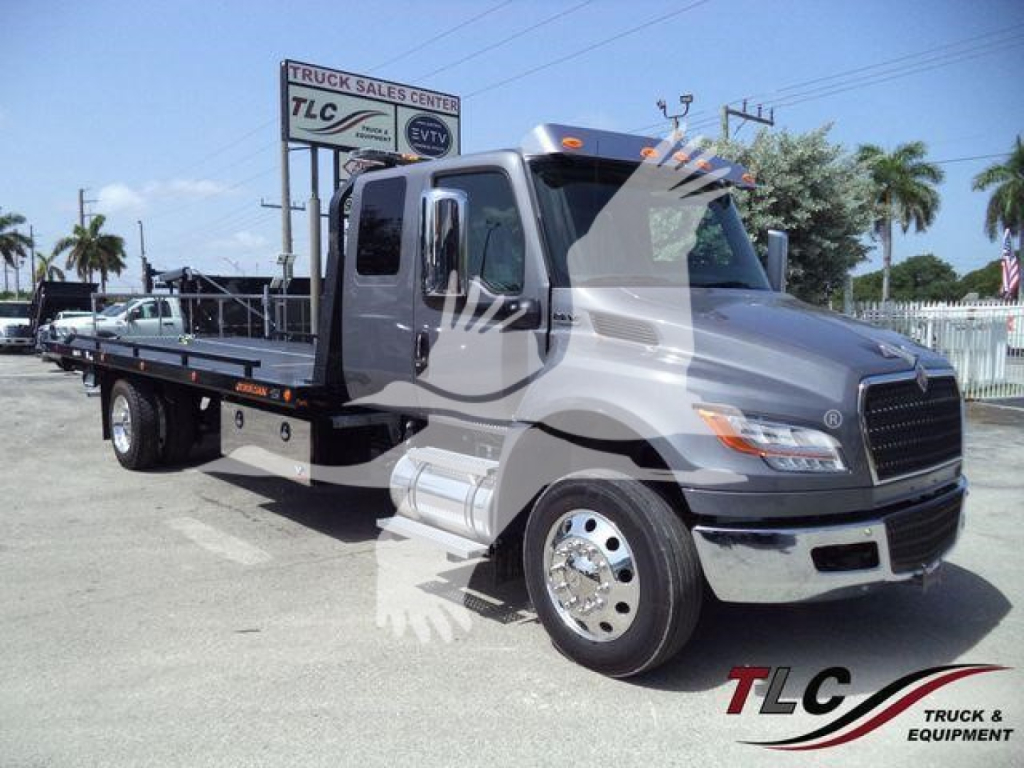
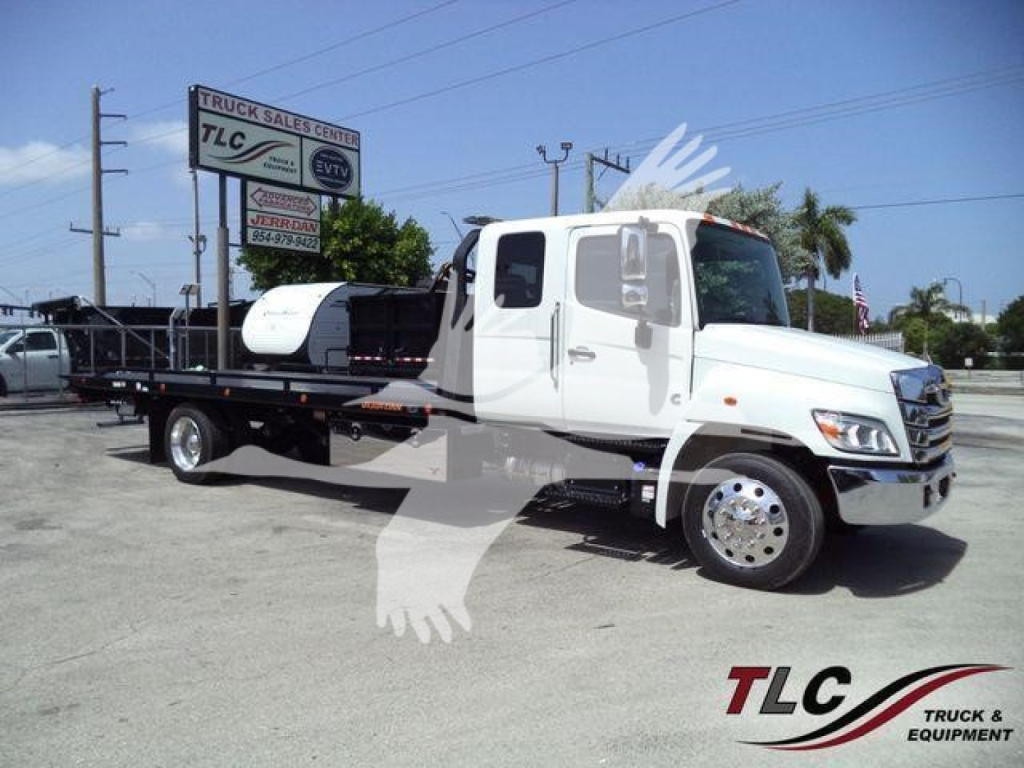
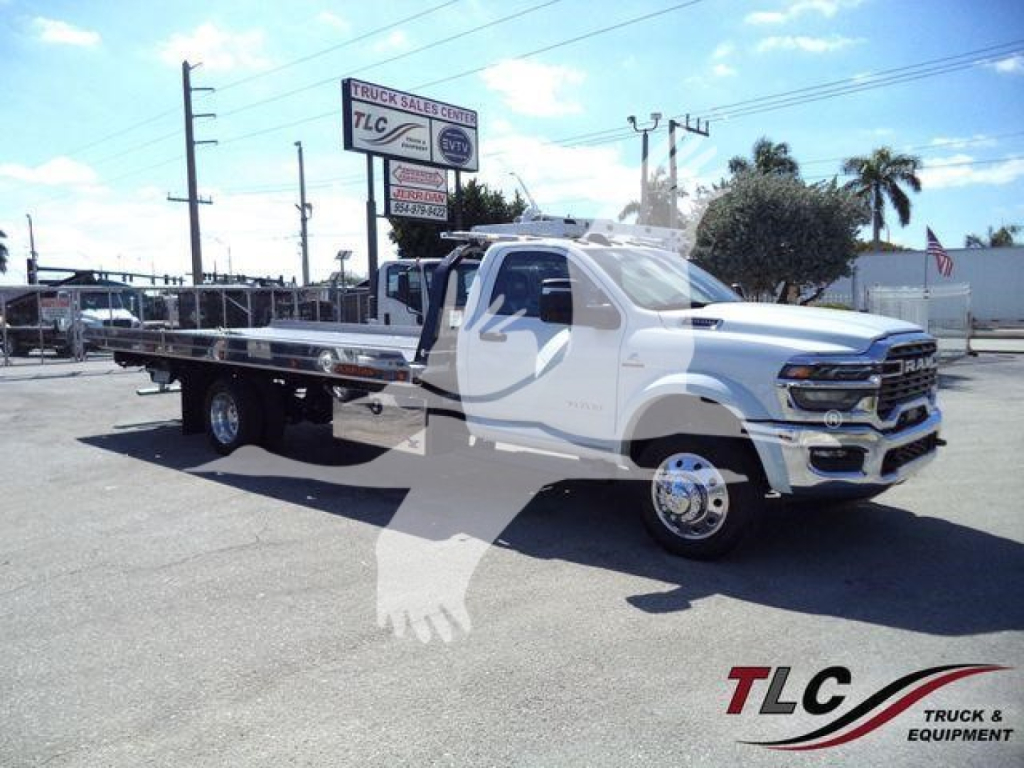
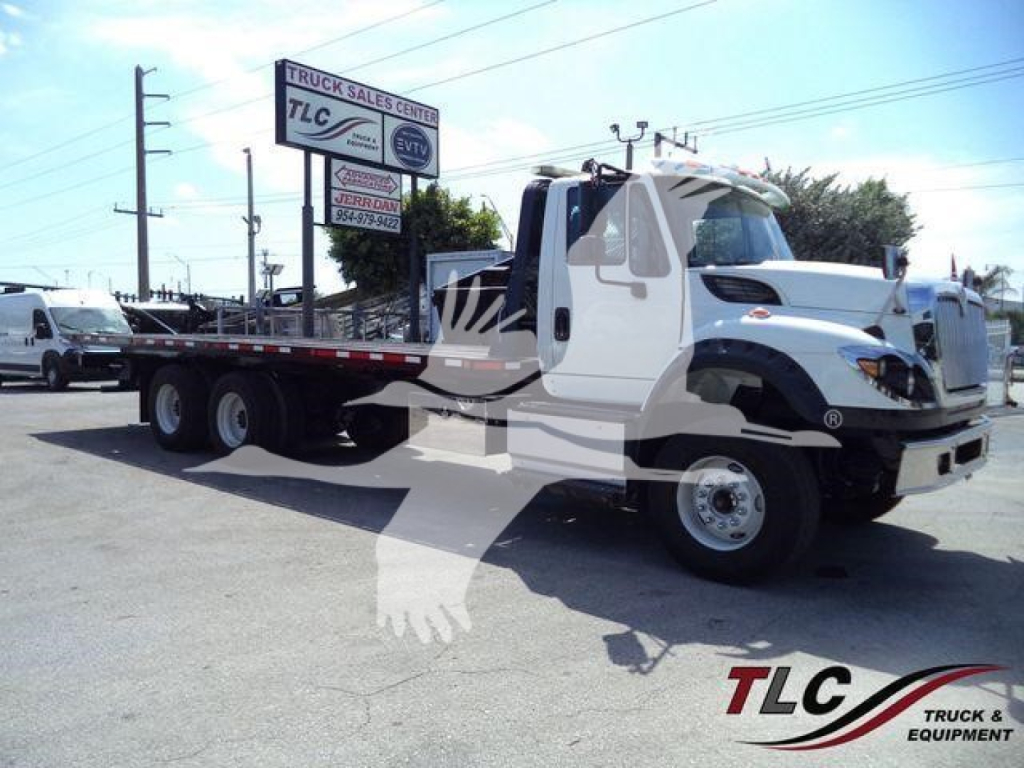
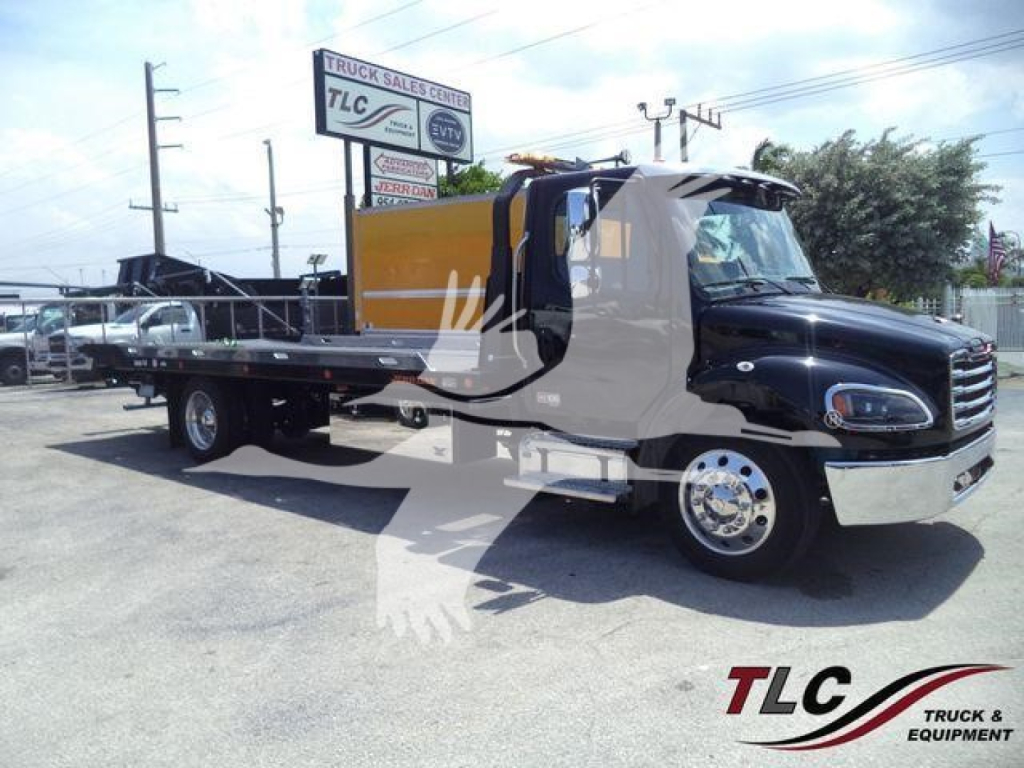
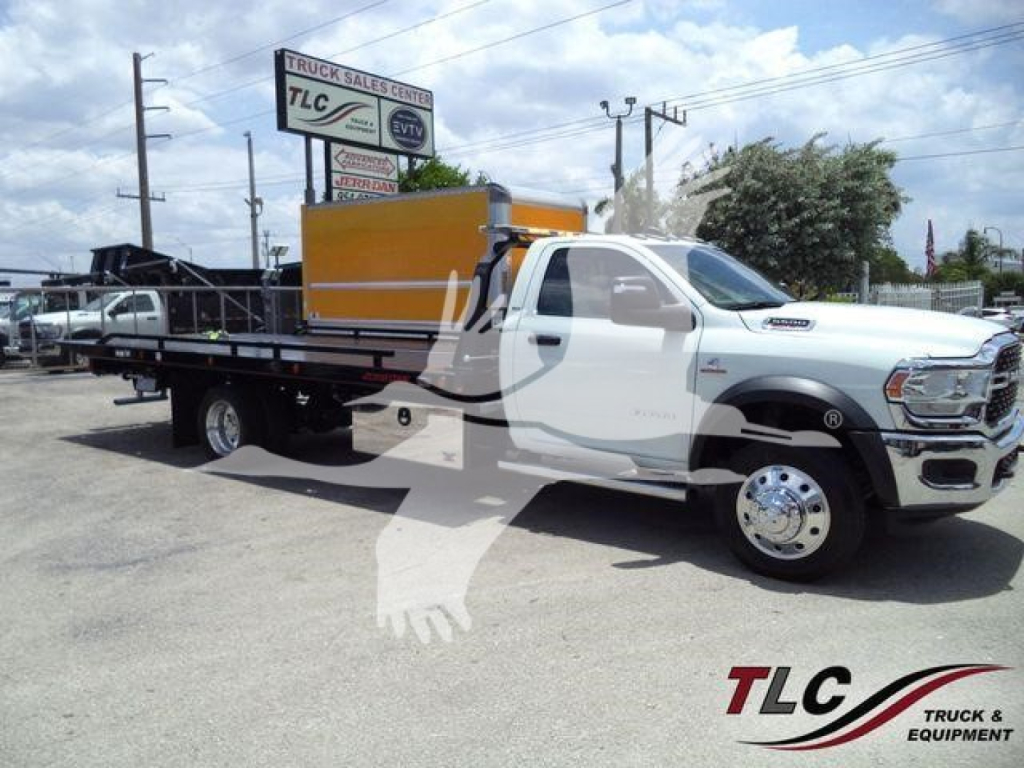
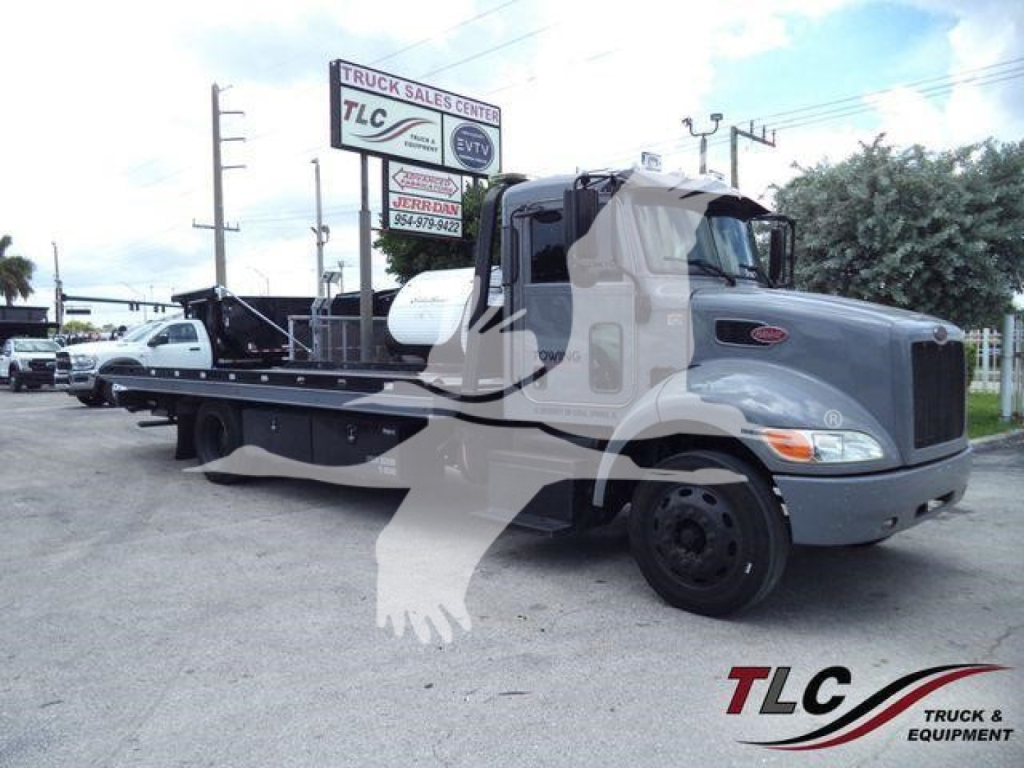
Chassis choices span Class 5 through Class 7-8, most commonly Ford F-650/750, Ram 5500, Freightliner M2, International MV, Kenworth T270-T280 and Peterbilt 337. Diesel power with an Allison automatic dominates for durability and PTO compatibility; some gas options exist in lighter classes with lower upfront cost and simpler emissions systems. GVWR ranges from about 19,500 to 33,000 lb. Under 26,001 lb GVWR often avoids CDL requirements, but air brakes, underlift ratings and state rules can still trigger CDL needs, so verify your lanes and payloads. Hydraulic brakes are common on Class 5-6; air brakes show up on heavier Class 7 units and aid control on grades. Wheelbase must match deck length and CA, and tire size matters: 19.5-in rubber rides lower for garage access, while 22.5-in tires deliver longer tread life and higher load ratings.
Productivity features separate a capable carrier from a crew favorite. An integrated wheel-lift lets you tow a second vehicle and maximize revenue on dealer, auction or roadside hauls; check underlift static and tow ratings, L-arms and crossbar geometry for modern SUV frames. Dual-side controls, wireless remote winch operation, LED work lights and clear beacon packages speed safe loading at night. Side-puller options expand recovery capability without fully blocking a lane. Specify ample tie-down points, J-hooks, soft straps and scuff protection to meet securement rules and reduce claims. Stainless or aluminum toolboxes keep gear organized and resist corrosion, and a reliable PTO-hydraulic system with quality valves, filters and hose routing reduces downtime.
Operating environment drives spec. In snowbelt fleets, aluminum beds, stainless hardware, sealed wiring and undercoating pay off. Hot climates benefit from heavy-duty cooling, deep-transmission pans and synthetic winch rope that sheds heat. City routes favor shorter wheelbase, low-profile decks and backup cameras; rural and interstate work leans toward higher GVWR, air brakes and 22.5-in tires. Modern safety tech like ESC, collision mitigation, lane cameras and bed tilt interlocks reduces risk and insurance costs. Major bed brands include Jerr-Dan, Century, Vulcan and NRC, each with distinct control layouts, LCG designs and parts networks that affect uptime and resale. Match deck length, material, GVWR, winch and underlift to your typical vehicle mix and legal weights, then factor chassis service support and emissions strategy to keep the truck earning day and night.
Frequently Asked Questions about Rollback Trucks
What bed length is best for a rollback truck?
For light-duty car hauling, 19-21 ft covers most sedans and small SUVs with better maneuverability in tight areas. A 21-22 ft deck handles larger SUVs, vans and extended-wheelbase vehicles with fewer overhang compromises. Go 24 ft if you routinely move box trucks, long Sprinters or equipment. Confirm wheelbase and CA to maintain proper axle loading and turning radius.
Should I choose a steel or aluminum rollback deck?
Steel is durable, less expensive and grips well, making sense for heavy or abrasive work. It is heavier and can rust in salt. Aluminum saves several hundred pounds, boosts payload and resists corrosion, which helps in the rust belt and for fuel economy. It costs more and can be slick when wet, so pair it with good traction surfaces and loading practices.
Do I need a CDL to operate a rollback?
A CDL is typically required when GVWR is 26,001 lb or higher or when towing pushes the GCWR over CDL thresholds. Some states also consider air brakes or certain underlift towing combinations. Many Class 5-6 carriers are spec’d at or under 26,000 lb to avoid CDL, but always check state rules, insurance requirements and your actual operating weights.
What winch and wheel-lift capacity should I look for?
Light-duty carriers commonly use 8,000-12,000 lb winches for cars and light trucks; heavier use or frequent stuck recoveries may warrant 15,000-20,000 lb. For wheel-lifts, review static and tow ratings along with L-arm design to fit modern SUV frames and EVs. If you plan to double-load often, ensure the underlift ratings and axle capacities support the added tongue weight and braking demands.
What maintenance items matter most on a rollback’s hydraulic system?
Keep PTO and hydraulic fluid at proper levels and viscosity, change filters on schedule and inspect hoses, fittings and cylinders for leaks and abrasion. Regularly check winch cable or synthetic rope, fairleads and bed slide pads or rollers. Clean electrical grounds and connectors for the control system, and verify bed interlocks, tilt sensors and remote controls operate correctly to prevent downtime.