
2021 Rollback Trucks For Sale
Shop 2021 rollback trucks with carrier beds, winches, and wheel lifts. Compare GVWR, deck length, chassis, and towing setup.
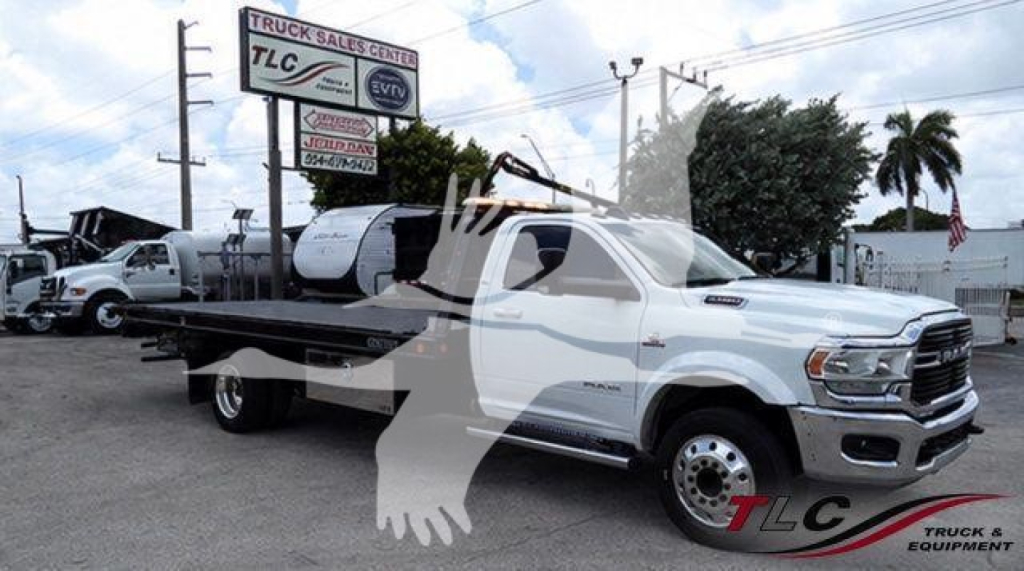
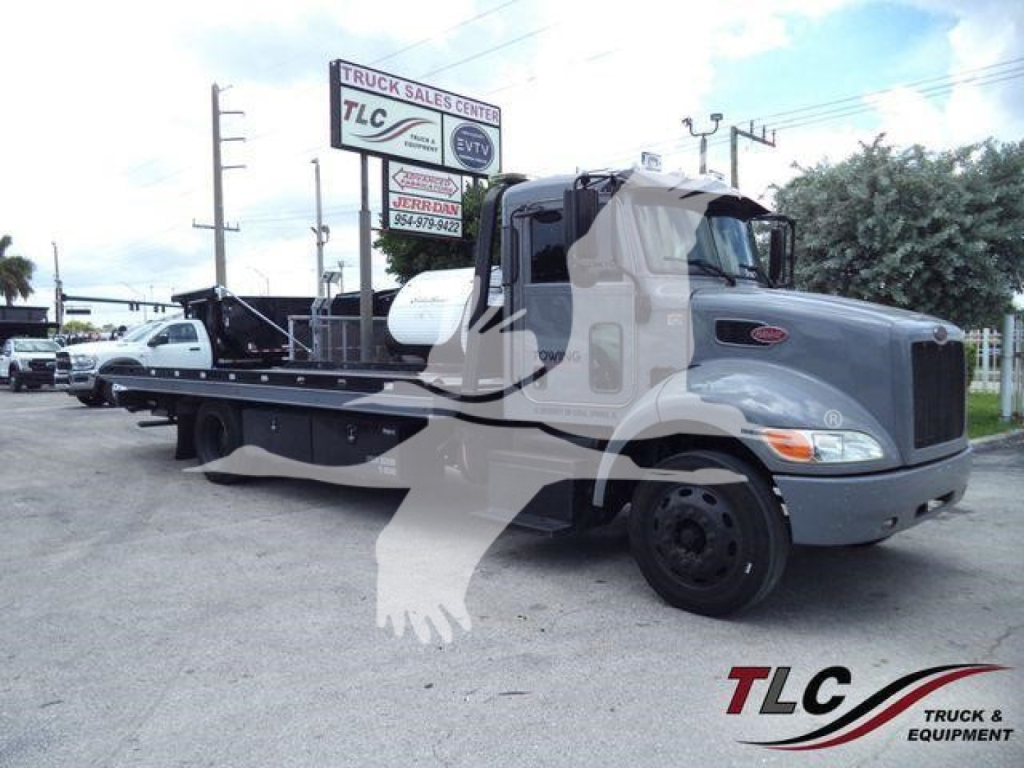
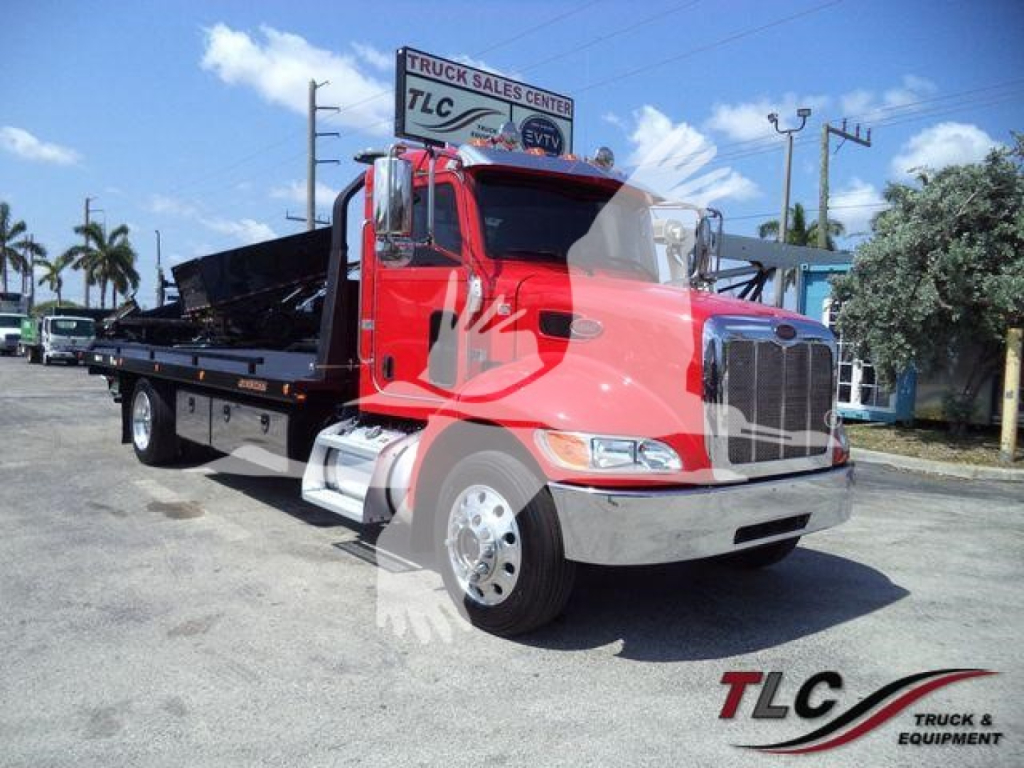

Selling a 2021 rollback truck? List your 2021 rollback truck for sale and reach thousands of commercial buyers.
2021 Rollback Trucks
Capacity is more than the headline ton rating. A 6-ton carrier may be ideal for everyday repossession, roadside recovery, and dealer moves, but buyers should also check wheel lift rating, winch capacity, deck construction, and the truck's GVWR. Common specs in this category include 3,000 to 3,500 lb hydraulic wheel lifts with L-arms, 8,000 to 10,000 lb winches, and steel or aluminum carrier bodies. Steel beds usually offer durability and lower repair cost in hard service, while aluminum beds reduce empty weight and can help payload. If the truck will spend time in urban towing, a shorter wheelbase and tighter overall length can matter as much as raw deck size.
A good 2021 rollback should also be evaluated as a complete working package, not just a carrier body on a cab. Transmission choice is often automatic, especially Allison-equipped medium-duty trucks and automatic light-duty chassis used in local towing. Brake type, suspension, tire size, PTO setup, tool box layout, lighting package, and remote control functions all affect day-to-day productivity. Air brakes and air ride are common on heavier 26,000 GVWR trucks, while hydraulic brakes remain common on lower-GVWR non-CDL configurations. Buyers hauling mixed passenger vehicles should pay close attention to approach angle, deck height, pylon or side rail style, tie-down storage, and whether the truck has removable rails, underbody boxes, work lights, and backup camera support.
For a 2021 model, condition and service history are just as important as original spec. Check bed pivot points, hydraulic cylinders, winch operation, cable or synthetic line condition, wheel lift wear, frame integrity, and corrosion around crossmembers, tool boxes, and lighting mounts. On diesel chassis, engine emissions system history matters, especially for stop-and-go towing routes. The best rollback truck for sale is the one matched to the work: low-profile carriers for specialty vehicles, non-CDL setups for easier hiring and routing, or heavier medium-duty trucks for frequent commercial recoveries and longer-distance transport.
Frequently Asked Questions about 2021 Rollback Trucks
What is the typical capacity of a 2021 rollback truck?
Most 2021 rollback trucks in the light- to medium-duty market are built around a 6-ton carrier body, but actual usable capacity depends on the chassis GVWR, body weight, wheelbase, and installed equipment. Many also include a 3,000 to 3,500 lb wheel lift and an 8,000 to 10,000 lb winch. Buyers should verify the truck's legal payload and front-to-rear weight distribution rather than relying only on the body manufacturer's ton rating.
What deck length is most common on a 2021 rollback?
The most common deck lengths are about 19, 20, 21, and 22 feet. Shorter decks are often preferred in dense urban work because they improve maneuverability, while 21- to 22-foot carriers give more flexibility for larger pickups, SUVs, and longer wheelbase vehicles. Deck width is commonly 96 to 102 inches, and low-profile deck designs are popular for loading vehicles with limited ground clearance.
Is a non-CDL 2021 rollback truck enough for towing work?
A non-CDL rollback can be a strong fit for roadside assistance, dealer transport, repossession, and light vehicle recovery if the truck is spec'd correctly. Many non-CDL units are built just under 26,001 GVWR to simplify driver qualification and hiring. The tradeoff is lower overall capacity and sometimes less flexibility for heavier commercial work, so buyers should match the GVWR and body setup to the heaviest vehicles they expect to haul regularly.
Should I choose a steel or aluminum rollback bed on a 2021 truck?
Steel beds are common when durability, lower upfront cost, and simpler structural repair are priorities. Aluminum beds reduce body weight, which can improve payload and sometimes fuel economy, and they also resist corrosion well. The better choice depends on operating environment, repair philosophy, and the type of vehicles being transported. High-volume towing operations often compare total lifecycle cost, not just purchase price.
What should I inspect first on a used 2021 rollback truck?
Start with the hydraulic system, carrier deck, winch, and wheel lift because those components directly affect revenue-producing work. Inspect cylinder seals, hoses, controls, slide operation, pivot points, cable condition, L-arms, and tie-down points. Then review chassis maintenance, brake and suspension condition, tire wear, PTO engagement, and any emissions-related repair history. A rollback that looks clean but has weak hydraulics or poor weight balance can become expensive quickly.