
Rollback Trucks For Sale in Texas
Browse rollback trucks for sale in Texas. Compare bed lengths, winch capacity, GVWR, CDL requirements, and medium or heavy-duty specs.
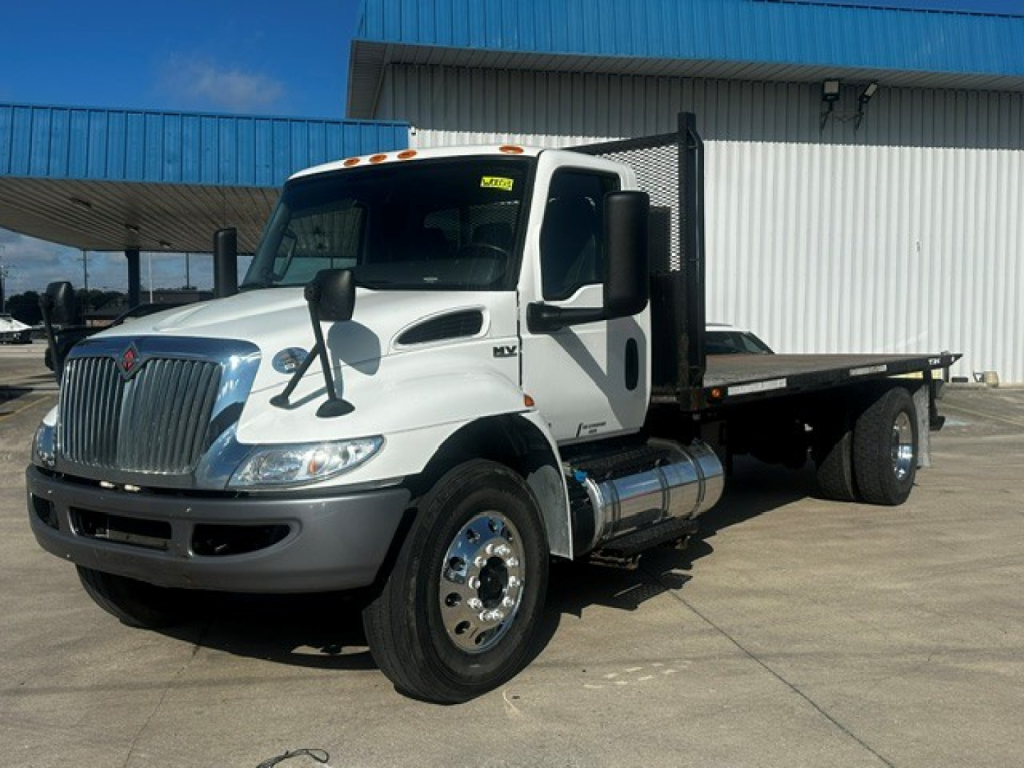
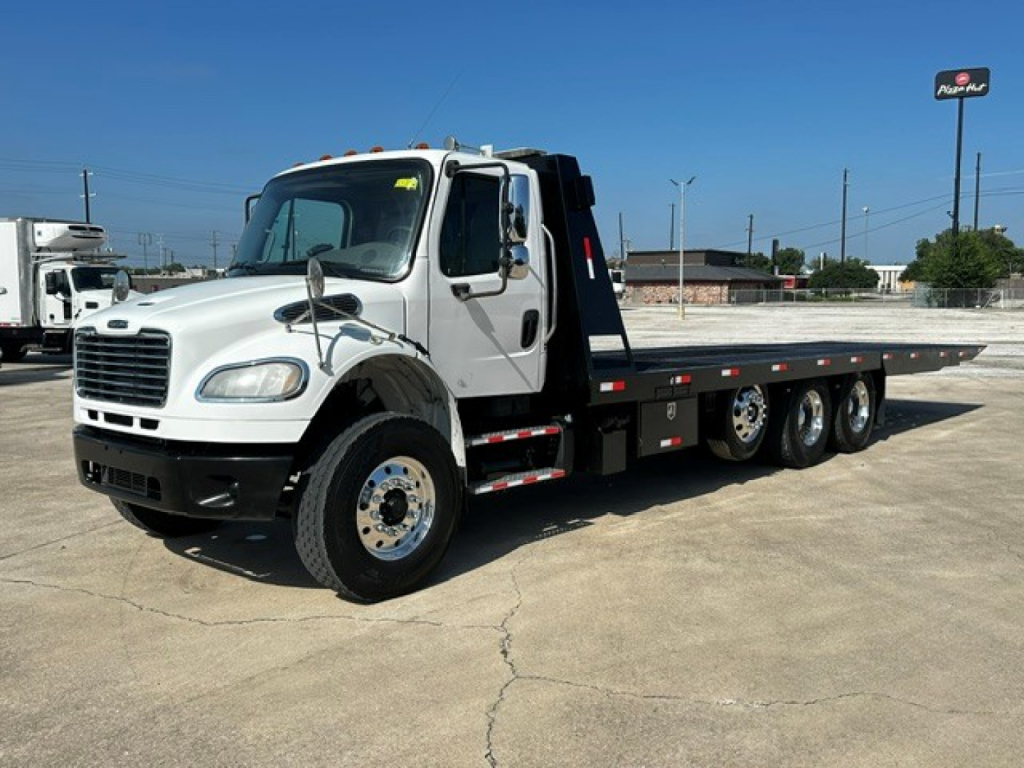
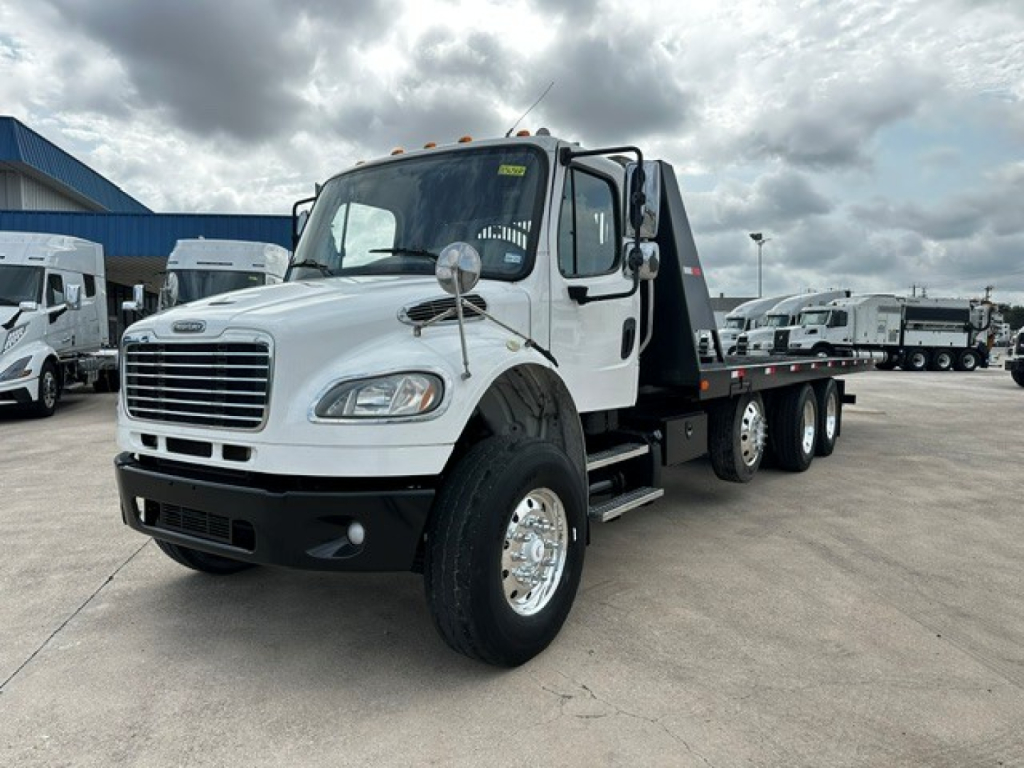
Selling a rollback truck? List your rollback truck for sale and reach thousands of commercial buyers.
Rollback Trucks in Texas
Common rollback bodies range from about 19 to 22 feet on medium-duty chassis and up to 28 feet on larger units. A typical light to medium carrier may carry a 10,000 to 12,000 lb deck rating, while heavier builds can reach 20,000 to 30,000 lb platform capacity with larger winches and reinforced subframes. Buyers should look closely at deck construction, approach angle, and bed width, along with hydraulic performance for slide and tilt functions. Features like wheel lift attachments, dual winches, aluminum or steel decks, tool storage, work lights, and wireless controls can make a major difference in daily productivity and operator safety.
Chassis choice matters as much as the carrier body. Medium-duty rollback trucks are commonly spec'd with diesel engines such as the Cummins ISB or L9, paired with Allison automatics for urban towing and transport work or manual transmissions in heavier applications. Rear axle ratio affects launch and highway drivability, especially when the truck spends time in stop-and-go metro traffic or runs longer routes across Texas. Suspension type also matters. Air ride can improve ride quality for sensitive loads and driver comfort, while spring suspensions are often favored for simplicity and durability. Buyers comparing used rollback trucks should pay attention to PTO operation, hydraulic leaks, cable condition, deck wear, frame corrosion, and signs of repeated overload.
For Texas operators, rollback trucks are used across towing, repossession, fleet service, dealership delivery, municipal work, and equipment transport. A lower deck height and low center of gravity help with loading damaged, lowered, or specialty vehicles, while a properly matched wheelbase improves deck length without making the truck cumbersome in tighter urban areas. The best rollback truck is not just the biggest one. It is the unit with the right GVWR, bed length, winch rating, and chassis spec for the load mix, route profile, and licensing requirements of your business.
Frequently Asked Questions about Rollback Trucks in Texas
What is a rollback truck used for?
A rollback truck is used to load and transport vehicles or equipment on a tilting, sliding deck. It is commonly used for towing disabled vehicles, moving dealer inventory, transporting auction purchases, recovering damaged vehicles, and hauling light equipment. Because the bed lowers to the ground, rollback trucks can load vehicles with low ground clearance more safely than many other towing setups.
Do I need a CDL to operate a rollback truck?
That depends on the truck's GVWR and the combined weight rating of the truck and any towed load. Many medium-duty rollback trucks are built to stay around 26,000 GVWR so they can fit non-CDL applications, but heavier rollback trucks will typically require a CDL. Buyers should verify the door sticker GVWR, axle ratings, and local licensing rules before choosing a chassis.
What specs matter most when buying a rollback truck?
The most important specs are GVWR, deck length, platform rating, winch capacity, wheelbase, and axle ratings. Those numbers determine what the truck can legally and safely carry. Buyers should also compare hydraulic system condition, deck material, approach angle, transmission type, suspension, and whether the truck includes a wheel lift, toolboxes, remote controls, or other towing equipment needed for the intended work.
How long is a typical rollback bed?
Rollback bed length depends on the chassis class and application. Many medium-duty units use beds around 19 to 22 feet long, while heavy-duty carriers can be equipped with 24 to 28 foot decks. Longer beds help with larger vehicles and better load placement, but they also affect wheelbase, turning radius, and overall maneuverability.
What should I check on a used rollback truck?
On a used rollback truck, inspect the deck for structural damage, bent rails, worn pivot points, and excessive rust. Check the winch, cable or synthetic line, hydraulic cylinders, PTO engagement, and all slide and tilt functions under load if possible. Review tire condition, frame integrity, suspension wear, brake performance, and any signs that the truck has regularly operated above its rated capacity.