
2015 Rollback Trucks For Sale
Shop 2015 rollback trucks for towing, recovery, and vehicle transport. Compare deck size, winch capacity, wheel lift, GVWR, and chassis specs.
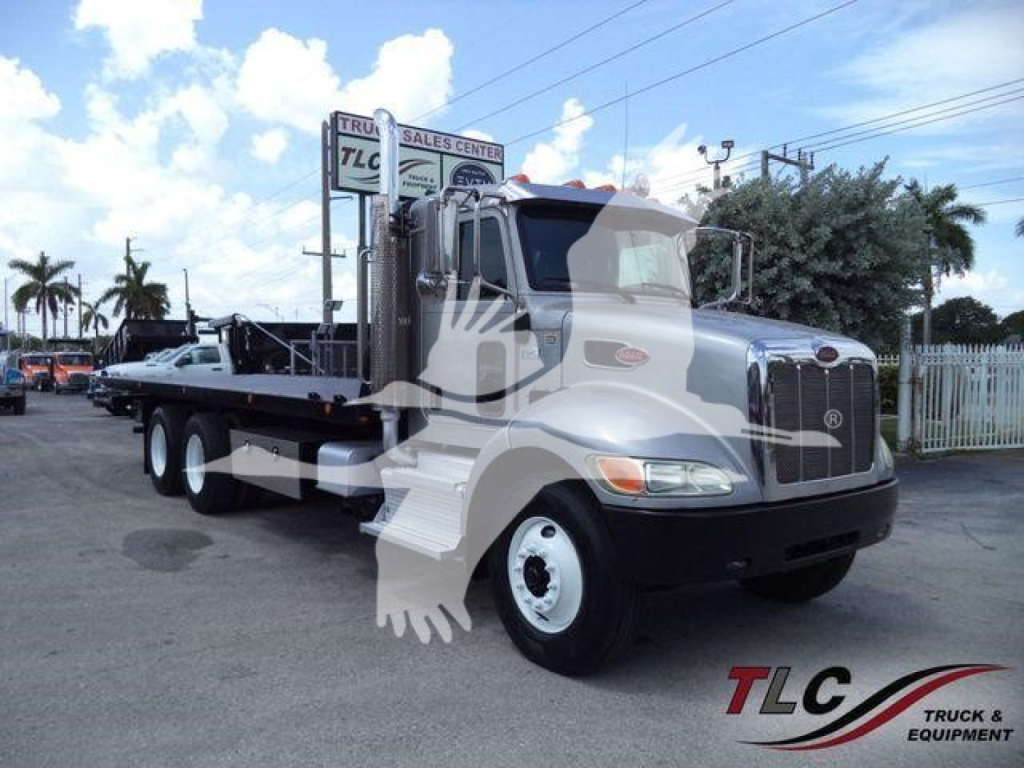
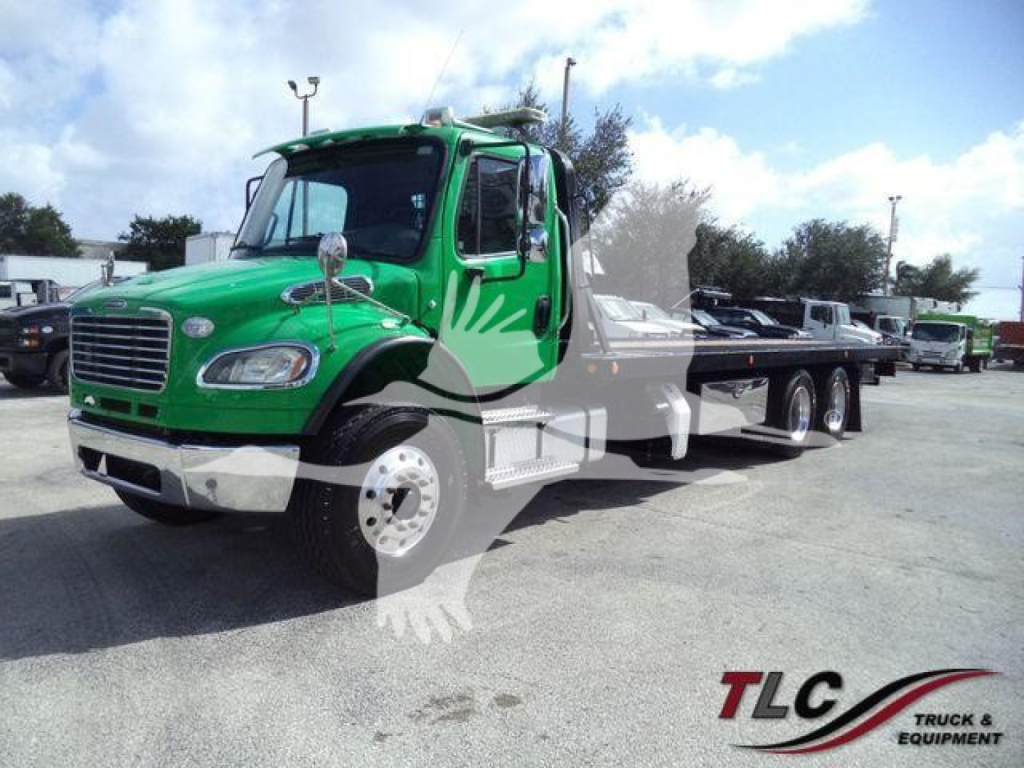
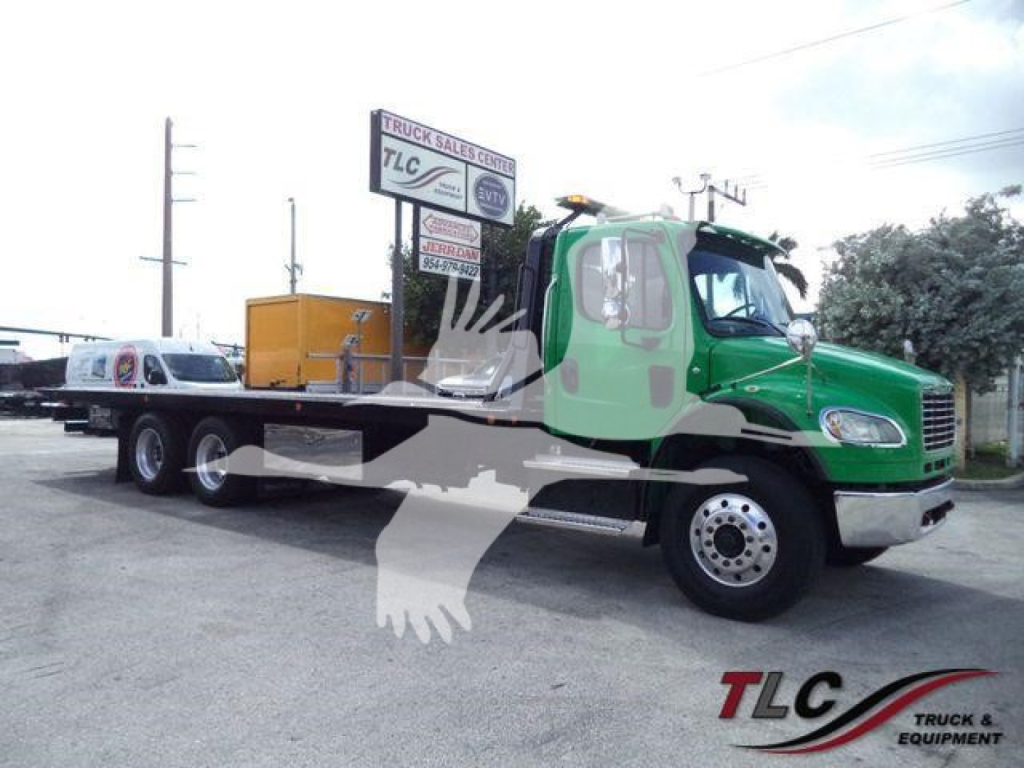
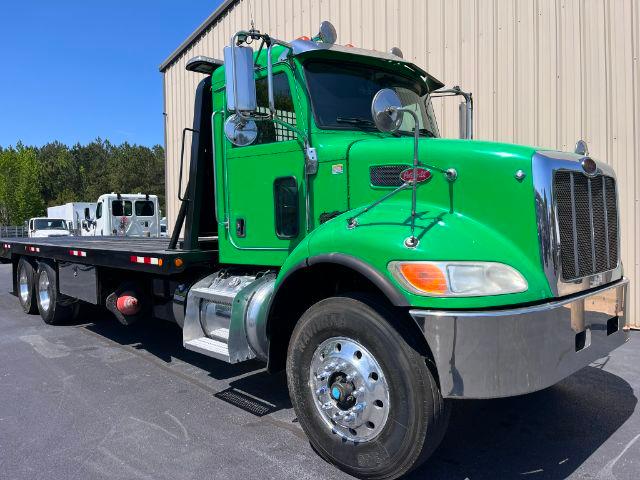
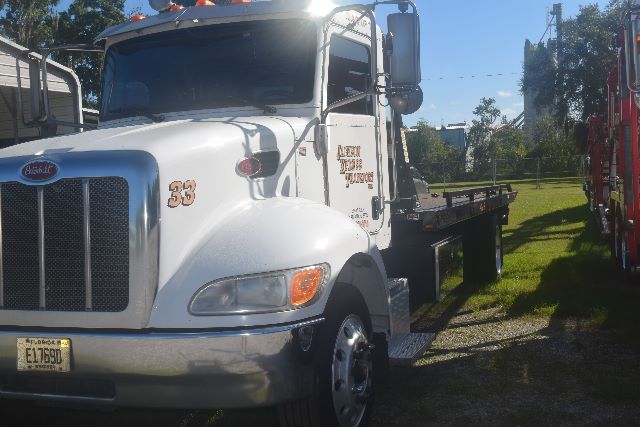
Selling a 2015 rollback truck? List your 2015 rollback truck for sale and reach thousands of commercial buyers.
2015 Rollback Trucks
On a 2015 rollback, the chassis and powertrain matter just as much as the carrier body. Many trucks in this class use diesel engines paired with Allison automatic transmissions, air brakes on medium and heavy-duty builds, and either spring or air ride suspension depending on intended use. GVWR can range from around 19,500 to 26,000 pounds on non-CDL style carriers up to 33,000 pounds and beyond on heavier commercial units, with tandem-axle transporter setups reaching much higher. Buyers should compare wheelbase, axle ratings, tire size, and brake type with the actual work the truck will do. A truck set up for urban repossession and dealer transfer work is very different from one used for municipal towing, auction runs, or equipment hauling over longer distances.
Body equipment on 2015 rollback trucks often includes an 8,000-lb to 12,000-lb winch on light and medium-duty carriers, while heavy transporters may carry 20,000-lb winches, rear stabilizers, pintle hitches, and air connections. Tool box layout, tie-down storage, work lights, wireless or pendant controls, and the condition of the hydraulic system should all be evaluated closely. Bed brand matters because parts availability, cylinder design, subframe construction, and support can affect long-term uptime. It is also worth checking for deck corrosion, scuffing at the tail, crossmember condition, wheel lift wear, PTO operation, and signs of hydraulic leaks around hoses, valves, and tilt mechanisms.
A well-matched 2015 rollback truck can serve towing, dealer transfer, auction transport, roadside assistance, and light equipment delivery with less loading complexity than many other tow configurations. The best value usually comes from matching the truck's real payload and recovery capability to your route density, driver requirements, and the types of vehicles you move most often. If the truck will spend its life in tight city work, turning radius, cab visibility, and low-profile loading geometry are major advantages. If it will cover longer interstate miles or carry heavier mixed loads, focus on engine rating, transmission durability, rear axle capacity, frame strength, and the carrier manufacturer's body rating rather than just bed length alone.
Frequently Asked Questions about 2015 Rollback Trucks
What should I look for first on a 2015 rollback truck?
Start with the carrier body rating, deck length, winch capacity, and wheel lift capacity, then confirm the chassis GVWR and axle ratings support the work you plan to do. A 20-foot to 22-foot low-profile carrier is common for vehicle towing, while longer 26-foot to 28-foot beds are better suited to equipment and heavier transport applications. The truck should be evaluated as a complete system, not just a bed mounted on a usable chassis.
Is a 2015 rollback truck good for low-clearance and all-wheel-drive vehicles?
Yes, many 2015 rollback trucks are well suited for low-clearance and all-wheel-drive vehicles because the rollback deck allows the entire vehicle to be loaded and transported off the ground. Extra-low-profile or low center of gravity carrier bodies reduce the loading angle and help avoid bumper, rocker, or air dam damage. Buyers who handle specialty cars should pay close attention to deck height, approach angle, and tie-down options.
What bed size is most common on a 2015 rollback truck?
The most common bed sizes in this category are typically 20 feet, 21 feet, and 22 feet on light and medium-duty carriers, with 102-inch wide decks being common for vehicle transport. Heavier rollback trucks can have 26-foot to 28-foot transporter beds for larger vehicles or equipment. The right size depends on what you haul most often, local weight limits, and whether maneuverability or carrying capacity matters more to your operation.
How important is the transmission on a rollback truck?
The transmission is a major factor because rollback trucks operate in stop-and-go service, frequent loading cycles, and varied terrain. Allison automatic transmissions are common because they are well matched to towing and recovery work, especially in urban duty cycles. Buyers should also verify PTO compatibility and smooth engagement because the rollback body's hydraulic functions depend on reliable power takeoff operation.
What condition areas matter most on a used 2015 rollback body?
Focus on the deck surface, crossmembers, subframe, hydraulic cylinders, hoses, winch operation, and wheel lift wear points. Rust around the tail, bed rails, and understructure can indicate hard use or poor storage conditions. The body should raise, tilt, slide, and retract smoothly, and the winch, controls, lighting, and tie-down equipment should all be checked for proper function before purchase.