
2019 Rollback Trucks For Sale
Shop 2019 rollback trucks with key specs, carrier sizes, winch and wheel-lift ratings, and chassis details that matter to tow buyers.
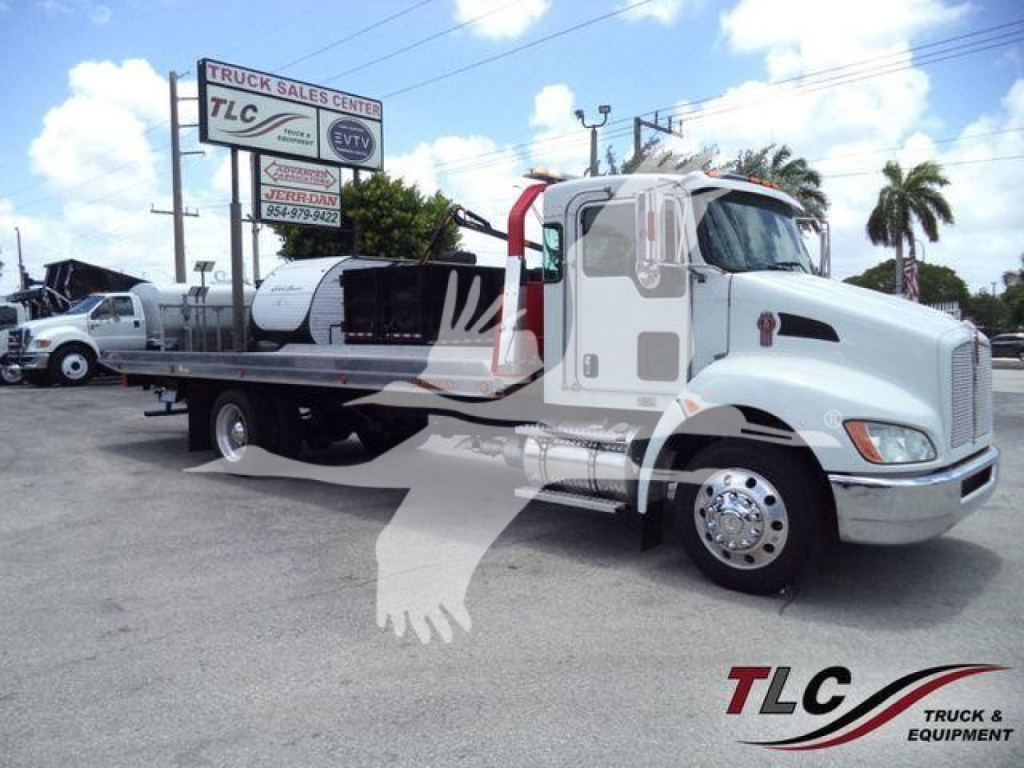
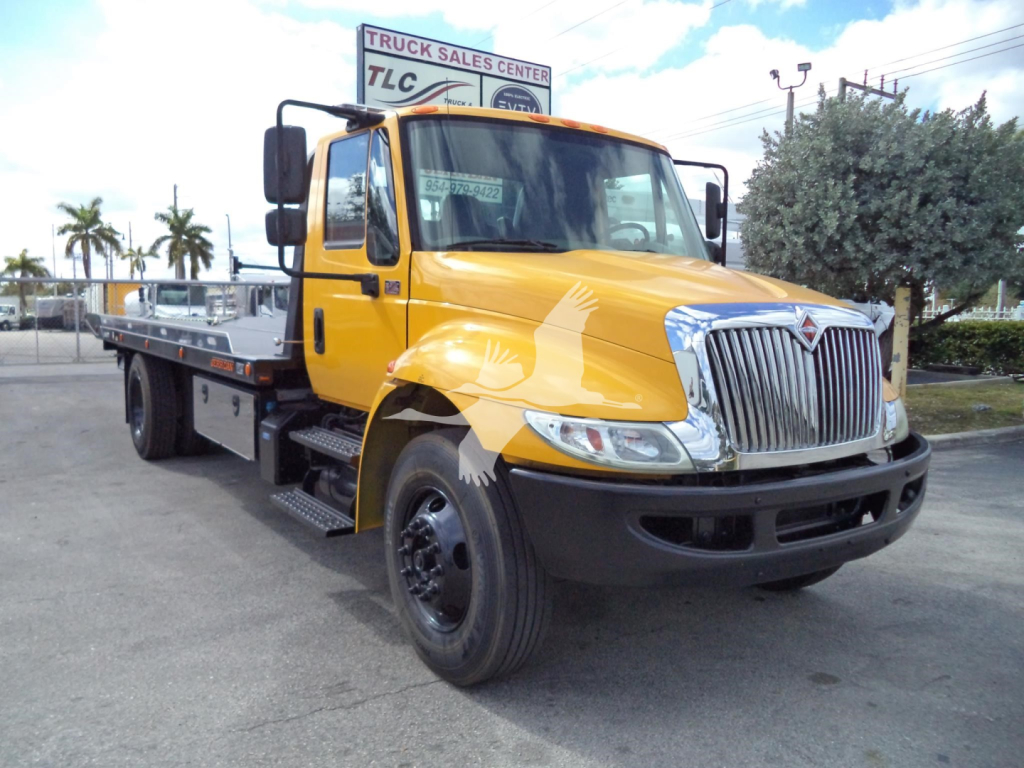
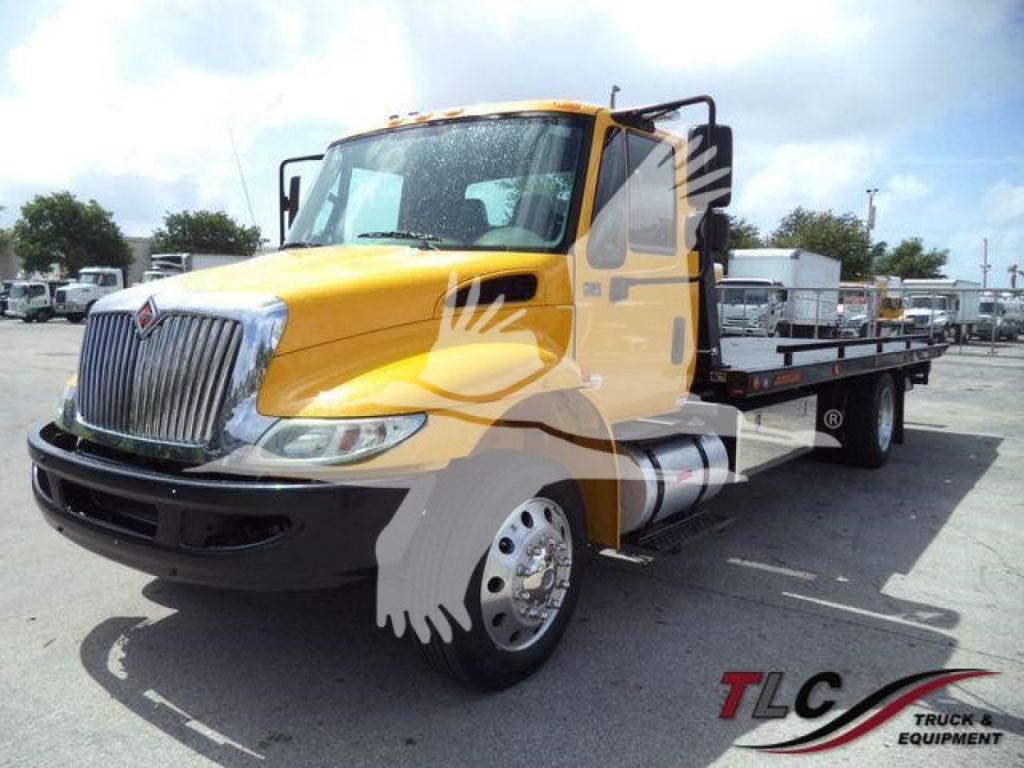
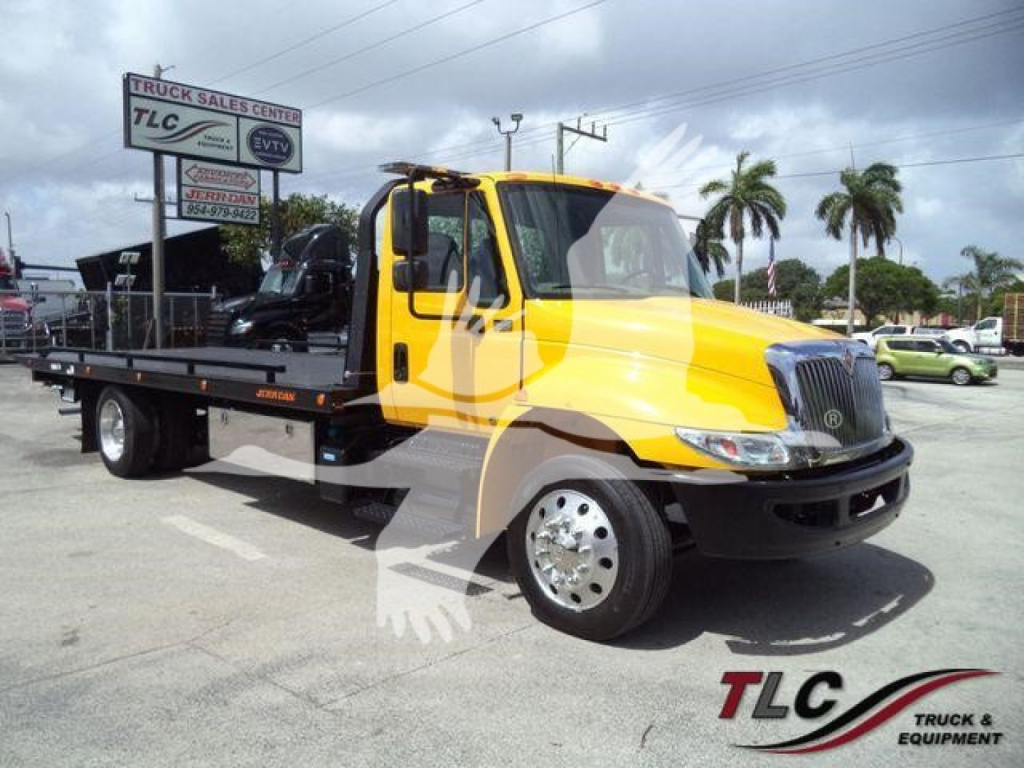
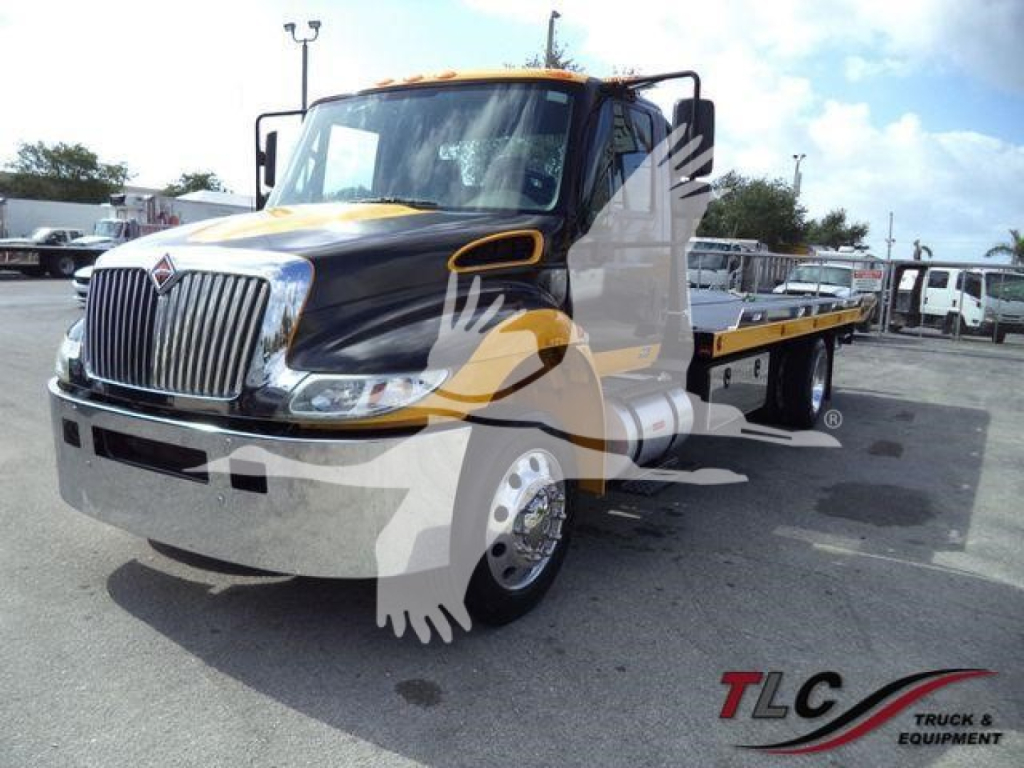
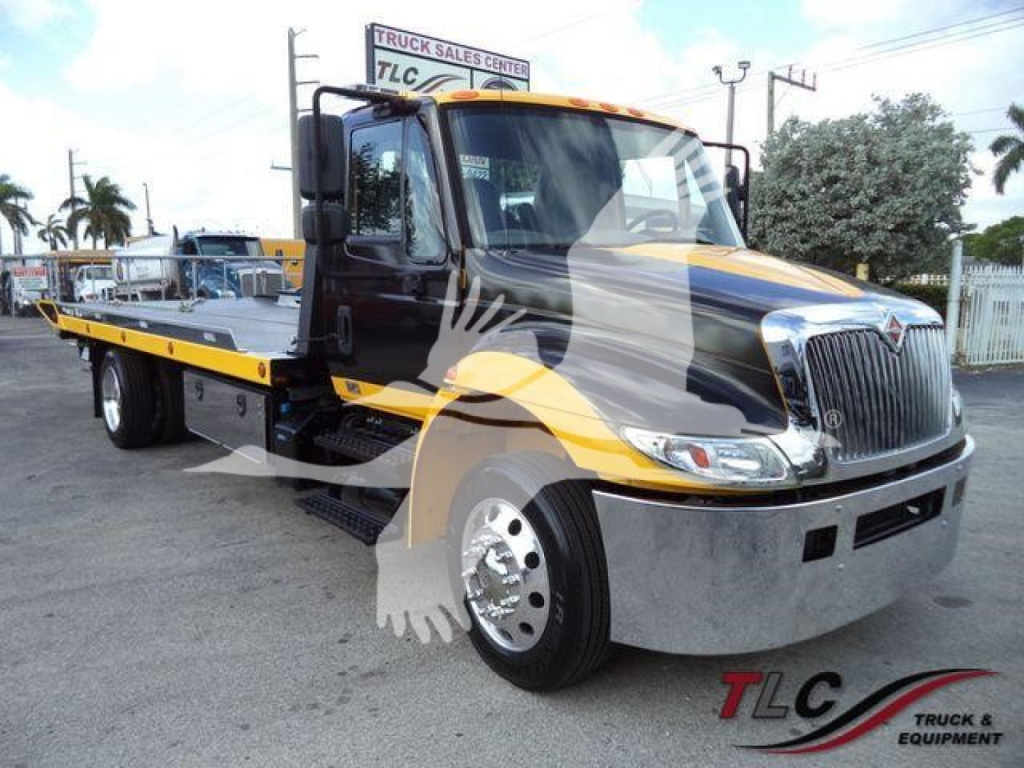
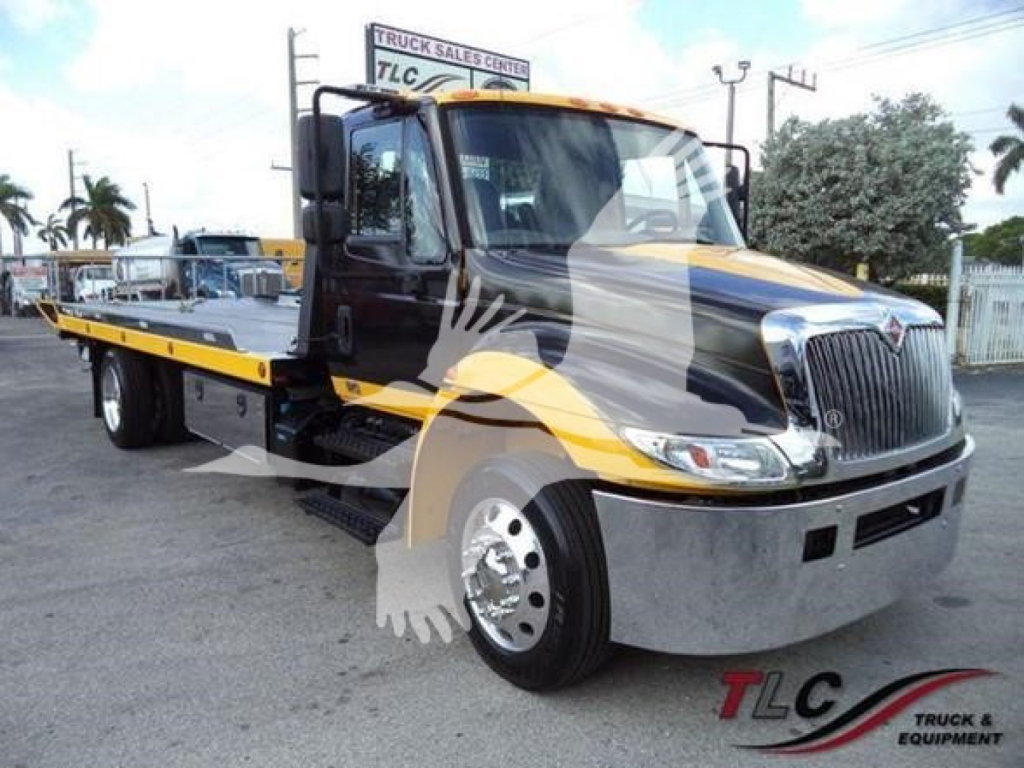
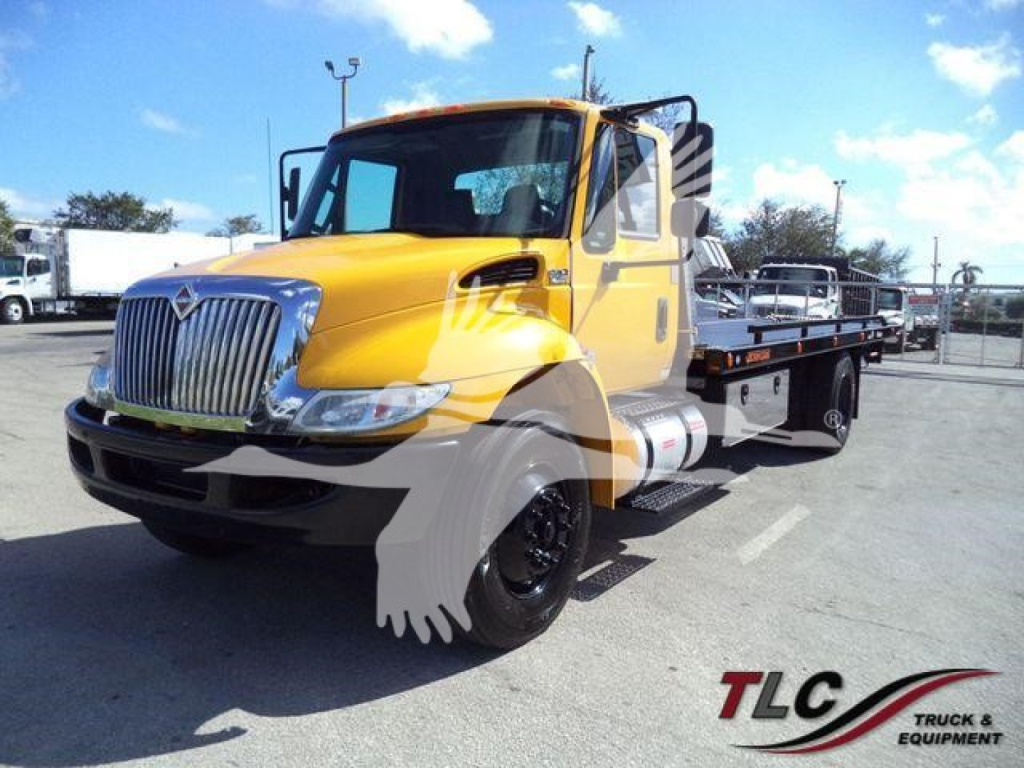

Selling a 2019 rollback truck? List your 2019 rollback truck for sale and reach thousands of commercial buyers.
2019 Rollback Trucks
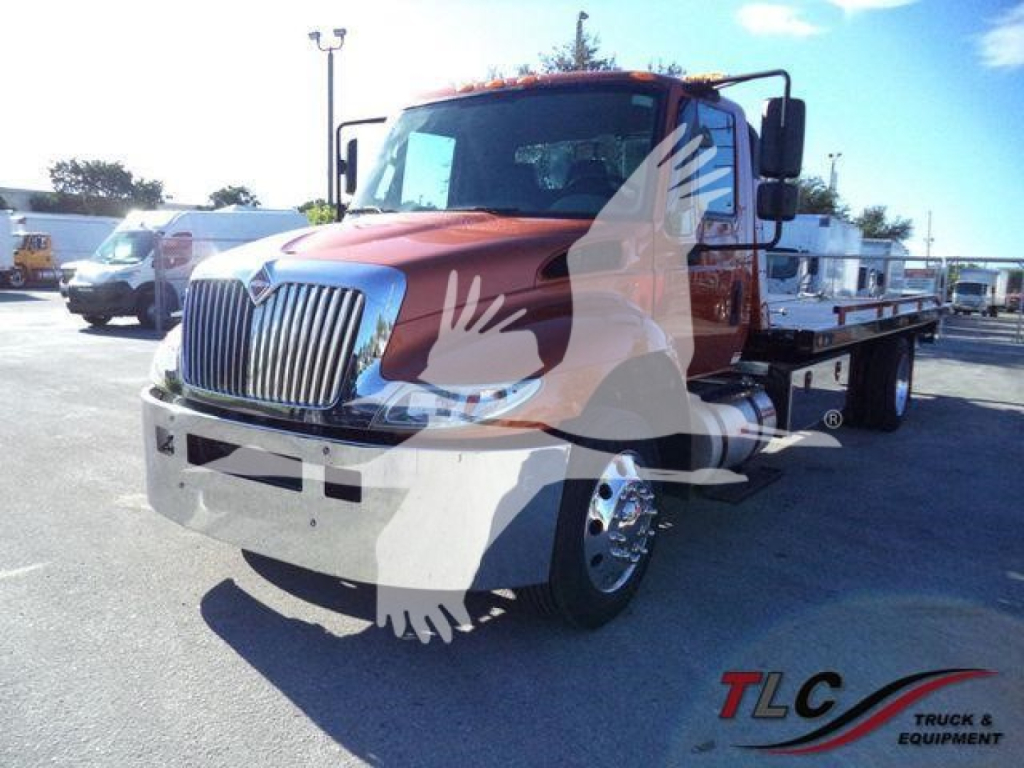
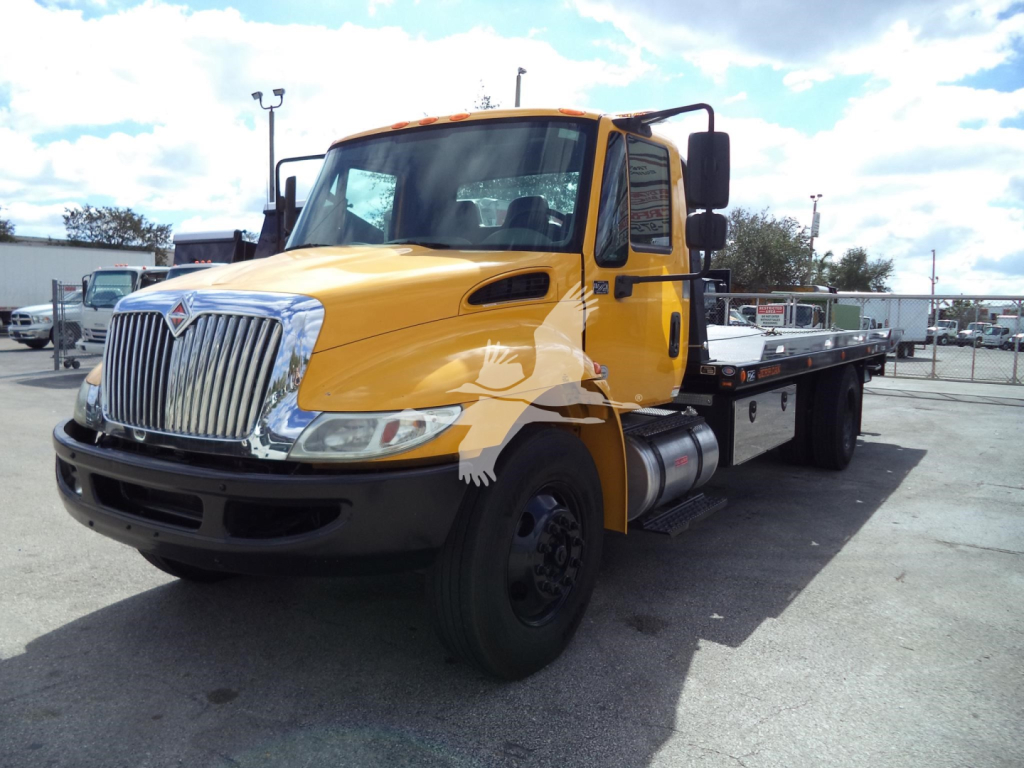
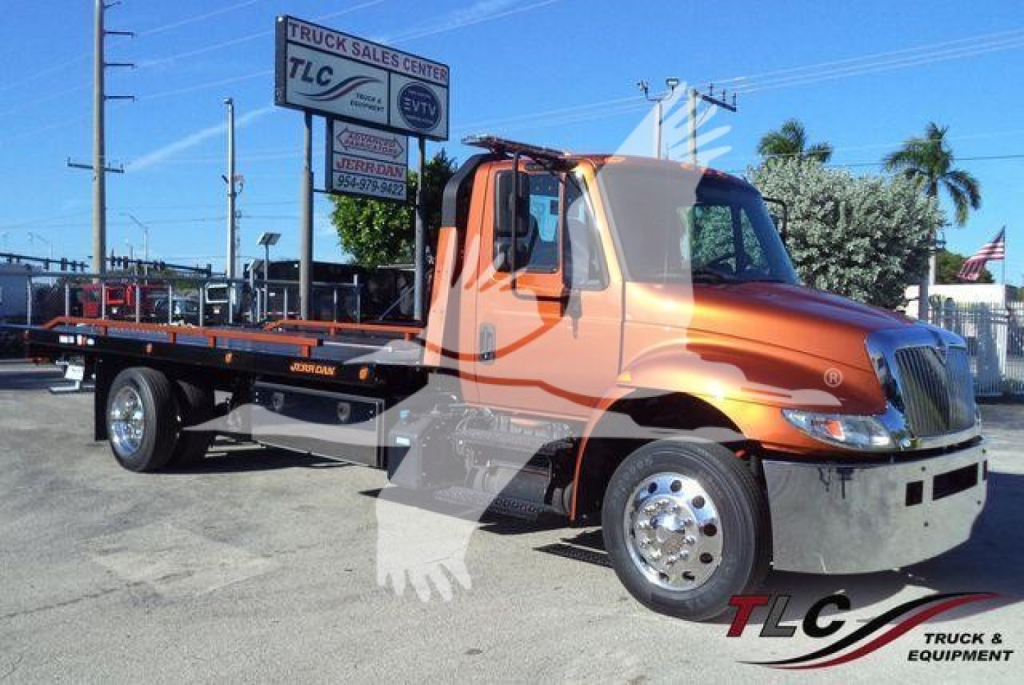
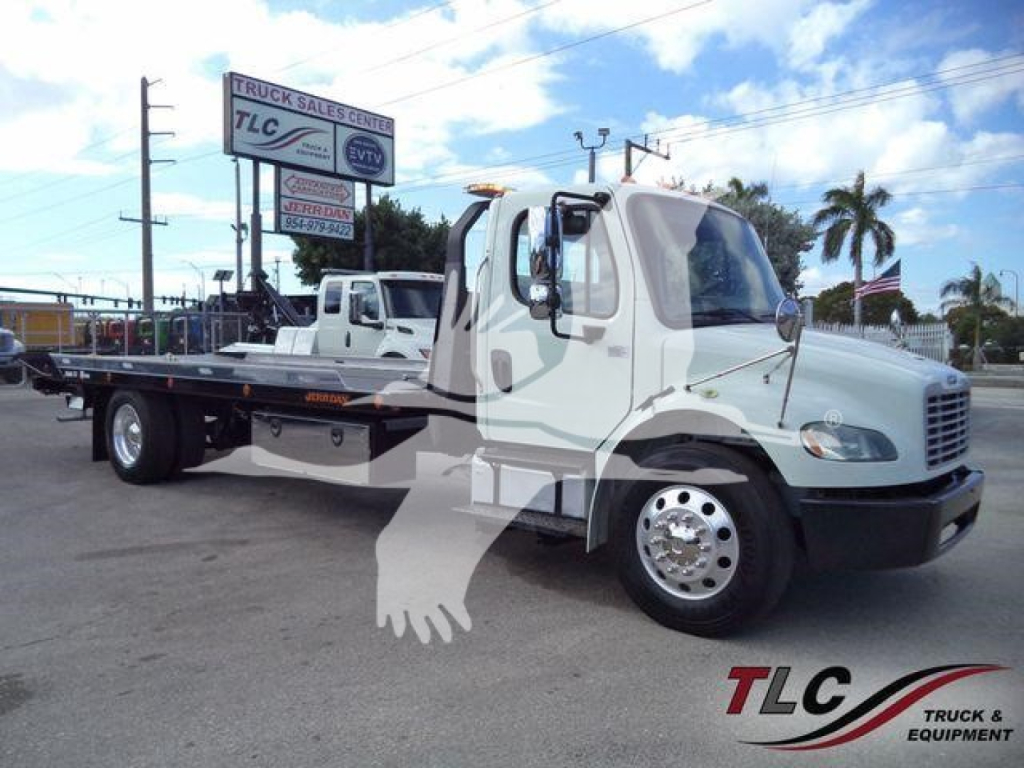
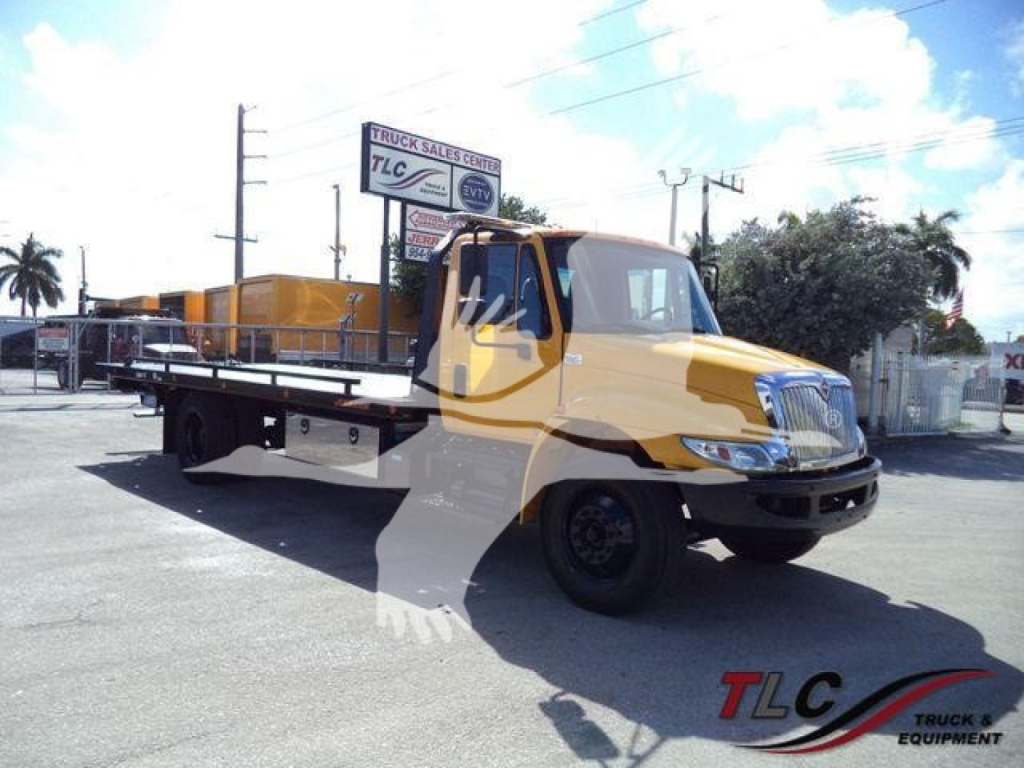
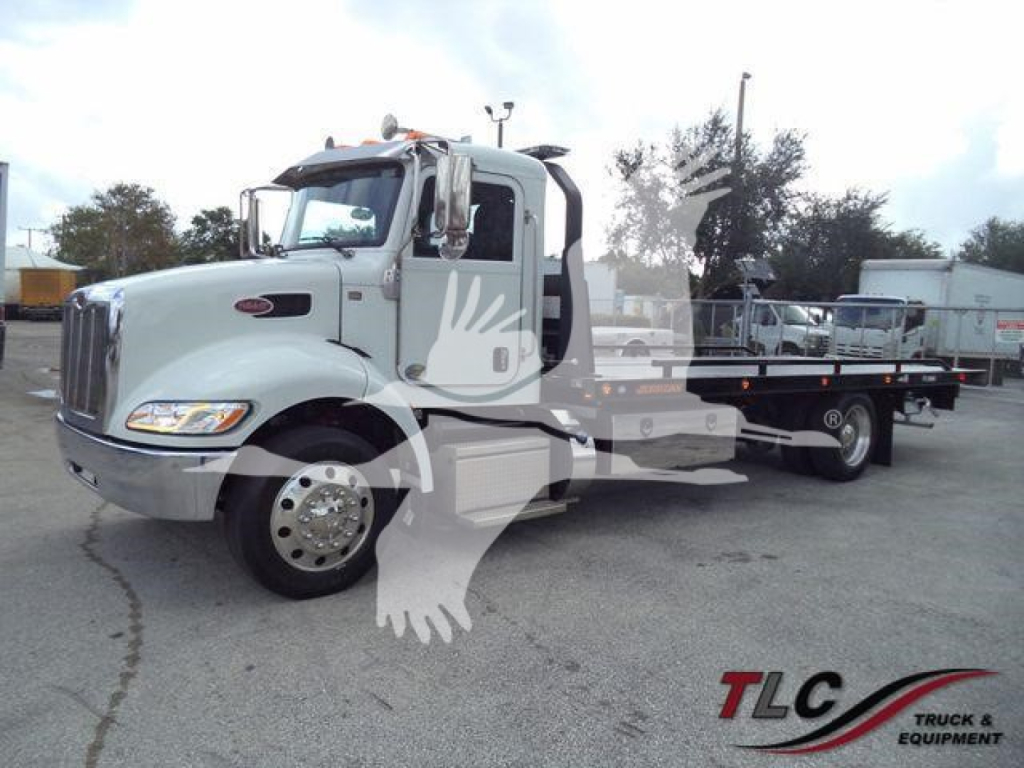
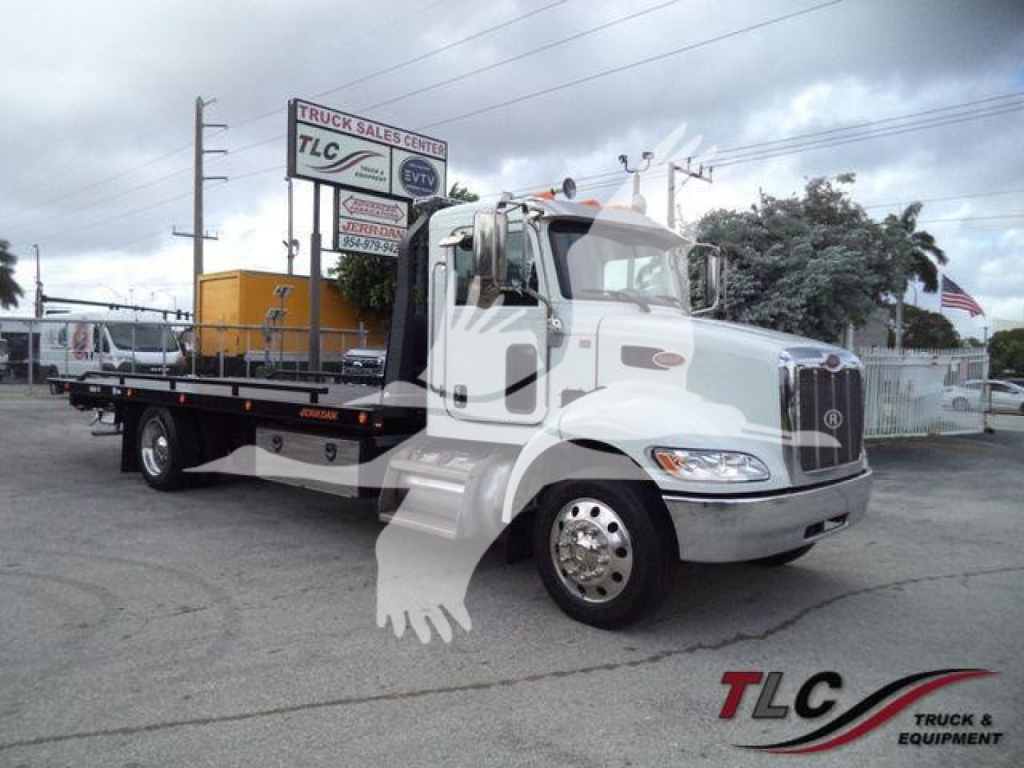
For 2019 rollback trucks, the most common deck sizes are around 20 to 22 feet long and 102 inches wide, with low-profile or extra-low-profile carrier bodies from manufacturers such as Jerr-Dan, Chevron, and Ledwell. A 6-ton carrier is common on light and medium-duty units, while heavier medium-duty configurations may push well beyond that. Typical equipment includes an 8,000-lb winch, a 3,500-lb to 4,000-lb hydraulic wheel lift, removable side rails, toolboxes, LED work lighting, and low-angle loading geometry for cars, pickups, SUVs, and light equipment. Buyers hauling lower-clearance vehicles should pay close attention to deck angle, tail design, and whether the body is an XLP or LCG-style carrier.
The chassis side matters just as much as the bed. A 2019 rollback may be spec'd with a diesel engine such as the Cummins ISB 6.7, paired with an Allison automatic transmission, air brakes or hydraulic brakes depending on class, and either spring or air ride suspension. For daily repo, dealer transfer, accident recovery, and general vehicle transport, a Class 5 or Class 6 rollback can be the right fit. If the truck will regularly tow with the wheel lift while carrying a vehicle on the deck, check front axle capacity, rear axle ratio, frame rating, and actual payload remaining after the body is installed. Air ride can improve loaded ride quality, while low-pro 22.5 tires and aluminum wheels are common on better-appointed medium-duty builds.
Condition and body history are especially important on a used 2019 rollback truck. Inspect the deck structure, pivot points, hydraulic cylinders, subframe rails, winch condition, wheel-lift pins, L-arms, and scuff-prone areas around the tail and side rails. Ask about PTO operation, corrosion at crossmembers, and whether the carrier body is original or a newer upfit on a 2019 chassis. A clean chassis with a later replacement bed can be attractive, but buyers should confirm wiring quality, hydraulic routing, and weight distribution. The best 2019 rollback truck for sale is usually the one matched to your route density, vehicle mix, storage needs, and licensing requirements, not just the one with the highest-rated carrier body.
Frequently Asked Questions about 2019 Rollback Trucks
What is the typical capacity of a 2019 rollback truck?
Many 2019 rollback trucks in the light and medium-duty market use 20- to 22-foot carrier bodies rated around 6 tons, with wheel lifts commonly rated from 3,500 lbs. to 4,000 lbs. Actual usable capacity depends on the chassis GVWR, axle ratings, fuel load, installed equipment, and whether the truck is carrying one vehicle while towing another. Buyers should verify payload from the actual door sticker and body tag rather than relying only on the carrier model rating.
What chassis are common for a 2019 rollback truck?
Common 2019 rollback truck chassis include the International DuraStar 4300, Kenworth T270, Hino 268, Ram 5500, and similar medium-duty platforms. Most are equipped with diesel engines in the 6.7L to 7.6L range and automatic transmissions, often Allison units on medium-duty trucks. The right chassis depends on your operating weight, maneuverability needs, brake preference, and whether the truck will be used primarily for urban calls or longer transport runs.
What should I inspect on a used 2019 rollback body?
Focus on the carrier structure and hydraulic system first. Check the deck for rust, cracked welds, damaged crossmembers, uneven wear, and repairs around the tail and pivot area. Inspect the tilt and slide cylinders for leaks, confirm smooth PTO engagement, and test the winch, wheel lift, and controls under load if possible. Toolboxes, rails, lighting, tie-down points, and scuff liners should also be checked because frequent loading work exposes these areas to heavy wear.
Is an aluminum or steel rollback bed better on a 2019 truck?
An aluminum rollback bed usually reduces weight and can improve available payload, which is helpful for operators who want to maximize legal carrying capacity on a medium-duty chassis. A steel bed is often favored for durability, repair simplicity, and lower replacement cost in hard-use towing environments. The better choice depends on the truck's duty cycle, local corrosion exposure, and whether payload or ruggedness is the higher priority.
Why do low-profile and extra-low-profile decks matter on rollback trucks?
Low-profile and extra-low-profile rollback decks improve loading angles and make it easier to handle lower-clearance vehicles without scraping bumpers, air dams, or rocker panels. That matters for sports cars, luxury sedans, lowered pickups, and damaged vehicles that cannot be driven onto a steeper deck. Buyers who do a lot of accident recovery or transport newer passenger vehicles should pay close attention to deck height, approach angle, and tail design.