
2019 Rollback Trucks For Sale in Florida
Shop 2019 rollback trucks for sale in Florida. Compare deck length, wheel-lift capacity, winch setup, GVWR, and chassis options for towing.
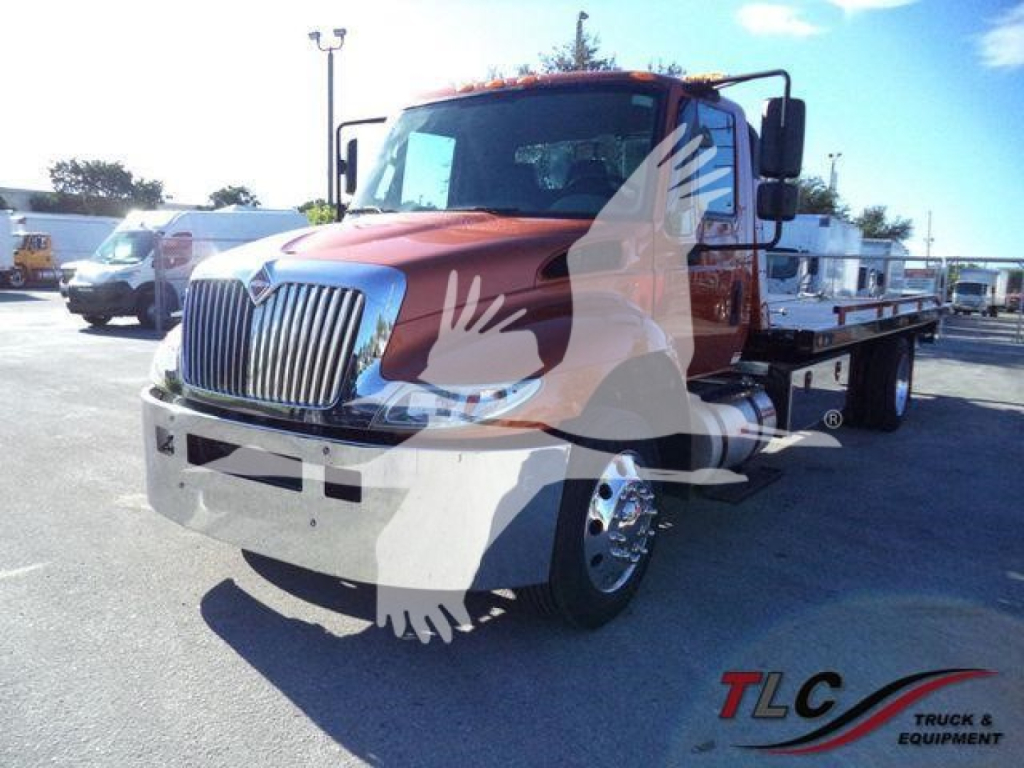
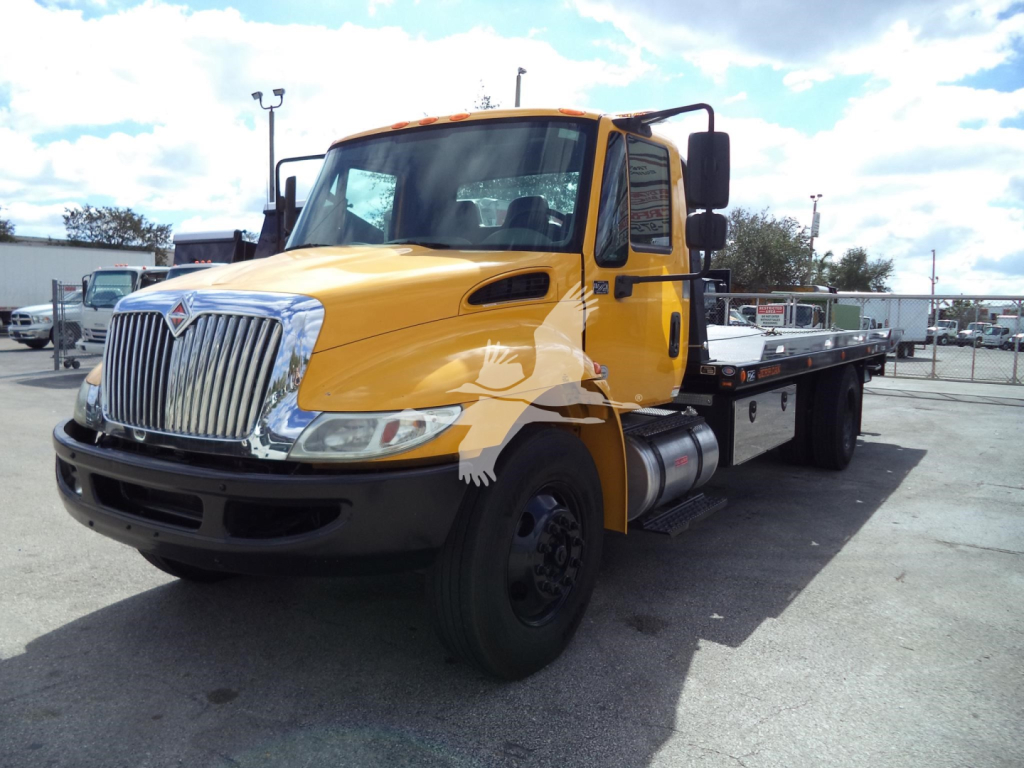
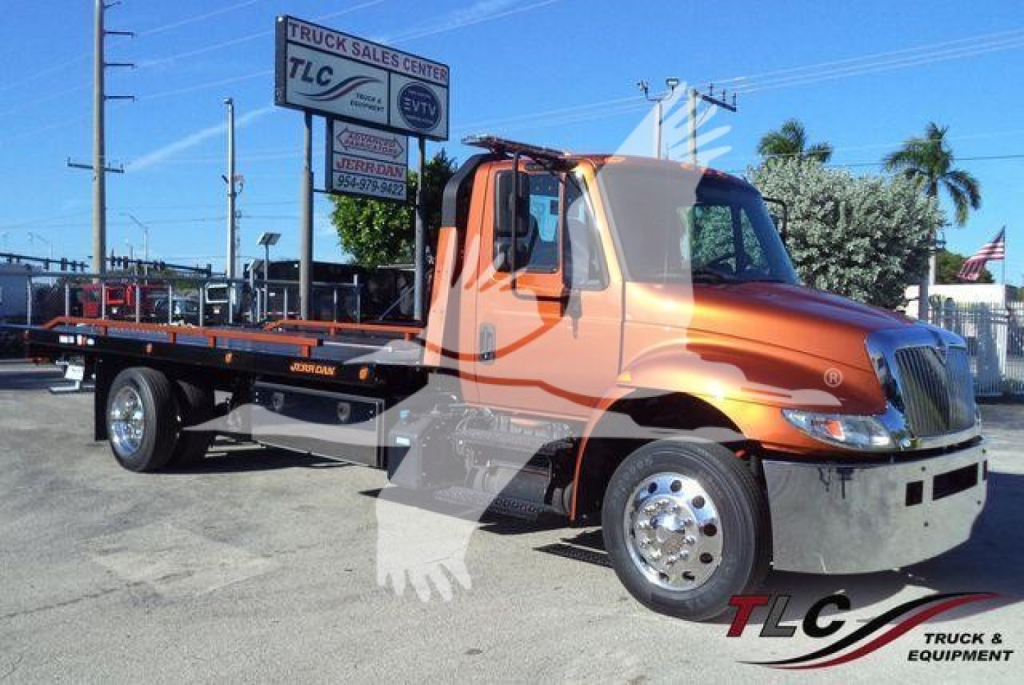
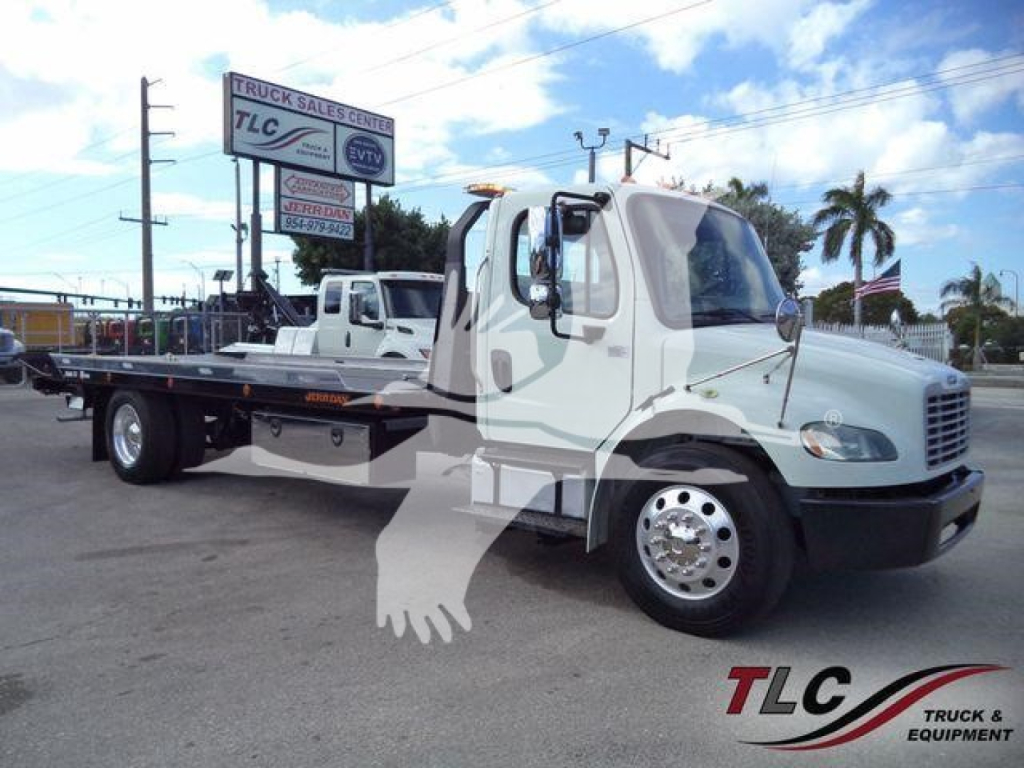
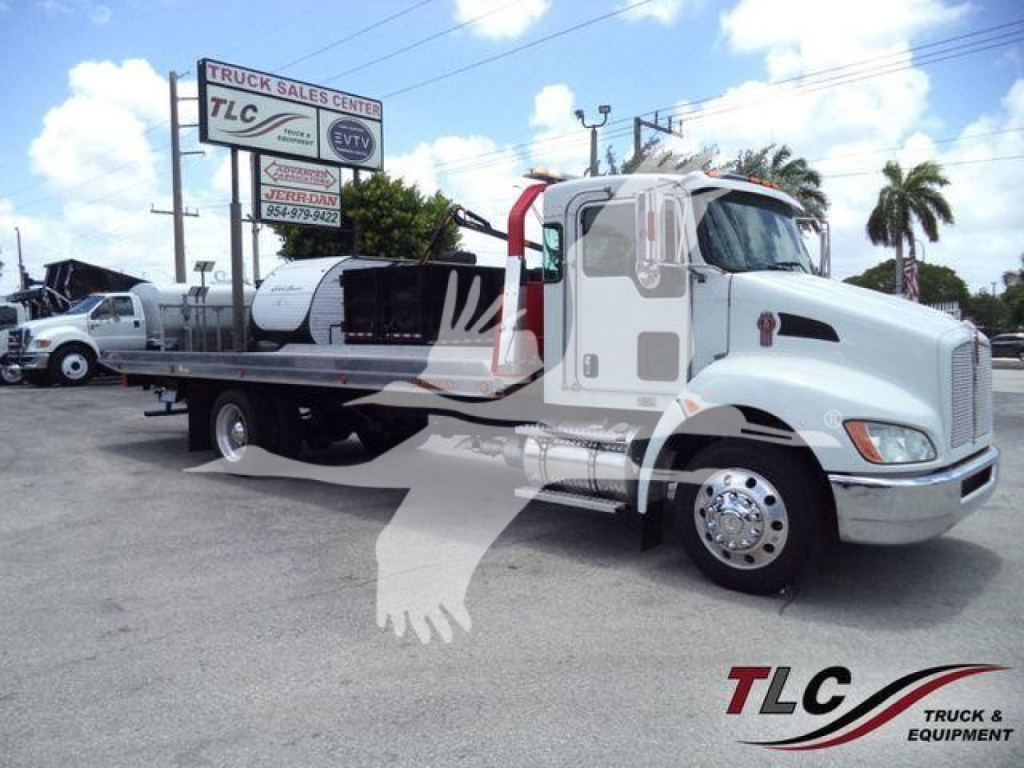
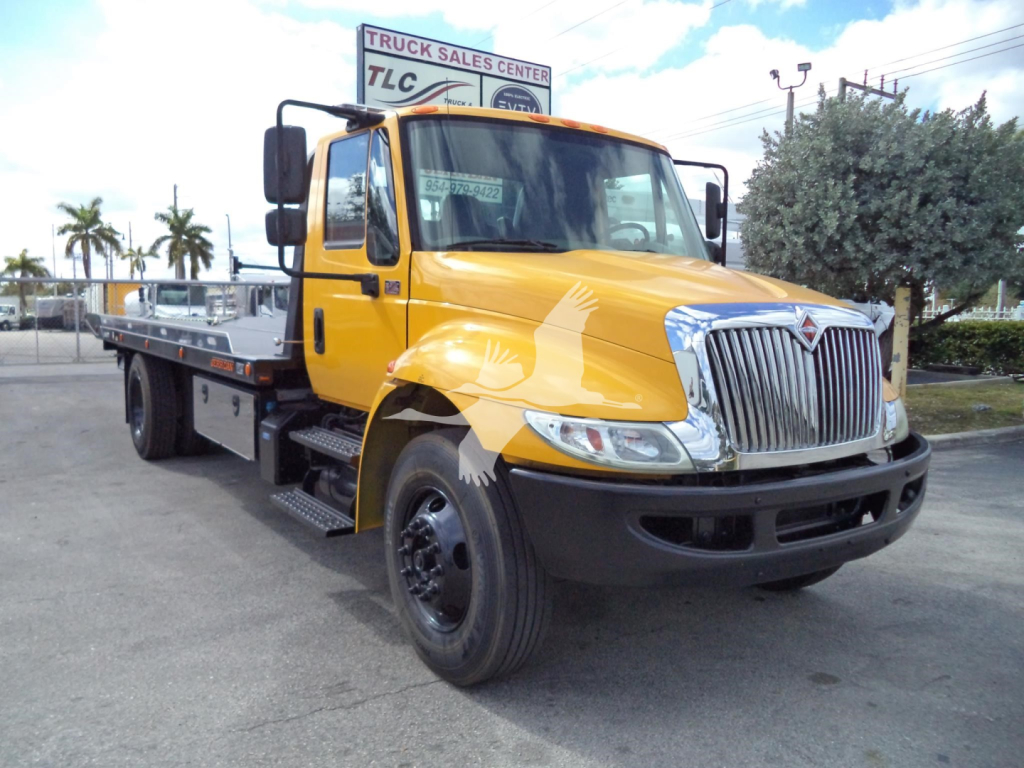
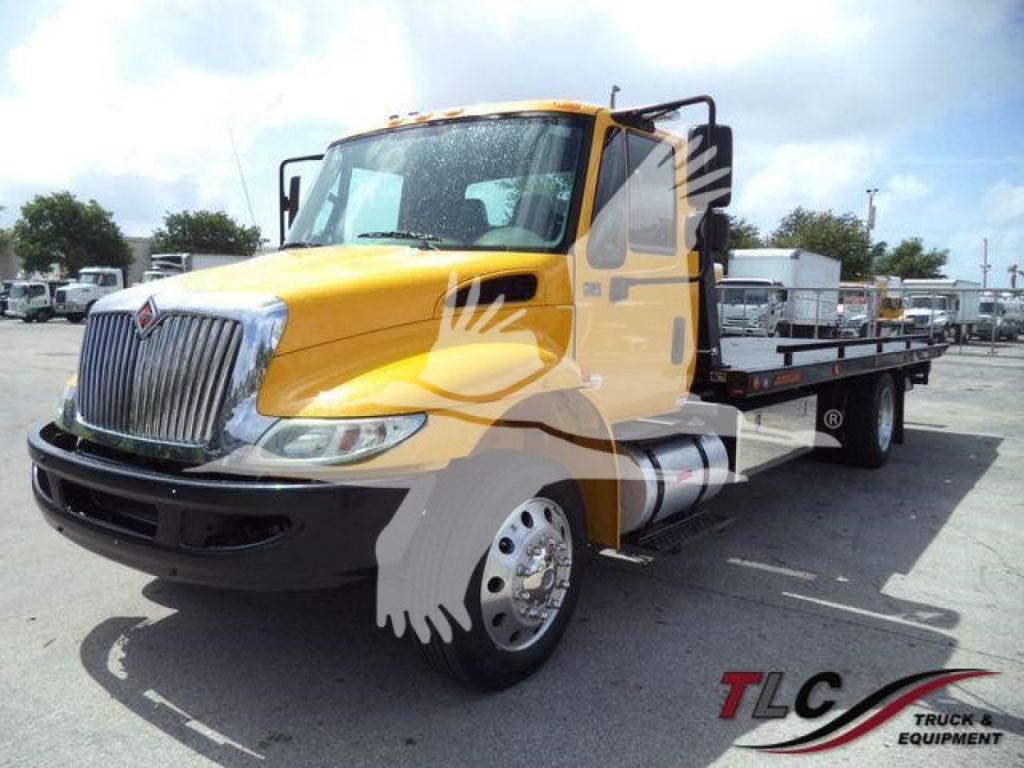
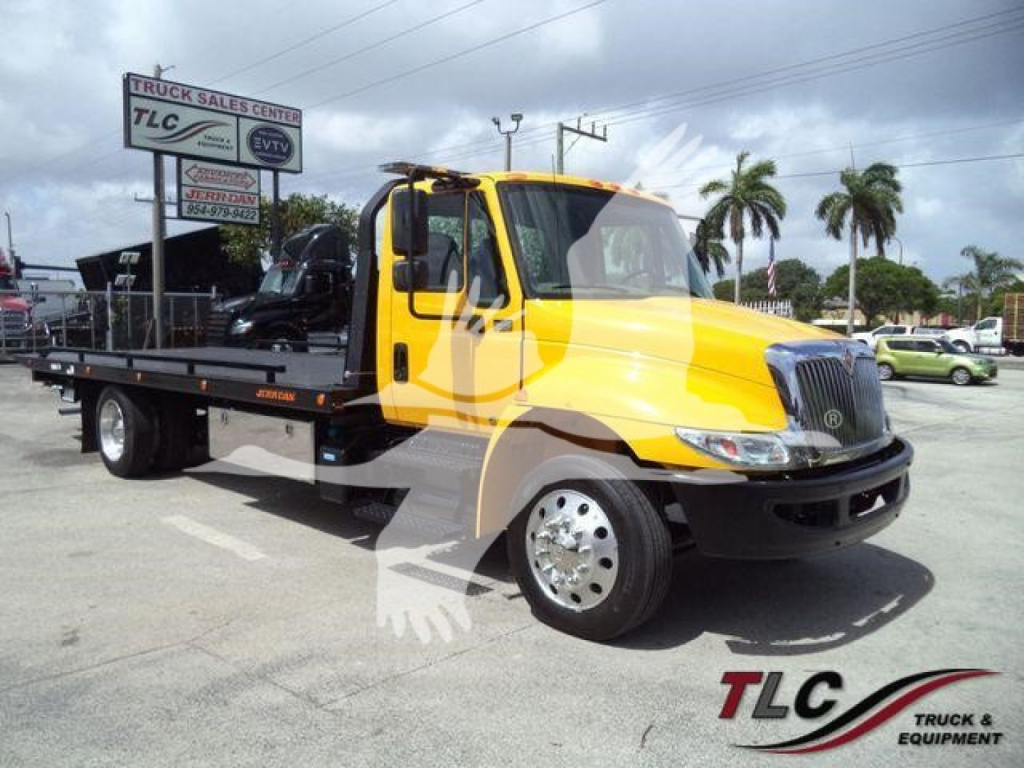
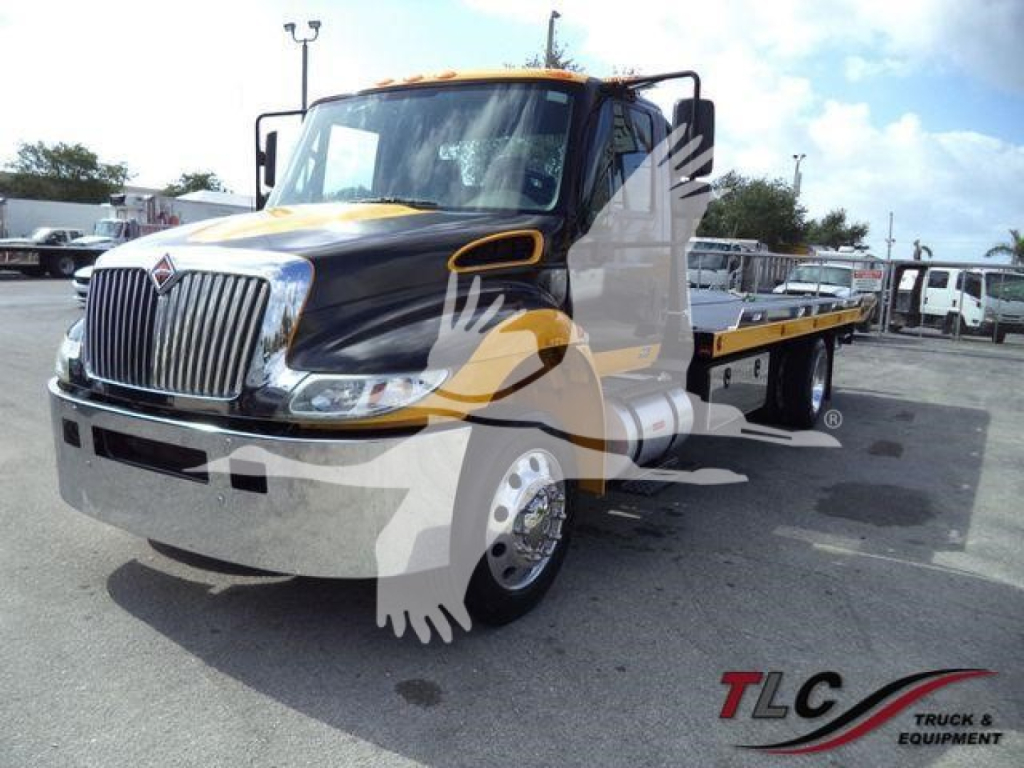
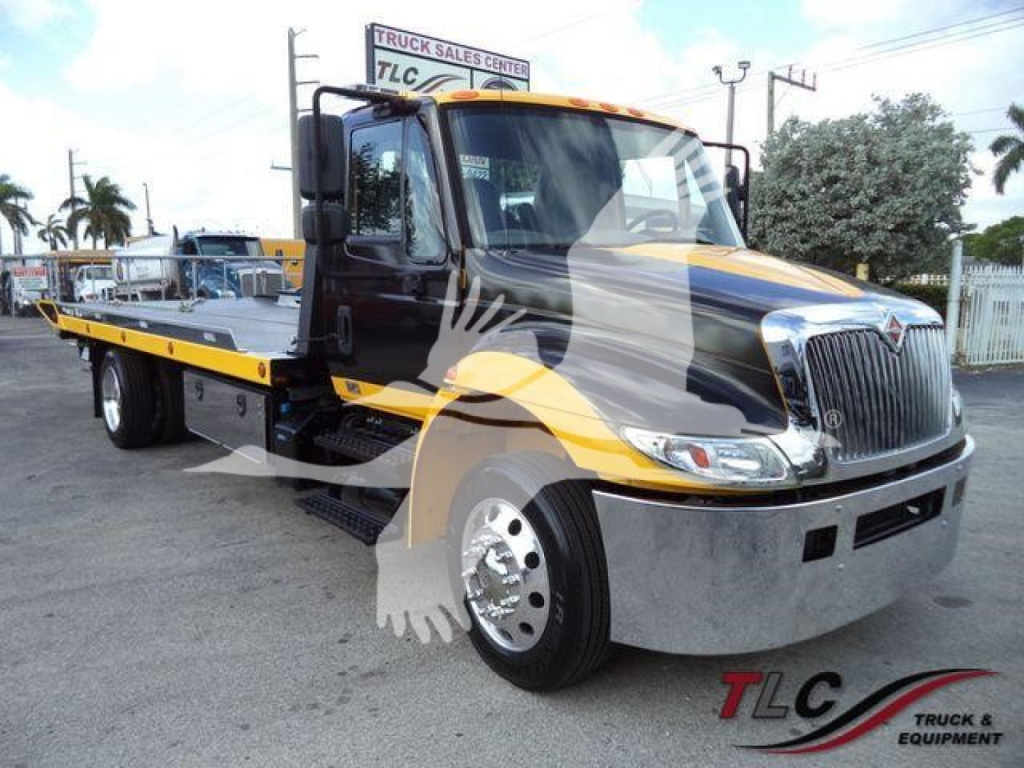
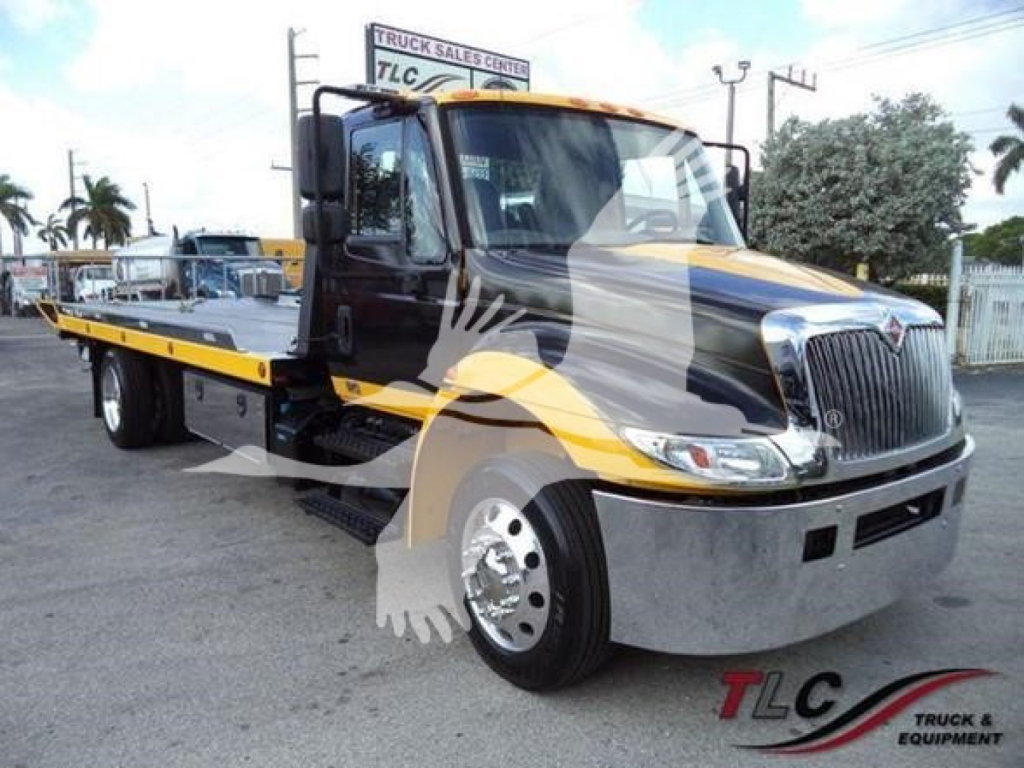
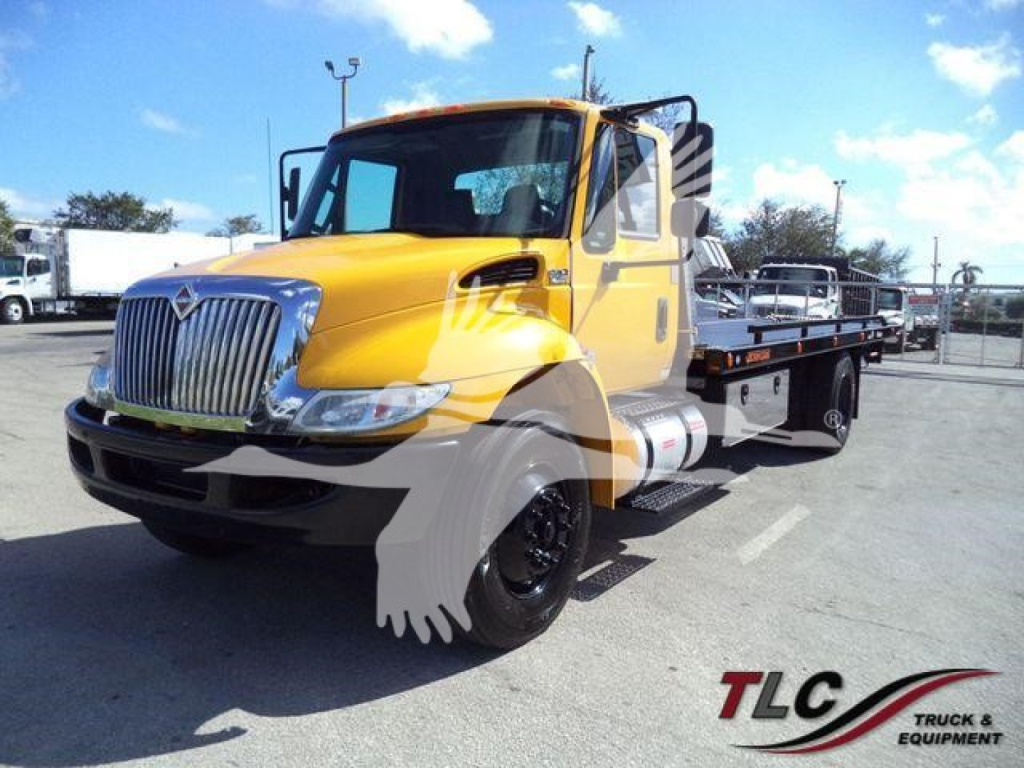
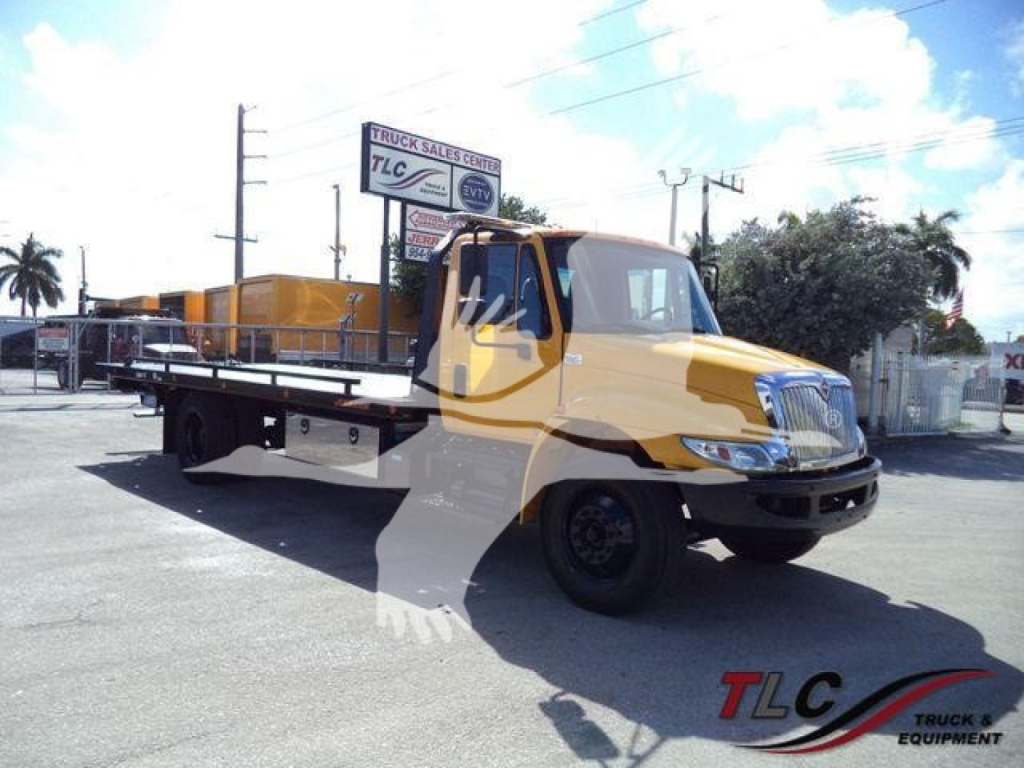
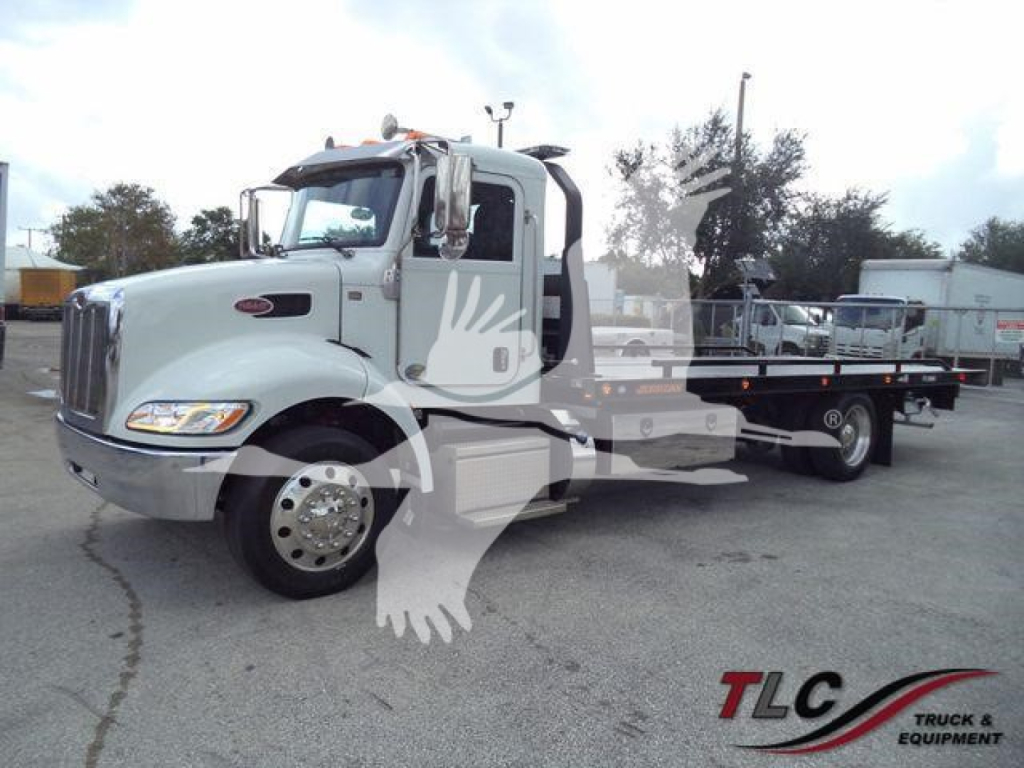
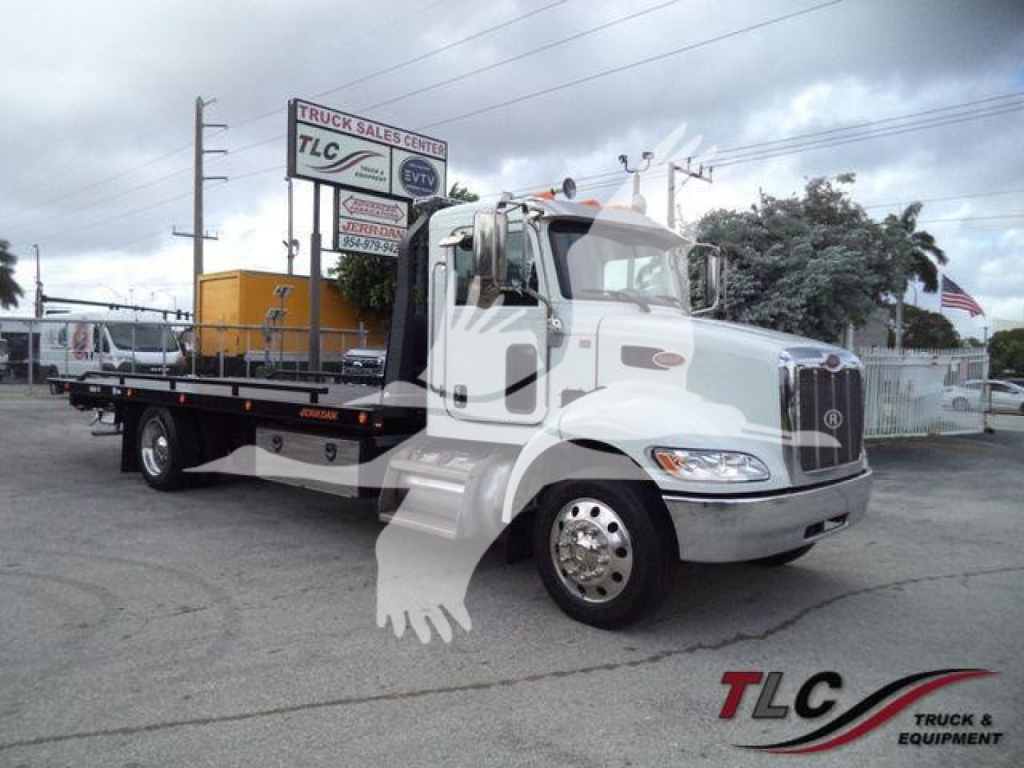
Selling a 2019 rollback truck? List your 2019 rollback truck for sale and reach thousands of commercial buyers.
2019 Rollback Trucks in Florida
The key buying decision is matching the body to the work. Most 2019 rollback trucks in the light and medium-duty market carry 19-foot to 21-foot decks, while larger units can stretch to 28 feet on a heavier chassis. Steel decks are common for durability and lower upfront cost. Aluminum decks cut weight and can help payload. Many buyers specifically look for XLP or extra low profile beds because the lower load angle helps with sports cars, lowered vehicles, forklifts, and machinery with limited ground clearance. A wheel-lift with L-arms adds versatility for towing a second vehicle or handling recoveries where bed loading alone is not ideal. Typical wheel-lift ratings in this segment are around 3,000 to 3,500 pounds, while winch ratings often range from 8,000 to 20,000 pounds depending on body size and chassis class.
Florida buyers should pay close attention to corrosion exposure, hydraulic condition, and cooling performance. Coastal use can accelerate rust on subframes, bed crossmembers, toolboxes, and electrical connections, even on trucks that still present well. Hydraulics should raise, slide, and lower the bed smoothly with no chatter, leaks, or drift under load. Transmission behavior matters too, especially on trucks that spend their lives in stop-and-go towing service. Diesel power remains popular for torque and longevity, but gas-powered rollback trucks can make sense for lower annual mileage or simpler maintenance. Automatic transmissions dominate this category, though some heavy-duty units may still be spec'd with manuals. In Florida service, strong A/C, clean wiring, working light bars, and a reliable backup camera system are more than convenience items.
A good 2019 rollback truck should be evaluated as a complete package, not just a cab and engine. Check GVWR, wheelbase, deck length and width, winch model, bed manufacturer, PTO operation, and the condition of tie-down points, scuff rails, and tool storage. Ask how the truck was used. A carrier dedicated to dealer transport lives a different life than one used for accident recovery or equipment hauling. Tire size, rear axle ratio, suspension type, and brake condition also affect how confidently the truck handles a loaded bed in city traffic and on Florida highways. For most buyers, the right rollback is the one that balances bed geometry, wheel-lift capability, chassis durability, and service history with the kind of vehicles or equipment being moved every day.
Frequently Asked Questions about 2019 Rollback Trucks in Florida
What is the typical deck size on a 2019 rollback truck?
Most 2019 rollback trucks in the light and medium-duty segment use 19-foot to 21-foot decks, usually 96 to 102 inches wide. Larger heavy-duty rollback trucks can have 24-foot to 28-foot beds for moving longer vehicles, multiple units, or heavier equipment. The right size depends on what you haul most often, how much overhang you can tolerate, and the chassis capacity underneath the body.
Is an XLP rollback bed worth it on a 2019 truck?
An XLP, or extra low profile, bed is a strong advantage if you regularly load low-clearance vehicles, specialty cars, forklifts, or compact equipment. The lower load angle reduces the chance of scraping bumpers, valances, or undercarriage components during loading. If the truck's work is mostly standard passenger vehicles and light pickups, a conventional bed may be adequate, but XLP beds are generally more versatile in daily towing service.
How important is the wheel-lift on a rollback truck?
A hydraulic wheel-lift makes a rollback truck more flexible because it can recover vehicles that are difficult to winch onto the deck and can also allow towing an additional unit in some situations. On many 2019 carriers, wheel-lifts are rated around 3,000 to 3,500 pounds. Buyers should verify both the rating and the condition of the L-arms, pivot points, hydraulic cylinders, and controls, because a worn wheel-lift can limit the truck's usefulness even if the bed itself is in good shape.
What should I inspect first on a used 2019 rollback truck in Florida?
Start with corrosion, hydraulics, and electrical systems. Florida humidity and coastal salt exposure can affect bed structure, subframes, toolbox doors, harnesses, and lighting connections. Run the bed through its full cycle, inspect for hydraulic leaks, confirm the PTO engages properly, and test the winch under load if possible. Then review the chassis side of the truck, including engine service records, transmission behavior, brake wear, tire condition, steering play, and suspension performance.
What chassis features matter most when buying a 2019 rollback truck?
GVWR, wheelbase, rear axle ratio, engine output, transmission type, and suspension are the main chassis variables. A shorter wheelbase can improve maneuverability in tight urban towing, while a longer wheelbase may better support a longer bed and smoother load distribution. Diesel engines are common for torque and heavy-use duty cycles, while gas engines can be attractive for lower-cost operation in lighter service. The best chassis is the one properly matched to the bed, the expected payload, and the route profile the truck will run every day.