
2020 Rollback Trucks For Sale
Shop 2020 rollback trucks for towing and vehicle transport. Compare deck length, winch, wheel-lift, GVWR, chassis, and bed material.
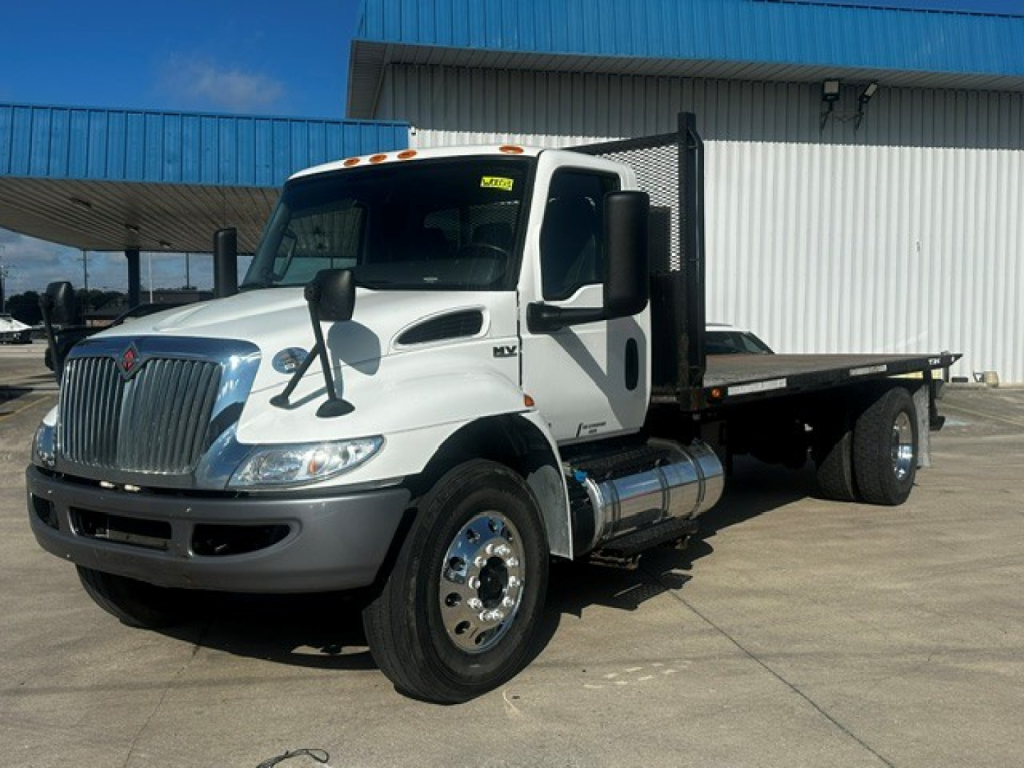
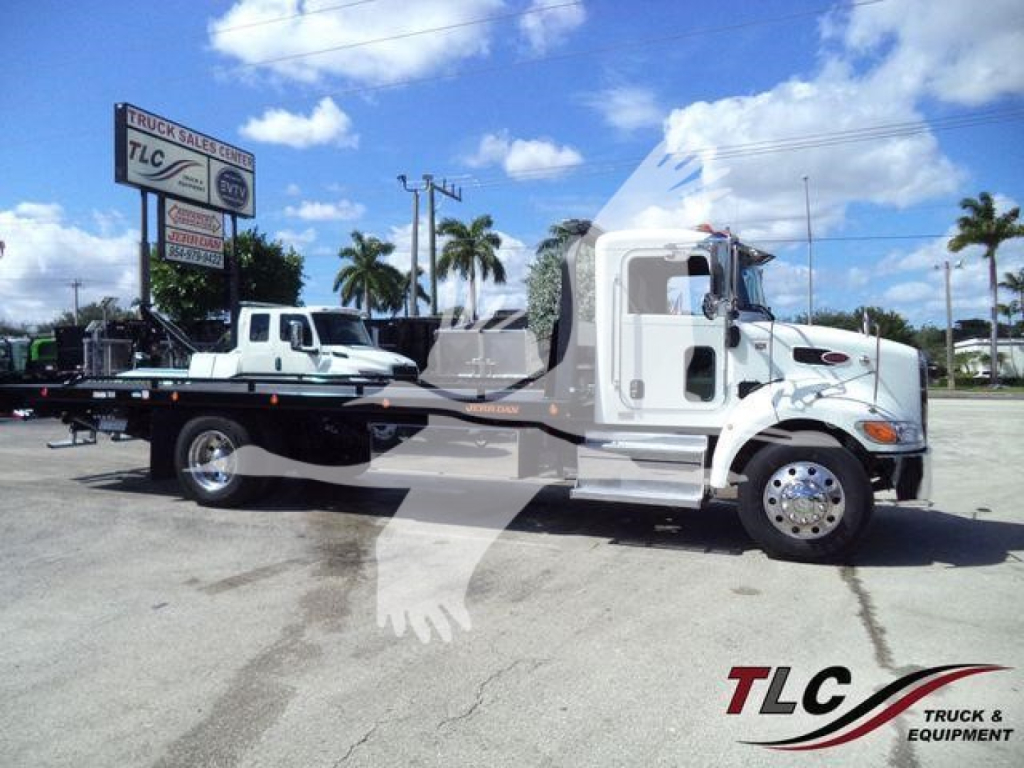
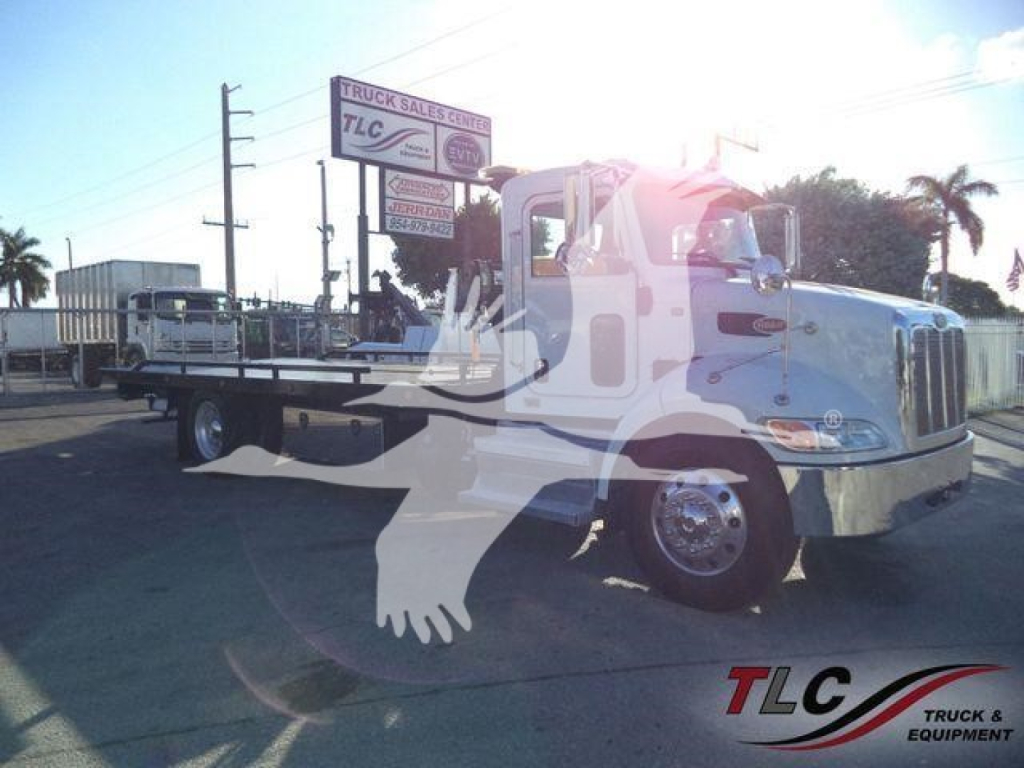
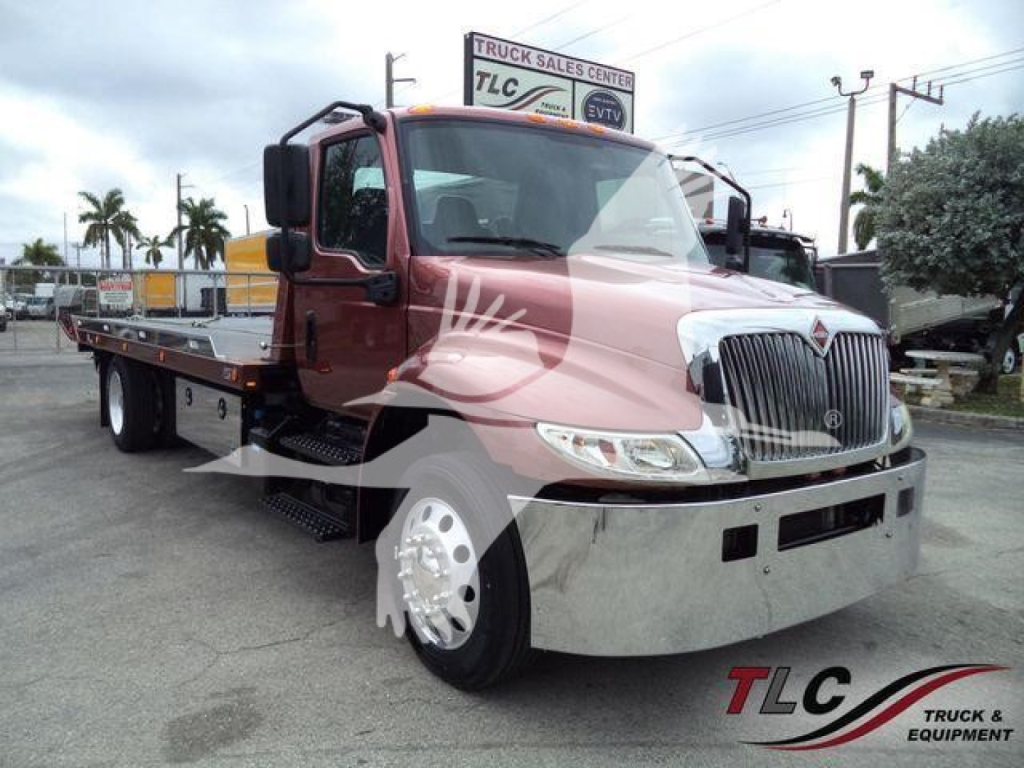
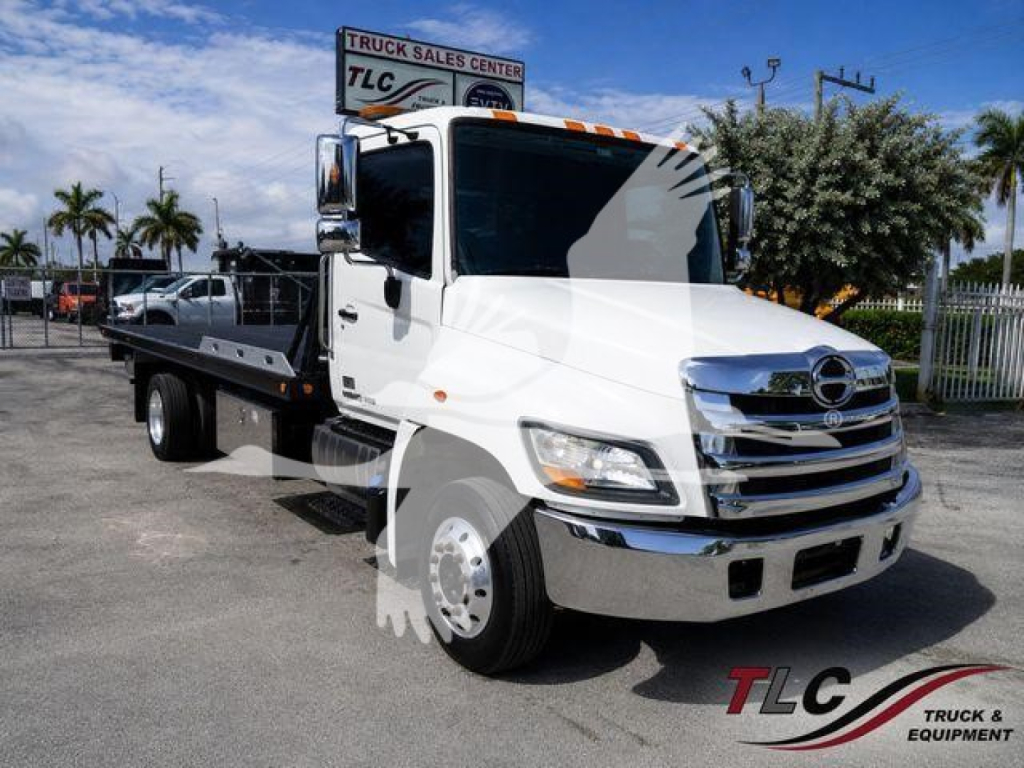
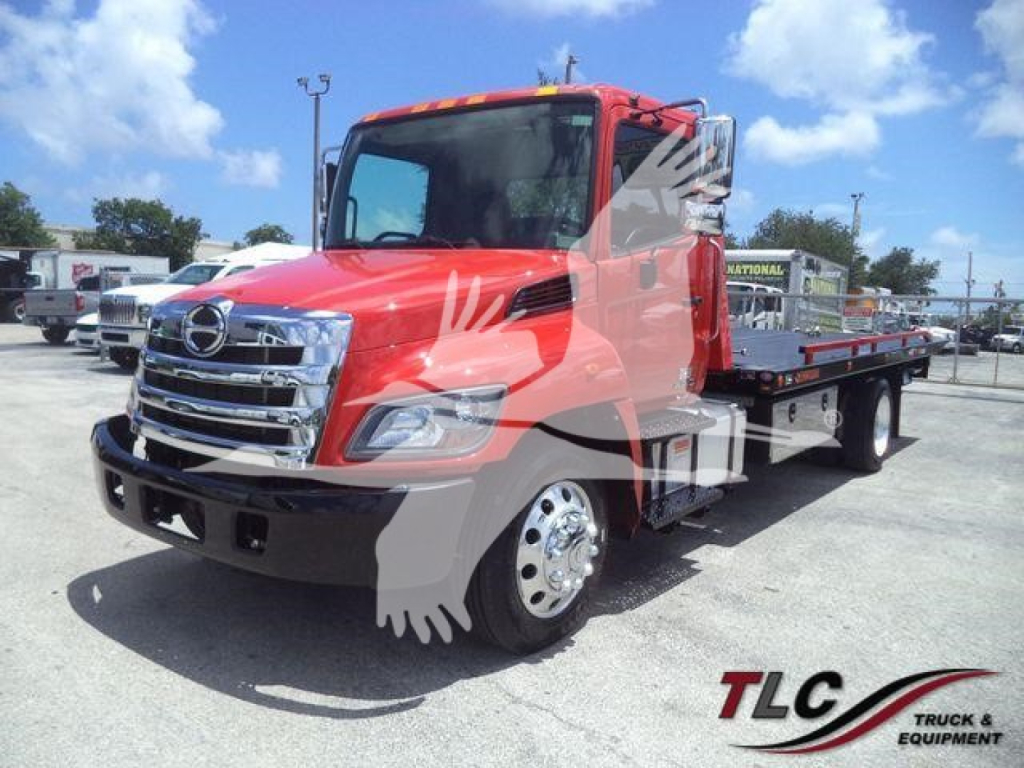
2020 Hino 268A
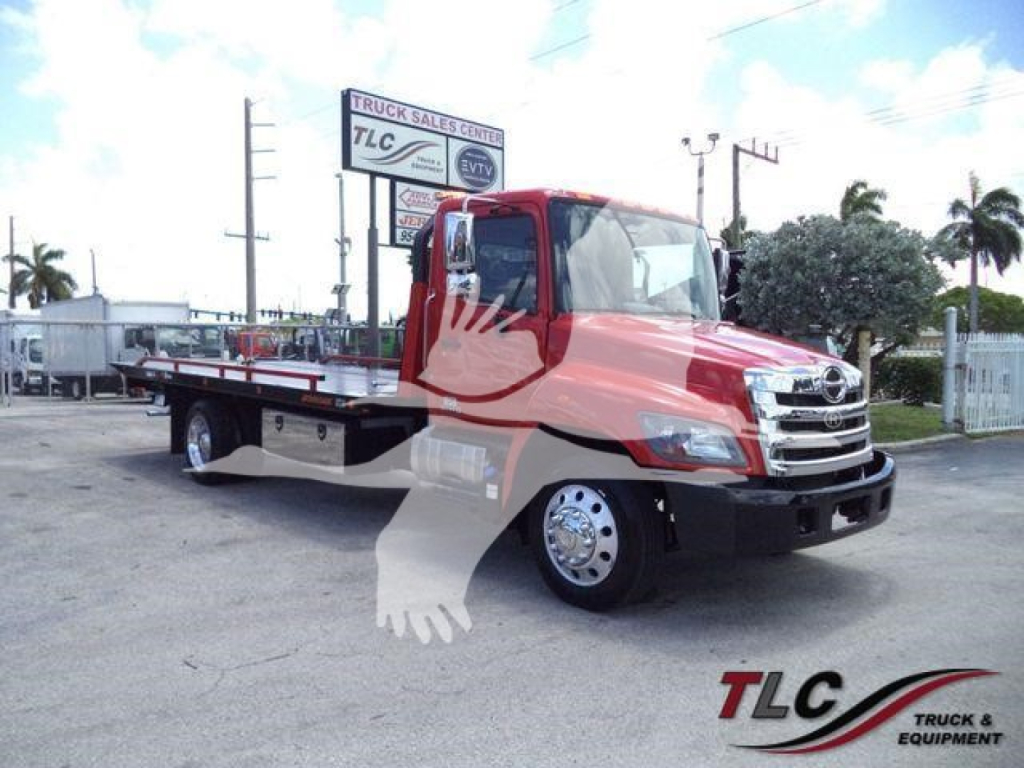
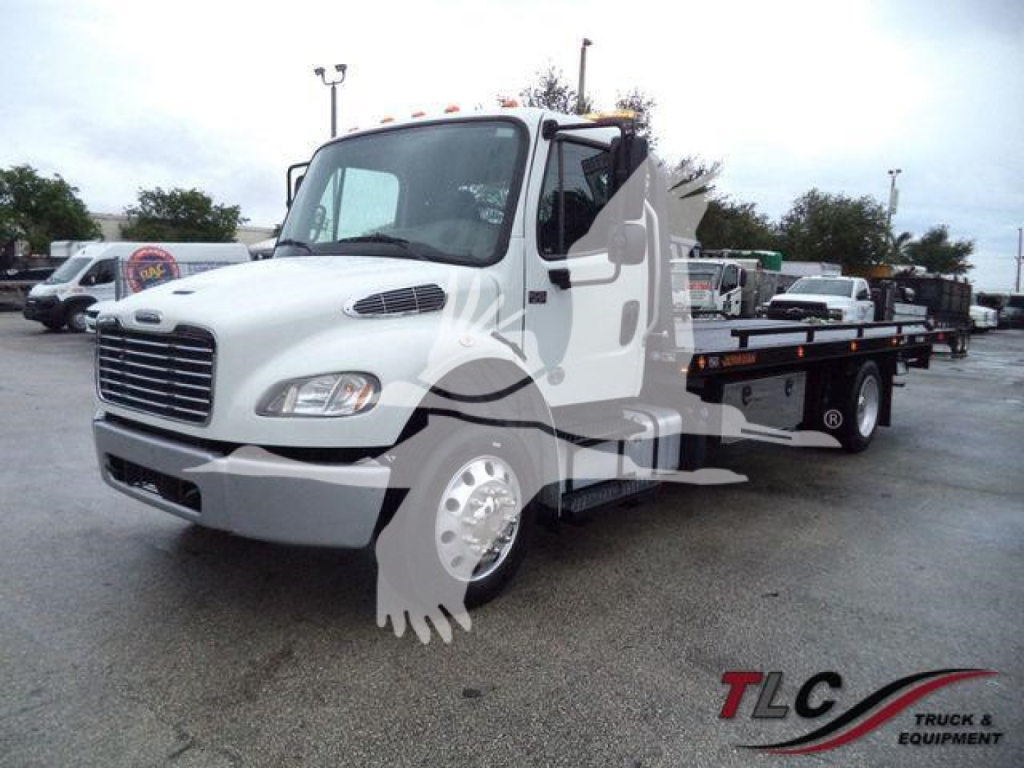
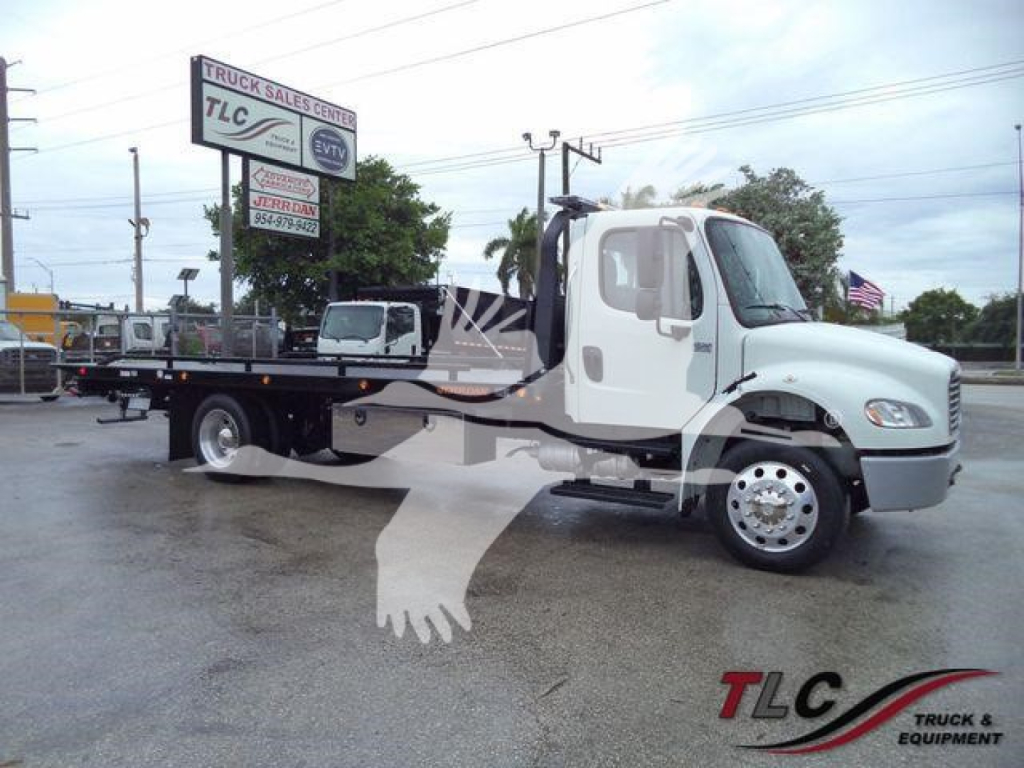
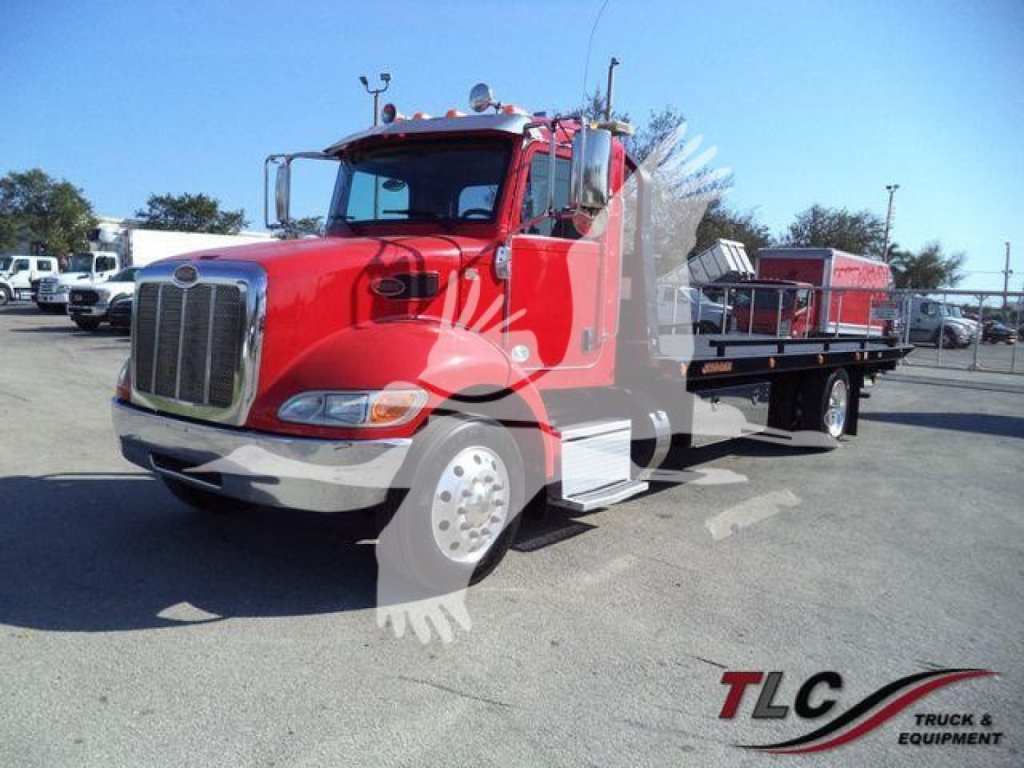
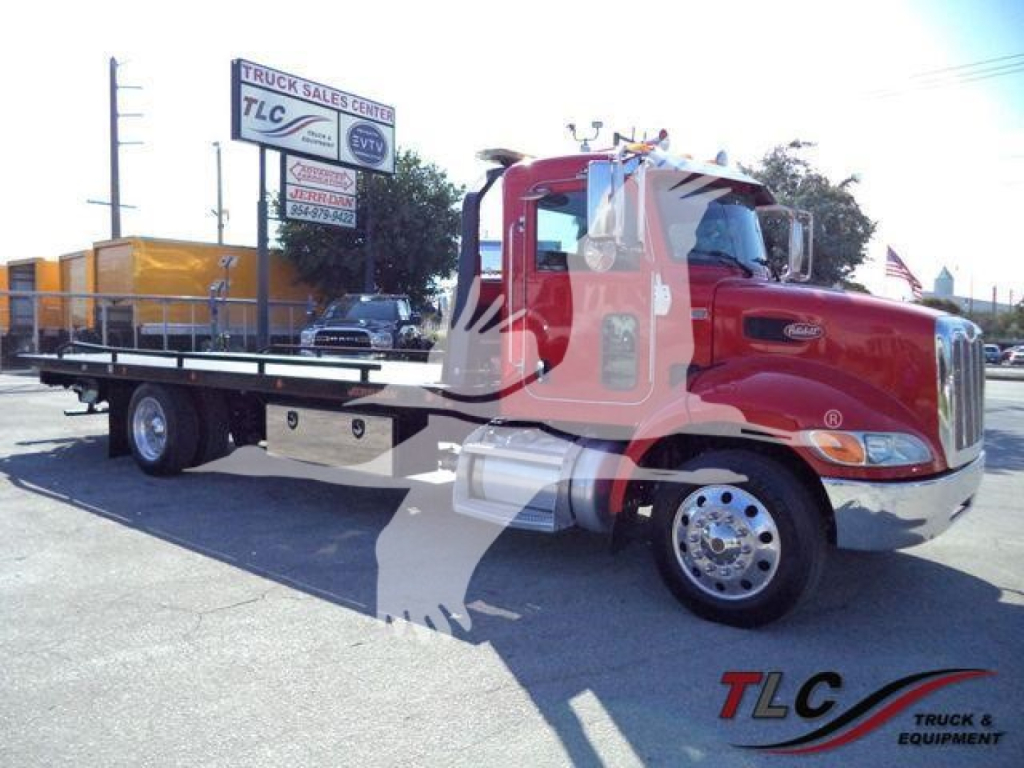
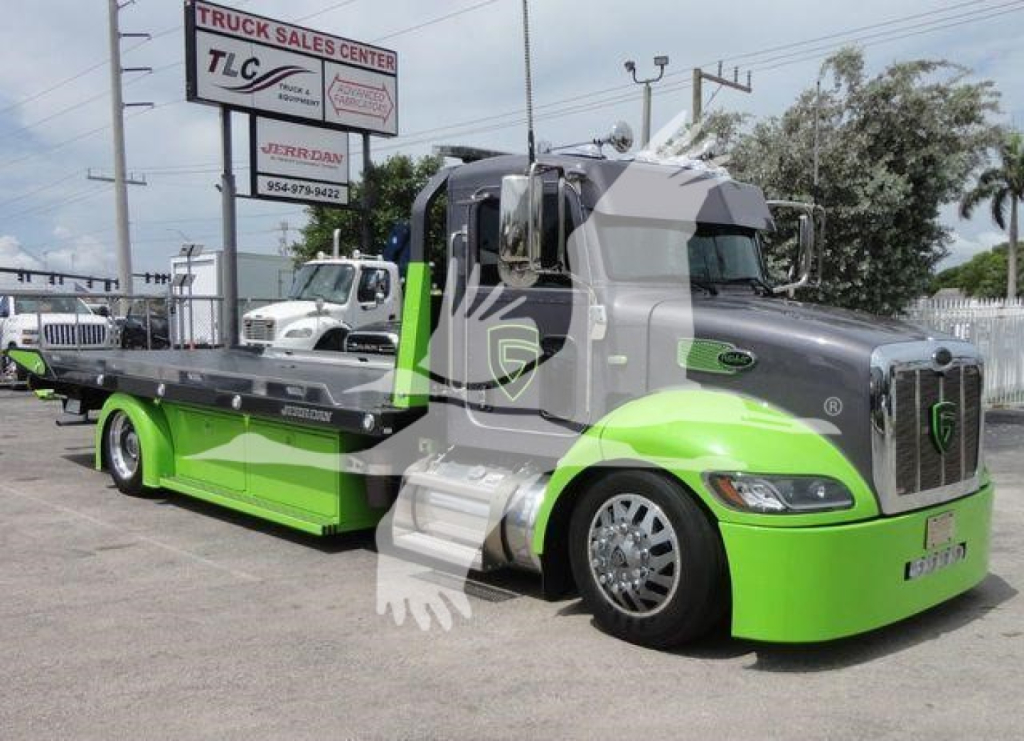
Selling a 2020 rollback truck? List your 2020 rollback truck for sale and reach thousands of commercial buyers.
2020 Rollback Trucks
The key buying decision is matching bed design and chassis spec to the jobs you actually run. A low-profile or XLP-style deck helps with reduced approach angle for low-clearance cars, longer wheelbase vehicles, and specialty transport. Common upfits include 6-ton beds, 8,000-pound winches, 3,500-pound hydraulic wheel-lifts with L-arms, removable rails, toolboxes, work lights, and wireless remote controls. Steel decks usually cost less and hold up well in hard daily use, while aluminum beds cut weight and can improve payload. If the truck will spend most of its time in city towing, pay close attention to wheelbase, turning radius, and cab visibility. If it will haul commercial vehicles or small equipment, look harder at deck length, winch rating, axle capacity, and rear suspension.
On 2020 rollback trucks, drivetrain and brake spec matter as much as the carrier body. You will commonly see diesel engines from Cummins or Duramax paired with Allison automatic transmissions, with either hydraulic or air brakes depending on GVWR and chassis class. Air ride suspension can improve loaded stability and ride quality, while locking differentials help in wet lots, gravel, and recovery situations. Buyers should also verify PTO operation, bed cycle speed, hydraulic condition, wheel-lift wear, crossmember integrity, and any cracking around the headboard or rear pivot area. For tow operators, lighting packages, tie-down storage, chain racks, and bed controls are not cosmetic details. They directly affect safety, setup time, and how efficiently the truck works on every call.
A well-matched 2020 rollback can serve owner-operators, municipal fleets, auctions, rental yards, and repossession work. The best unit is usually not the one with the most chrome or accessories, but the one with the right payload balance, clean hydraulics, proper kingpin-free chassis geometry, and a carrier body that fits your traffic mix. Compare deck construction, axle ratings, wheel-lift setup, and service history closely. In this category, uptime comes from simple things done right: dependable hydraulics, strong bed structure, correct tire capacity, and a chassis spec that is not overloaded for the work.
Frequently Asked Questions about 2020 Rollback Trucks
What is the typical bed size on a 2020 rollback truck?
Most 2020 rollback trucks in the medium-duty market use beds that are 20 to 22 feet long and about 102 inches wide. That size works well for standard passenger vehicles, pickups, vans, and light equipment. Low-profile and extra-low-profile decks are common because they improve loading angle and reduce the chance of bumper or underbody contact on low-clearance vehicles.
Is a steel or aluminum rollback bed better?
Steel beds are generally less expensive and are a strong choice for hard-use towing, commercial recovery, and operations where cosmetic wear is not a concern. Aluminum beds reduce body weight, which can improve legal payload and sometimes fuel economy. The better choice depends on your average load, corrosion exposure, and how closely you manage total truck weight.
What should I inspect on a used 2020 rollback truck?
Focus on the hydraulic system, winch operation, bed slide and tilt function, wheel-lift condition, frame condition, and signs of structural fatigue around pivots, headboard mounts, and crossmembers. Check tire date codes and load ratings, verify PTO engagement, and inspect toolboxes, lighting, tie-down points, and remote controls. On the chassis side, review engine hours, transmission service history, brake type, suspension condition, and axle ratings to confirm the truck has been spec'd correctly for its work.
What capacity rollback truck is best for car hauling and light towing?
A 6-ton carrier on a Class 6 or light Class 7 chassis is a common fit for general vehicle transport and day-to-day towing. Many of these trucks also include an 8,000-pound winch and a 3,500-pound wheel-lift, which gives them good flexibility for disabled vehicles and short tows. If you regularly haul heavier pickups, work vans, or compact equipment, pay close attention to actual payload, deck rating, and rear axle capacity rather than relying only on the advertised bed class.
Are air brakes necessary on a rollback truck?
Air brakes are common on 26,000-pound GVWR rollback trucks and are often preferred in fleet or commercial towing service because they offer durability and are familiar to many drivers and technicians. Hydraulic brakes are still found on lighter configurations and can be appropriate for lower-GVWR applications. The right choice depends on chassis class, operating environment, service requirements, and driver qualification needs.