
2020 Rollback Trucks For Sale in Florida
Shop 2020 rollback trucks in Florida. Compare 20 to 22 ft carriers, 6-ton decks, wheel lifts, winches, chassis specs, and towing features.
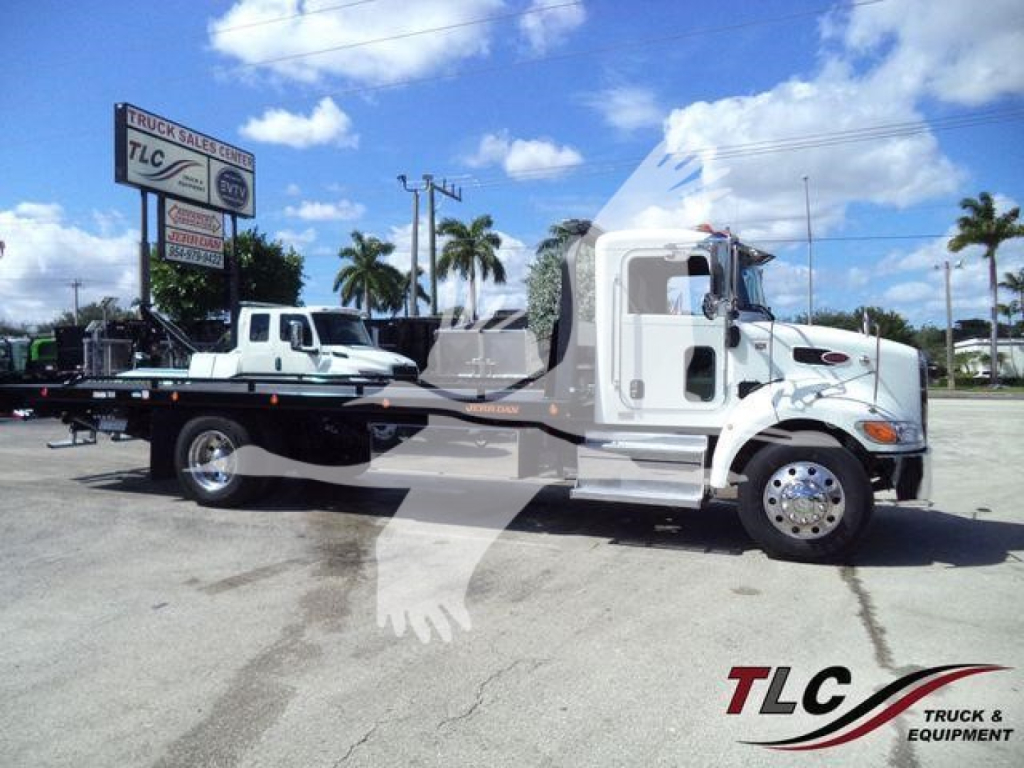
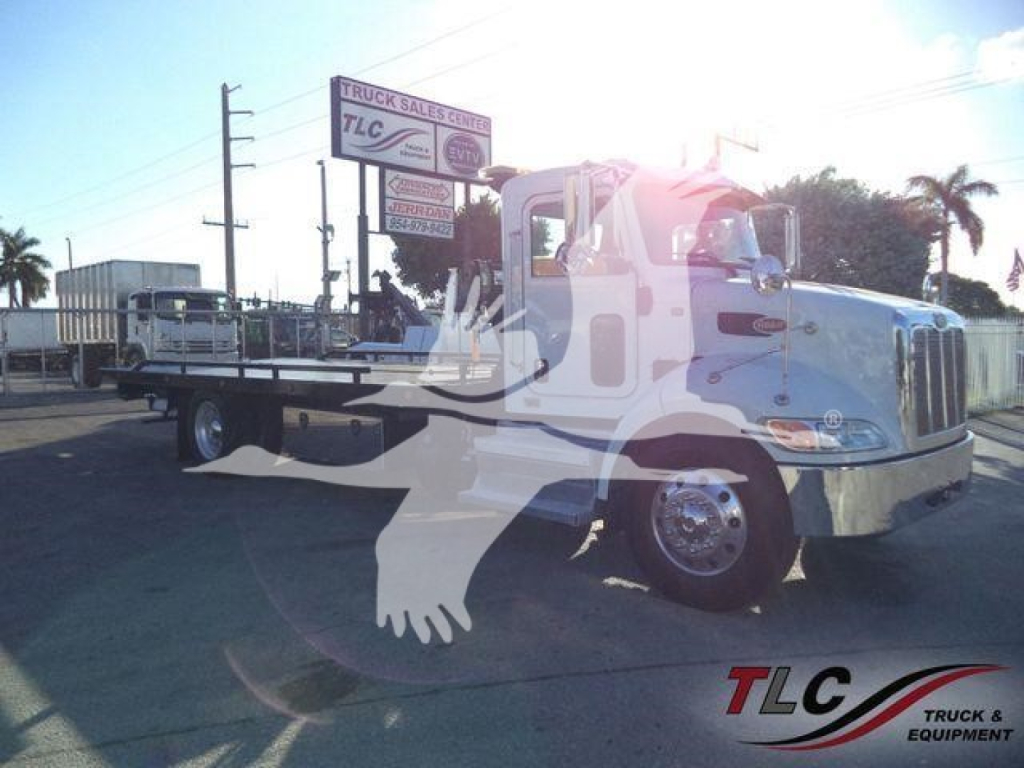
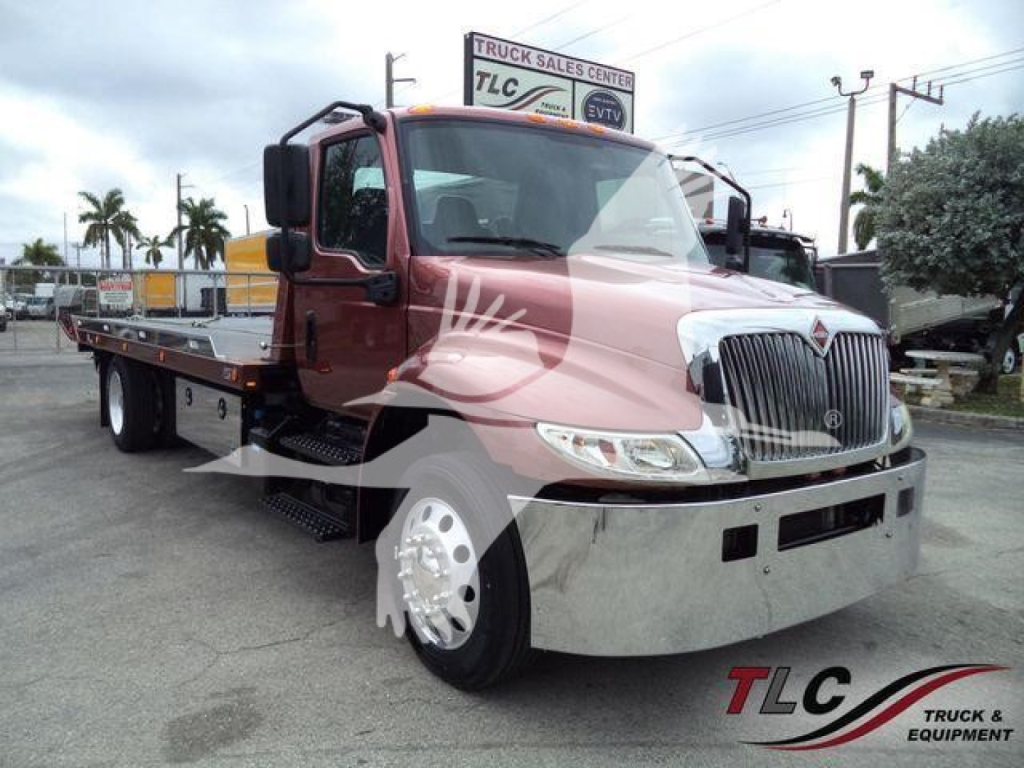
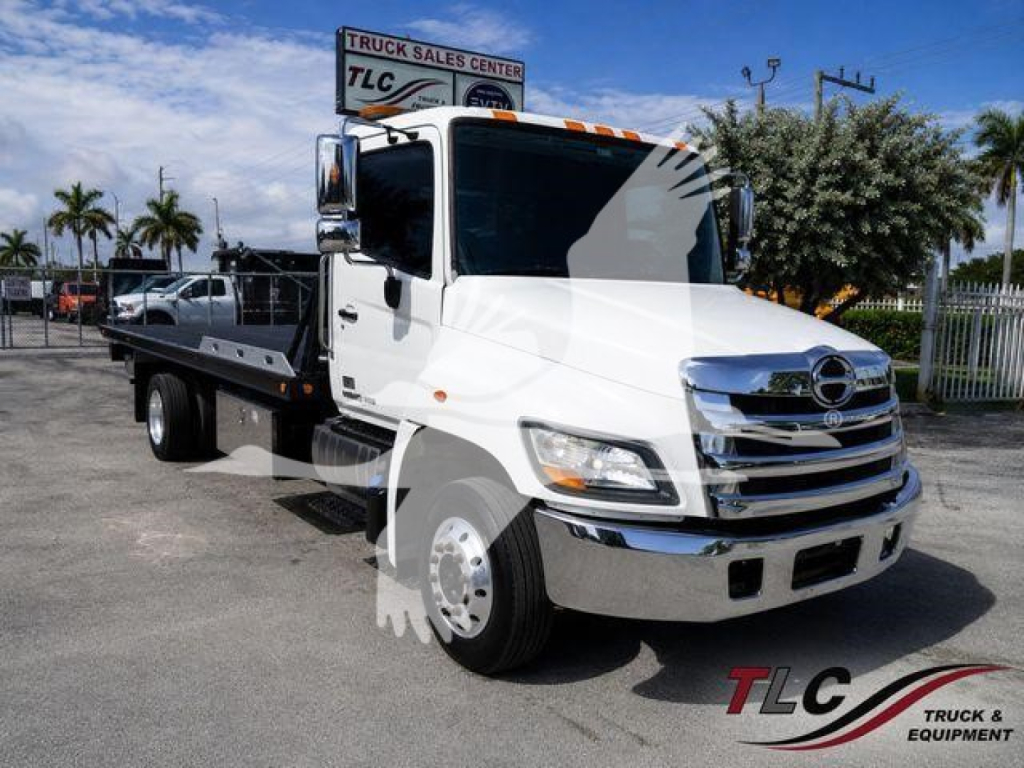
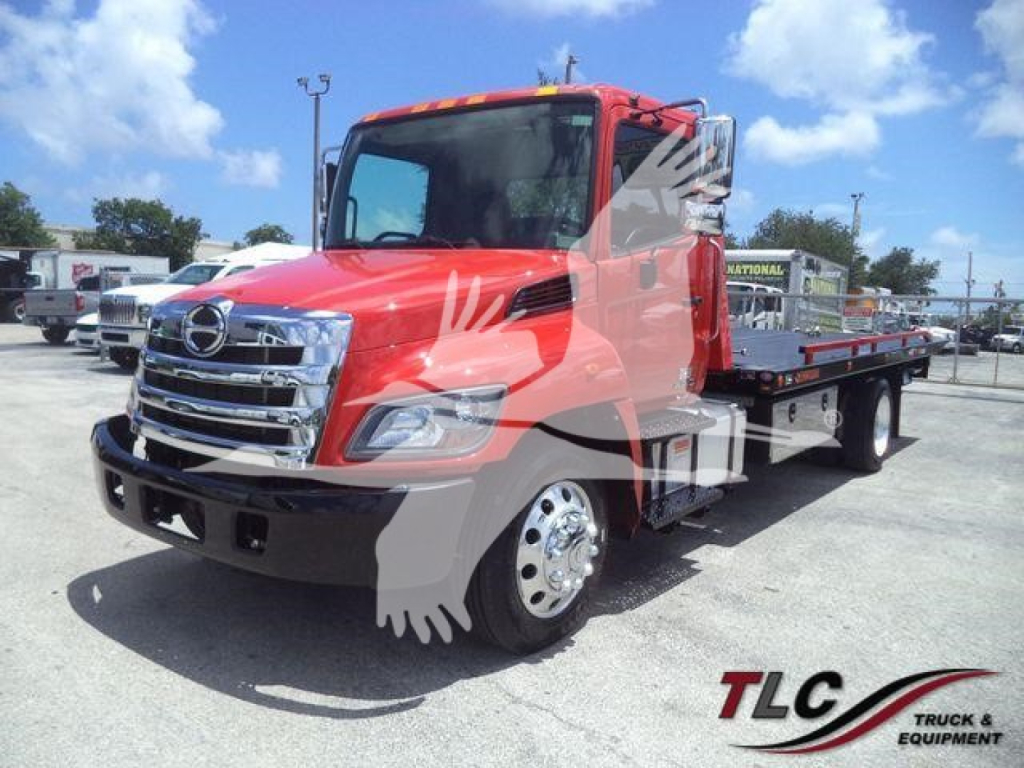
2020 Hino 268A
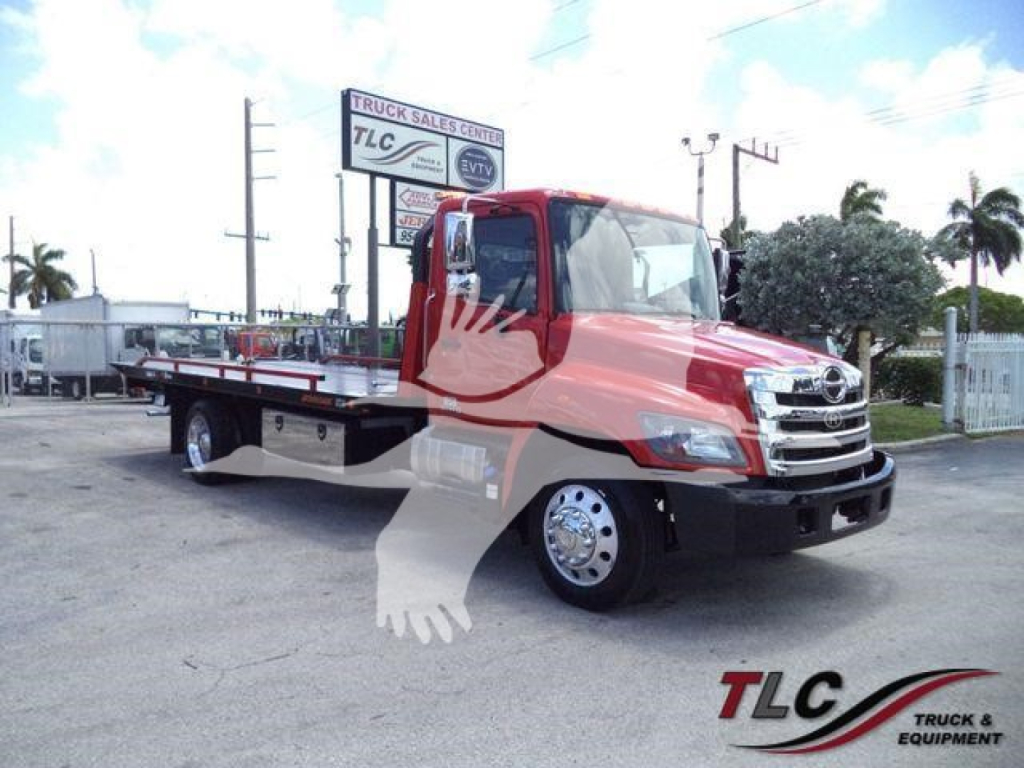
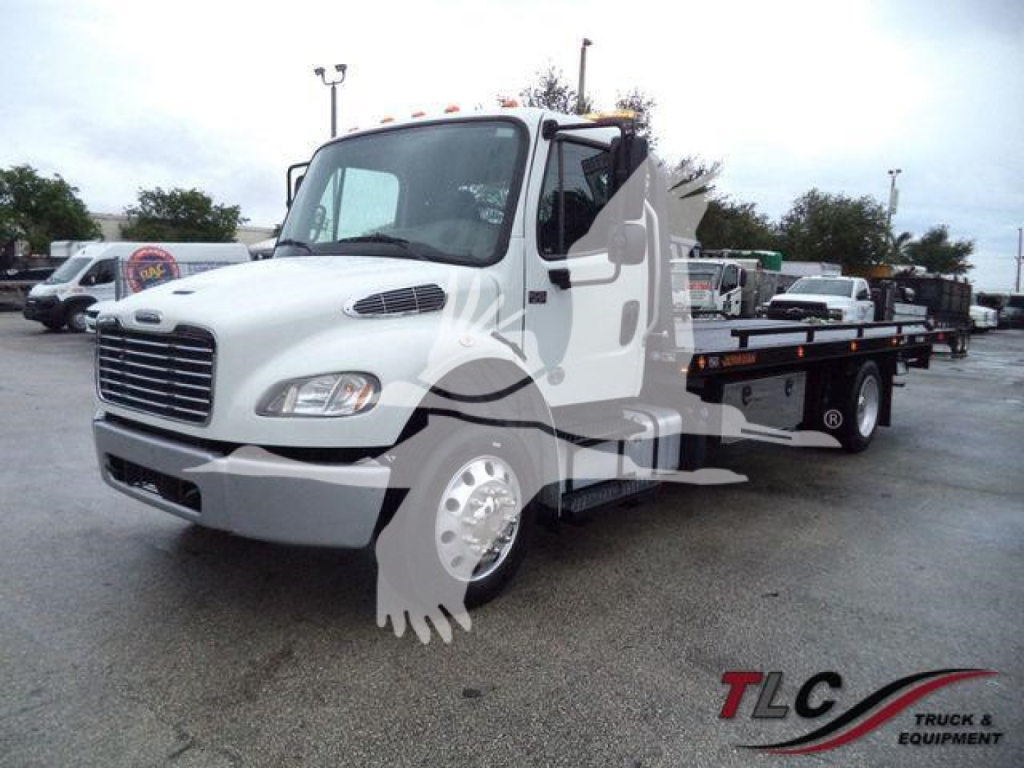
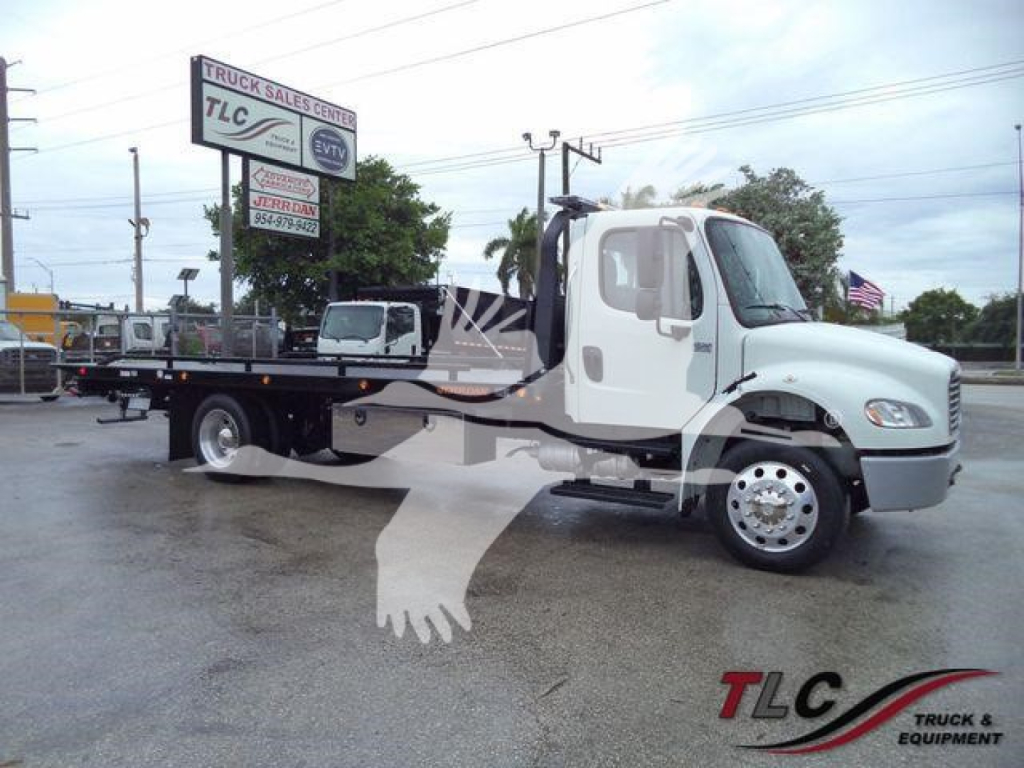
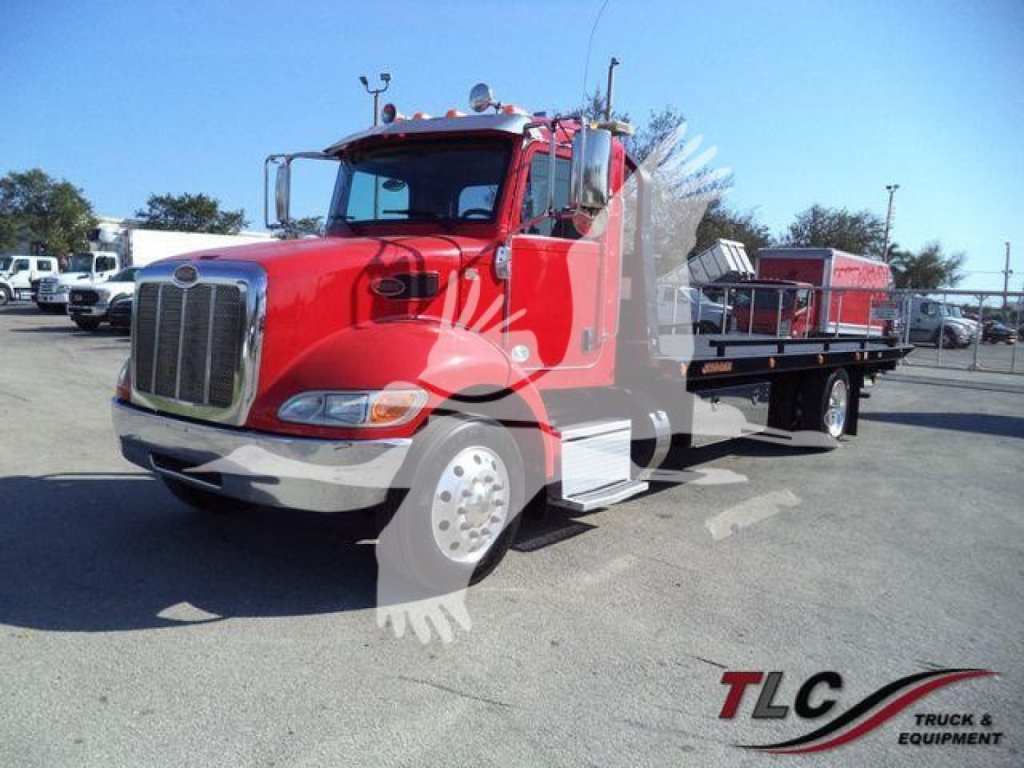
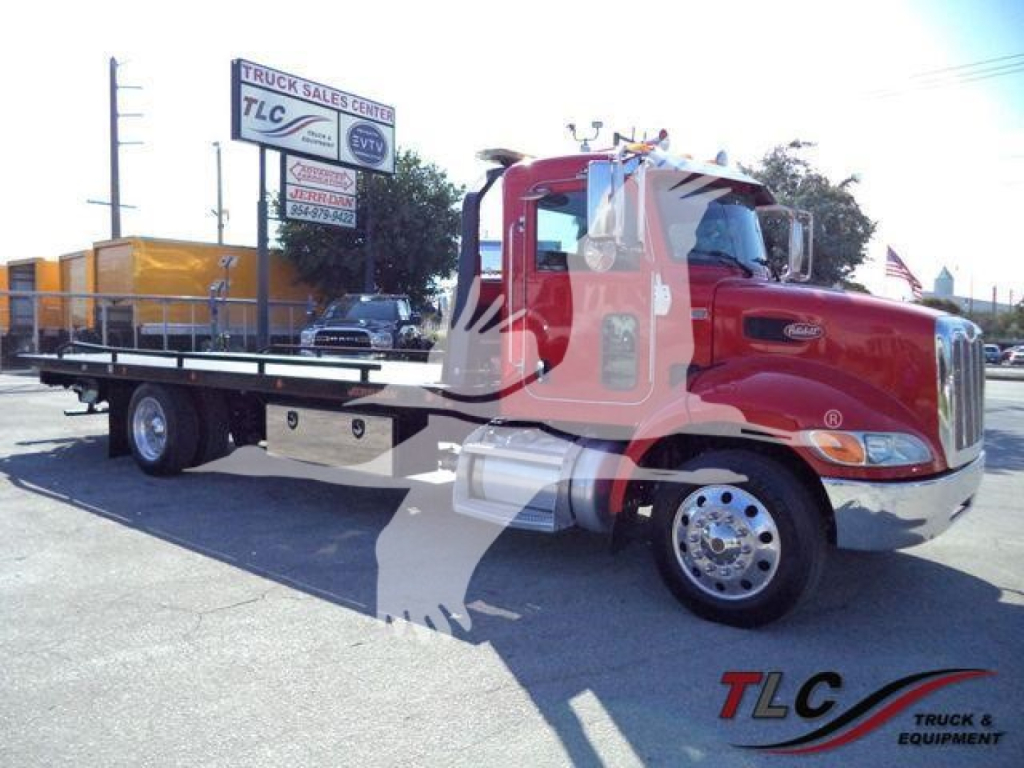
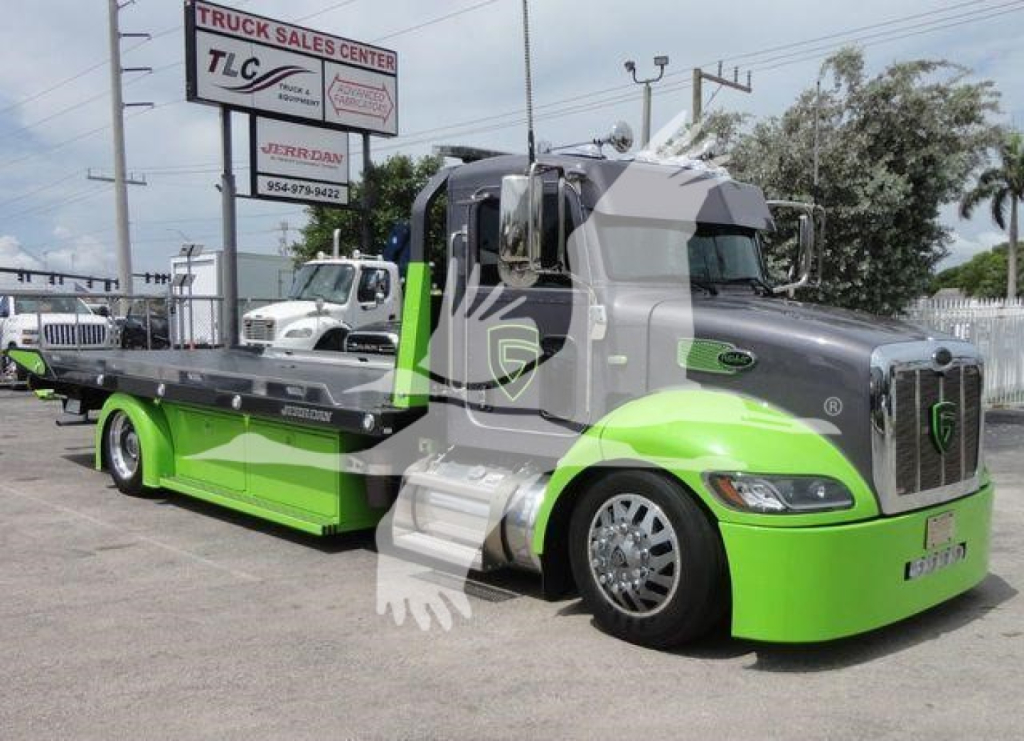
Selling a 2020 rollback truck? List your 2020 rollback truck for sale and reach thousands of commercial buyers.
2020 Rollback Trucks in Florida
The most common setup in this class is a 20-foot or 22-foot steel carrier body, usually 102 inches wide, with an extra-low-profile or low center of gravity deck for easier loading of low-clearance cars, crossovers, and light trucks. A 6-ton bed is typical, often paired with a 3,500-lb wheel lift and an 8,000-lb winch. That combination covers a broad range of everyday work, from breakdowns and accident recovery to auction runs and dealership moves. Removable side rails, L-arms, tie-down packages, toolbox space, and LED work lighting are common details that affect day-to-day usability more than buyers sometimes expect. If the truck will spend most of its time in urban towing, deck approach angle, wheelbase, and turning radius deserve as much attention as raw bed capacity.
On the chassis side, 2020 rollback trucks commonly use diesel power in the 260 to 300 hp range with an Allison automatic transmission, air brakes, and often air ride suspension. That is a practical spec for mixed city and highway work because it balances drivability, durability, and service access. Buyers should confirm actual axle ratings, front axle capacity, and the body installation details, since upfit quality matters on a carrier truck. Look closely at frame modifications, PTO operation, hydraulic lines, winch function, bed pivot points, deck cylinders, and wheel-lift wear. A clean cab and strong drivetrain are important, but a rollback earns its keep through the carrier body, so the condition of the bed, subframe, controls, and tiedown equipment should carry real weight in the decision.
For Florida use, rust is usually less severe than in northern markets, but sun exposure, salt air near the coast, and heavy cycling can still age paint, wiring, hoses, seats, and lighting. Aluminum wheels, stainless trim, sealed lighting, and well-kept toolboxes are useful signs of a truck that was spec'd for appearance and longevity. If you are comparing several 2020 rollback trucks for sale, pay attention to bed manufacturer support, replacement part availability, and whether the truck has a low-profile carrier body that matches the type of vehicles you load most often. The right 2020 rollback should fit your route density, driver skill level, and service mix just as much as its headline specs.
Frequently Asked Questions about 2020 Rollback Trucks in Florida
What is the typical capacity of a 2020 rollback truck?
Most 2020 rollback trucks in the light-duty carrier segment use a 6-ton deck with a 3,500-lb wheel lift and an 8,000-lb winch. That setup is common for passenger vehicles, pickups, SUVs, and general roadside towing. Actual working capacity depends on chassis GVWR, axle ratings, bed design, wheelbase, and load position, so buyers should verify the manufacturer ratings on both the carrier body and the truck chassis.
What deck size is most common on a 2020 rollback tow truck?
A 20-foot or 22-foot deck is the most common configuration, usually built at 102 inches wide. A 22-foot extra-low-profile deck is especially popular because it gives good loading angles and enough bed length for a broad range of vehicles. Buyers handling lowered cars, EVs, or long-wheelbase pickups should pay close attention to deck height, approach angle, and usable load space rather than looking at deck length alone.
Are 2020 rollback trucks usually CDL or non-CDL?
Many 2020 rollback trucks are built at 26,000 GVWR, which is often chosen to stay in a non-CDL weight class where state and use requirements allow. That said, licensing can still depend on how the truck is registered, what it is towing, and the regulations in the operating area. Buyers should confirm local CDL, medical card, and towing compliance requirements before purchase, especially if the truck will cross state lines or handle combined loads.
What should I inspect on a used 2020 rollback truck?
Focus on the carrier body as much as the cab and engine. Check bed rails, deck surface, tilt frame, pivot pins, hydraulic cylinders, hoses, PTO engagement, winch operation, remote or in-cab controls, wheel-lift components, and tiedown gear. On the chassis side, review service records, brake type, suspension condition, transmission operation, tire wear, and any signs of hard towing use. A rollback can look clean cosmetically while still needing expensive hydraulic or body repairs.
Why does extra-low-profile design matter on a rollback truck?
An extra-low-profile, also called XLP or low center of gravity design, helps reduce loading angle and makes it easier to load low-clearance vehicles without scraping bumpers, air dams, or underbody panels. That matters for sports cars, luxury vehicles, modified cars, and many newer passenger vehicles with lower front ends. It also improves versatility because the truck can handle standard recovery work and more delicate transport jobs with less need for extra cribbing or loading aids.