
2016 Rollback Trucks For Sale
Shop 2016 rollback trucks with carrier bodies, winches, and wheel lifts. Compare chassis, deck sizes, GVWR, and towing features.
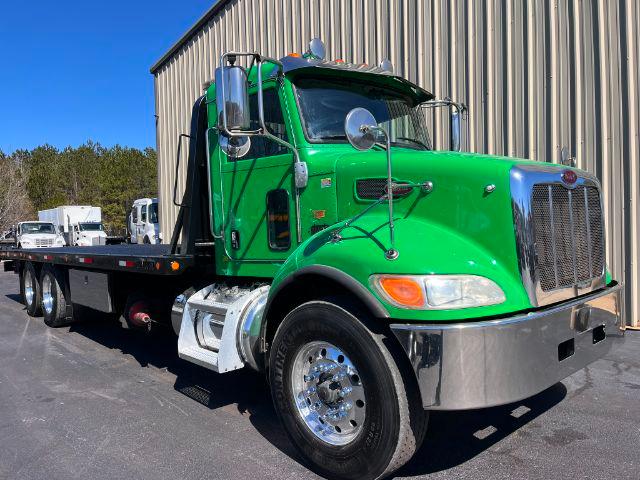
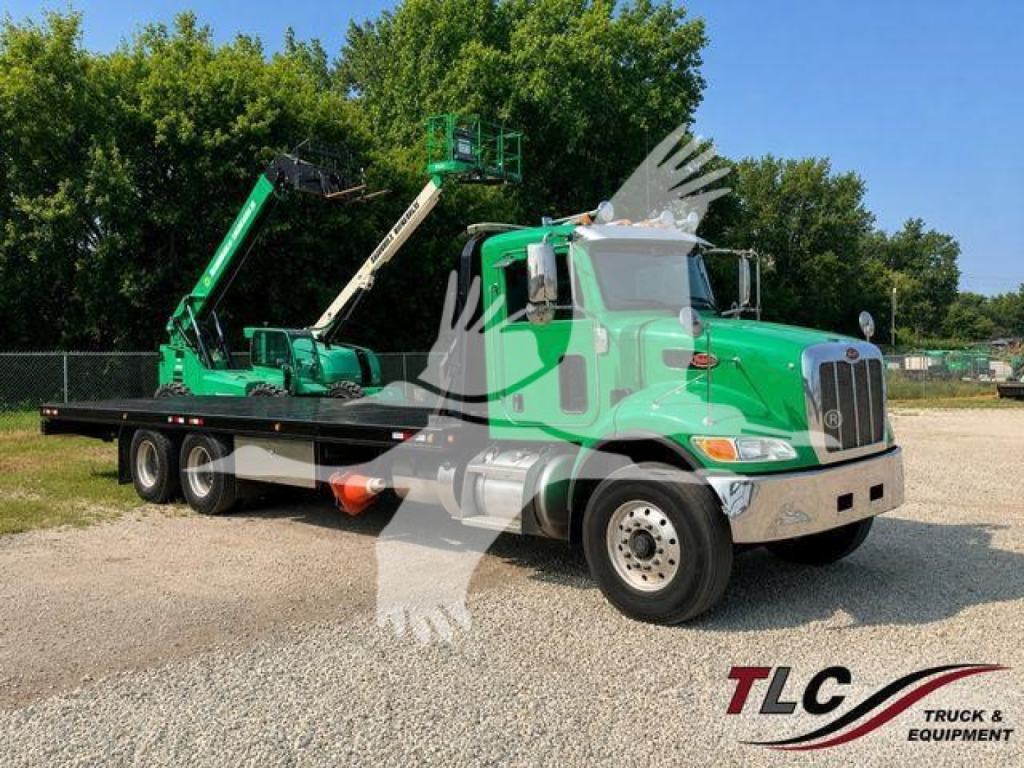
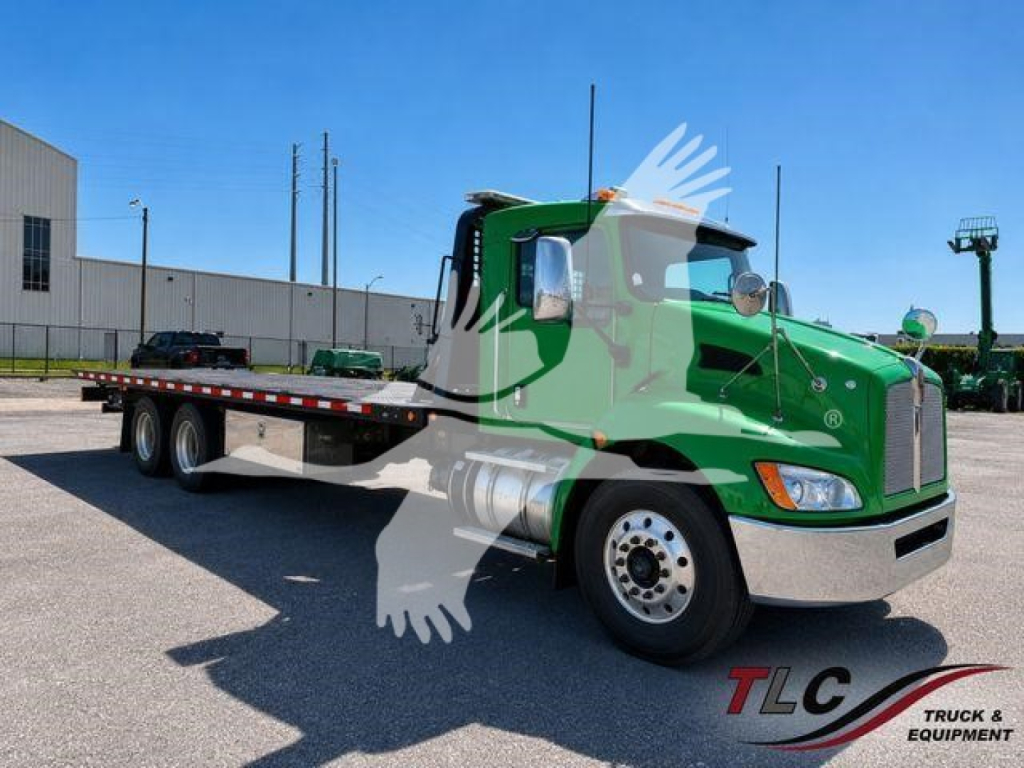
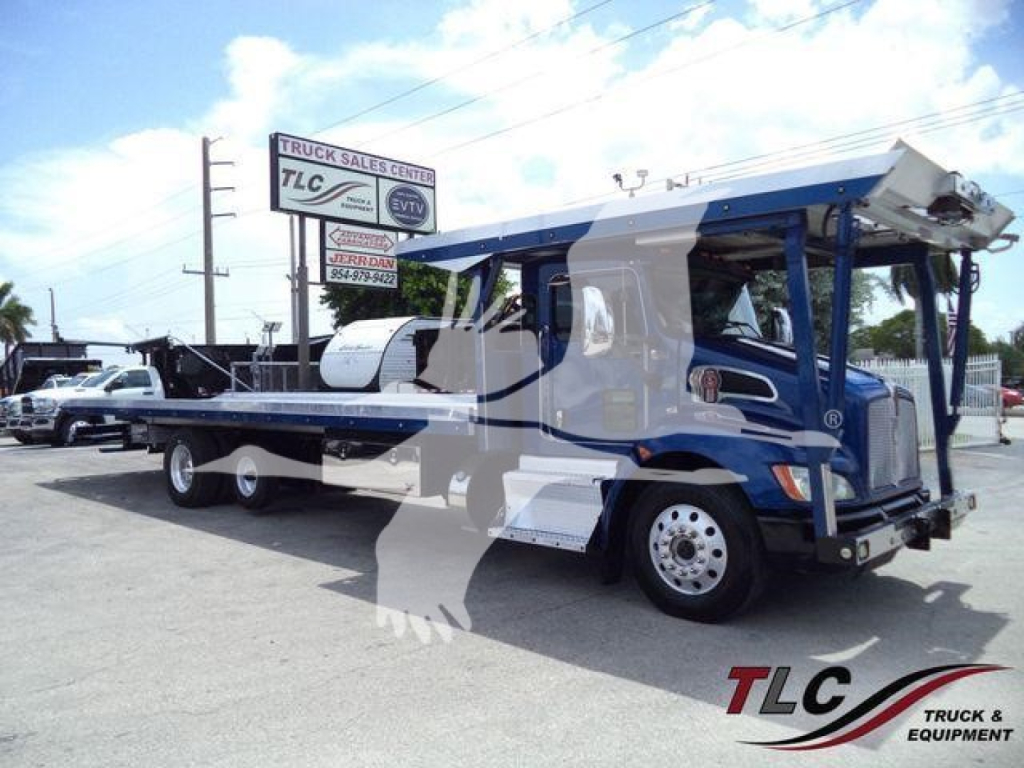
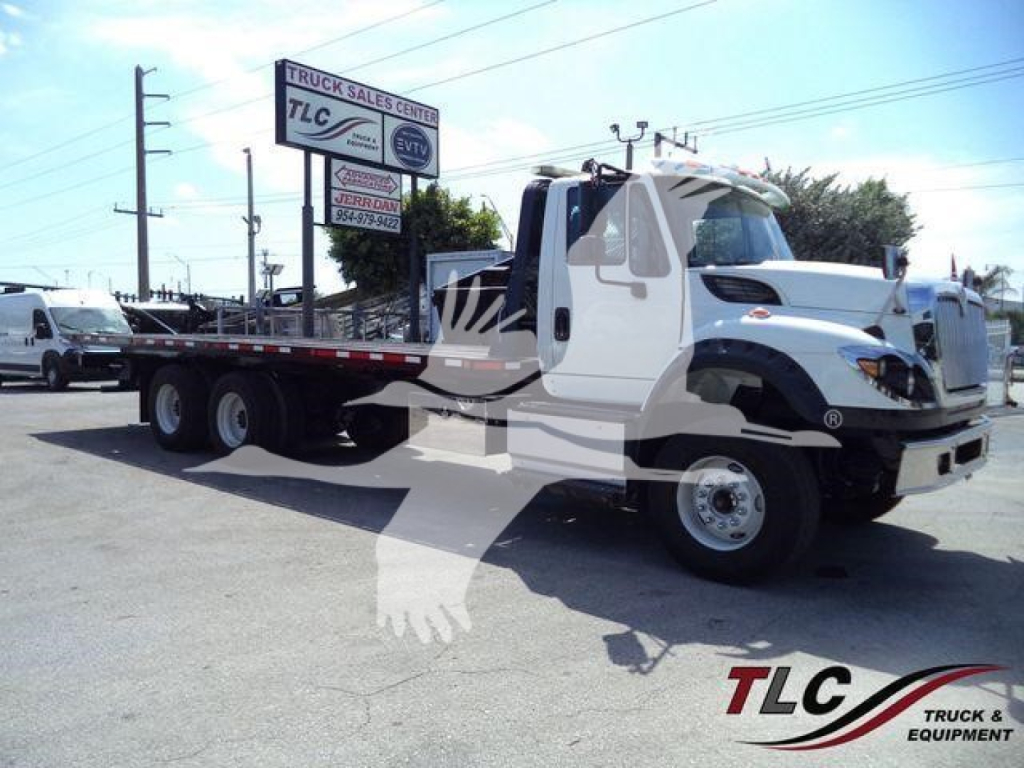
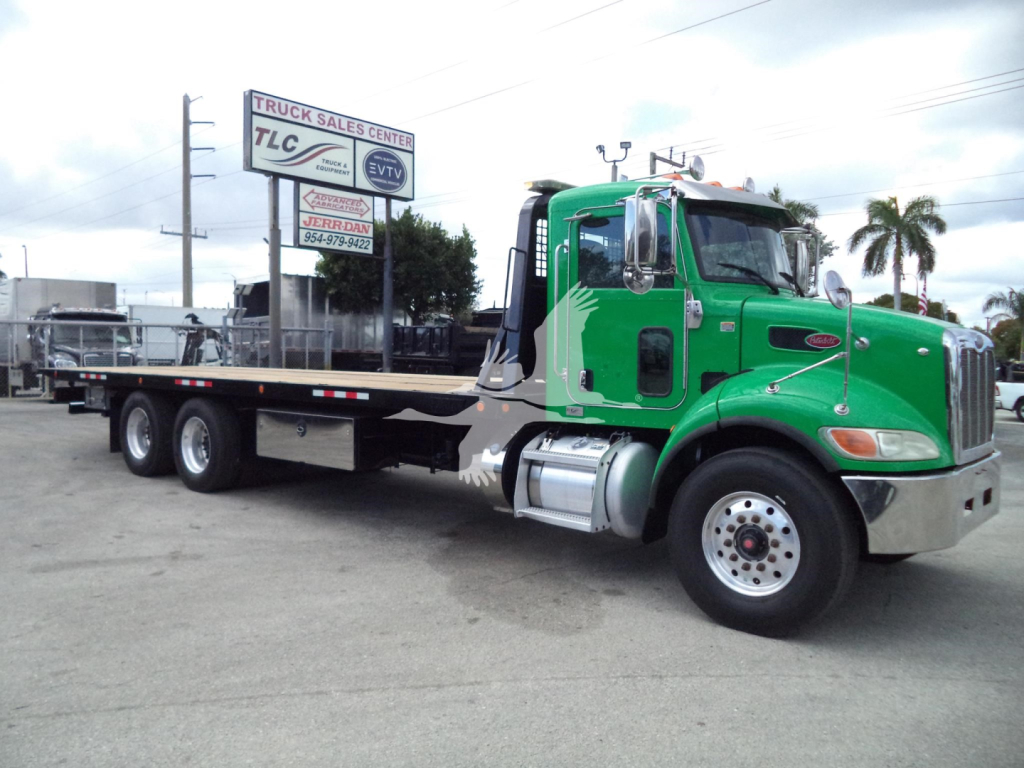
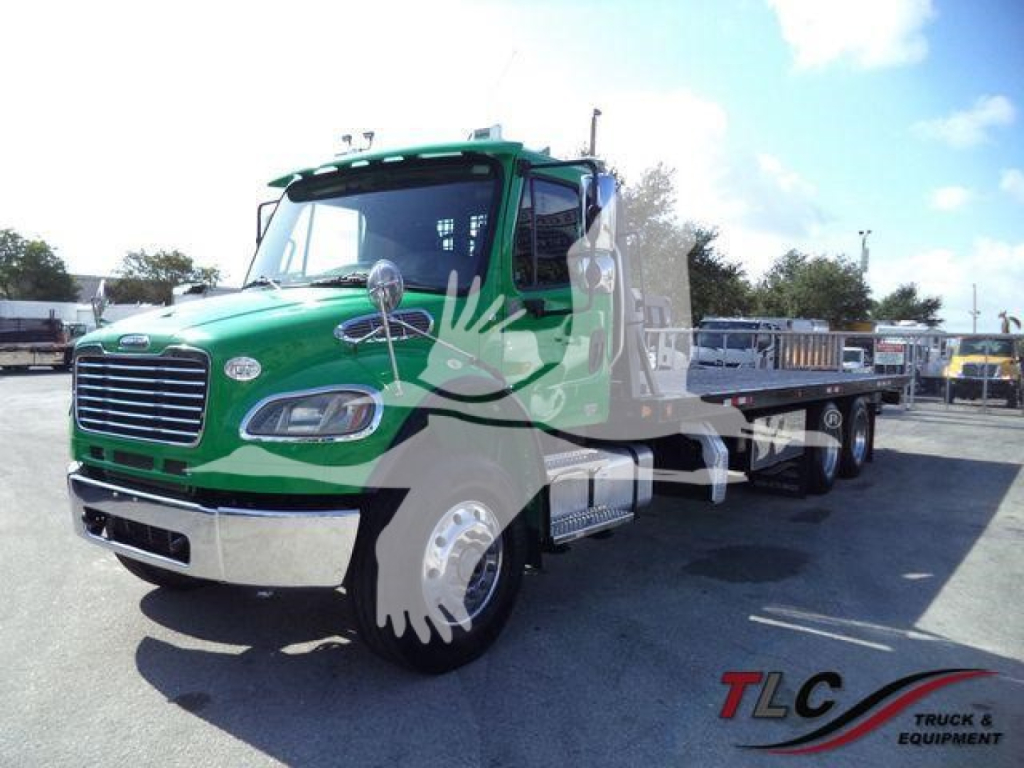
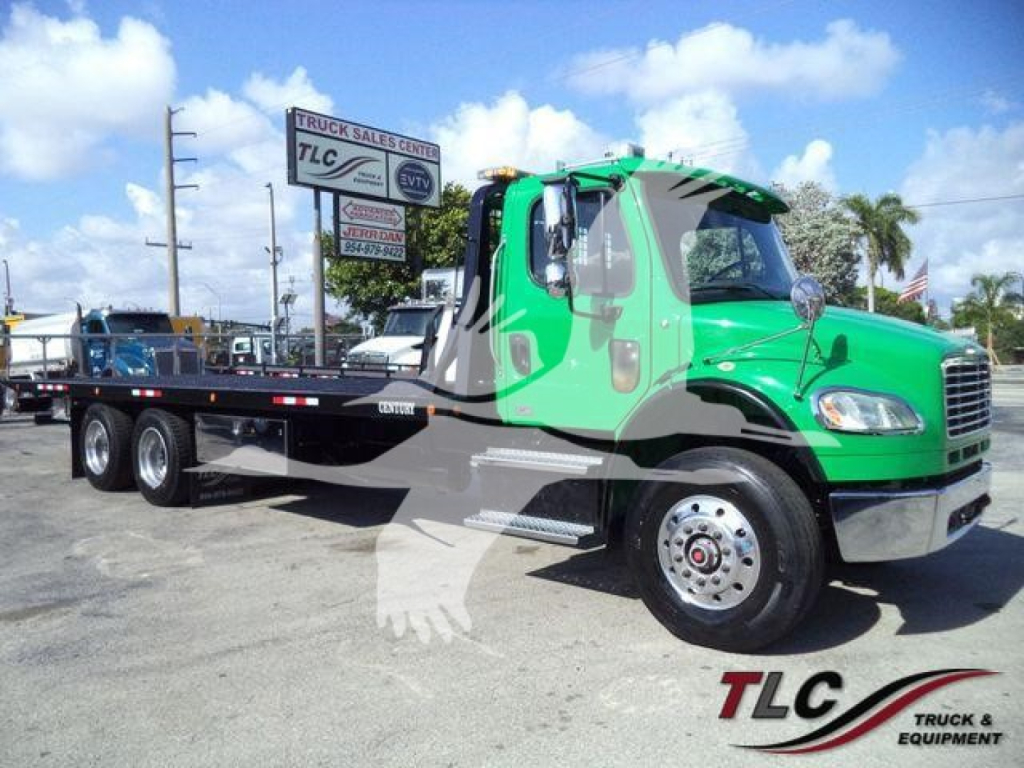
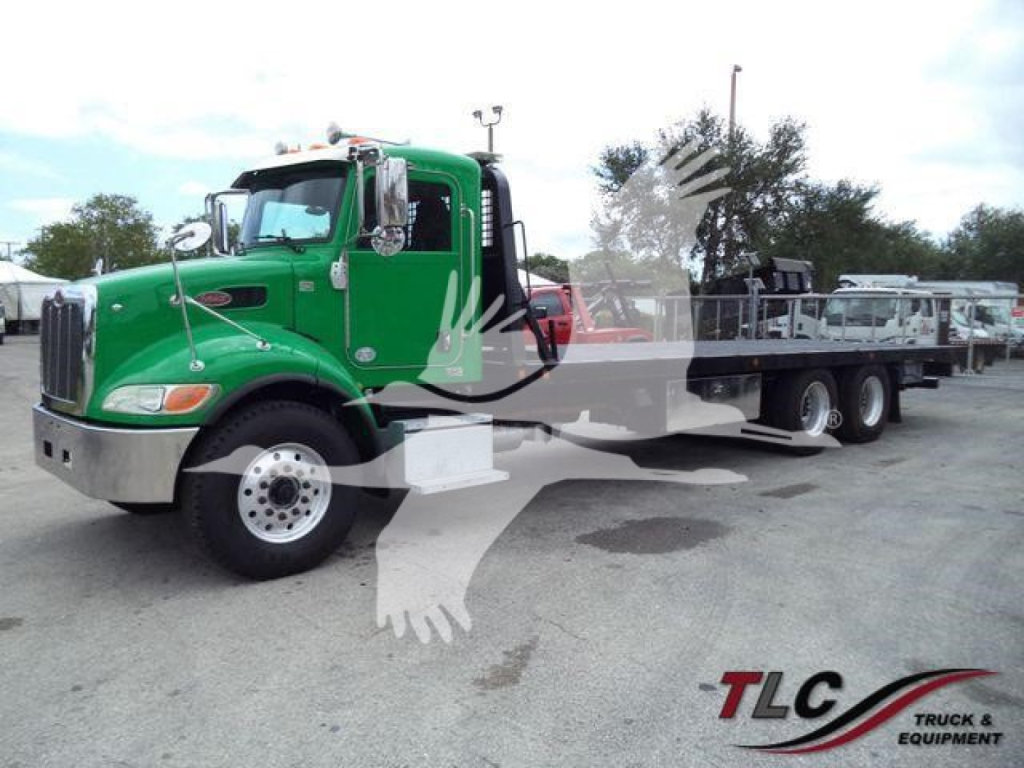
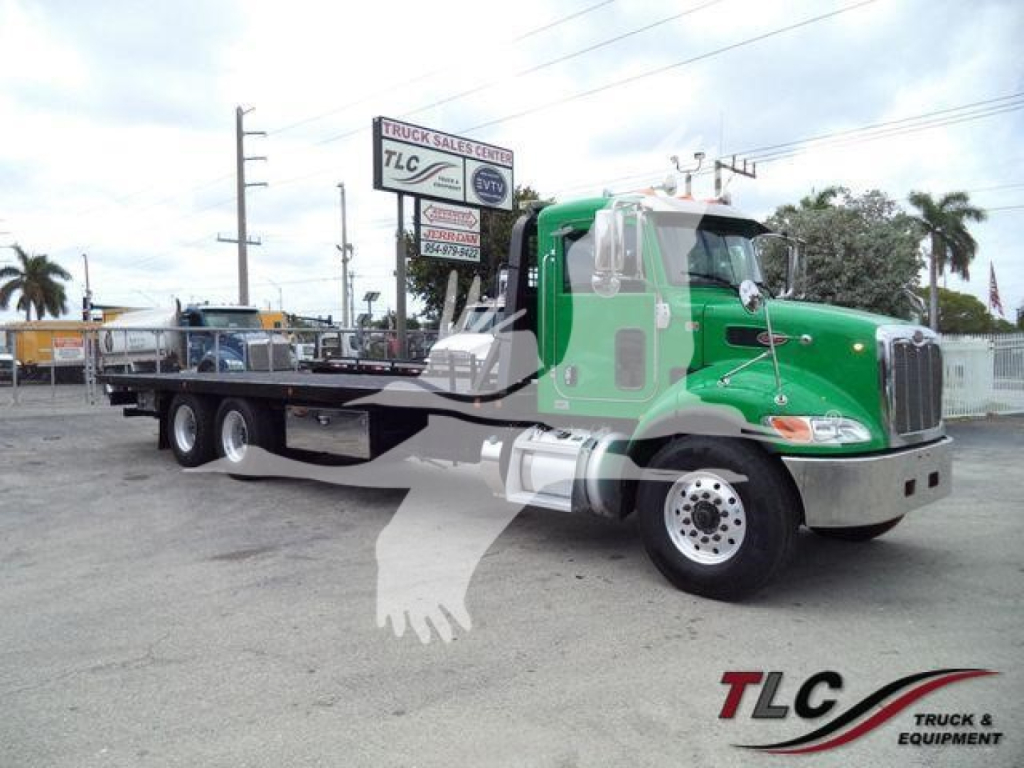
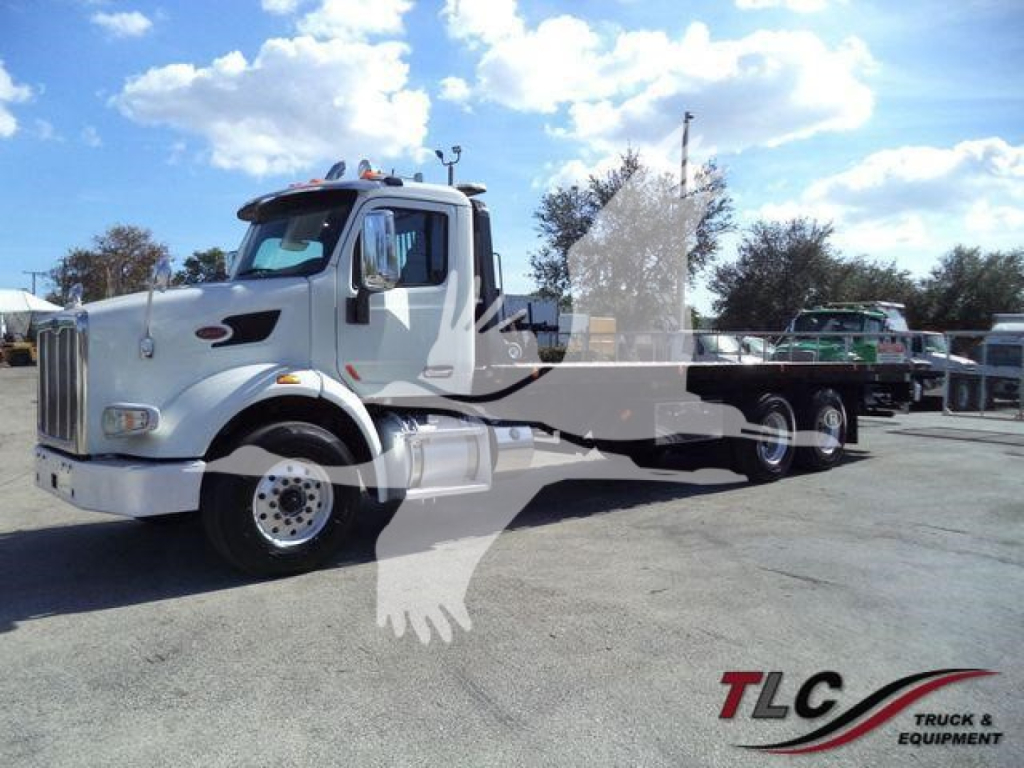
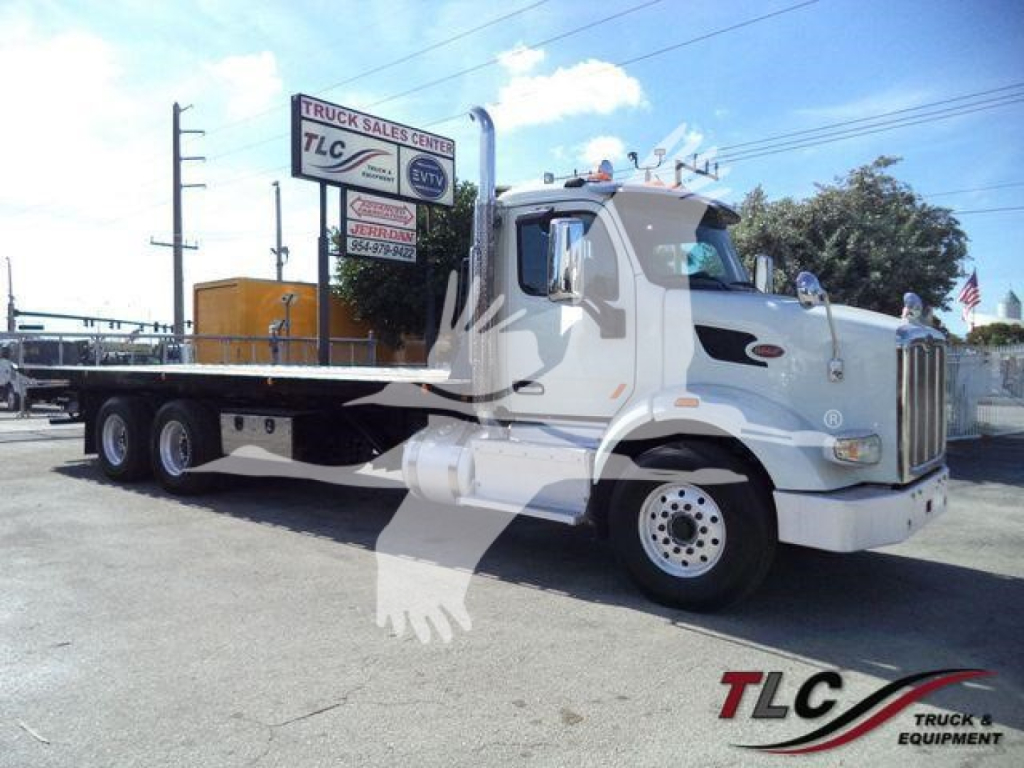

Selling a 2016 rollback truck? List your 2016 rollback truck for sale and reach thousands of commercial buyers.
2016 Rollback Trucks
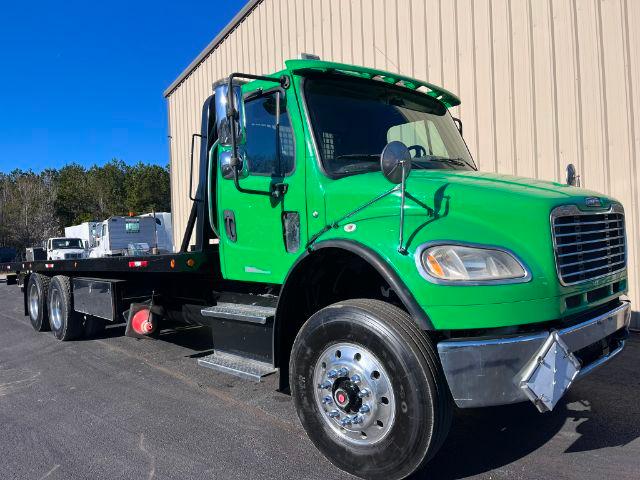
Carrier body specs matter more than the badge on the hood for many operators. Common 2016 rollback setups include 19 to 22 foot steel or aluminum decks, 102 inch bed width, 8,000 to 12,000 pound winches, and wheel lifts rated around 3,000 to 3,500 pounds. Low center of gravity bodies are popular because they improve loading angles and make it easier to handle lower-clearance cars. Steel decks generally cost less and hold up well in hard daily use, while aluminum bodies help reduce curb weight and improve payload. Buyers should also pay attention to dual side controls, wireless remote systems, chain lock placement, tie-down points, pylon design, and whether the bed uses rail or rail-less construction.
On a used 2016 rollback truck, condition of the hydraulics and carrier structure is just as important as engine hours or mileage. Look closely at the deck floor, crossmembers, subframe, tilt cylinders, extension cylinders, PTO operation, winch tensioner, and wheel lift pivot points. Rust around the tail section, headache rack, bed runners, and underbody mounts can tell you a lot about how the truck was stored and used. If the truck has stabilizers, side recovery equipment, or an integrated underlift, inspect pins, bushings, hoses, and control response. A rollback that has spent years on local towing duty may have different wear than one used mainly for dealer transfers or equipment delivery.
For buyers comparing 2016 rollback trucks for sale, it helps to match the chassis and carrier package to the work mix instead of shopping by price alone. A non-CDL setup near the 26,000 pound GVWR range can be attractive for urban towing and general car hauling, while heavier-spec trucks offer better durability and more flexibility for commercial recovery work. Air brakes, rear air suspension, PTO configuration, axle ratings, and wheelbase all affect how the truck handles a loaded deck and how easily it can be serviced. The best 2016 rollback truck is the one with the right deck capacity, stable hydraulics, clean frame history, and a body spec that fits your routes, drivers, and the types of vehicles you move every day.
Frequently Asked Questions about 2016 Rollback Trucks
What should I look for first on a 2016 rollback truck?
Start with the carrier body and hydraulic system. Deck length, winch rating, wheel lift capacity, and GVWR should match the vehicles or equipment you plan to move. After that, inspect the bed structure, subframe, cylinders, PTO engagement, control functions, and frame condition. On a 2016 unit, rust, hydraulic leaks, and wear at pivot points often matter more than cosmetic appearance.
Is a 2016 rollback truck a good choice for non-CDL towing work?
Many 2016 rollback trucks were built in Class 6 configurations with GVWRs up to 26,000 pounds, which can make them suitable for non-CDL operation depending on the exact chassis rating, body spec, and local regulations. Buyers should confirm the door sticker GVWR, registered weight, and any state-specific licensing rules before purchasing. A properly spec'd non-CDL rollback is often a strong fit for light-duty towing, dealer transport, and general vehicle delivery.
What deck size is most common on a 2016 rollback truck?
A 21 to 22 foot carrier body is one of the most common configurations on 2016 rollback trucks, though shorter 19 foot and 20 foot decks are also common. The right size depends on your vehicle mix, wheelbase requirements, and operating environment. Longer decks improve flexibility for larger pickups, vans, and some equipment, while shorter bodies can be easier to maneuver in tight city work.
Are steel or aluminum rollback bodies better on a 2016 truck?
Steel rollback bodies are typically preferred for lower upfront cost and rugged daily service, especially in demanding tow applications. Aluminum bodies reduce weight, which can improve legal payload and sometimes fuel efficiency, and they also resist corrosion better. The better choice depends on how the truck is used, what it hauls, and whether durability, payload, or corrosion resistance is the top priority.
How important is the winch and wheel lift setup on a rollback truck?
The winch and wheel lift setup directly affects how versatile the truck will be in real-world towing and recovery work. An 8,000 to 12,000 pound winch is common on this class of carrier, and a 3,000 to 3,500 pound wheel lift can add value for secondary moves and positioning disabled vehicles. Buyers should check not just the rating, but also cable condition, free spool function, tensioner operation, hydraulic response, and wear in the wheel lift assembly.