
2016 Rollback Trucks For Sale in Florida
Shop 2016 rollback trucks in Florida. Compare bed length, GVWR, wheel-lift, winch, chassis specs, and carrier body options for towing work.
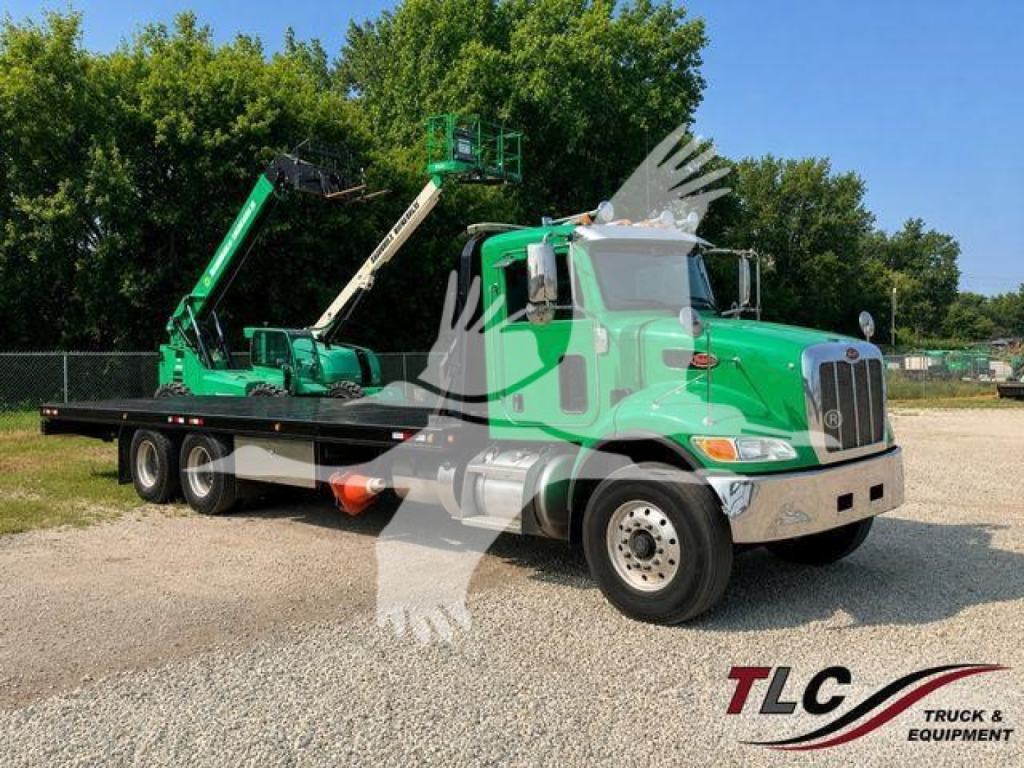
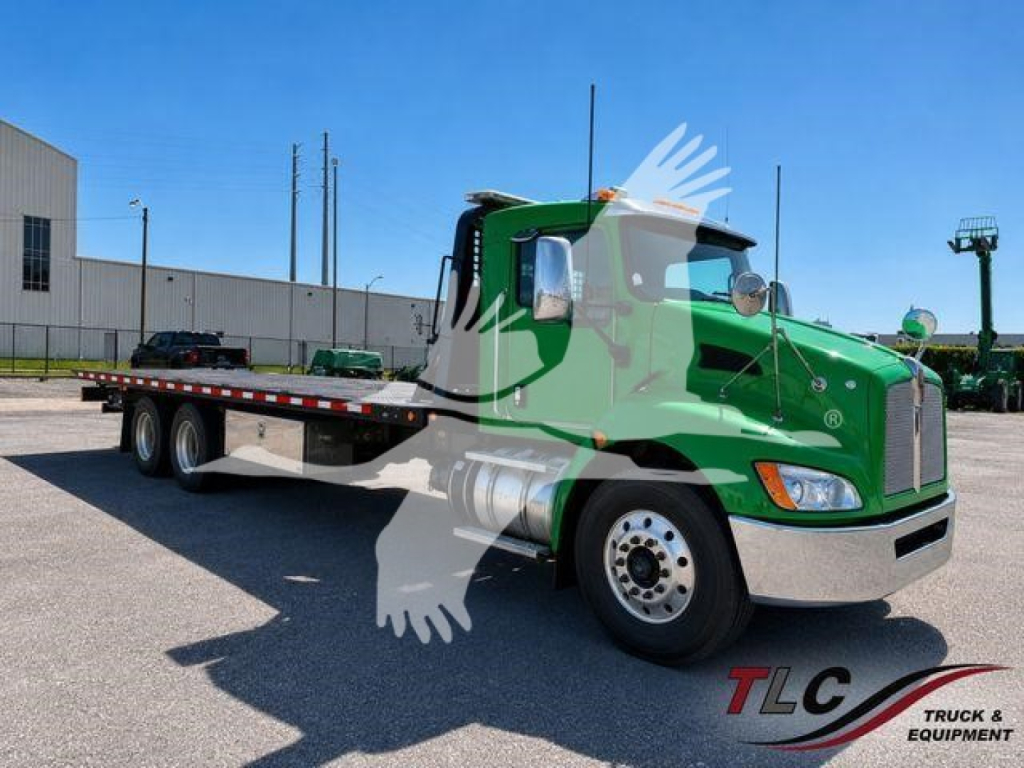
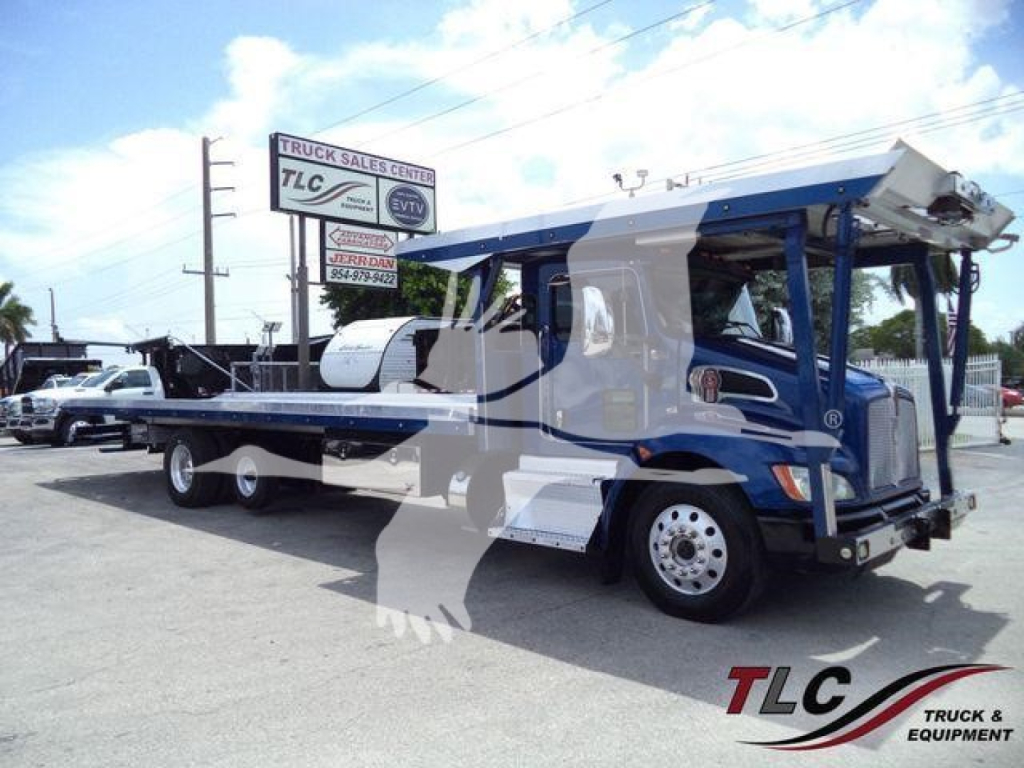
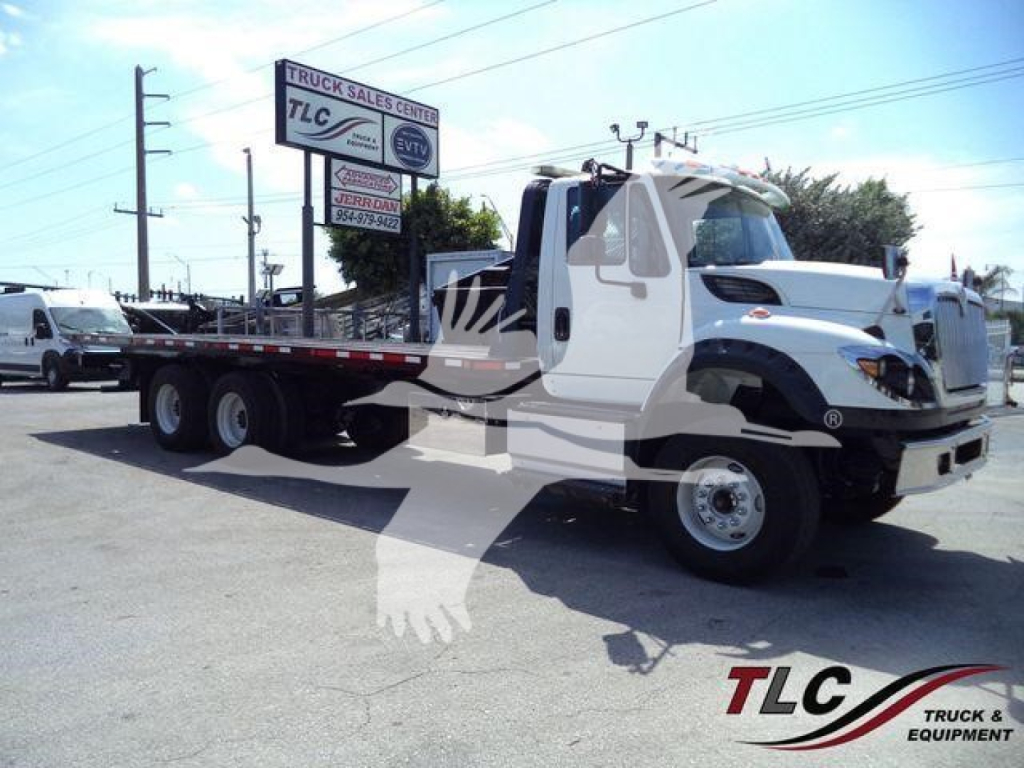
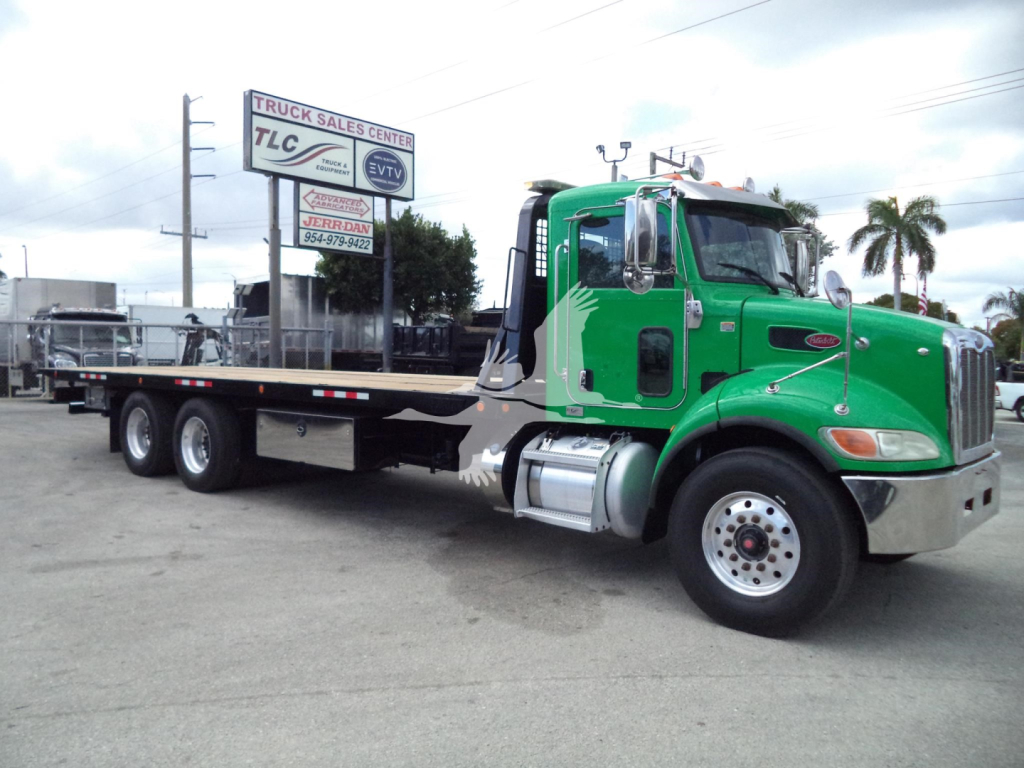
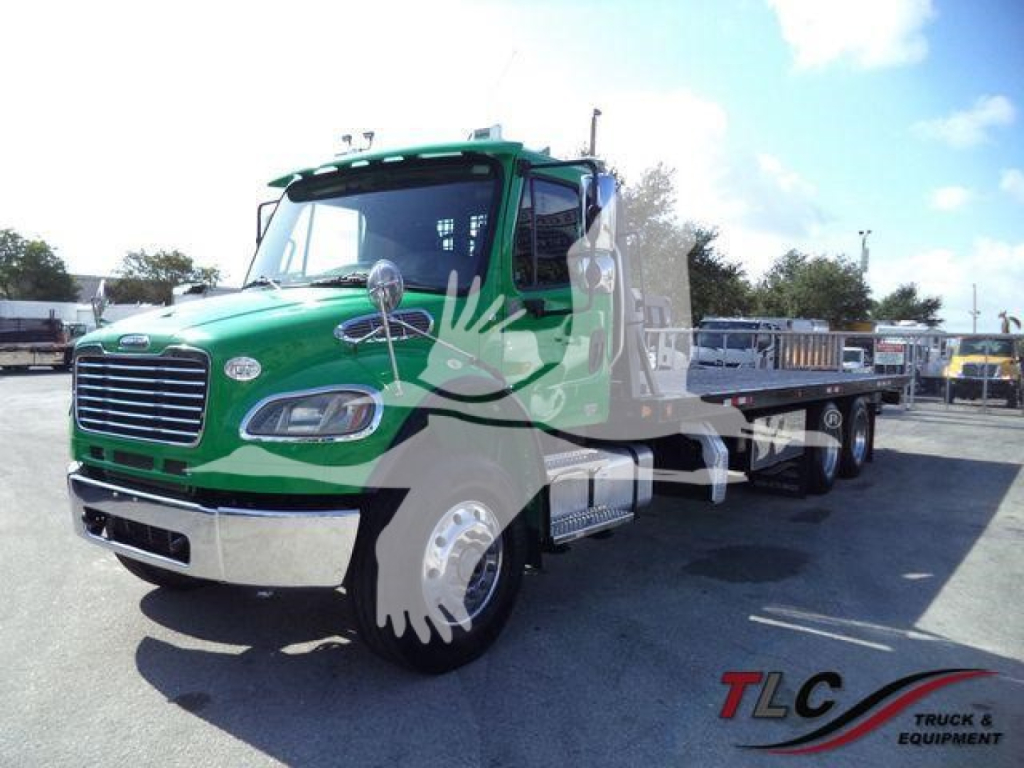
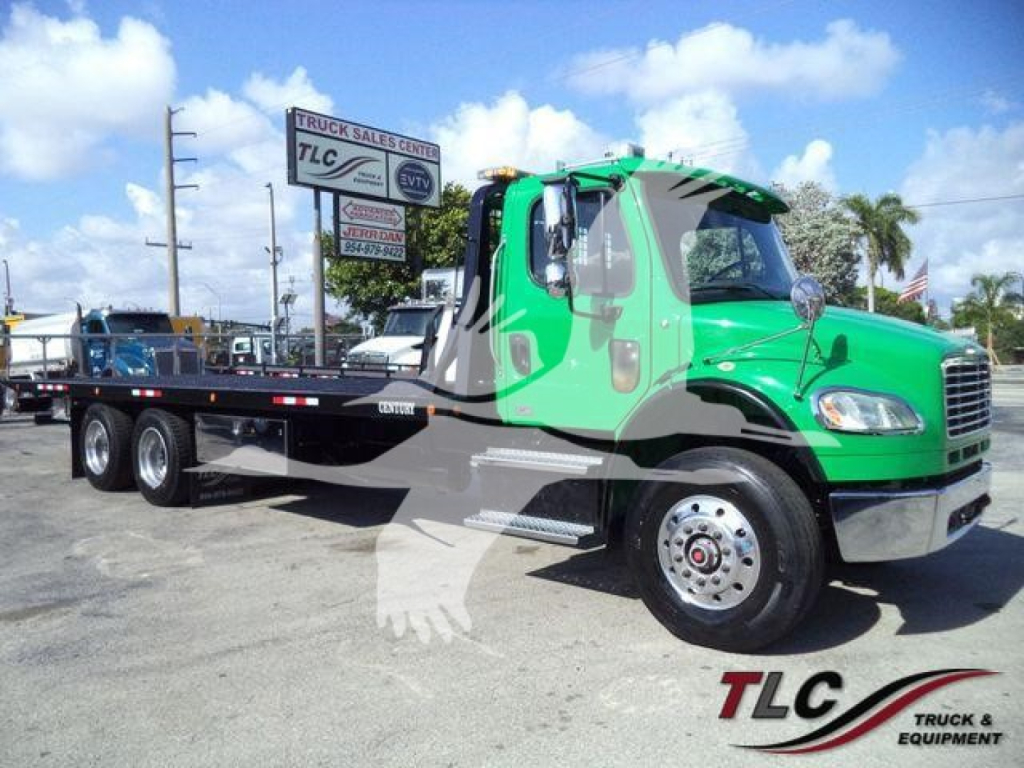
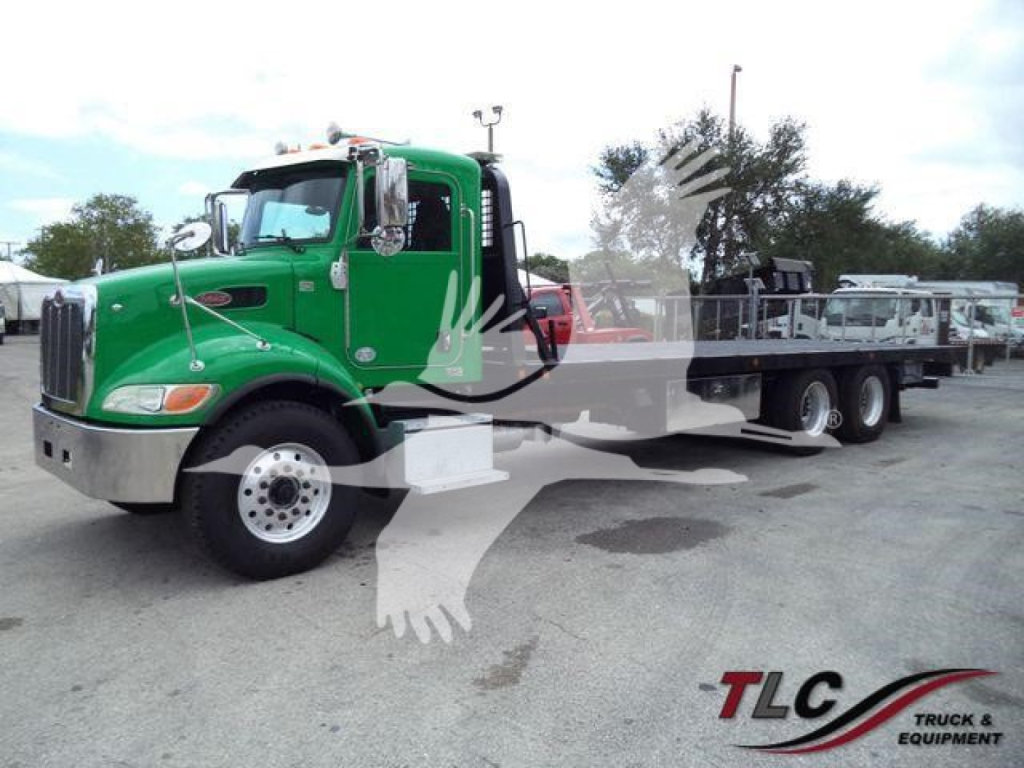
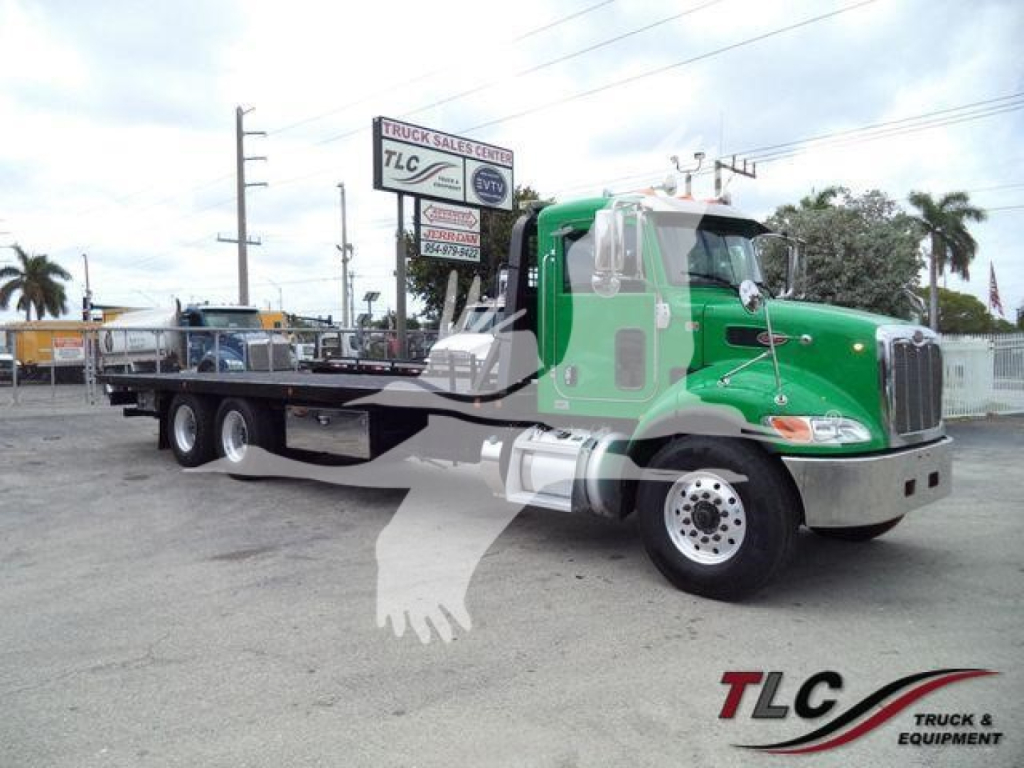
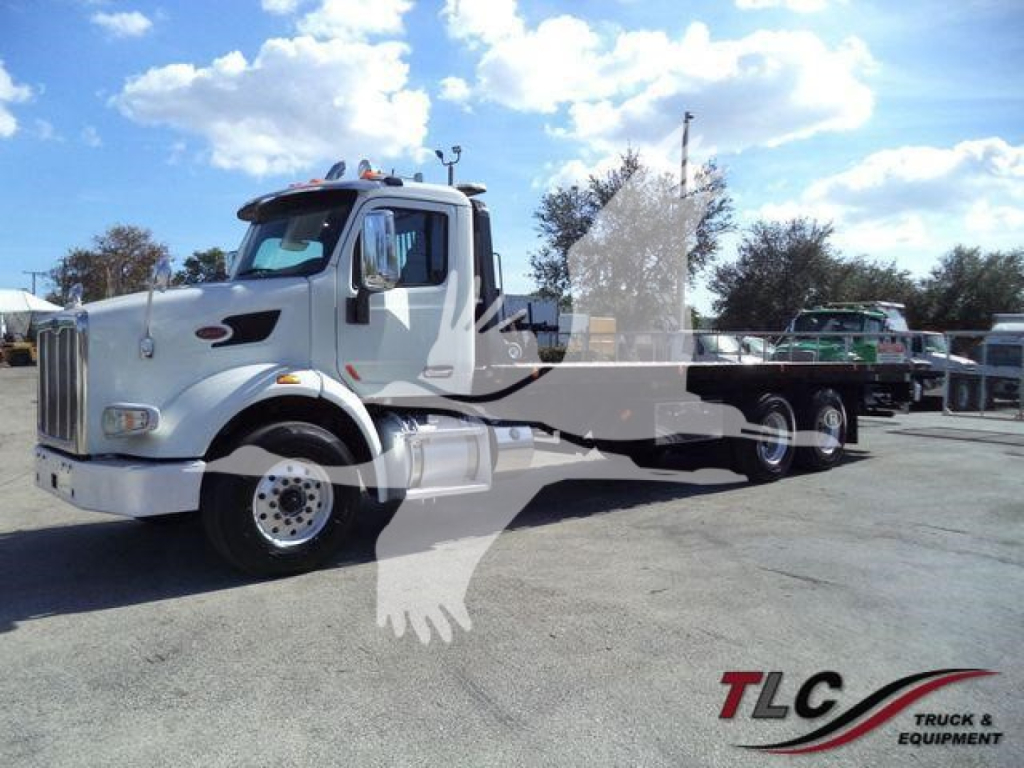
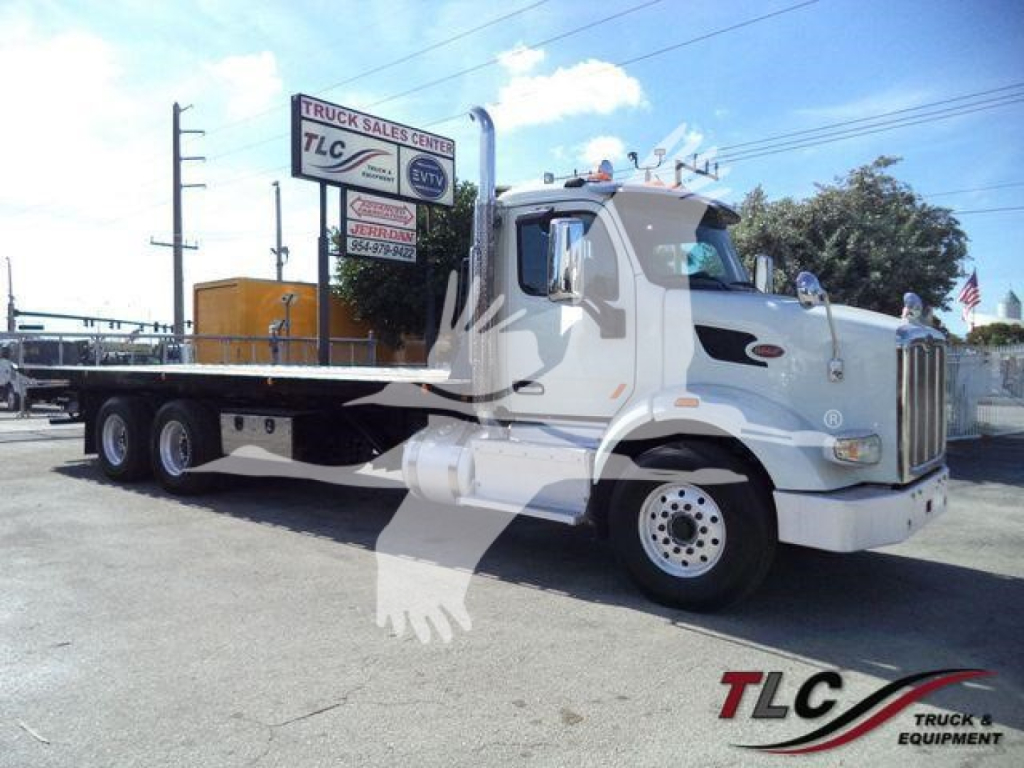
Selling a 2016 rollback truck? List your 2016 rollback truck for sale and reach thousands of commercial buyers.
2016 Rollback Trucks in Florida
The key spec decisions are bed length, deck material, wheel-lift capacity, and winch rating. Aluminum decks reduce tare weight and can help payload, while steel decks generally cost less to repair and hold up well in hard daily service. Many 2016 rollback trucks use low-profile or extra-low-profile carrier bodies, often called LCG or XLP decks, which improve loading angles for lower-clearance cars. A 3,500-lb hydraulic wheel-lift and an 8,000-lb to 10,000-lb winch are common in light-duty service, while heavier rollback bodies may carry larger winches and stronger underlifts for commercial recovery or equipment moves. Buyers should also pay close attention to bed width, rail design, tie-down points, toolbox layout, and PTO or hydraulic system condition.
On the chassis side, 2016 rollback trucks are often built on platforms such as the Freightliner M2, International Durastar, Kenworth T270, or comparable medium-duty trucks, usually with diesel power from Cummins or similar engines paired to an Allison automatic transmission. Air brakes are common on heavier trucks, while lower-GVWR carriers may run hydraulic brake systems. In Florida service, cooling performance, cab A/C condition, corrosion around hydraulic fittings, and sun exposure on wiring, seats, and control surfaces matter more than many buyers expect. Wheelbase, axle ratio, suspension type, and frame design all affect how the truck carries weight and how stable it feels with a vehicle on the deck or on the wheel-lift.
A good 2016 rollback truck should be evaluated as both a tow unit and a hydraulic body. Check carrier pins, deck bushings, cylinders, hoses, bed wear, winch function, remote controls, and wheel-lift geometry. Verify the actual GVWR against the intended work, especially if the truck will handle pickups, vans, or small equipment in addition to passenger cars. Buyers in Florida should also review title and registration requirements, lighting compliance, and tire condition closely because downtime in towing comes from small issues as often as major failures. The best choice is the one with a chassis and rollback body matched to the weight, clearance, and frequency of the jobs it will actually perform.
Frequently Asked Questions about 2016 Rollback Trucks in Florida
What bed length is most common on a 2016 rollback truck?
The most common bed lengths are about 19.5 to 22 feet on light-duty and medium-duty rollback trucks, with wider 102-inch decks being typical. That size range works well for passenger cars, SUVs, and many light trucks. Larger 26-foot to 28-foot rollback bodies are available on heavier chassis and are better suited to commercial vehicles, equipment, or higher-capacity transport work.
Is an aluminum or steel rollback deck better?
An aluminum deck usually saves weight, which can improve usable payload and make it easier to stay within GVWR. A steel deck is typically more economical to repair and is often preferred in rough daily towing service where scrapes, concentrated loads, and wear are common. The better choice depends on the truck's target work, expected repair environment, and how important payload is in the operating model.
What should I check on the hydraulic system of a used 2016 rollback truck?
Inspect the bed cylinders, wheel-lift cylinders, hoses, fittings, PTO operation, hydraulic pump performance, and control responsiveness. Look for leaks, slow cycle times, chatter under load, and uneven deck movement. A rollback body can look clean and still need expensive hydraulic work, so function-testing the bed tilt, slide, wheel-lift, and winch under load is more important than appearance alone.
What GVWR should I look for in a 2016 rollback truck?
That depends on the vehicles being hauled. A 19,500-lb to 26,000-lb GVWR truck is common for general light-duty towing and vehicle transport. Heavier rollback trucks in the 33,000-lb to 60,000-lb range are built for larger commercial units, equipment, and higher-capacity recovery work. Buyers should match GVWR, axle ratings, wheelbase, and body capacity to the actual jobs rather than shopping by deck size alone.
Are 2016 rollback trucks a good fit for towing work in Florida?
Yes, provided the truck's cooling system, A/C, hydraulic components, and electrical system are in good condition. Florida operators often deal with high heat, heavy rain, and year-round use, so cab comfort, corrosion around fittings and connectors, and reliable lighting matter. A well-maintained 2016 rollback truck can still be a strong value in this market if the chassis and carrier body have been properly serviced.