
2018 Rollback Trucks For Sale
Shop 2018 rollback trucks for towing, recovery, and vehicle transport. Compare bed length, wheel-lift, GVWR, winch, and chassis specs.
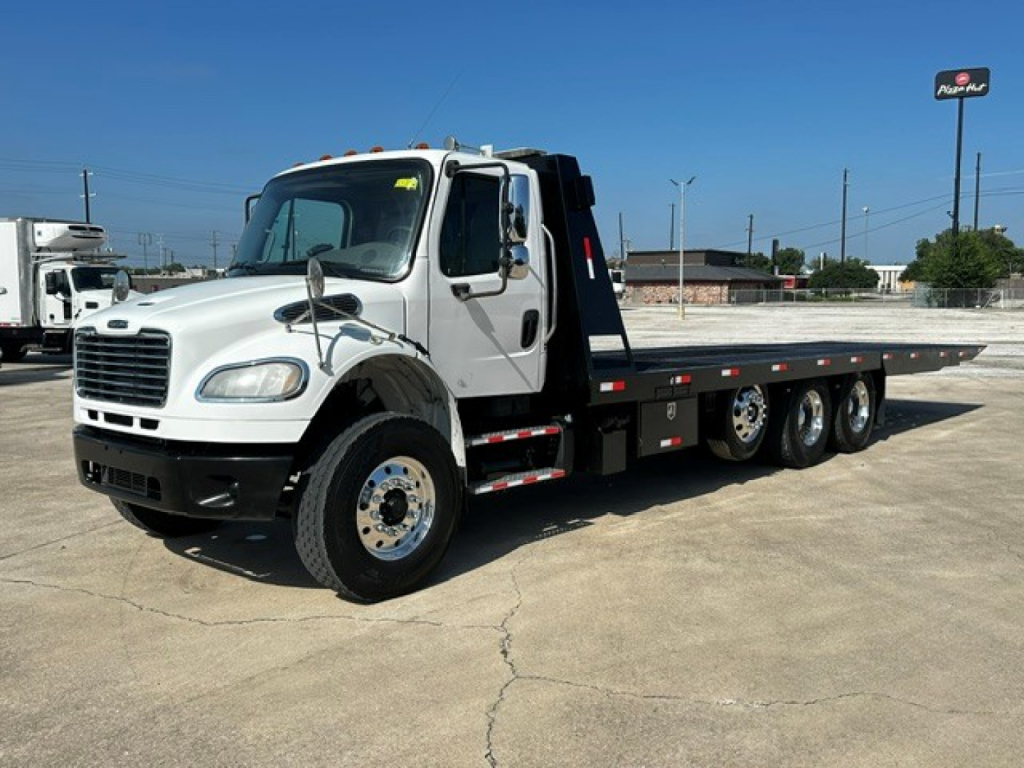
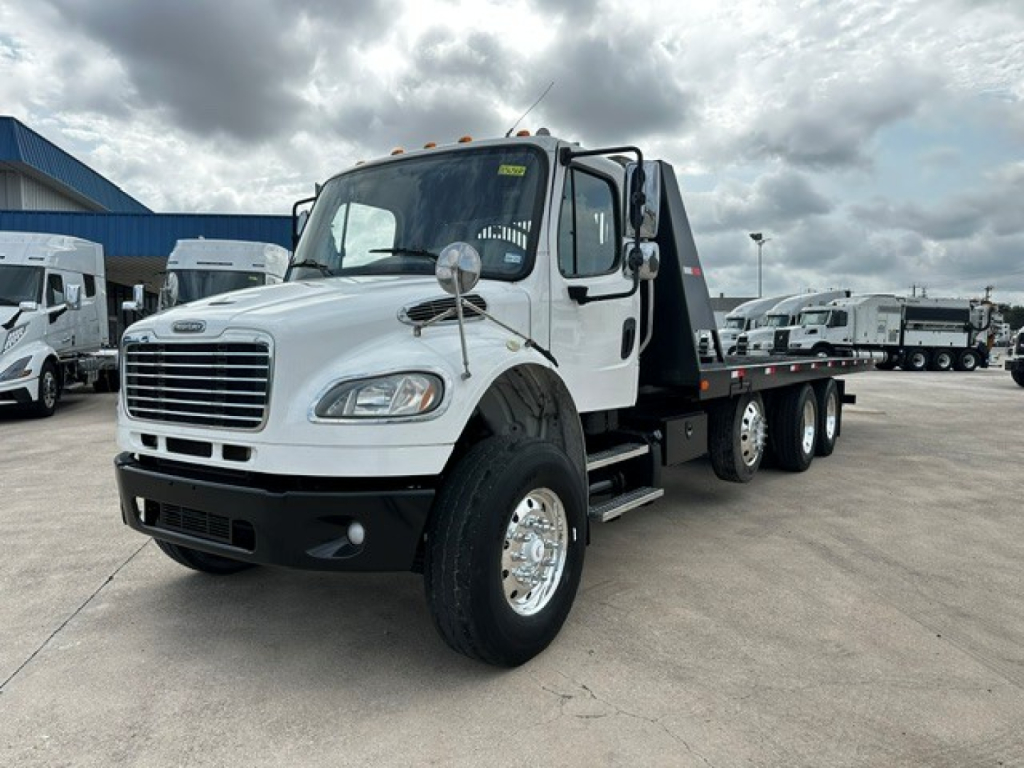
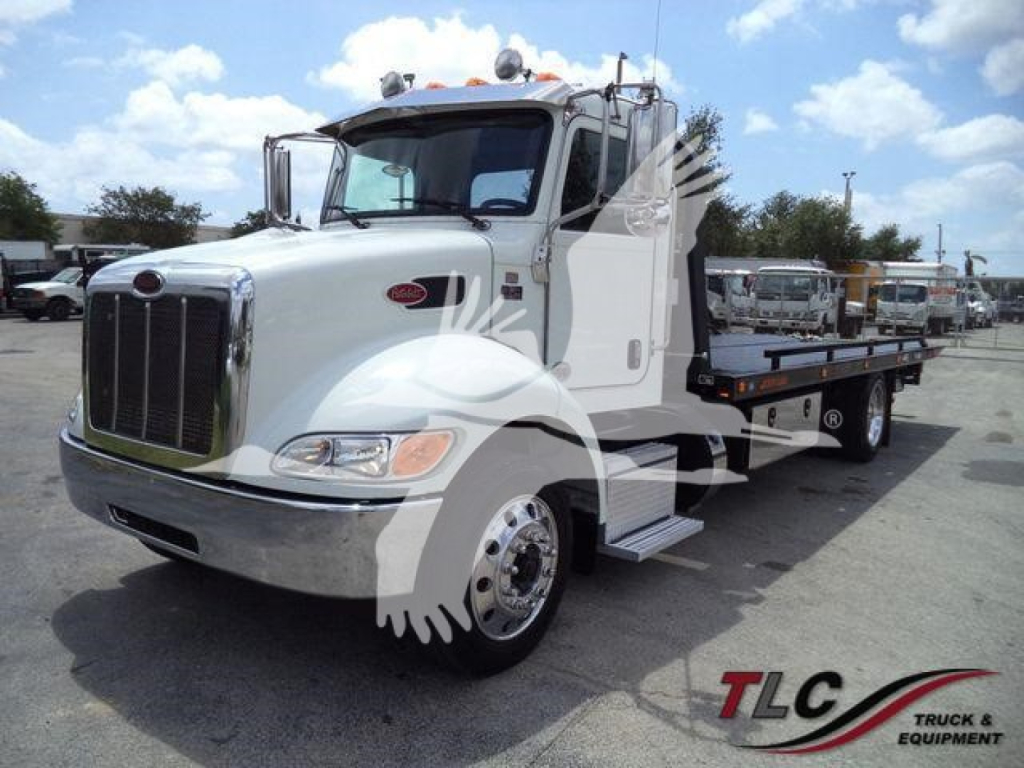
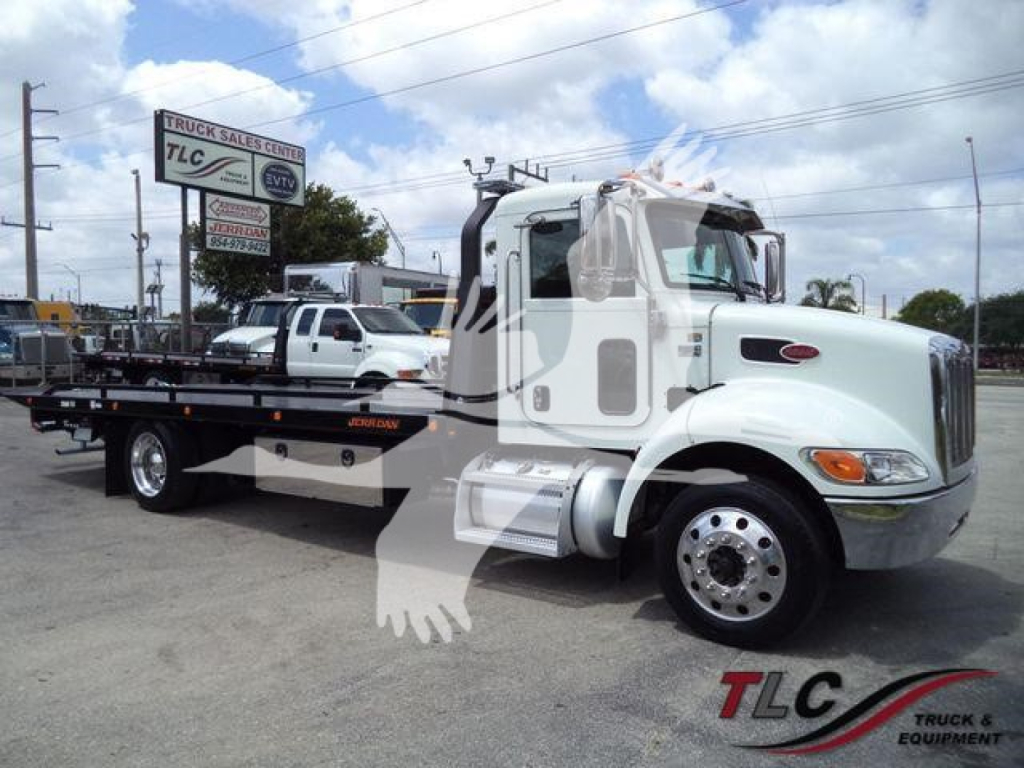
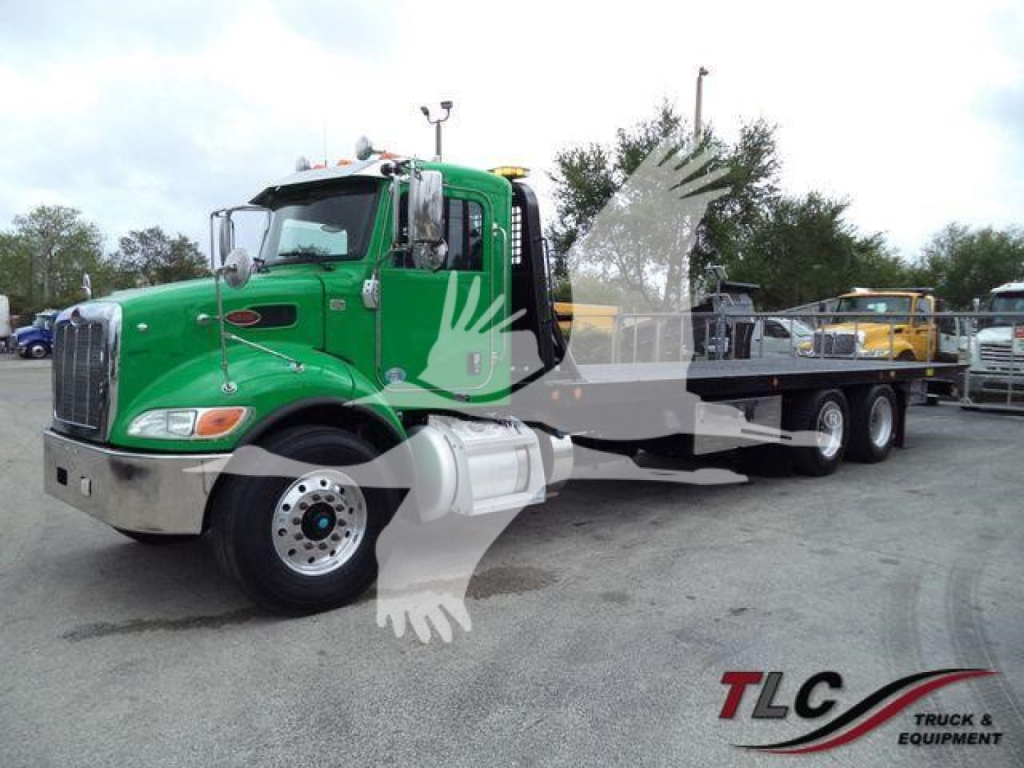
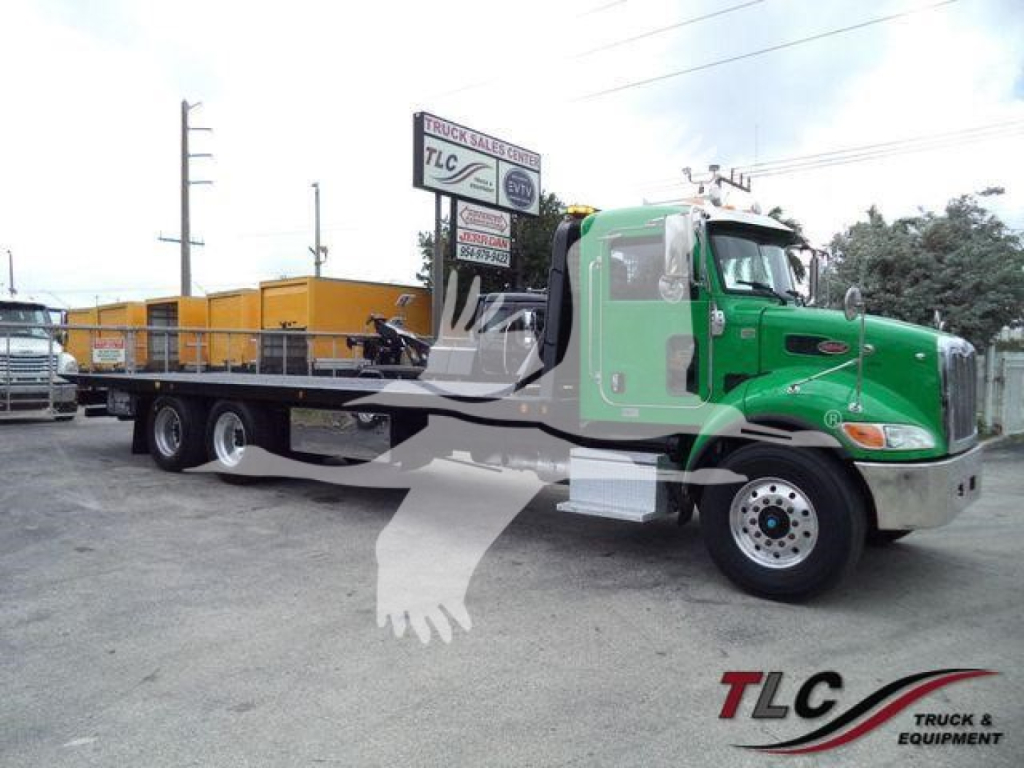
Selling a 2018 rollback truck? List your 2018 rollback truck for sale and reach thousands of commercial buyers.
2018 Rollback Trucks
The first buying decision is bed design and working height. Extra low profile decks, often called XLP or LCG-style carriers, make loading lower-clearance cars easier and reduce approach angle on damaged vehicles, performance cars, and forklifts. Steel decks remain common because they are durable and repairable, while aluminum can reduce curb weight and improve payload. Bed length matters too. A 20 foot deck may be enough for routine light-duty towing, but a 21 or 22 foot rollback gives more flexibility for longer wheelbase pickups, vans, and small equipment. If the truck will be used for recovery and not just transport, pay close attention to winch rating, dual free spool setups, side rail design, tie-down storage, and the condition of the hydraulic system.
A 2018 rollback truck should also be evaluated as both a chassis and a towing body, because one may have aged differently than the other. Engine hours, transmission service history, brake type, suspension setup, and rust exposure all affect long-term cost. Air brakes and air ride suspension are common on heavier trucks and can improve road manners under load, while spring suspension is simple and proven for local work. Look closely at wheel-lift operation, pylon structure, deck pins, crossmembers, cylinders, hoses, remote controls, and lighting. Toolboxes, work lights, backup cameras, LED light bars, and tow package accessories can add real operating value if the truck is going straight into service.
For a buyer comparing 2018 rollback trucks for sale, the best unit is the one matched to the calls it will actually run. A truck focused on dealer transport and parking enforcement may prioritize low deck height, maneuverability, and clean appearance. A truck handling mixed towing and equipment hauling may need a stronger bed, higher GVWR, larger winch, and a more robust wheel-lift. The 2018 model year can be attractive because it often delivers modern emissions-era drivability, updated interiors, and solid medium-duty chassis availability without the price of a new carrier. The key is to compare miles, maintenance records, deck manufacturer, and towing equipment as carefully as the badge on the hood.
Frequently Asked Questions about 2018 Rollback Trucks
What is the typical bed size on a 2018 rollback truck?
Most 2018 rollback trucks in the medium-duty towing market use beds from about 19 to 22 feet long and roughly 102 inches wide. A 20 foot bed works for many passenger vehicles, while 21 and 22 foot carriers give more room for crew cab pickups, vans, and small equipment. Buyers should also compare deck height and approach angle, especially if the truck will load low-clearance vehicles.
How much can a 2018 rollback truck usually carry or tow?
Capacity depends on the chassis GVWR, body rating, deck material, and wheel-lift setup. Many light and medium-duty 2018 rollback trucks have 6 ton bed ratings and wheel-lifts around 3,500 pounds, which is suitable for standard vehicle transport and light recovery work. Heavier rollback trucks can carry substantially more, but real usable payload must be checked against the truck's actual weight and axle ratings.
Is a low-profile or XLP deck worth it on a rollback truck?
Yes, for many operators it is. A low-profile deck reduces loading angle and helps prevent bumper, air dam, or underbody contact when loading low cars, damaged vehicles, and some equipment. It can improve versatility and reduce loading time, but buyers should still inspect the deck structure, slide mechanism, and hydraulic components because deck design does not replace overall build quality.
What should I inspect first on a used 2018 rollback truck?
Start with the hydraulic system, deck structure, and wheel-lift because those components directly affect towing performance. Check cylinders, hoses, winch function, deck slide action, pivot points, crossmembers, and any signs of repairs or rust. Then review the chassis side including engine service records, transmission operation, brakes, suspension, tire wear, and any evidence of hard commercial use. A rollback is two machines in one, so both the truck and the carrier body need equal attention.
Are 2018 rollback trucks good for both towing and equipment hauling?
They can be, if the deck rating, wheelbase, and tie-down setup match the job. Many 2018 rollback trucks are used for cars, pickups, vans, forklifts, scissor lifts, and other compact equipment. The best dual-purpose trucks usually have adequate deck length, a strong winch, secure tie-down points, and a chassis with enough GVWR and braking capacity to stay legal and stable under load.