
2027 Rollback Trucks For Sale
Shop 2027 rollback trucks for towing, recovery, and transport. Compare deck length, winch, wheel lift, GVWR, and low-profile carrier specs.
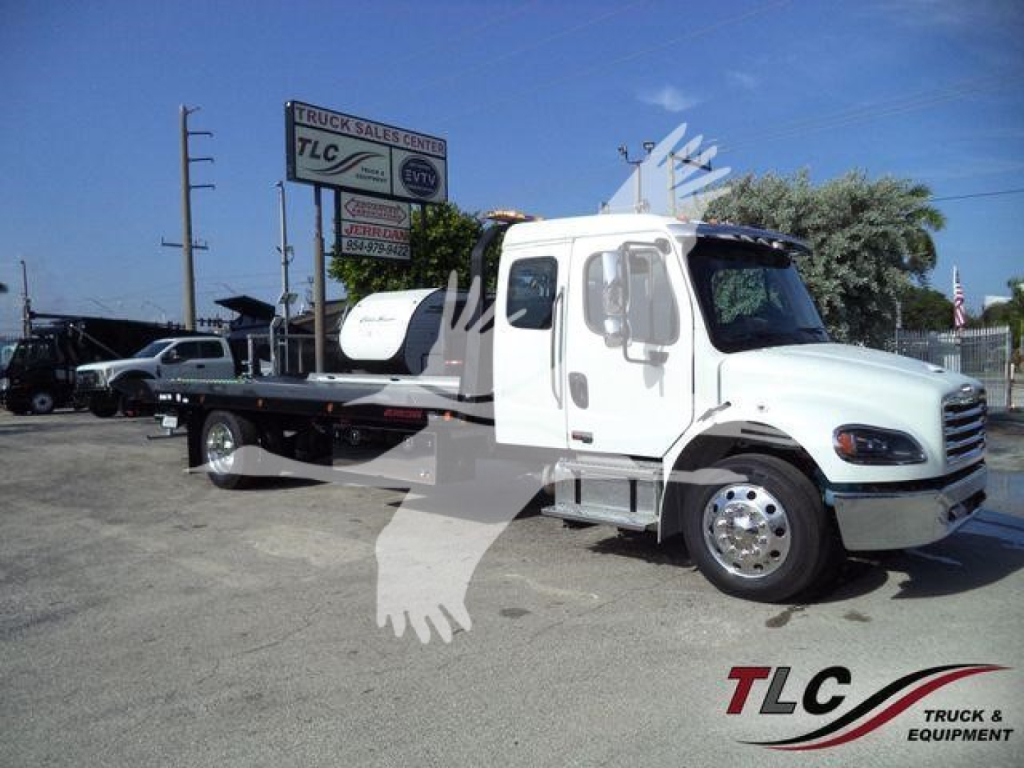
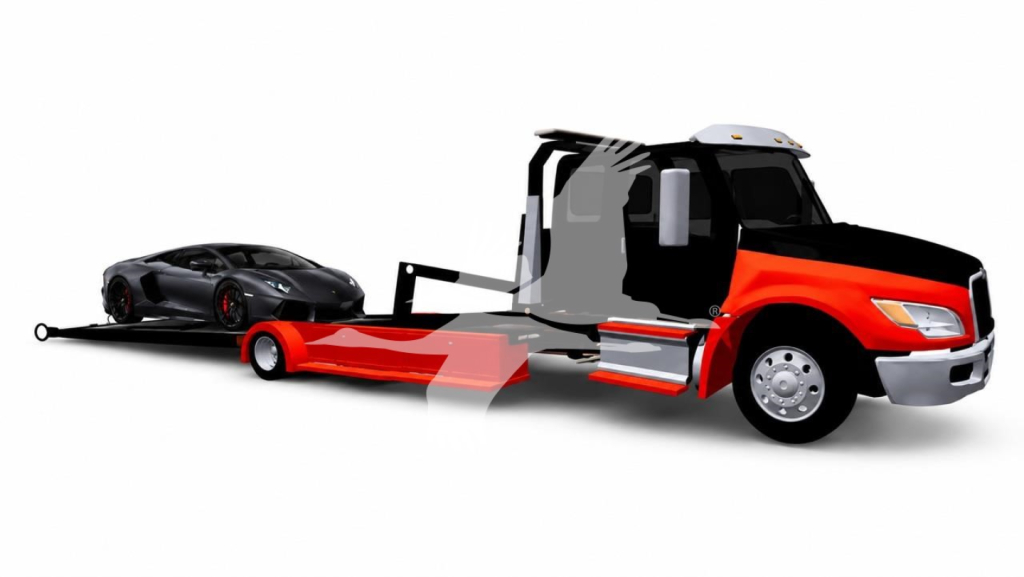
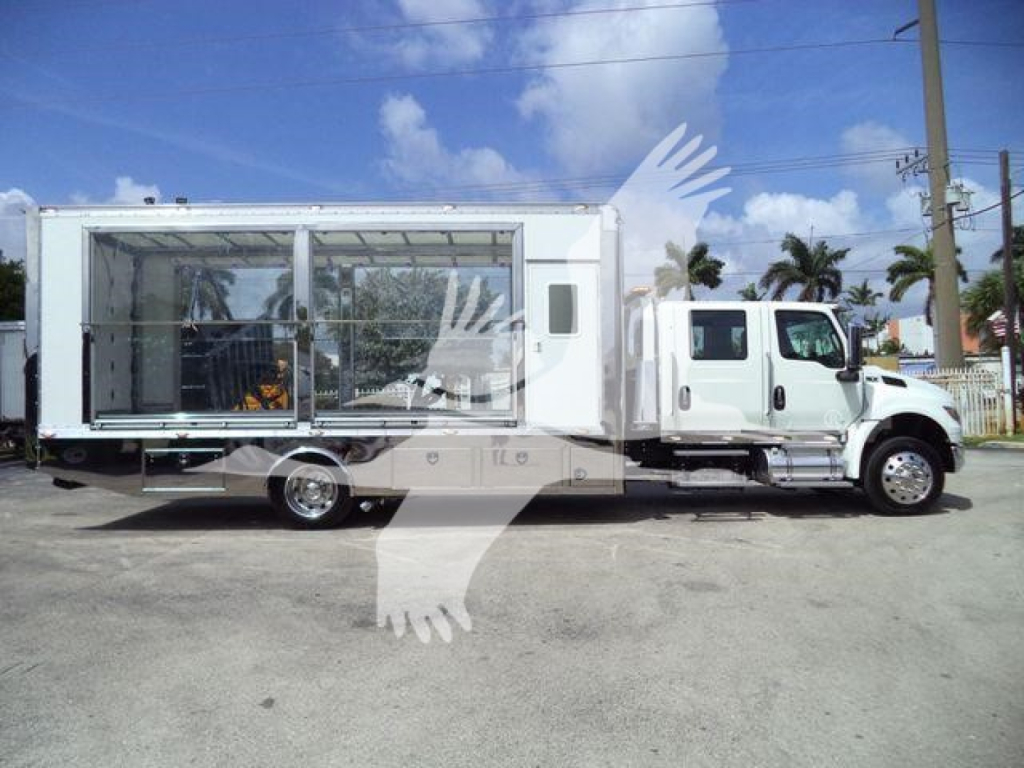
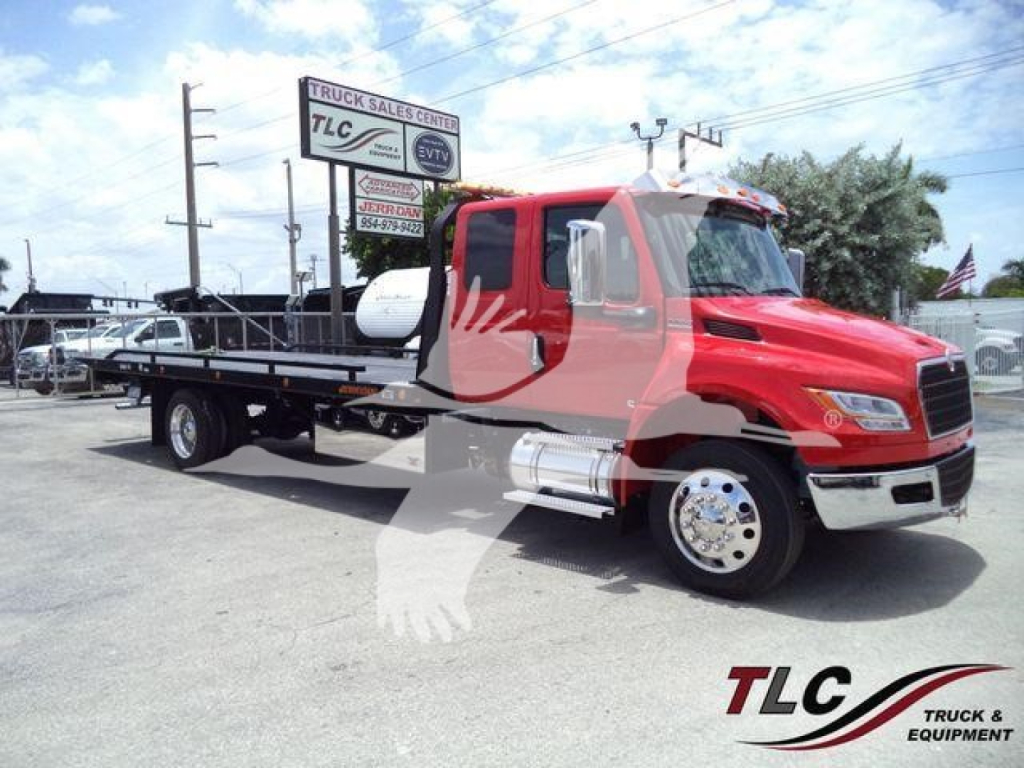
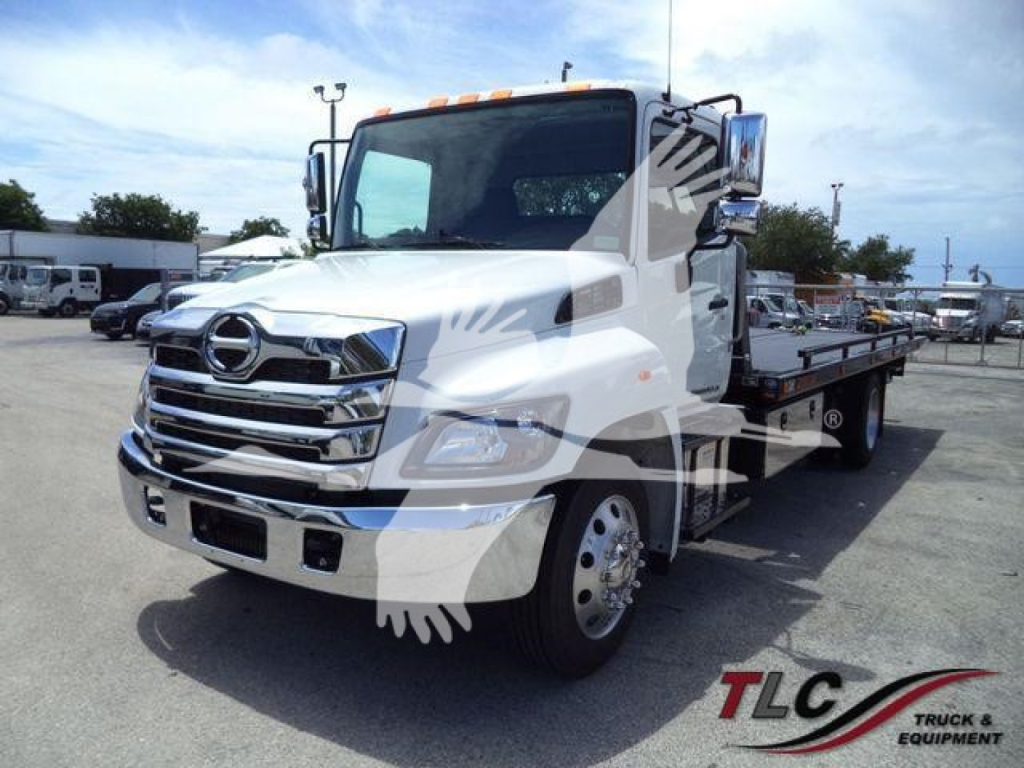
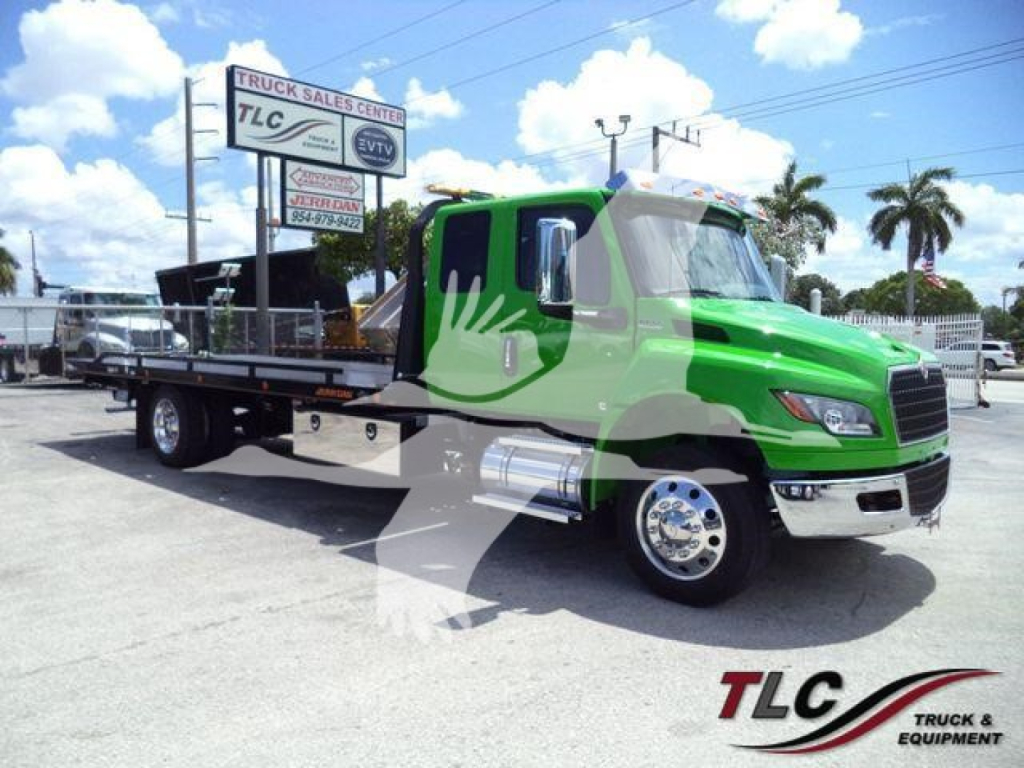
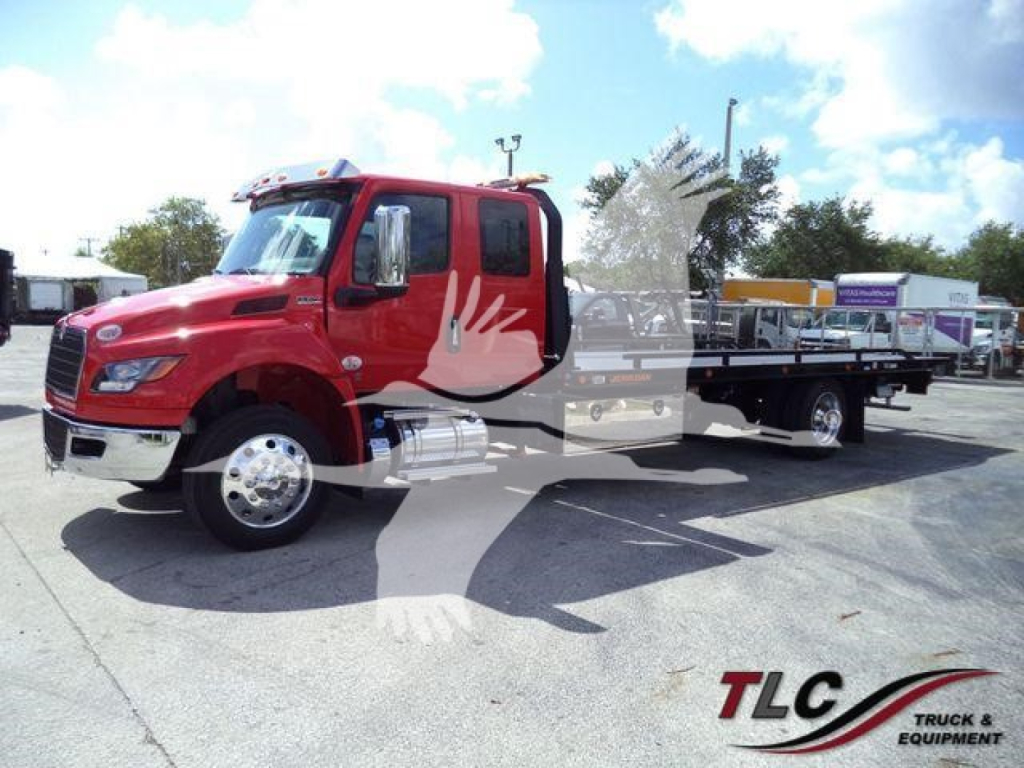
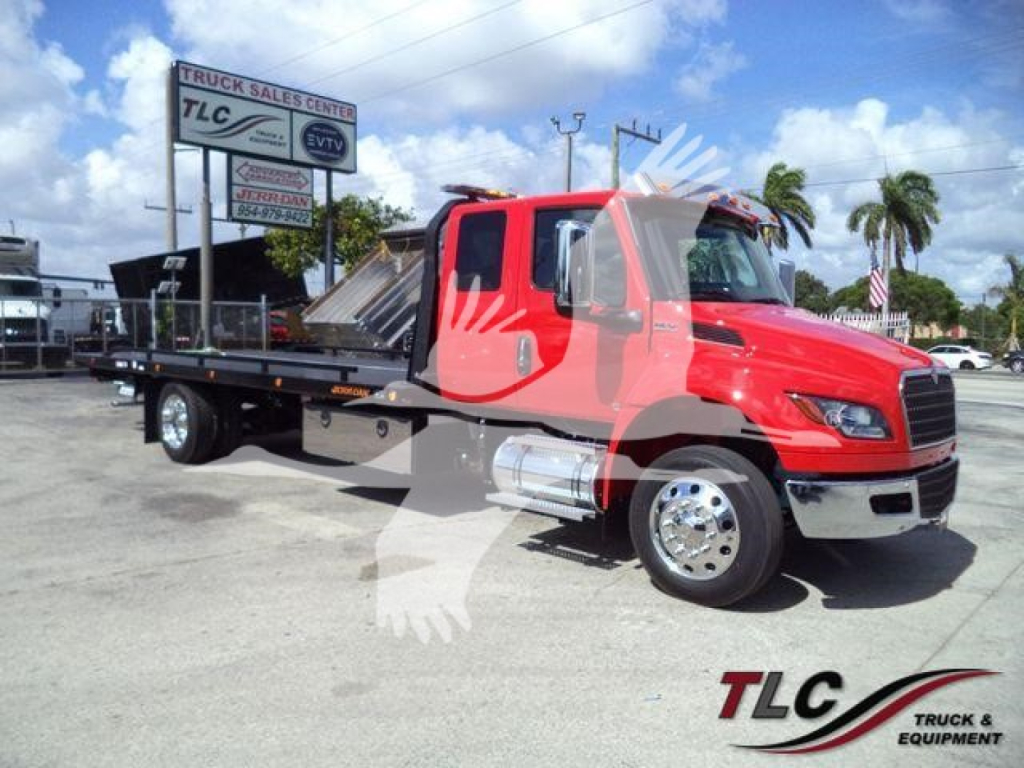
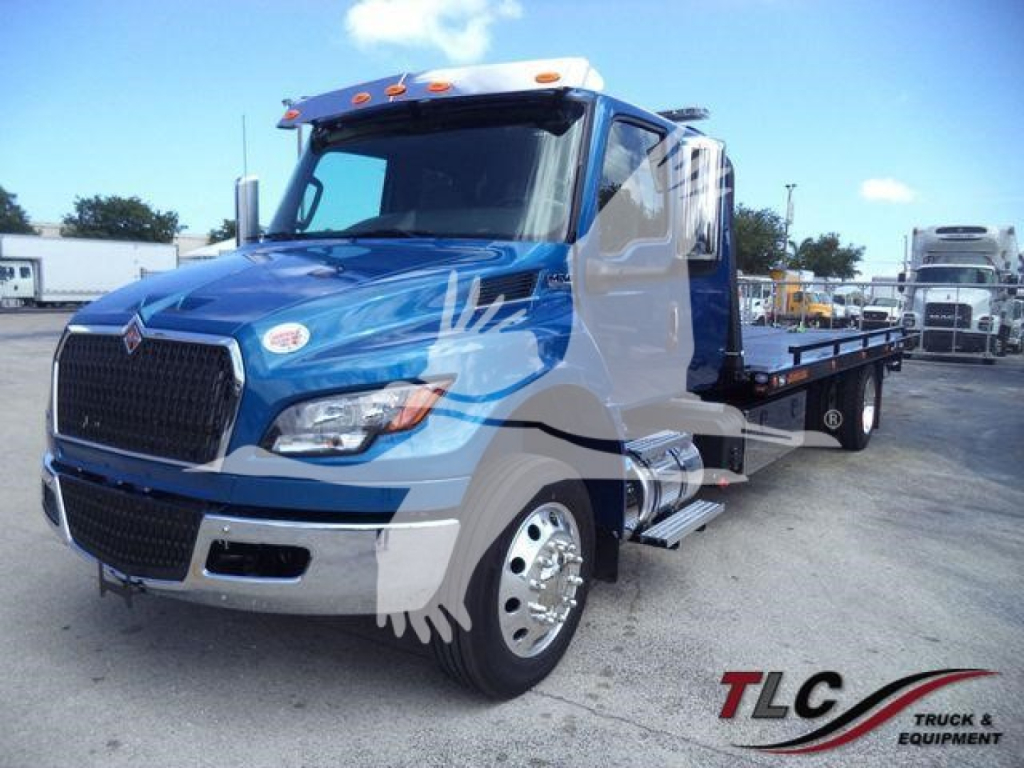
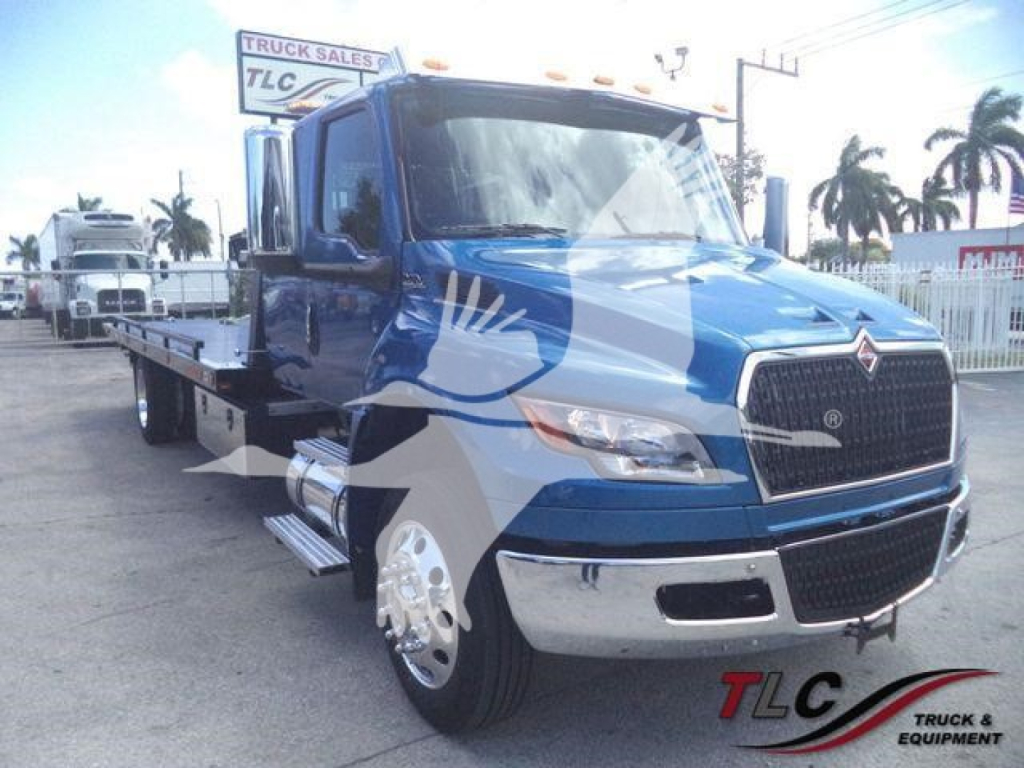
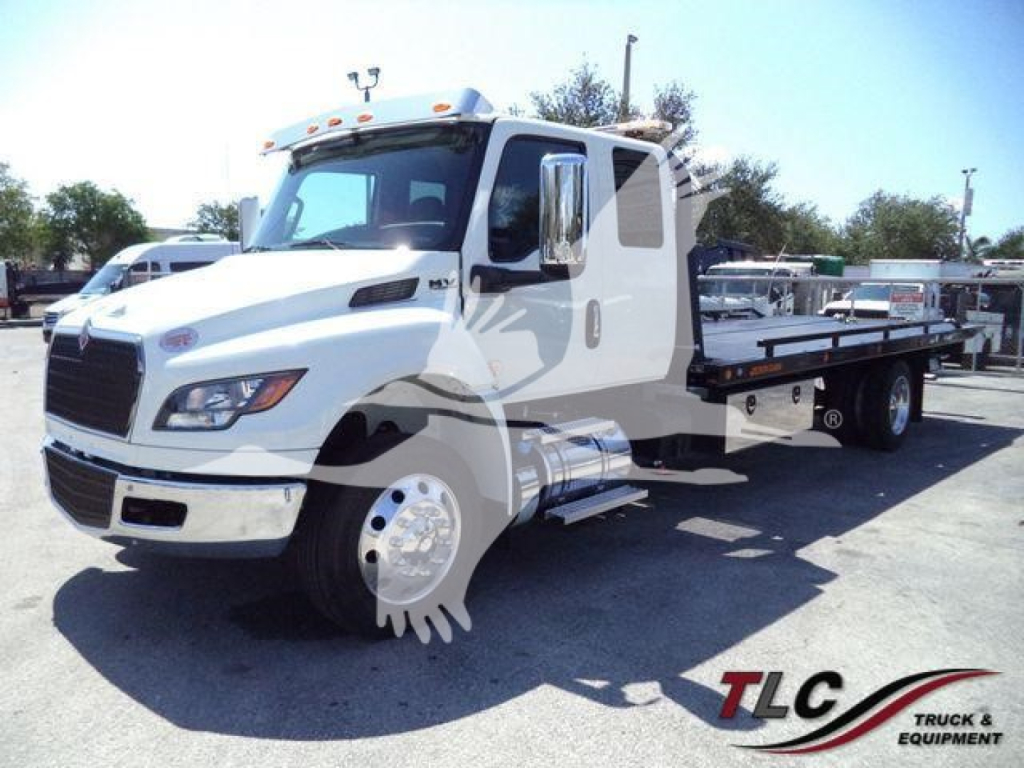
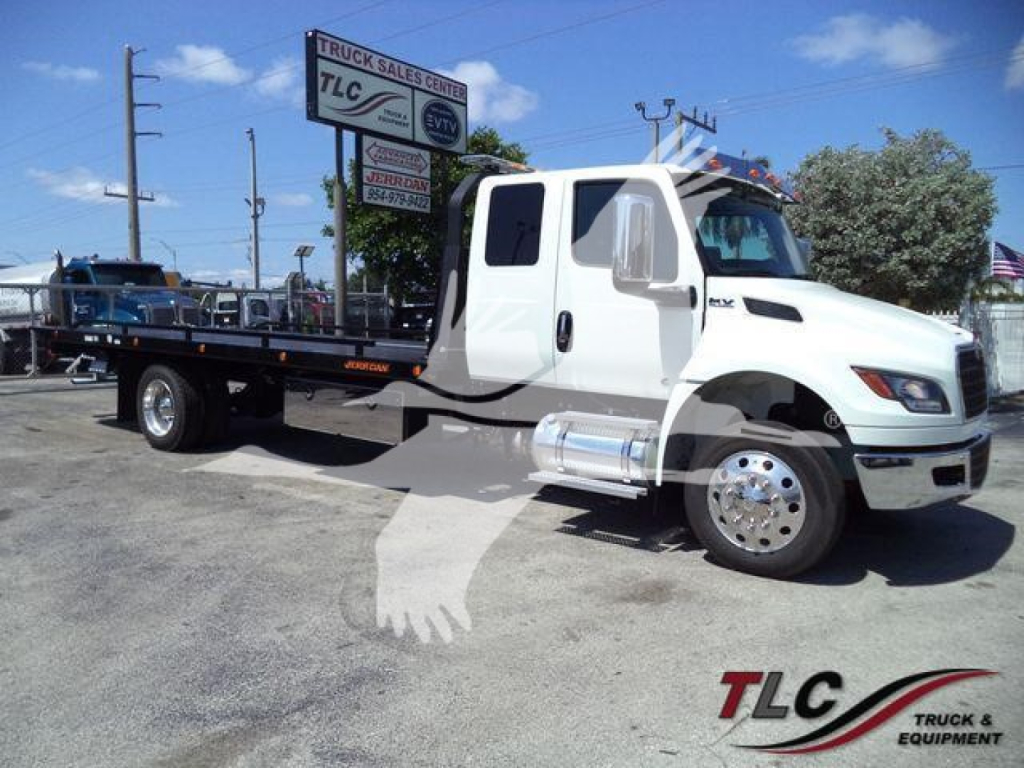
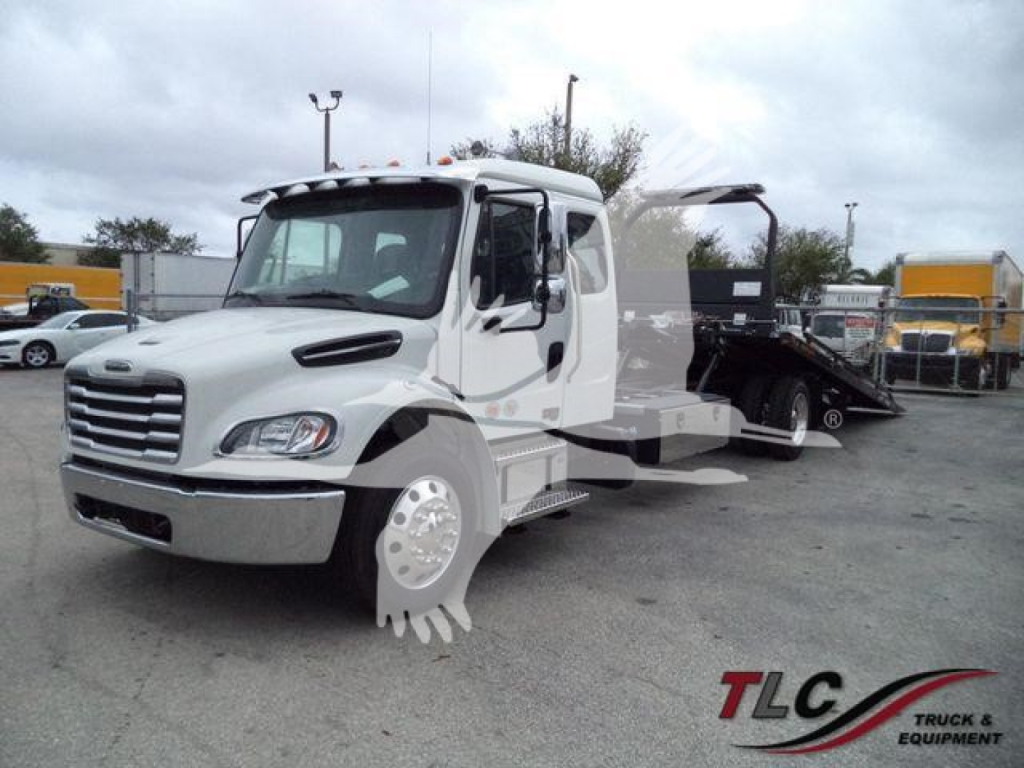
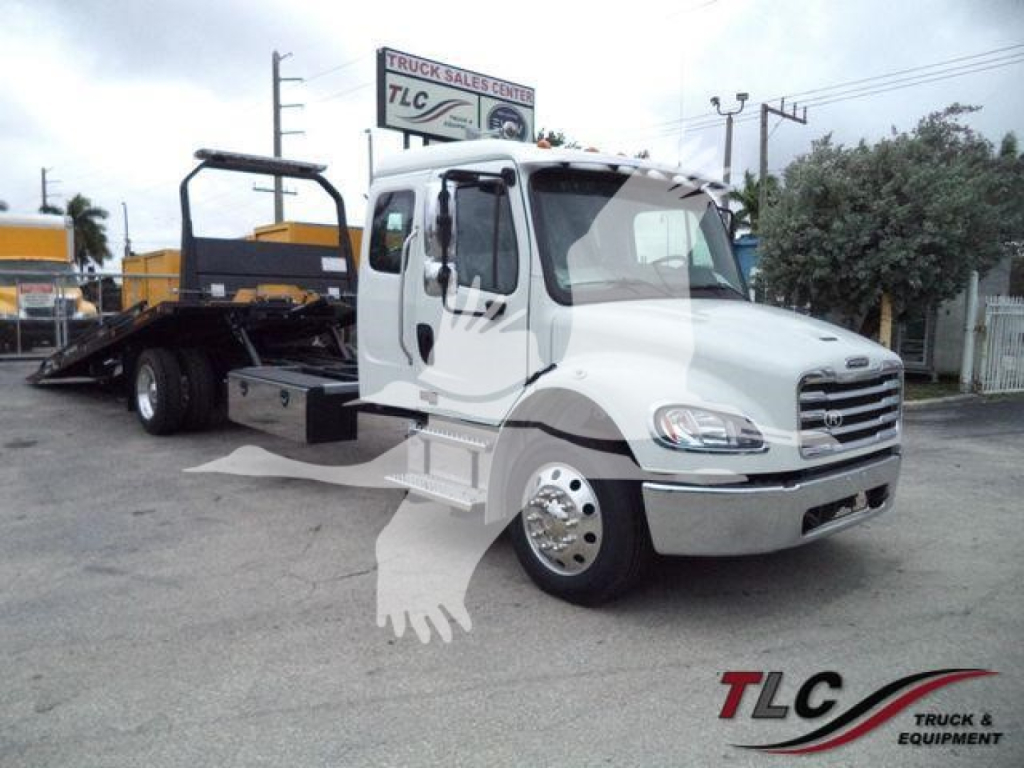
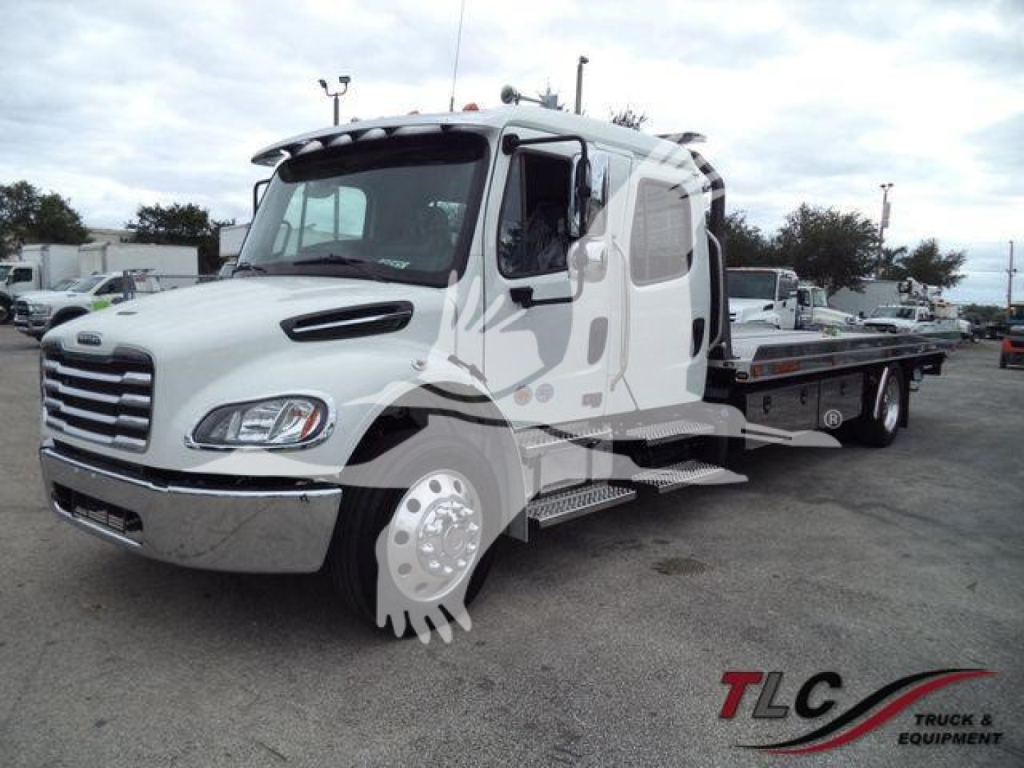
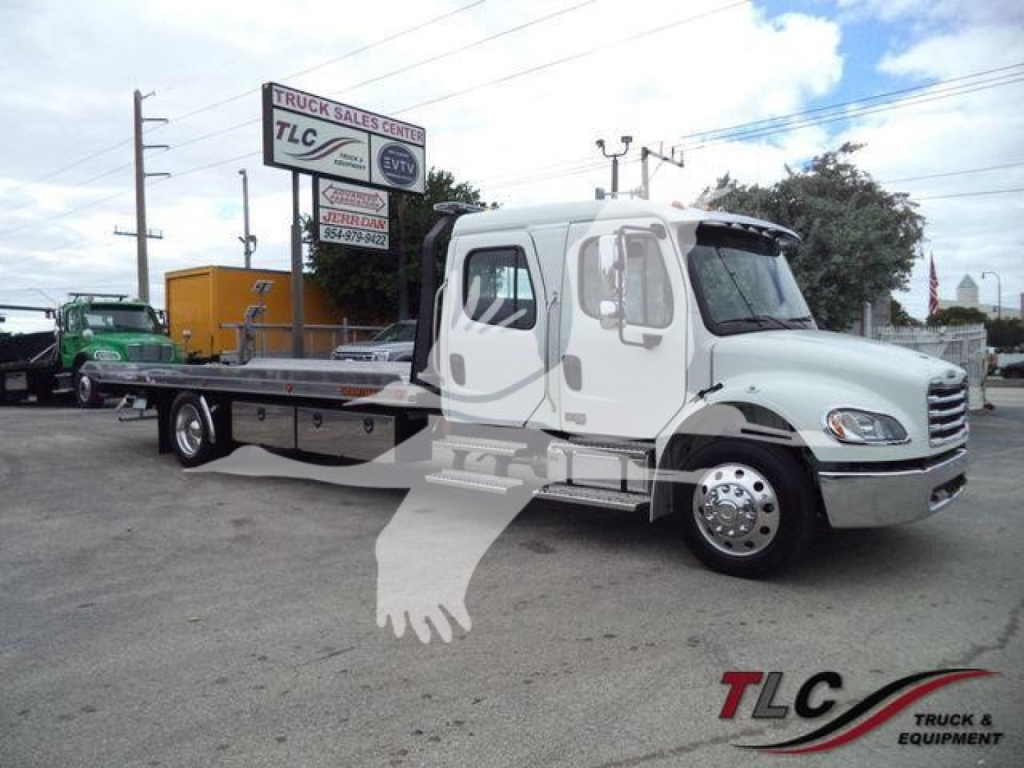
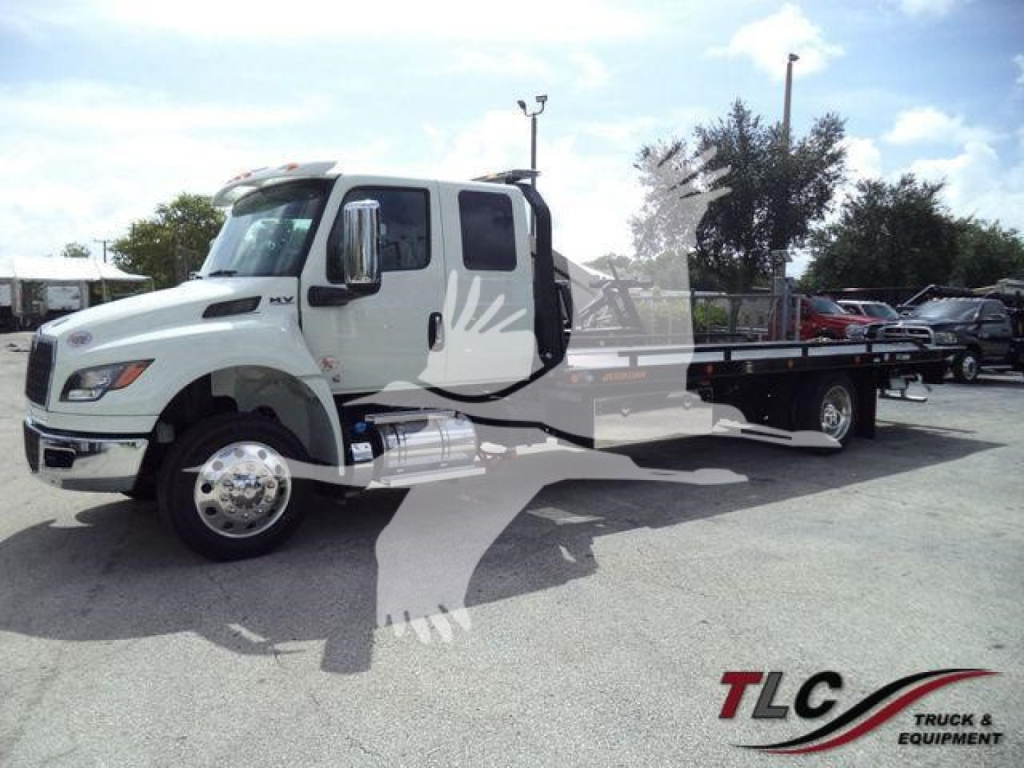
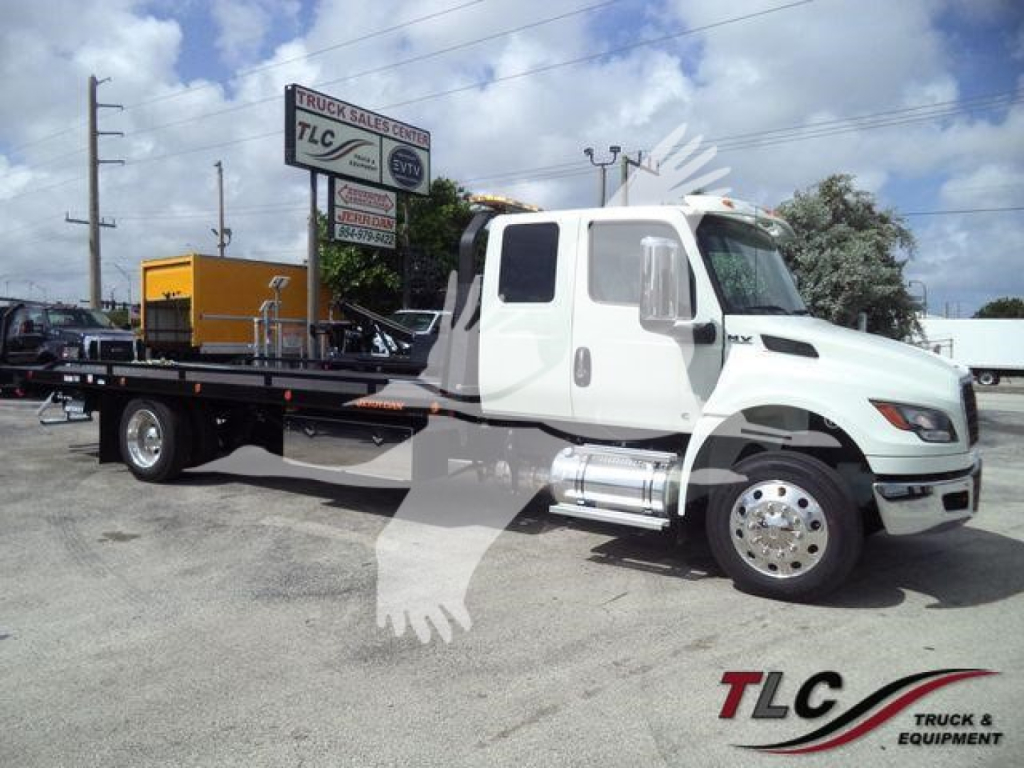
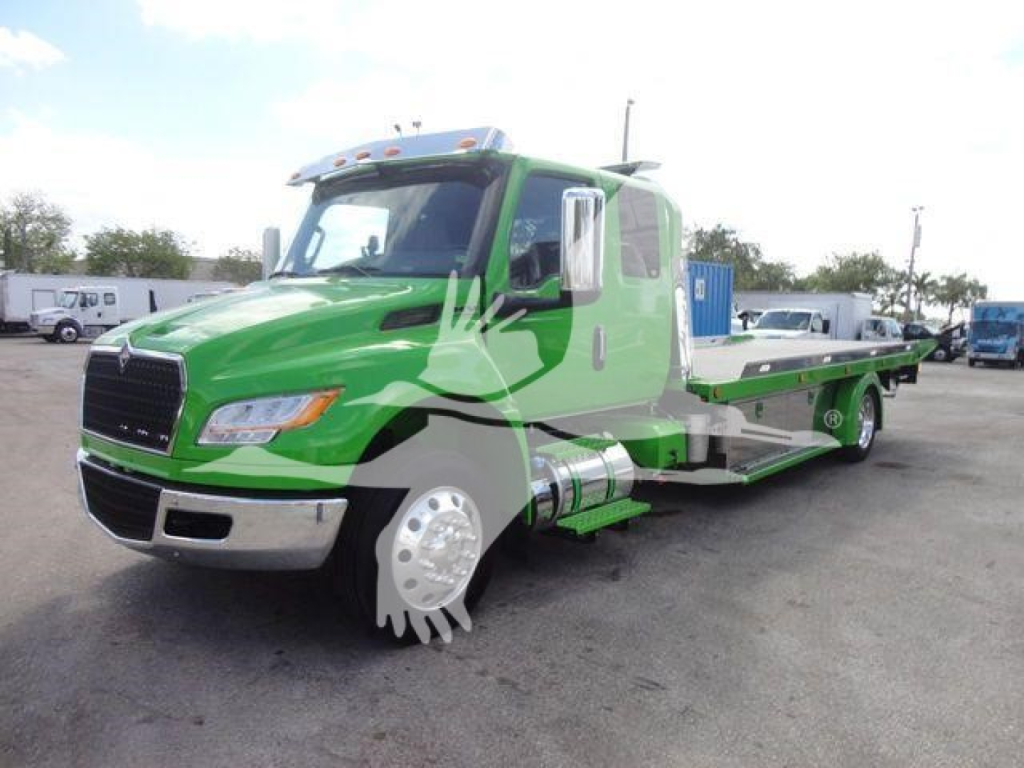
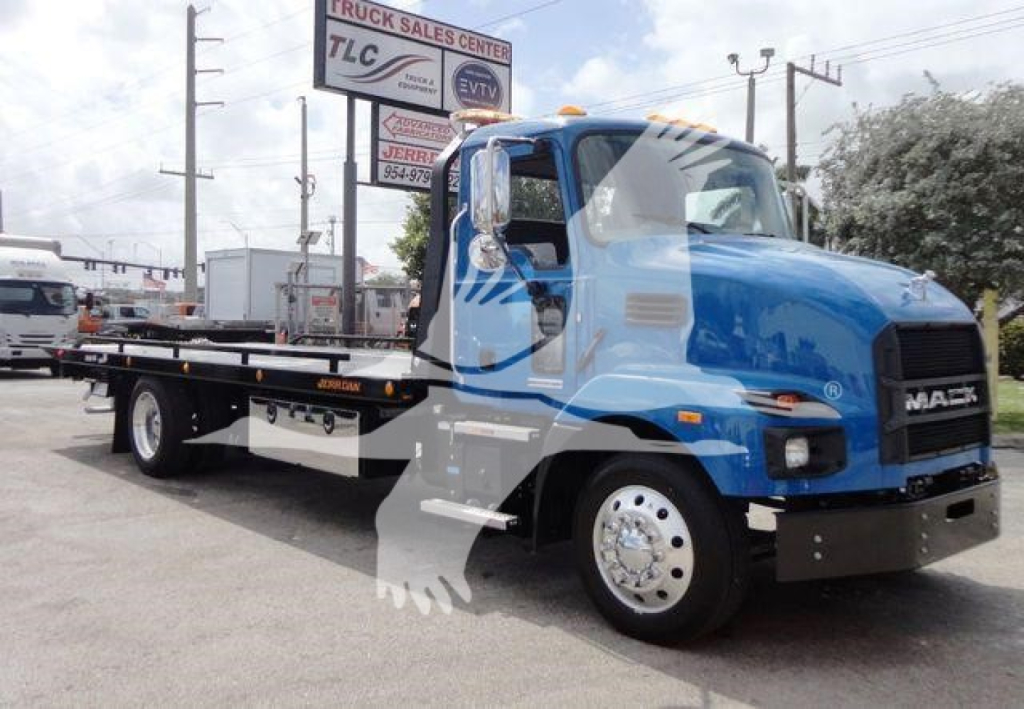
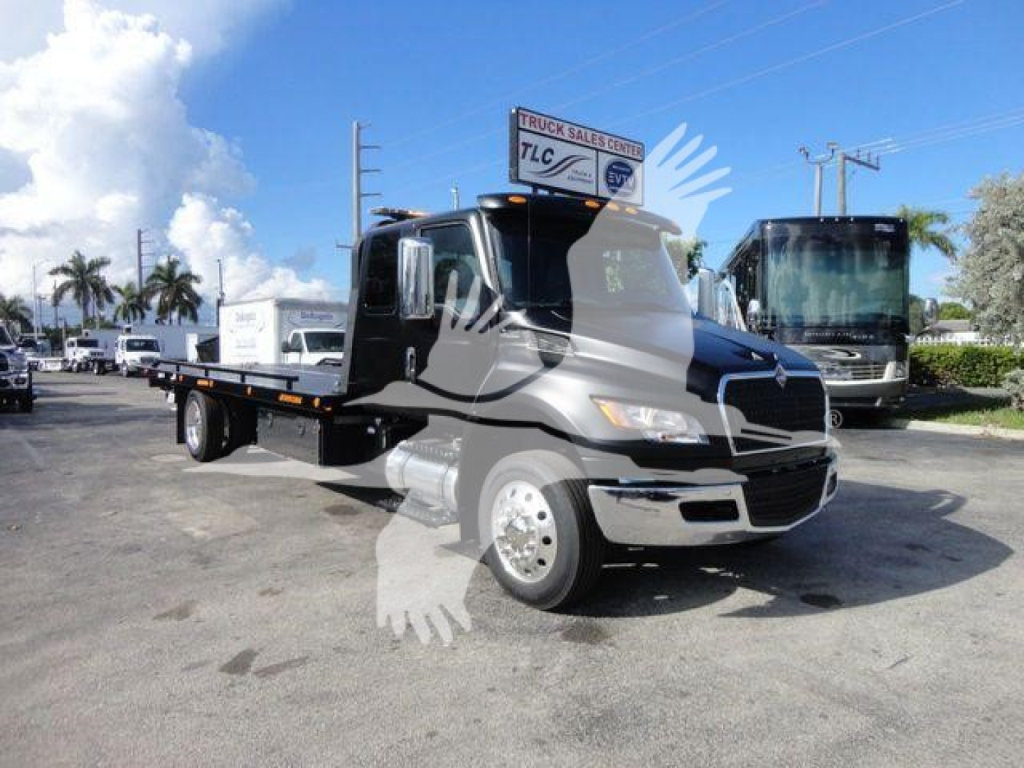
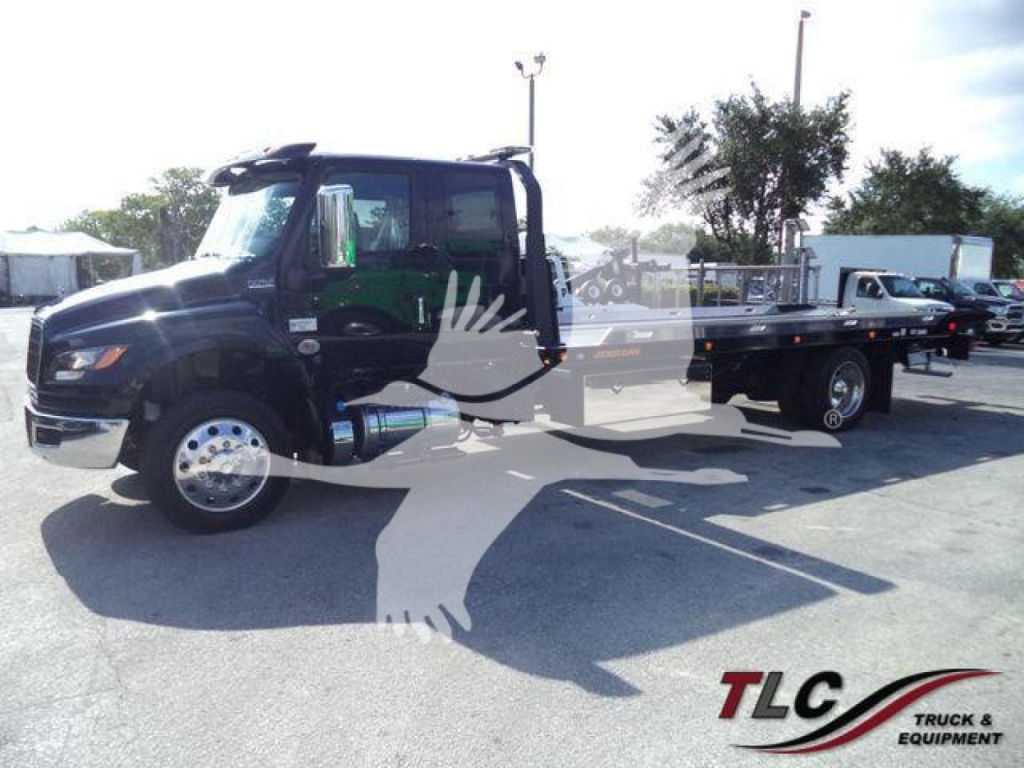
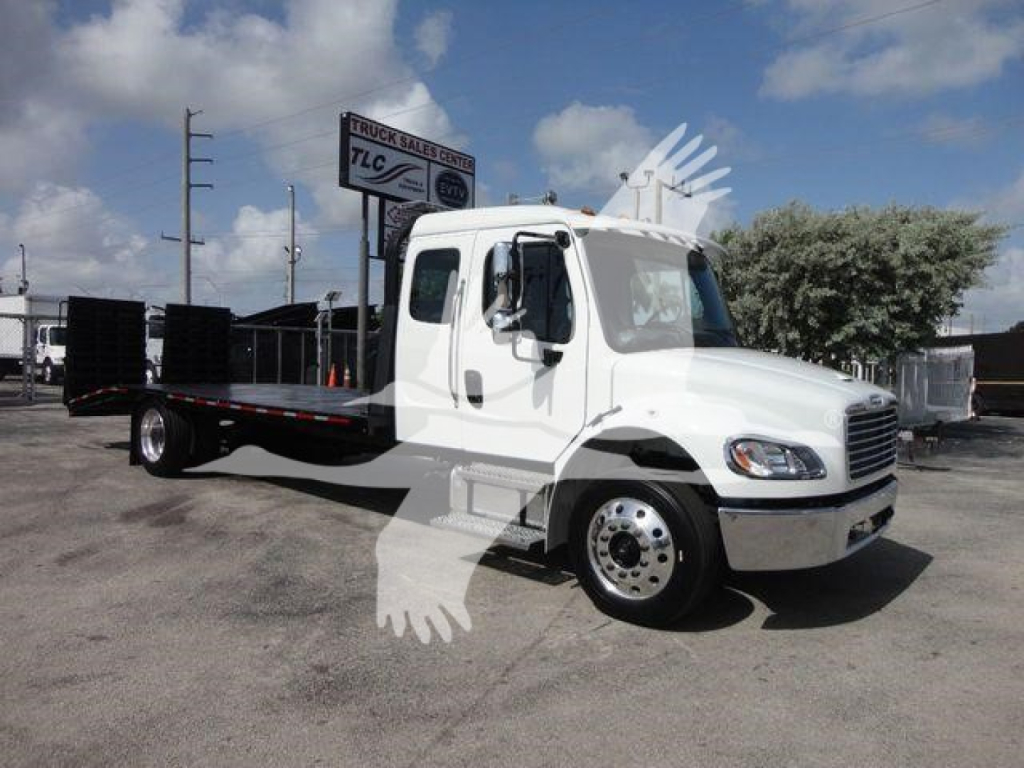
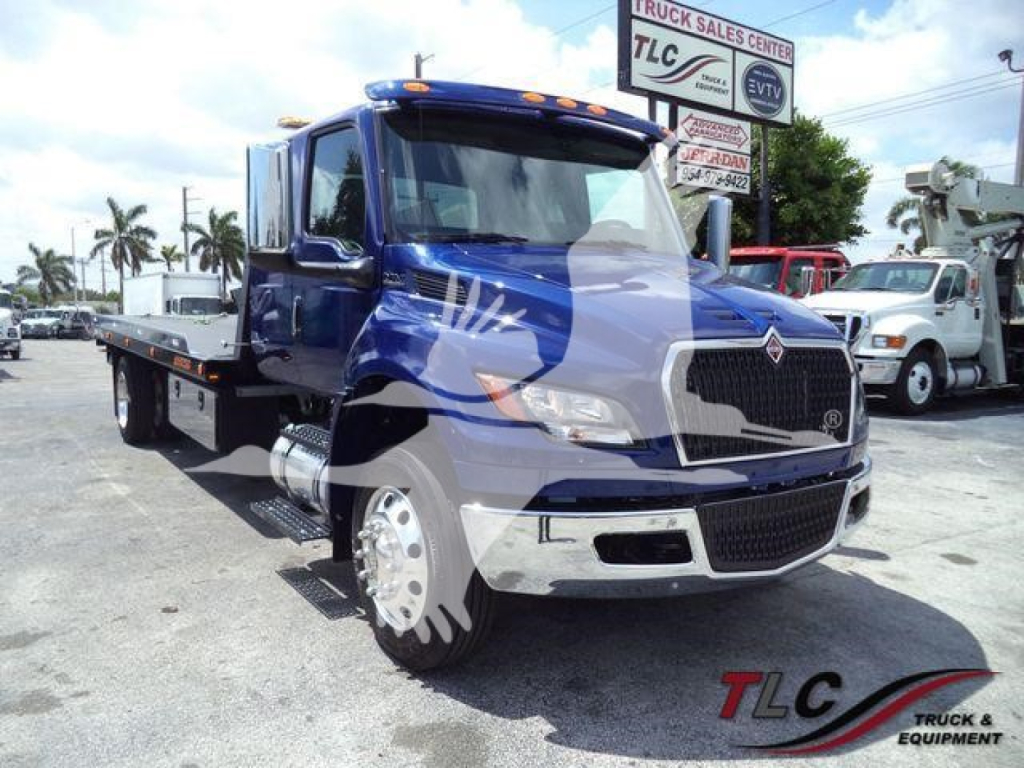
Showing 1 to 28 of 42 results
Selling a 2027 rollback truck? List your 2027 rollback truck for sale and reach thousands of commercial buyers.
2027 Rollback Trucks
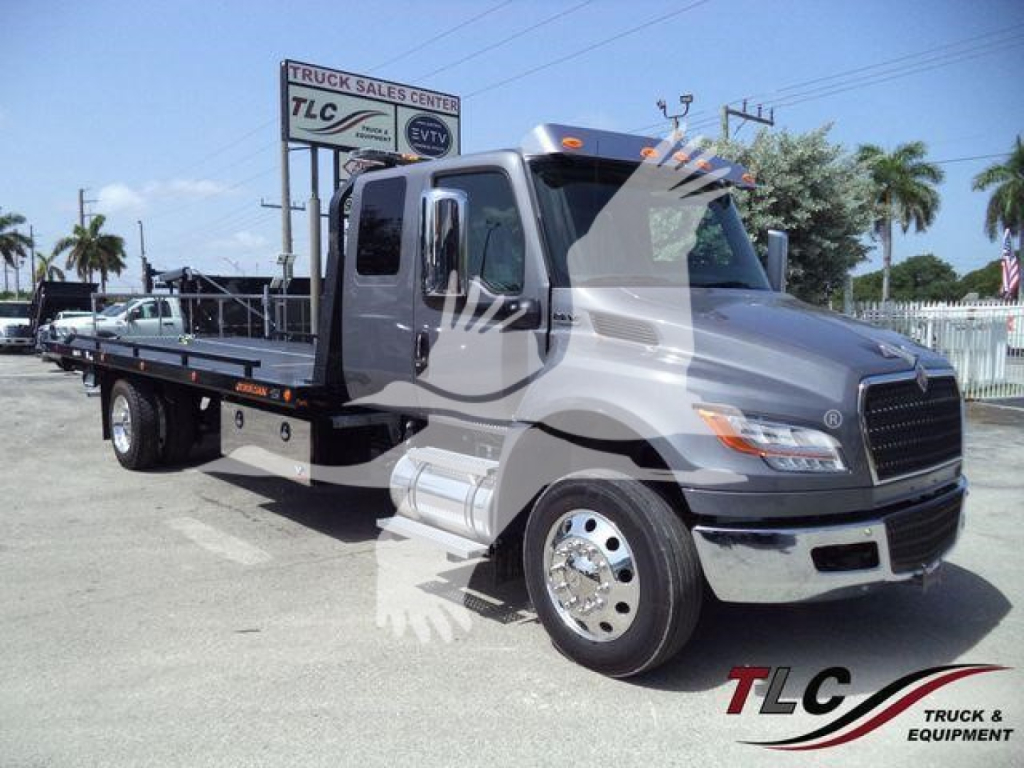
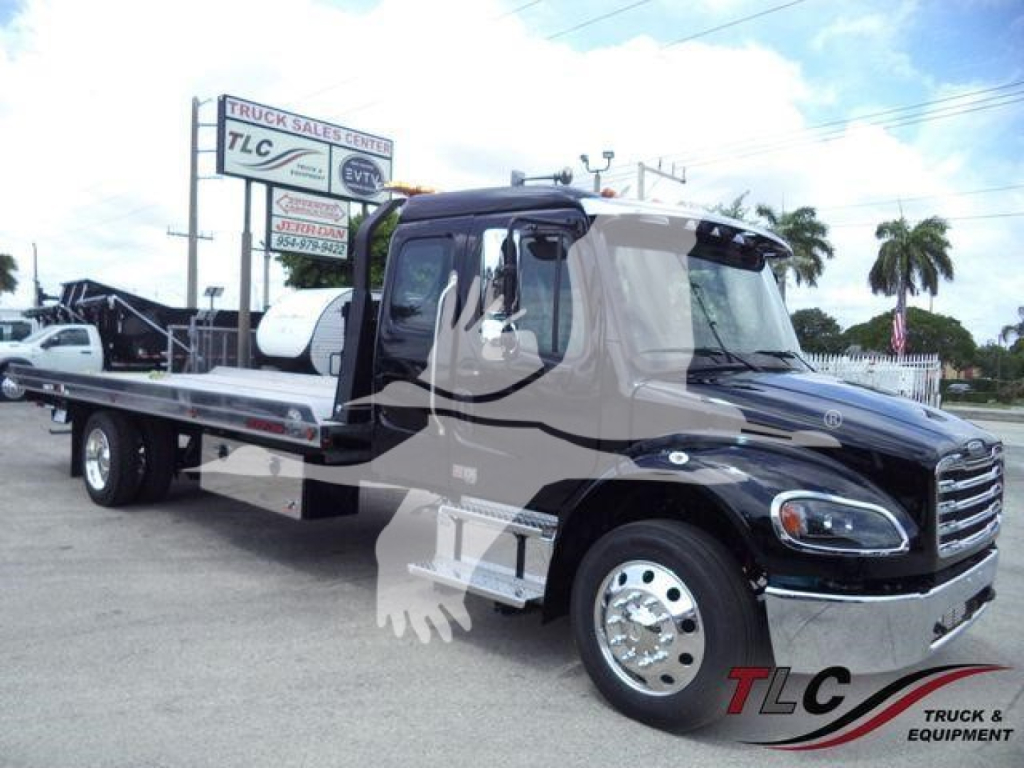
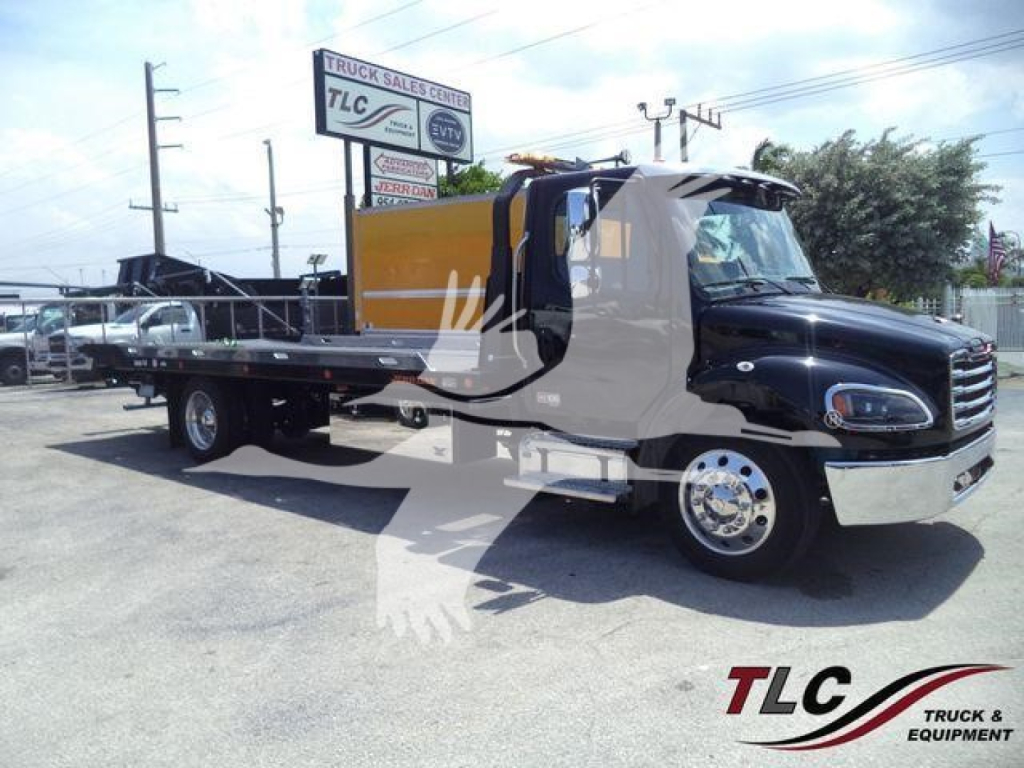
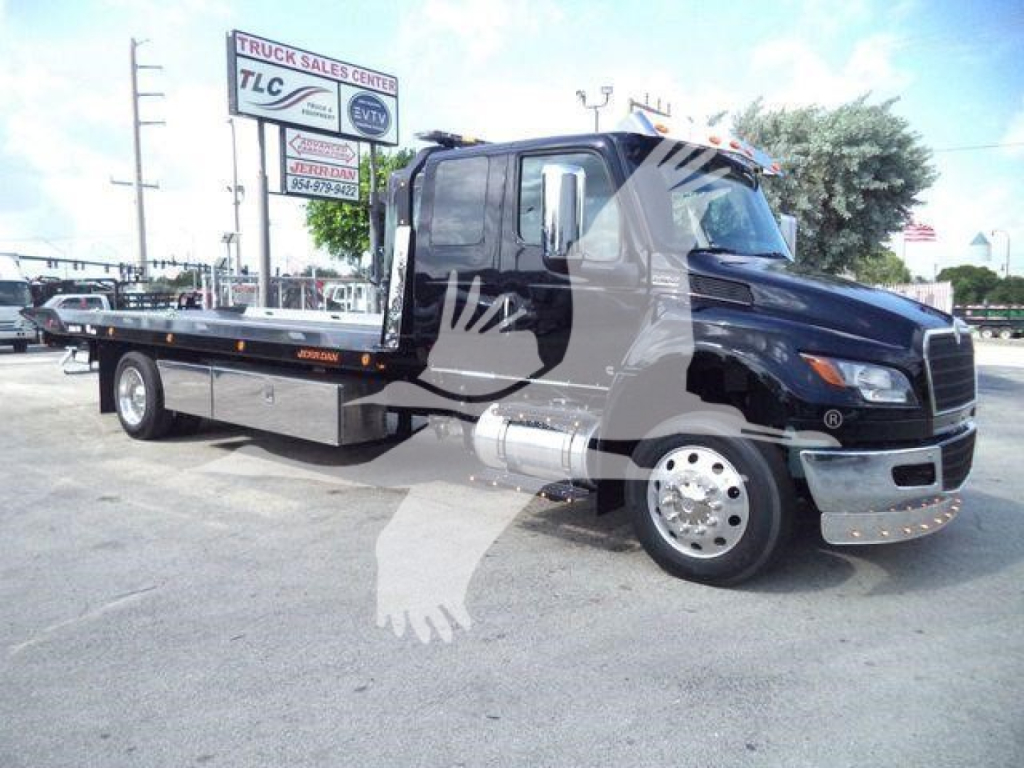
Chassis choice matters as much as the body. In this class, buyers typically compare Class 5 through Class 7 platforms with GVWRs around 19,500 to 26,000 pounds, depending on intended payload, CDL considerations, and body capacity. Diesel engines paired with Allison automatic transmissions are common because they simplify stop-and-go towing work and reduce driver fatigue. A 4x2 chassis is typical for metro towing and transport, while 4x4 rollback trucks are useful in snow regions, rural service, and off-pavement recovery access. Air brakes, air ride suspension, low-profile 22.5 tires, aluminum wheels, and extended or crew cab layouts can all affect day-to-day usability, ride quality, and total operating cost.
Body specs are where rollback trucks separate themselves. Buyers should pay close attention to rated deck capacity, wheel lift rating, winch size, deck construction, and storage layout. Many carriers in this segment are rated around 6 tons, with 8,000-pound winches and hydraulic wheel lifts in the 3,500 to 4,000-pound range. Steel decks remain common for durability and repairability, while aluminum can reduce tare weight and improve payload. Features like removable rails, stationary or removable pylons, wireless remote controls, side recovery systems, work lights, strobes, backup cameras, toolboxes, and deck-mounted dollies can make a real difference in productivity. Crossmember spacing, mainbeam design, and deck height above the frame also matter because they affect long-term structural life and loading angle.
The best 2027 rollback truck for sale depends on your mix of calls. High-volume repossession and roadside work usually favor a low-profile carrier with a fast cycle time, good toolbox access, and a capable wheel lift. Dealer, fleet, and auction transport may put more emphasis on deck length, securement points, and smooth loading for late-model vehicles. Mixed-use operators often look for a truck that can carry vehicles during the day and handle light towing at night. Evaluate turning radius, cab visibility, hydraulic speed, rust resistance, lighting package, and service access before comparing cosmetic upgrades. A rollback earns its keep on uptime, loading efficiency, and the ability to move vehicles safely without creating extra damage claims.
Frequently Asked Questions about 2027 Rollback Trucks
What is the difference between a rollback truck and a wrecker?
A rollback truck uses a hydraulic slide-back bed to load the entire vehicle onto the carrier, while a traditional wrecker lifts one end of the vehicle and tows it with the other end on the ground. Rollbacks are often preferred for all-wheel-drive vehicles, damaged vehicles, low-clearance cars, and transport work because they reduce driveline wear and lower the chance of bumper, fascia, or tire damage during loading and hauling.
What deck length is most common on a rollback truck?
The most common rollback deck lengths are 20 feet to 22 feet, usually at 102 inches wide. A 20-foot bed is a strong fit for standard passenger vehicles and many light trucks, while a 21-foot or 22-foot deck gives more flexibility for longer pickups, vans, and small equipment. Buyers should also look at usable deck length, pylon design, and loading angle, not just the published overall measurement.
How much can a rollback truck typically carry?
Capacity depends on the chassis, body, and deck material, but many medium-duty rollback trucks are built around a 6-ton carrier rating with an 8,000-pound winch and a 3,500 to 4,000-pound wheel lift. Actual usable payload is affected by GVWR, curb weight, fuel, tools, and accessories. The safest way to compare trucks is to review the body rating and the real-world payload available on that specific chassis configuration.
Is a low-profile or extra-low-profile deck worth it on a rollback?
For many towing and transport operations, a low-profile or extra-low-profile deck is worth the added cost because it improves approach angle and makes it easier to load lowered cars, long-wheelbase vehicles, and units with front-end or suspension damage. It can also reduce the need for extra cribbing or ramp adjustments. Operators handling standard fleet vehicles only may not need the lowest possible deck, but mixed-use and high-end transport work usually benefits from it.
What should buyers inspect first on a rollback truck body?
Start with the structural and hydraulic components. Check the deck, mainbeams, crossmembers, subframe, tilt cylinders, extension cylinder, winch mount, and wheel lift for wear, repairs, or leaks. Then inspect the bed rollers, controls, remote system, lighting, toolbox mounts, and securement points. On working rollback trucks, the condition of the hydraulics, deck structure, and wheel lift tells you more about future downtime than cosmetic appearance.