
2027 Rollback Trucks For Sale in Florida
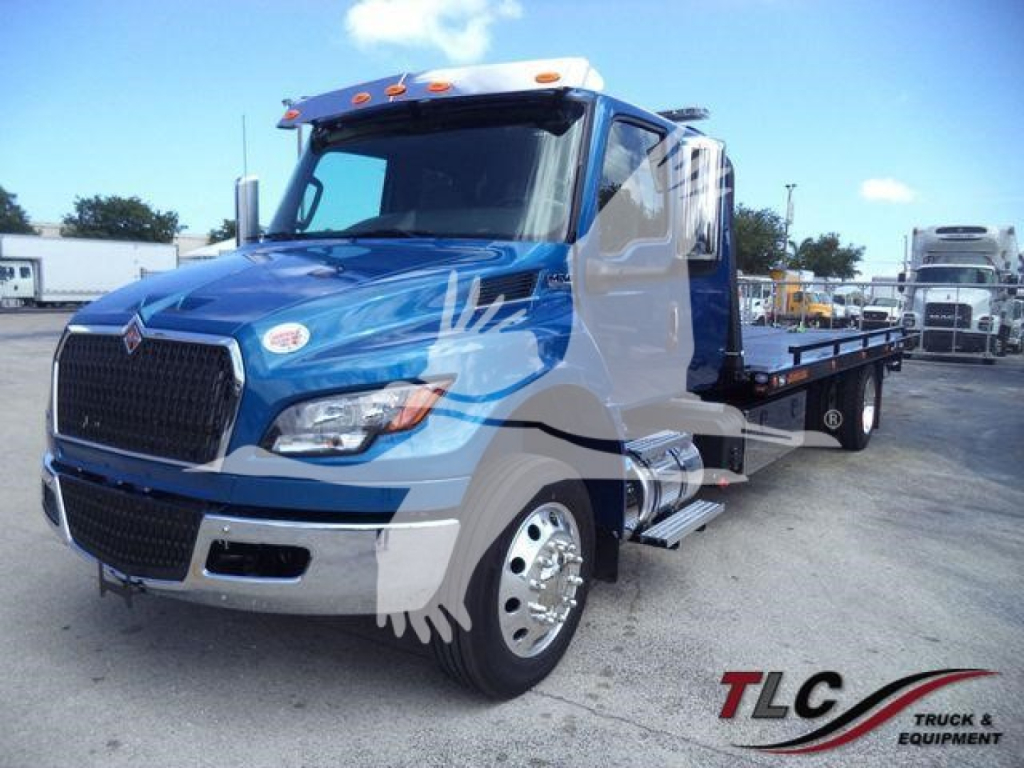
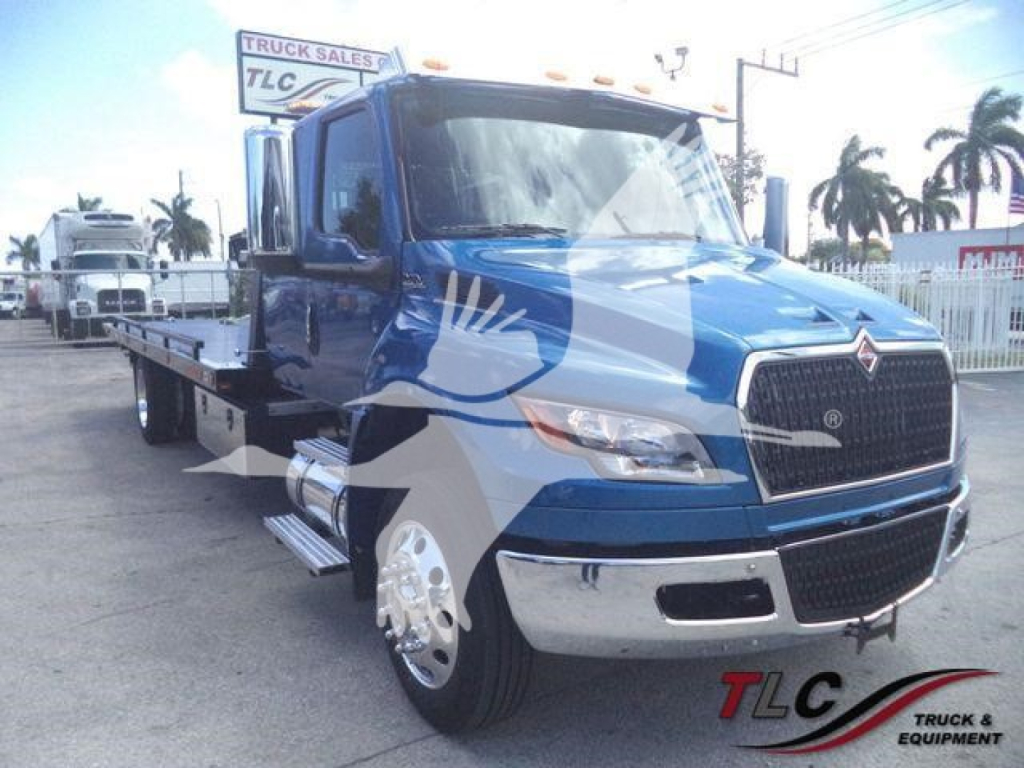
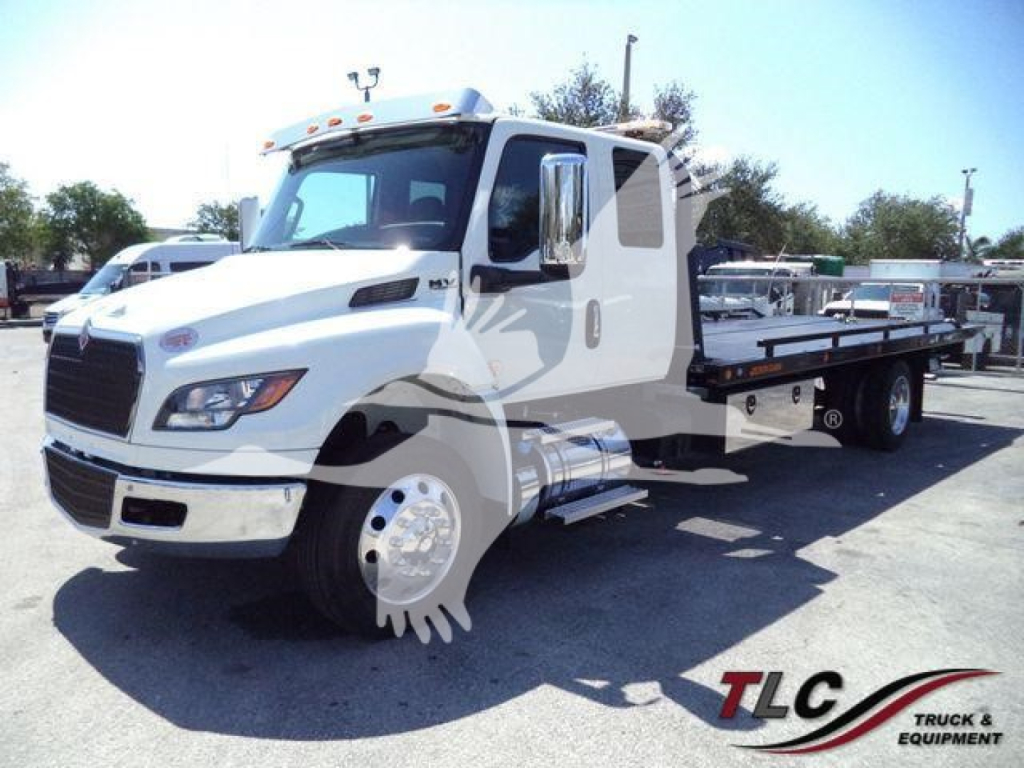
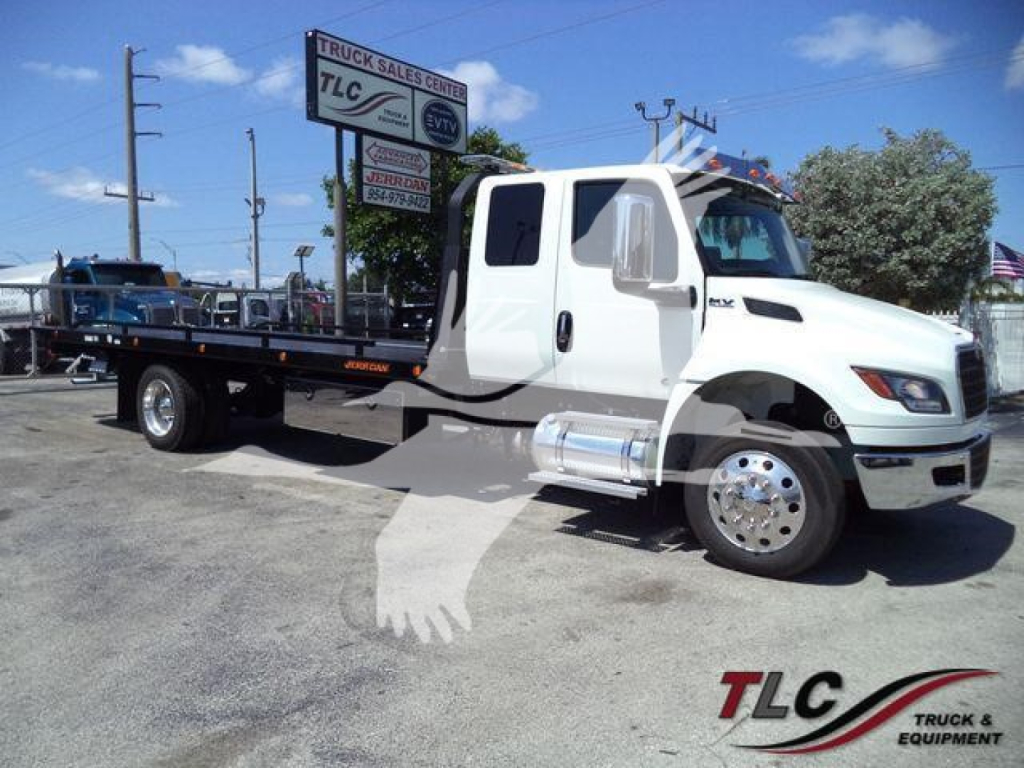
Shop 2027 rollback trucks in Florida. Compare deck length, winch, wheel-lift, GVWR, chassis, and low-profile carrier specs for towing.
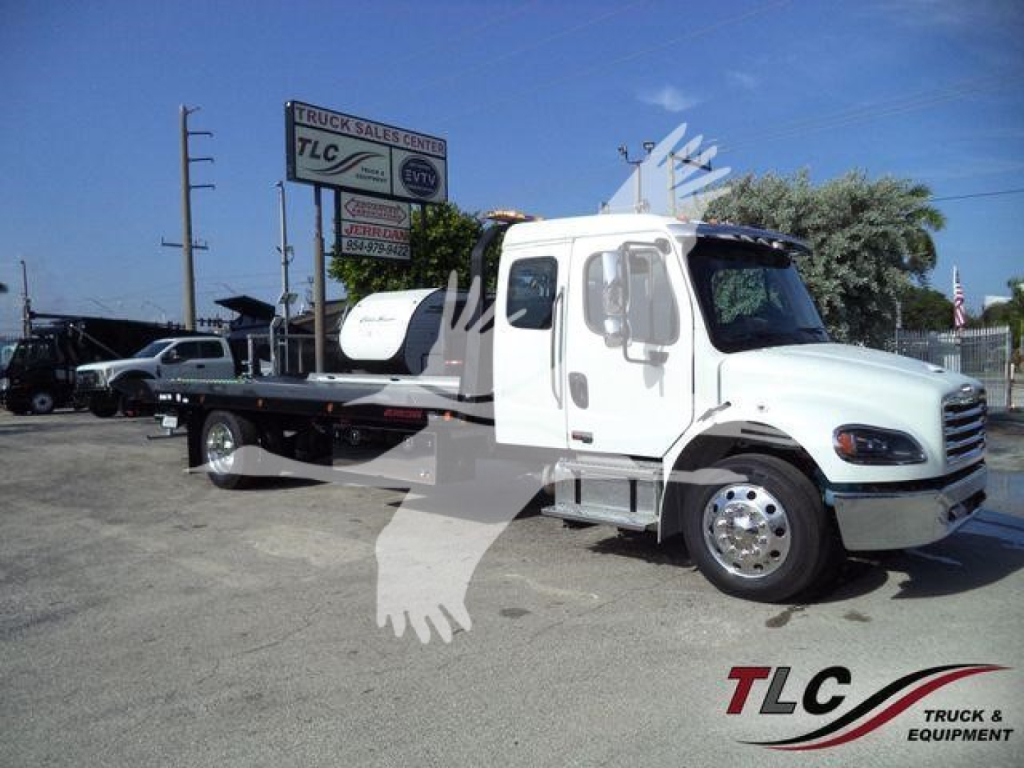
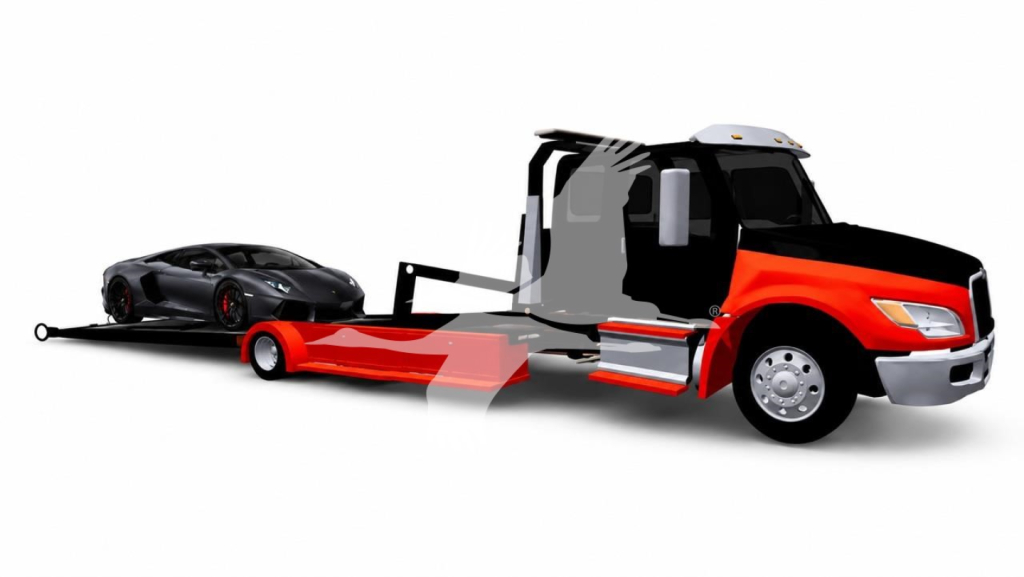
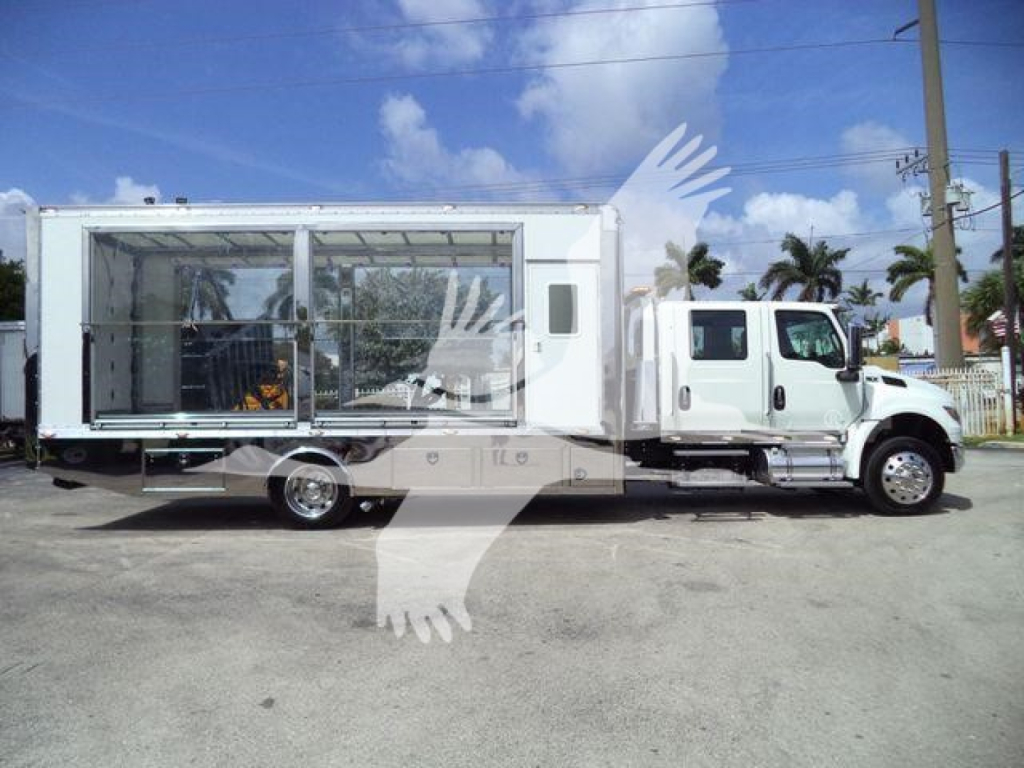
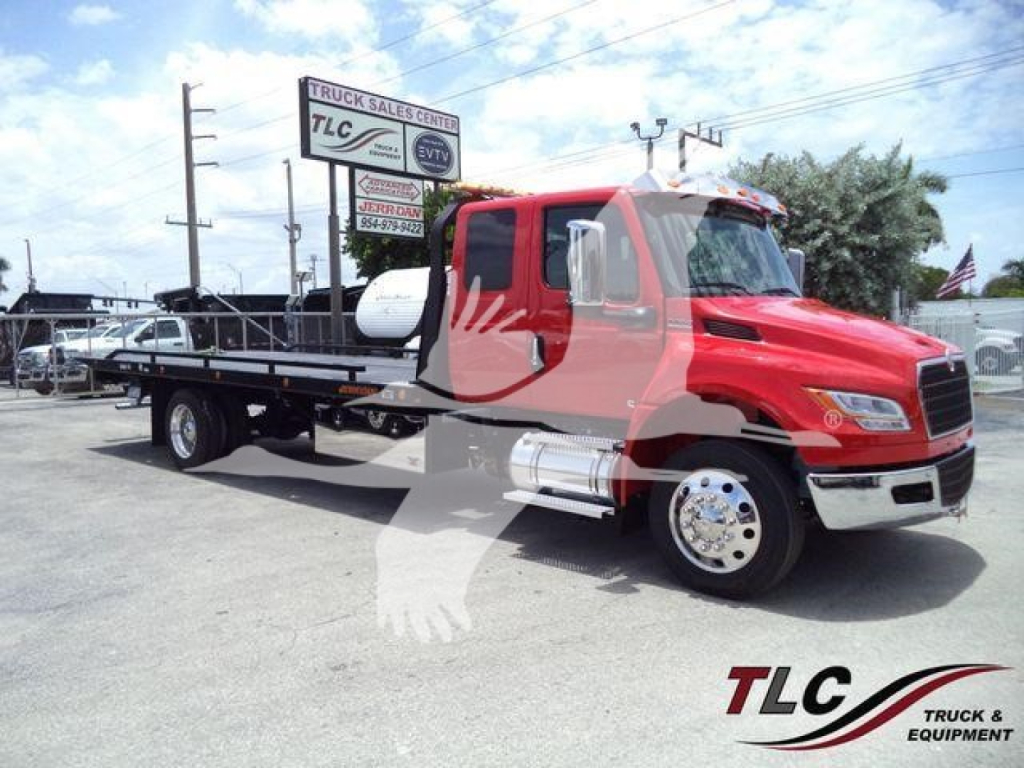
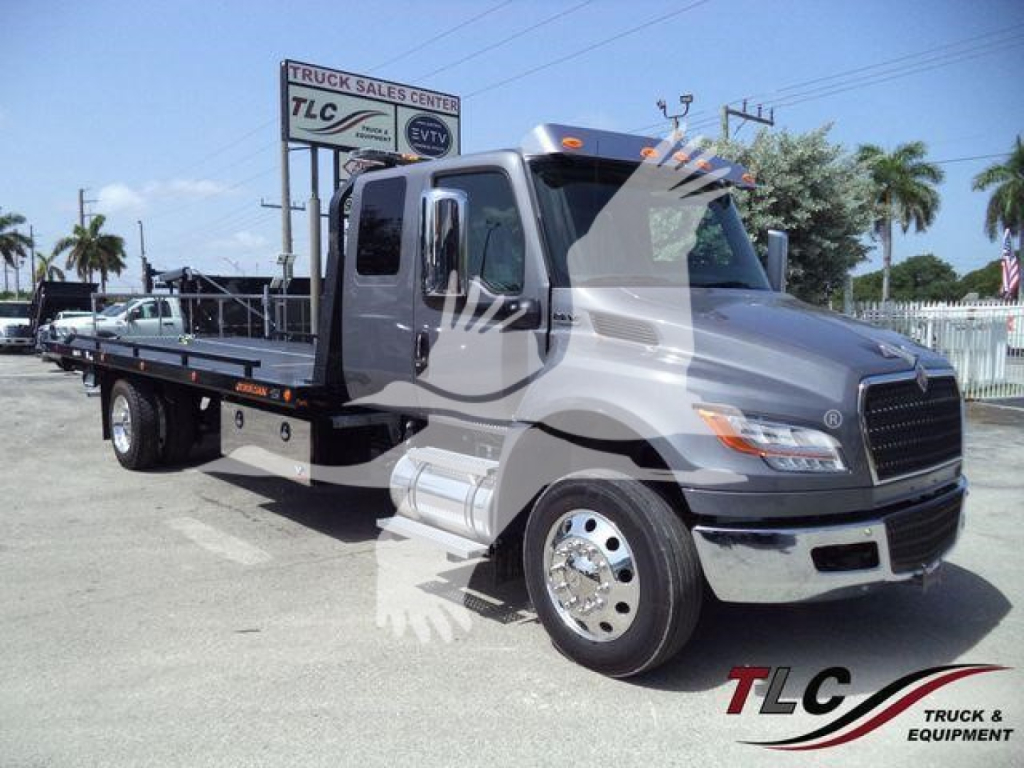
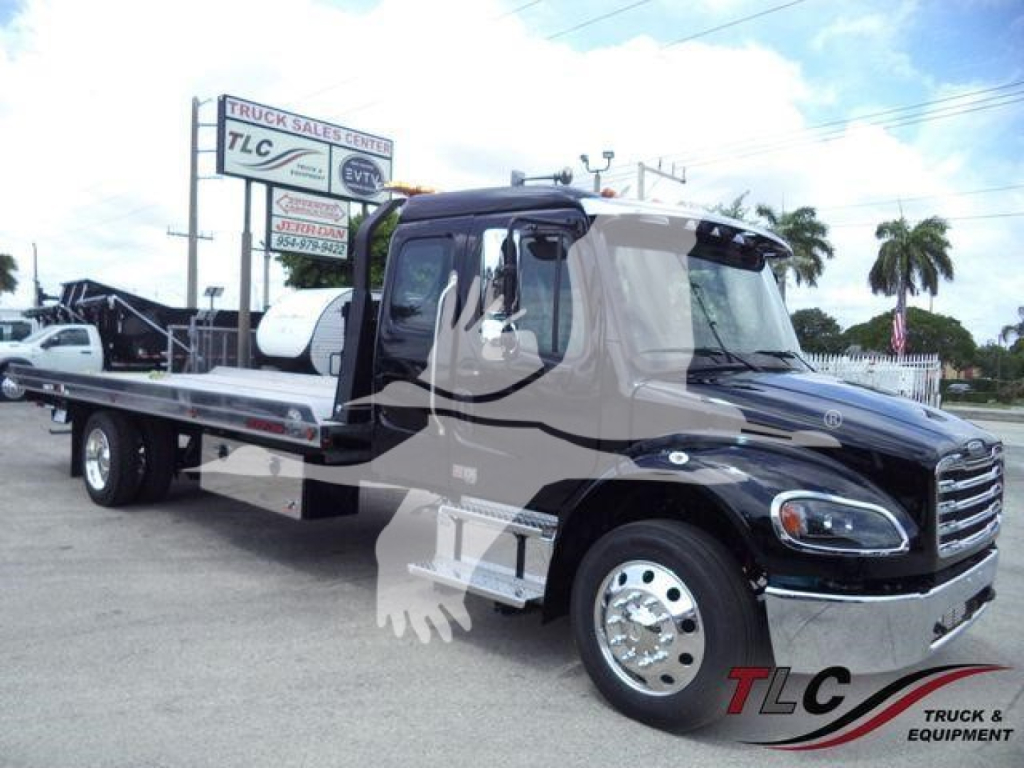
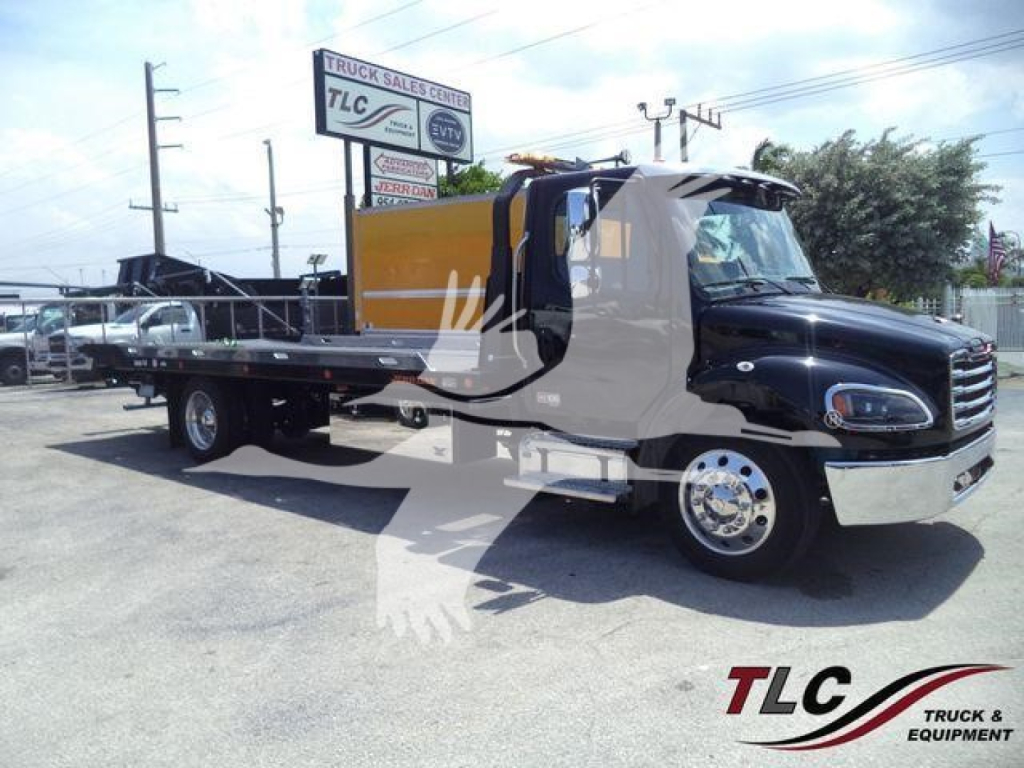
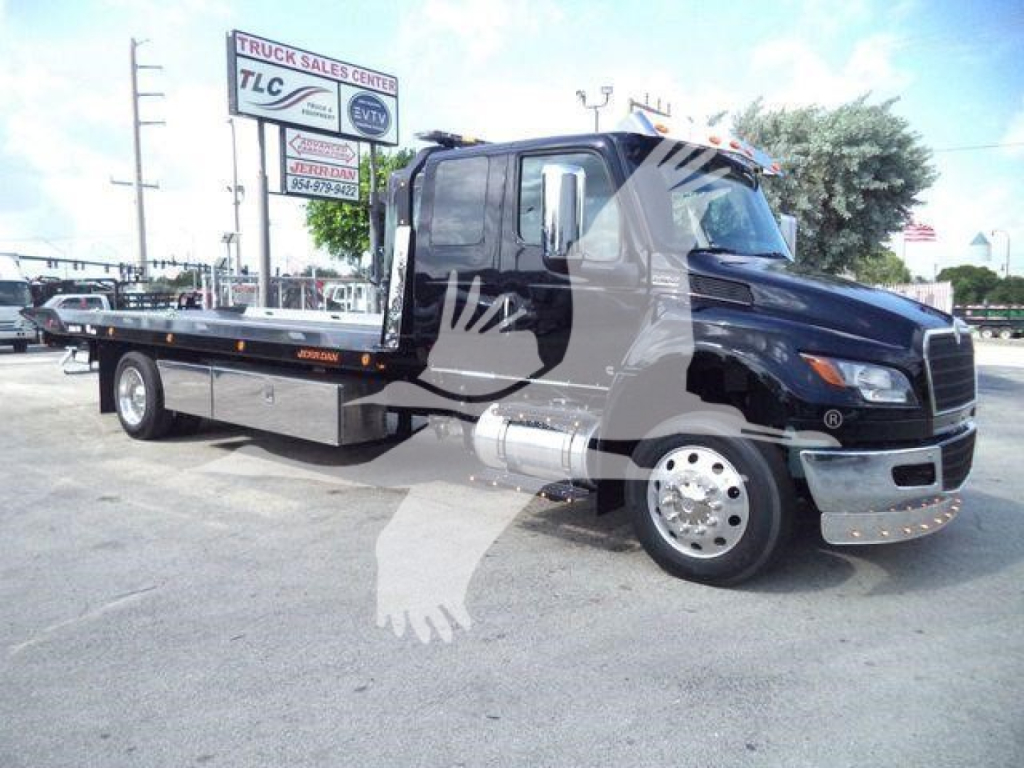
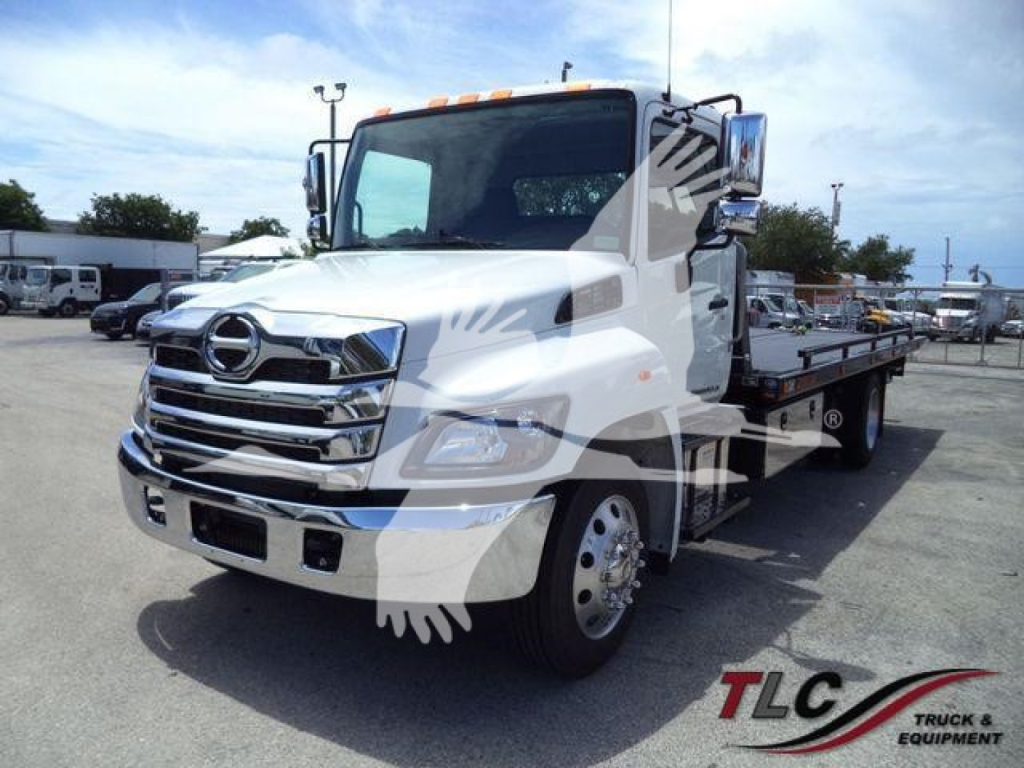
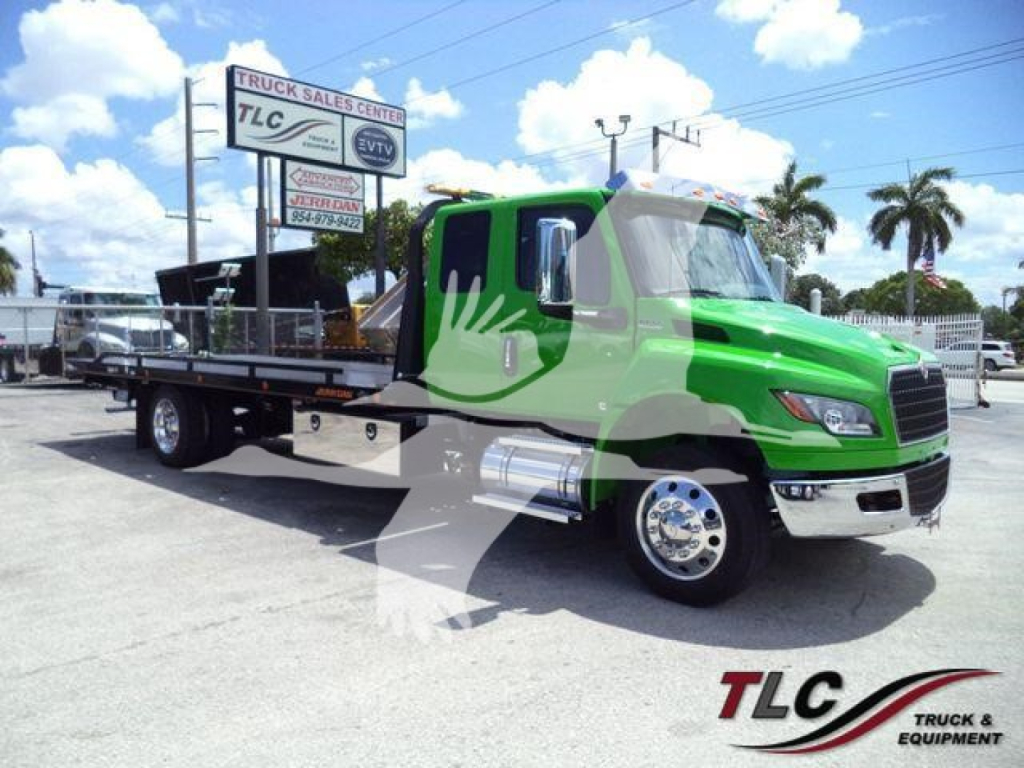
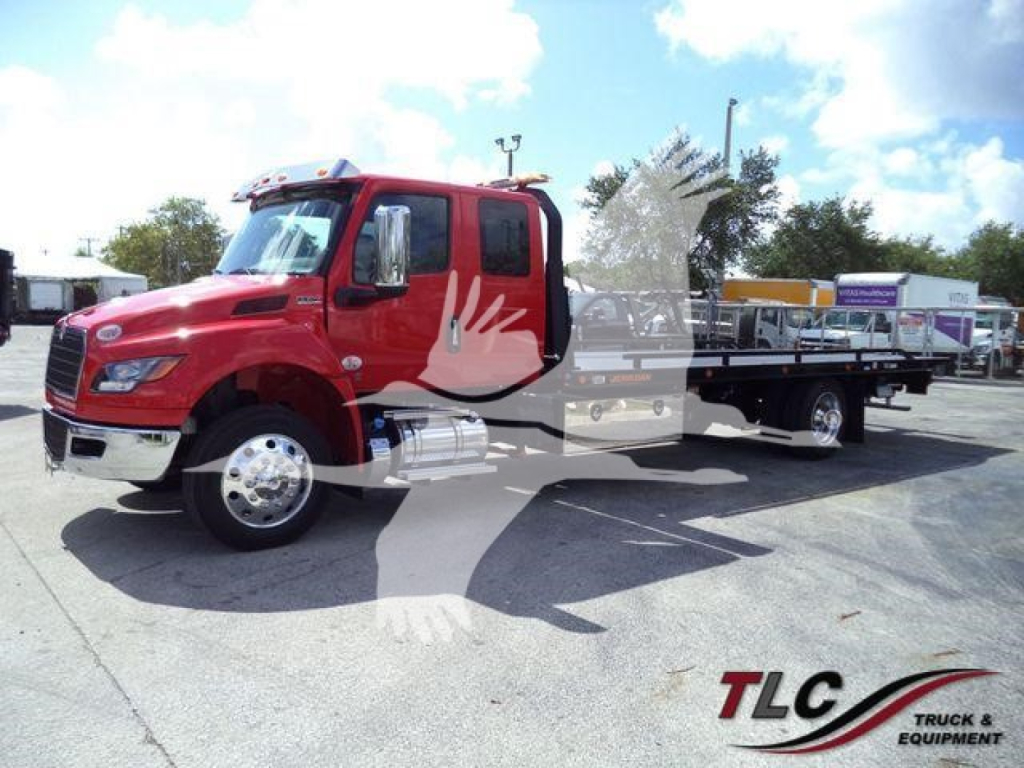
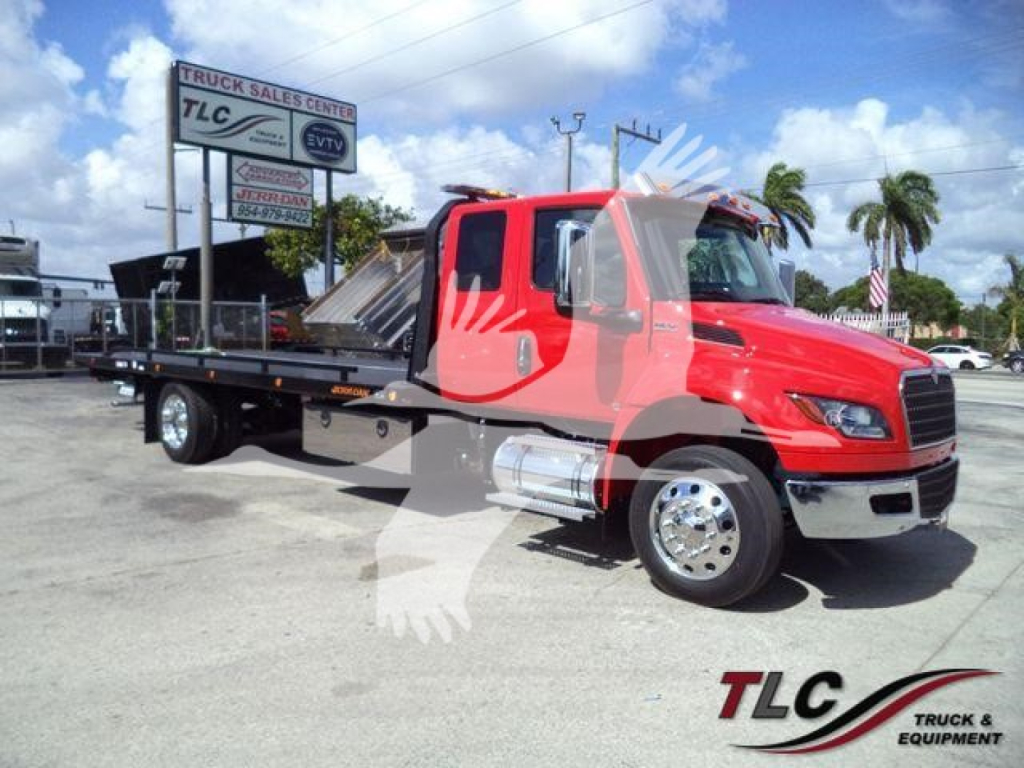
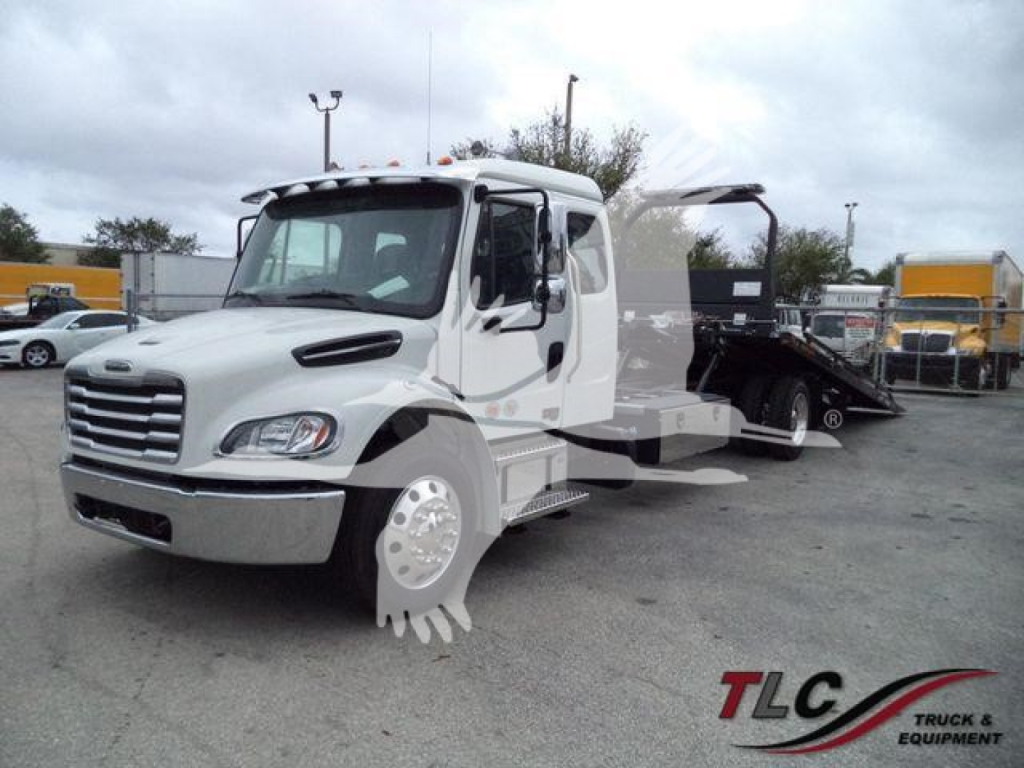
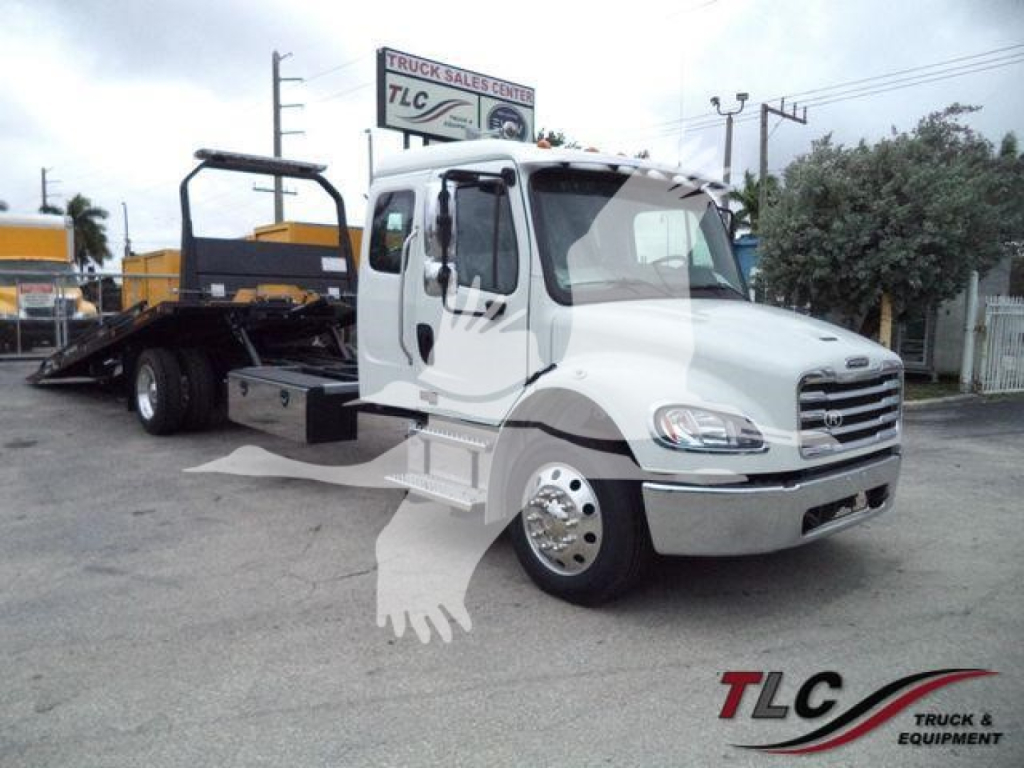
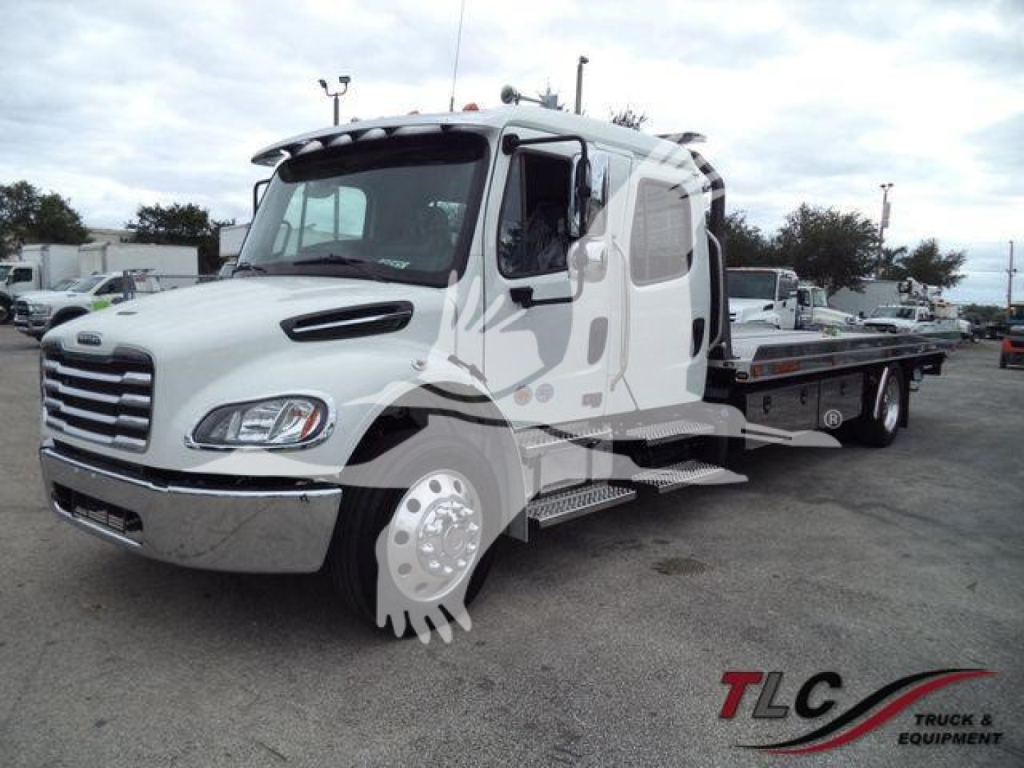
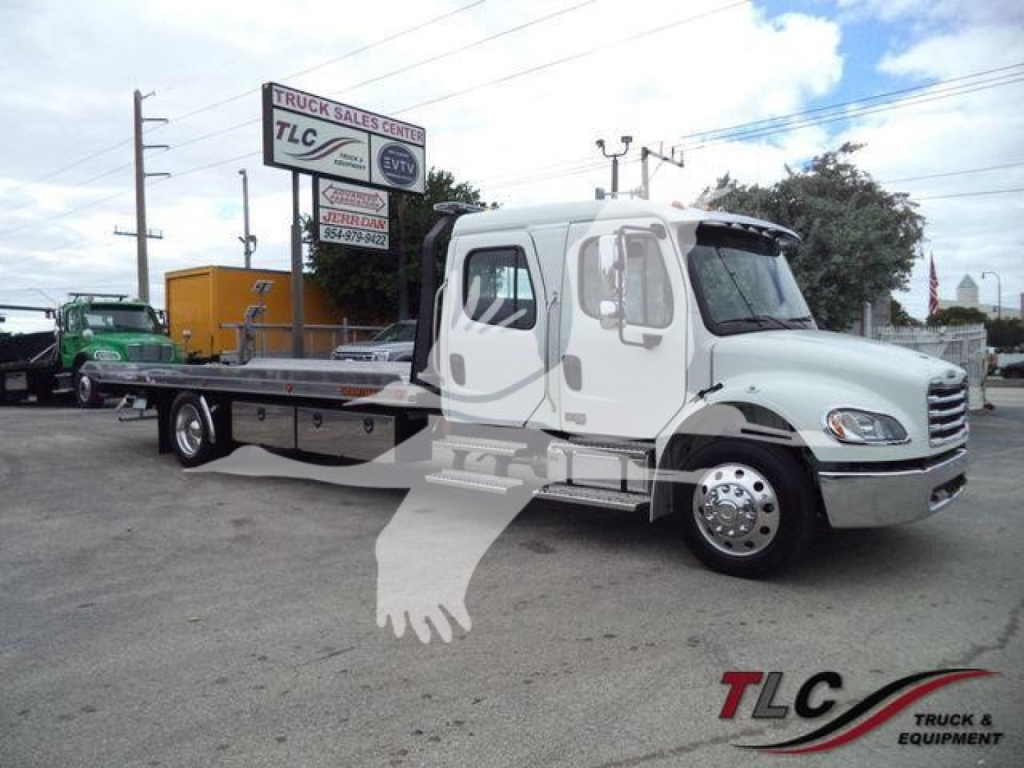
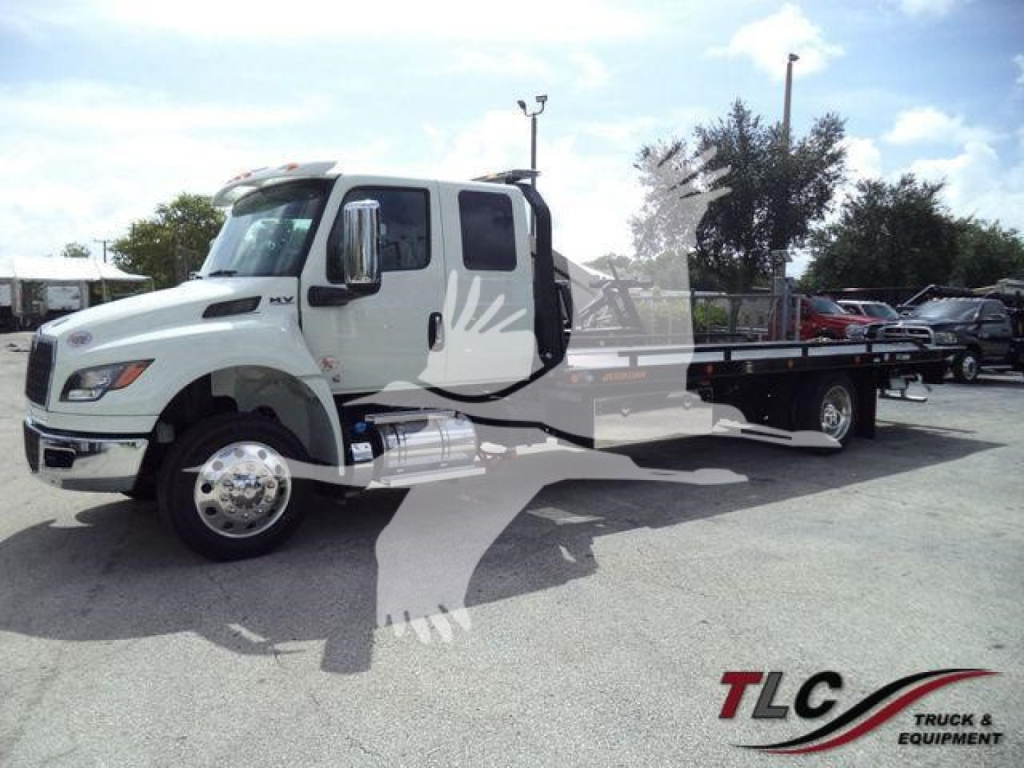
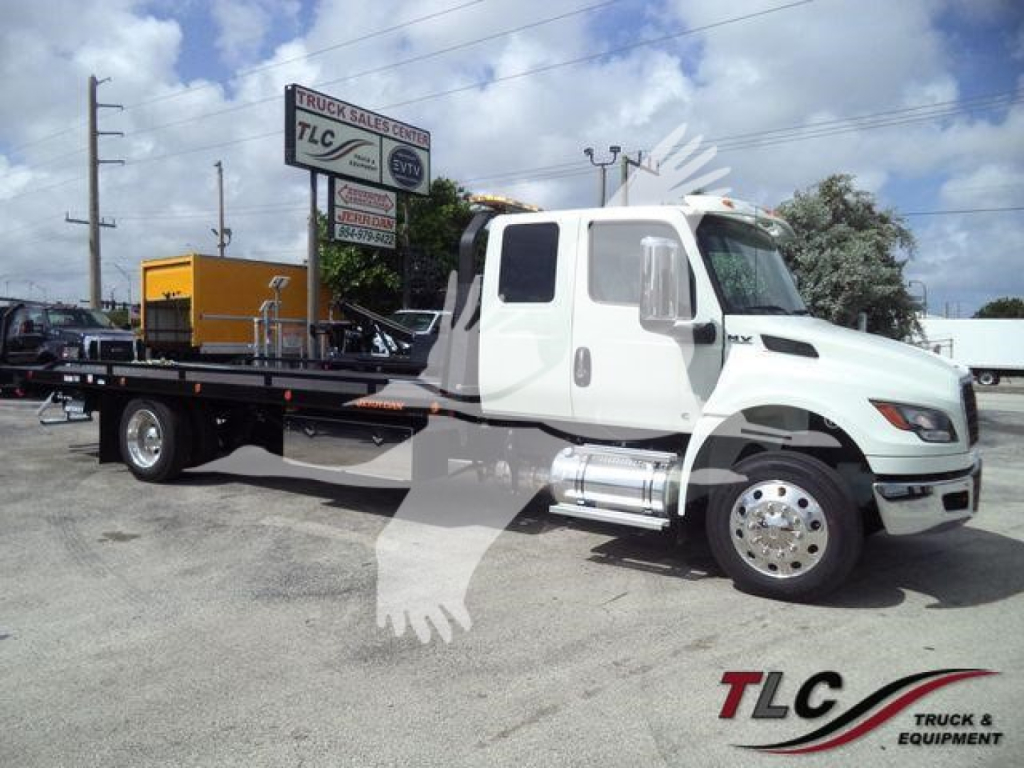
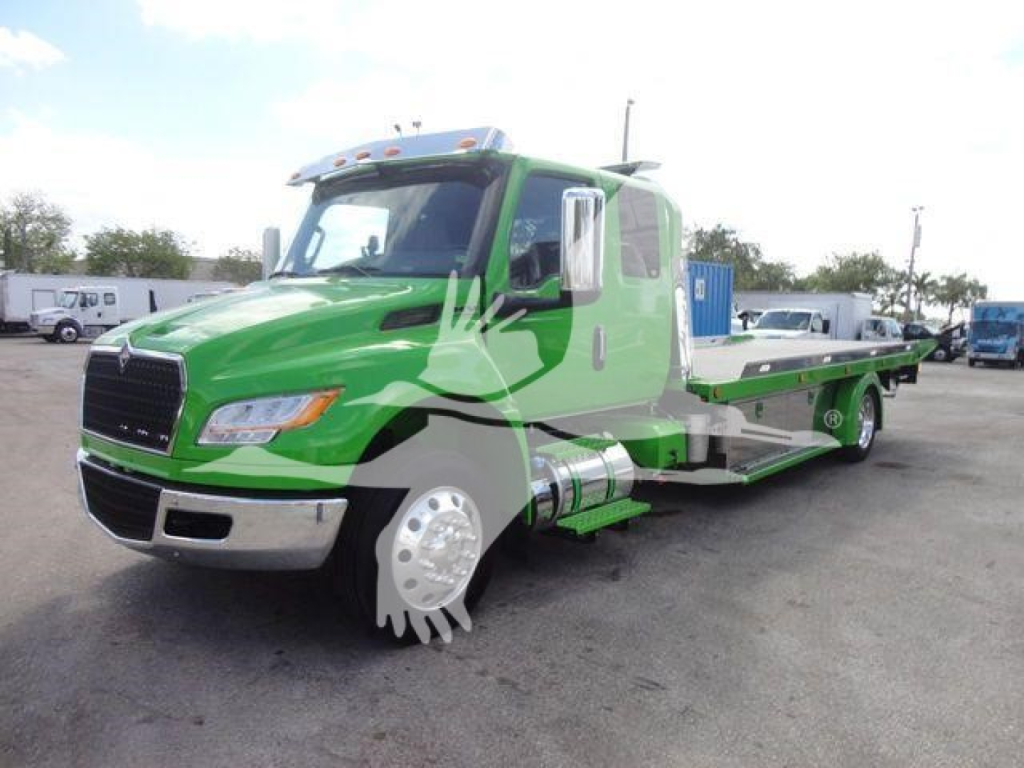
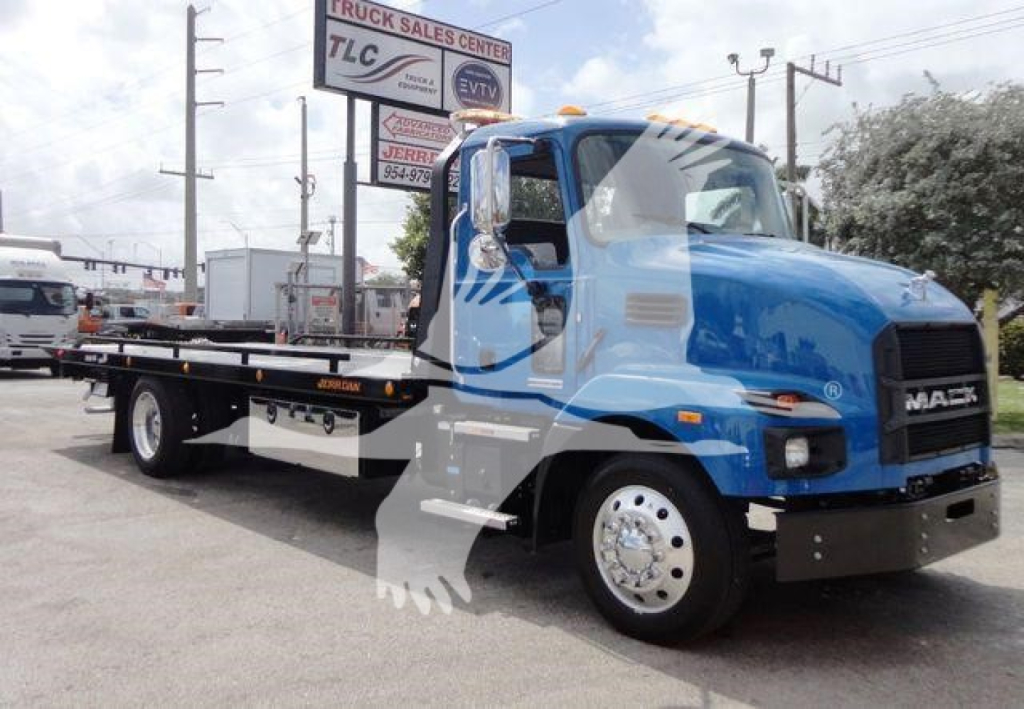
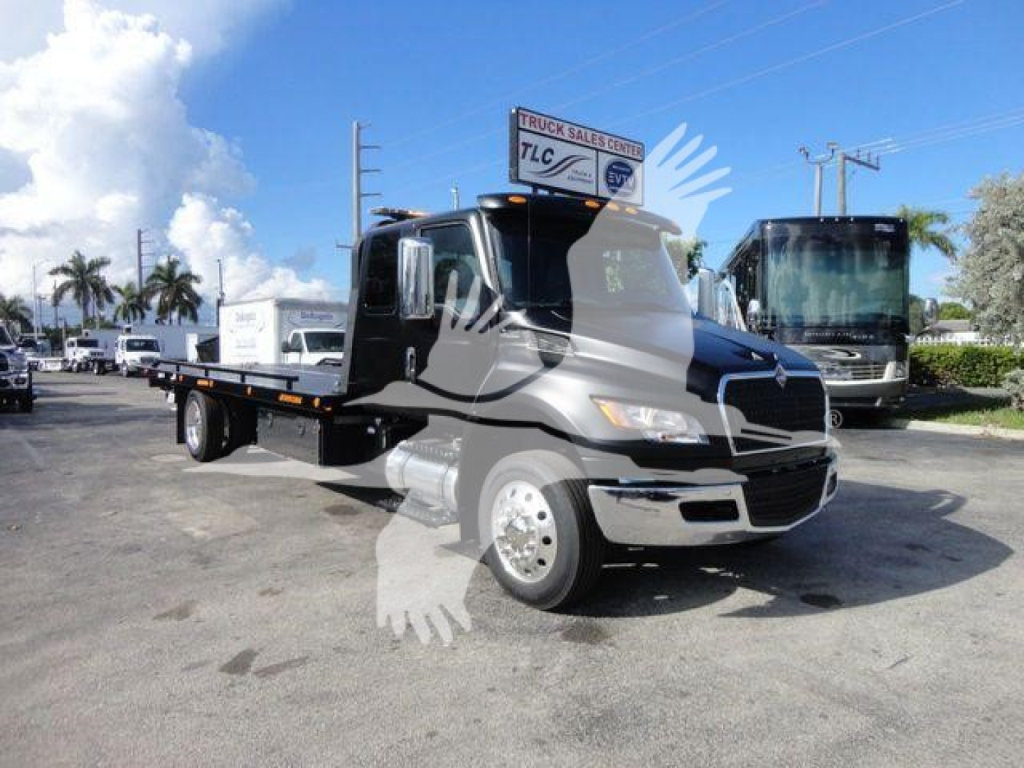
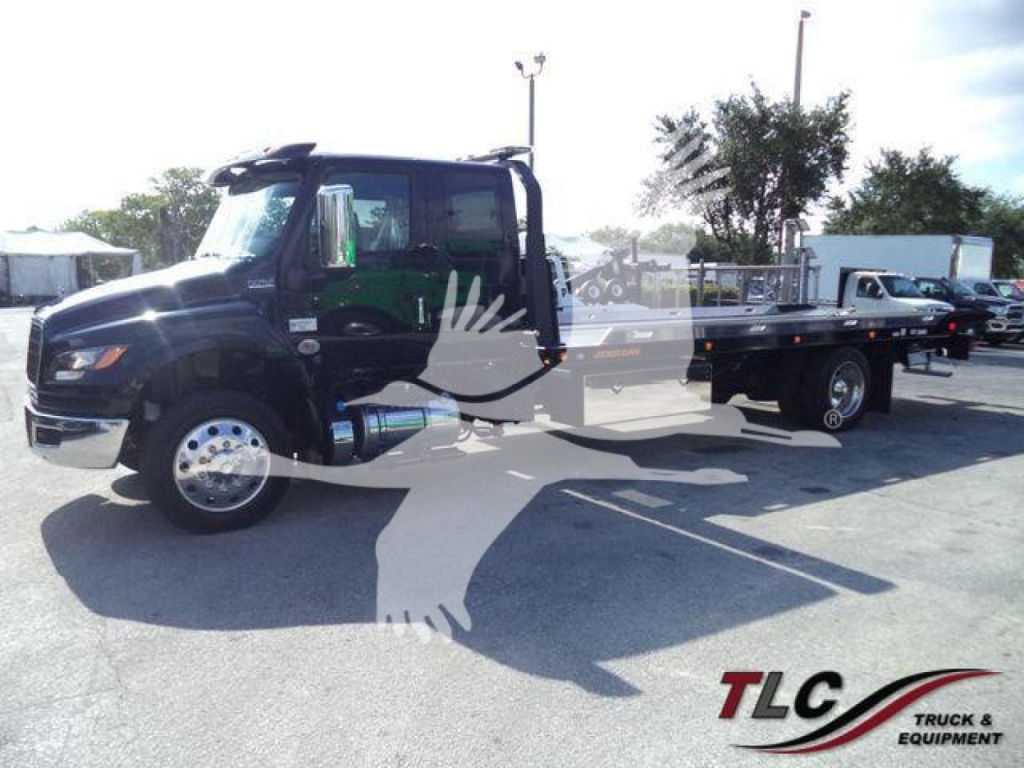
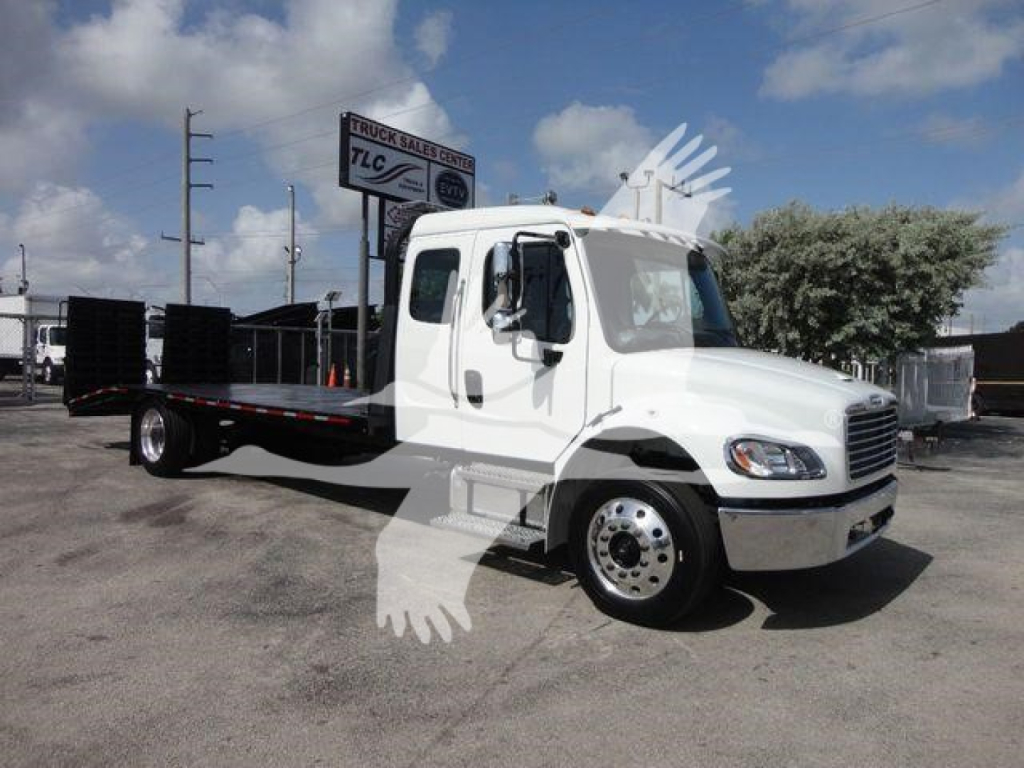
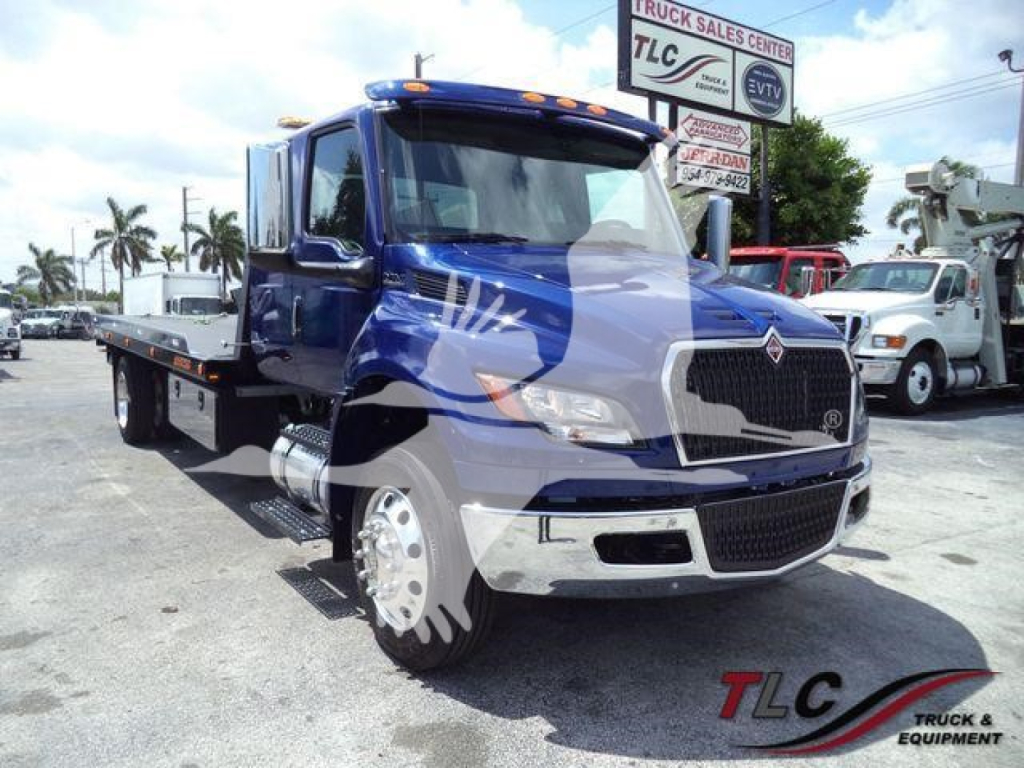
Showing 1 to 28 of 42 results
Selling a 2027 rollback truck? List your 2027 rollback truck for sale and reach thousands of commercial buyers.
2027 Rollback Trucks in Florida
Chassis choice drives operating cost and legal capacity. Medium-duty platforms such as the Chevrolet Silverado 6500HD, Peterbilt 337, and Kenworth T280 are common in rollback service, often paired with diesel engines in the 6.6L to 6.7L range and Allison automatic transmissions. Buyers should compare GVWR closely, since many rollback trucks are spec'd around 23,500 to 26,000 pounds. Staying near the 26,000-pound threshold can be important for licensing, route flexibility, and driver availability, but payload changes quickly once you account for body weight, wheel-lift, toolboxes, fuel, and accessories. Air brakes, air ride suspension, locking differentials, and low-profile 22.5 tires are common features on higher-spec carriers that spend long hours in commercial towing or vehicle recovery.
The body and recovery equipment determine how versatile the truck will be on real calls. A typical rollback in this size range uses a 6-ton bed, an 8,000-pound winch, and a 3,500-pound hydraulic wheel-lift with L-arms. Removable rails, side recovery gear, hose reels, dollies, and wireless remotes can save time and reduce operator fatigue. Steel decks generally cost less and hold up well in hard fleet service, while aluminum bodies can reduce tare weight and improve corrosion resistance in coastal Florida conditions. Toolboxes, top trays, headboard protection, lighting packages, backup cameras, and work lights are not cosmetic details on a tow truck. They directly affect storage, safety, and speed on roadside calls, especially at night or in heavy traffic.
Florida buyers should pay attention to corrosion control, cooling performance, and how the truck will be used day to day. A rollback assigned to repossession, dealer transfer, auction work, municipal impounds, or private property towing may need a different spec than one handling accident recovery on I-4 or long-distance transport across the state. If the work includes specialty vehicles, an enclosed rollback or enclosed carrier body can add weather protection and security. The right 2027 rollback truck is usually the one with enough deck length, enough legal payload, and enough recovery equipment to handle your most common job without carrying unnecessary weight or complexity.
Frequently Asked Questions about 2027 Rollback Trucks in Florida
What deck length is most common on a rollback truck?
The most common rollback deck lengths in this class are 20 feet and 22 feet. A 20-foot bed is often a good fit for standard passenger vehicles and tighter urban work, while a 22-foot bed gives more flexibility for longer cars, pickups, small equipment, and improved load placement. Width is usually 96 to 102 inches, and low-profile designs can be just as important as overall length if you routinely load low-clearance vehicles.
How much can a medium-duty rollback truck typically carry?
Capacity varies by chassis, body material, and final upfit, but many medium-duty rollback trucks in this segment use a 6-ton carrier body with GVWR ratings around 23,500 to 26,000 pounds. Actual payload depends on the completed truck weight, not just the published bed rating. A steel deck, wheel-lift, winch, toolboxes, dollies, fuel, and accessories all reduce usable payload, so buyers should review the as-built weight and axle ratings before deciding.
Is a steel or aluminum rollback body better?
Steel rollback bodies are common in heavy-use towing because they are durable, familiar to repair, and often lower in upfront cost. Aluminum bodies reduce empty weight and generally resist corrosion better, which can be a real advantage in Florida's coastal and humid environment. The better choice depends on whether your priority is maximum durability under hard daily use, lower tare weight for payload, or long-term corrosion resistance.
What is the advantage of an XLP, LCG, or shark-style rollback deck?
These low-profile deck designs reduce the loading angle, which helps when recovering lowered cars, EVs, high-value vehicles, and damaged units that will not roll freely. A lower approach angle also reduces the chance of scraping bumpers, air dams, or battery trays. For operators doing dealer transport, specialty towing, or accident recovery, that lower deck geometry can be one of the most important features on the truck.
What features matter most on a rollback truck used in Florida?
Corrosion resistance, reliable air conditioning, strong lighting, and practical storage matter a lot in Florida service. Trucks working near the coast benefit from aluminum components, good paint protection, and stainless hardware where possible. For high-volume towing, buyers should also look at cooling system capacity, backup cameras, wireless controls, bright LED warning lights, and toolbox layout because heat, traffic, and frequent roadside loading all add stress to the operation.