
2023 Rollback Trucks For Sale
Shop 2023 rollback trucks with 4x4, low-profile carriers, wheel lifts, and winches. Compare GVWR, deck size, and towing specs.
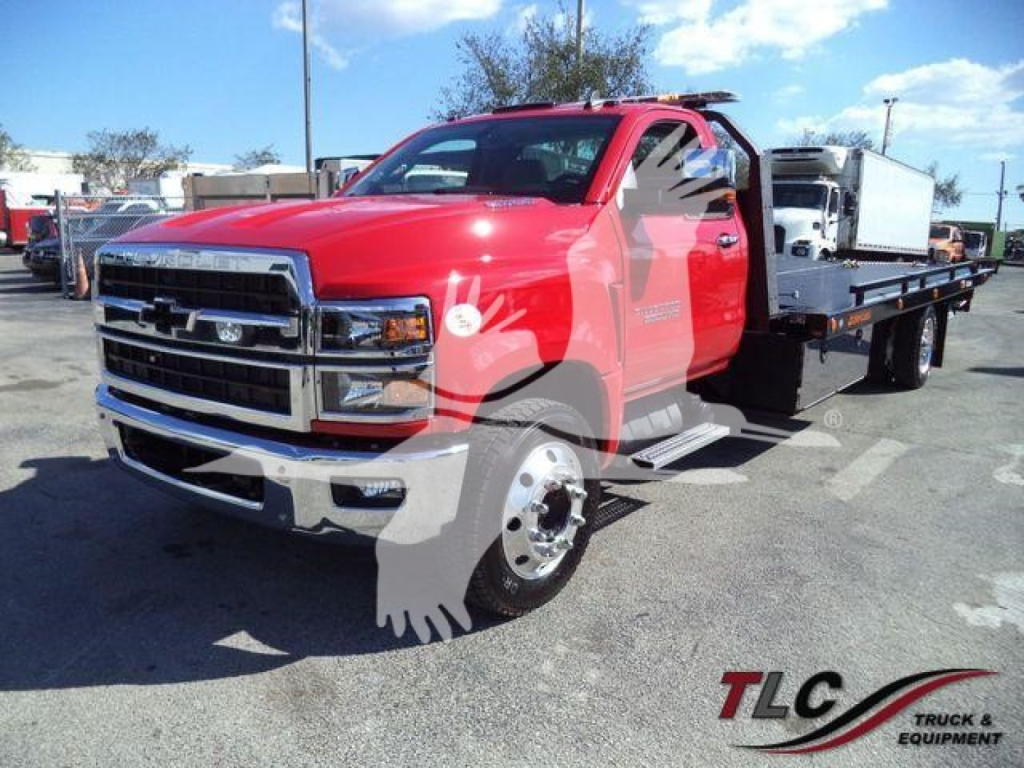
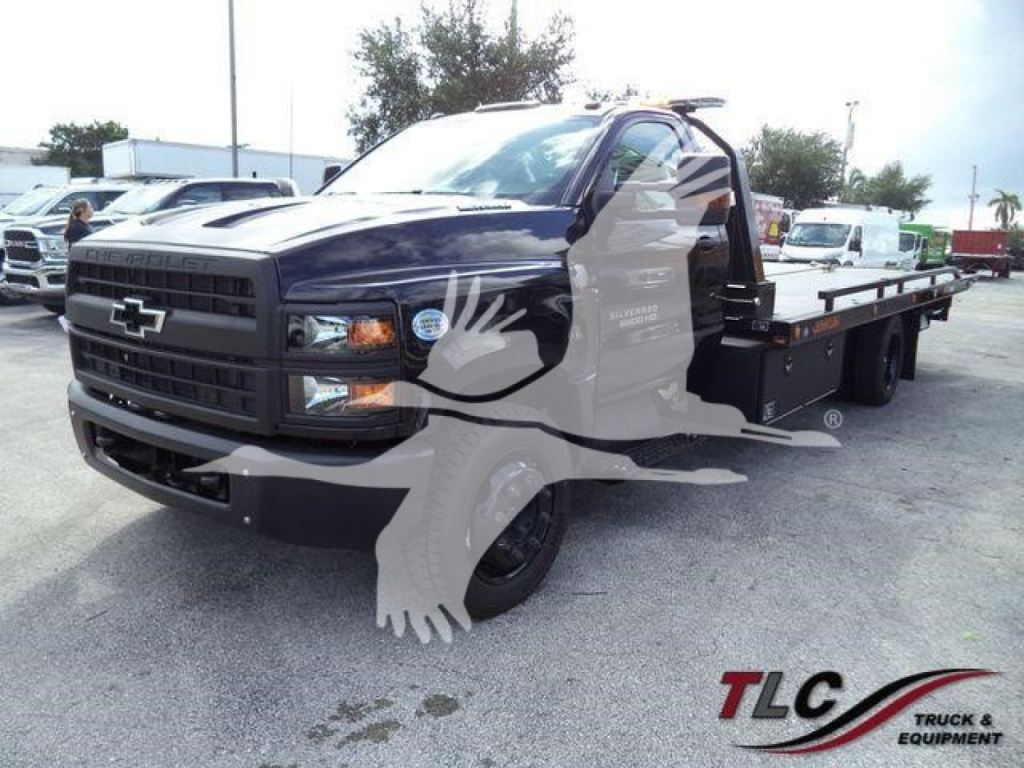
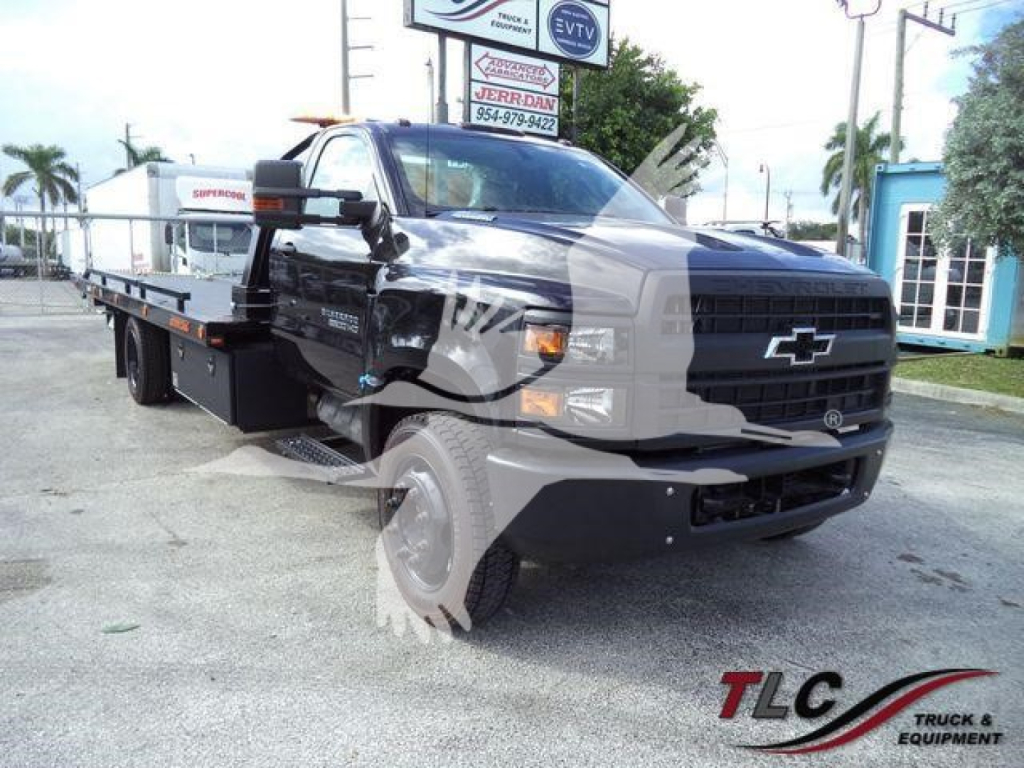
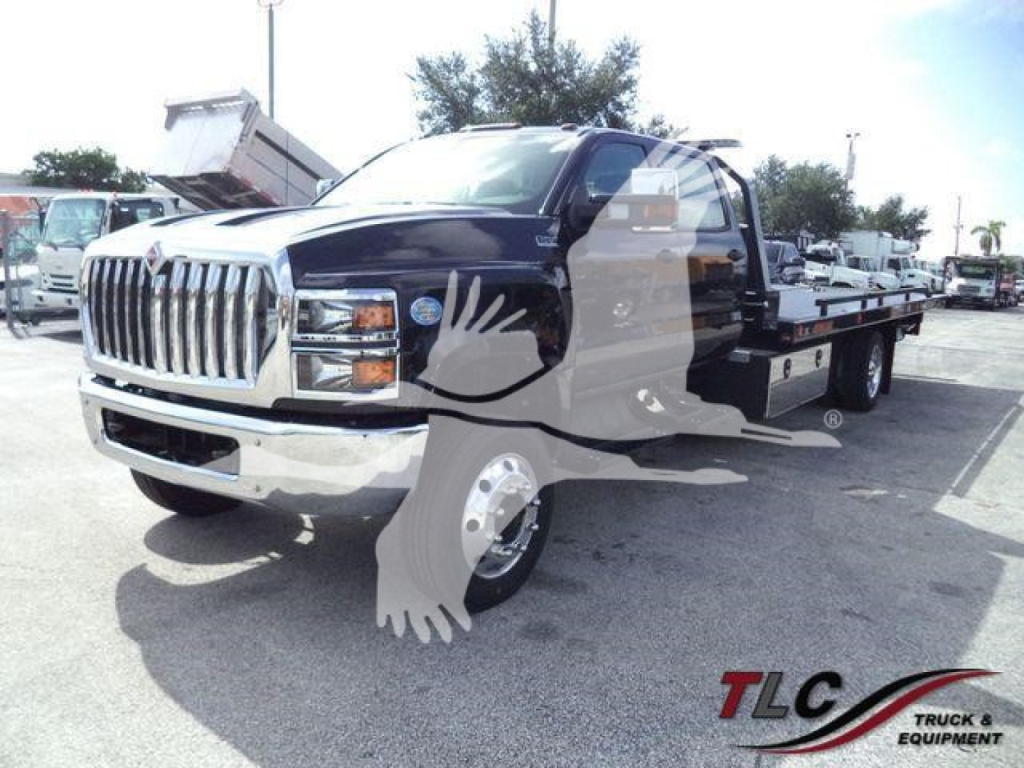
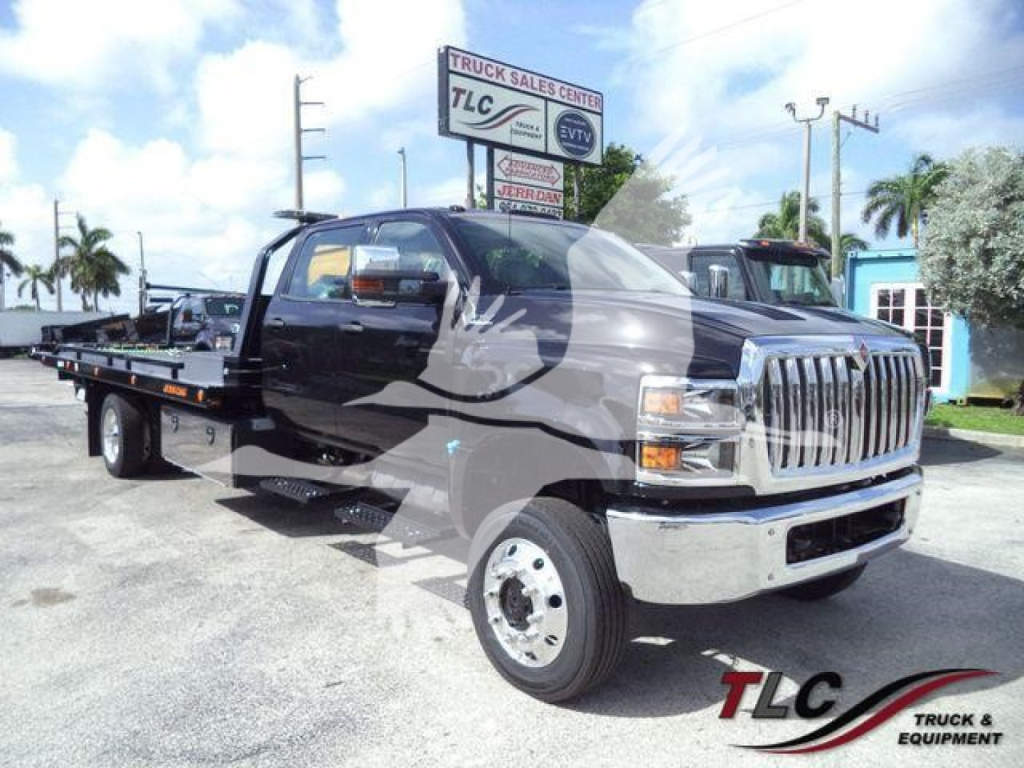
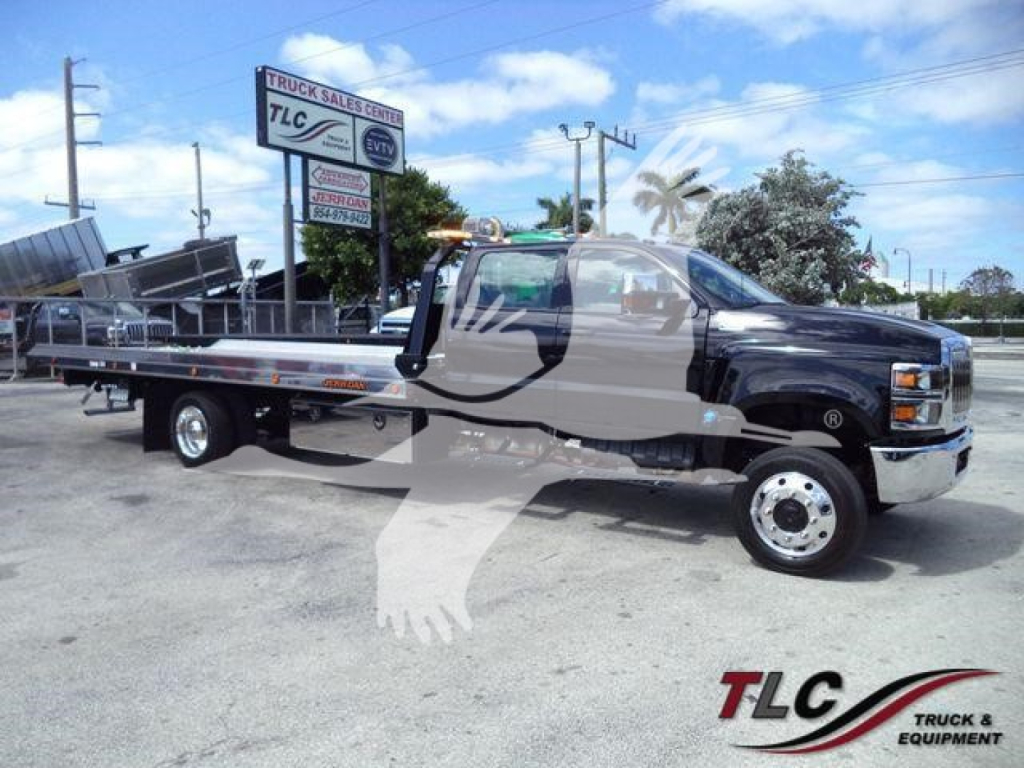
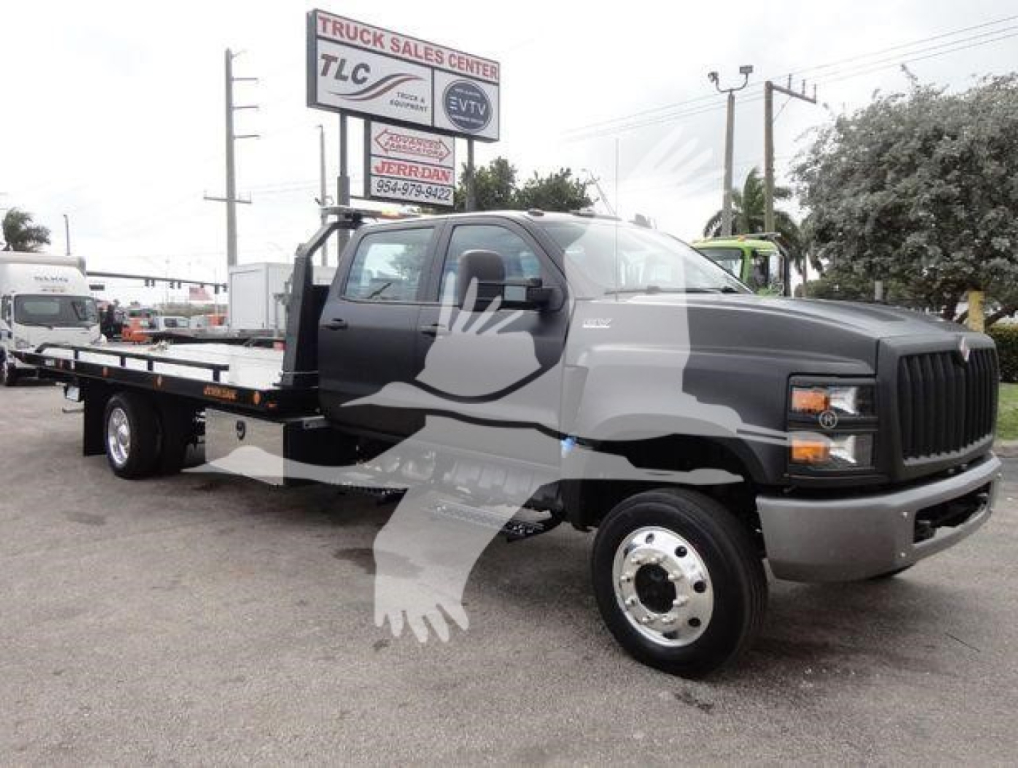
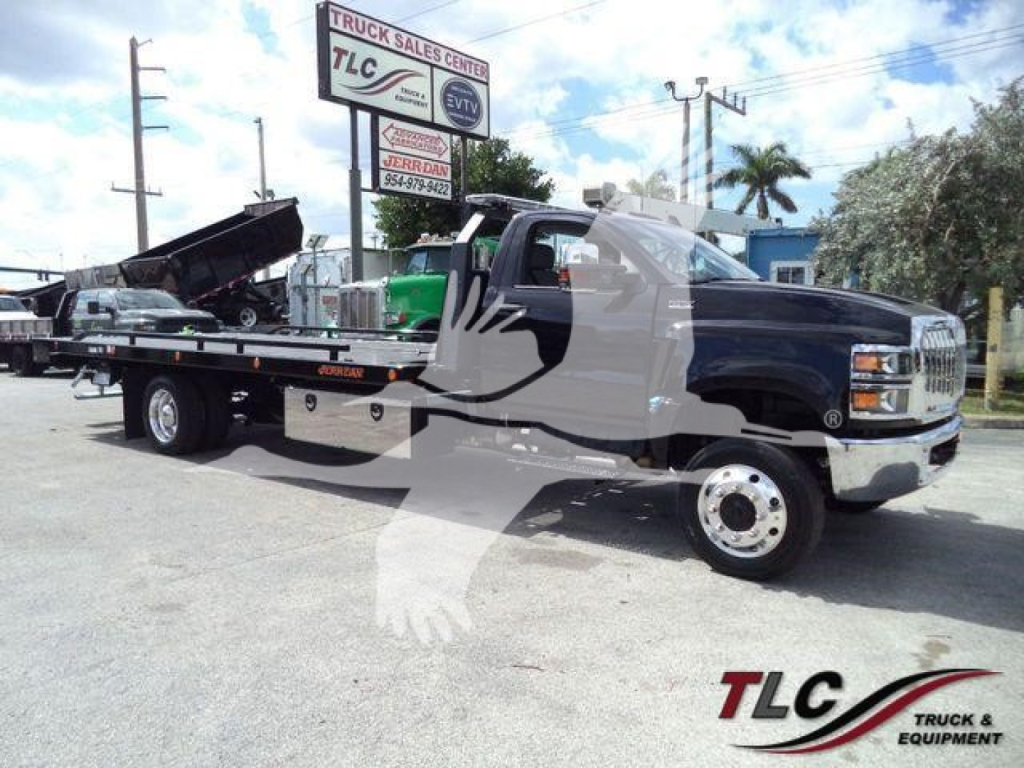
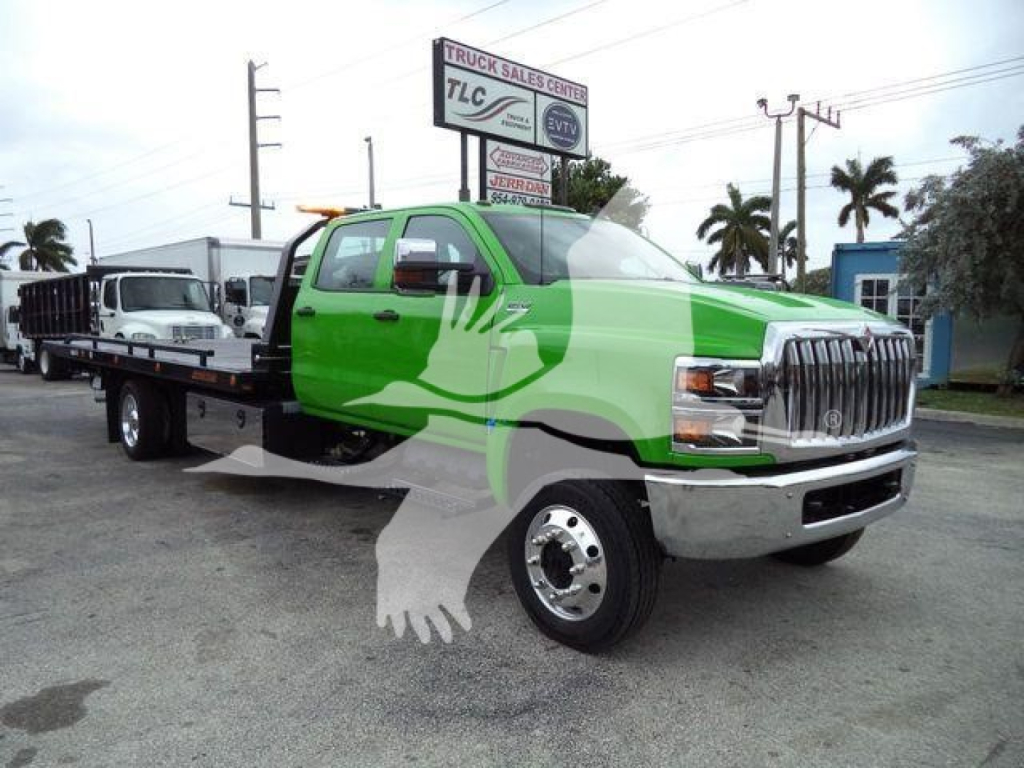
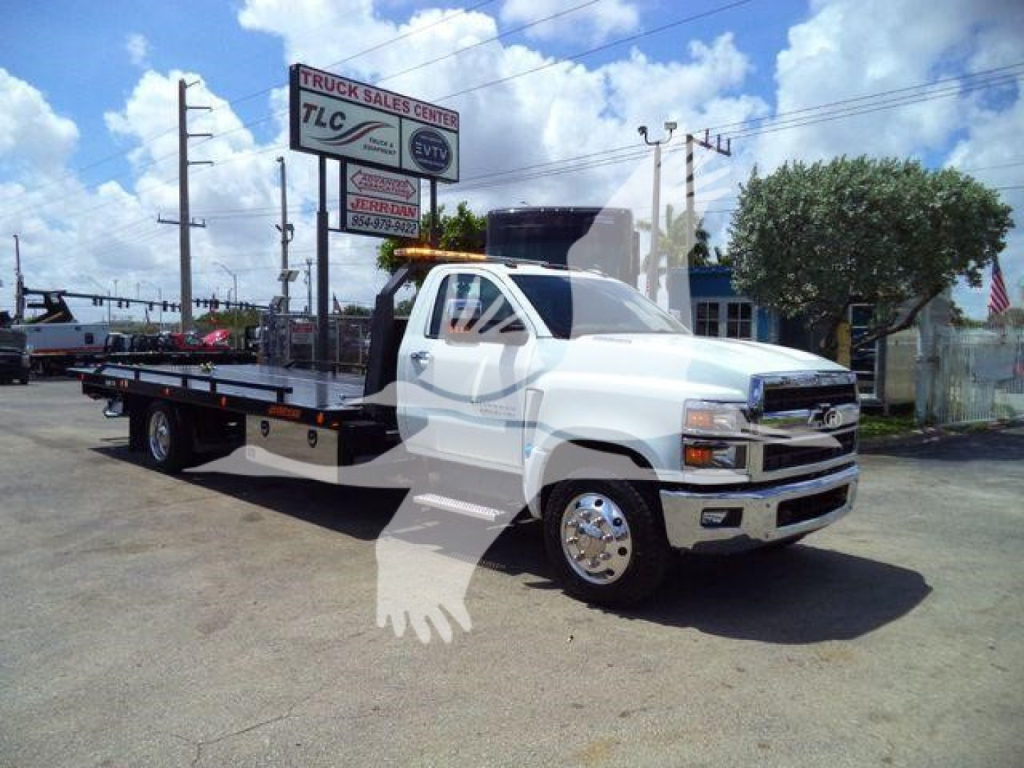
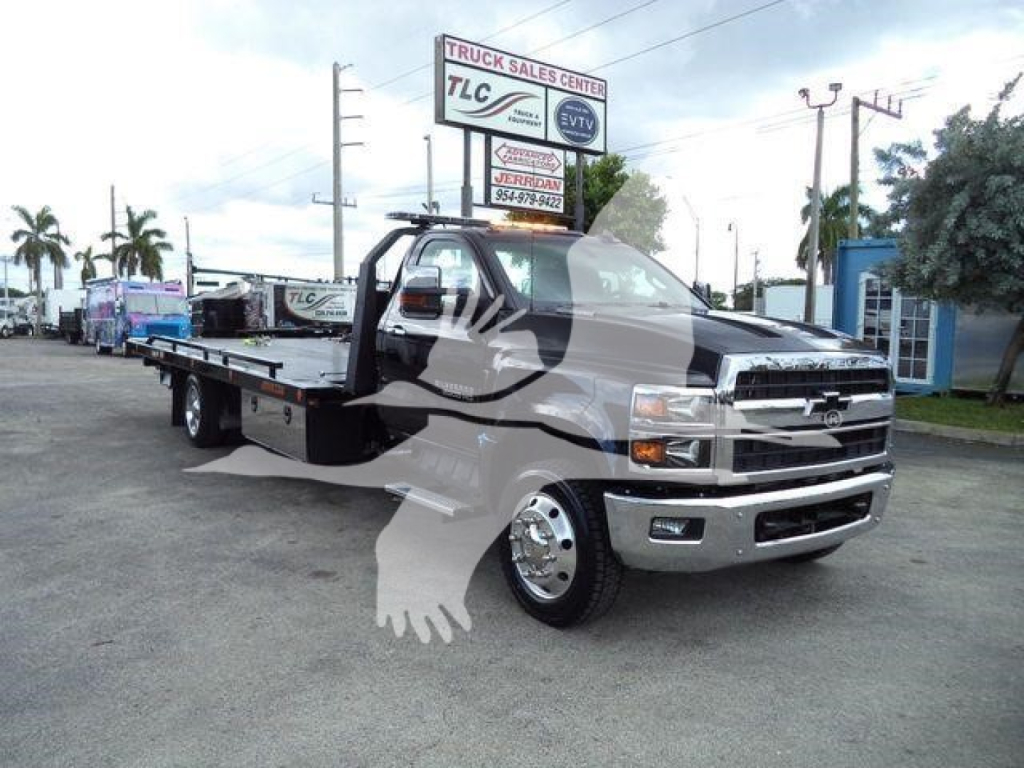
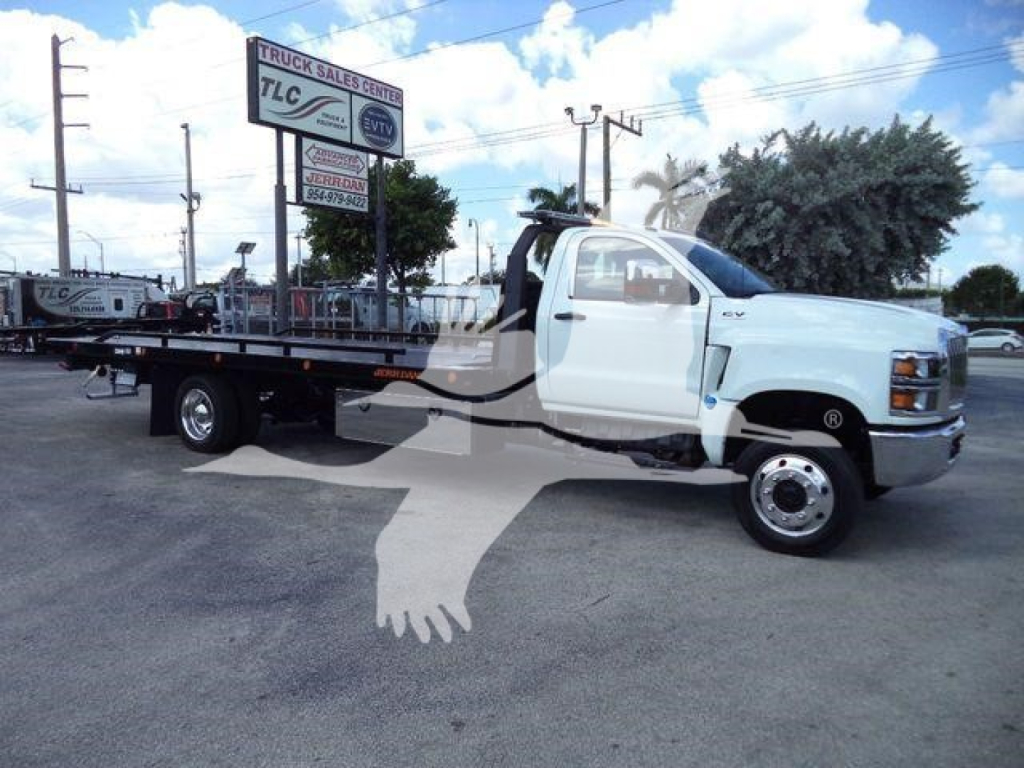
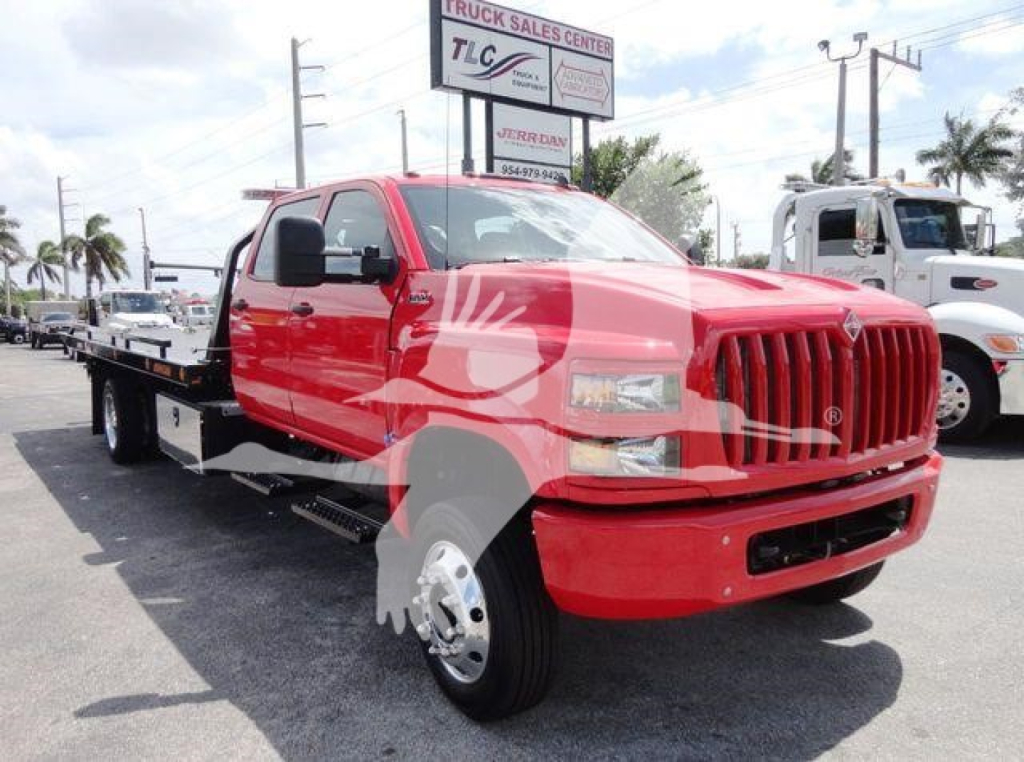
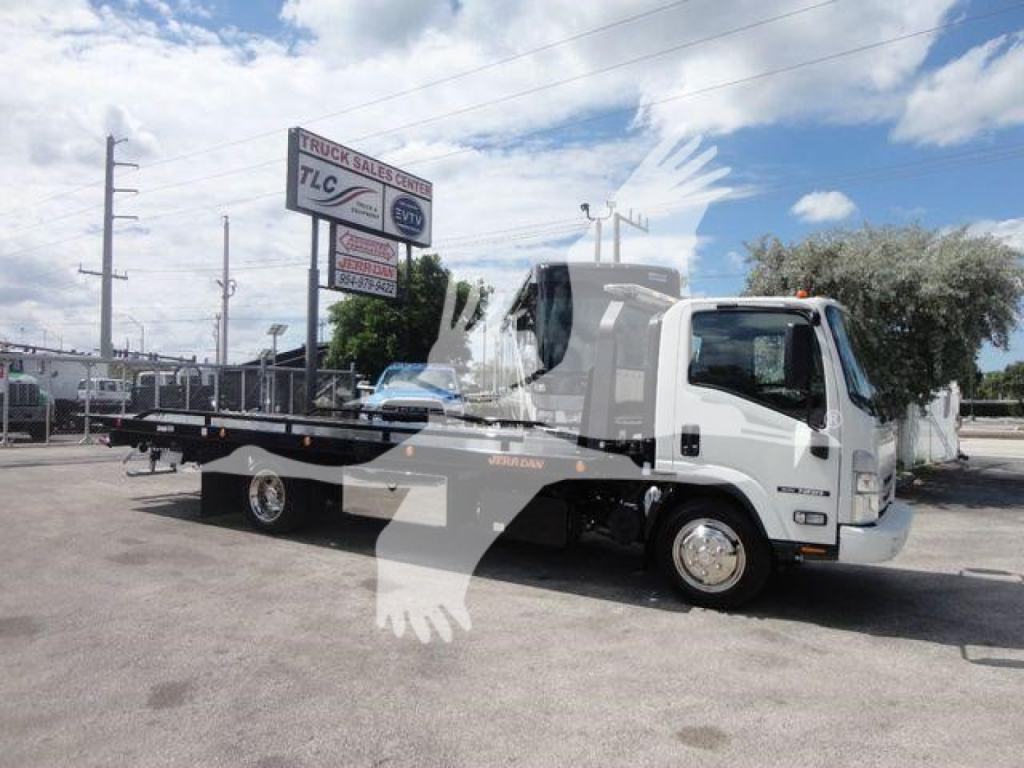
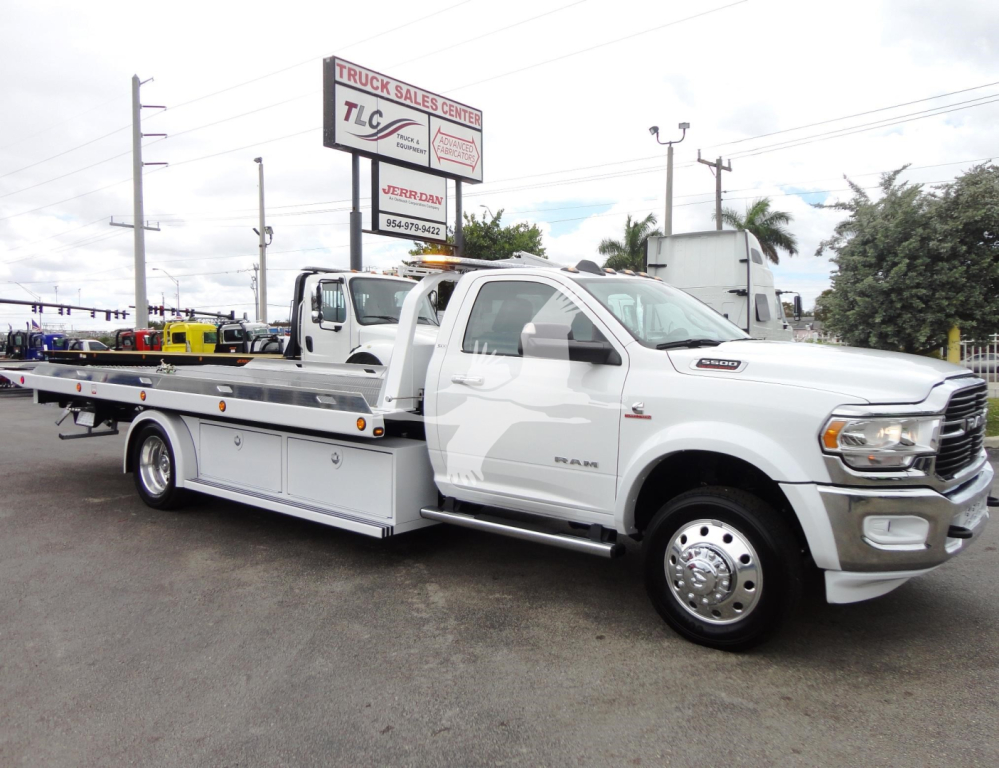
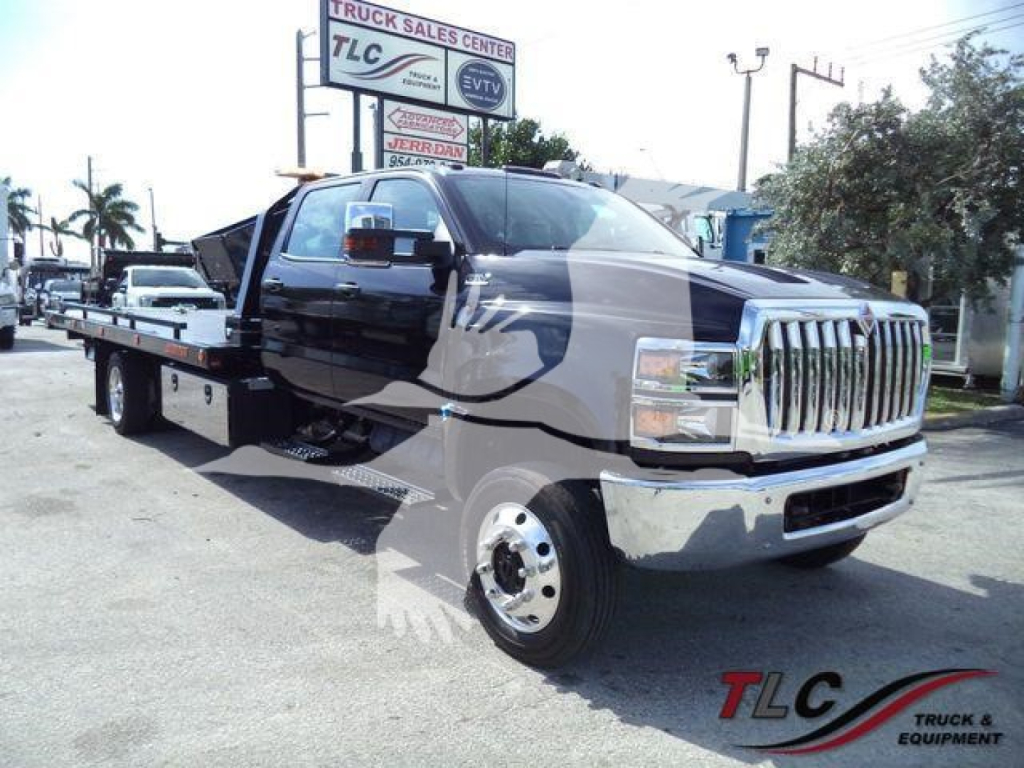
Selling a 2023 rollback truck? List your 2023 rollback truck for sale and reach thousands of commercial buyers.
2023 Rollback Trucks
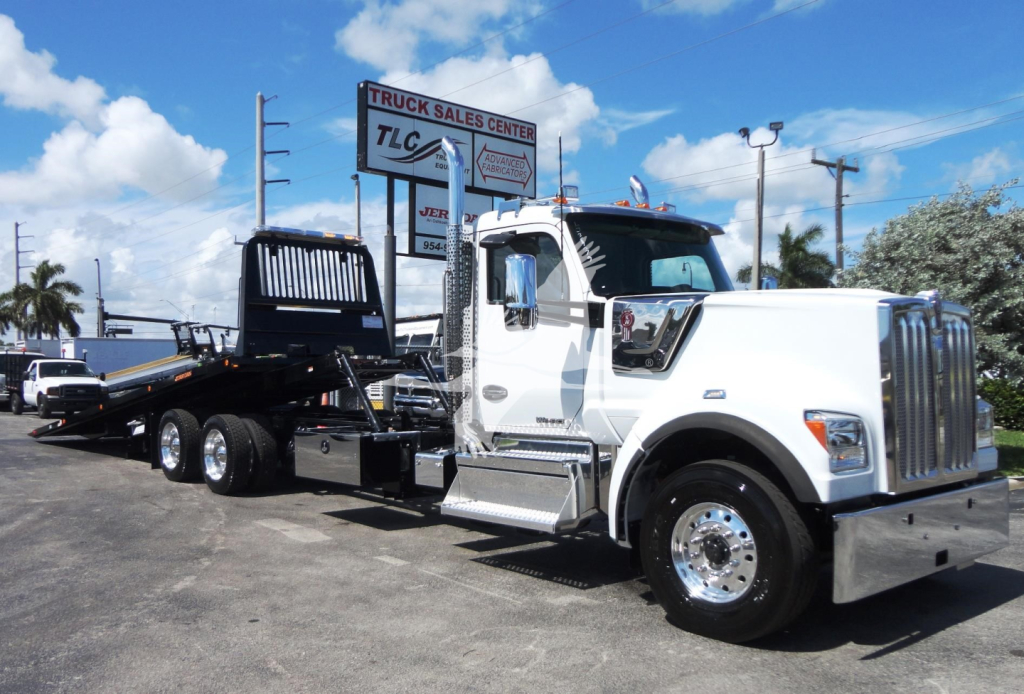
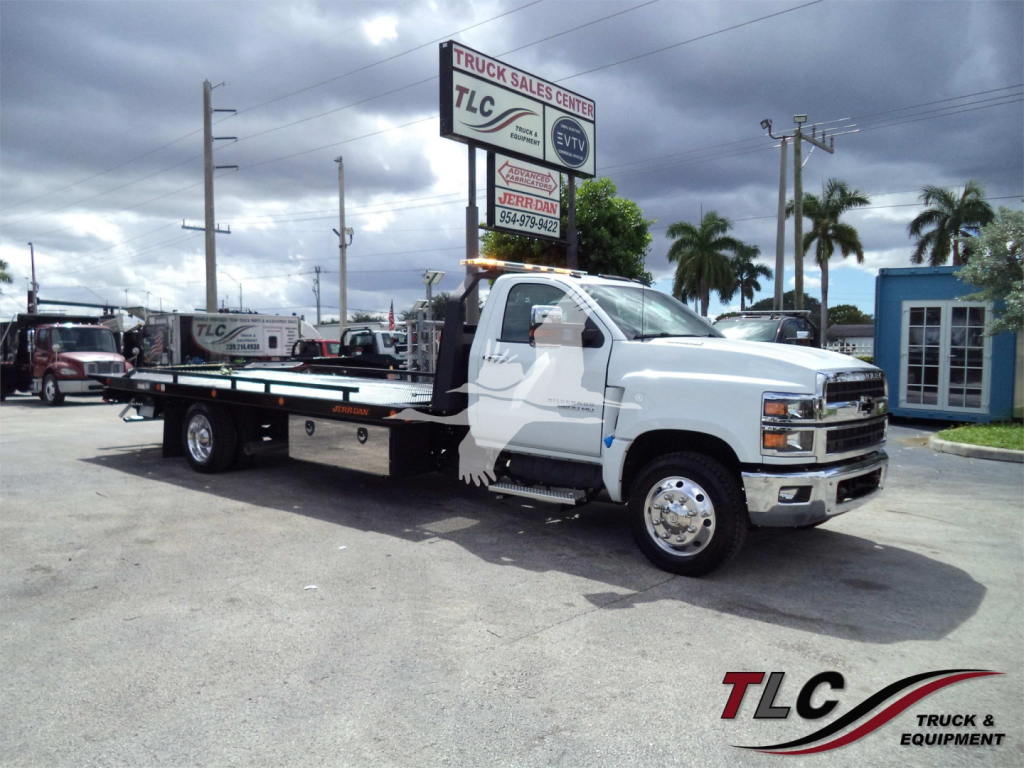
Common 2023 rollback configurations include 20 foot to 22 foot beds, usually 102 inches wide, with 6 ton carrier ratings and extra low profile decks. XLP and low center of gravity designs help reduce approach angle and make it easier to load lower-clearance cars, crossovers, and light trucks without scraping air dams or bumpers. Many units in this year range also include a 3,500 pound hydraulic wheel lift with L-arms, an 8,000 to 10,000 pound winch, removable rails, LED light bars, and dual toolboxes. Steel decks remain common for durability and repairability, while buyers focused on corrosion resistance or maximizing payload may also compare aluminum carrier options when available.
The best 2023 rollback truck for sale depends on route conditions and the type of vehicles being loaded. A 4x4 chassis can be a strong fit for snow country, unpaved lots, and rural recovery work, while a 4x2 setup may offer lower acquisition cost and slightly simpler maintenance for paved-route operation. Air brakes and higher-GVWR medium-duty chassis make sense for heavier commercial use, while hydraulic brake trucks in the lower GVWR classes can work well for general automotive transport. Cab choice matters too. Regular cabs keep overall length tighter, while extended cab and crew cab layouts add room for operators, gear, and customer transport.
Buyers should also compare bed manufacturer, hydraulic controls, pylon style, tie-down points, and service access. Jerr-Dan is one of the better-known rollback body builders in this segment, but the real buying decision comes down to bed condition, subframe installation quality, PTO and hydraulic setup, and how the carrier matches the chassis. Check for deck wear, winch line condition, wheel lift operation, cylinder leaks, and frame integrity around the carrier mount. On a 2023 truck, emissions system warranty status, transmission calibration, tire size, and axle ratings are also worth confirming before purchase. A well-spec'd rollback, also known as a car carrier or rollback tow truck, should load cleanly, track straight under weight, and give the operator enough winch, deck, and wheel lift capability for the vehicles moved every day.
Frequently Asked Questions about 2023 Rollback Trucks
What is the typical capacity of a 2023 rollback truck?
Many 2023 rollback trucks in the light-duty and medium-duty market are equipped with 6 ton carrier beds, 3,500 pound hydraulic wheel lifts, and winches in the 8,000 to 10,000 pound range. Actual working capacity depends on the chassis GVWR, axle ratings, bed manufacturer, and how the load is positioned on the deck. Buyers should confirm both the carrier rating and the completed truck's legal payload rather than relying on a single advertised number.
What bed size is most common on a 2023 rollback truck?
A 20 foot to 22 foot bed is common on 2023 rollback trucks, with 102 inch width being typical. A 20 foot extra low profile deck is popular for general car hauling and towing because it balances maneuverability with enough deck length for most passenger vehicles and light trucks. A 22 foot bed can provide more flexibility for longer-wheelbase vehicles, but it also adds overall length and can affect turning radius.
Is 4x4 worth it on a 2023 rollback truck?
4x4 can be a strong advantage if the truck will operate in snow, mud, gravel lots, steep driveways, or rural recovery conditions. It is especially useful for operators who load disabled vehicles from uneven surfaces or work in regions with severe winter weather. For primarily urban or highway use, a 4x2 rollback may be more cost-effective and easier to maintain while still covering most standard transport and towing jobs.
What should I inspect on a used 2023 rollback truck before buying?
Focus on the carrier and the chassis as a combined package. Inspect the deck for twists, cracks, and excessive wear, test the tilt and slide functions, check the winch line and fairlead, and confirm smooth operation of the wheel lift and hydraulic controls. On the chassis side, verify GVWR, axle ratings, brake type, tire condition, suspension setup, and any signs of frame modification issues around the body installation. It is also smart to review engine hours, idle time, emissions system status, and maintenance records.
What is the difference between a rollback truck and a wrecker?
A rollback truck uses a tilting, sliding deck to load the entire vehicle onto the bed, which is ideal for transporting all-wheel-drive vehicles, damaged cars, and low-clearance units. A wrecker generally lifts one end of the vehicle with a boom or wheel lift and tows it with the other end on the ground. Many buyers prefer a rollback for cleaner loading, reduced risk of driveline damage, and broader usefulness in vehicle transport work.