
2025 Rollback Trucks For Sale
Shop 2025 rollback trucks with low-profile carriers, wheel lifts, and winches for towing, recovery, transport, and roadside service.
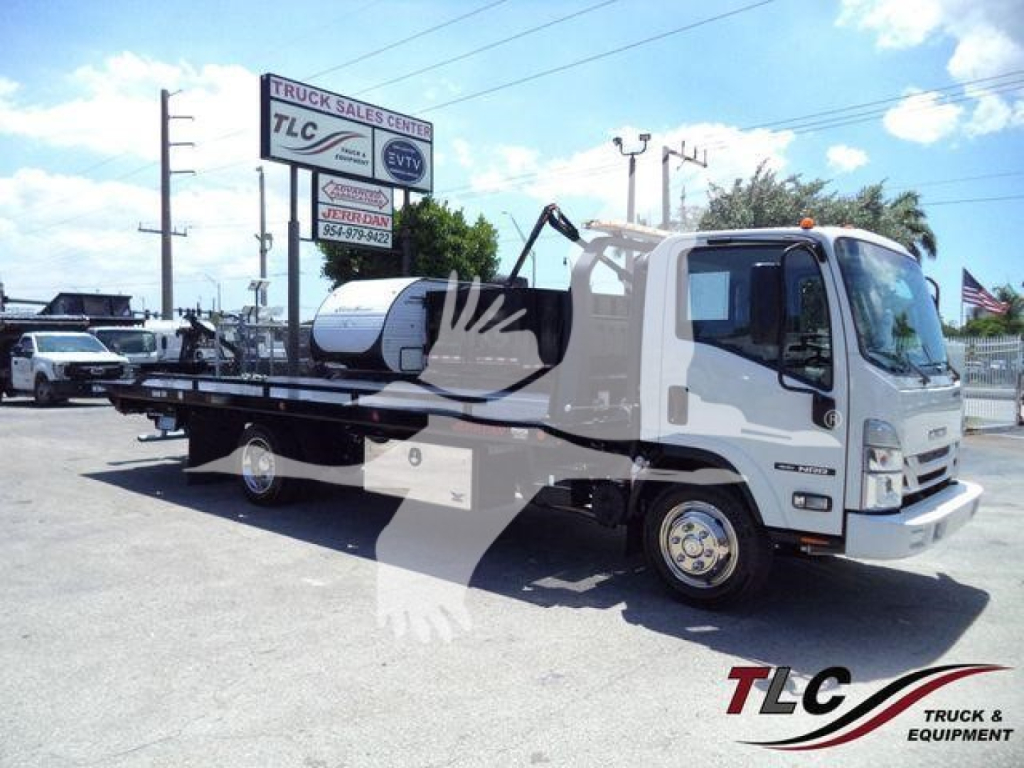
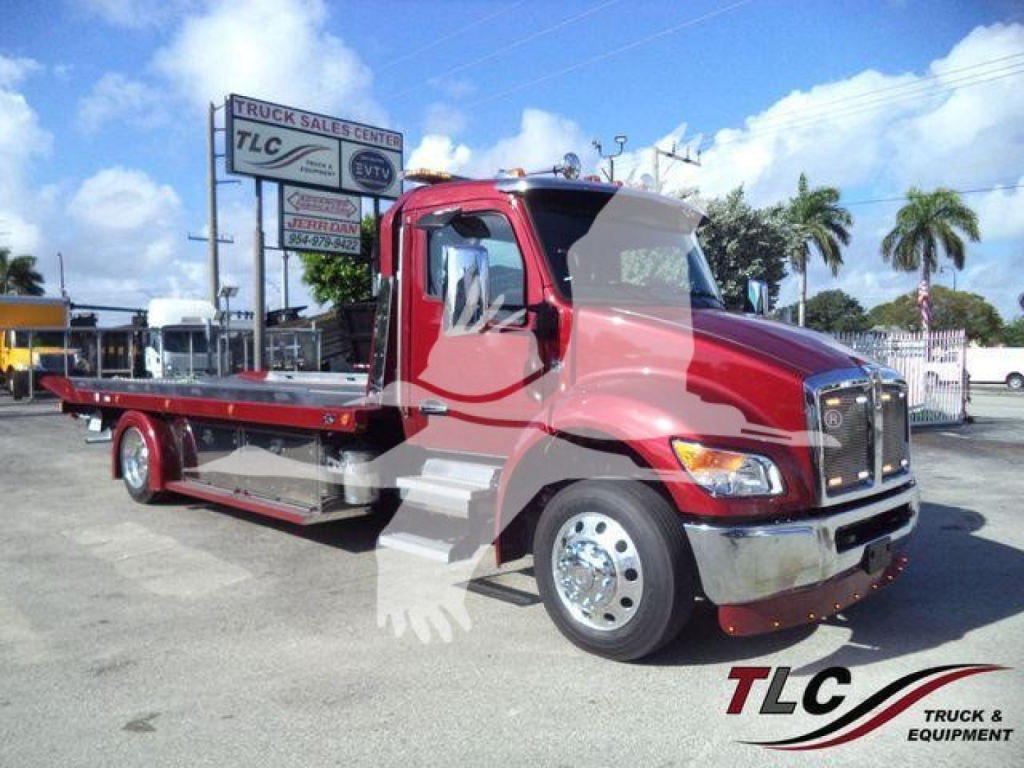
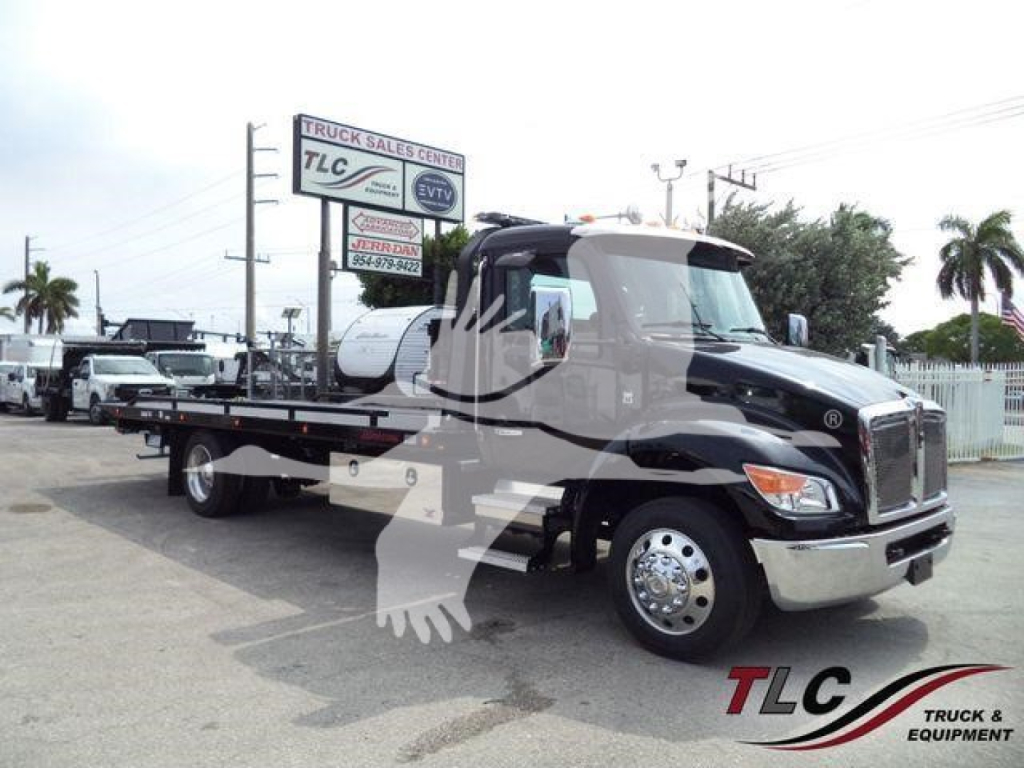
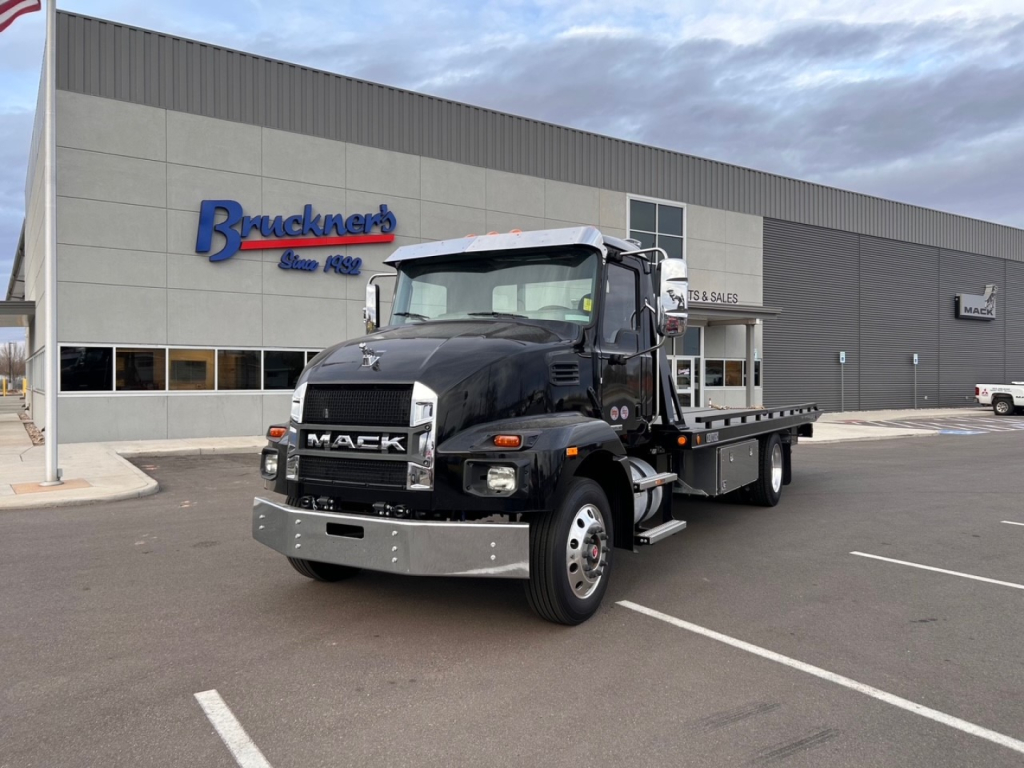
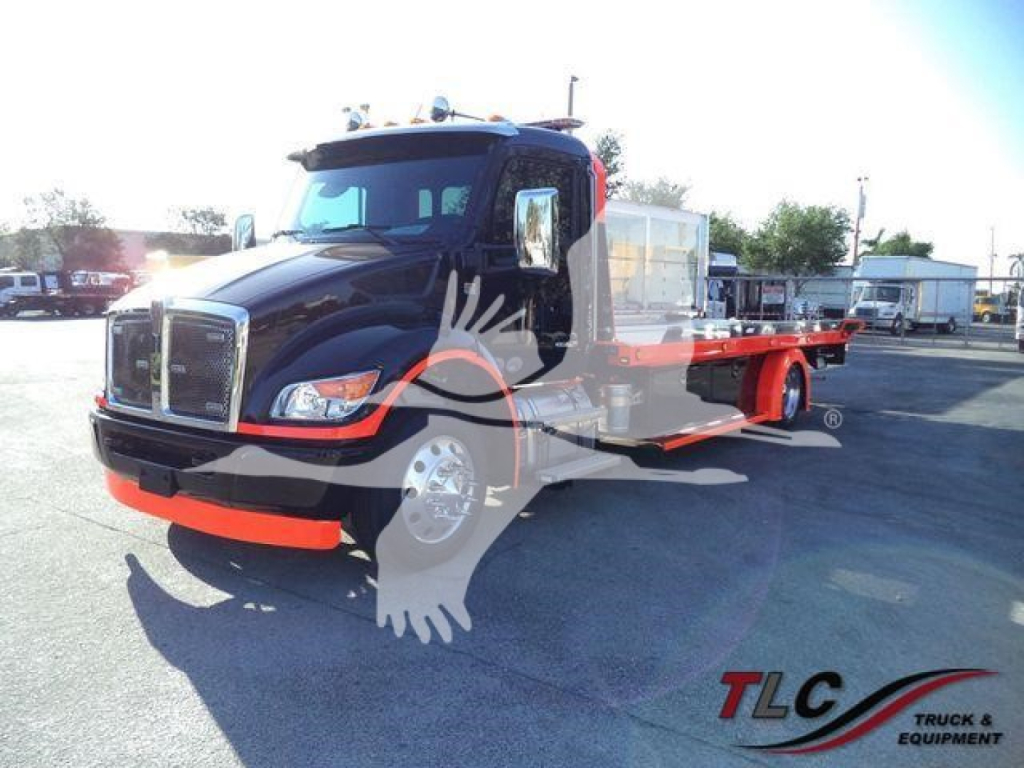
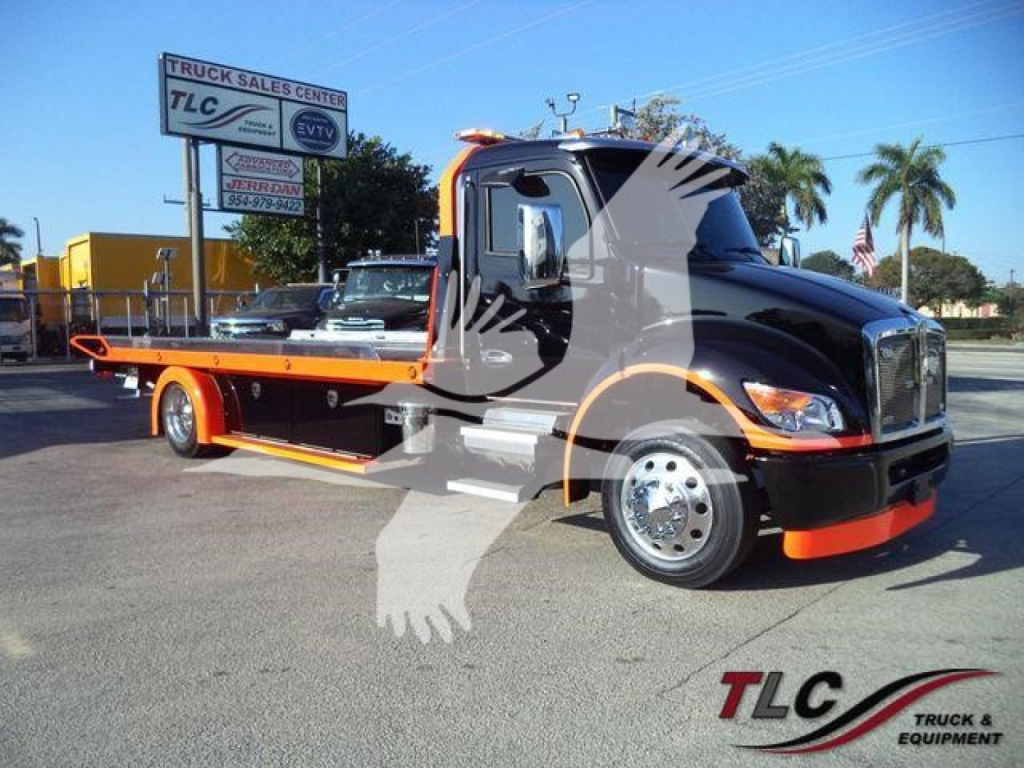
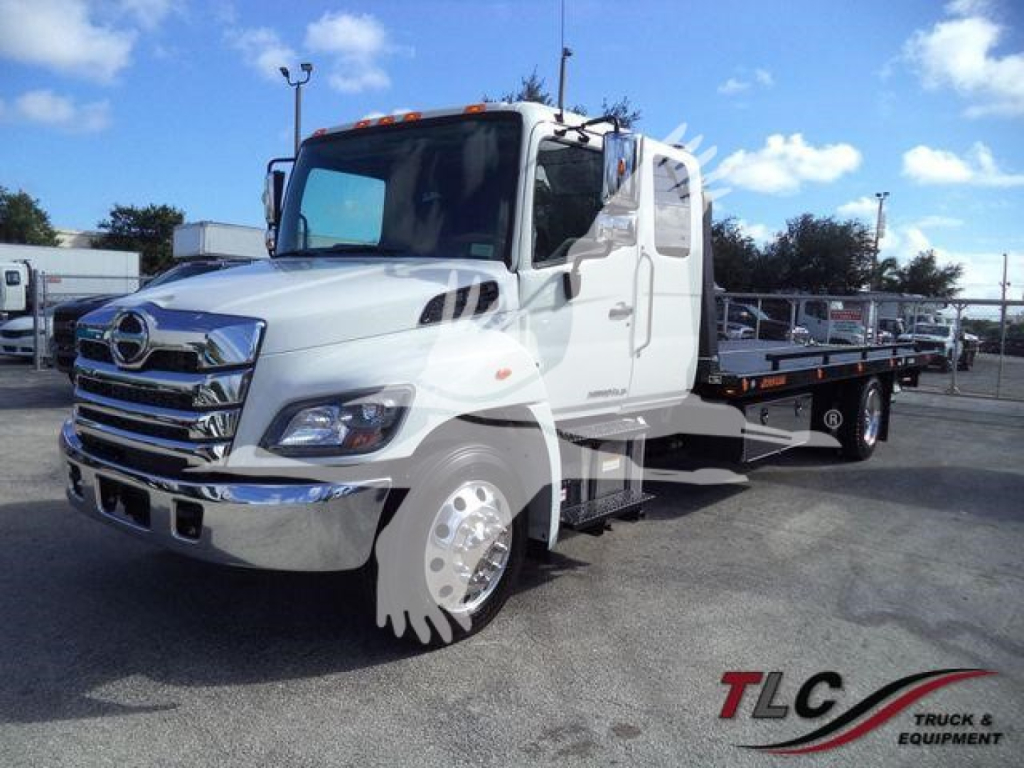
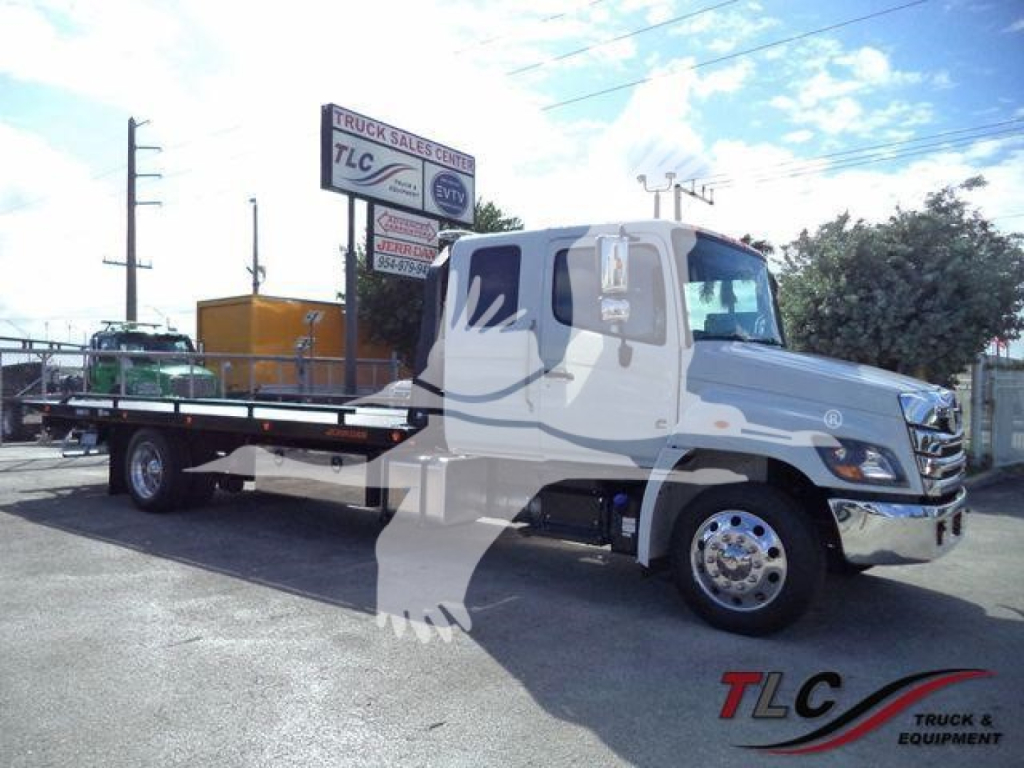
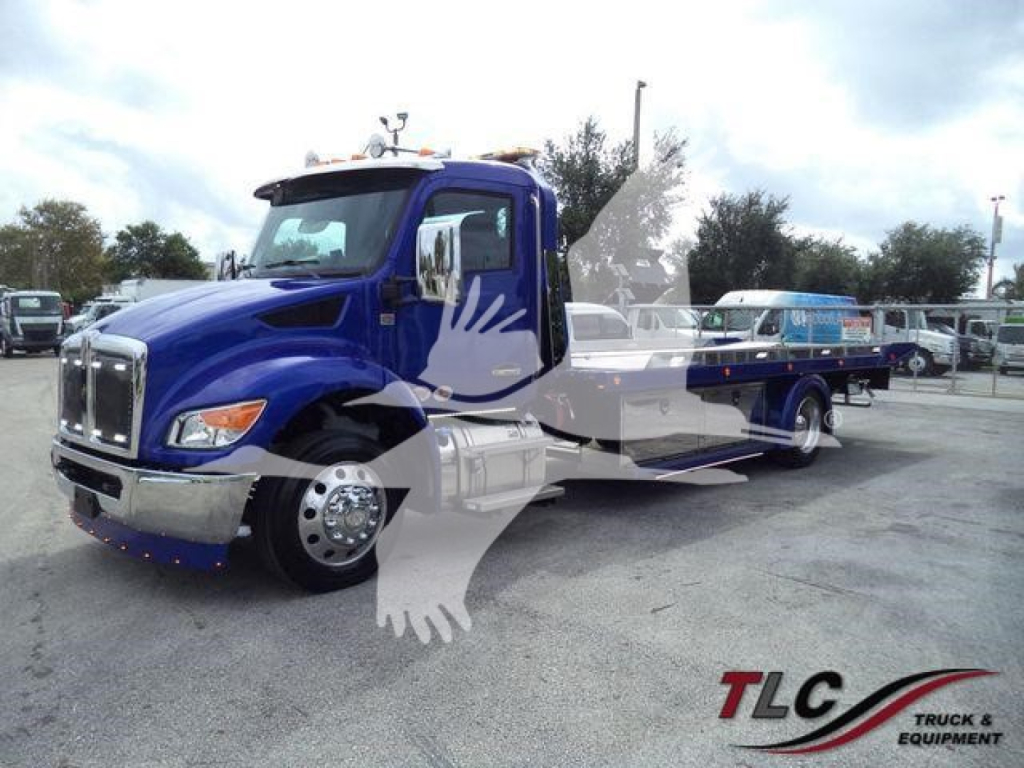
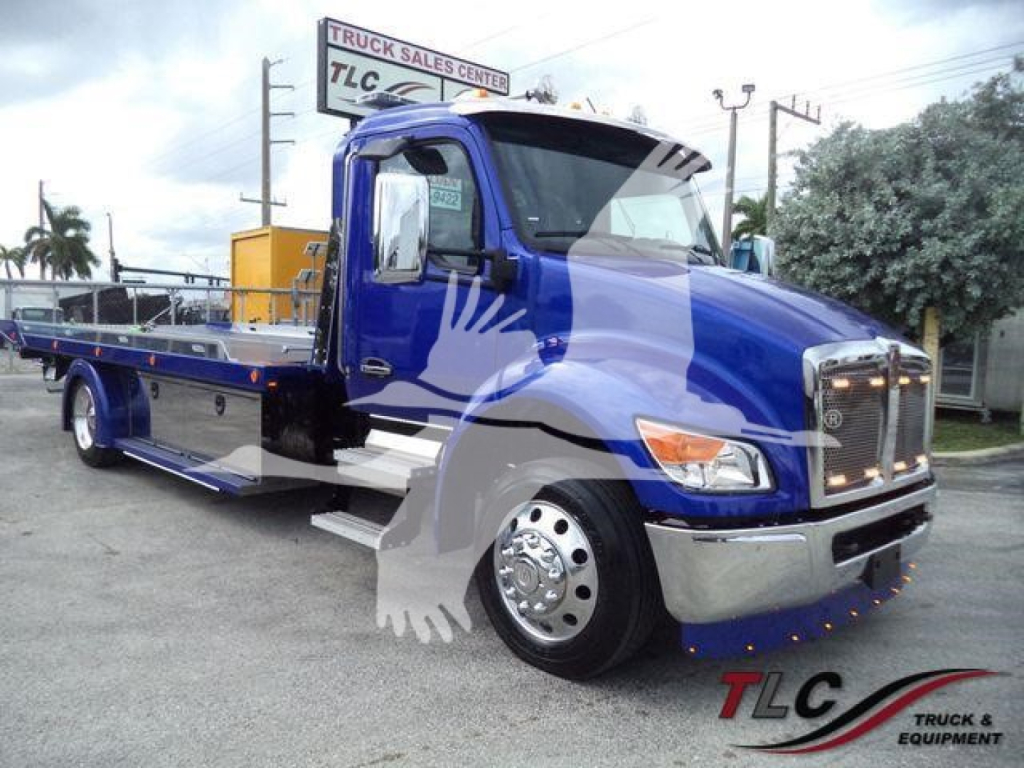
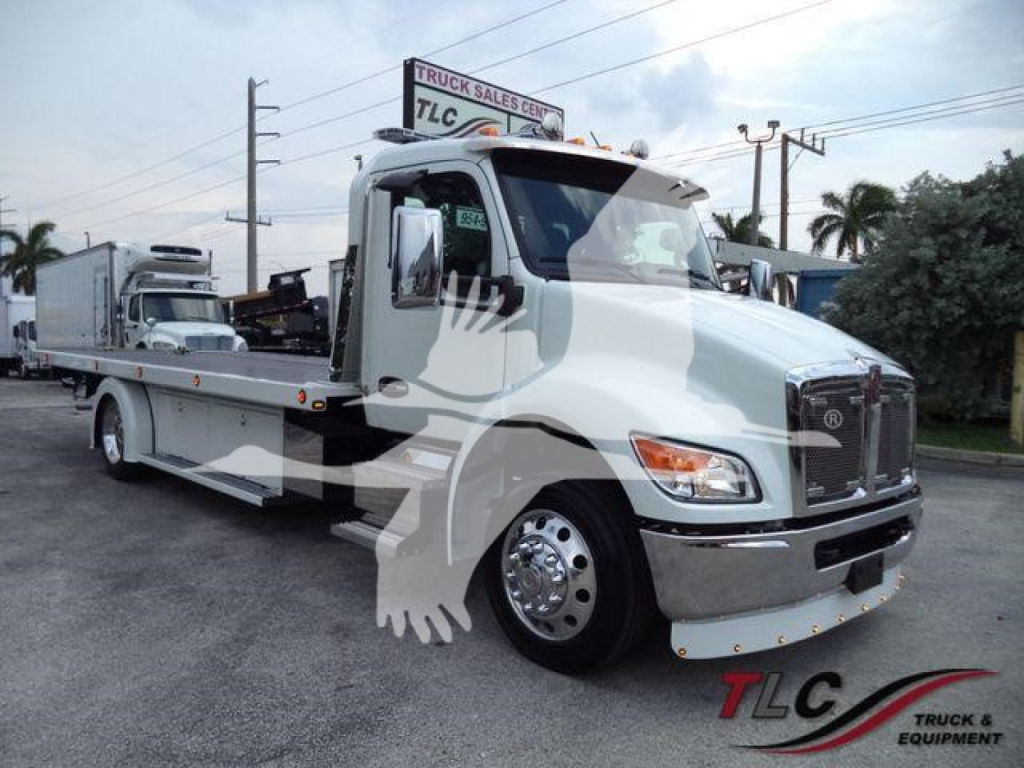
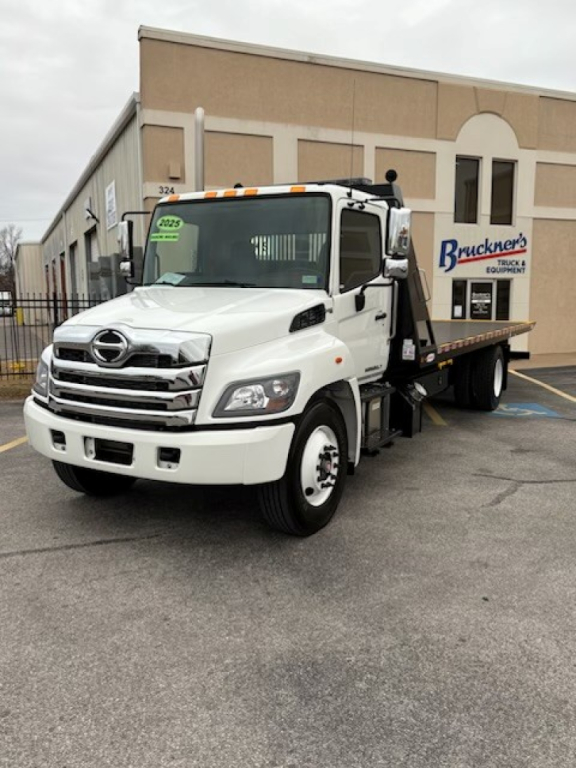
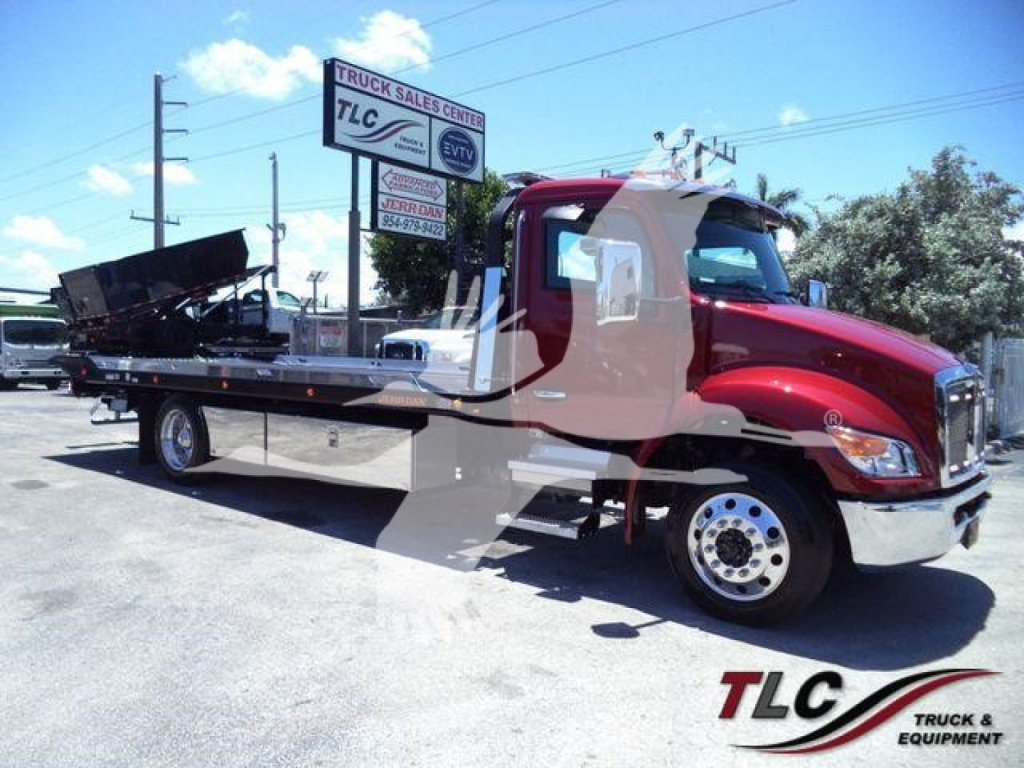
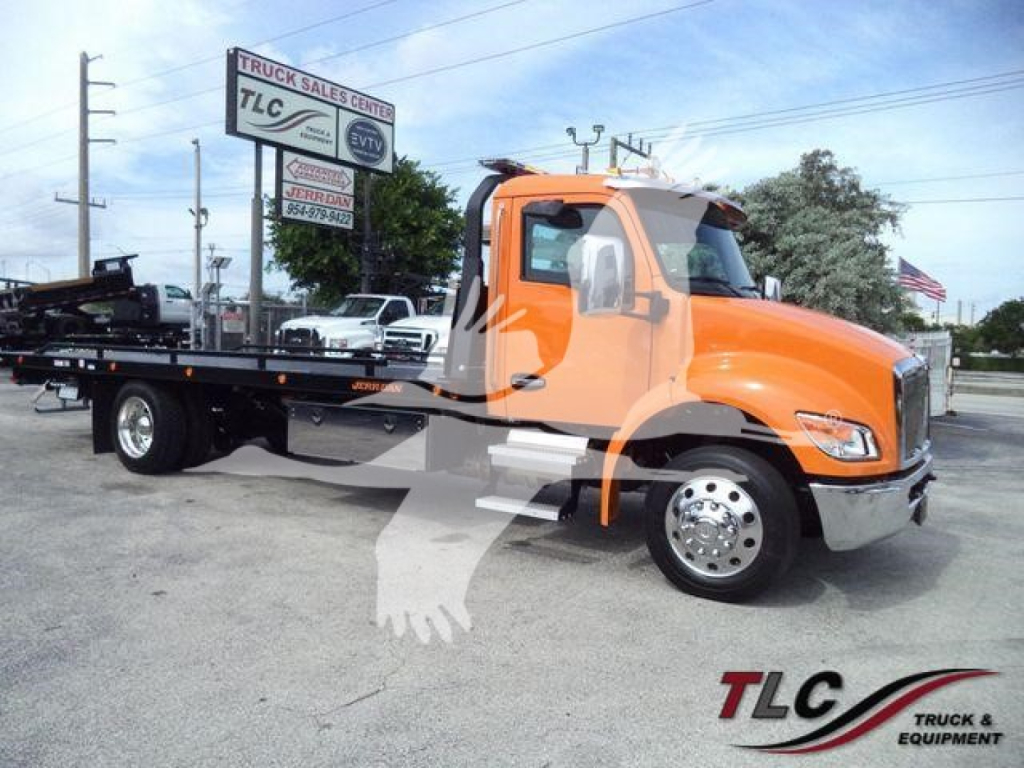
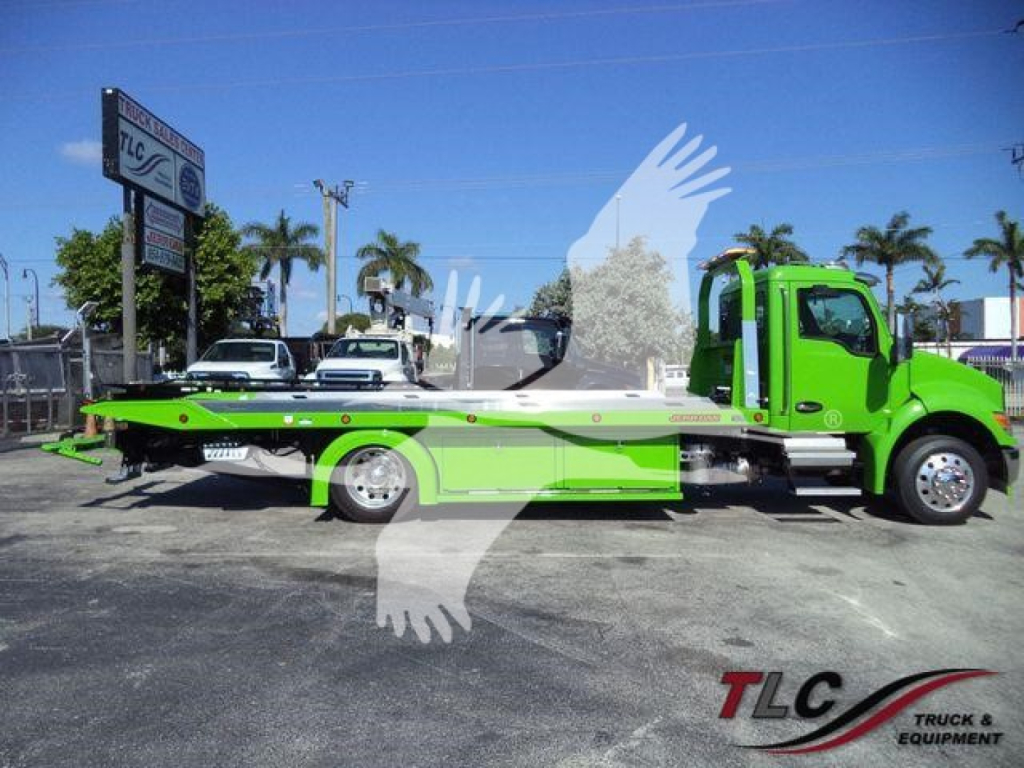
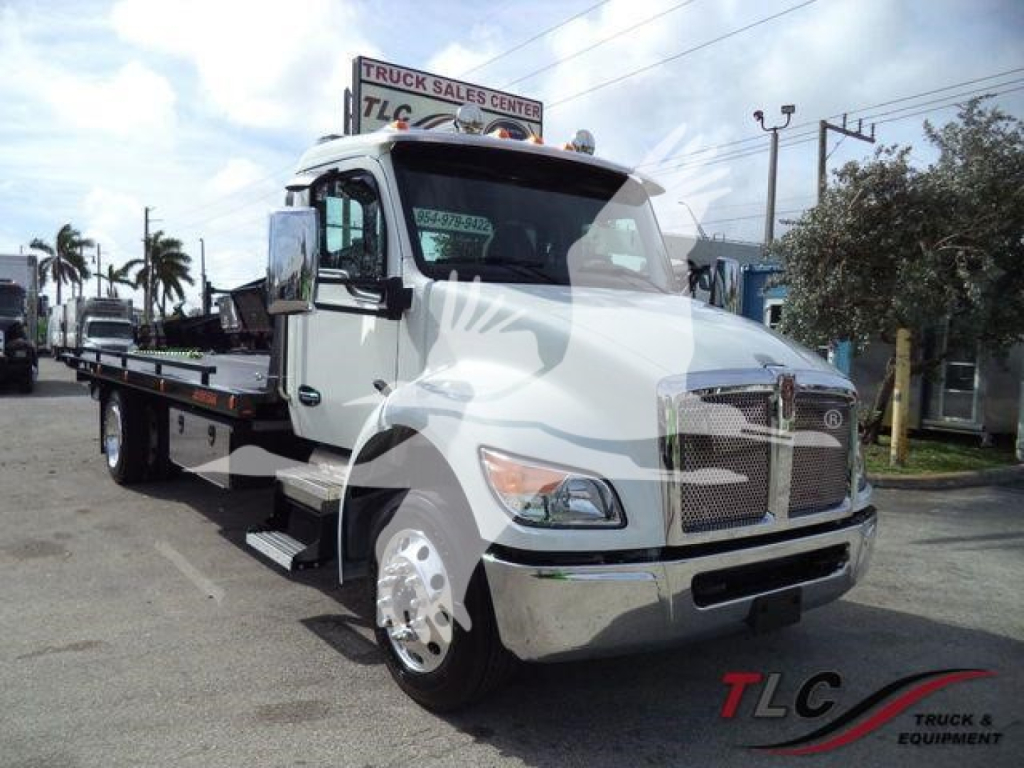
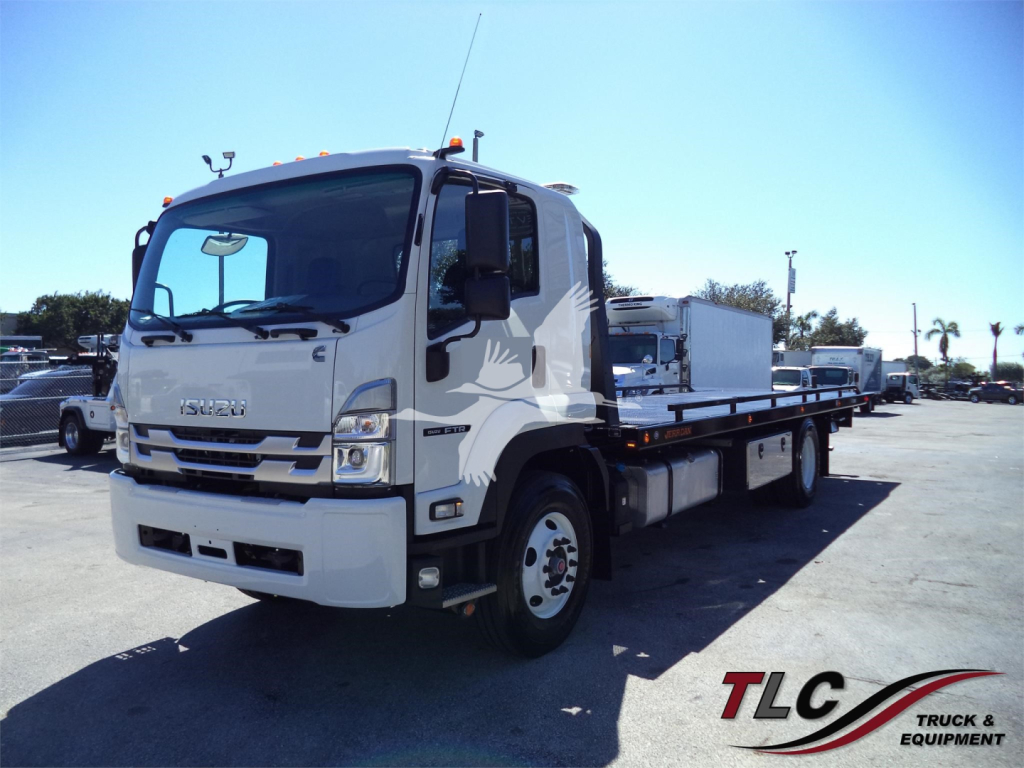
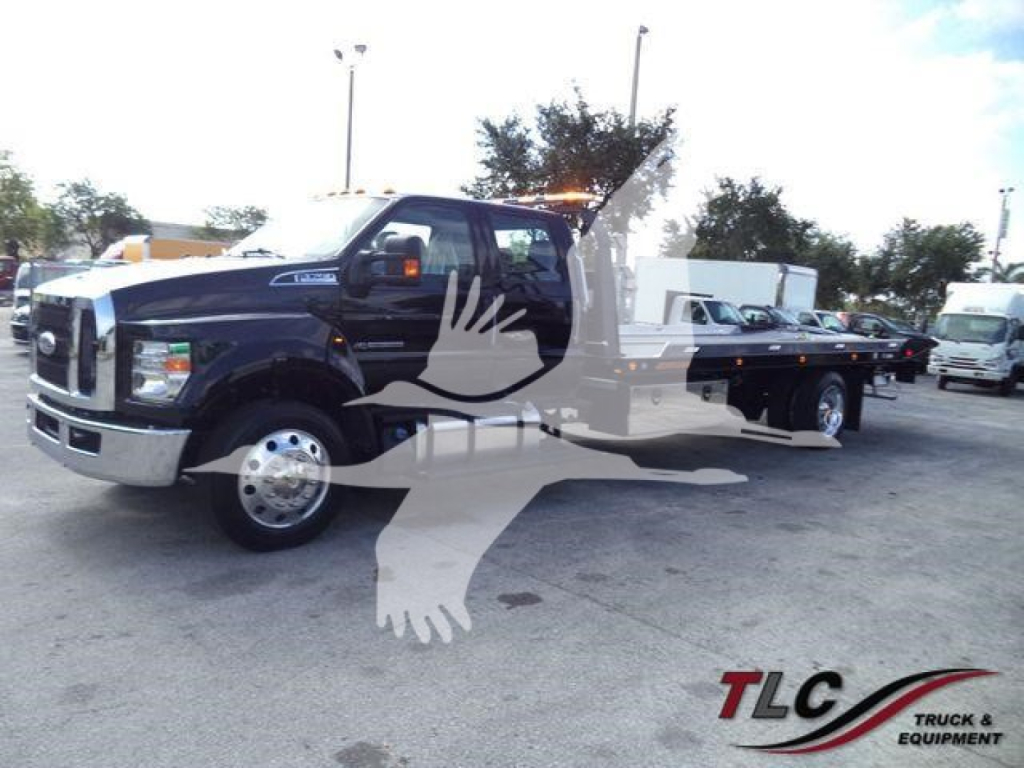
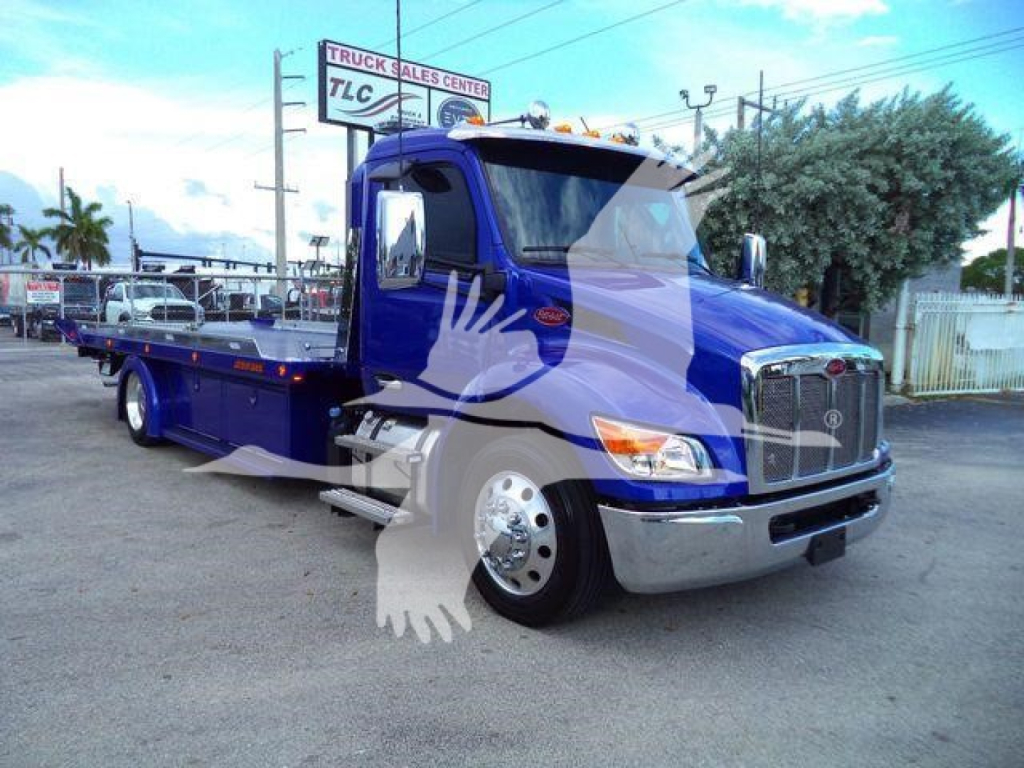
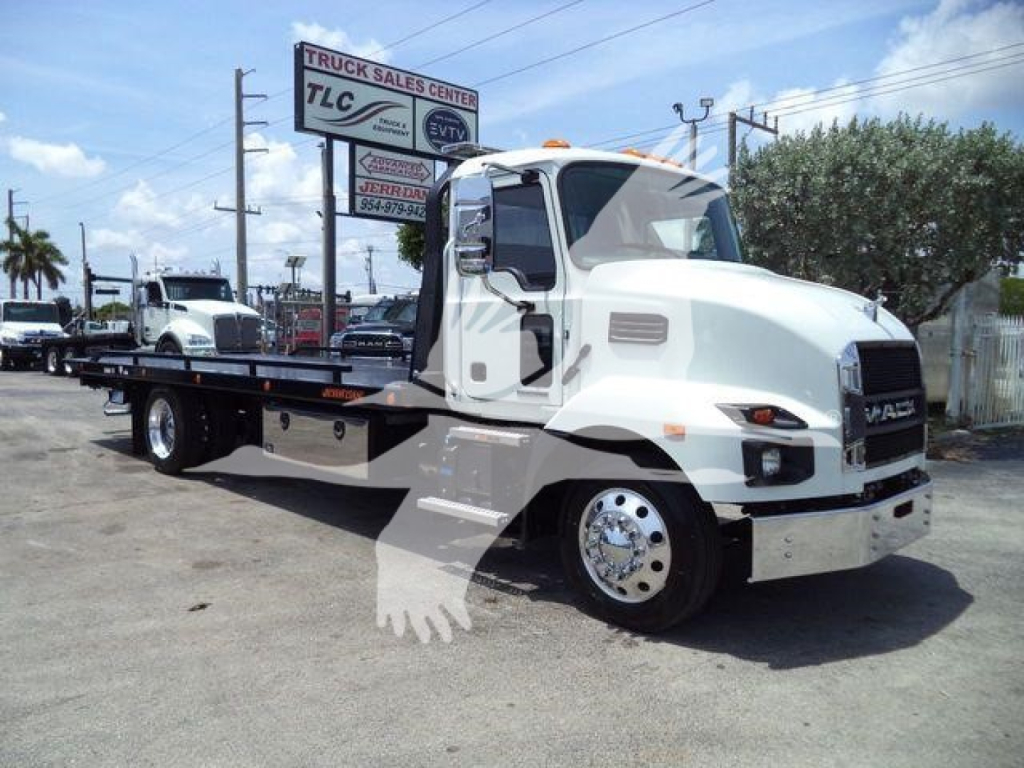
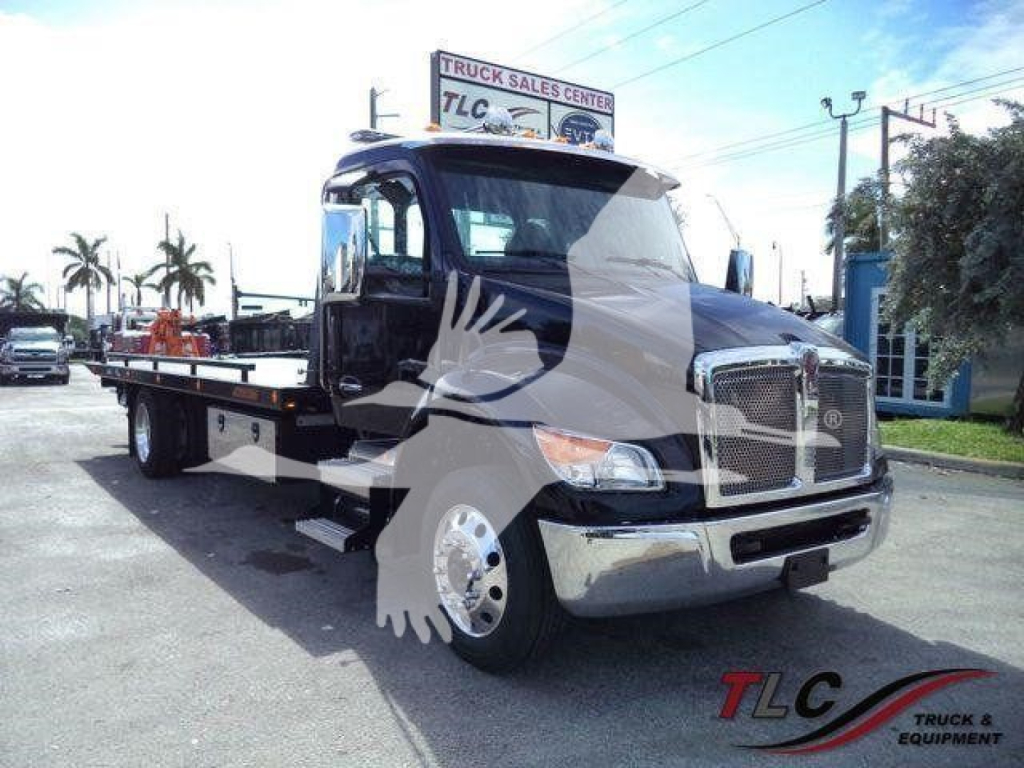
Selling a 2025 rollback truck? List your 2025 rollback truck for sale and reach thousands of commercial buyers.
2025 Rollback Trucks
Frequently Asked Questions about 2025 Rollback Trucks
What bed size is most common on a rollback truck?
The most common rollback bed lengths are 20, 21, 22, and 24 feet, with 102-inch width being standard on many carriers. A 20- or 21-foot deck is common for urban towing and lighter Class 6 chassis, while 22-foot beds are popular for general-purpose car hauling and roadside recovery. Larger 24-foot and medium-heavy setups offer more deck room for longer wheelbase trucks, vans, and equipment, but they also require careful attention to wheelbase, overhang, and axle loading.
What capacity should I look for in a 2025 rollback truck?
Most light-duty rollback trucks are built around 6-ton carrier ratings, often paired with an 8,000 lb winch and a wheel lift rated around 3,500 lb. That setup fits a large share of passenger vehicle towing, dealer moves, and light commercial recovery. Buyers handling heavier pickups, utility bodies, or medium-duty recoveries should look closely at chassis GVWR, front and rear axle ratings, winch capacity, subframe design, and the real working load once fuel, tools, dollies, and operators are onboard.
Are air brakes better than hydraulic brakes on a rollback?
Air brakes are common on 26,000 GVWR rollback trucks and are often preferred by commercial operators because they hold up well in frequent stop-and-go service and fit easily into heavier chassis specifications. Hydraulic brake rollback trucks can still be a good match for lighter applications, especially where driver qualification, fleet standardization, or service simplicity matters. The better choice depends on GVWR, route density, driver requirements, and the type of vehicles being transported.
What features matter most for low-clearance vehicle loading?
The most important features are a low-profile or XLP deck, reduced load angle, adequate bed length, and stable hydraulic operation. Removable rails, dual-angle decks, wheel lift design, and a smooth winch free-spool setup also affect how safely and quickly a driver can load a disabled or lowered vehicle. If the truck will handle EVs, luxury cars, or collision-damaged units, deck approach angle and tie-down access usually matter more than raw carrier capacity alone.
What chassis are commonly used for rollback trucks?
Rollback bodies are commonly mounted on medium-duty chassis such as the Peterbilt 337, Freightliner M2 106, and International MV or Durastar class, usually with diesel engines, automatic transmissions, and air ride suspension. Class 6 and Class 7 chassis dominate the category because they balance maneuverability, legal payload, and body compatibility. For heavier transport and recovery work, some operators move into larger tandem-axle rollback configurations with longer decks, heavier winches, and double-frame construction.