
2025 Rollback Trucks For Sale in Florida
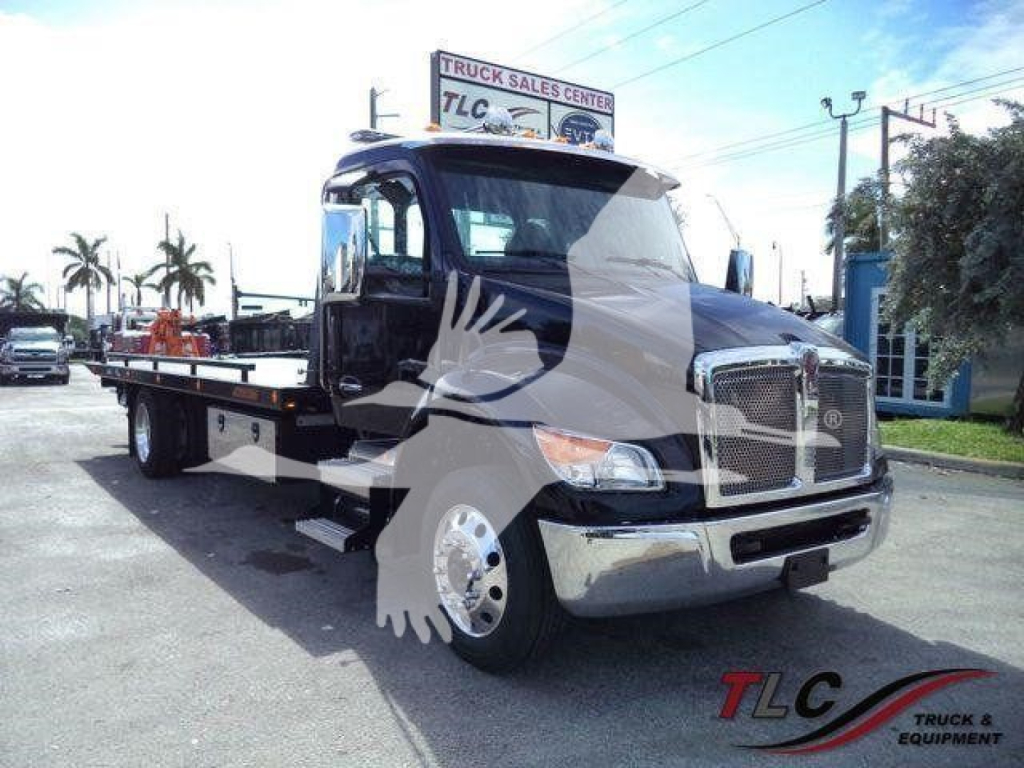
Shop 2025 rollback trucks for sale in Florida. Compare deck length, wheel-lift capacity, chassis GVWR, and towing specs for car carriers.
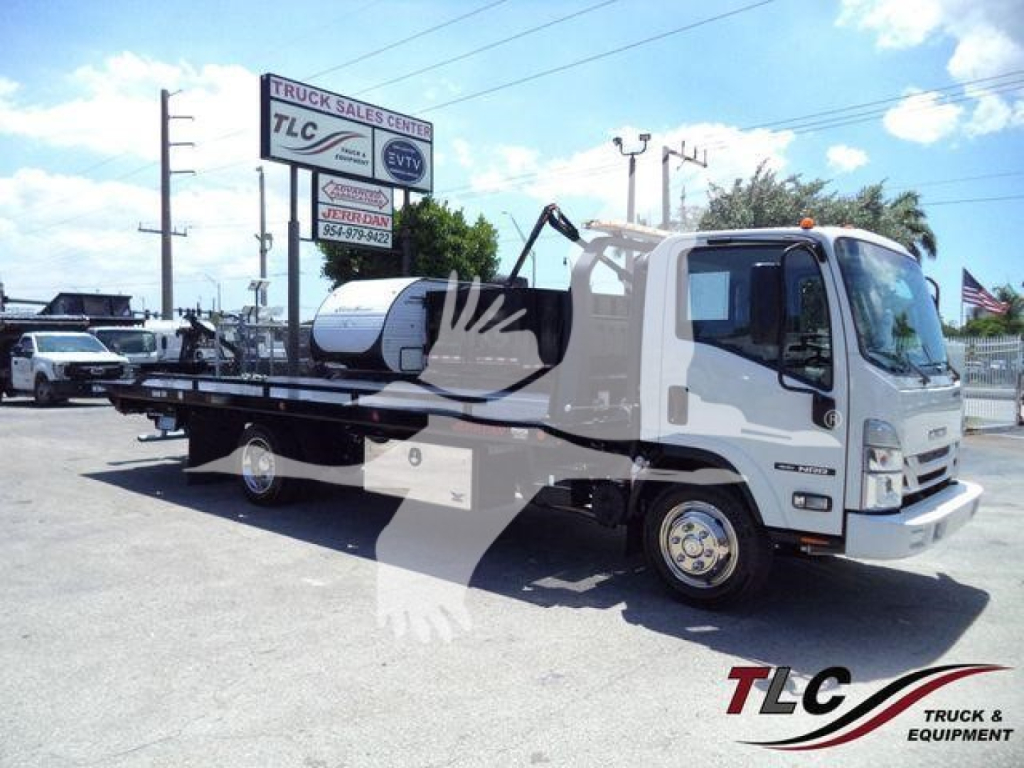
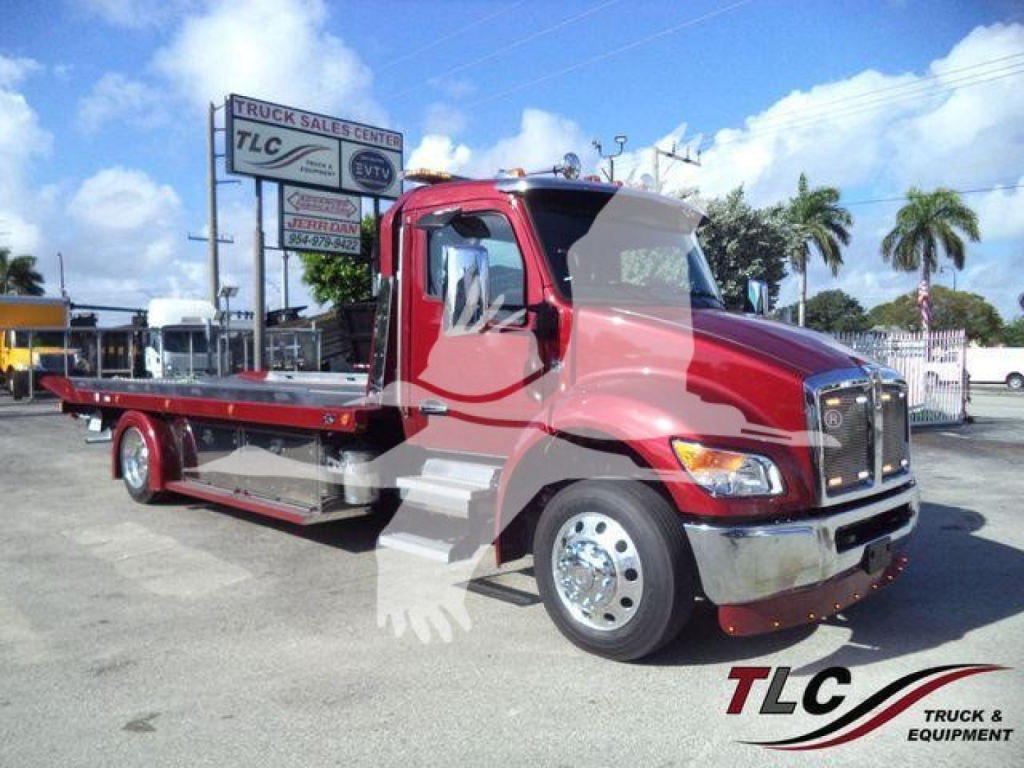
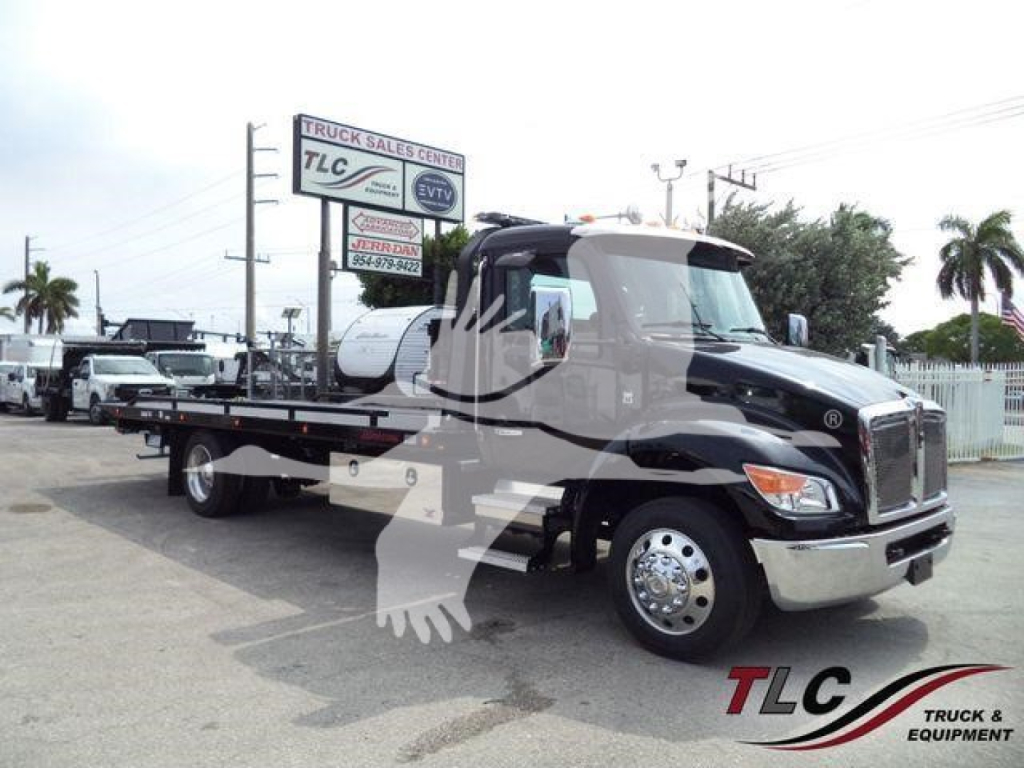
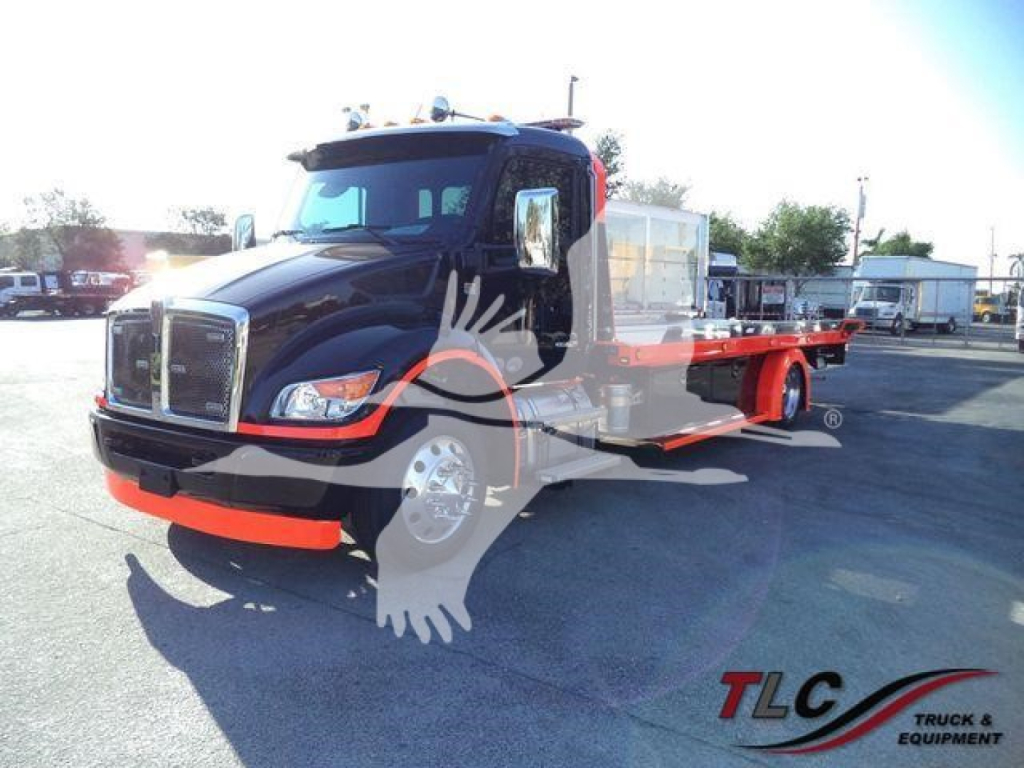
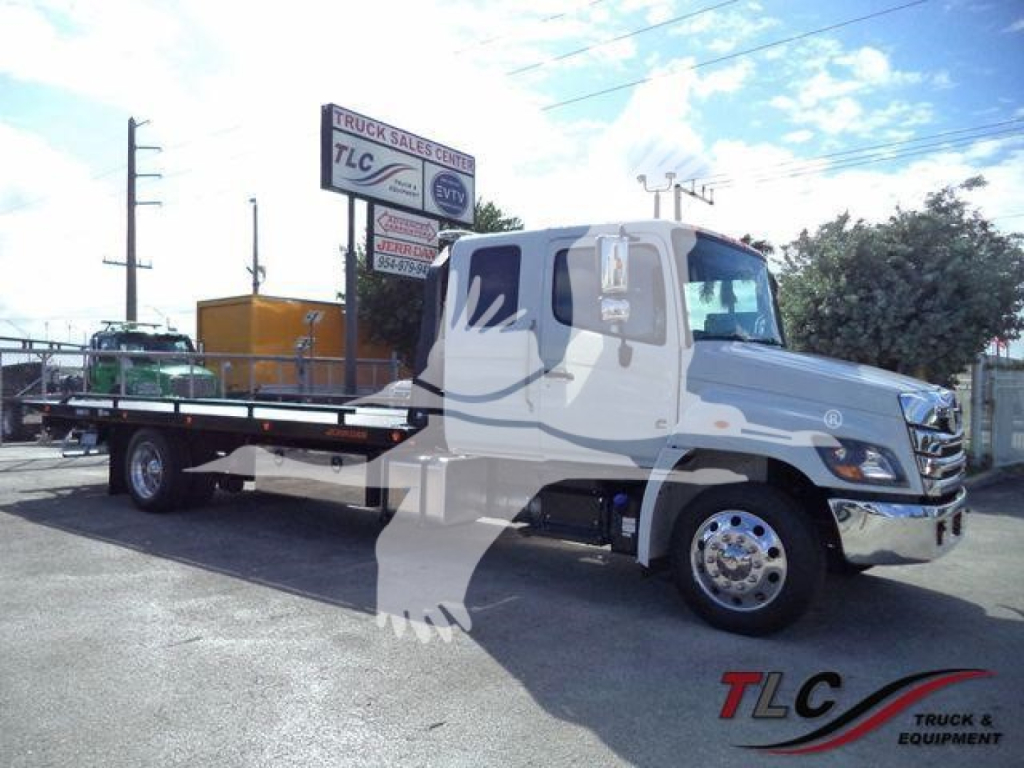
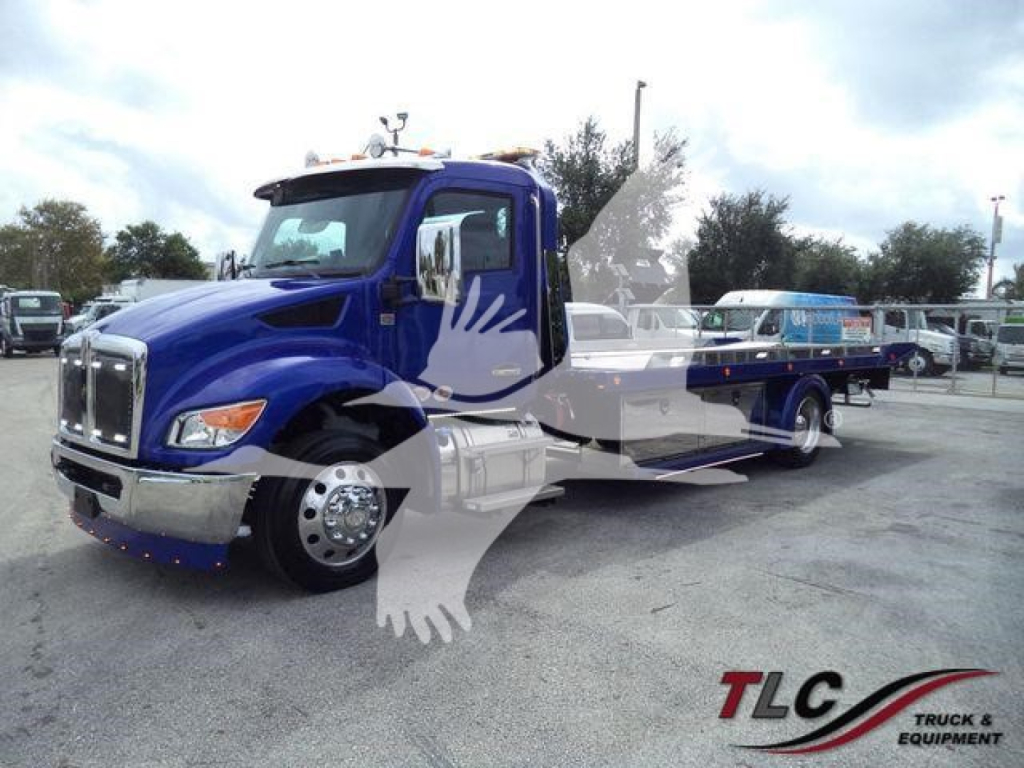
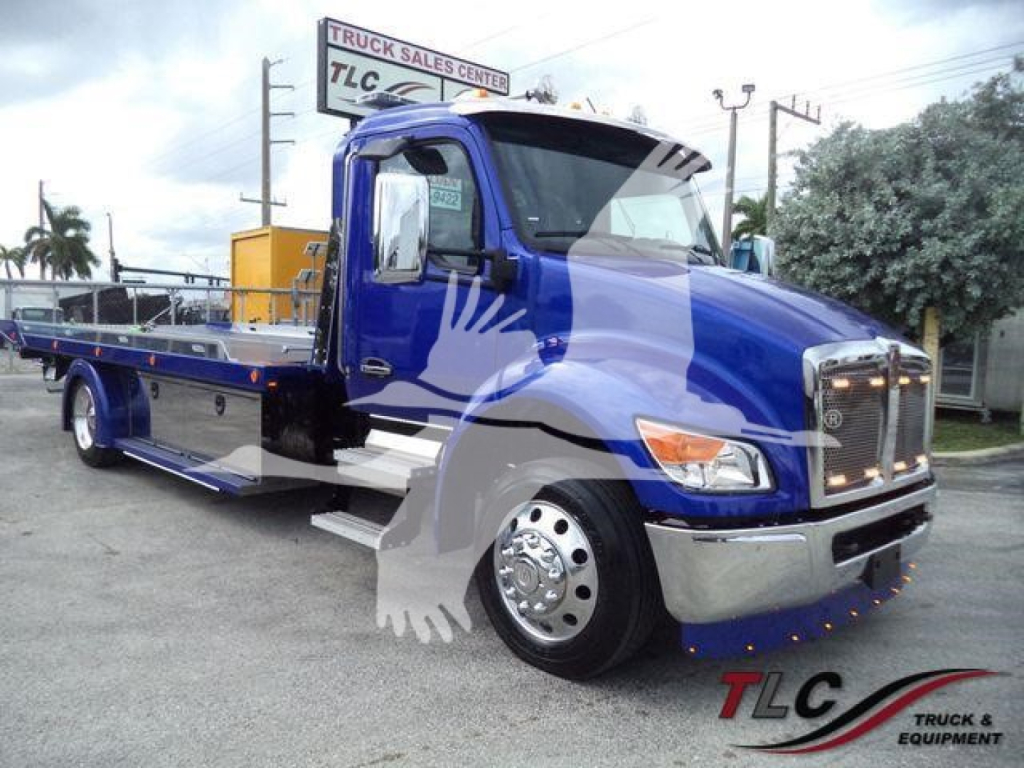
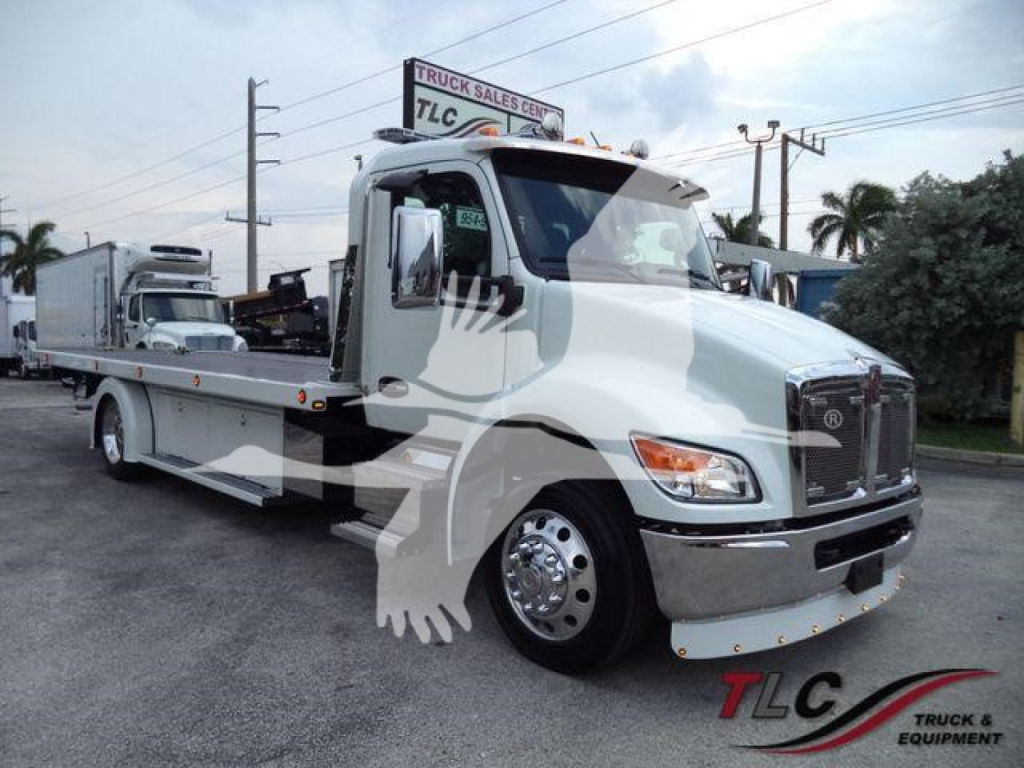
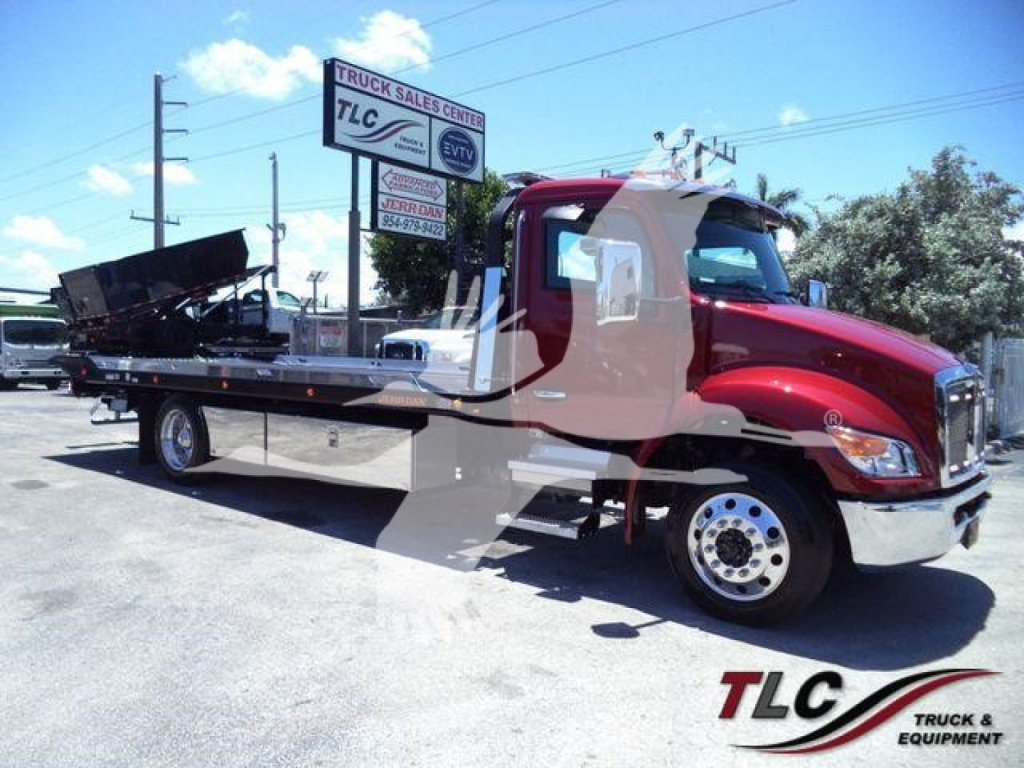
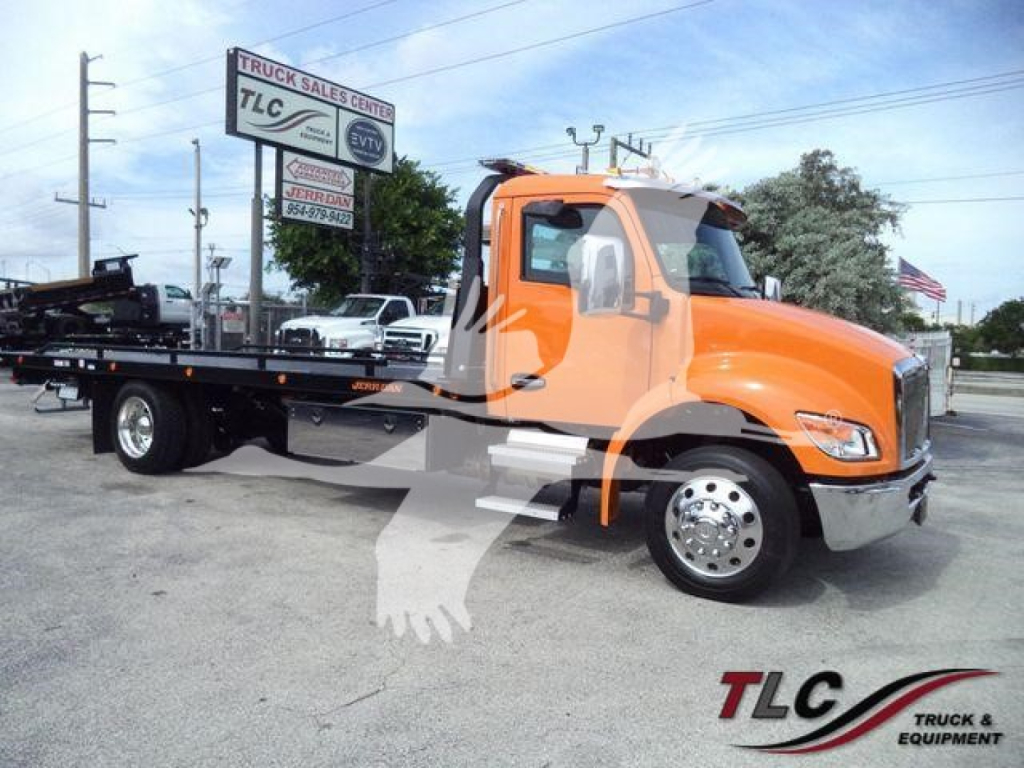
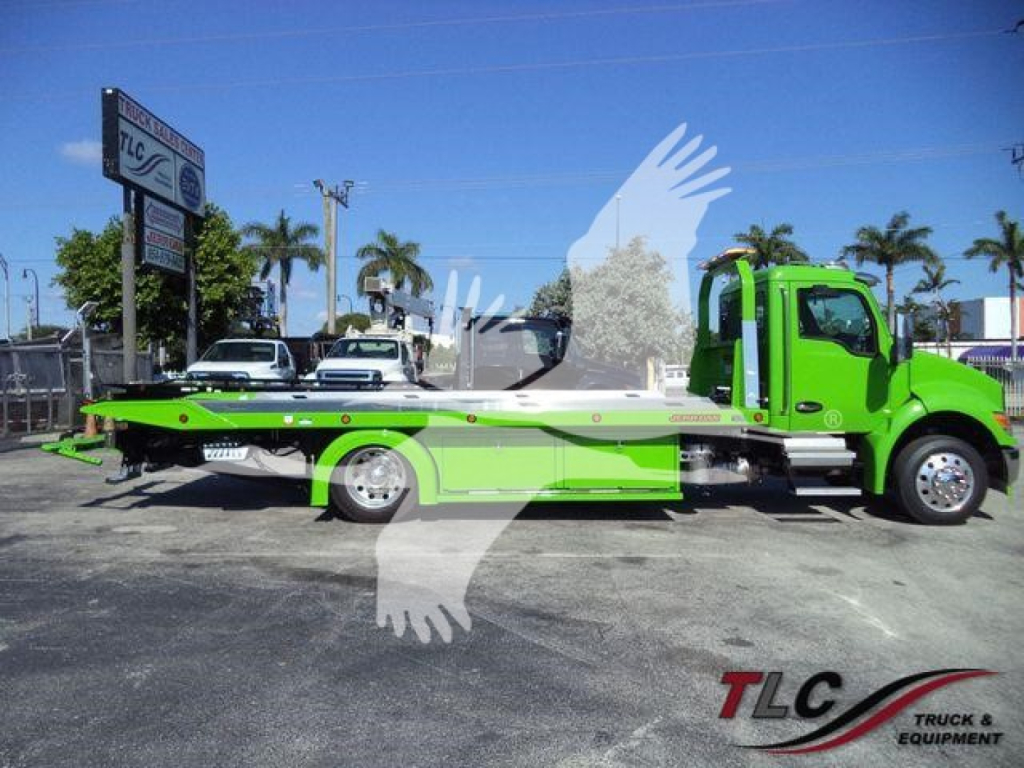
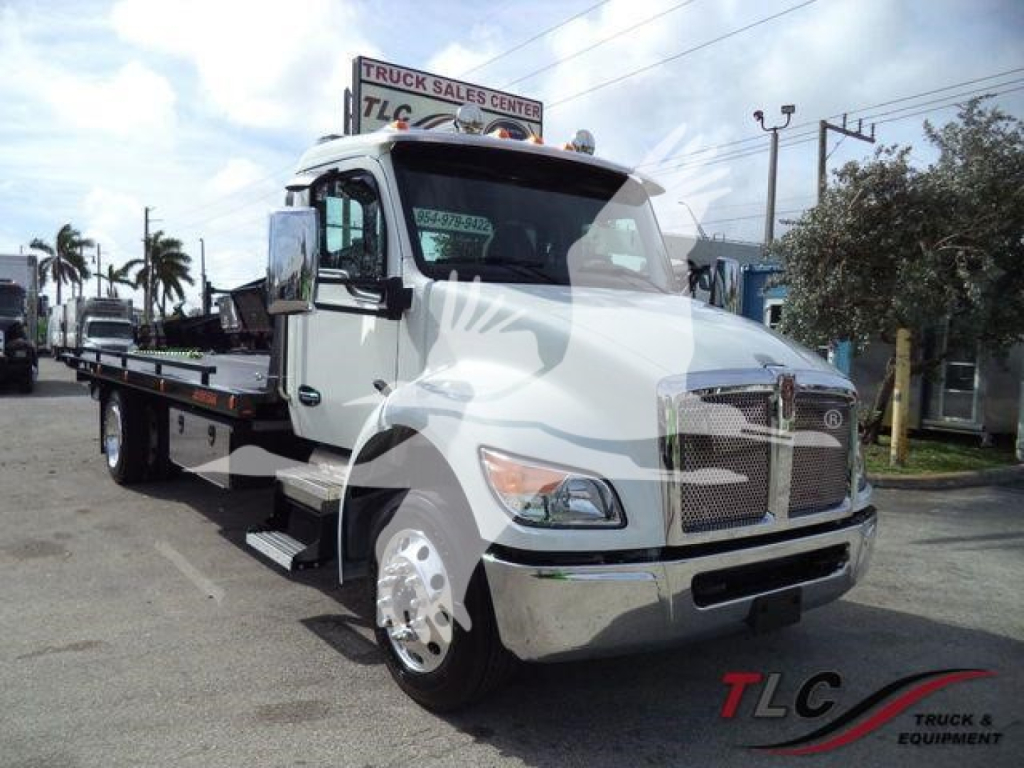
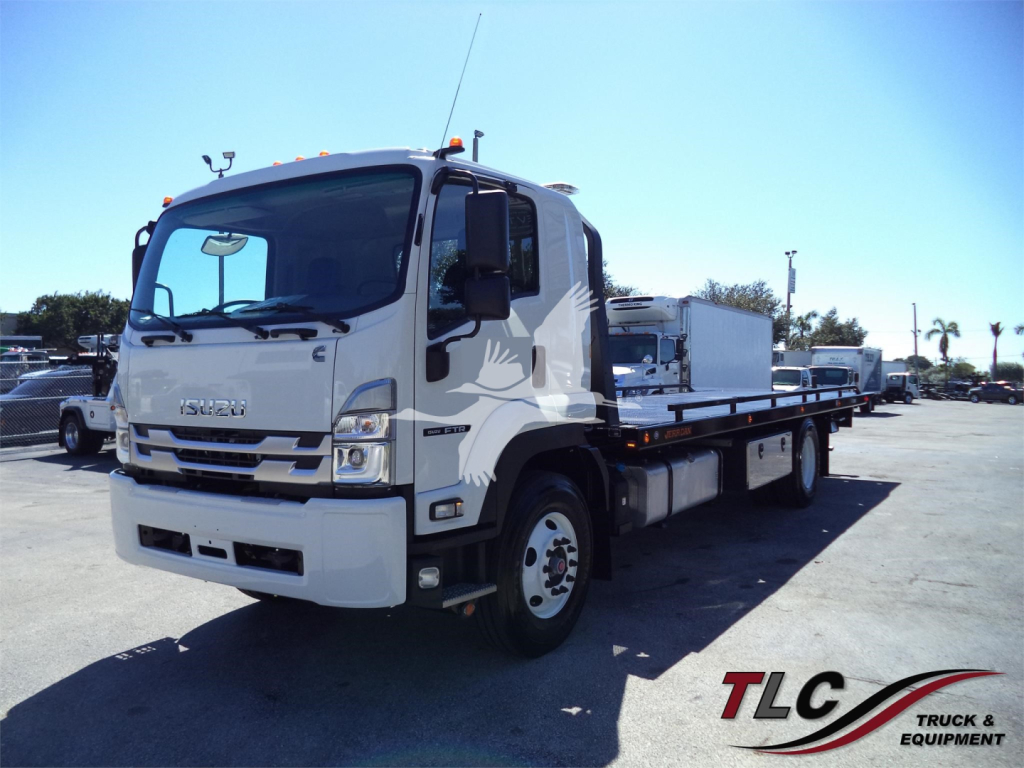
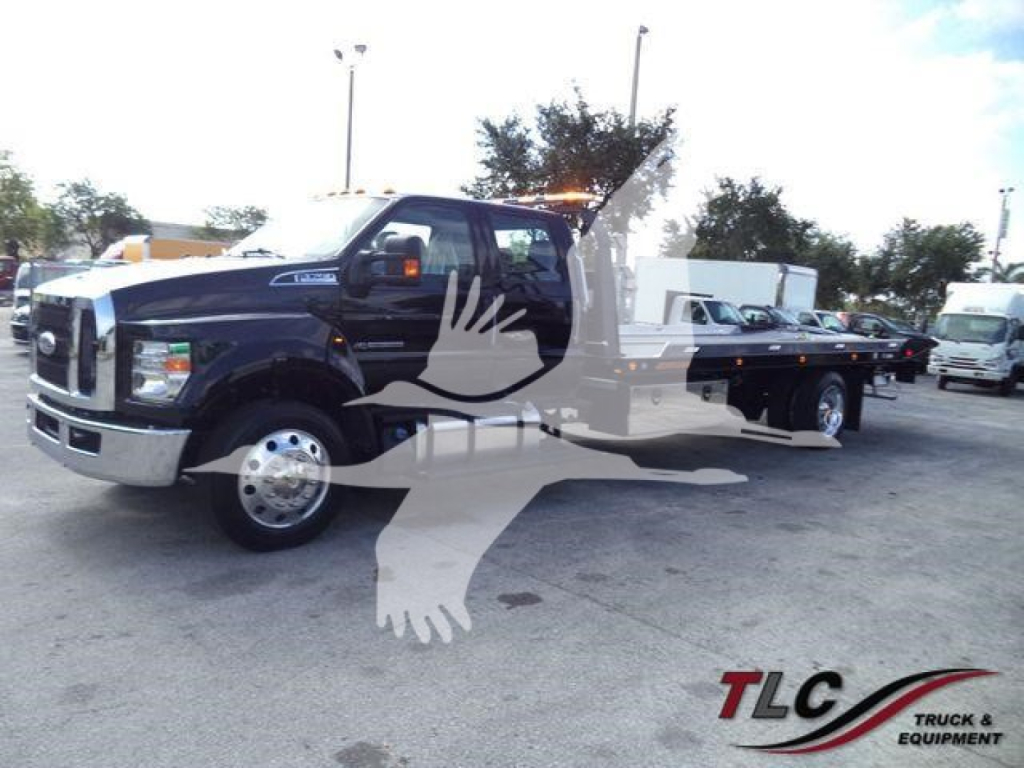
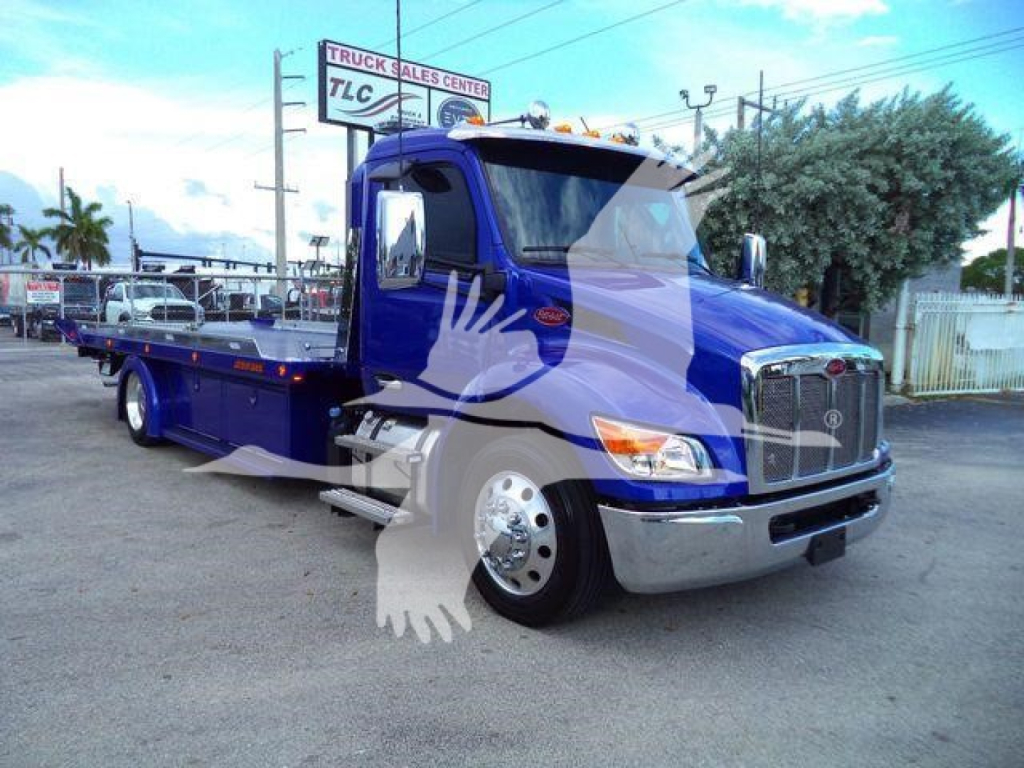
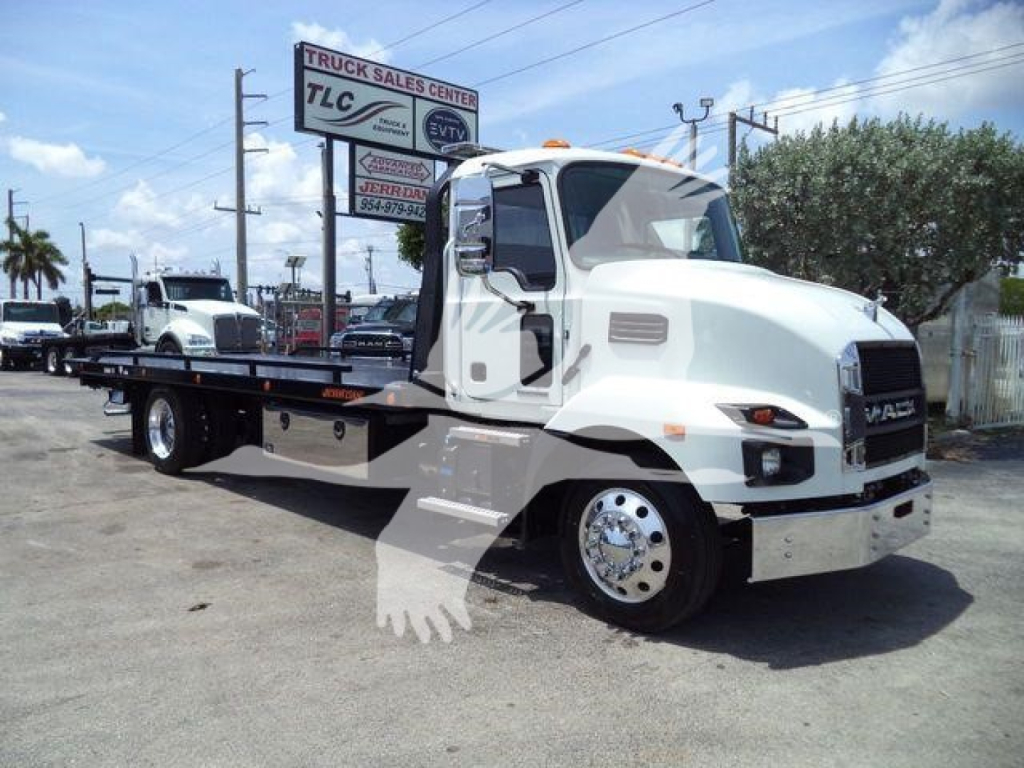
Selling a 2025 rollback truck? List your 2025 rollback truck for sale and reach thousands of commercial buyers.
2025 Rollback Trucks in Florida
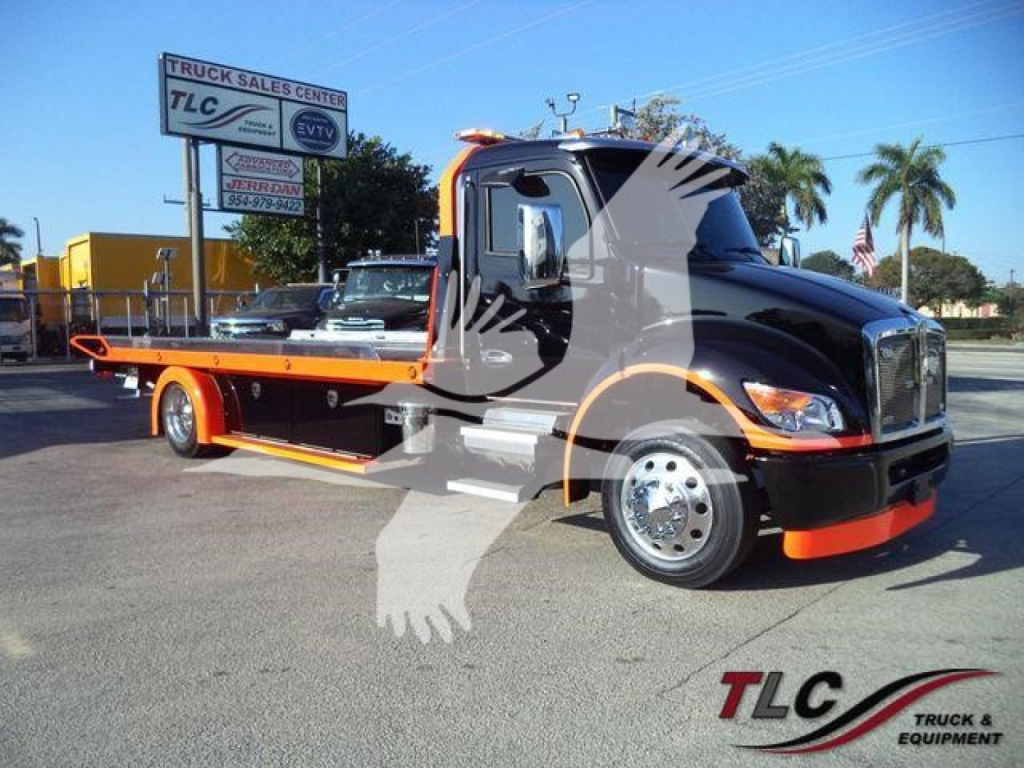
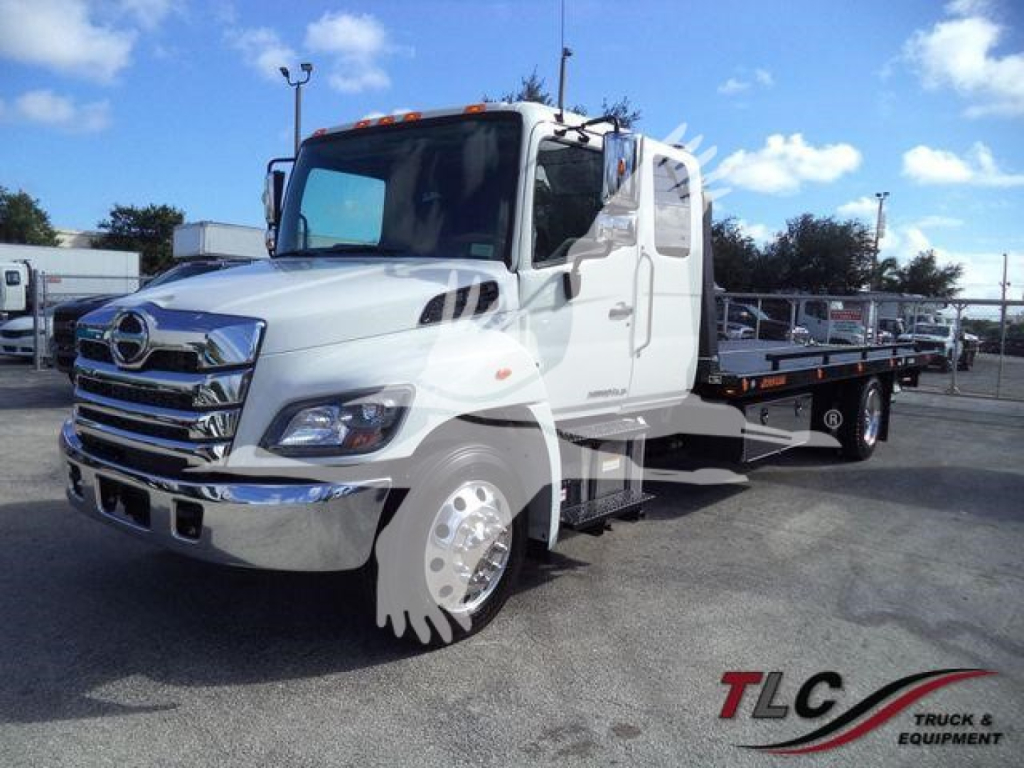
The main buying decisions usually start with chassis rating, deck size, and wheel-lift setup. In this class, buyers commonly look at 19,500 to 23,500 lb GVWR chassis from builders such as Chevrolet Silverado 5500HD and 6500HD, Ram 5500, International CV, and similar medium-duty platforms. Most are spec'd with automatic transmissions, diesel engines, and 4x2 drivetrains, though 4x4 can be worth the premium for beach communities, wet grass recoveries, and uneven shoulders. Common deck dimensions run about 19 to 21 feet long and 96 to 102 inches wide, with 6-ton bed ratings and hydraulic wheel-lifts in the 3,000 to 3,500 lb range. Extra low profile decks, often labeled XLP, are especially useful for sports cars and damaged vehicles with limited ground clearance.
Body configuration affects day-to-day productivity more than many first-time buyers expect. Steel decks are common for durability and repairability, while aluminum can reduce empty weight and improve payload margin. Removable side rails, stationary pylons, L-arms, integrated toolboxes, work lighting, and LED light bars all matter on repossessions, police rotation work, dealership transport, and private property towing. Winch capacity, deck angle, tie-down points, hydraulic cycle speed, and wheelbase matching should be checked closely because a rollback that looks right on paper can still be awkward with long-wheelbase pickups, crossovers, or cargo vans.
Florida use adds a few practical considerations. Corrosion resistance is important in coastal areas, so buyers should pay attention to paint quality, deck material, fastener condition, and how hydraulic and electrical components are protected from salt and humidity. Cooling performance, A/C output, and service network support also carry more weight in a hot-weather towing operation that spends long hours in traffic. A well-matched 2025 rollback truck should balance legal payload, low loading angle, stable road manners, and enough storage for chains, straps, skates, and recovery gear without overloading the rear axle.
Frequently Asked Questions about 2025 Rollback Trucks in Florida
What is the difference between a rollback truck and a standard wrecker?
A rollback truck uses a hydraulic slide-and-tilt deck to carry the entire vehicle off the ground, while a standard wrecker typically tows with a boom or wheel-lift and leaves one axle on the road. Rollbacks are preferred for all-wheel-drive vehicles, low-clearance cars, damaged vehicles, and units that should not be towed with drive wheels rolling. They also reduce the chance of driveline damage and usually provide a cleaner load angle for vehicles that cannot be pulled conventionally.
What deck length is most common on a medium-duty rollback truck?
On medium-duty rollback trucks, 19-foot to 21-foot decks are the most common range. A 19-foot deck works well for compact cars, midsize SUVs, and many light commercial units, while a 20-foot or 21-foot deck gives more flexibility for crew cab pickups, longer wheelbase vehicles, and easier load placement. Buyers should match deck length to the actual mix of vehicles handled every week, not just the occasional call.
How important is an extra low profile deck on a 2025 rollback?
An extra low profile deck is important if the truck will regularly load sports cars, EVs, lowered vehicles, or collision-damaged units. XLP-style decks reduce the loading angle, which helps prevent scraping at the bumper, rocker panels, or battery tray area. In practical use, a low deck can expand the range of vehicles the truck can handle without needing extra ramps, cribbing, or time-consuming setup.
Is 4x4 worth it on a rollback truck in Florida?
For many Florida towing operations, 4x2 is still the standard because it costs less, weighs less, and is simpler to maintain. A 4x4 rollback becomes more valuable if the truck works in beach towns, rural shoulders, muddy lots, flooded areas, or unpaved access roads where traction can become a service issue. The tradeoff is higher acquisition cost, additional front axle components, and slightly reduced payload in some configurations.
What should buyers check when comparing rollback wheel-lift capacity?
Wheel-lift capacity should be evaluated along with rear axle rating, frame strength, overhang, and the type of vehicles being recovered. A 3,000 to 3,500 lb hydraulic wheel-lift is common in this class, but the real question is how the truck performs with pickups, SUVs, and vehicles carrying extra rear weight. Buyers should also confirm L-arm compatibility, hydraulic stability, and whether the truck can legally and safely handle occasional tow-behind work without compromising axle balance.