
2017 Rollback Trucks For Sale
Shop 2017 rollback trucks with key specs, bed sizes, winch ratings, GVWR ranges, and towing features buyers compare most.
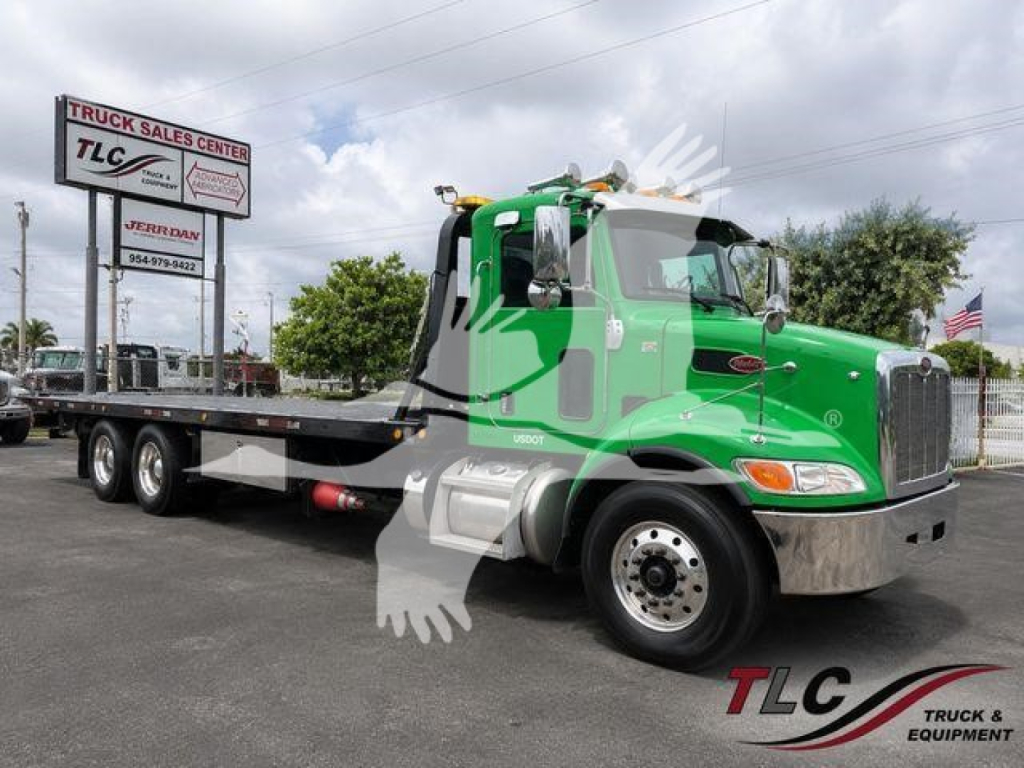
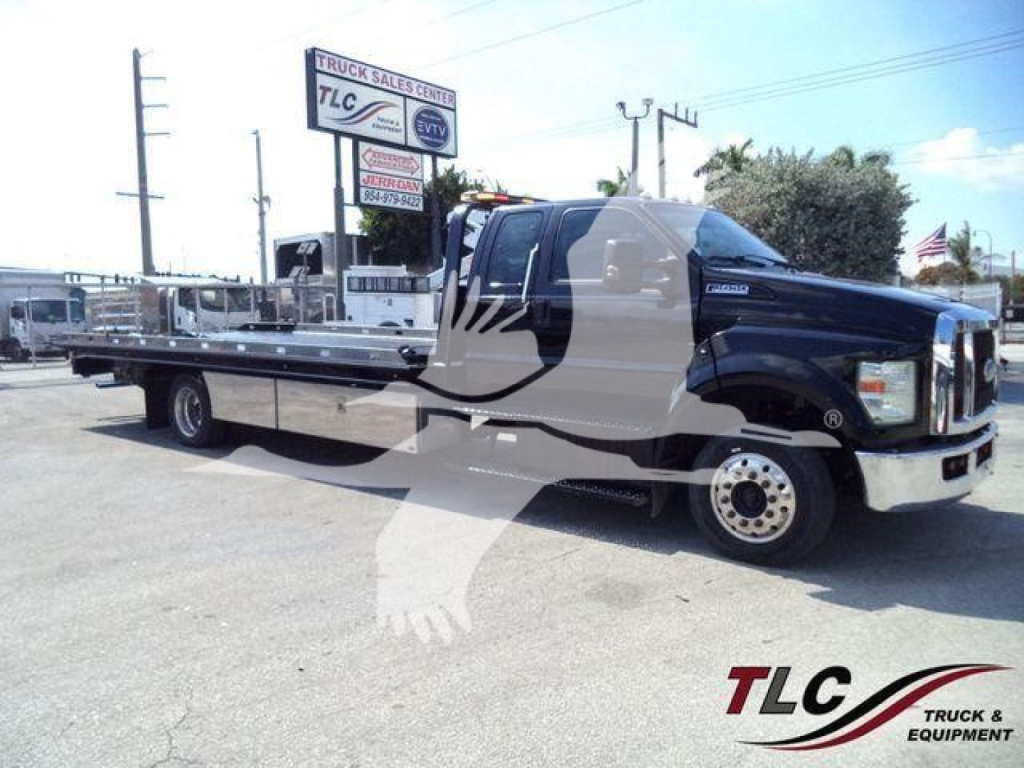
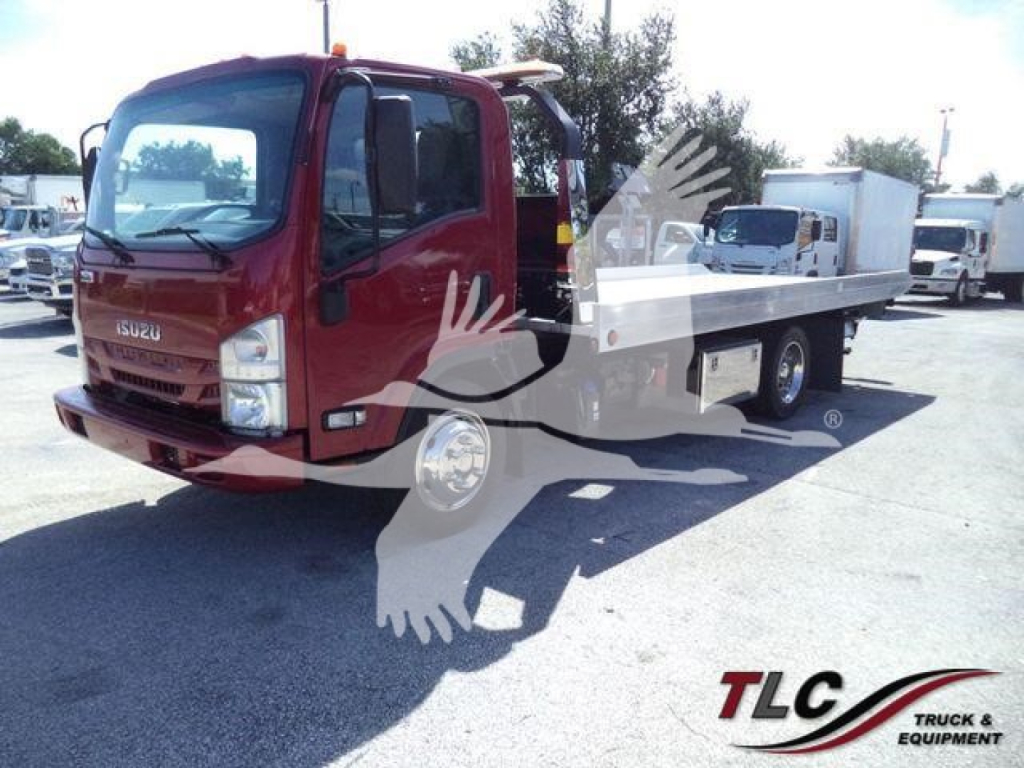
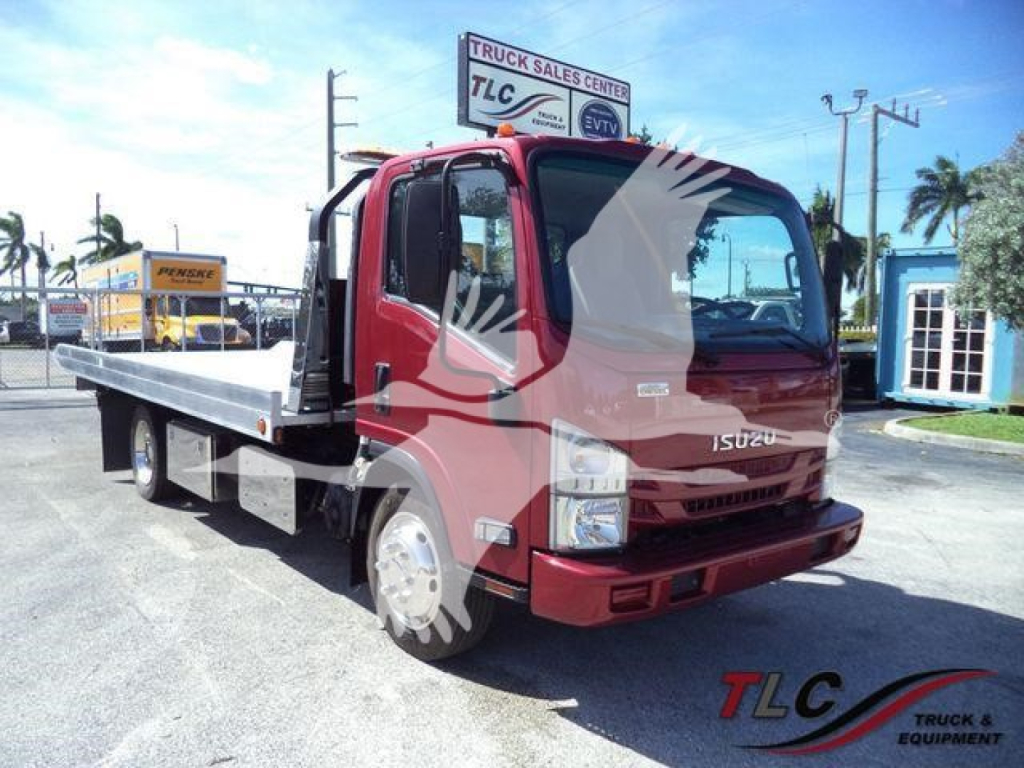
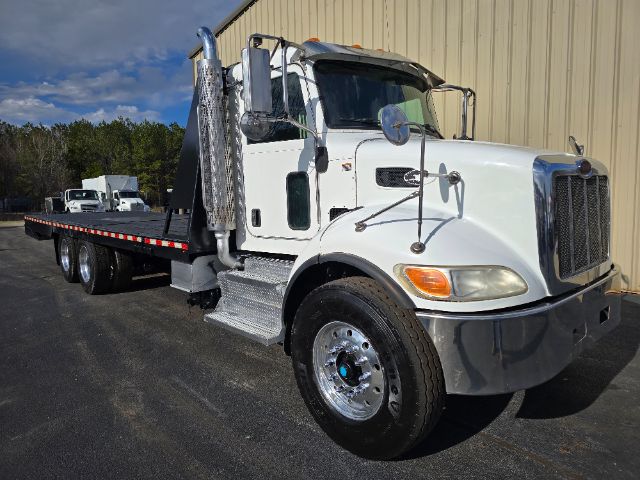
Selling a 2017 rollback truck? List your 2017 rollback truck for sale and reach thousands of commercial buyers.
2017 Rollback Trucks
The first decision is usually light-duty versus equipment-capable rollback. A lighter 2017 rollback with a 19,500 to 26,000 GVWR is typically set up for cars, pickups, and general towing, often with a 20-foot to 22-foot deck and a 3,500-pound wheel lift. A heavier spec truck with 33,000 GVWR and up, or even 60,000 GVW in specialized equipment carrier applications, is better suited for skid steers, forklifts, scissor lifts, and larger commercial units. On heavier trucks, buyers should pay attention to front and rear axle ratings, double-frame construction, air ride suspension, and PTO-driven hydraulics. A 28-foot by 102-inch bed, 20,000-pound winch, and hydraulic wheel lift are common indicators that the truck was built for more than standard repo or passenger-car work.
Powertrain choice on a 2017 rollback often comes down to route type and load profile. Allison automatic transmissions are common because they simplify stop-and-go towing work and reduce driver fatigue. Engines in the 300 to 450 horsepower range are typical, with medium-duty diesels handling local recovery and larger displacement engines showing up on heavier equipment carriers. Since 2017 trucks use newer emissions systems, buyers should evaluate maintenance history on the DPF, DEF, and related aftertreatment components along with engine hours, idle time, and PTO usage. Wheelbase, axle ratio, and suspension setup also affect how the truck loads, turns, and carries weight. A long wheelbase can improve deck length and stability, but it may limit maneuverability in tight urban recovery work.
Body and upfit details often separate an average rollback from one that fits the job. Look closely at bed manufacturer, deck construction, crossmember condition, cylinder performance, winch brand and rating, wheel-lift setup with L-arms, and toolbox placement. Low-profile and extra-low-profile decks help with reduced loading angles for low-clearance vehicles, while removable rails, work lights, strobes, and scuff protection improve daily usability. On used 2017 rollback trucks, inspect the deck surface for hard loading wear, check pivot points and slide pads, and verify that the hydraulic system operates smoothly under load. A clean cab is nice, but service records, structural condition, and a rollback body matched to the truck's real workload are what determine long-term value.
Frequently Asked Questions about 2017 Rollback Trucks
What should I look for first when buying a 2017 rollback truck?
Start with the truck’s intended workload. Bed length, bed rating, winch capacity, wheel-lift rating, GVWR, and axle ratings should match the heaviest vehicles or equipment you plan to move. After that, review the condition of the rollback body, hydraulic system, PTO, frame, and suspension. On a 2017 model, emissions-system service history is also important because downtime tied to DPF or DEF components can erase any savings from a lower purchase price.
Is a 2017 rollback truck better for vehicle towing or equipment hauling?
It can be either, depending on how it was spec'd. A lighter rollback with a 20-foot to 22-foot deck and lower GVWR usually fits passenger vehicles, light trucks, and general towing. A heavier 2017 rollback with a 28-foot deck, higher axle ratings, a stronger winch, and a double-frame chassis is often built for equipment transport. The listing details should make it clear whether the truck is a car carrier setup or an equipment-capable rollback wrecker.
What bed size is common on a 2017 rollback truck?
Common deck lengths are roughly 20 feet, 22 feet, and 28 feet, with 102-inch width being standard on many bodies. Shorter beds are common on lighter-duty car carriers and urban towing applications. Longer 28-foot beds are more common on heavy rollback trucks used for equipment, commercial vehicles, or specialized recovery work. The right size depends on cargo length, loading angle, and the truck’s wheelbase and axle placement.
Are Allison automatic transmissions common in 2017 rollback trucks?
Yes. Allison automatics are very common in rollback applications because towing involves frequent starts, stops, backing, and precise positioning during loading. An automatic transmission helps with driver control and reduces fatigue in city and recovery work. Manual transmissions still appear on some heavier rollback and wrecker setups, but the used market for 2017 rollback trucks often includes a large number of Allison-equipped units.
How important is winch rating on a 2017 rollback truck?
Winch rating is a major buying factor because it affects what the truck can safely load onto the deck. A lighter-duty rollback may carry a winch suited for cars and pickups, while heavier units can have 20,000-pound-class winches for equipment or commercial vehicles. The winch should be considered together with bed rating, deck structure, and hydraulic performance. A strong winch on an underspecified chassis does not turn a light-duty rollback into an equipment carrier.