
Peterbilt Trucks For Sale
Shop Peterbilt trucks by model and spec. Compare 579, 389, 567 and more, engines, transmissions, sleepers and vocational options to match your routes.
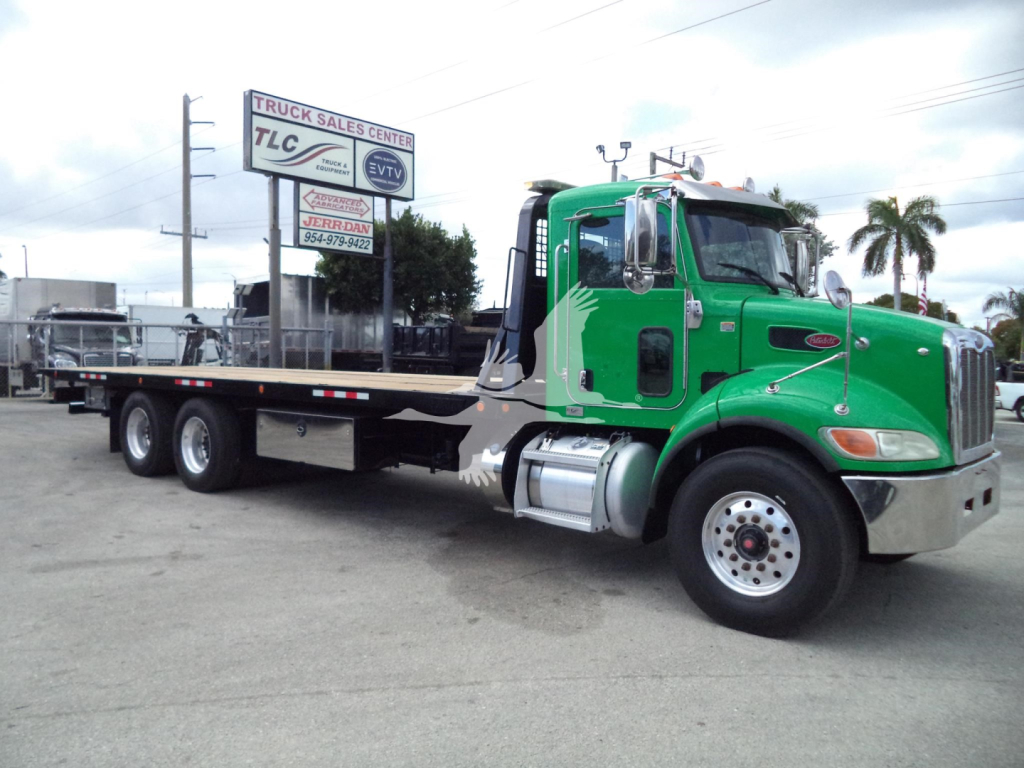
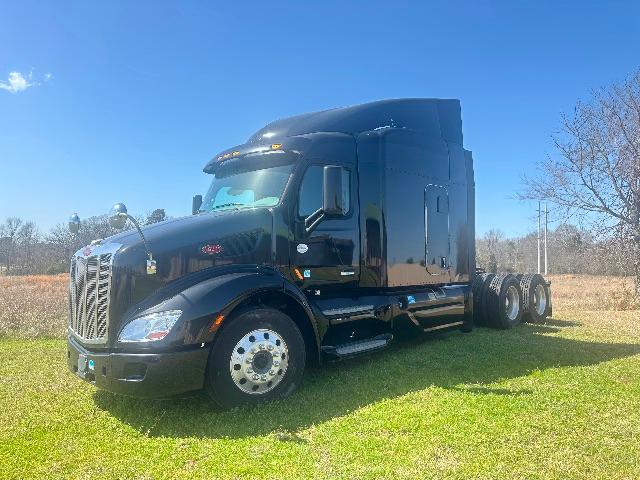
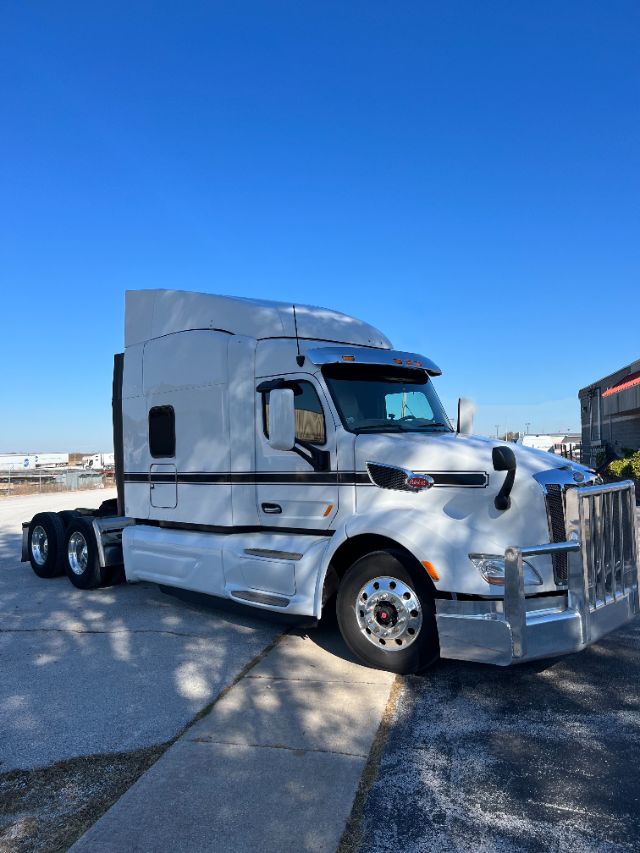
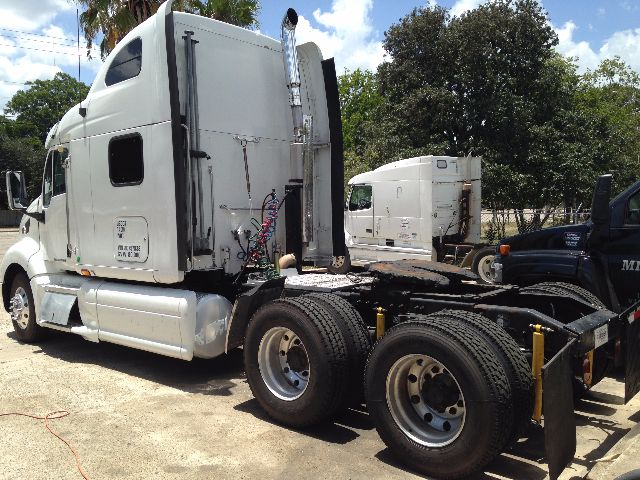
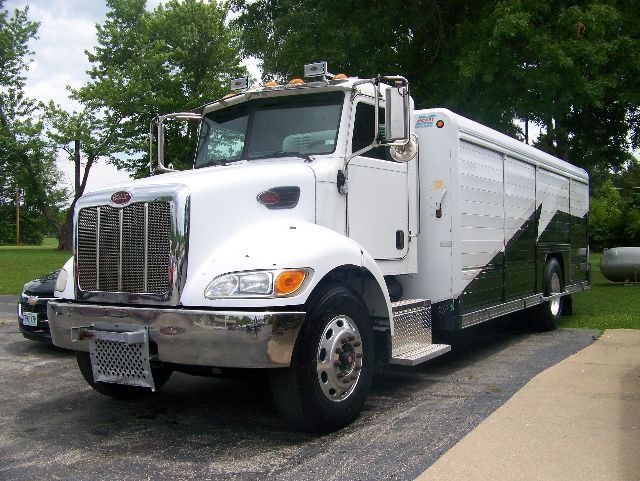

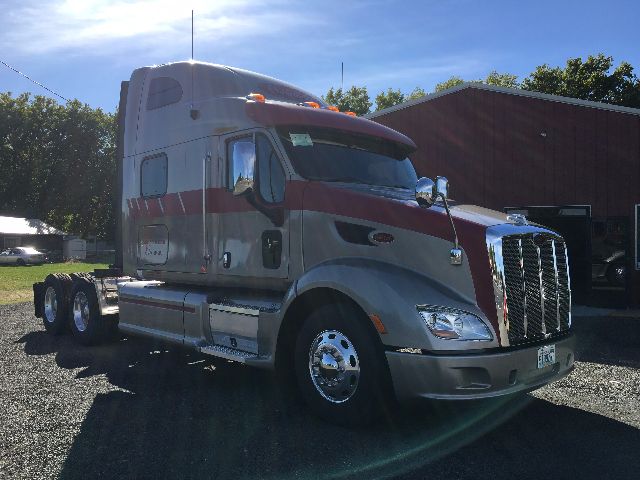
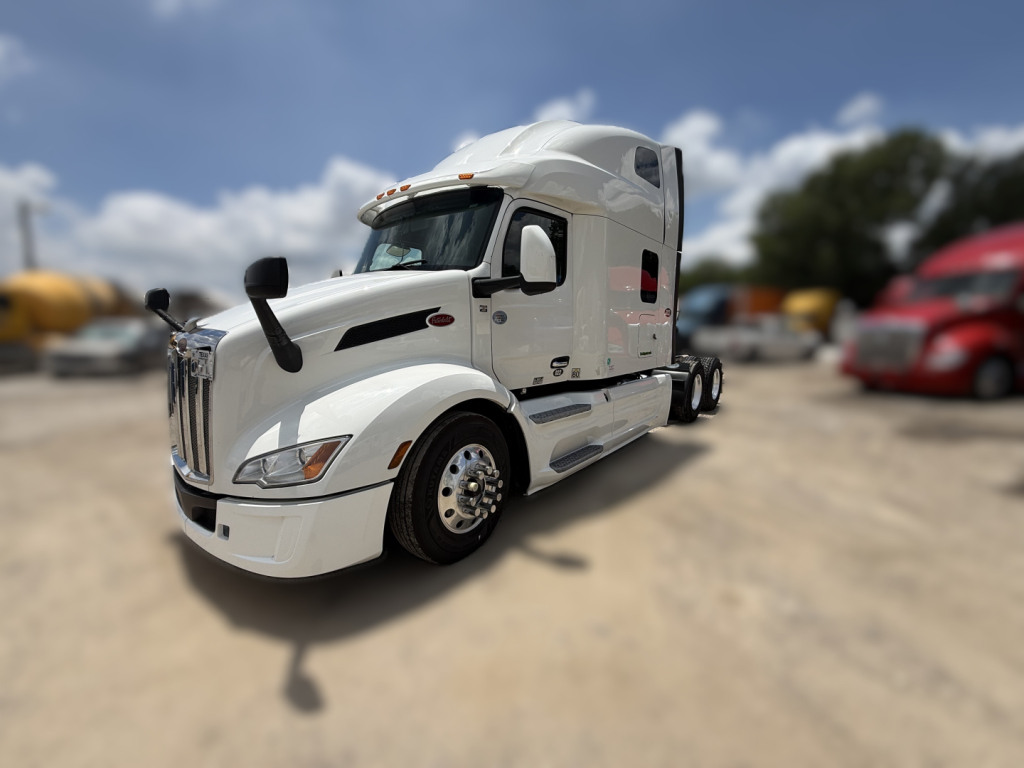

Showing 49 to 72 of 188 results
Have peterbilt truck to sell? List it here to reach thousands of buyers.
Peterbilt Trucks
For long-haul and regional applications, compare the Model 579 and 389. The 579 is the aero workhorse with EPIQ packages, 2.26 to 2.64 axle ratios for downspeeding, side skirts, roof and cab extenders, and safety tech like Bendix Wingman and lane departure. Sleeper choices range roughly 58 to 80 inches, including the UltraLoft for maximum storage and headroom. Automated transmissions reduce fatigue and improve consistency on rolling routes. The 389 is the classic long-hood with strong resale, show-quality trim options, and room to spec 13- or 18-speed gearboxes, heavy front axles, and higher torque ratings for specialized or heavy haul. Wheelbase, tank capacity, and fifth-wheel placement should be chosen to hit bridge law targets and maintain good steer-axle weights.
On the vocational side, the Model 567 is the lineup’s cornerstone with set-forward or set-back steer axles, high-RBM frame rails, double-frame inserts, PTO openings, and cooling packages for severe duty. Common suspensions include Peterbilt Low Air Leaf, Flex Air, Air Trac, plus Hendrickson Haulmaax or walking beam for off-road. Older 367 and 365 models remain prevalent as dumps, mixers, and loggers. Refuse fleets look to the 520 low-cab-forward with right-hand or dual drive. New medium-duty 536, 537, and 548 cover box, service, utility, and small dump builds with PTO-ready Allison transmissions and multiple wheelbase options. Natural gas and battery-electric variants like 220EV, 520EV, and 579EV fit regional or refuse routes with defined ranges and available charging or fuel infrastructure.
When comparing Peterbilt trucks for sale, study service records and diagnostic history. Look for documented DPF and SCR maintenance, regen frequency, EGR cooler or injector work, and any sensor replacements. On automated units, verify transmission software updates and clutch or fluid service intervals. Inspect frame rails for RBM rating, double-frame start-stop points, crossmember condition, and evidence of drilling from body changes. Check suspension bushings, brake lining thickness, and whether the truck has air disc brakes or a tire inflation system to reduce downtime. Confirm wheelbase, kingpin setting, axle ratios, and tire size align with your trailer fleet and gradeability needs. In cold regions, block heaters and arctic packages save headaches. In California, confirm CARB compliance and remaining emissions warranty coverage. Peterbilt’s aluminum cab construction, SmartLINQ remote diagnostics, and dealer network support help keep lifecycle costs predictable when the spec is matched to the job.
Frequently Asked Questions about Peterbilt Trucks
What is the key difference between the Peterbilt 579 and 389 for highway work?
The 579 prioritizes aerodynamics and fuel economy, especially with EPIQ aero, downsped axle ratios, and automated transmissions. It shines on OTR and regional routes where lower drag and consistent gearing cut fuel costs. The 389 offers a classic long-hood design with strong resale, show trim, and room for higher torque and heavier axles. It suits specialized, heavy haul, and owner-operator builds where appearance, serviceability, and component flexibility matter more than lowest drag.
Should I choose a PACCAR MX-13 or Cummins X15 in a Peterbilt tractor?
Choose based on duty cycle and torque needs. The MX-13 is lighter and efficient when integrated with PACCAR TX-12 or TX-18 transmissions and PACCAR axles, making it a strong fit for long-haul and regional freight at 455 to 515 hp and 1650 to 1850 lb-ft. The Cummins X15 covers a wider torque band up to 2050 lb-ft, a plus for heavy haul, bulk, and mountainous routes. Consider your service network, fuel economy goals, and resale preferences in your segment.
What sleeper sizes and cab configurations are common on Peterbilt highway trucks?
Peterbilt highway tractors offer day cabs and a range of sleepers from about 44 to 80 inches. The 579 includes mid-roof and high-roof sleepers and the UltraLoft with expanded storage and stand-up room. The 389 is available with multiple sleeper lengths and roof heights to balance weight, aerodynamics, and comfort. Pick based on route length, team operation needs, and trailer height restrictions.
What should I look for on a used Peterbilt 567 dump, mixer, or logger?
Confirm frame RBM rating, look for double-frame inserts where required, and check crossmembers and hanger brackets for cracks. Verify PTO provisions, pump mounting, and cooler lines, plus body controls and wiring. Inspect suspension choices like Low Air Leaf or walking beam for bushing wear. Check steer and drive axle ratings, lift axle legality and functionality, and brake configuration. Review engine cooling package size, axle ratios for startability, and any off-road protection like oil pan and steering guards.
How do gear ratios and transmissions affect fuel economy and performance on a Peterbilt?
A downsped setup pairs a direct or overdrive top gear with a fast rear ratio such as 2.26 to 2.64 to keep cruise RPM near the engine’s sweet spot, which improves fuel economy on flat to rolling terrain. Steeper ratios such as 3.21 to 3.55 improve startability and hill performance but cost fuel on highway speeds. Automated manuals manage shift strategy consistently, while 13- and 18-speed manuals give more control for heavy haul and steep grades. Align ratio, tire size, and cruise speed with your route profile.