
2018 Peterbilt Trucks For Sale
Shop 2018 Peterbilt trucks including 579, 389, and vocational models. Compare sleeper, day cab, engine, transmission, and axle specs.
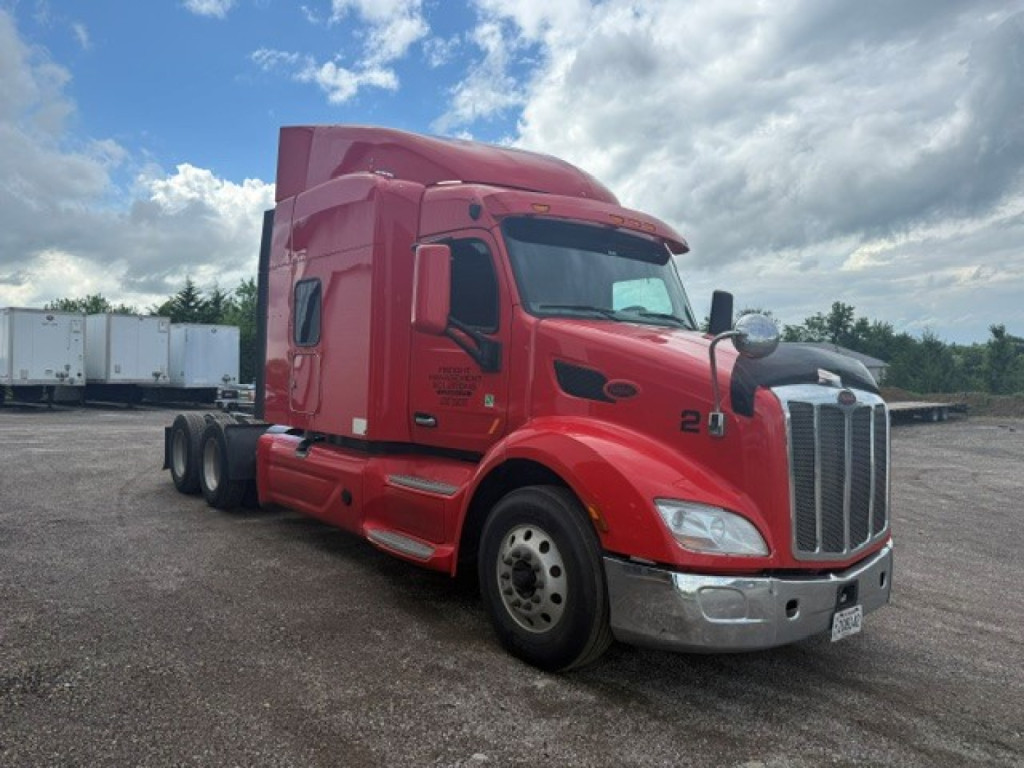
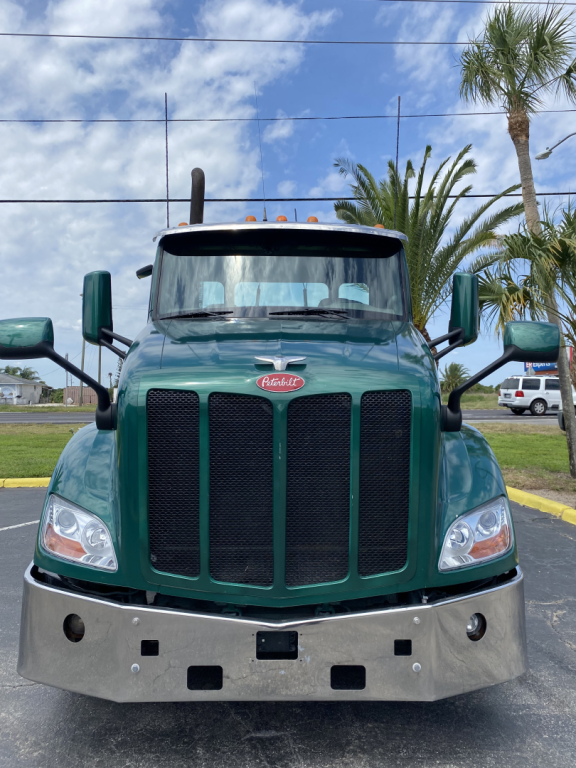
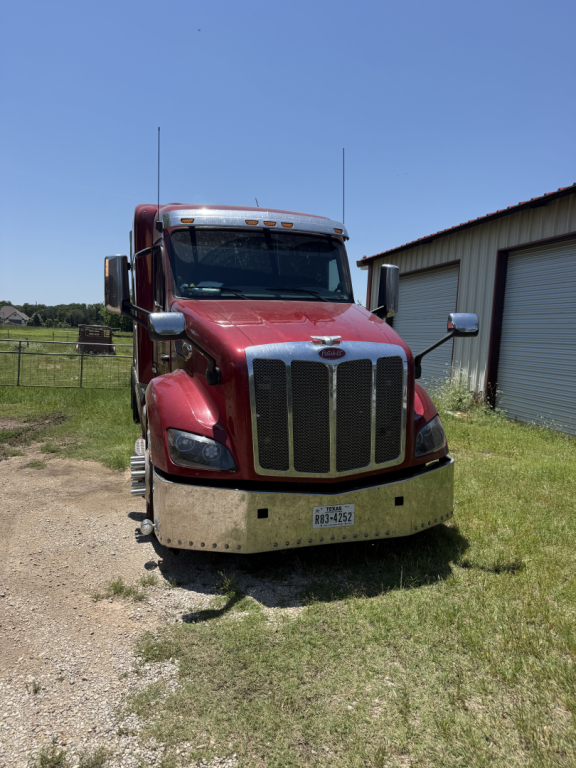
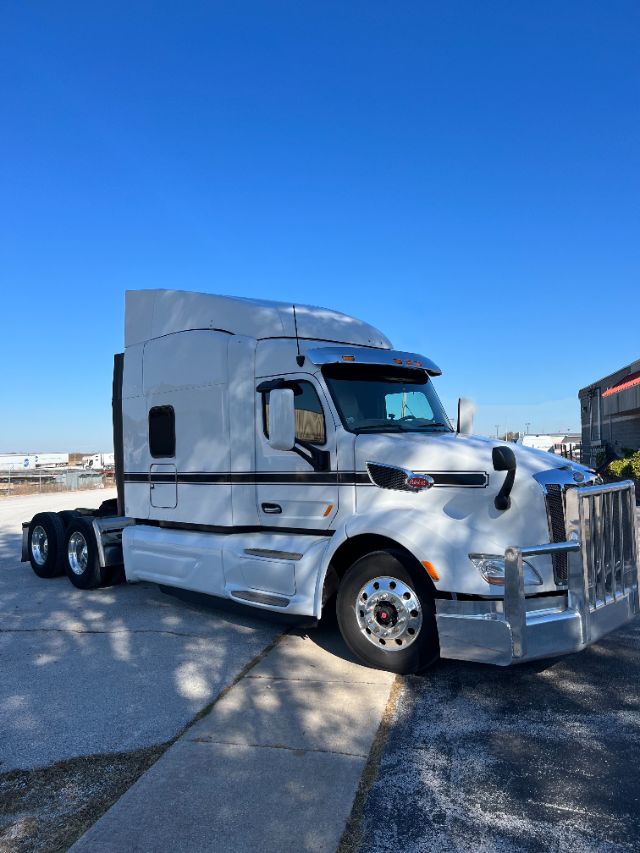
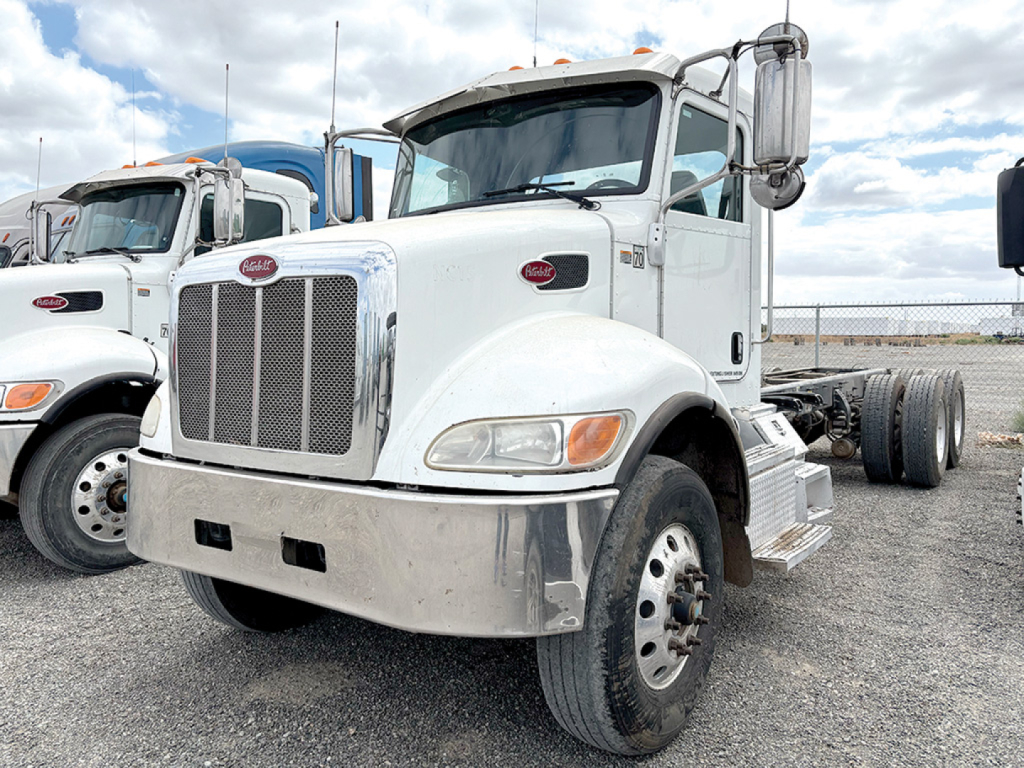
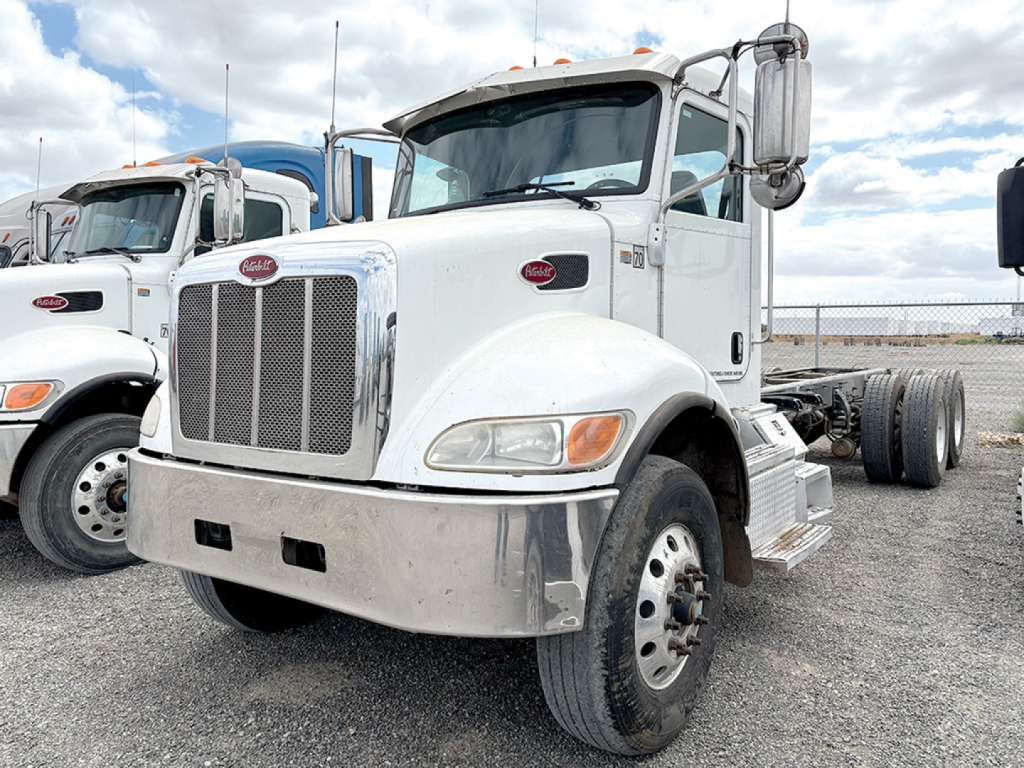
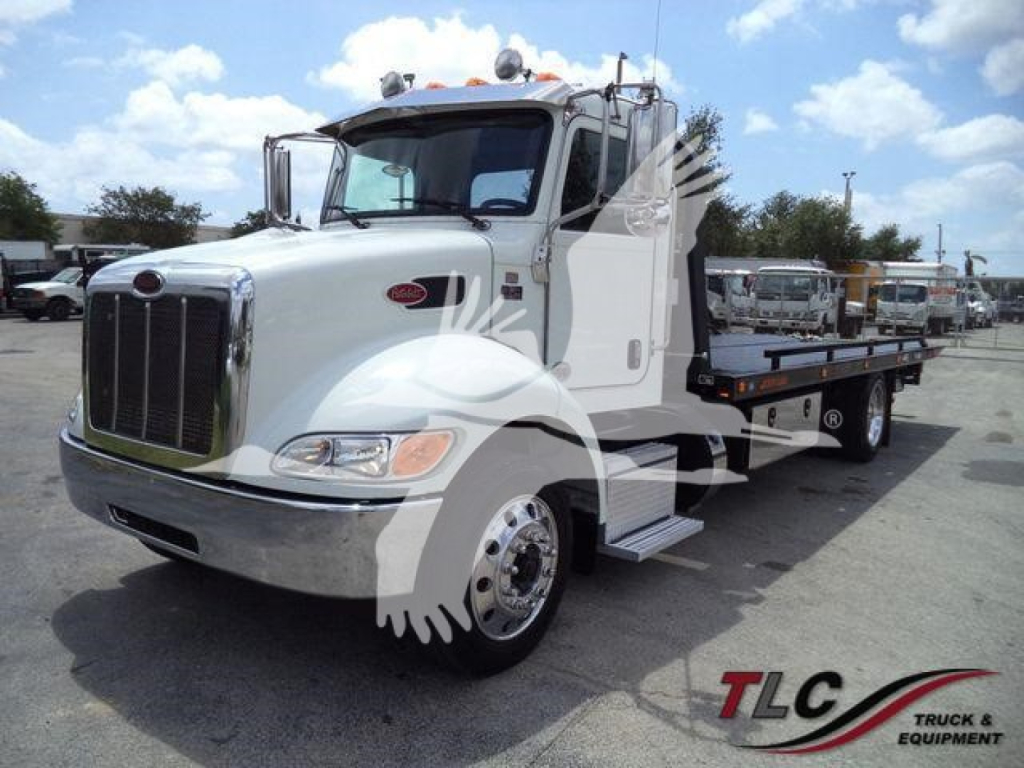
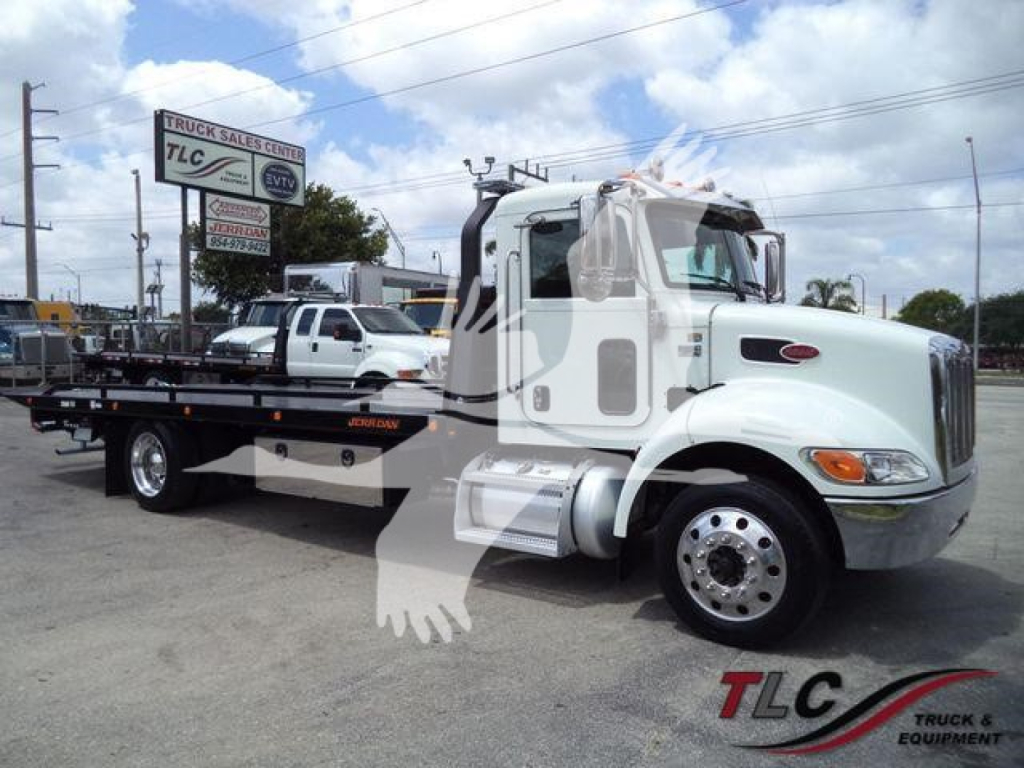
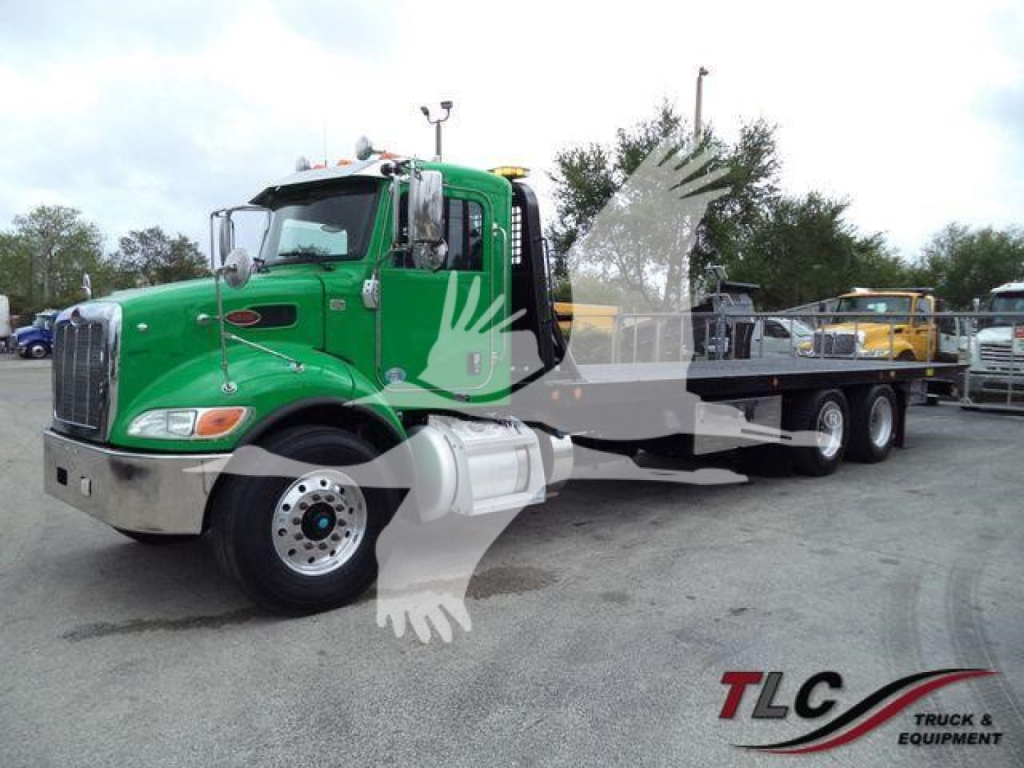
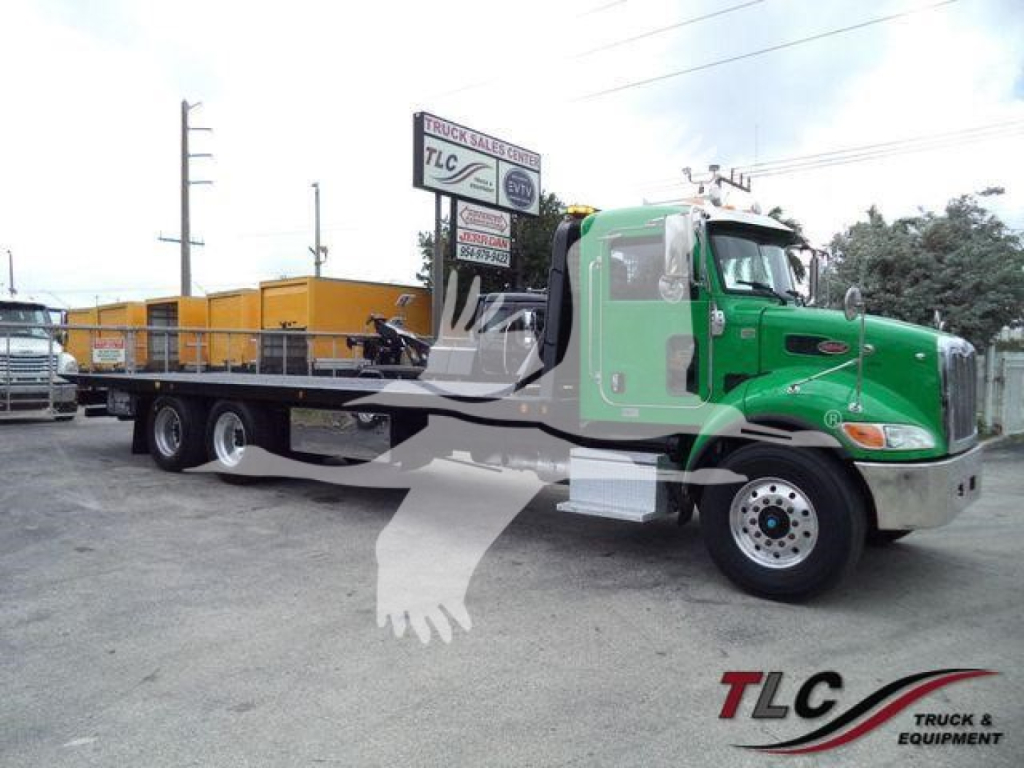
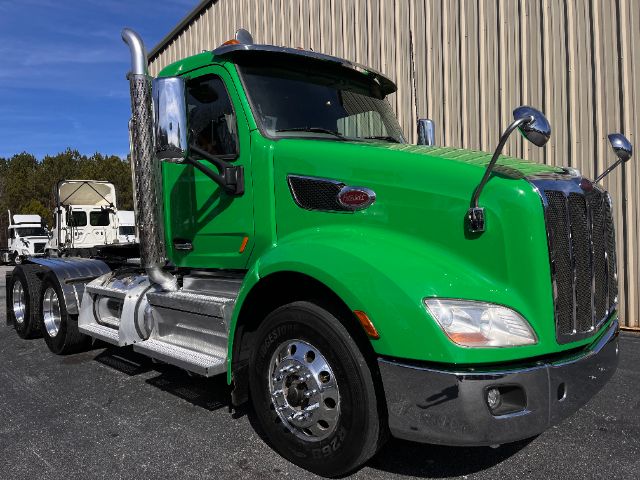
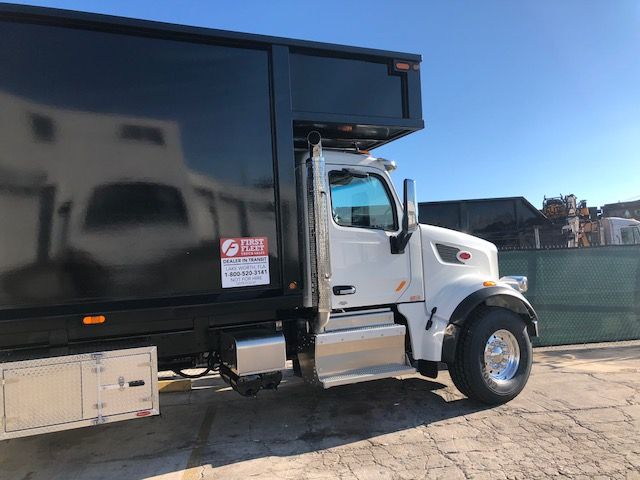

Selling a 2018 peterbilt truck? List your 2018 peterbilt truck for sale and reach thousands of commercial buyers.
2018 Peterbilt Trucks
Engine and driveline choices matter more than the badge. Many 2018 Peterbilt trucks are powered by the PACCAR MX-13 or Cummins X15, with horsepower commonly ranging from the low 400s into the 500 HP class depending on duty cycle. Highway tractors often carry 2.64 to 3.36 rear ratios for fuel economy and cruise speed, while vocational trucks may use deeper ratios for startability and PTO work. Buyers should pay close attention to transmission type, since 2018 Peterbilts can be found with manual, automated manual, and some application-specific gearboxes. On used 579 sleepers, axle ratings around 12,000 lb front and 40,000 lb tandem rear are common, along with air ride suspension, sliding fifth wheels, and disc or drum brake combinations.
Cab and sleeper layout is another major value point in this year. Peterbilt's Unibilt design remains a strong draw because drivers tend to like the visibility, dash layout, storage, and overall fit and finish. A 2018 579 UltraCab or high-roof sleeper may include an 80-inch sleeper, upper bunk, digital dash features, navigation, inverter prep, and premium interior trim depending on original spec. For fleets, that can translate to easier driver acceptance and retention. For a buyer comparing multiple listings, it is worth checking fuel capacity, wheelbase, fairing condition, bunk heater or APU setup, and whether the truck was spec'd for van freight, tanker, flatbed, or dedicated regional lanes.
Condition on a 2018 Peterbilt should be judged by service history and specification match, not just appearance. On-road tractors should be checked for aftertreatment service records, clutch or AMT history, suspension wear, kingpin and front-end condition, and any signs of frame corrosion or fairing damage. Vocational units need closer attention on PTO operation, hydraulic systems, lift axle function, body mounting, and axle ratio suitability. The upside of this model year is that buyers can often find a truck with current-driver comfort, strong parts support, and proven powertrain options while still having a wide range of configurations to choose from.
Frequently Asked Questions about 2018 Peterbilt Trucks
What are the most common 2018 Peterbilt truck models buyers look for?
The most common 2018 Peterbilt models depend on the job, but the 579 is the primary highway tractor in this year and is widely used in sleeper and day cab form. Buyers in vocational service often search for 389, 567, 365, or 367 models for heavier-duty applications, PTO work, or specialized bodies. The right model is usually determined by freight type, axle configuration, frame setup, and the need for sleeper space versus vocational durability.
Which engines are common in a 2018 Peterbilt?
A 2018 Peterbilt is commonly equipped with either the PACCAR MX-13 or the Cummins X15 in highway tractors, with horsepower typically ranging from about 430 to 500-plus depending on the original spec. Vocational trucks may also carry engines tuned for torque and PTO performance rather than highway fuel economy. Buyers should match engine choice to intended use, then verify maintenance records, emissions system service, and software update history before making a decision.
Is a 2018 Peterbilt 579 a good choice for long-haul freight?
Yes, the 2018 Peterbilt 579 is a strong long-haul platform when it is properly spec'd. It was designed as an aerodynamic conventional tractor and is commonly found with high-roof sleepers, air ride suspension, tandem rears, and fuel-efficient driveline ratios. Long-haul buyers should focus on sleeper size, fuel capacity, wheelbase, engine and transmission pairing, and signs of consistent preventive maintenance.
What should I inspect first on a used 2018 Peterbilt truck?
Start with the maintenance file, engine hours, mileage, and fault code history, then move to the emissions system, transmission operation, clutch wear if manual, and suspension condition. On highway tractors, check steering play, kingpins, tires, brake life, fairings, and fifth wheel wear. On vocational Peterbilts, inspect PTO function, hydraulic lines, body or equipment mounts, lift axles, and frame condition because those items affect uptime and repair cost more than cosmetic issues.
Are 2018 Peterbilt trucks available with both sleeper and day cab configurations?
Yes, 2018 Peterbilt trucks are available in both sleeper and day cab layouts across several model families. The 579 is commonly found as a sleeper for regional and over-the-road work, while day cabs are common in local haul, dedicated routes, port work, and some vocational applications. Choosing between them comes down to route length, payload needs, wheelbase limits, and whether onboard storage and driver living space are required.