
2018 Peterbilt Trucks For Sale in Florida
Browse 2018 Peterbilt trucks for sale in Florida. Compare specs, engines, GVWR classes, cab setups, and vocational applications.
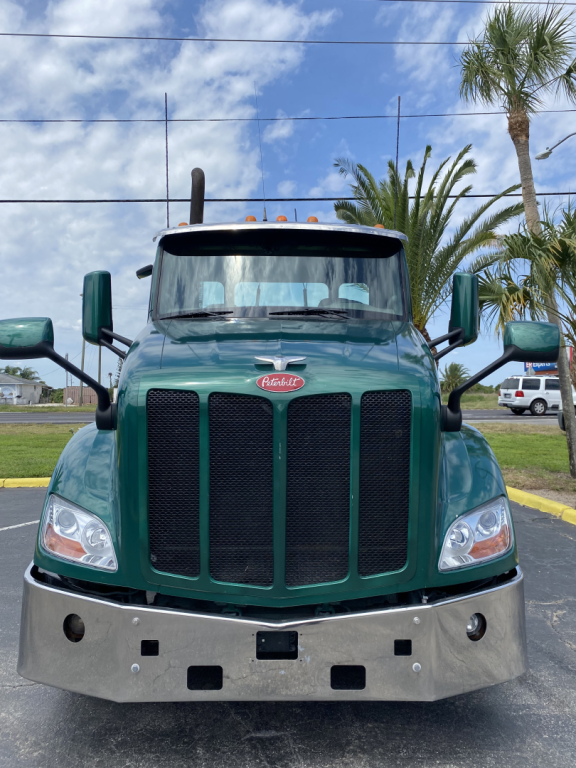
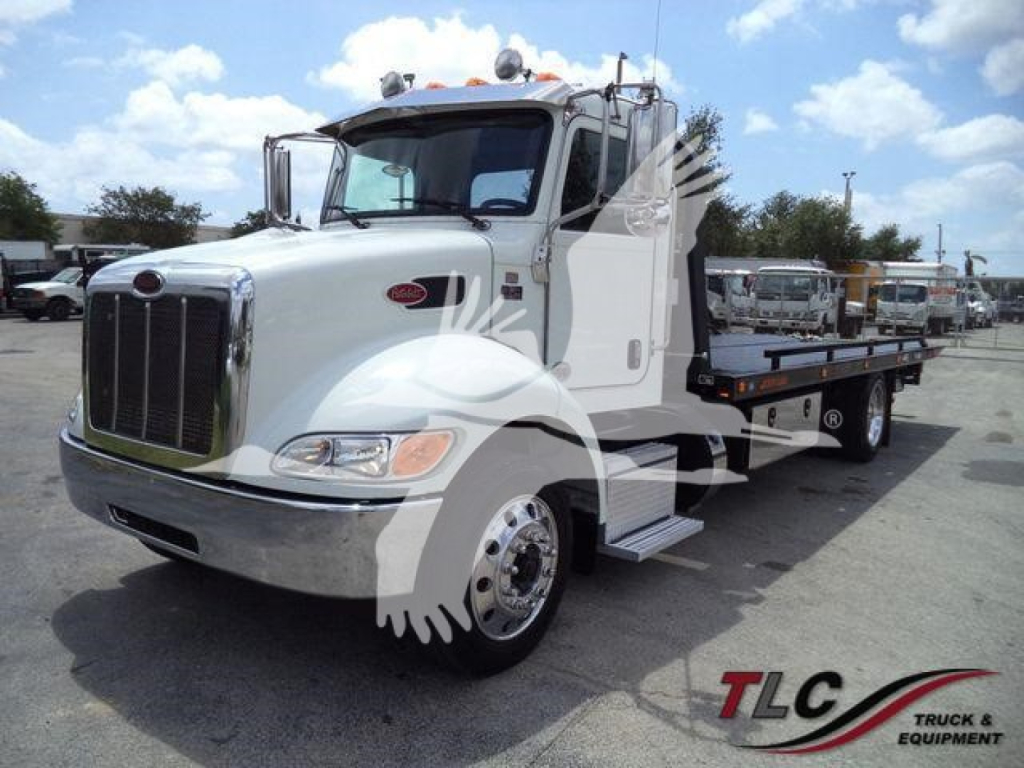
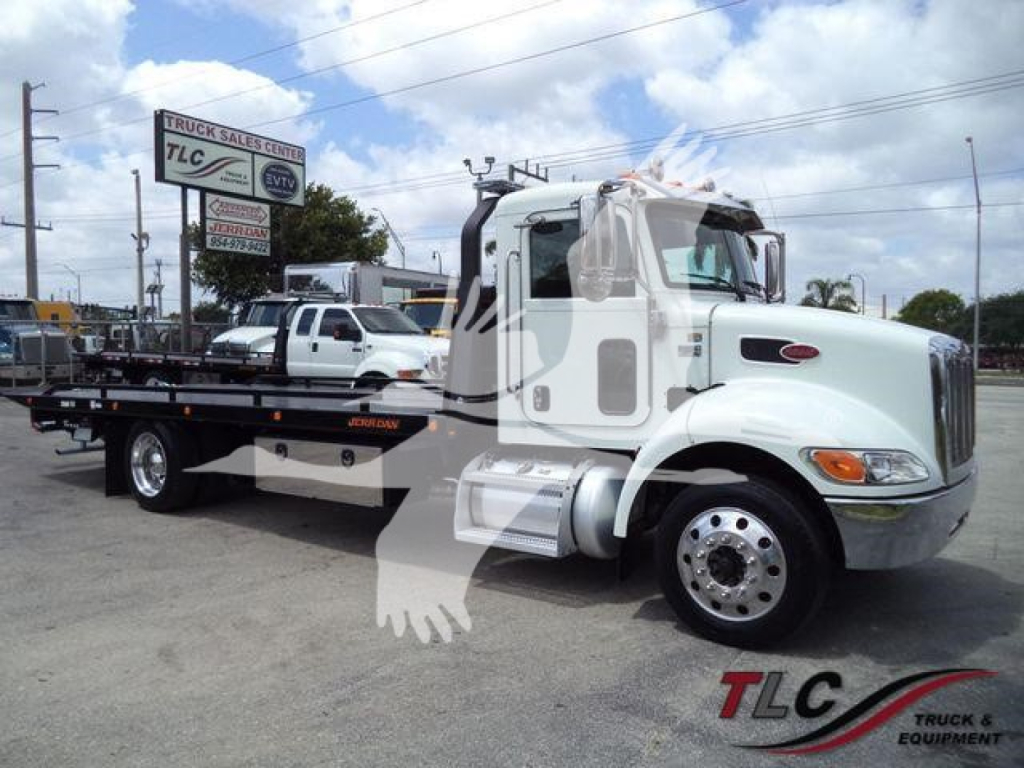
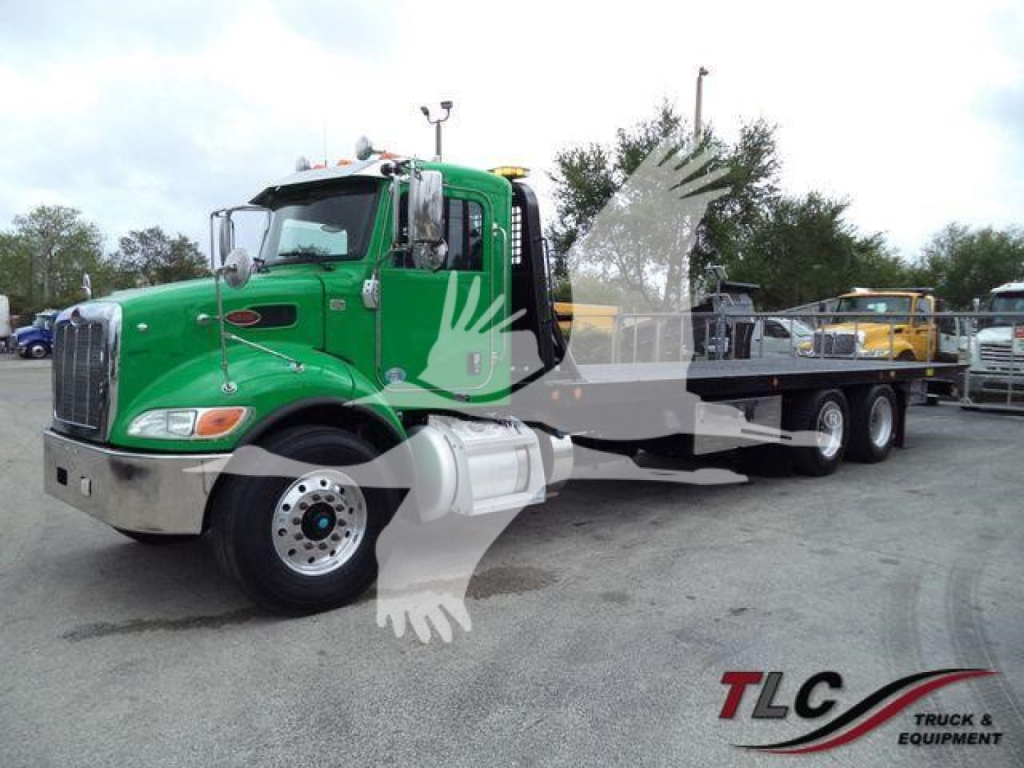
Selling a 2018 peterbilt truck? List your 2018 peterbilt truck for sale and reach thousands of commercial buyers.
2018 Peterbilt Trucks in Florida
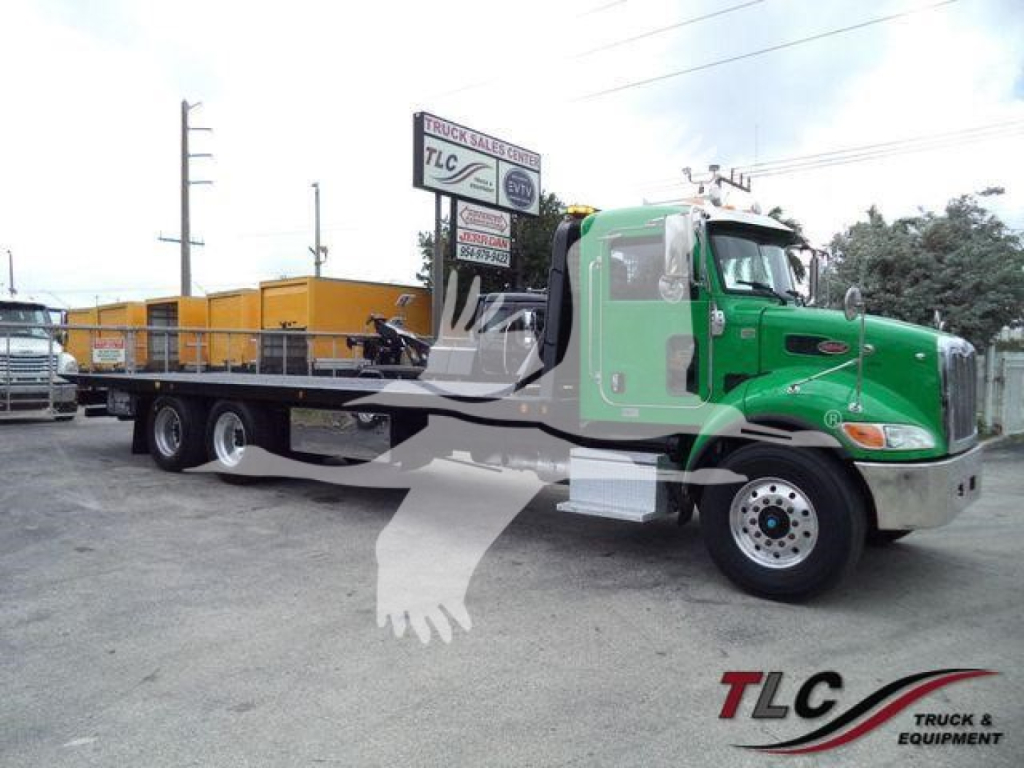
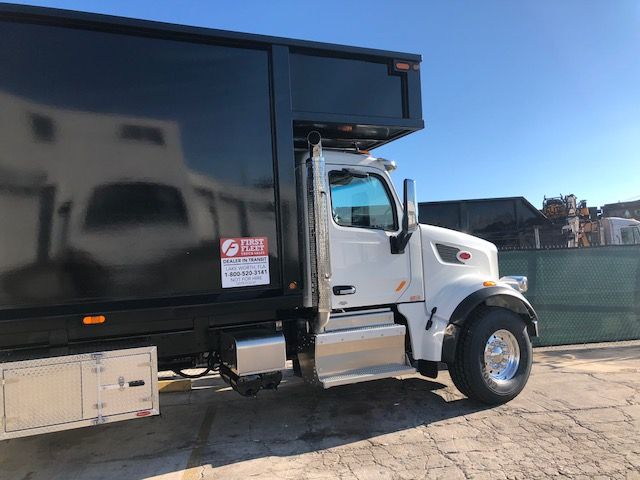
On medium-duty 2018 Peterbilt trucks, buyers will often see Cummins and PACCAR diesel engines paired with Allison automatic transmissions, especially in rollback, wrecker, service, and municipal applications. Key checkpoints include GVWR, front and rear axle ratings, brake type, suspension setup, and whether the truck has the correct frame and PTO provisions for the intended job. A 26,000 GVWR class truck can be a practical fit for non-CDL operations in some applications, while heavier specs with double frame rails, locking differentials, air ride suspension, and higher-capacity rears are more appropriate for towing, equipment transport, or severe-service use. Wheelbase matters more than many buyers expect because it affects body length, turning radius, bridge law considerations, and how well the truck carries a rollback bed, crane body, or dump body.
Cab and drivability details matter on a 2018 Peterbilt because these trucks are often bought for daily vocational use, not occasional fleet backup. Buyers tend to focus on visibility, interior wear, HVAC performance, steering feel, and switchgear condition, especially on trucks that spend long hours in stop-and-go service. Air brake trucks remain common, and many vocational operators prefer air ride cabs and air ride rear suspensions for better driver comfort and body stability. If the truck is already equipped with a carrier, wrecker, flatbed, or other upfit, inspect the integration between chassis and body carefully. That includes hydraulic plumbing, winch ratings, crossmember condition, electrical connections, lighting, remote functions, and any signs of frame modification that do not match the application.
For Florida buyers, service history and rust profile should be judged differently than on northern trucks. Frame corrosion may be lighter, but salt air, moisture, and coastal exposure still affect wiring, aluminum components, fasteners, hydraulic fittings, and bed hardware. Pay attention to engine hours as well as miles on PTO-driven and idle-heavy trucks, since a tow truck or utility unit may have lower road mileage but substantial stationary operating time. A well-matched 2018 Peterbilt can be a very efficient purchase when the chassis spec, axle package, suspension, and body equipment line up with the work it is expected to do.
Frequently Asked Questions about 2018 Peterbilt Trucks in Florida
What are the most common 2018 Peterbilt truck models buyers look for?
The most common 2018 Peterbilt trucks depend on the job, but buyers frequently search for medium-duty models like the 337 and 348, along with heavier vocational and highway models such as the 389 and 567. The 337 is especially common in rollback, box truck, utility, and municipal applications. The 348 is often used where higher axle ratings, larger bodies, or more severe-duty operation are required. Model choice should be based on GVWR, axle configuration, engine-transmission pairing, and body compatibility rather than badge alone.
Is a 2018 Peterbilt 337 a good choice for rollback or tow work?
A 2018 Peterbilt 337 is a common platform for rollback and light to medium-duty towing because it offers a vocational chassis, good visibility, and proven compatibility with 21-foot to 22-foot carrier bodies. Many are spec'd with Cummins power, Allison automatics, air brakes, and air ride suspension. The right truck still depends on front axle capacity, rear axle rating, wheelbase, PTO setup, frame condition, and the quality of the carrier installation. Buyers should also confirm wheel-lift rating, winch capacity, and any included towing equipment.
What should I inspect first on a used 2018 Peterbilt truck?
Start with the chassis spec sheet and service records, then inspect the engine, transmission, frame, suspension, brakes, and any vocational body equipment. On 2018 trucks, emissions-system condition is important, including DEF components and aftertreatment service history. Check for excessive idle hours, fault codes, leaks, uneven tire wear, steering play, and signs of frame alteration. If the truck has a body or upfit, inspect the hydraulics, wiring, controls, PTO operation, and mounting points just as closely as the cab and drivetrain.
Are 2018 Peterbilt trucks in Florida different from trucks in other regions?
Florida trucks often avoid the heavy road-salt corrosion seen in northern states, which can be an advantage for frame and underbody condition. At the same time, heat, humidity, coastal air, and frequent stop-and-go operation can create their own wear patterns. Buyers should look closely at cooling system performance, air conditioning operation, electrical connectors, lighting circuits, hydraulic fittings, and any corrosion on aluminum or exposed hardware. Regional use matters as much as regional climate, especially on trucks used in towing, municipal service, or construction support.
How important is GVWR when buying a 2018 Peterbilt truck?
GVWR is one of the most important buying factors because it affects legal operating limits, payload, licensing, and the types of bodies or equipment the truck can carry. A truck around 26,000 GVWR may fit certain non-CDL use cases, while heavier ratings support more demanding vocational work. GVWR alone is not enough, though. Buyers also need to verify front axle rating, rear axle capacity, suspension, frame reinforcement, brake system, and wheelbase to make sure the truck is properly spec'd for the application.