
2012 Peterbilt Trucks For Sale
Shop 2012 Peterbilt trucks for sale, including highway, vocational, and medium-duty models with proven drivetrains and durable cab configurations.
Have 2012 peterbilt truck to sell? List it here to reach thousands of buyers.
2012 Peterbilt Trucks
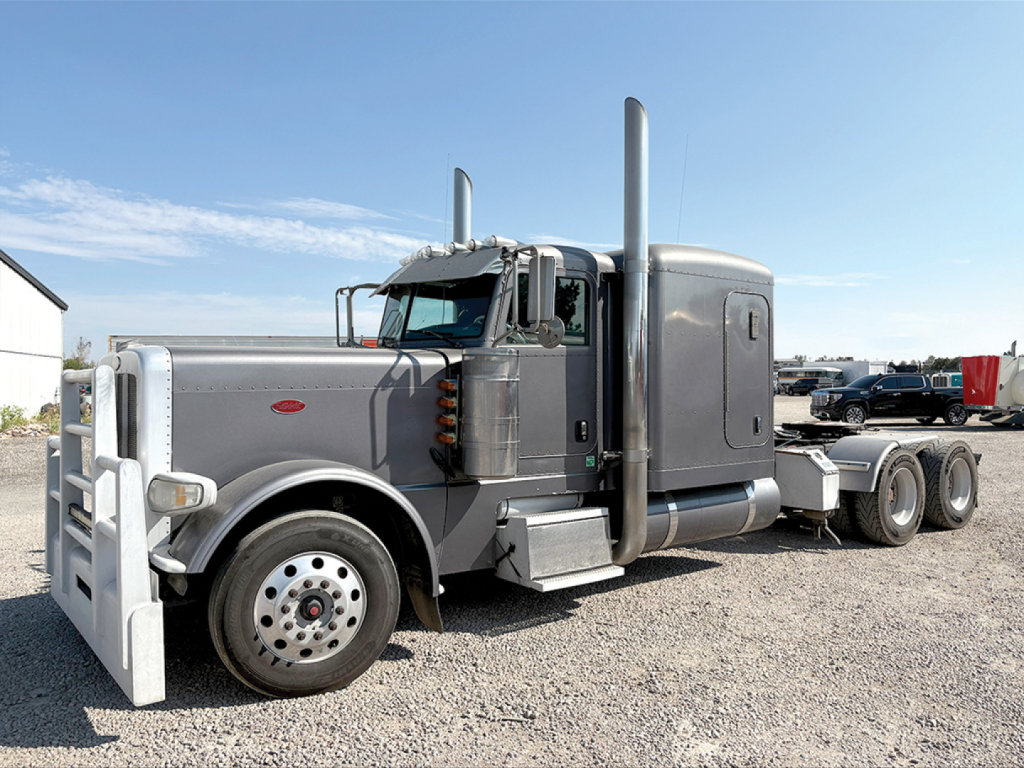
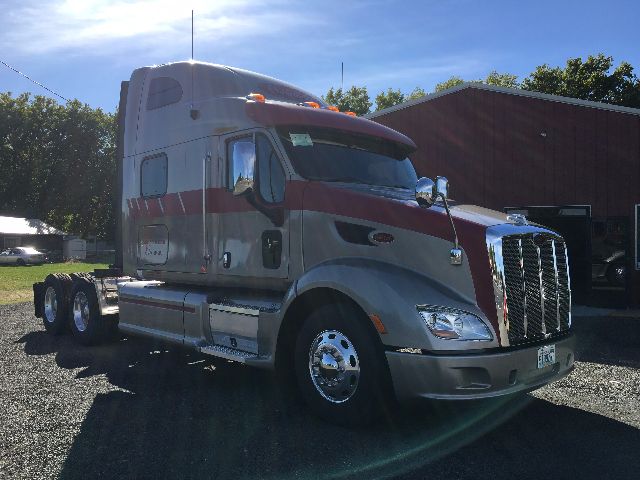
The most important buying decision is matching the Peterbilt platform to the job. Highway tractors from this year are often found with Cummins ISX or PACCAR MX engines, Eaton Fuller manual or automated transmissions, tandem rear axles, and wheelbases set up for van, reefer, flatbed, or tanker work. Vocational trucks are more likely to have heavier front axles, double frame rails, PTO provisions, engine brakes, set-back or set-forward front axle configurations, and suspension specs designed for off-road or mixed-service use. Medium-duty Peterbilts from 2012, including models commonly used for box trucks, hooklifts, utility bodies, and municipal service, are valued for maneuverability, visibility, and easier body upfit options.
Cab and chassis details matter as much as engine and mileage. Buyers should look closely at axle ratings, rear end ratio, wheelbase, suspension type, brake configuration, and tire size because these determine payload, bridge compliance, turning radius, and road speed. On sleeper and day cab tractors, check for fairings, fuel capacity, fifth wheel type, and emissions system service history. On vocational units, pay attention to PTO operation, hydraulic plumbing, frame condition, body mounting, and signs of severe jobsite wear. Since 2012 trucks are fully in the emissions era, diesel particulate filter maintenance, DEF system performance, and documentation of any injector, EGR, or aftertreatment repairs can have a major effect on long-term operating cost.
Peterbilt remains a strong choice in the used truck market because parts support is broad, resale is generally solid, and the trucks are well known for driver acceptance and straightforward vocational spec options. A well-matched 2012 Peterbilt can still be a productive asset if the spec is right and the maintenance history supports the asking price. Buyers comparing listings should focus less on badge appeal and more on application fit, engine family, transmission type, axle configuration, and how the truck was previously used. A highway fleet tractor, an owner-operator spec sleeper, and a municipal service truck may all wear the same Peterbilt name, but they deliver very different value depending on the work ahead.
Frequently Asked Questions about 2012 Peterbilt Trucks
What are the most common 2012 Peterbilt truck models buyers look for?
Common 2012 Peterbilt models include highway tractors such as the 386, 388, 389, and 587, along with vocational and medium-duty models like the 367, 365, 337, and 348. The right model depends on the application. The 389 is often associated with owner-operator and long-hood highway use, while the 367 and 365 are more common in construction and severe-service work. The 337 and 348 are frequently used for straight trucks, utility builds, and municipal bodies.
What engines are typically found in a 2012 Peterbilt?
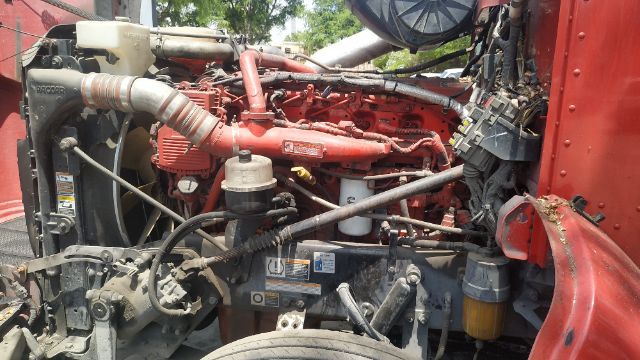
A 2012 Peterbilt may be equipped with engines such as the Cummins ISX, PACCAR MX, or medium-duty diesel platforms depending on the model and GVWR. Highway tractors usually carry higher-horsepower engines paired with manual or automated transmissions, while medium-duty and vocational units may use smaller-displacement engines for PTO work, local routes, or body equipment operation. Buyers should verify horsepower, torque rating, emissions components, and service records instead of assuming all trucks of the same model were built alike.
Is a 2012 Peterbilt a good choice for vocational work?
A 2012 Peterbilt can be a strong vocational choice if the truck was originally spec'd for that duty cycle. Look for features such as heavy front axle ratings, locking differentials, double frame rails, PTO capability, proper wheelbase for the body, and suspension suited to rough surfaces or high payloads. Many Peterbilt vocational chassis from this era were built for dump, mixer, vacuum, crane, refuse, and utility applications, but body condition and frame integrity are just as important as the cab and powertrain.
What should buyers inspect on a 2012 Peterbilt before purchase?
Key inspection points include engine blow-by, coolant condition, fault codes, aftertreatment service history, clutch or automated transmission operation, suspension wear, brake life, frame rust or repairs, and signs of prior overload. On tractors, confirm fifth wheel condition, kingpin wear patterns, fuel tank setup, and axle ratio. On body trucks, inspect PTO engagement, hydraulic performance, body mounts, and electrical integration. For any 2012 emissions-era truck, DPF, DEF, and EGR system health should be part of the inspection process.
How do I choose between a 2012 Peterbilt day cab, sleeper, or straight truck?
The choice comes down to route length, payload needs, and the equipment attached to the chassis. A day cab is usually the best fit for local or regional freight with frequent turns and lower tare weight. A sleeper makes more sense for long-haul work where driver comfort, fuel capacity, and storage matter. A straight truck or chassis cab is the correct platform when the truck needs to carry a permanent body such as a box, dump, boom, vacuum system, or service body. The most cost-effective option is the one that fits the work without carrying unnecessary wheelbase, cab, or driveline spec.