
2016 Peterbilt Trucks For Sale
Browse 2016 Peterbilt trucks for sale, including highway, vocational, and medium-duty models known for durability, driver comfort, and resale value.
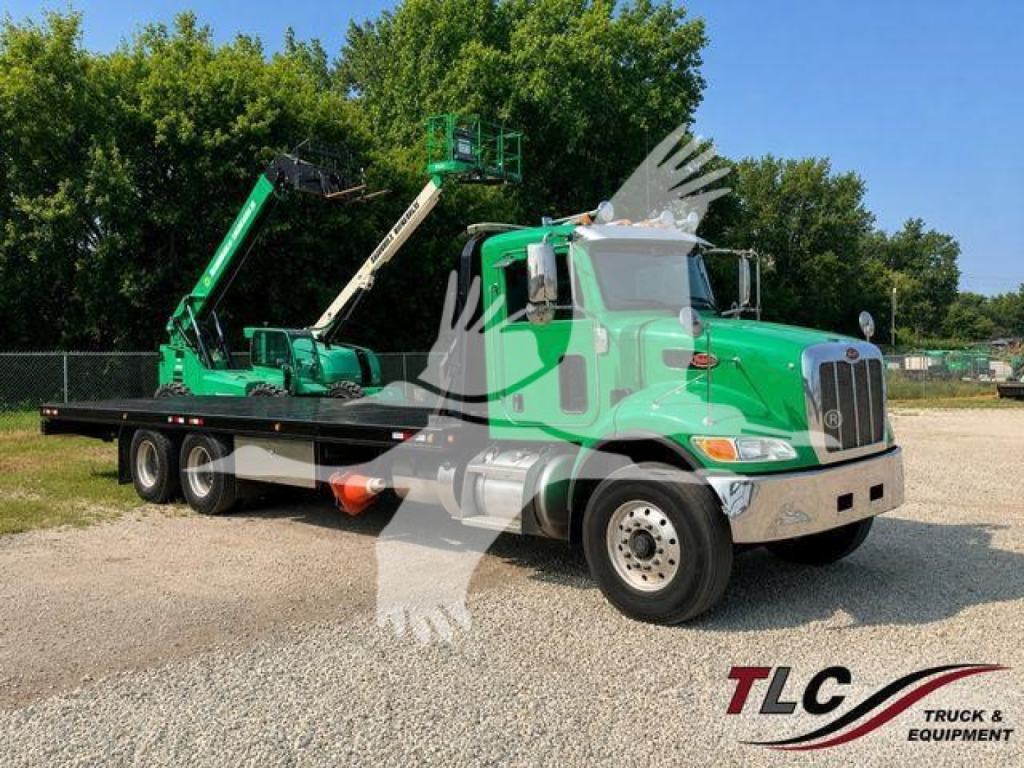
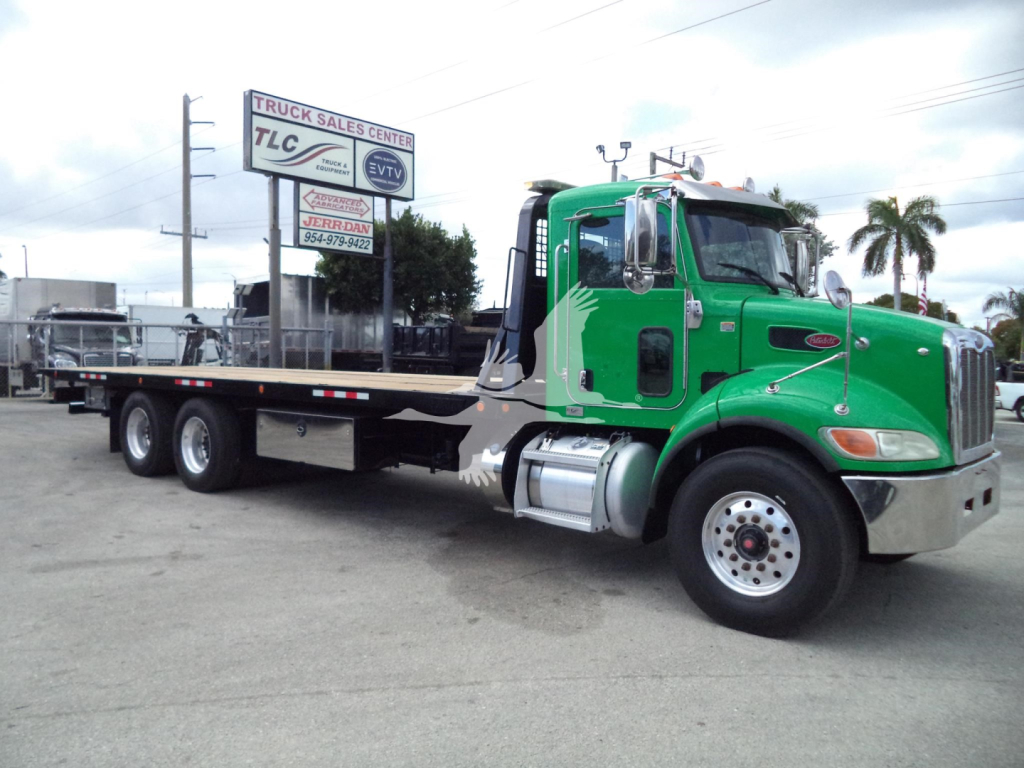
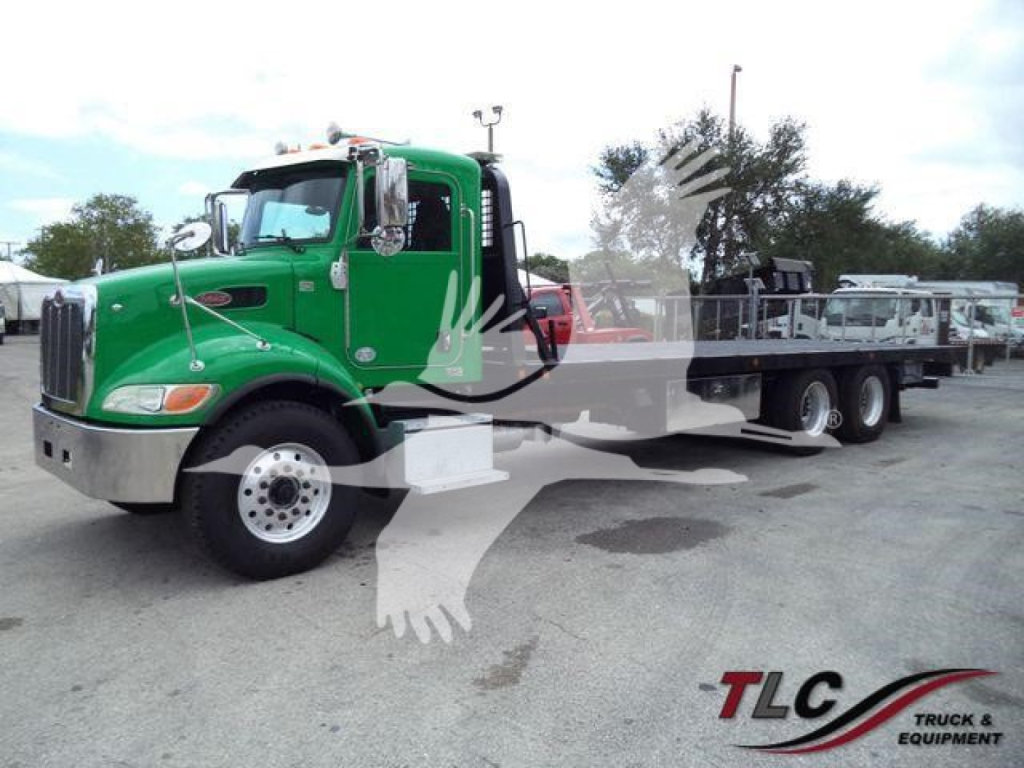
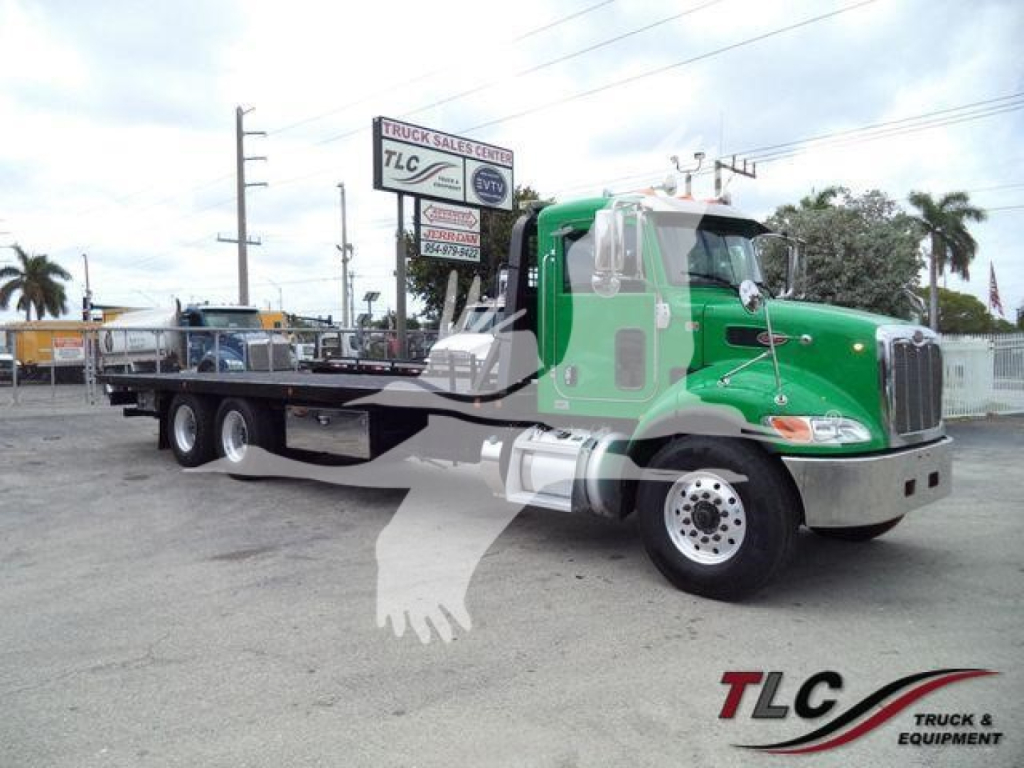
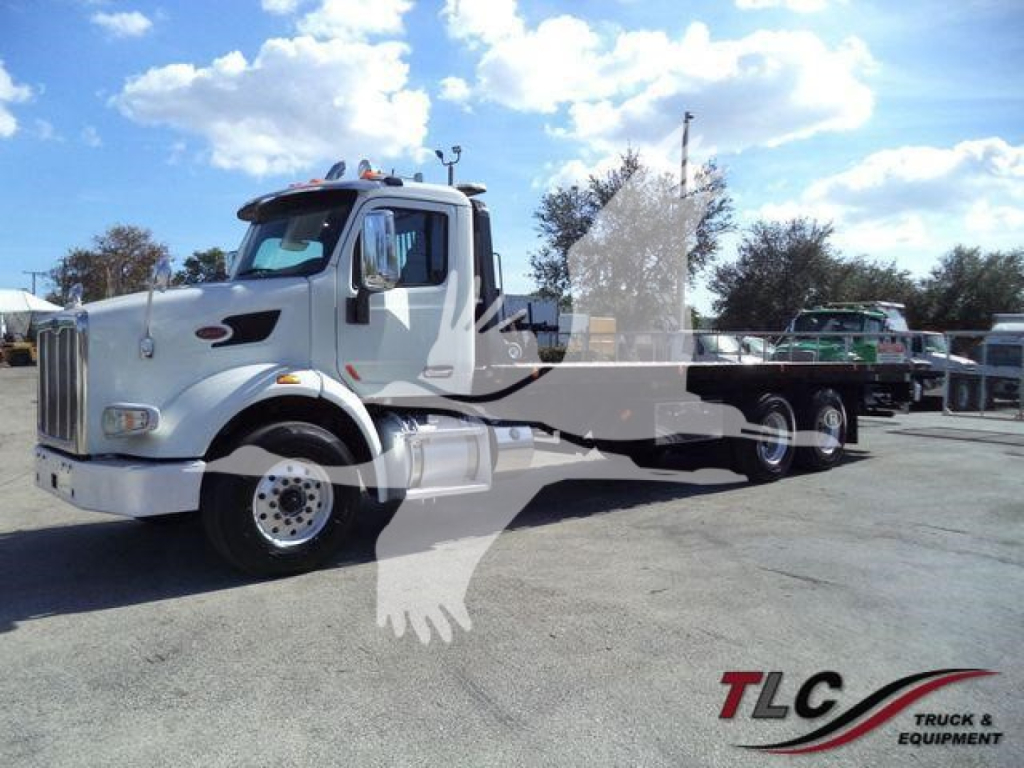
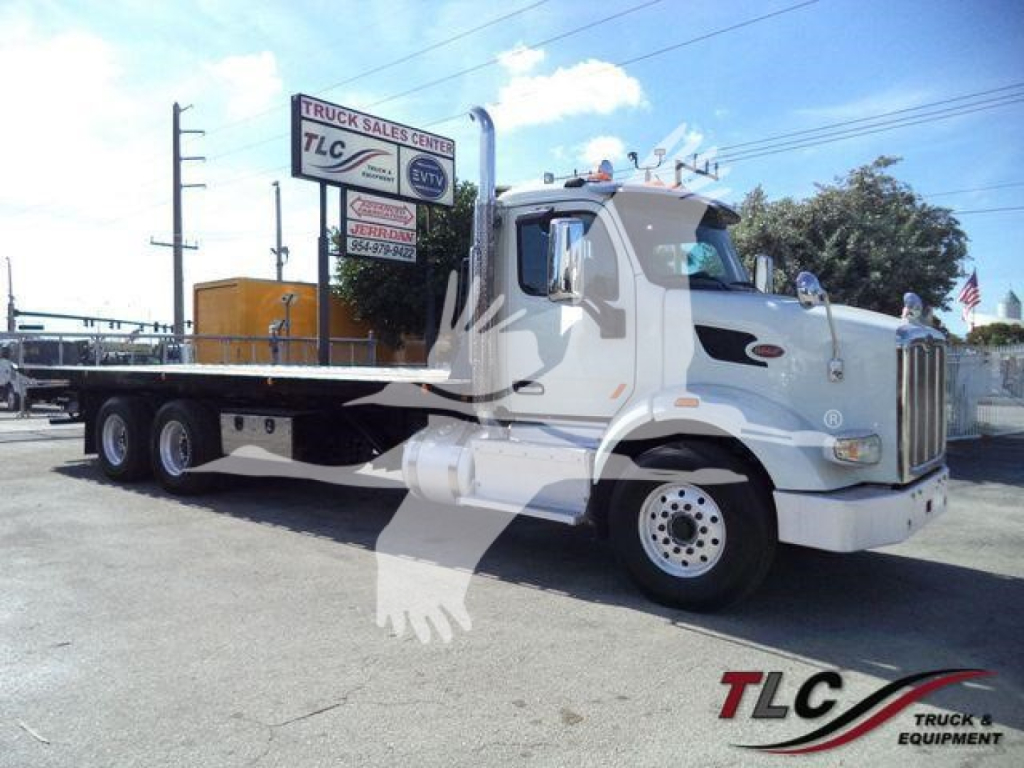

Selling a 2016 peterbilt truck? List your 2016 peterbilt truck for sale and reach thousands of commercial buyers.
2016 Peterbilt Trucks
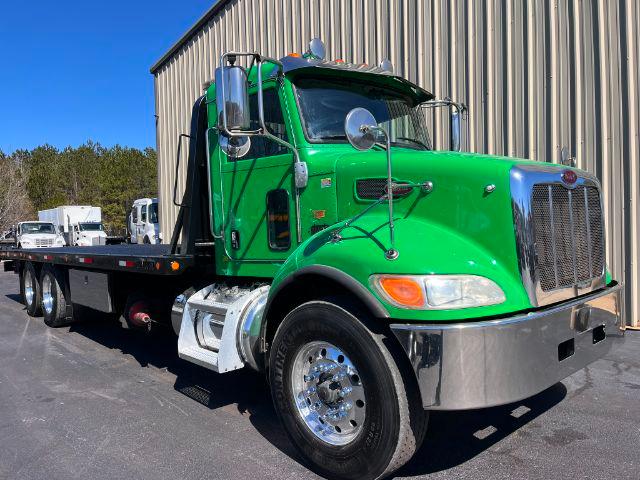
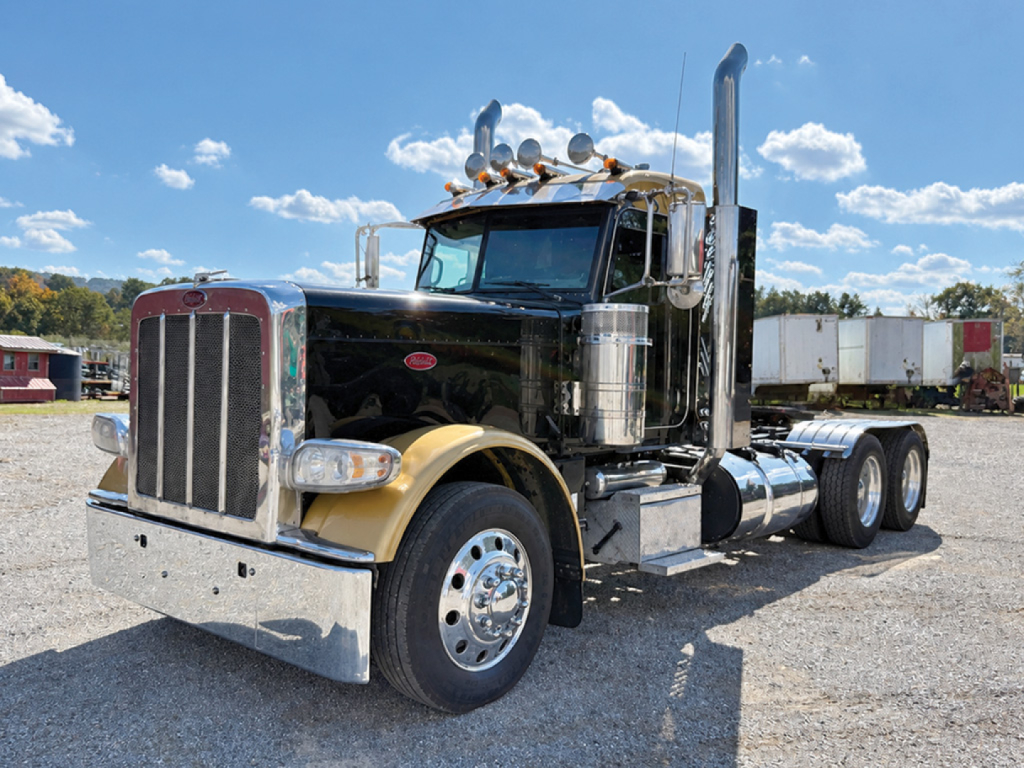
The first decision is usually model family. In 2016, common Peterbilt options included aerodynamic highway tractors like the 579, long-hood conventionals like the 389, and medium-duty platforms such as the 337 and 348 for body-builder applications. A 579 is generally aimed at fuel economy, fleet work, and regional or long-haul freight. A 389 appeals to buyers who want a traditional hood, heavier front-end spec potential, and owner-operator styling with plenty of aftermarket support. Medium-duty 2016 Peterbilts are often found as rollbacks, wreckers, box trucks, utility bodies, and other vocational builds where GVWR, wheelbase, PTO setup, and front axle capacity matter more than sleeper size or fairing packages.
Powertrain spec is where value really separates one 2016 Peterbilt from another. Buyers will commonly see PACCAR MX-series engines and Cummins ISX or PX-series engines depending on the model and application, paired with Eaton manual, automated manual, or Allison automatic transmissions. For highway tractors, pay close attention to horsepower, torque rating, rear axle ratio, and whether the truck was set up for fuel mileage or heavier gross weights. A 6x4 sleeper with a 2.79 or 3.08 ratio will behave very differently from a vocational day cab with lower gearing. Suspension type, front axle rating, wheelbase, and fifth wheel setup also affect how easily the truck can be matched to your trailer spread, kingpin settings, and target payload.
Condition matters more than badge loyalty on a used 2016 truck. Service records, engine hours, aftertreatment history, clutch or transmission work, suspension wear, brake type, and tire condition should all be reviewed closely. On vocational units, inspect PTO operation, hydraulic systems, frame modifications, and body installation quality. Inside the cab, Peterbilt is known for driver-friendly layouts and solid fit and finish, but buyer attention should still go to switchgear function, HVAC performance, seat wear, dash faults, and signs of hard idle time. A well-spec'd 2016 Peterbilt can still be a productive truck for many fleets and owner-operators if the application, drivetrain, and maintenance history line up correctly.
Frequently Asked Questions about 2016 Peterbilt Trucks
What are the most common 2016 Peterbilt truck models buyers look for?
The most commonly searched 2016 Peterbilt trucks usually include the 579 for aerodynamic highway use, the 389 for long-hood conventional applications, and medium-duty models such as the 337 or 348 for vocational work. The right model depends on the job. A 579 is typically chosen for freight efficiency and fleet compatibility, while a 389 is often preferred for specialized hauling, heavy spec needs, and owner-operator appeal. Medium-duty Peterbilts are more common in rollback, service, box, and municipal applications.
Which engines are common in a 2016 Peterbilt truck?
A 2016 Peterbilt may be equipped with a PACCAR MX engine, a Cummins ISX in heavier highway applications, or a Cummins PX-series engine in medium-duty configurations. The engine choice affects fuel economy, service network preference, emissions maintenance, and application fit. Buyers should verify the exact engine model, horsepower, torque rating, emissions system service history, and whether the truck was used in regional, long-haul, or vocational duty cycles.
Is a 2016 Peterbilt a good choice for owner-operators and small fleets?
A 2016 Peterbilt can be a strong fit for owner-operators and small fleets because it often balances acquisition cost, driver appeal, and parts support. Many buyers like the brand's cab quality, resale strength, and broad model range. The better question is whether the individual truck was spec'd and maintained for your lane and load profile. A clean maintenance history, proper gearing, and the right axle and wheelbase setup usually matter more than the logo on the hood.
What should I inspect first on a used 2016 Peterbilt truck?
Start with maintenance documentation, engine hours, odometer miles, and any history involving the emissions system, clutch, transmission, or major engine work. Then review suspension condition, brake wear, tire match, steering components, and frame integrity. On sleeper and highway tractors, inspect the fifth wheel, sliding components, and signs of excessive trailer impact. On vocational trucks, inspect PTO engagement, hydraulics, body mounts, and any non-factory frame modifications. A 2016 truck can still deliver good service life, but only if prior upkeep has been consistent.
How do I choose between a 2016 Peterbilt day cab, sleeper, or medium-duty truck?
The choice depends on route length, payload, body type, and operating environment. A day cab is typically best for port, regional, and local trailer work where low curb weight and maneuverability matter. A sleeper is the better fit for long-haul runs, team operations, and applications where onboard storage and driver comfort affect retention. A medium-duty Peterbilt is the correct platform when the truck needs to carry a specialized body such as a rollback, utility bed, van body, or service body and must meet specific GVWR and PTO requirements.