
2016 Peterbilt Trucks For Sale in Florida
Shop 2016 Peterbilt trucks for sale in Florida. Compare models, engines, GVWR ratings, cab layouts, and vocational truck configurations.
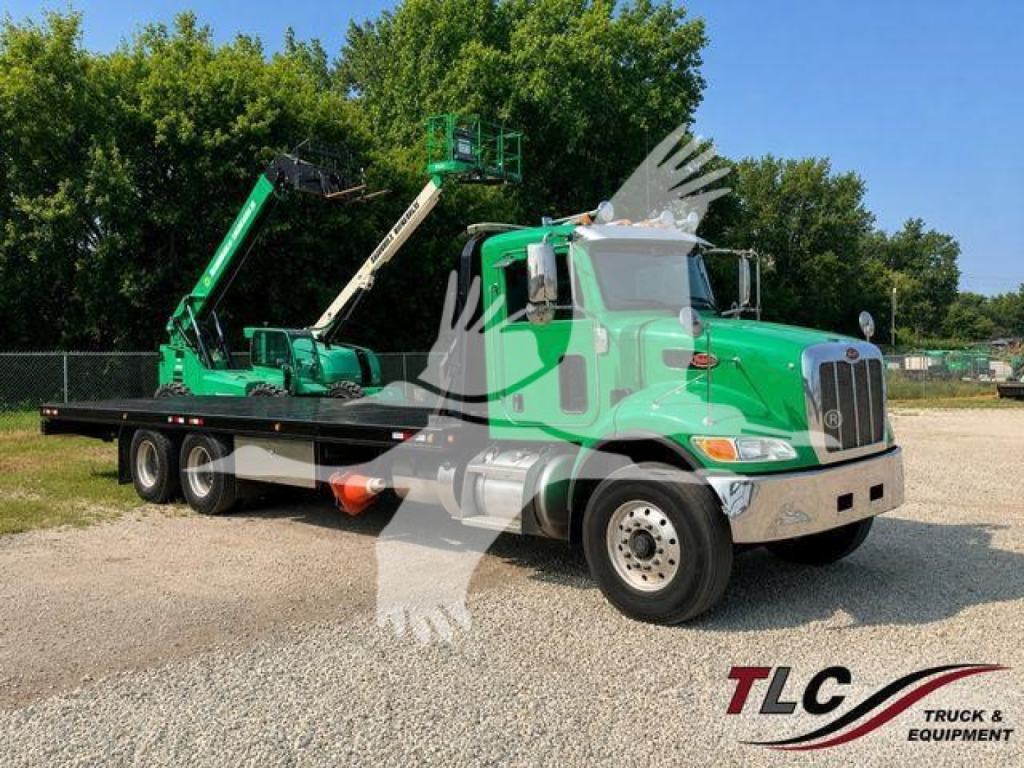
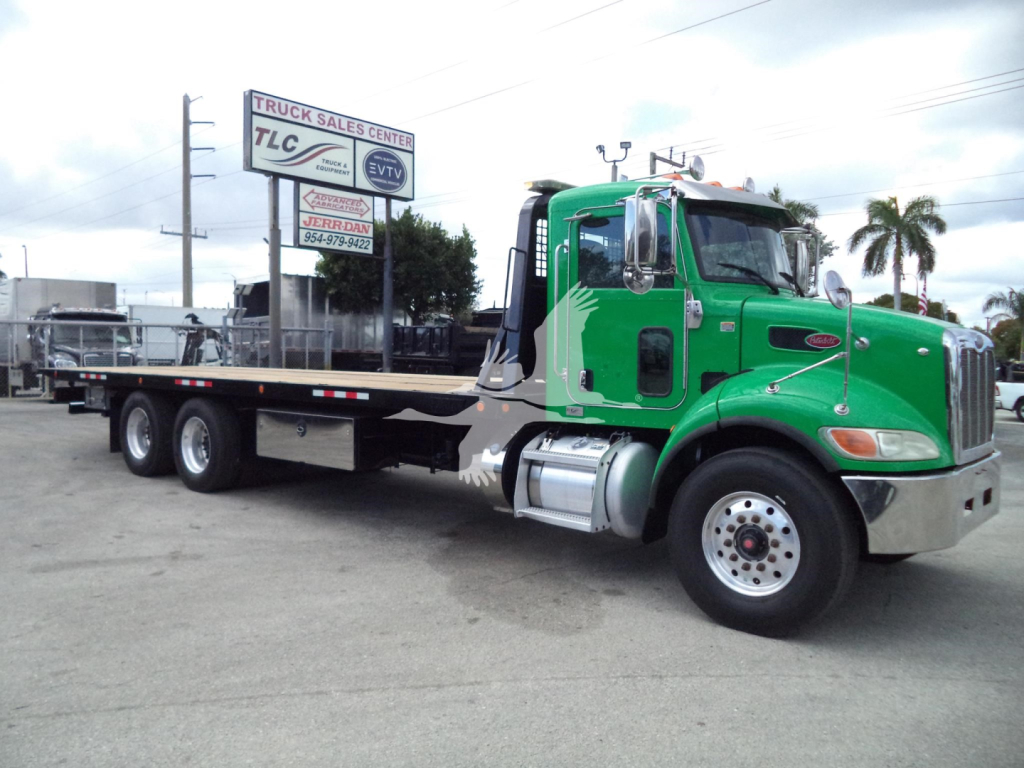
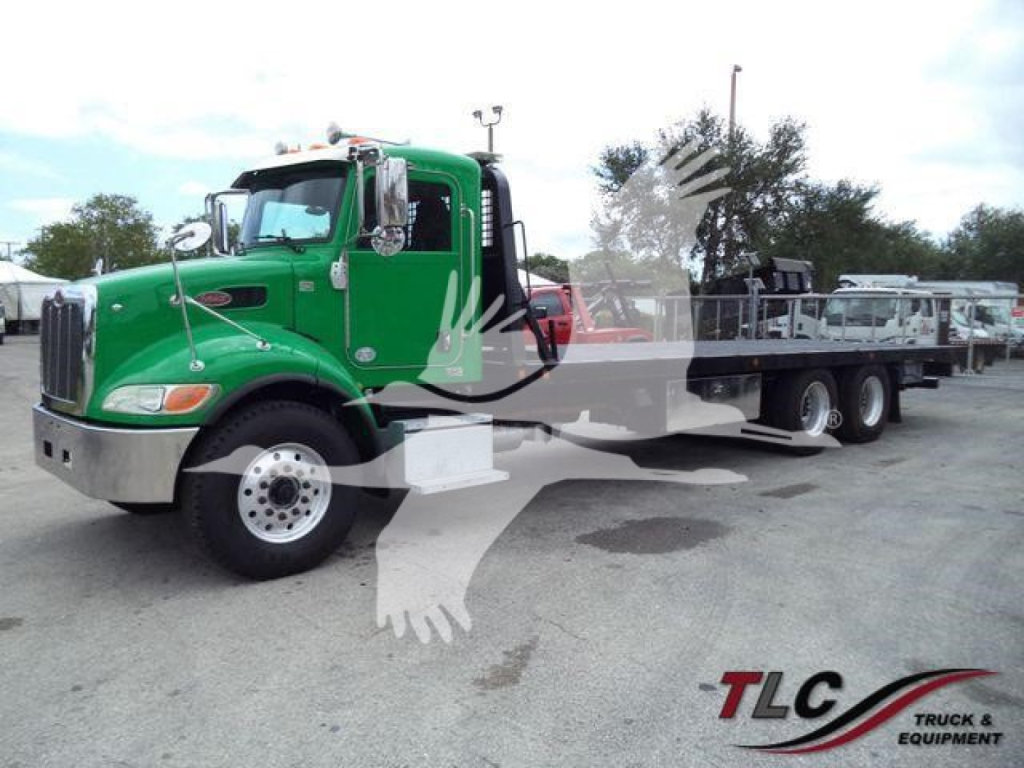
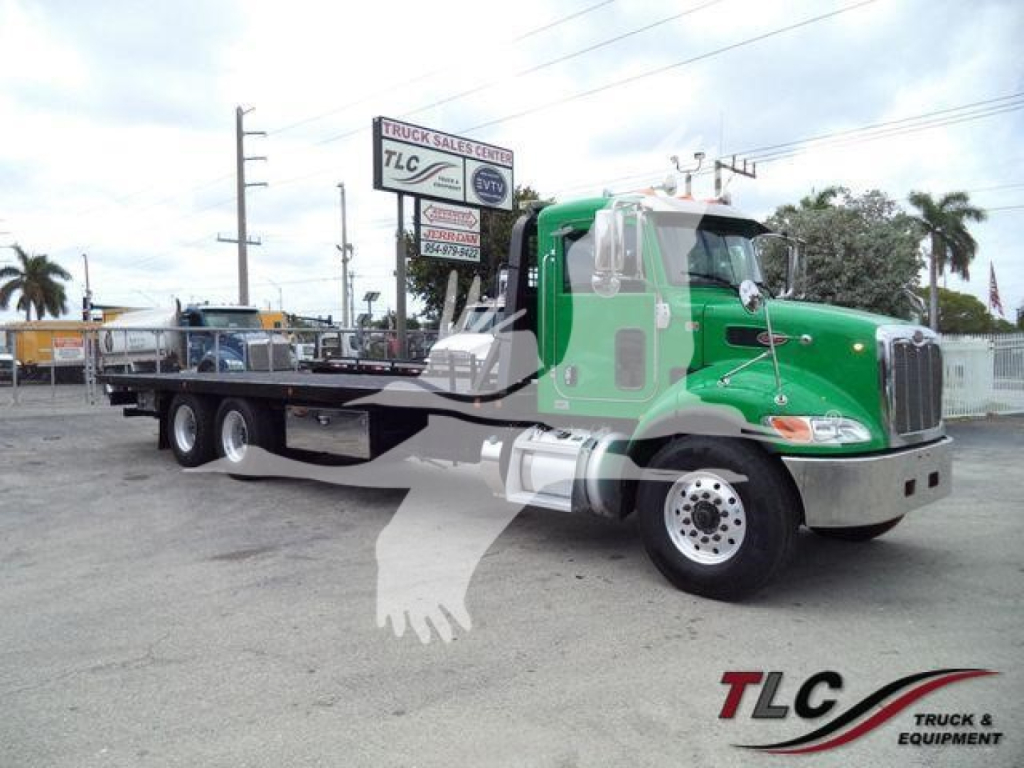
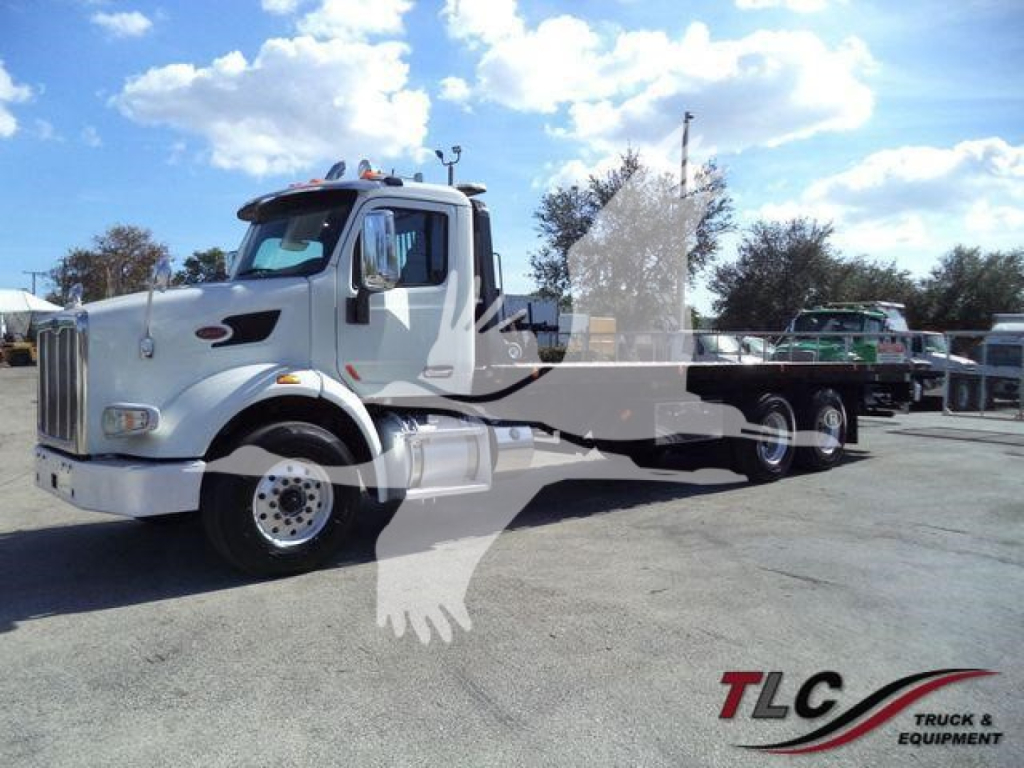
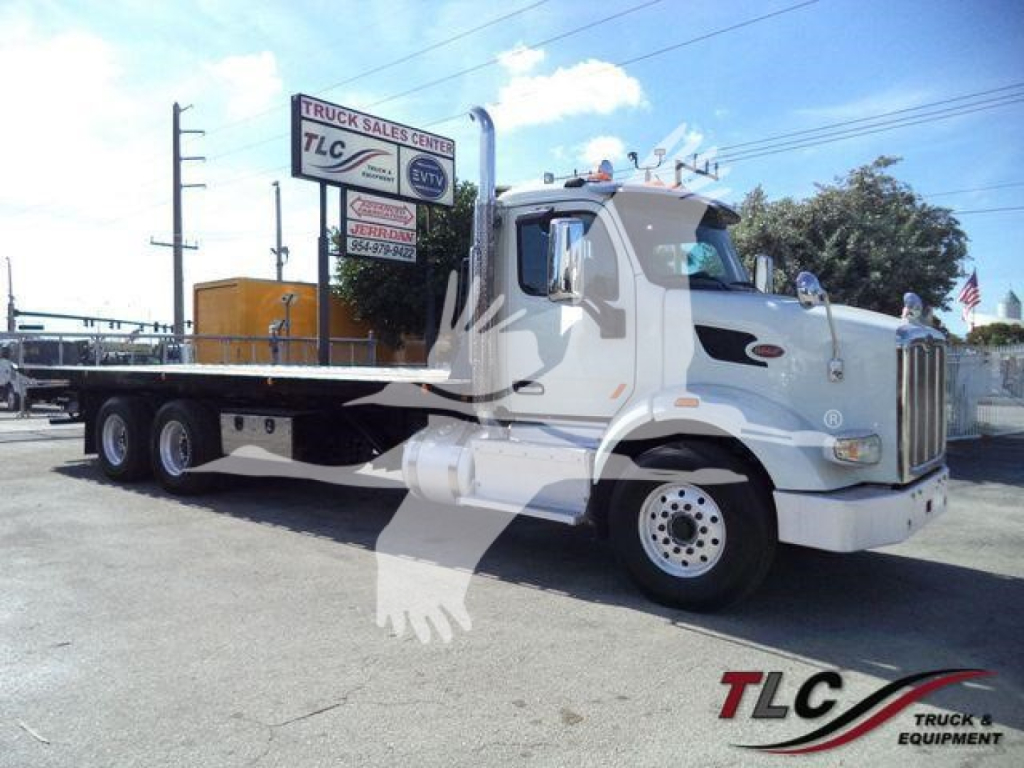
Selling a 2016 peterbilt truck? List your 2016 peterbilt truck for sale and reach thousands of commercial buyers.
2016 Peterbilt Trucks in Florida
Engine and drivetrain decisions matter more than badge preference on a used 2016 truck. Common powerplants in this year include the PACCAR PX-7, PX-9, MX-11, and MX-13, along with Cummins options in certain vocational specs. On medium-duty models, buyers usually compare horsepower in the 260 to 350 hp range, Allison automatic versus manual transmissions, and rear axle ratios that match towing, stop-and-go work, or highway speed. On heavier vocational and highway trucks, front axle capacity, suspension type, double-frame construction, PTO readiness, and lift axle setup can be just as important as engine make. If the truck is body-equipped, confirm whether the PTO, hydraulics, and body controls were integrated cleanly at the chassis level or added later.
For a Florida buyer, corrosion is usually less of a frame issue than in northern markets, but sun exposure, interior wear, cooling-system condition, and idle hours deserve a close look. A 2016 emissions package should be checked for DPF service history, DEF system performance, regeneration frequency, and any signs of aftertreatment derate problems. On Peterbilt trucks used in towing, construction, or utility work, inspect spring hangers, crossmembers, steering components, air ride suspension, brake system condition, and evidence of overload. If the truck has a carrier bed, boom, hoist, or other upfit, verify bed dimensions, wheel-lift or winch capacity, hydraulic leaks, and how well the body matches the chassis GVWR and axle ratings.
Peterbilt remains a strong name in the used truck market because operators value the cab layout, parts support, and resale stability. A 2016 Peterbilt can make sense for fleets standardizing around a known platform and for owner-operators who want a vocational truck with established serviceability. The best buy is usually the one with the clearest maintenance record, the right wheelbase and axle spec for the job, and a drivetrain that matches actual duty cycle instead of a broader generic spec. When comparing listings, focus on engine hours, mileage, brake type, suspension, cab configuration, and body manufacturer just as closely as the Peterbilt model number.
Frequently Asked Questions about 2016 Peterbilt Trucks in Florida
What should I check first on a used 2016 Peterbilt truck?
Start with the truck’s actual application and spec sheet. Confirm the model, GVWR, axle ratings, wheelbase, engine, transmission, suspension, and brake type before you judge condition. After that, review maintenance records, engine hours, mileage, DPF and DEF service history, and any repairs to the aftertreatment system. If the truck has a vocational body or upfit, make sure the body capacity and hydraulic system match the chassis and intended use.
Which engines are common in 2016 Peterbilt trucks?
A 2016 Peterbilt may be equipped with PACCAR PX-7, PX-9, MX-11, or MX-13 engines, depending on the model and application. Medium-duty trucks often carry PX-series engines suited for local and vocational work, while heavier trucks may use MX-series engines for higher torque and broader duty cycles. The best engine choice depends on payload, terrain, idle time, PTO use, and whether the truck will stay local or run regional miles.
Are 2016 Peterbilt trucks good for vocational work?
Yes, many 2016 Peterbilt trucks were built specifically for vocational service such as towing, dump, utility, box delivery, and municipal work. Models like the 337 and 348 are common in medium-duty and severe-service applications because they can be ordered with useful wheelbase options, PTO capability, automatic transmissions, and strong front axle ratings. Buyers should still verify that the truck was originally spec’d for the intended job, because a lightly built chassis can look similar to a heavier vocational unit in listing photos.
What matters most when comparing a 2016 Peterbilt in Florida?
Condition history usually matters more than paint or trim. In Florida, pay close attention to HVAC performance, cooling system condition, cab seal integrity, UV-related interior wear, and any signs of electrical issues from heat and moisture exposure. If the truck worked near the coast, inspect wiring, connectors, air tanks, fasteners, and exposed metal components for salt-related corrosion even if the frame itself looks clean.
Is mileage or engine hours more important on a 2016 Peterbilt?
Both matter, but engine hours often tell the fuller story on vocational trucks. A truck with moderate mileage and very high idle hours may show more wear on the engine, aftertreatment, and PTO-related systems than the odometer suggests. For highway tractors, mileage can be a stronger indicator, but for rollbacks, wreckers, dumps, and utility trucks, hours, maintenance records, and evidence of how the truck was worked are usually more important than mileage alone.