
2008 Peterbilt Trucks For Sale
Shop 2008 Peterbilt trucks for sale, including highway, vocational, and medium-duty models with proven drivetrains and classic Peterbilt styling.
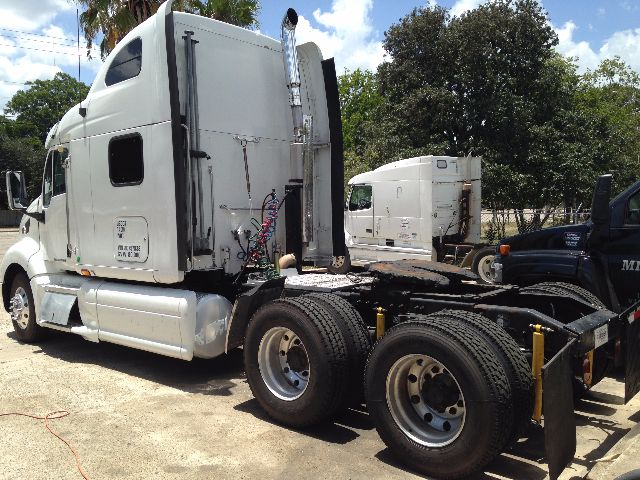
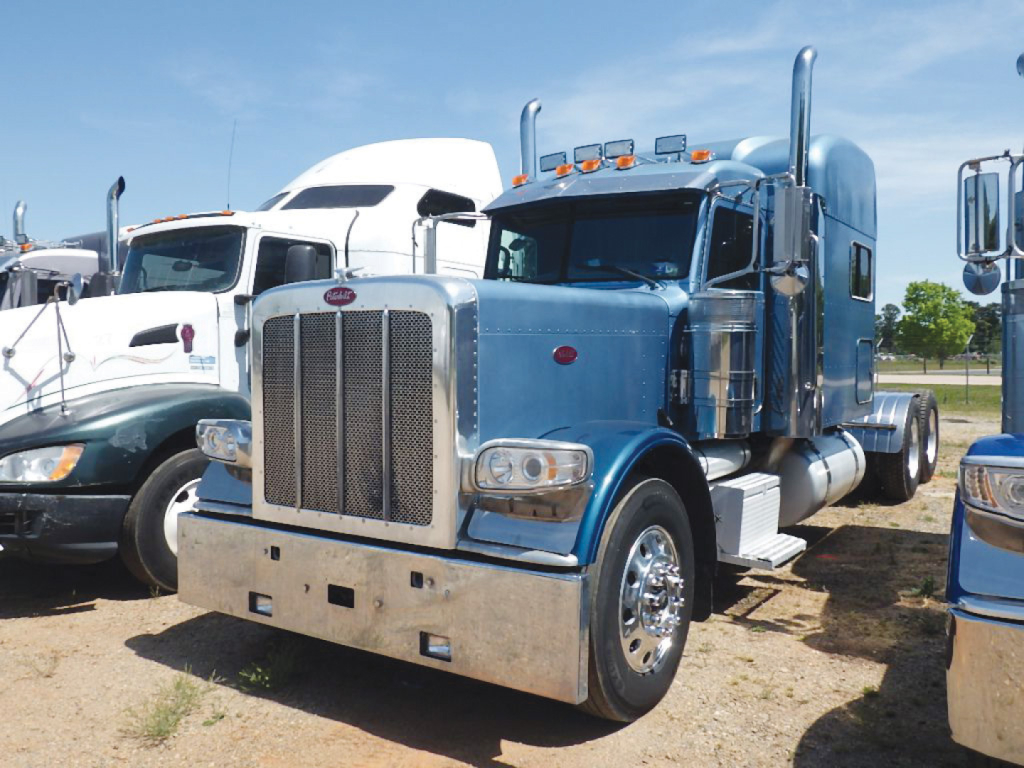
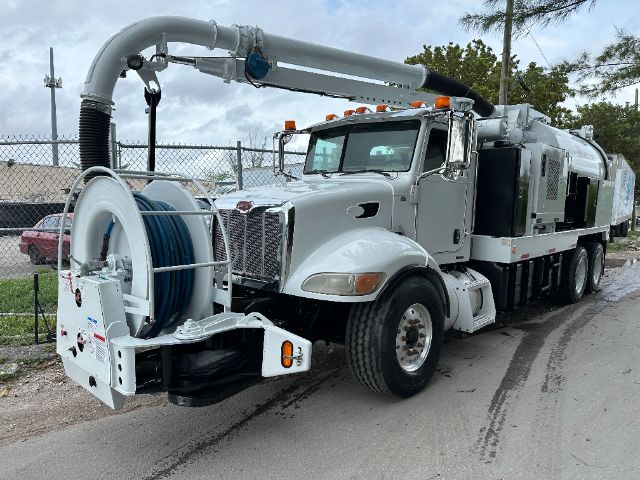
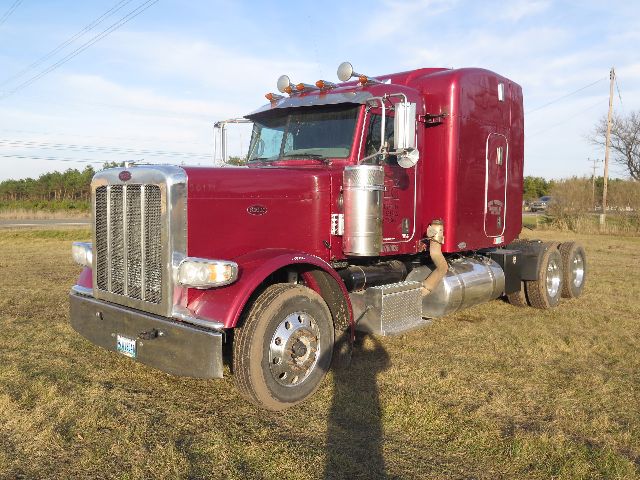

Selling a 2008 peterbilt truck? List your 2008 peterbilt truck for sale and reach thousands of commercial buyers.
2008 Peterbilt Trucks
The first buying decision is usually emissions and engine platform. A 2008 build can fall into an important transition period, so buyers should verify the engine family, emissions label, and aftertreatment setup rather than assuming all trucks from the year are identical. Popular engines in Peterbilt trucks from this era include the Caterpillar C13 and C15, Cummins ISX, ISC, and ISB, and PACCAR power in certain applications. Transmission choices commonly include Eaton Fuller 10-speed, 13-speed, and 18-speed manuals, plus Allison automatics in medium-duty and vocational work. Rear axle ratings, suspension type, and wheelbase should be matched to the intended body or trailer use. Highway tractors often carry 38,000 to 46,000 lb rears with air ride suspensions, while vocational and straight truck configurations may use heavier front axles, double frames, locking differentials, and shorter wheelbases for maneuverability.
Cab layout and model family make a major difference in value. A 2008 Peterbilt 389 or late 379 appeals to buyers who want a traditional long-hood truck with strong owner-operator resale appeal. A 386 or 387 is more aerodynamic and typically aimed at fuel-conscious linehaul use. Medium-duty models such as the 335 and 337 are commonly found as box trucks, flatbeds, hooklift trucks, tow trucks, and utility bodies. Buyers comparing listings should look closely at sleeper size, axle configuration, frame rail condition, PTO capability, and evidence of prior vocational upfit work. Interior wear, electrical condition, and service records matter on 2008 units because age-related issues often show up in HVAC controls, wiring, dash components, suspension wear points, and aftertreatment maintenance history.
A well-matched 2008 Peterbilt can still be a productive truck if the spec fits the route, payload, and maintenance plan. For highway use, pay attention to engine brake performance, gearing, tire size, and sleeper equipment. For vocational work, focus on frame integrity, steering component wear, hydraulic compatibility, and axle capacity. Peterbilt's broad dealer network and aftermarket support remain a real advantage for this model year, especially for buyers who plan to keep the truck in service and maintain it rather than cycle it quickly. The best purchase is rarely the cheapest listing. It is the truck with the right engine, documented upkeep, sound chassis condition, and a spec that fits the work without expensive reconfiguration.
Frequently Asked Questions about 2008 Peterbilt Trucks
What are the most common 2008 Peterbilt models buyers look for?
The most common 2008 Peterbilt models depend on application. For highway tractors, buyers often search for the 379, 386, 387, 388, and 389. For medium-duty and vocational work, the 335, 337, 340, and 365 are common. The 379 and 389 are known for traditional long-hood styling and owner-operator appeal, while the 386 and 387 are more aerodynamic for freight hauling. Medium-duty models are frequently used for box trucks, wreckers, dumps, and service bodies.
Did 2008 Peterbilt trucks have emissions equipment that should be checked before buying?
Yes. 2008 Peterbilt trucks were built during a key emissions period, so buyers should confirm the exact engine, emissions label, and aftertreatment components on the truck they are considering. Some units from this era use diesel particulate filter systems, and maintenance history on those components is important. A buyer should verify regeneration performance, fault codes, service records, and whether the truck's current configuration complies with applicable operating rules in the states where it will run.
What engines are commonly found in 2008 Peterbilt trucks?
Common engines in 2008 Peterbilt trucks include Caterpillar C13 and C15 engines, Cummins ISX, ISC, and ISB engines, and in some cases PACCAR engines depending on model and build date. The right engine depends on duty cycle and service support in your area. Heavy highway tractors are often equipped with larger displacement engines for sustained gross combination weight, while medium-duty trucks usually carry smaller engines suited to stop-and-go operation, PTO work, or local delivery.
Is a 2008 Peterbilt a good choice for an owner-operator or small fleet?
A 2008 Peterbilt can be a strong choice for an owner-operator or small fleet if the truck has been maintained properly and the specification matches the work. Many buyers value this model year because it offers proven drivetrains, wide parts availability, and lower purchase cost than newer trucks. The key is to inspect service history, engine condition, frame and suspension wear, driveline condition, and any emissions-related repairs. A lower-priced truck can become expensive quickly if it needs major engine, aftertreatment, or transmission work.
What should buyers inspect first on a used 2008 Peterbilt truck?
Start with the engine and emissions system, then move to transmission operation, rear axle condition, suspension, steering, brakes, and frame rails. On vocational trucks, inspect PTO function, hydraulic plumbing, and signs of frame modification or body stress. On highway tractors, review gearing, fifth wheel condition, sleeper equipment, and tire wear patterns. Because a 2008 unit is an older truck, electrical issues, HVAC performance, and cab wear should also be checked carefully during inspection and road test.