
2008 Peterbilt Conventional Sleeper Trucks For Sale
Shop 2008 Peterbilt conventional sleeper trucks. Compare engine, sleeper, wheelbase, axle, and spec details for long-haul applications.
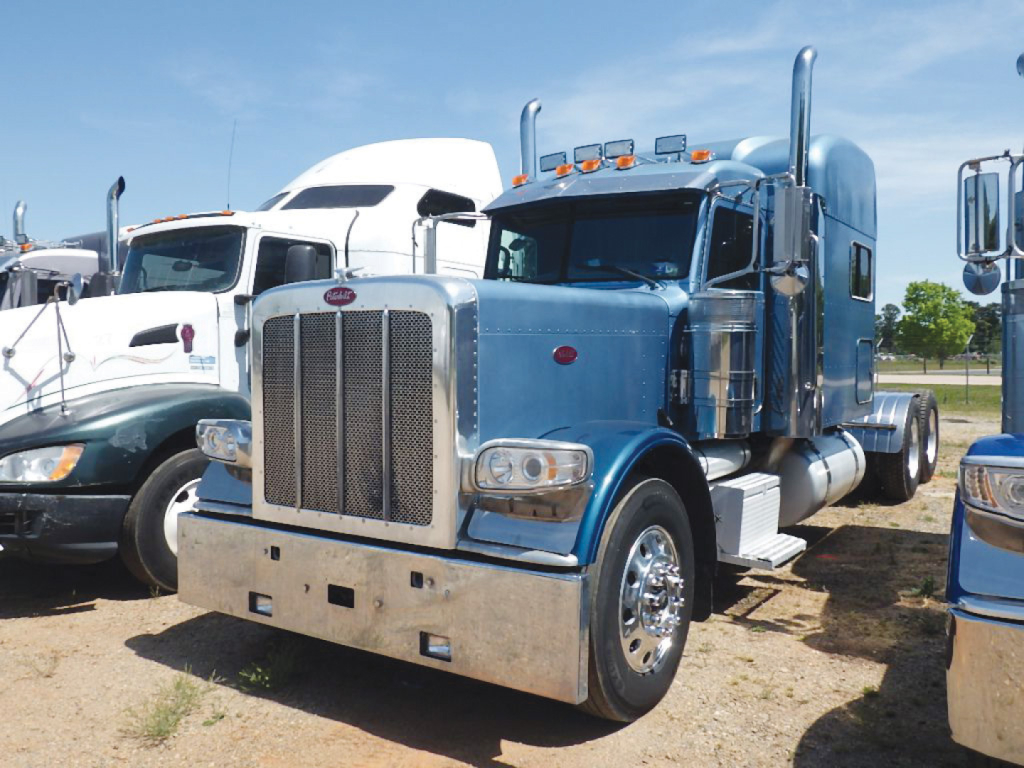
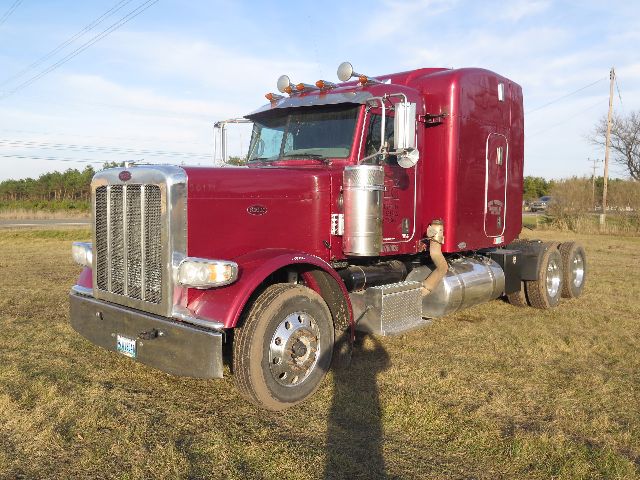

Selling a 2008 peterbilt conventional sleeper truck? List your 2008 peterbilt conventional sleeper truck for sale and reach thousands of commercial buyers.
2008 Peterbilt Conventional Sleeper Trucks
This category can include popular long-hood and aerodynamic Peterbilt platforms, depending on how the truck was originally ordered. Conventional sleeper trucks are also known simply as sleeper semis, road tractors, or highway tractors with sleepers. Common sleeper sizes range from mid-roof and flat-top configurations up to larger high-roof sleepers, and interior equipment often includes dual bunks, storage cabinets, inverters, bunk heaters, and space for a refrigerator or auxiliary power unit. Under the hood, 2008 Peterbilt sleepers were commonly spec'd with Caterpillar, Cummins, or PACCAR power depending on model and original application, paired with manual 10-speed, 13-speed, or 18-speed transmissions, or automated options in some fleet-oriented specs. Rear axle ratings around 38,000 to 40,000 pounds, air ride suspension, and fuel capacity suited for longer lanes are typical in this class.
Spec matching matters more than badge alone. A buyer pulling general dry van or refrigerated freight may prioritize an aero roof, lower rear axle ratio, and a wheelbase that balances fuel economy with trailer swing clearance. Heavy haul, livestock, or specialized open-deck work often points buyers toward higher horsepower, deeper gearing, dual exhaust, heavier front axles, and longer wheelbases. Fifth wheel type, kingpin setting, frame condition, and suspension layout should all be checked against the intended trailer and freight. Tire type, aluminum versus steel wheels, and brake configuration also affect maintenance cost and tare weight in everyday use.
On a used 2008 Peterbilt conventional sleeper, condition is everything. Service records, ECM mileage and engine hours, signs of blow-by, suspension wear, sleeper leaks, and cab mount condition tell more than paint or chrome. Buyers should inspect DPF service history, clutch or transmission wear, differential noise, steering play, and signs of frame modifications or corrosion, especially on trucks that spent time in snow-belt states. A well-maintained 2008 Peterbilt sleeper can still be a productive truck for an owner-operator or small fleet, but the right purchase usually comes down to emissions history, drivetrain spec, and how closely the truck matches the lane it is expected to run.
Frequently Asked Questions about 2008 Peterbilt Conventional Sleeper Trucks
What should I look for first on a 2008 Peterbilt conventional sleeper truck?
Start with the emissions system and drivetrain records. A 2008 Peterbilt is old enough that DPF service, forced regens, EGR repairs, injector work, and turbo history can have a major effect on uptime and operating cost. After that, verify engine hours, ECM mileage, transmission condition, axle ratio, and wheelbase so the truck's spec matches the freight you plan to haul.
Are 2008 Peterbilt sleeper trucks good for over-the-road use?
Yes, many 2008 Peterbilt conventional sleepers were built specifically for over-the-road service. They typically offer a more comfortable cab, better storage, and a true sleeper compartment compared with a day cab. The key is choosing a truck with the right sleeper size, fuel capacity, gearing, and maintenance history for the length of haul and the amount of idle time your operation requires.
What engines are common in a 2008 Peterbilt conventional sleeper?
Common engines in this class can include Cummins, Caterpillar, and PACCAR offerings, depending on the Peterbilt model and original order spec. Horsepower ratings often range from fleet-friendly mid-400 horsepower setups to higher horsepower owner-operator specs. Buyers should focus less on brand alone and more on documented maintenance, emissions repair history, and how the engine is paired with the transmission and rear axle ratio.
How important is sleeper size on a conventional sleeper truck?
Sleeper size directly affects driver comfort, storage, weight, and sometimes resale appeal. A smaller flat-top or mid-roof sleeper may work well in regional service or for operators who spend fewer nights in the truck. A larger high-roof sleeper is usually better for extended over-the-road use because it provides more living space, cabinet room, and capacity for features like a refrigerator, bunk heater, or APU.
Why do axle ratio and wheelbase matter on a 2008 Peterbilt sleeper?
Axle ratio and wheelbase shape how the truck performs on the road and what trailers it handles best. A taller ratio can help lower cruise rpm and improve fuel economy on highway lanes, while deeper gearing can improve gradeability and low-speed pulling power. Wheelbase affects ride quality, bridge law flexibility, turning radius, and how the fifth wheel and kingpin setting work with different trailer lengths.