
Peterbilt Cabover Trucks For Sale
Shop Peterbilt cabover trucks built for urban delivery, tight turns, and high-visibility operation with diesel power and commercial-grade specs.
Selling a peterbilt cabover truck? List your peterbilt cabover truck for sale and reach thousands of commercial buyers.
Peterbilt Cabover Trucks
A Peterbilt cabover is typically spec'd as a medium-duty straight truck chassis with diesel power, automatic transmission options, and air brake configurations depending on GVWR and body type. Common upfits include dry van bodies, refrigerated boxes, stake bodies, rollback carriers, and liftgate-equipped delivery bodies. Buyers should pay close attention to axle rating, wheelbase, cab-to-axle measurement, and body length compatibility because those dimensions determine what kind of box or vocational body the truck can realistically carry. If the truck already has a body installed, inspect floor condition, door hardware, roof seams, liftgate operation, and any signs of corrosion around mounts and crossmembers.
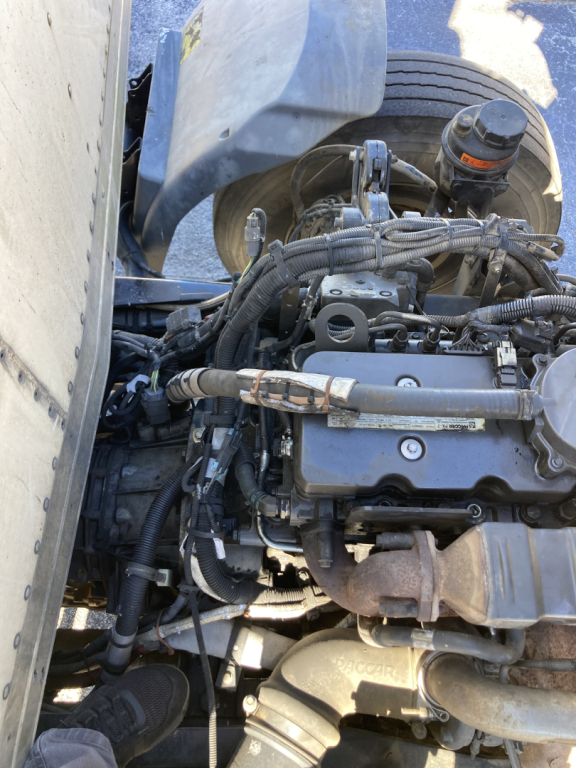
The biggest advantages of a Peterbilt cabover are maneuverability and driver sightlines, but service access and cab ergonomics also deserve a close look. Since the cab sits over the engine, routine maintenance access differs from a conventional truck and can affect downtime depending on the application. On used units, emissions components, sensor issues, cooling system condition, and automatic transmission performance are worth checking closely, especially on trucks that have spent years in stop-and-go service. Review idle hours, brake wear, tire condition, steering play, and suspension wear because urban duty cycles can be harder on chassis components than highway miles suggest.
For buyers comparing cabovers against conventional medium-duty trucks, the decision usually comes down to route density and operating environment. If the truck will spend most of its time in downtown streets, narrow yards, or repeated dock work, a Peterbilt cabover often makes better use of every foot of chassis length. If driver entry and exit happen dozens of times per day, also evaluate cab layout, step height, visibility, and seat condition. A well-matched Peterbilt cabover can be an efficient platform for local delivery fleets that need commercial durability in a compact package.
Frequently Asked Questions about Peterbilt Cabover Trucks
What are Peterbilt cabover trucks commonly used for?
Peterbilt cabover trucks are commonly used for local and regional delivery work where maneuverability is critical. Typical applications include box trucks, refrigerated delivery, beverage distribution, municipal service, and other urban vocational work. Their short overall length and tight turning radius make them especially useful in dense city routes, loading docks, alleys, and areas with limited space to maneuver.
What should I check first on a used Peterbilt cabover?
Start with the chassis measurements, engine and transmission spec, brake type, and body configuration. After that, inspect maintenance-sensitive items such as emissions components, cooling system condition, steering wear, suspension wear, and brake life. On trucks used in stop-and-go service, sensor faults, idle hours, liftgate condition, and body wear can tell you as much as odometer miles about how the truck has been worked.
Are Peterbilt cabover trucks good for city delivery routes?
Yes. A Peterbilt cabover is generally well suited for city delivery because the cabover design reduces wheelbase-related swing and improves forward visibility. That layout helps drivers handle tight intersections, frequent docking, and crowded customer locations more efficiently than many conventional medium-duty trucks. They are often chosen when route density and access matter more than long-haul ride characteristics.
What engine and transmission setups are common in Peterbilt cabover trucks?
Many Peterbilt cabover trucks are equipped with diesel engines and automatic transmissions suited for medium-duty commercial use. Depending on model year and application, buyers may see PACCAR diesel power paired with automatic gearboxes designed for repeated stop-and-go operation. The right setup depends on gross vehicle weight, body type, payload, and whether the truck is running local delivery, refrigerated service, or another vocational application.
Why do cab-to-axle and wheelbase matter on a Peterbilt cabover?
Cab-to-axle and wheelbase measurements determine body fitment, load distribution, and turning characteristics. If you plan to mount or replace a van body, reefer box, stake body, or rollback, those dimensions must match the intended upfit. They also affect how the truck tracks under load and how much usable chassis length you have, which is one of the main reasons buyers choose a cabover in the first place.