
Cabover Trucks For Sale
Explore cabover trucks for sale. Low cab forward COE designs offer tight turning, longer bodies in short lengths, and easy service for urban work.
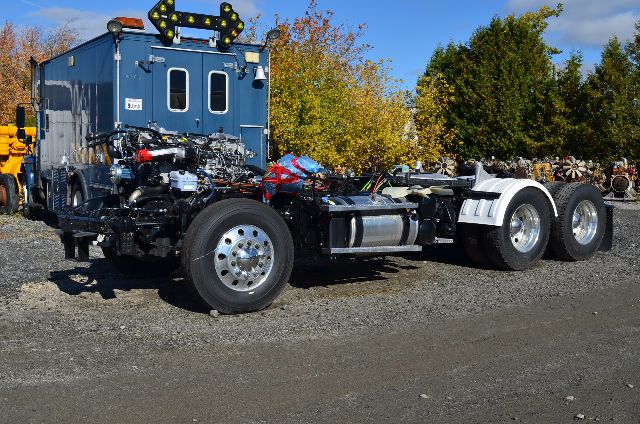
Selling a cabover truck? List your cabover truck for sale and reach thousands of commercial buyers.
Cabover Trucks
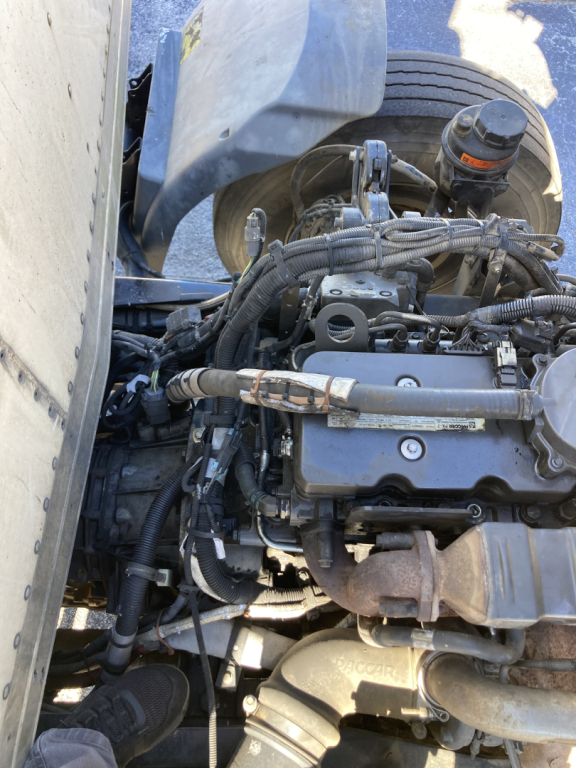
Spec choices drive performance. Most low cab forward units run Class 3-7 GVWRs from roughly 12,000 to 33,000 pounds, with 19.5- or 22.5-inch rubber, hydraulic or air brakes, and wheelbases that stretch to support long bodies while staying maneuverable. Common power includes 4- to 7-liter diesel or modern gasoline options, plus CNG on some vocational chassis. Allison or Aisin style automatics dominate for stop-start duty, often paired with PTO provisions for pumps or packers. Look at cab-to-axle, frame RBM, axle ratings, fuel tank placement, and exhaust aftertreatment clearances to ensure clean body upfits. A full-tilt cab simplifies engine and aftertreatment service compared to conventional medium-duty trucks.
Trade-offs are real. The driver sits over the axle, which sharpens the wheel cut but can ride firmer on rough streets if suspension is not spec’d right. Aerodynamics at highway speed typically lag a long-nose conventional, so fuel economy at 65-plus mph may be lower. Heat and noise control have improved with better insulation and engine encapsulation, yet older COEs can feel louder or warmer under load. Short wheelbase and long bodies can load the steer axle quickly, so pay attention to wheelbase, set-forward equipment, and placement of reefer units or liftgates to keep weights legal.
Highway cabover tractors still show up in ports, city P&D, and tight intermodal yards where visibility and swing clearance matter more than aero. Vintage COE highway tractors remain popular with enthusiasts and niche fleets, while modern low-entry COEs dominate refuse and municipal specs with dual-steer and curbside doors. Comfort features vary from basic day cab to well-trimmed interiors with air-ride seats, full HVAC, ADAS, and camera systems. If the job is dense-stop urban delivery, alley loading, or vocational work where body length per foot of overall length is king, a cabover often delivers the best productivity per mile and per stop.
Also known as: Cab-Over-Engine Truck, COE Truck
Frequently Asked Questions about Cabover Trucks
What is a cabover truck and why choose one?
A cabover, or cab-over-engine truck, places the cab above the front axle and engine to shorten overall length. That layout increases usable body length, improves maneuverability, and enhances sightlines for curbside work and tight streets. It is a strong fit for multi-stop urban delivery, beverage, landscaping, refuse, and utility or municipal jobs.
Which applications benefit most from a cabover?
Urban and suburban routes with frequent stops gain the most. Cabovers excel with 20- to 26-foot van or reefer bodies for parcel, foodservice, and beverage delivery. They are also common as stake and flatbed builds for construction supply, as well as dumps, hooklifts, roll-offs, and low-entry refuse chassis where tight turns, quick ingress-egress, and visibility drive productivity.
What specs should I compare when evaluating cabovers?
Match GVWR, axle ratings, and frame RBM to your payload and body type, then size wheelbase and cab-to-axle to hit target body length without overloading the steer axle. Choose 19.5 vs 22.5 tires based on capacity and ride, and pick transmissions and PTO options to suit stop-start work or hydraulic equipment. Check aftertreatment packaging, fuel tank placement, and body-mount clearances, plus turning radius, step height, and visibility for your route.
Are cabovers comfortable and safe for highway use?
Modern cabovers offer improved insulation, HVAC, air-ride seats, stability control, and available ADAS features. They remain competent on the highway, but their boxier profile is usually less aero than a conventional, which can trim fuel economy at sustained speed. For high-mile interstate work a conventional may ride and sip fuel better, while a cabover typically wins in dense urban operations.
Do cabovers require special maintenance?
Service is straightforward thanks to the tilt-cab design, which gives excellent access to the engine, aftertreatment, and cooling package. Maintenance intervals are similar to conventional medium-duty trucks. Watch for body upfit clearances, inspect cab tilt mechanisms, and keep DPF-SCR systems, brake components, and steering linkages on schedule, especially in stop-start duty cycles.