
2007 Peterbilt Trucks For Sale
Shop 2007 Peterbilt trucks for sale, including 379 and other configurations. Compare engines, sleepers, wheelbases, specs, and applications.
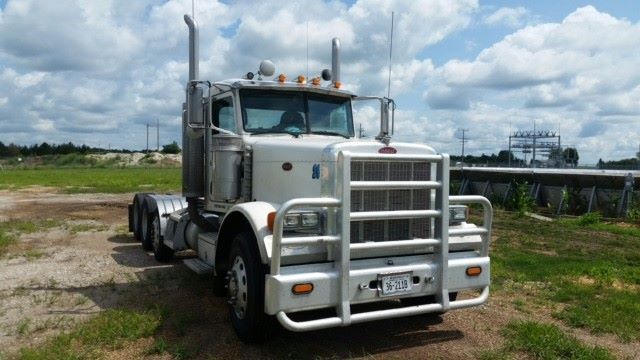
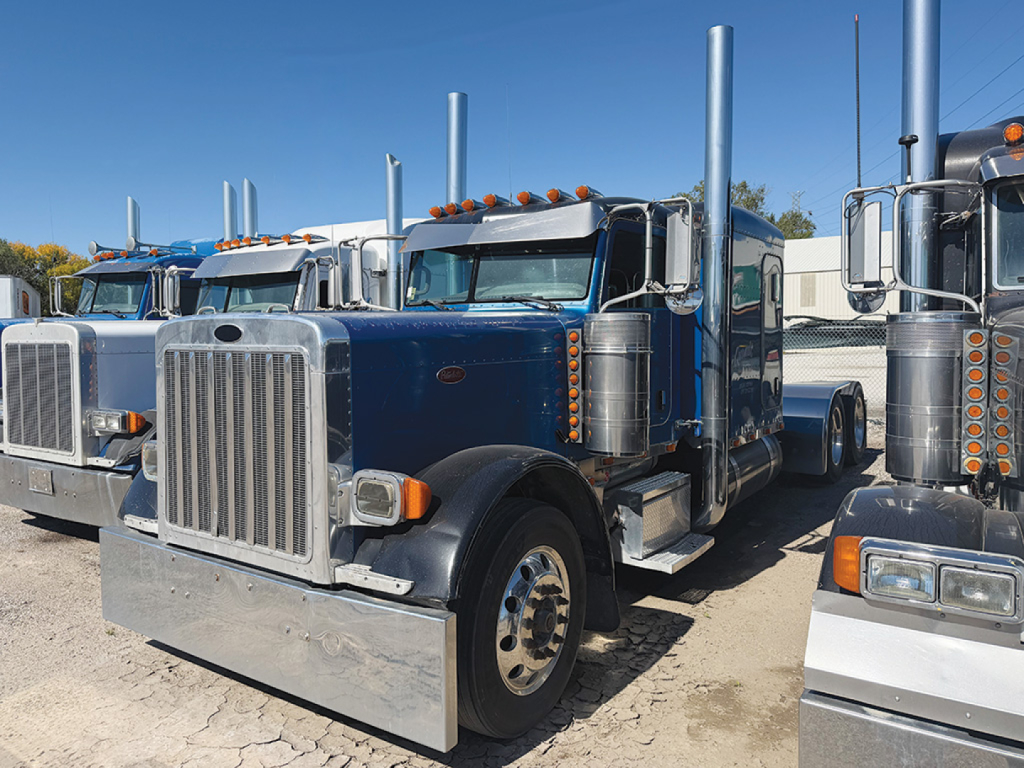
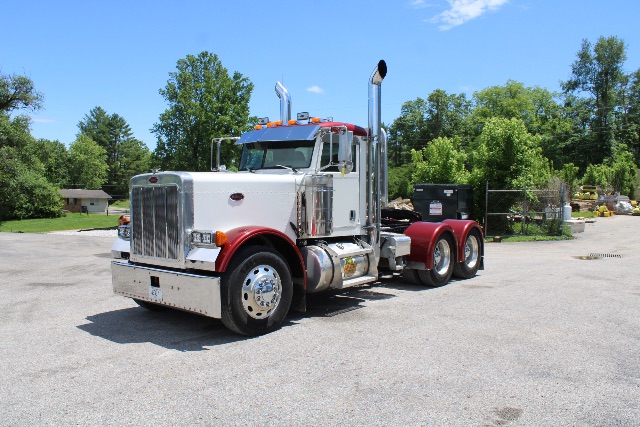
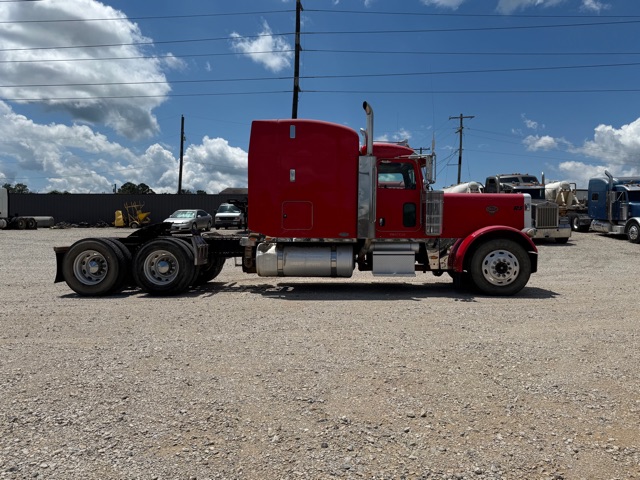
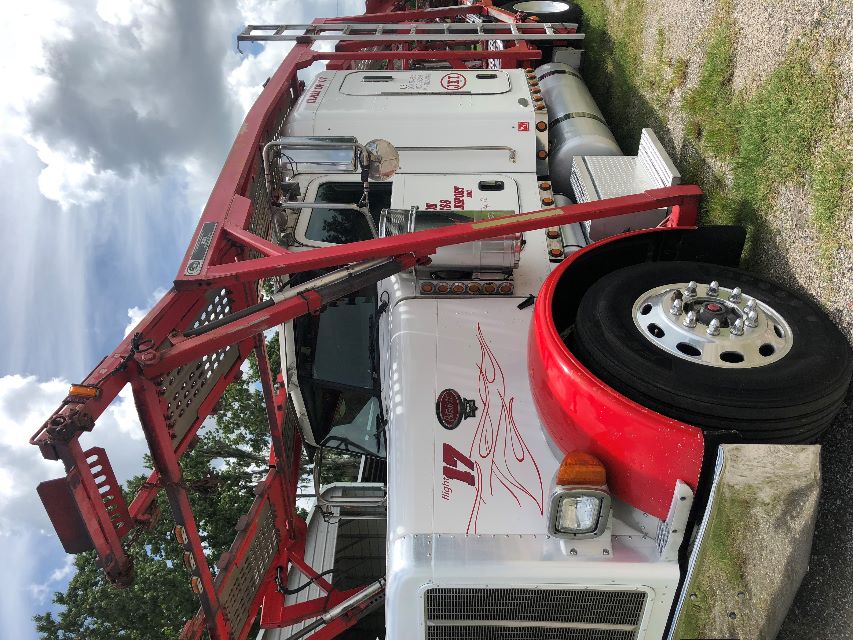

Selling a 2007 peterbilt truck? List your 2007 peterbilt truck for sale and reach thousands of commercial buyers.
2007 Peterbilt Trucks
The big decision on a 2007 Peterbilt truck is powertrain. Many trucks from this period were spec'd with Caterpillar C15 or Cummins ISX engines, often paired with Eaton-Fuller 10, 13, or 18-speed manual transmissions. Rear axle ratios, suspension type, and wheelbase matter just as much as horsepower because they determine how the truck actually performs with your freight and route profile. A highway tractor with tall gearing may be efficient on long interstate runs but less flexible in heavy haul or city work. A day cab with a shorter wheelbase can maneuver well around plants, ports, and construction access roads, while a sleeper with a longer wheelbase may ride better and offer the look many owner-operators want. On older Peterbilts, buyers should pay close attention to service records, frame condition, driveline wear, suspension bushings, steering components, and signs of prior engine or transmission work.
Cab configuration and interior condition can also affect value more than many buyers expect. Peterbilt trucks from this era are known for driver appeal, durable switchgear, and good visibility, but wear varies widely by prior use. In a 2007 sleeper, check bunk size, HVAC performance, dash functionality, seat condition, and any signs of electrical modifications. In a vocational or day cab unit, focus more on PTO setup, brake type, axle capacity, frame rail integrity, and whether the chassis has been altered for a body, wet kit, or specialized equipment. Aluminum wheels, disc or drum brake setups, fuel tank capacity, headache racks, and air ride suspension can all change the truck's fit for a specific operation.
A well-selected 2007 Peterbilt can still make sense for fleets and independent operators who value durability, serviceability, and strong resale interest in the Peterbilt name. The key is matching the spec to the job instead of buying on appearance alone. Look at engine family, transmission, axle ratings, suspension, and wheelbase as a package. If the truck will run under emissions or registration rules in California or other strict jurisdictions, confirm compliance before purchase. For buyers in regional, agricultural, construction, equipment hauling, or traditional over-the-road applications, a 2007 Peterbilt remains a practical used-truck category with a wide range of possible configurations.
Frequently Asked Questions about 2007 Peterbilt Trucks
What should I look for first when buying a 2007 Peterbilt truck?
Start with the truck's intended application and the full powertrain spec. Engine model, transmission, rear axle ratio, suspension, wheelbase, and axle ratings tell you more about suitability than appearance. After that, review maintenance history, engine overhaul records, clutch and transmission work, frame condition, steering wear, suspension bushings, brake condition, and tire wear patterns. On a 2007 truck, documented repairs and consistent servicing usually matter more than low price alone.
Are 2007 Peterbilt trucks good for owner-operators?
Yes, many 2007 Peterbilt trucks are popular with owner-operators because they offer classic styling, proven drivetrains, and strong parts availability. Models like the Peterbilt 379 are especially sought after for long-haul and specialized hauling. The best unit for an owner-operator depends on freight type, operating region, and maintenance budget. A clean, properly spec'd truck with solid records can be a better business decision than a cheaper truck that needs major driveline or engine work.
What engines are common in 2007 Peterbilt trucks?
Common engines in 2007 Peterbilt trucks include the Caterpillar C15 and Cummins ISX, along with other specs depending on the chassis and original order. The engine choice affects fuel economy, service network preference, emissions system complexity, and resale demand. Buyers should confirm the exact engine serial number, horsepower rating, emissions configuration, and any major repairs or replacement history before making a decision.
Is a 2007 Peterbilt better as a day cab or sleeper?
That depends on the route and freight. A day cab is typically the better fit for local haul, port work, dedicated regional lanes, and operations where maneuverability matters. A sleeper is better suited to over-the-road work, longer dwell times, and applications where driver comfort affects productivity. In the used market, the right choice comes down to wheelbase, weight, turning radius, and total operating cost rather than cab style alone.
Do emissions rules matter when buying a 2007 Peterbilt truck?
Yes, emissions compliance can be a major factor, especially for buyers operating in California or in fleets subject to strict state or local rules. A 2007 truck may fall into a regulatory category that affects where it can be registered or how it can be used. Buyers should verify engine emissions labeling, retrofit status if applicable, and current state requirements before purchase. This is critical for avoiding downtime, registration issues, or costly post-sale changes.